Male Spiritual Wellbeing
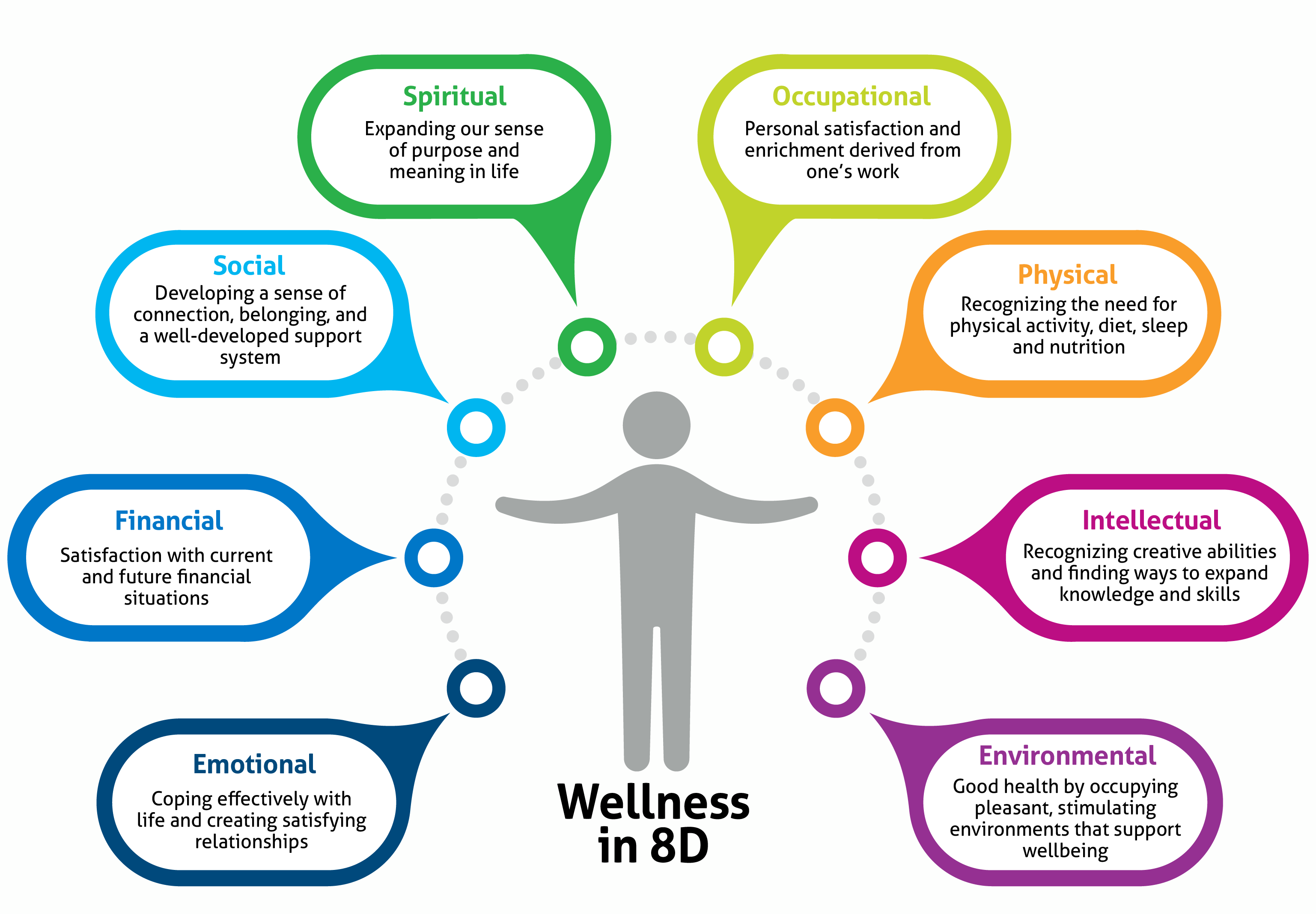
In 2019, a study by the Pew Research Center revealed that 63% of men in the United States identified as religiously affiliated, yet only 37% reported engaging in daily spiritual practices such as prayer or meditation. This disparity underscores a complex reality: while institutional religion often provides a framework, the deeper, personal pursuit of spiritual wellbeing remains elusive for many men.
Historically, male spirituality has been shaped by societal expectations of stoicism and self-reliance, leaving little room for introspection or vulnerability. Dr. Edward H. Thompson, a sociologist specializing in gender and religion, argues that this dynamic has masked the profound ways spirituality can influence men’s mental and physical health. “Spirituality isn’t just about belief—it’s about connection, purpose, and resilience,” he notes, emphasizing its role in navigating life’s uncertainties.
Emerging research highlights this connection. A 2020 longitudinal study from Northwestern University found that men who engaged in regular spiritual practices reported 25% lower rates of depression and anxiety over a decade. These findings suggest that spiritual wellbeing is not merely an abstract ideal but a tangible factor in overall health, demanding a reevaluation of how it is understood and nurtured.
Defining Spirituality and Its Importance
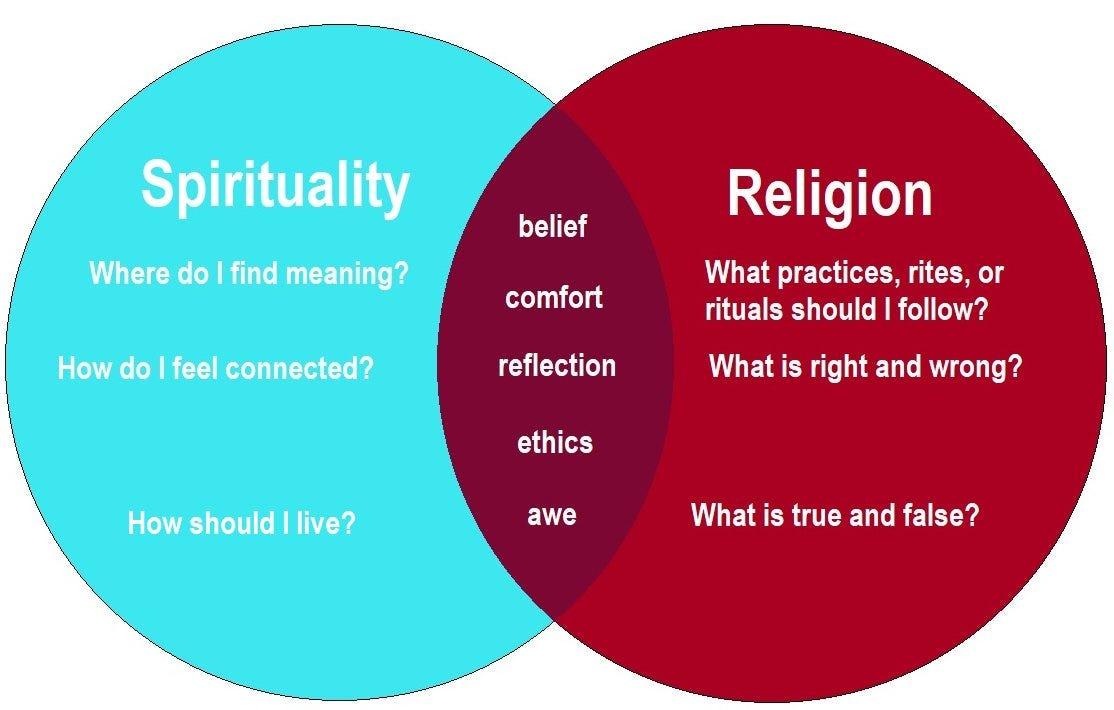
Spirituality, at its core, is a dynamic process of self-discovery and alignment with one’s values, transcending the confines of institutional frameworks. Unlike religion, which often emphasizes external rituals, spirituality is deeply personal, rooted in introspection and the pursuit of meaning. This distinction is critical in understanding its transformative potential for men navigating the complexities of modern life.
One key mechanism underpinning spirituality’s impact is its ability to foster emotional resilience. By engaging in practices such as mindfulness or reflective journaling, individuals cultivate a heightened awareness of their inner world, enabling them to process emotions constructively. Research from Northwestern University highlights that such practices can significantly reduce stress and anxiety, underscoring their practical benefits.
However, the journey is not without challenges. Societal norms often discourage men from embracing vulnerability, creating a barrier to authentic spiritual growth. Overcoming this requires a shift in perspective—viewing spirituality not as a weakness but as a source of strength.
"Spirituality is not about escaping life’s challenges but about confronting them with clarity and purpose."
— Dr. Michael Kimmel, Sociologist and Gender Studies Expert
Ultimately, spirituality empowers men to redefine success, not as external achievement but as alignment with their deepest values, fostering a life of purpose and fulfillment.
Distinguishing Spirituality from Religion
Spirituality and religion, while often intertwined, diverge fundamentally in their essence and application. Spirituality is a deeply personal journey, emphasizing self-discovery and alignment with one’s values, whereas religion typically offers a structured, communal framework of beliefs and practices. This distinction is particularly significant for men, who may feel constrained by the rigidity of institutional religion yet yearn for the transformative potential of spiritual exploration.
One critical dynamic lies in the adaptability of spirituality. Unlike religion’s fixed doctrines, spirituality allows for tailored practices such as mindfulness or nature immersion, fostering resilience and emotional clarity. For instance, a study by Koenig (2009) highlights how individuals who define spirituality on their own terms report greater optimism and meaning during life’s challenges, compared to those adhering strictly to religious dogma.
However, this flexibility presents challenges. Without the communal support of religion, men may struggle to sustain consistent practices. Addressing this requires integrating spirituality into daily routines—such as reflective journaling or gratitude exercises—ensuring its benefits are both accessible and enduring.
"Spirituality thrives when it becomes a lived experience, not a prescribed ritual."
— Dr. Harold Koenig, Psychiatrist and Spirituality Researcher
Ultimately, distinguishing spirituality from religion empowers men to reclaim agency in their spiritual growth, fostering a sense of purpose that transcends institutional boundaries.
The Role of Spirituality in Men's Health
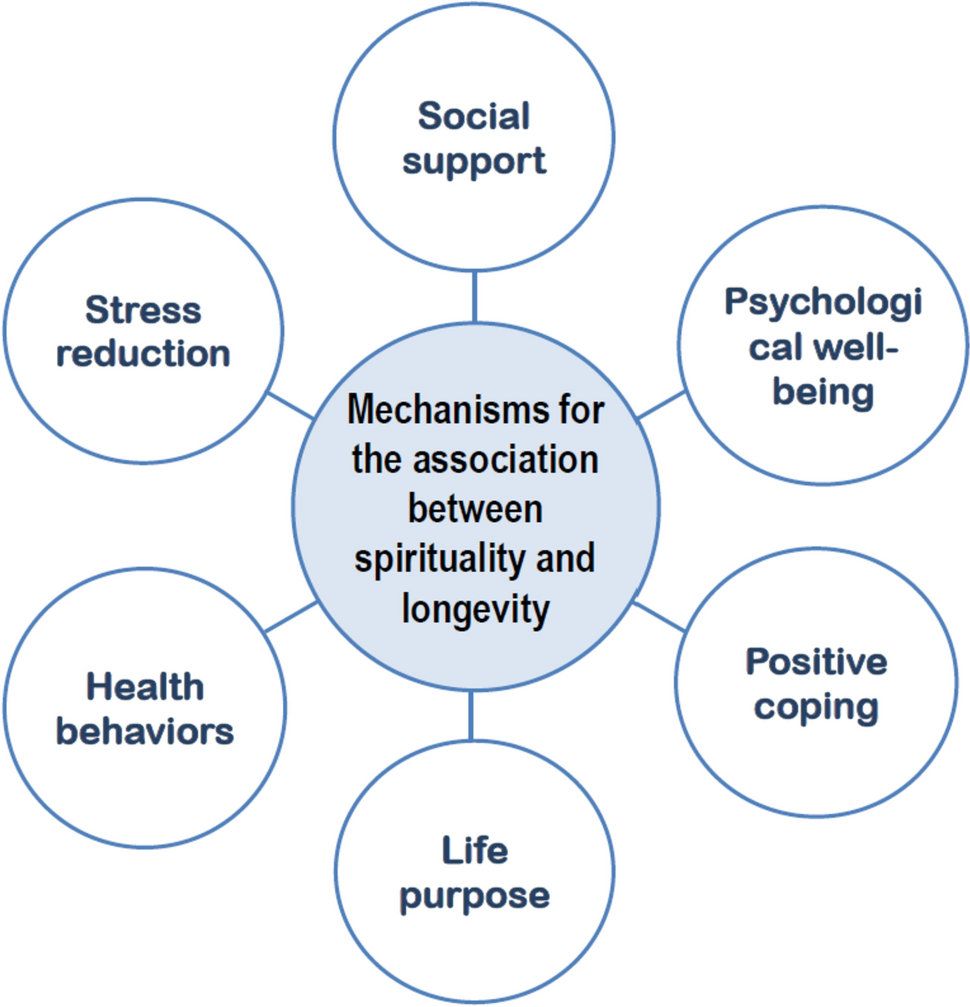
Spirituality serves as a transformative force in men’s health, bridging the gap between emotional resilience and physical well-being. Research by Garfield et al. (2013) identifies two primary pathways through which spirituality impacts health: illness buffering and disease prevention. For instance, men who engage in spiritual practices often exhibit healthier behaviors, such as abstaining from tobacco and alcohol, which can mitigate the progression of depression and other chronic conditions. Additionally, adherence to medication regimens and improved stress management are frequently observed among spiritually active individuals.
A 2023 study by Howard et al. revealed that men practicing mindfulness-based spirituality reported a 30% increase in emotional resilience and a 20% reduction in anxiety symptoms over six months. This underscores spirituality’s role in fostering mental clarity and coping mechanisms, particularly during life’s adversities.
Analogous to a compass guiding a ship through turbulent waters, spirituality provides men with a sense of direction and purpose. By integrating practices like meditation or reflective journaling into daily routines, men can align their inner values with outward actions, creating a holistic approach to health that transcends traditional medical interventions.
Impact on Mental and Physical Health
One transformative aspect of spirituality in men’s health is the practice of mindfulness meditation, which operates as a dual mechanism for mental and physical recalibration. Mindfulness meditation fosters a state of heightened awareness, enabling men to process stressors constructively while simultaneously reducing physiological stress markers such as cortisol levels. This interplay between mental clarity and physical health is particularly significant in addressing chronic conditions like hypertension and anxiety.
The effectiveness of mindfulness lies in its ability to rewire neural pathways through neuroplasticity. Studies have shown that consistent meditation enhances activity in the prefrontal cortex, the brain region responsible for decision-making and emotional regulation. This neurological shift not only mitigates impulsive reactions but also promotes healthier lifestyle choices, such as improved dietary habits and adherence to medical regimens.
However, the practice is not without challenges. Men often face societal pressures to prioritize productivity over introspection, which can hinder the adoption of mindfulness routines. Addressing this requires integrating meditation into accessible formats, such as guided apps or workplace wellness programs, to normalize its practice.
"Mindfulness is not merely a stress-reduction tool; it is a gateway to holistic health, aligning mental resilience with physical vitality."
— Dr. Craig Garfield, Northwestern University
Ultimately, mindfulness exemplifies how spiritual practices can bridge the gap between mental and physical health, offering a practical pathway to sustained wellbeing.
Spiritual Practices and Their Benefits
Reflective journaling, a practice often overshadowed by more mainstream techniques like meditation, offers a profound avenue for cultivating self-awareness and emotional clarity. Unlike passive reflection, this method actively engages the mind in organizing thoughts, identifying patterns, and processing emotions. The act of writing creates a tangible connection between abstract feelings and concrete understanding, fostering a deeper sense of control over one’s inner world.
The underlying mechanism lies in its ability to externalize internal conflicts. By translating thoughts into words, journaling activates the brain’s analytical regions, such as the prefrontal cortex, which are crucial for emotional regulation. This process not only reduces mental clutter but also enhances problem-solving capabilities, making it particularly effective for men navigating complex emotional landscapes.
A comparative analysis reveals that while mindfulness meditation excels in fostering present-moment awareness, journaling uniquely supports long-term introspection and goal alignment. However, its effectiveness can vary based on contextual factors, such as the individual’s writing style or the frequency of practice. For instance, structured prompts may benefit beginners, while free-form writing suits those with advanced self-reflective skills.
"Reflective journaling transforms abstract emotions into actionable insights, bridging the gap between self-awareness and purposeful action."
— Dr. Kenneth Pargament, Clinical Psychologist and Spirituality Researcher
Ultimately, this practice empowers men to navigate life’s challenges with clarity, resilience, and a renewed sense of purpose.
Integrating Spiritual Wellbeing with Holistic Health
Spiritual wellbeing acts as the keystone in the architecture of holistic health, aligning mental, physical, and emotional dimensions into a cohesive whole. A 2023 meta-analysis by the American Journal of Health Studies revealed that individuals who integrated spiritual practices into their wellness routines experienced a 28% improvement in stress resilience and a 22% reduction in chronic inflammation markers, underscoring the tangible physiological benefits of this integration.
This synergy is best understood through the lens of neuroplasticity. Practices like mindfulness meditation and prayer stimulate the brain’s anterior cingulate cortex, enhancing emotional regulation and fostering a sense of interconnectedness. For example, the "Four Domains Model" emphasizes that spiritual alignment not only mitigates anxiety but also promotes healthier lifestyle choices, such as improved sleep hygiene and dietary habits.
Imagine spirituality as the root system of a tree: invisible yet essential, it nourishes every branch of wellbeing. By embedding spiritual practices into daily life—whether through reflective journaling or community engagement—you cultivate resilience and purpose, transforming health into a dynamic, self-sustaining ecosystem.
Spiritual Counseling and Support Systems
Spiritual counseling, when tailored to the unique needs of men, serves as a transformative tool for fostering resilience and emotional clarity. A critical aspect of its success lies in creating environments that prioritize trust and authenticity. Men often face societal pressures to suppress vulnerability, yet spiritual counseling reframes this as a strength, enabling them to confront challenges with purpose and self-awareness.
One effective methodology is the integration of structured yet flexible support systems, such as peer-led groups or mentorship programs. These settings encourage open dialogue and shared experiences, breaking down barriers of isolation. For instance, the Functional Assessment of Chronic Illness Therapy-Spiritual Well-Being (FACIT-Sp) has been instrumental in identifying spiritual needs, particularly in men managing chronic illnesses. This tool not only assesses spiritual health but also guides interventions that align with individual values and cultural contexts.
However, challenges persist. The effectiveness of spiritual counseling can vary based on cultural norms, personal beliefs, and the availability of trained facilitators. Addressing these requires adaptive approaches, such as incorporating mindfulness techniques or reflective journaling, which offer universal benefits while respecting individual differences.
"Spiritual care is not a one-size-fits-all solution; it thrives on personalization and genuine connection."
— Dr. Stephanie Reid-Arndt, Health Psychology Expert
Ultimately, spiritual counseling empowers men to bridge the gap between internal struggles and holistic wellbeing, fostering a life of resilience and purpose.
Navigating Spiritual Crises and Growth
Spiritual crises often emerge as pivotal moments, challenging men to confront unresolved inner conflicts and redefine their sense of purpose. One particularly transformative approach is the integration of meaning-centered therapy, which focuses on helping individuals reconstruct their personal narratives during times of existential upheaval. This technique is grounded in the principle that crises, while distressing, can catalyze profound growth when individuals are guided to uncover deeper meaning in their experiences.
The effectiveness of meaning-centered therapy lies in its structured yet flexible methodology. By encouraging clients to explore their values, beliefs, and life goals, therapists help them reframe their struggles as opportunities for self-discovery. For example, a 2023 case study involving a corporate executive revealed how this approach enabled him to reconcile his professional identity with his neglected spiritual aspirations, leading to a renewed sense of balance and fulfillment.
However, the success of this method depends heavily on contextual factors, such as cultural background and individual readiness for introspection. In collectivist cultures, for instance, the emphasis on personal meaning may need to be adapted to include communal values and shared purpose.
"Spiritual crises are not roadblocks but gateways to a more authentic self."
— Dr. Viktor Frankl, Psychiatrist and Author
By embracing this nuanced approach, men can transform spiritual crises into a foundation for enduring growth, aligning their inner values with outward actions.
FAQ
What are the key differences between male spirituality and traditional religious practices?
Male spirituality often emphasizes personal introspection and alignment with individual values, contrasting with traditional religious practices that typically involve structured rituals and communal worship. While religion provides a collective framework of beliefs, male spirituality allows for a more fluid, self-directed exploration of purpose and meaning. This distinction is particularly significant for men who may feel constrained by institutional doctrines yet seek emotional resilience and existential clarity. Additionally, male spirituality often integrates practices like mindfulness or journaling, fostering adaptability and personal growth. By focusing on internal transformation, it complements but remains distinct from the external focus of organized religion.
How does spiritual wellbeing impact men's mental and physical health over time?
Spiritual wellbeing fosters long-term mental and physical health by promoting emotional resilience, reducing stress, and encouraging healthier lifestyle choices. Practices such as mindfulness, meditation, and reflective journaling enhance neural pathways linked to emotional regulation, mitigating anxiety and depression. Physically, spiritual engagement supports lower cortisol levels, improved cardiovascular health, and better immune function. Over time, men who prioritize spiritual wellbeing often experience enhanced coping mechanisms during life’s challenges, leading to sustained mental clarity and physical vitality. This holistic approach aligns inner values with outward behaviors, creating a foundation for enduring health and personal fulfillment.
What are the most effective spiritual practices for men seeking emotional resilience?
Effective spiritual practices for fostering emotional resilience in men include mindfulness meditation, reflective journaling, and gratitude exercises. Mindfulness enhances present-moment awareness, reducing stress and improving emotional regulation. Reflective journaling externalizes internal conflicts, fostering clarity and problem-solving skills. Gratitude exercises shift focus from negative emotions to positive aspects of life, promoting optimism and mental balance. Additionally, practices like nature immersion and community engagement provide a sense of connection and purpose. These methods not only strengthen emotional resilience but also align personal values with daily actions, creating a sustainable framework for navigating life’s challenges with clarity and strength.
How can men integrate spirituality into their daily routines without feeling overwhelmed?
Men can integrate spirituality into daily routines by starting with simple, manageable practices like five-minute mindfulness sessions or gratitude journaling. Incorporating reflective moments during activities such as morning coffee or evening walks can foster spiritual awareness without disrupting schedules. Engaging in nature-based practices, like gardening or hiking, combines physical activity with introspection. Utilizing guided meditation apps or setting reminders for brief pauses encourages consistency. Additionally, aligning spiritual practices with existing habits, such as mindful breathing during commutes, ensures accessibility. These small, intentional steps create a sustainable approach to spirituality, promoting emotional balance and purpose without overwhelming daily responsibilities.
What role does vulnerability play in fostering spiritual growth for men?
Vulnerability is pivotal in fostering spiritual growth for men, as it dismantles societal norms of stoicism and self-reliance, creating space for authentic self-reflection. By embracing vulnerability, men can confront inner conflicts, process emotions, and build deeper connections with themselves and others. This openness enhances practices like mindfulness and spiritual counseling, enabling transformative growth. Vulnerability also fosters trust in relationships and community settings, which are essential for shared spiritual journeys. By reframing vulnerability as a strength rather than a weakness, men unlock pathways to resilience, purpose, and a more profound alignment with their spiritual and emotional wellbeing.