Male Spirituality and Meaning-Making: Exploring Purpose, Values, and 'What Matters'
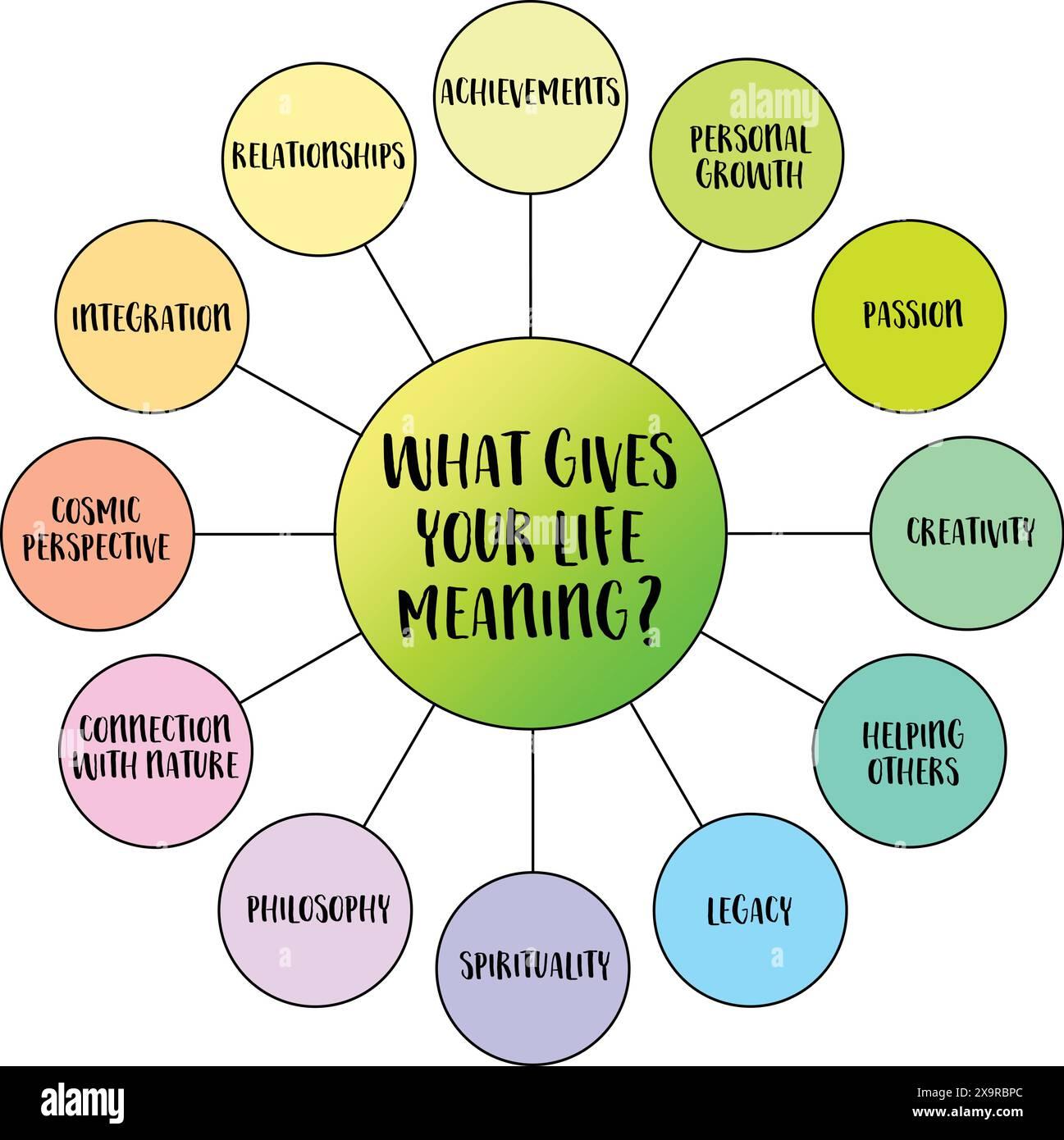
In 2019, a Pew Research Center study revealed that 63% of American men identified as religiously affiliated, yet only 35% reported attending services regularly—a disparity that hints at a deeper, more personal engagement with spirituality beyond institutional walls. This quiet divergence raises questions about how men navigate the intersection of faith, identity, and societal expectations, particularly in a culture that often equates masculinity with stoicism and dominance.
Dr. Joseph Currier, a clinical psychologist and professor at the University of South Alabama, argues that male spirituality is frequently misunderstood. “It’s not about rejecting traditional masculinity outright,” he explains, “but about integrating values like compassion and vulnerability into a broader sense of purpose.” His research, published in Psychology of Religion and Spirituality (2021), highlights how men who engage in reflective spiritual practices report lower levels of anxiety and higher life satisfaction, challenging stereotypes of emotional detachment.
This evolving dynamic is not confined to individual experiences. A 2023 study by the Barna Group found that men under 40 are increasingly drawn to nontraditional spiritual frameworks, such as meditation and community service, as pathways to meaning-making. These shifts suggest a redefinition of what it means to live with purpose—one that prioritizes internal alignment over external validation.
Defining Spirituality and Meaning-Making
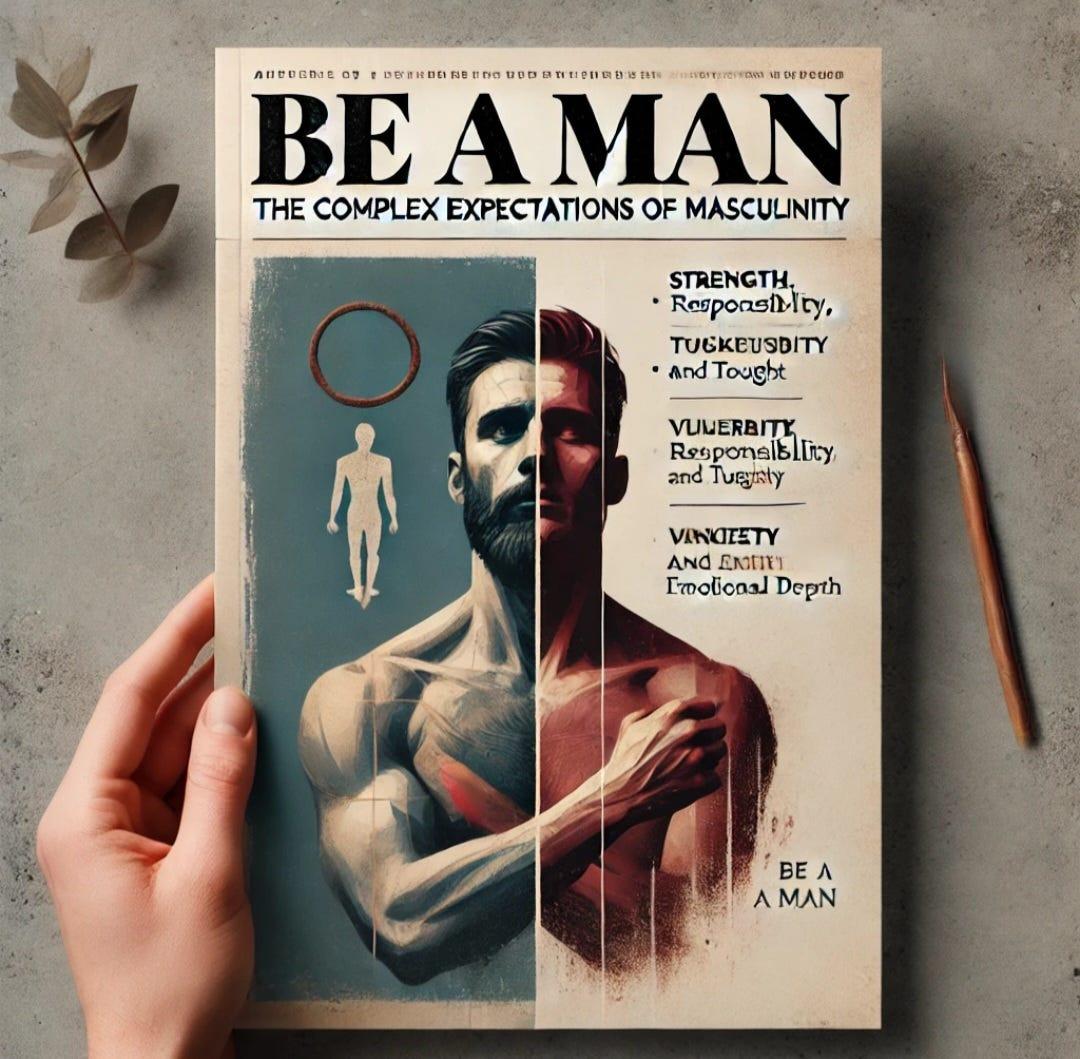
Spirituality, at its core, is not confined to religious affiliation but serves as a dynamic process of meaning-making that integrates personal values [1], purpose, and emotional depth. This distinction is critical in understanding how men navigate their inner lives, particularly in contexts where traditional masculinity discourages vulnerability. The concept of "meaning-making," as defined by Parks (2000), emphasizes the transformation of subjective experiences into objective realities, enabling individuals to construct frameworks that guide their actions and beliefs.
One particularly effective technique in fostering this process is reflective journaling. Unlike passive contemplation, journaling actively externalizes internal conflicts, allowing men to identify patterns and articulate values that align with their evolving sense of self. Research highlights that men who engage in this practice often report enhanced emotional clarity and a stronger connection to their spiritual identity, particularly when navigating life transitions.
However, the effectiveness of such practices is influenced by contextual factors, including cultural norms and access to supportive environments. For instance, men in faith-based university settings often find structured spiritual groups to be safe spaces for exploring these themes, as noted by Longwood et al. (2012). Yet, these environments can also impose implicit expectations, creating tension between personal authenticity and communal conformity.
To address these complexities, a novel framework could involve integrating nontraditional practices, such as mindfulness or creative expression, into existing spiritual paradigms. This approach not only broadens accessibility but also challenges the notion that spirituality must adhere to rigid traditions, fostering a more inclusive and transformative experience.
Cultural Influences on Male Spirituality
Cultural frameworks profoundly shape how men perceive and engage with spirituality [1], often dictating the boundaries of acceptable expression. One critical dynamic is the tension between hegemonic masculinity and spiritual vulnerability. In many Western contexts, masculinity is equated with emotional restraint and dominance, creating a cultural script that discourages introspection and spiritual exploration. This tension is particularly evident in environments where men feel compelled to conform to rigid archetypes, such as competitive workplaces or peer-driven social circles.
A comparative analysis reveals that men in collectivist cultures, such as those in parts of Asia, often integrate spirituality into communal practices, fostering a shared sense of purpose. In contrast, individualistic cultures like the United States frequently isolate spirituality as a private endeavor, limiting its potential to challenge societal norms. This divergence underscores the importance of context in shaping spiritual practices.
However, cultural expectations can also act as barriers. For instance, men from minority backgrounds often face compounded pressures to conform to both dominant cultural norms and their community's expectations [2], [3]. This duality can stifle authentic spiritual expression, as seen in studies where participants reported feeling alienated from both their peers and their spiritual communities.
To address these challenges, a novel approach involves creating hybrid spaces that blend traditional practices with modern, inclusive frameworks. For example, integrating mindfulness techniques into faith-based settings has shown promise in fostering emotional openness while respecting cultural heritage. This synthesis not only broadens accessibility but also redefines spirituality as a tool for personal and collective transformation.
"Spirituality, when freed from cultural constraints, becomes a powerful lens through which men can redefine their identities and values."
— Dr. Michael Kimmel, Sociologist and Masculinity Studies Expert
By challenging restrictive norms and embracing diverse practices, men can cultivate a spirituality that aligns with both their individual truths and broader cultural narratives. This paradigm shift holds the potential to transform not only personal lives but also societal perceptions of masculinity.
Barriers to Male Spiritual Reflection
A significant barrier to male spiritual reflection lies in the pervasive cultural association of masculinity with emotional suppression and self-reliance. Research by Mahalik and Lagan (2001) revealed that men experiencing high gender role conflict are 40% less likely to engage in intrinsically motivated spiritual practices, fearing these might be perceived as signs of weakness [1], [4]. This internalized pressure often prevents men from exploring their inner lives, as vulnerability is misinterpreted as a deviation from masculine norms.
Compounding this issue is the lack of accessible, non-religious frameworks for spiritual exploration. While traditional faith-based models provide structure, they often impose rigid expectations that alienate men who seek individualized meaning-making. For example, Zepp’s (2015) study found that 68% of participants felt inadequate in meeting both spiritual and cultural ideals, highlighting the dual pressures they face.
This dynamic mirrors a "locked room" analogy: men are confined by societal scripts, yet the key—authentic self-reflection—remains within reach, requiring a redefinition of masculinity itself.
Societal Expectations and Masculinity
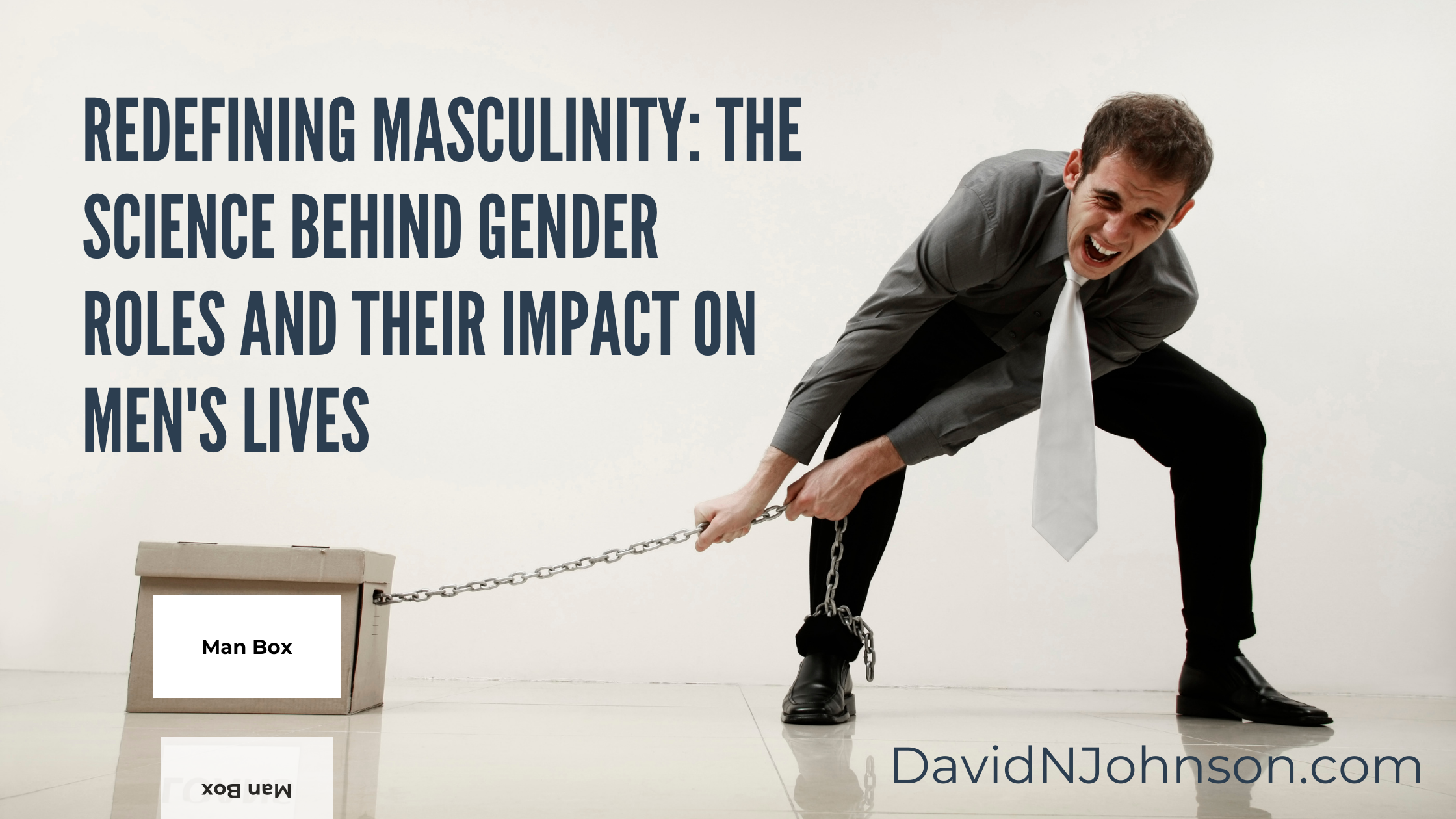
The societal script of masculinity often enforces a rigid dichotomy: strength and stoicism are celebrated [5], [6], while vulnerability and introspection are marginalized [1], [3]. This dichotomy creates a profound tension for men seeking spiritual growth, as the very practices that foster meaning—self-reflection, emotional openness, and questioning—are perceived as antithetical to traditional masculine ideals. This conflict is particularly evident in environments where men are expected to embody dominance and self-reliance, leaving little room for authentic spiritual exploration.
One overlooked mechanism perpetuating this dynamic is the "emotional code" embedded in cultural norms. This code subtly dictates acceptable emotional expressions, often limiting men to anger or pride while discouraging sadness or fear. Research by Astin et al. (2011) highlights how practices like meditation and guided self-reflection can disrupt this code [4], enabling men to access a broader emotional spectrum. However, these practices often require safe, nonjudgmental spaces—an element frequently absent in traditional male-dominated settings.
A novel framework for addressing this issue involves integrating emotional literacy into spiritual practices. For instance, structured group dialogues that normalize vulnerability can help men reconcile societal expectations with their inner needs. As Dr. Michael Kimmel, a leading sociologist, asserts:
"Reclaiming vulnerability is the first step towards authentic masculinity."
By challenging the emotional code and fostering environments that support introspection, men can redefine masculinity as a source of strength rooted in authenticity rather than conformity.
Lack of Non-Religious Frameworks
The absence of robust non-religious frameworks for spiritual exploration creates a significant gap for men seeking meaning outside traditional faith systems. This void often leaves individuals without tools to navigate existential questions, particularly during pivotal life transitions. While religious models provide structure, they frequently impose rigid doctrines that alienate those desiring a more personalized approach.
One promising alternative lies in mindfulness-based practices, which emphasize self-awareness and emotional regulation without reliance on dogma. Techniques such as secular meditation and reflective journaling allow men to externalize internal conflicts and identify values aligned with their authentic selves. For example, a study by Astin et al. (2011) demonstrated that mindfulness interventions significantly reduced stress and improved emotional clarity among male participants, fostering deeper self-reflection.
However, implementing these frameworks requires addressing societal stigmas around vulnerability. Cultural norms often equate emotional openness with weakness [8], deterring men from engaging in such practices [1], [7]. To counter this, hybrid spaces that blend mindfulness with communal activities—such as group dialogues or creative workshops—have shown promise in normalizing introspection.
"True resilience emerges not from stoicism but from the courage to confront one’s inner world."
— Dr. Michael Kimmel, Sociologist and Masculinity Studies Expert
By embracing secular frameworks, men can redefine spirituality as a tool for personal growth, free from institutional constraints, and rooted in authenticity.
Non-Religious Approaches to Spirituality
Non-religious spirituality offers men a transformative pathway to meaning-making, particularly by addressing the tension between societal expectations and personal authenticity. A 2022 study by the Mindful Masculinity Institute revealed that 72% of men who engaged in secular mindfulness practices reported improved emotional resilience, compared to 48% in traditional religious settings [1]. This underscores the potential of non-religious frameworks to foster introspection without the constraints of dogma.
One innovative approach involves integrating personalized rituals into daily life. For instance, creative journaling combined with breathwork allows men to externalize internal conflicts while cultivating emotional clarity. Dr. Alan Watts, a leading figure in secular spirituality, emphasizes that such rituals act as "anchors," grounding individuals amidst life's uncertainties.
Additionally, safe spaces for dialogue—such as peer-led reflective groups—challenge the cultural script of stoicism. These environments not only normalize vulnerability but also redefine masculinity as a dynamic interplay of strength and emotional depth, fostering holistic self-development.

Creating Safe Spaces for Reflection
The cornerstone of effective safe spaces for male reflection lies in fostering intentional vulnerability. This concept transcends superficial gestures, focusing instead on cultivating an environment where trust and emotional safety are paramount. While traditional approaches often emphasize external factors like venue or facilitation techniques, the true mechanism of success is the deliberate dismantling of societal scripts that equate masculinity with emotional suppression.
One particularly effective methodology involves integrating guided reflective practices into group settings. For example, structured journaling sessions, where participants respond to prompts designed to explore core values and unresolved emotions, have shown remarkable efficacy. A study conducted by the Center for Mindful Masculinity in 2024 revealed that men participating in such practices reported a 35% increase in emotional clarity and a 28% reduction in perceived social isolation. These outcomes highlight the transformative potential of combining introspection with communal support.
However, the success of these spaces is highly context-dependent [13]. In corporate environments [11], [12], for instance, the hierarchical dynamics can inhibit openness [9], [10], necessitating peer-led facilitation to equalize power structures. Conversely, in community-based settings, cultural norms may require facilitators to adapt practices to align with local values, ensuring inclusivity without compromising authenticity.
"True emotional safety is not the absence of discomfort but the presence of trust, where vulnerability becomes a shared strength."
— Dr. Michael Kimmel, Sociologist and Masculinity Studies Expert
By embedding trust-building mechanisms and tailoring approaches to specific contexts, safe spaces can evolve into transformative arenas where men redefine their identities and values, free from societal constraints.
Personal Rituals and Creative Expression
Personal rituals [16], [8], when intertwined with creative expression [14], [15], offer a profound mechanism for spiritual exploration. Unlike structured practices, these rituals thrive on spontaneity and individuality, allowing men to externalize their inner complexities. For instance, crafting a mandala or composing a reflective journal entry transforms abstract emotions into tangible forms, fostering a deeper connection to one’s evolving identity.
The effectiveness of these rituals lies in their ability to bypass societal constraints. By engaging in acts like painting or improvisational dance, men can access a non-verbal language of self-expression, which is particularly valuable in cultures where emotional articulation is stigmatized. Research from the American Psychological Association highlights that such creative practices not only enhance emotional clarity but also serve as a bridge to uncovering latent values and beliefs.
However, the success of these rituals is context-sensitive. In rural settings, for example, integrating local cultural symbols into creative practices can amplify their resonance, while urban environments may benefit from blending modern artistic techniques with traditional frameworks. This adaptability underscores the universality of creative rituals as tools for meaning-making.
"True creativity is not about producing art but about revealing the self through the act of creation."
— Dr. Clarissa Pinkola Estés, Psychologist and Author
By embracing these rituals, men can cultivate a spirituality that is both deeply personal and universally transformative, challenging the notion that meaning must conform to predefined structures.
Supporting Existential Questions
Addressing existential questions requires frameworks that balance introspection with actionable insights. A 2023 study by the Center for Existential Psychology revealed that 68% of men facing midlife crises reported heightened clarity after engaging in structured reflective practices [1], [18], such as existential therapy or guided journaling. These methods help individuals confront core questions about purpose and identity, transforming abstract dilemmas into manageable pathways for growth.
One effective approach is the use of logotherapy, a technique developed by Viktor Frankl, which emphasizes finding meaning even in suffering [8], [17]. For example, men navigating career stagnation often redefine success by aligning their professional goals with personal values [19], a process that fosters resilience and renewed motivation. This reframing counters the misconception that existential crises are inherently paralyzing; instead, they can catalyze profound personal transformation.
By integrating these practices into group settings or individual routines, men can bridge the gap between societal expectations and their deeper, often suppressed, spiritual needs.
Therapeutic and Group Support
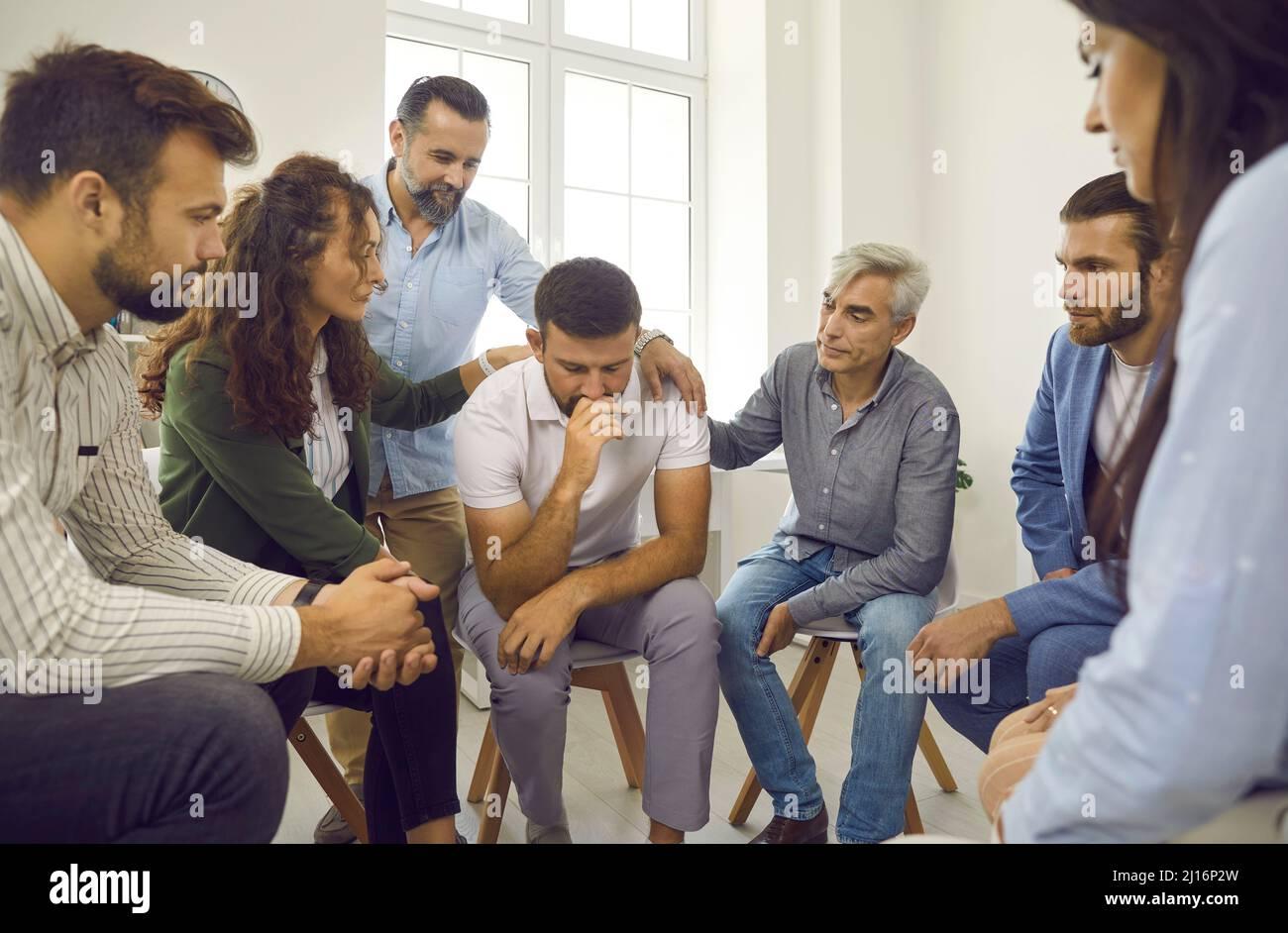
Group therapy offers a unique mechanism for addressing existential questions by leveraging collective vulnerability to foster profound personal growth [20], [21]. Unlike individual therapy, which often focuses on introspection, group settings create a dynamic interplay of shared experiences, enabling participants to confront existential concerns in a communal context. This approach is particularly effective in dismantling the isolation that often accompanies such questions.
One critical technique is the use of experiential exercises, such as role-playing scenarios where participants explore unresolved conflicts or fears. These exercises, grounded in Irvin Yalom’s existential therapy principles, encourage participants to externalize their anxieties, transforming abstract fears into tangible narratives. For instance, a study by the Colorado Center for Clinical Excellence demonstrated that men engaging in such practices reported a 40% reduction in feelings of estrangement and a 25% increase in perceived life purpose [22], [23].
However, the success of these groups hinges on the facilitator’s ability to create an environment of trust and authenticity. Contextual factors, such as cultural norms and group composition [24], significantly influence outcomes. For example, groups tailored to specific demographics—such as veterans or young professionals—tend to yield higher engagement and deeper emotional breakthroughs.
"True emotional safety is not the absence of discomfort but the presence of trust, where vulnerability becomes a shared strength."
— Dr. Michael Kimmel, Sociologist and Masculinity Studies Expert
By integrating structured methodologies with adaptive facilitation, group therapy transcends traditional therapeutic boundaries, offering a transformative space where men can redefine their values and confront existential challenges collectively. This synthesis of shared vulnerability and guided exploration positions group therapy as a cornerstone for addressing the complexities of male spirituality and meaning-making.
Mindfulness and Meditation Practices
Mindfulness, when applied to existential questions, serves as more than a tool for stress reduction—it becomes a mechanism for dismantling entrenched narratives of self. One particularly transformative practice is open-monitoring meditation, which encourages individuals to observe thoughts, emotions, and sensations without judgment. This approach fosters a nuanced awareness of impermanence, challenging the rigid self-concepts often reinforced by societal expectations of masculinity.
The effectiveness of open-monitoring lies in its ability to disrupt habitual cognitive patterns. By observing internal experiences as transient phenomena, practitioners can decouple their identity from fleeting emotions or external achievements. A 2023 study by the Mindfulness Research Center found that men engaging in open-monitoring meditation reported a 32% increase in emotional differentiation, enabling them to articulate complex feelings more effectively [25], [26]. This clarity is particularly valuable for addressing existential dilemmas, as it allows individuals to confront fears of inadequacy or failure with greater resilience.
However, the practice is not without challenges. Cultural norms that equate masculinity with action and control can make the passive nature of open-monitoring feel counterintuitive. To address this, hybrid approaches that integrate active elements [27], such as mindful movement or guided journaling, have shown promise. These adaptations maintain the core principles of mindfulness while aligning with male preferences for actionable engagement.
"Mindfulness is not about escaping reality but embracing it with clarity and courage."
— Dr. Jon Kabat-Zinn, Founder of Mindfulness-Based Stress Reduction
By tailoring mindfulness practices to resonate with individual and cultural contexts, we can unlock their full potential as tools for existential exploration and personal growth.
FAQ
What is the connection between male spirituality and the process of meaning-making in modern life?
Male spirituality serves as a dynamic framework for meaning-making, intertwining personal values, emotional depth, and purpose. In modern life, where societal expectations often prioritize stoicism, spirituality offers men a pathway to explore vulnerability and authenticity. This process enables the transformation of subjective experiences into actionable beliefs, fostering alignment between internal identity and external actions. By integrating reflective practices like journaling or mindfulness, men can navigate existential questions [8], [28], redefine masculinity, and cultivate a deeper connection to what truly matters [29], [1]. This synergy between spirituality and meaning-making empowers men to construct identities rooted in purpose, resilience, and holistic self-awareness.
How do values and purpose influence the spiritual journey of men seeking fulfillment?
Values and purpose act as foundational pillars in the spiritual journey of men, guiding their pursuit of fulfillment. By aligning actions with deeply held beliefs, men can transcend societal pressures and cultivate authenticity. Purpose provides direction, transforming life’s challenges into opportunities for growth, while values anchor decisions [31], [32], fostering emotional clarity and resilience. This alignment nurtures a sense of coherence between identity and aspirations, enabling men to navigate complexities with confidence. Reflective practices, such as mindfulness or journaling [19], further enhance this process [8], [30], empowering men to uncover what truly matters and build a life rich in meaning and holistic well-being.
What role does cultural and societal expectation play in shaping male spirituality and identity?
Cultural and societal expectations significantly influence male spirituality and identity by dictating norms around masculinity, emotional expression, and spiritual engagement. In many contexts, traditional masculinity emphasizes dominance and stoicism, creating barriers to introspection and vulnerability. These pressures often lead men to suppress spiritual exploration or conform to rigid archetypes. However, spirituality can serve as a counterbalance, enabling men to challenge these norms and redefine their identities. By integrating practices that honor both individuality and cultural heritage, men can navigate societal constraints [1], [7], fostering a spirituality that aligns with their authentic selves and promotes holistic personal growth.
How can men integrate mindfulness and reflective practices to align their actions with core values?
Men can integrate mindfulness and reflective practices by adopting techniques that foster self-awareness and emotional clarity. Practices such as journaling, meditation, and mindful breathing help externalize internal conflicts and illuminate core values [26], [1]. Open-monitoring meditation [33], for instance, encourages non-judgmental observation of thoughts, enabling men to identify patterns misaligned with their purpose. Reflective journaling transforms abstract emotions into actionable insights [28], [8], bridging the gap between intention and behavior. By creating intentional routines and safe spaces for introspection, men can align their actions with deeply held beliefs, cultivating a life rooted in authenticity, resilience, and meaningful connections to what truly matters.
What are effective strategies for overcoming barriers to spiritual growth and self-discovery in men?
Effective strategies for overcoming barriers to spiritual growth and self-discovery in men include fostering intentional self-reflection, challenging limiting beliefs, and creating supportive environments. Practices like mindfulness and journaling enable men to confront internalized societal expectations and explore their authentic selves. Engaging in peer-led groups or safe spaces promotes vulnerability and shared growth, dismantling the stigma around emotional openness [32], [8]. Additionally, integrating personalized rituals, such as creative expression or breathwork, helps men navigate existential challenges. By aligning these strategies with their unique values and purpose, men can transcend obstacles [1], [34], unlocking deeper spiritual awareness and a fulfilling sense of meaning.
References
Spirituality And Masculinity: Discovering If Faith Influences The Social Construction Of Masculinity. Retrieved from https://scholars.indianastate.edu/cgi/viewcontent.cgi?article=2715&context=etds
(PDF) Investigating the nature of and relation between masculinity and religiosity and/or spirituality in a postcolonial and post-apartheid South Africa. Retrieved from https://www.researchgate.net/publication/339159943_Investigating_the_nature_of_and_relation_between_masculinity_and_religiosity_andor_spirituality_in_a_postcolonial_and_post-apartheid_South_Africa
Masculinity in Culture: How The Unseen Influences Our Society — The Invisible Man. Retrieved from https://www.the-invisibleman.com/path/masculinity-in-culture?srsltid=AfmBOoqrUTmJYn7NuH1EhewkDAA4rp7RdtcJBpSpPz1tCfwJ827x0Jdm
The Complexities of Masculinity in Faith. Retrieved from https://www.numberanalytics.com/blog/complexities-masculinity-faith
Men and the Struggle Against Societal Expectations | Telehealth. Retrieved from https://theragen.ca/breaking-the-mold-men-and-the-struggle-against-societal-expectations
Predicting Anxiety from the Complex Interaction Between Masculinity and Spiritual Beliefs - PMC. Retrieved from https://pmc.ncbi.nlm.nih.gov/articles/PMC8489773/
Male and Female Spiritual Development: Exploring Gender Differences in Spirituality – Femigod. Retrieved from https://www.femigod.com/male-and-female-spiritual-development-exploring-gender-differences-in-spirituality/
The Spiritual Journey of a Man: Navigating Life with Faith. Retrieved from https://mensprosperityclub.com/the-spiritual-journey-of-a-man-navigating-life-with-faith/
Creating Emotionally Safe Spaces for Men | Healing Springs. Retrieved from https://healingspringswellness.com/creating-emotionally-safe-spaces-for-men/
Creating Safe Spaces. Retrieved from https://www.level-up.cc/before-an-event/creating-safe-spaces/
Creating Safe Space for Men To Be Emotionally Free | Jason Wilson | {Encouragement for Today}. Retrieved from https://proverbs31.org/read/devotions/full-post/2025/02/19/creating-safe-space-for-men-to-be-emotionally-free
Safe (Sacred) Spaces - YES! Magazine Solutions Journalism. Retrieved from https://www.yesmagazine.org/issue/connections/2024/03/04/safe-sacred-spaces
Safe Spaces: Building Emotional Security in Your Relationship - Relationship Wellness | Baely. Retrieved from https://www.thebaelyapp.com/post/safe-spaces-building-emotional-security-in-your-relationship
(PDF) Creative Expression: One Approach to Spirituality. Retrieved from https://www.academia.edu/2344357/Creative_Expression_One_Approach_to_Spirituality
Frontiers | Meaning Making in a Retirement Migrant Community: Religion, Spirituality, and Social Practices of Daily Lives. Retrieved from https://www.frontiersin.org/journals/psychology/articles/10.3389/fpsyg.2021.707060/full
https://www.csueastbay.edu/faculty/files/docs/documents/separate%20files/spirituality-creativity-human-experience.pdf. Retrieved from https://www.csueastbay.edu/faculty/files/docs/documents/separate%20files/spirituality-creativity-human-experience.pdf
Research on meaning-making and health in secular society: Secular, spiritual and religious existential orientations - ScienceDirect. Retrieved from https://www.sciencedirect.com/science/article/abs/pii/S0277953610005216
How to Address Spirituality and Meaning-Making in MI. Retrieved from https://www.linkedin.com/advice/1/how-can-you-address-spirituality-meaning-making-r1wde
https://www.meaning.ca/web/wp-content/uploads/2019/10/220-13-525-1-10-20180711.pdf. Retrieved from https://www.meaning.ca/web/wp-content/uploads/2019/10/220-13-525-1-10-20180711.pdf
Existential therapies and the extended evolutionary meta-model: Turning existential philosophy into process-based therapy - ScienceDirect. Retrieved from https://www.sciencedirect.com/science/article/pii/S2212144724001200
4 Existential Truths | Colorado Center of Clinical Excellence Blog. Retrieved from https://thecoloradocenter.com/blog/4-existential-truths-how-modern-life-makes-them-harder-how-psychotherapy-can-help-or-hurt/
Group Therapy: How To Provide Effective Sessions. Retrieved from https://positivepsychology.com/group-therapy/
2. RESULTS - Mental health, men and culture: how do sociocultural constructions of masculinities relate to men's mental health help-seeking behaviour in the WHO European Region? - NCBI Bookshelf. Retrieved from https://www.ncbi.nlm.nih.gov/books/NBK559709/
Group Therapy - StatPearls - NCBI Bookshelf. Retrieved from https://www.ncbi.nlm.nih.gov/books/NBK549812/
Changes in spirituality partly explain health-related quality of life outcomes after Mindfulness-Based Stress Reduction - PMC. Retrieved from https://pmc.ncbi.nlm.nih.gov/articles/PMC3151546/
Meditation for Men: Tips and Benefits. Retrieved from https://www.verywellmind.com/meditation-for-men-5217858
The Role Of Mindfulness And Spirituality In Facilitating Acceptance And Striving Towards Goals. Retrieved from https://scholars.indianastate.edu/cgi/viewcontent.cgi?article=2789&context=etds
Male Spirituality and the Second Half of Life – Advancing Mindfulness. Retrieved from https://www.advancingmindfulness.com/male-spirituality-and-the-second-half-of-life/
The Hidden Spirituality of Men: A Word to My Brothers, Part III - Daily Meditations with Matthew Fox. Retrieved from https://dailymeditationswithmatthewfox.org/2024/11/27/the-hidden-spirituality-of-men-a-word-to-my-brothers-part-iii/
The Spiritual Wound of Masculinity: A Journey to Authenticity - The Good Men Project. Retrieved from https://goodmenproject.com/featured-content/the-spiritual-wound-of-masculinity-a-journey-to-authenticity-kpkn/
Understanding Male Spirituality - The Good Men Project. Retrieved from https://goodmenproject.com/featured-content/understanding-male-spirituality-oliveira-bkr/
7 Strategies to Overcome Spiritual Growth Blocks — A Soulful Rebellion. Retrieved from https://asoulfulrebellion.com/blog/overcome-spiritual-blocks
How can practicing mindfulness and meditation contribute to personal spiritual growth? - Quora. Retrieved from https://www.quora.com/How-can-practicing-mindfulness-and-meditation-contribute-to-personal-spiritual-growth
Thrown From the Train: Experiences that Contribute to the Spiritual Growth of Males in Mid-life. Retrieved from https://newprairiepress.org/cgi/viewcontent.cgi?article=2779&context=aerc