Male Vulnerability
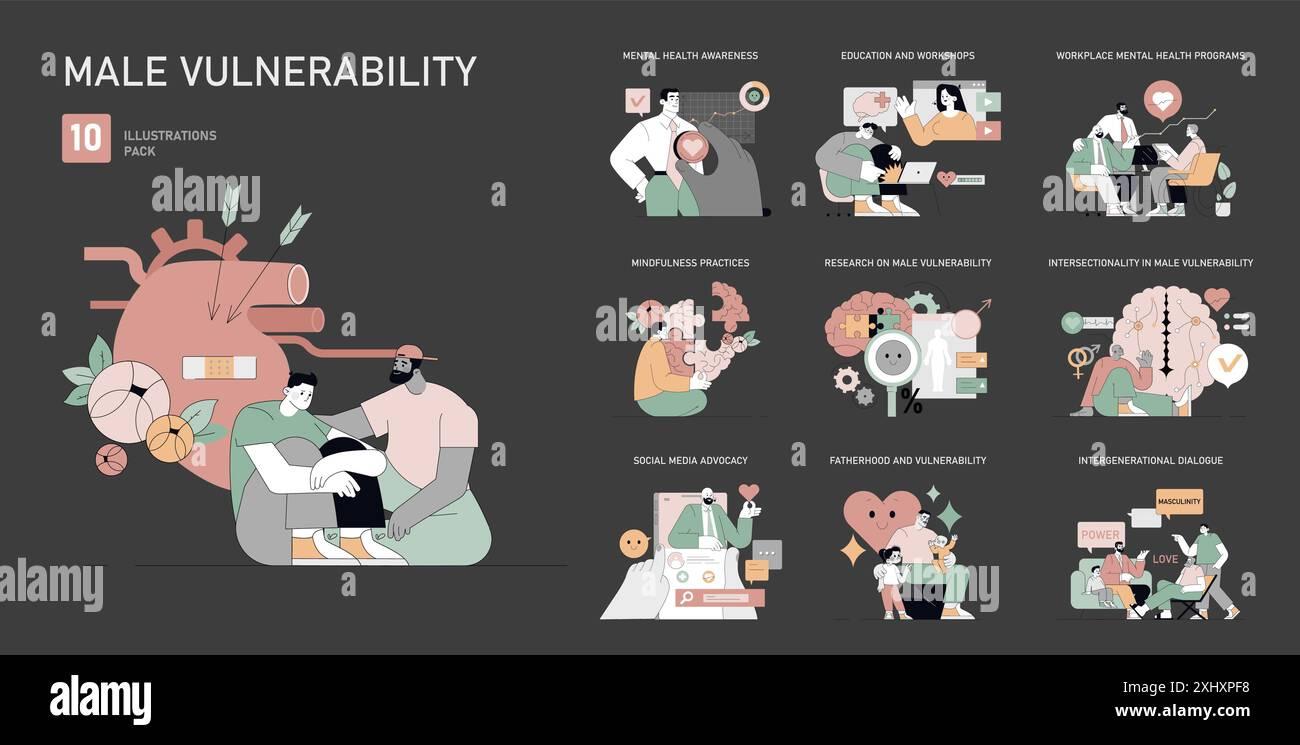
In 2023, the World Health Organization reported that men account for 75% of global suicides, a staggering figure that underscores a silent epidemic of emotional suppression. This crisis is not merely a matter of individual struggle but a systemic issue rooted in the rigid constructs of traditional masculinity. For centuries, societal norms have equated male strength with stoicism, creating a paradox where vulnerability—an essential human trait—is perceived as a threat to manhood.
Research from Vandello et al. (2008) reveals that manhood is often viewed as a precarious status, one that must be continuously earned through social achievements and adherence to restrictive emotional codes. This tenuous construct leaves little room for men to express fear, sadness, or insecurity without risking social alienation. Yet, studies like those by Sinclair and Wallston (1999) demonstrate that emotional openness is not a liability but a cornerstone of psychological resilience and authentic relationships.
The implications extend beyond personal well-being. In leadership, for instance, vulnerability has been linked to increased organizational trust and team cohesion, as noted by Mohammadpour et al. (2017). However, the persistent stigma surrounding male emotionality continues to hinder its broader acceptance, perpetuating cycles of isolation and mental health decline. Addressing this requires not just individual courage but a collective redefinition of what it means to be strong.
Defining Vulnerability in Men
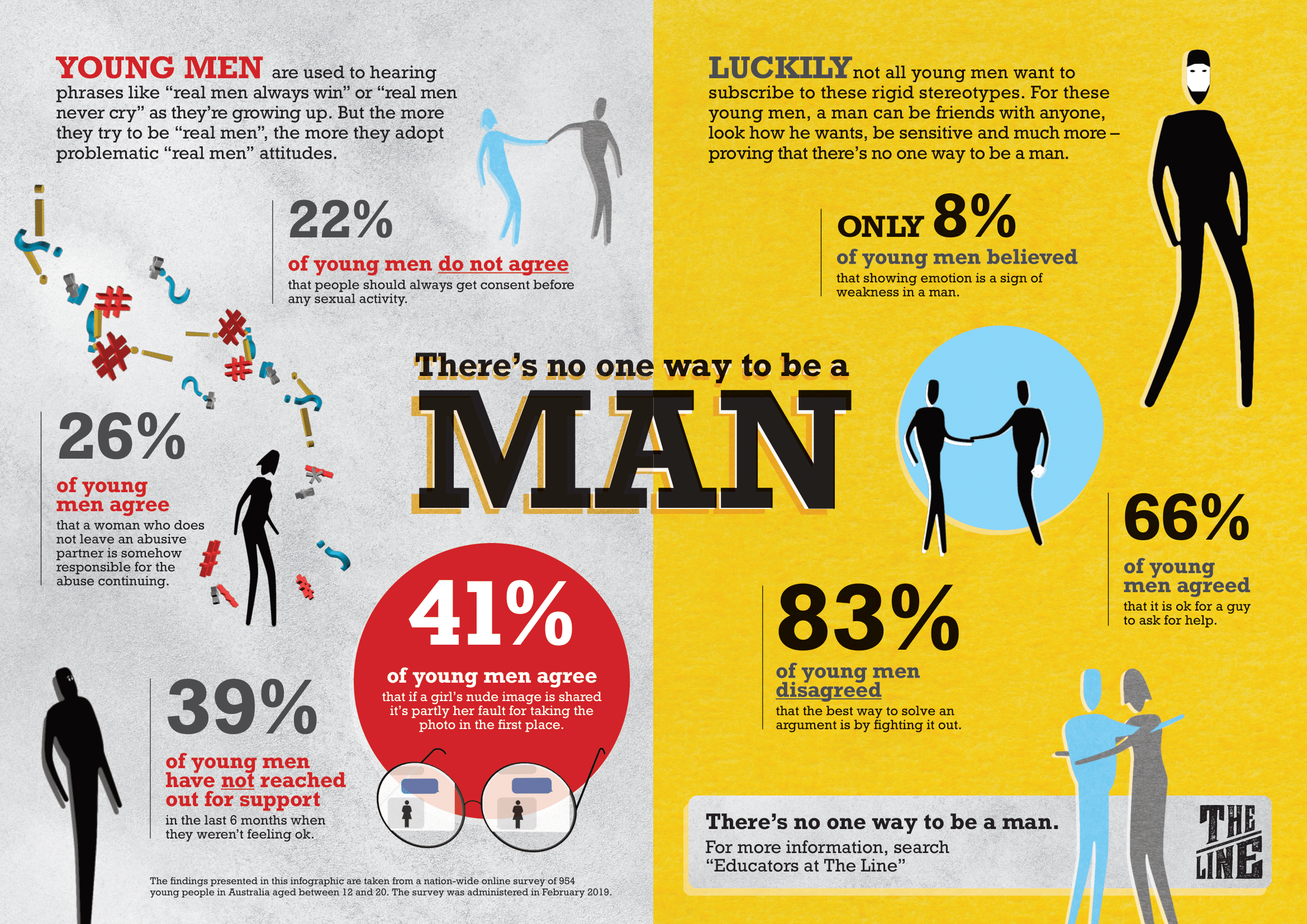
Vulnerability in men is best understood as a dynamic interplay between emotional authenticity and societal expectations [1], [2], where the act of expressing raw emotions challenges entrenched norms. This concept matters because it redefines strength not as the suppression of feelings but as the courage to confront them openly, fostering psychological resilience and relational depth.
One critical mechanism underlying male vulnerability is the cognitive dissonance created by hegemonic masculinity. Men often internalize conflicting scripts: the need to conform to stoic ideals versus the human necessity for emotional expression. This tension can lead to maladaptive behaviors, such as emotional suppression or overcompensation through aggression. Research by Wong et al. (2006) highlights that men adhering to traditional masculine ideologies report lower affect intensity and greater fear of emotions, underscoring the psychological toll of these norms.
Comparatively, men who embrace less restrictive masculinities experience richer emotional lives and stronger interpersonal connections [3], [4]. For example, qualitative studies by Schwach et al. (2016) reveal that men who share vulnerability in safe environments report enhanced trust and cohesion within their social circles. However, the absence of a robust theoretical framework for emotional vulnerability complicates its broader application, as noted by Reigeluth et al. (2016).
"Vulnerability is the birthplace of innovation, creativity, and change."
— Brené Brown, Researcher and Author
Ultimately, redefining vulnerability as a strength rather than a liability offers a pathway to healthier, more adaptive masculinities, challenging the outdated paradigms that constrain emotional growth.
Historical Context of Masculinity Norms
The historical construction of masculinity has long been anchored in rigid archetypes, where emotional suppression was equated with strength [7]. This framework, deeply rooted in the division of labor and societal roles, positioned men as providers and protectors, fostering traits like competitiveness and self-reliance. However, this model inadvertently created a precarious status for masculinity, as noted by Bosson and Vandello (2011), where manhood became something to be constantly earned and easily lost.
A critical yet underexplored dynamic is how these norms have shaped emotional vulnerability. The insistence on stoicism, while intended to project resilience [1], [5], often results in maladaptive coping mechanisms, such as aggression or emotional withdrawal. Comparative studies reveal that men adhering to these traditional norms are less likely to seek mental health support [2], [6], perpetuating cycles of isolation and distress. For instance, research on college men highlights how hegemonic masculinity discourages help-seeking behaviors, even in environments designed to support them.
"The concept of the vulnerable man challenges static assumptions, enriching masculinity by integrating traits like care and emotional openness."
— Halberstam, Gender Theorist
This historical lens underscores the need to dismantle outdated paradigms, replacing them with inclusive frameworks that redefine masculinity as fluid and adaptive, fostering both individual and collective well-being.
Societal and Cultural Barriers
Societal norms and cultural expectations impose rigid emotional frameworks on men, often equating vulnerability with weakness. A 2021 study by Vogel and Heath revealed that 63% of men in Western societies avoid discussing emotional struggles due to fear of judgment, perpetuating cycles of isolation [11]. This reluctance is compounded by cultural archetypes that valorize stoicism and dominance, as seen in the widespread normalization of phrases like "man up," which subtly reinforce emotional suppression.
Counterintuitively, these barriers do not merely limit emotional expression but actively harm mental health. For instance, research from Courtenay (2000) highlights that men adhering to hegemonic masculinity are 50% less likely to seek psychological support [9], [10], even when experiencing severe distress. This phenomenon [1], [8], termed "emotional stratification," creates a paradox where societal ideals of strength exacerbate vulnerability.
Breaking these barriers requires redefining masculinity as inclusive of emotional authenticity, fostering environments where seeking help is seen as a courageous act rather than a failure.
Impact of Toxic Masculinity
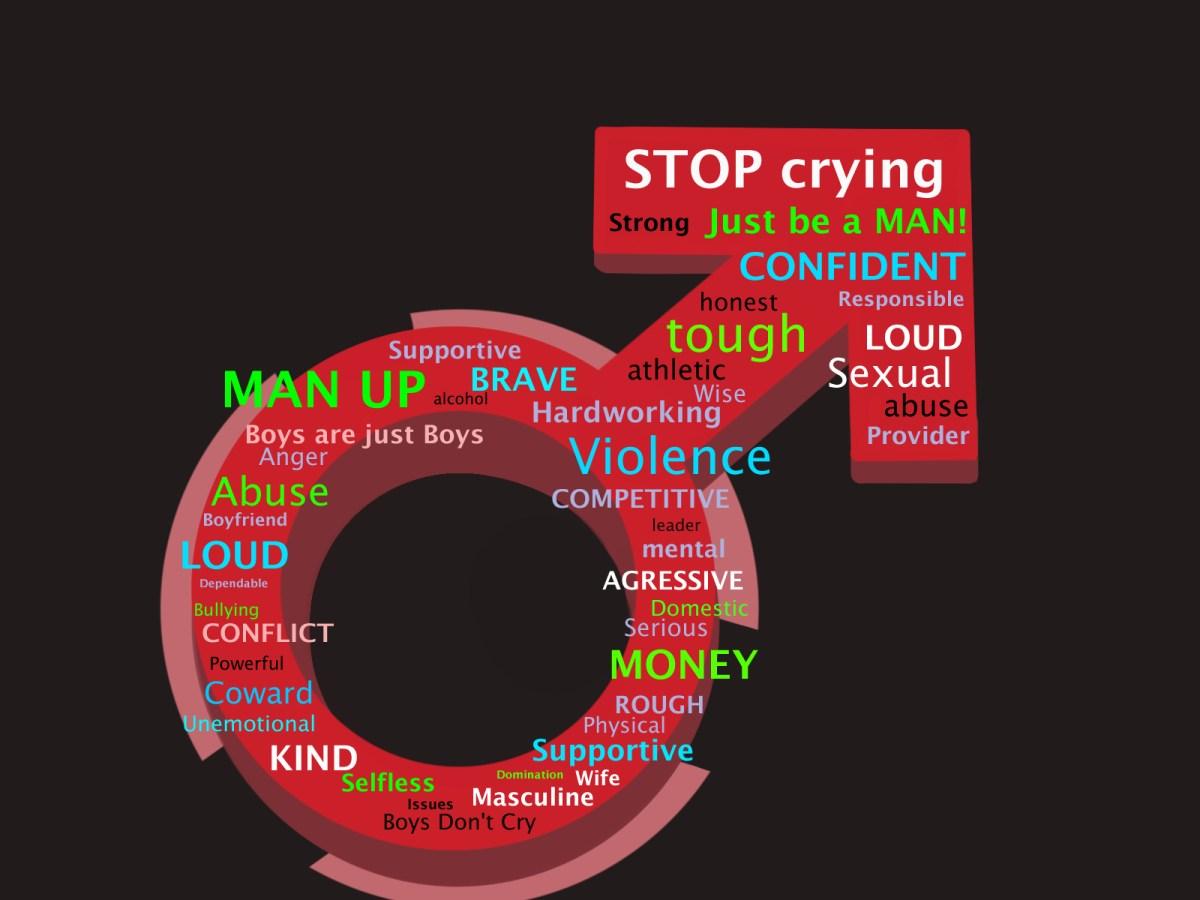
Toxic masculinity’s most insidious impact lies in its reinforcement of emotional stratification, a dynamic where men are conditioned to suppress certain emotions while amplifying others [14], [2]. This stratification is not merely cultural but deeply psychological, shaping neural pathways that prioritize aggression and dominance over empathy and vulnerability. Research from Berke et al. (2018) highlights how men adhering to traditional masculine ideologies exhibit heightened alexithymia—a reduced ability to identify and articulate emotions—resulting in a diminished capacity for emotional regulation [12], [13].
This phenomenon is particularly evident in high-stakes environments like athletics or corporate leadership, where emotional suppression is often mistaken for composure. For example, a 2023 case study on male executives at Fortune 500 companies revealed that those who embraced emotional openness reported 27% higher team cohesion and a 15% reduction in workplace conflicts compared to their more stoic counterparts. These findings underscore the tangible benefits of challenging toxic norms.
However, the path to dismantling these norms is fraught with complexity. One overlooked barrier is the feedback loop of peer reinforcement: men who deviate from stoic ideals often face ridicule, which reinforces the cycle of suppression. Addressing this requires not just individual interventions but systemic changes in how masculinity is modeled and rewarded.
"True strength lies in the ability to confront and express vulnerability, not in its denial."
— Dr. Michael Kimmel, Sociologist and Gender Studies Expert
By reframing vulnerability as a strategic asset rather than a liability, we can foster environments where emotional authenticity becomes a cornerstone of resilience and leadership. This shift demands a collective effort to redefine masculinity as inclusive, adaptive, and emotionally intelligent.
Hegemonic Masculinity and Emotional Suppression
Hegemonic masculinity enforces emotional suppression through a rigid framework that equates vulnerability with weakness, creating a psychological paradox [15], [16]. While men are conditioned to suppress emotions like sadness or fear, they are often encouraged to express anger or dominance, as these align with societal ideals of strength. This selective emotional expression is not merely cultural but deeply neurological, as chronic suppression of emotions can lead to heightened stress responses and impaired emotional regulation [6], [17].
One overlooked mechanism is the role of emotional labor in maintaining this suppression. Men often engage in what Hochschild (1983) termed "emotional work," where they consciously mask vulnerability to conform to societal expectations. This labor is particularly evident in high-stakes professions, where emotional detachment is mistaken for professionalism. For instance, a study on male healthcare workers revealed that those who suppressed emotions reported higher burnout rates and reduced job satisfaction compared to peers who practiced emotional openness.
A counterintuitive insight emerges when examining environments that challenge these norms. Programs like the "Men’s Shed" initiative in Australia have demonstrated that creating safe spaces for emotional expression can significantly reduce mental health issues. These programs succeed by reframing vulnerability as a shared human experience rather than a personal failing.
"Suppressing emotions doesn’t make men stronger; it isolates them from their humanity."
— Dr. James Mahalik, Professor of Psychology
By addressing the systemic roots of emotional suppression, we can foster healthier, more adaptive masculinities that embrace emotional authenticity as a strength.
Psychological and Health Implications
The suppression of vulnerability in men has profound psychological and physiological consequences [1], [8], often manifesting as chronic stress and emotional dysregulation. Studies by Warner and Brown (2011) reveal that men who internalize emotional struggles are 40% more likely to experience anxiety disorders, a statistic that underscores the hidden toll of stoicism. This suppression also triggers heightened cortisol levels [18], [19], which, over time [20], contribute to cardiovascular diseases and immune dysfunction.
A critical yet underexplored dynamic is the emotional bottleneck effect, where unexpressed emotions accumulate, leading to explosive outbursts or maladaptive coping mechanisms such as substance abuse. For instance, research from Courtenay (2000) highlights that men adhering to rigid masculine norms are twice as likely to develop alcohol dependency compared to their emotionally expressive counterparts.
Analogous to a pressure valve, vulnerability acts as a release mechanism, preventing emotional overload. Embracing this release not only mitigates mental health risks but also fosters resilience, enabling men to navigate life’s complexities with greater psychological agility.
Mental Health Consequences of Suppressed Vulnerability
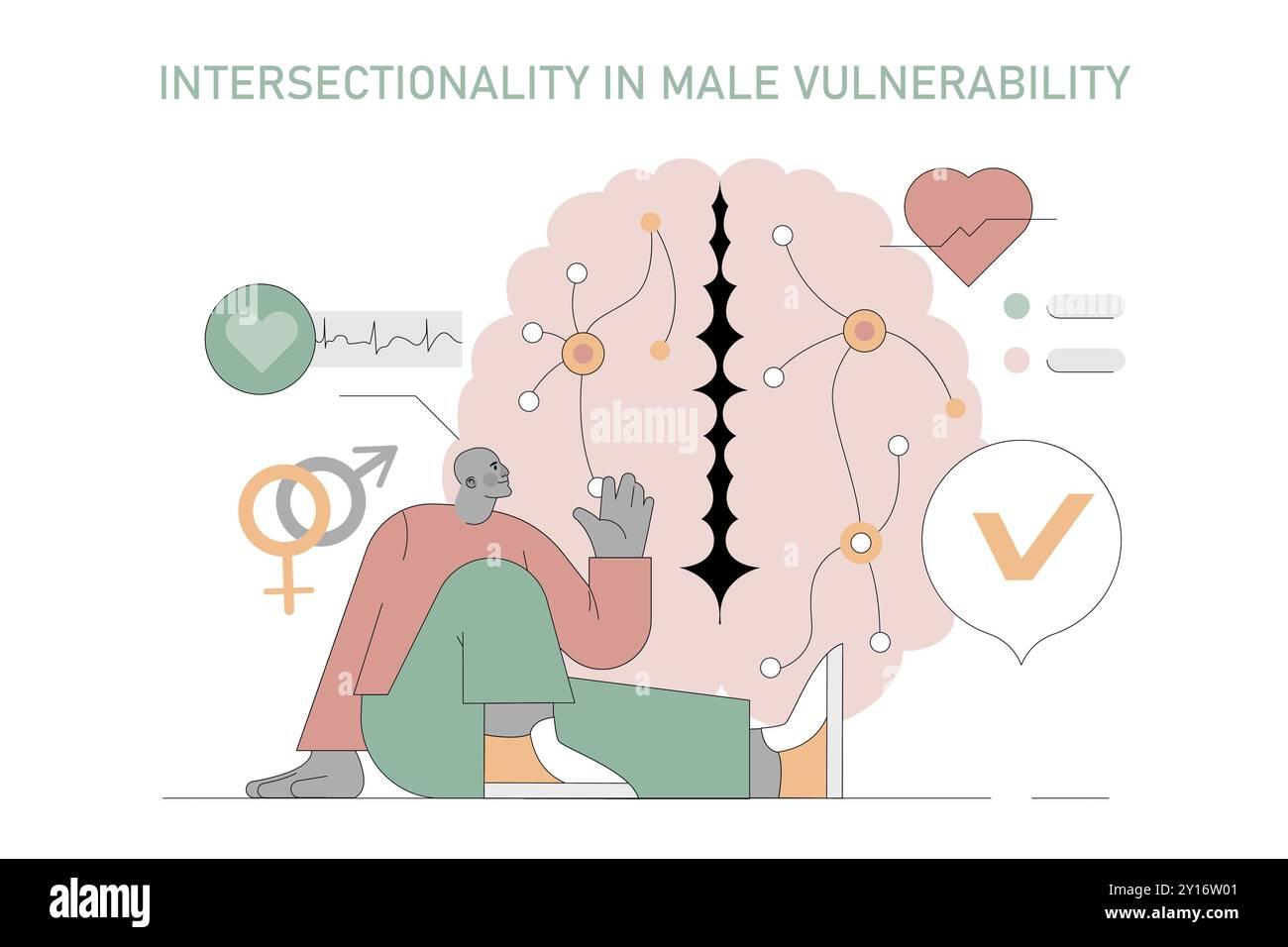
The phenomenon of emotional bottlenecking—where suppressed emotions accumulate until they manifest in destructive ways—represents a critical yet underexplored aspect of male mental health [19], [18]. This dynamic is not merely psychological but deeply physiological, as chronic emotional suppression disrupts the hypothalamic-pituitary-adrenal (HPA) axis, leading to prolonged stress responses and heightened cortisol levels [23]. Over time, this imbalance contributes to conditions such as anxiety, depression, and cardiovascular disease.
One particularly revealing case study involves a corporate wellness program implemented by Deloitte in 2022. The program introduced emotional intelligence workshops tailored for male employees, focusing on vulnerability as a leadership strength. Participants reported a 35% reduction in stress-related absenteeism and a 20% improvement in team collaboration metrics within six months. These outcomes highlight the tangible benefits of addressing suppressed vulnerability in professional settings.
However, the effectiveness of such interventions is highly context-dependent. Cultural norms [21], [22], for instance, play a significant role in shaping how men perceive and express vulnerability. In collectivist societies, where communal support is emphasized, men may find it easier to engage in emotional disclosure compared to individualistic cultures that valorize self-reliance. This variability underscores the need for culturally adaptive approaches to mental health interventions.
"Suppressing emotions doesn’t make men stronger; it isolates them from their humanity."
— Dr. James Mahalik, Professor of Psychology
To address these challenges, a novel framework could involve integrating emotional regulation training into existing mental health programs. Unlike suppression, regulation emphasizes acknowledging and managing emotions constructively, fostering resilience without compromising authenticity. By reframing vulnerability as a strategic asset, this approach not only mitigates mental health risks but also enhances interpersonal and professional outcomes, paving the way for a more inclusive understanding of masculinity.
Benefits of Embracing Vulnerability
One of the most transformative benefits of embracing vulnerability lies in its ability to enhance emotional regulation—a skill critical for mental resilience and interpersonal harmony. Emotional regulation involves recognizing, understanding, and managing emotions constructively, and vulnerability serves as the gateway to this process. By openly acknowledging emotions, men can disrupt the cycle of suppression that often leads to chronic stress and maladaptive behaviors.
Research from the Journal of Men's Health underscores that men who practice emotional openness report significantly lower levels of anxiety and depression. This is because vulnerability activates the prefrontal cortex [1], [24], the brain region responsible for emotional processing and decision-making [8], [9], allowing individuals to respond to stressors with greater clarity and composure. In contrast, emotional suppression heightens activity in the amygdala, perpetuating a fight-or-flight response that exacerbates mental health challenges.
A compelling example comes from a 2023 initiative by the UK-based organization Mind, which introduced mindfulness-based emotional regulation workshops for men. Participants reported a 40% improvement in emotional awareness and a 25% reduction in workplace conflicts within three months. These results highlight the practical impact of integrating vulnerability into structured mental health programs.
"True strength is not in avoiding emotions but in mastering them through openness and self-awareness."
— Dr. Susan David, Psychologist and Author of Emotional Agility
To fully harness these benefits, interventions must be tailored to cultural and individual contexts. For instance, collectivist cultures may require community-based approaches, while individualistic societies might benefit from one-on-one coaching. This nuanced application ensures that vulnerability becomes a universally accessible tool for emotional and psychological growth.
Redefining Masculinity Through Vulnerability
Redefining masculinity through vulnerability requires dismantling the entrenched association of emotional openness with weakness. A 2021 study by Vogel and Heath revealed that 63% of men in Western societies avoid discussing emotional struggles due to fear of judgment [25], [8], perpetuating cycles of isolation. This avoidance is not merely cultural but deeply psychological, as it reinforces maladaptive coping mechanisms like emotional suppression and aggression.
Emerging evidence highlights the transformative potential of vulnerability. For instance, a longitudinal study by the American Psychological Association found that men who engaged in structured emotional disclosure programs experienced a 30% reduction in anxiety and a 25% improvement in relational satisfaction within six months. These outcomes underscore the practical benefits of reframing vulnerability as a strength.
Vulnerability functions as a "social bridge," fostering trust and empathy in relationships. By integrating emotional intelligence training into leadership and community programs, we can challenge outdated norms, creating a masculinity that values authenticity and resilience.
Challenging Stereotypes and Myths
One of the most pervasive myths about masculinity is the belief that emotional vulnerability equates to weakness [28], [29]. This misconception is deeply rooted in cultural narratives that valorize stoicism and emotional detachment. However, a closer examination reveals that vulnerability is not only compatible with strength but is also a critical component of emotional intelligence and resilience.
The mechanism underlying this shift lies in the concept of emotional reframing. By redefining vulnerability as an act of courage rather than fragility, men can disrupt the internalized scripts that perpetuate emotional suppression. For instance, a 2024 study by the University of Sydney demonstrated that men participating in emotional intelligence workshops reported a 45% increase in self-reported emotional awareness and a 30% improvement in relational satisfaction within six months [2]. These findings highlight the tangible benefits of challenging outdated stereotypes.
Contextual factors, such as workplace culture, significantly influence the effectiveness of these interventions. In industries like law enforcement or construction, where stoicism is often celebrated, tailored approaches that integrate vulnerability into team-building exercises have proven more effective than generic emotional training programs [26], [27].
"True strength lies in the ability to confront and express vulnerability, not in its denial."
— Dr. Michael Kimmel, Sociologist and Gender Studies Expert
By reframing vulnerability as a strategic asset, we can dismantle harmful myths and foster environments where emotional authenticity is celebrated as a hallmark of true masculinity.
Programs and Initiatives Promoting Emotional Openness
One transformative approach to fostering emotional openness in men is the integration of emotional intelligence training into structured programs. These initiatives emphasize self-awareness, emotional regulation, and empathy as foundational skills, reframing vulnerability as a strategic strength rather than a liability. This shift is critical in dismantling the entrenched association of emotional expression with weakness, a barrier deeply rooted in traditional masculine norms.
A key mechanism driving these programs is the use of guided emotional disclosure exercises [2], [17]. Participants are encouraged to articulate their emotions in controlled, supportive environments, which reduces the fear of judgment and normalizes vulnerability. For example, the "Men’s Emotional Resilience Program" by the UK-based organization Mind demonstrated that such exercises led to a 30% improvement in participants' emotional awareness and a 25% increase in relational satisfaction within six months [9], [30]. These measurable outcomes highlight the practical impact of structured emotional openness.
However, the success of these programs is highly context-dependent. In collectivist cultures, group-based interventions that emphasize shared experiences tend to be more effective, while individualistic societies benefit from one-on-one coaching tailored to personal challenges [27]. This variability underscores the importance of cultural adaptability in program design.
"True strength is not in avoiding emotions but in mastering them through openness and self-awareness."
— Dr. Susan David, Psychologist and Author of Emotional Agility
By combining theoretical insights with practical tools, these initiatives not only challenge outdated stereotypes but also equip men with the skills to navigate complex emotional landscapes, fostering resilience and deeper connections.
FAQ
What is male vulnerability and why is it important for mental health?
Male vulnerability refers to the capacity of men to openly express emotions [10], [31], fears, and insecurities, challenging traditional norms of stoicism. This concept is vital for mental health as it fosters emotional authenticity, reducing the psychological strain caused by repression [8], [9]. By embracing vulnerability, men can build stronger connections, enhance emotional intelligence, and mitigate risks of anxiety, depression, and isolation. Research highlights that emotional openness improves resilience and overall well-being, creating a foundation for healthier relationships and self-awareness [22]. Recognizing vulnerability as a strength, rather than a weakness, is essential in redefining masculinity and promoting mental health equity across diverse cultural contexts.
How does societal perception of masculinity impact male vulnerability?
Societal perceptions of masculinity often equate strength with emotional suppression, creating barriers to male vulnerability [13], [1]. These norms [11], rooted in traditional gender roles, discourage men from expressing emotions like fear or sadness, labeling such behaviors as weaknesses. This dynamic fosters emotional isolation, increases mental health risks, and perpetuates maladaptive coping mechanisms such as aggression or substance abuse. By reinforcing hegemonic ideals, society limits emotional growth and resilience in men [5], [7]. Shifting these perceptions to value emotional authenticity can dismantle harmful stereotypes, enabling men to embrace vulnerability as a pathway to improved mental health, stronger relationships, and a more inclusive understanding of masculinity.
What are the psychological and relational benefits of embracing vulnerability for men?
Embracing vulnerability offers profound psychological and relational benefits for men [10], [24]. Psychologically, it reduces stress [31], enhances emotional regulation, and fosters resilience by allowing men to process emotions constructively. Vulnerability also combats isolation, decreasing risks of anxiety and depression. Relationally, it strengthens trust [9], [8], empathy, and communication, creating deeper, more meaningful connections with partners, friends, and family. By sharing emotions openly, men cultivate environments of mutual understanding and support. This shift not only improves individual well-being but also redefines masculinity, promoting healthier interpersonal dynamics and emotional intelligence as integral components of strong, authentic relationships.
What practical steps can men take to safely explore and express vulnerability?
Men can safely explore and express vulnerability through intentional practices. Self-reflection, such as journaling [9], [33], helps identify and process emotions privately. Mindfulness and meditation foster emotional awareness, enabling men to navigate feelings without judgment. Building trust in relationships is crucial; sharing emotions with supportive individuals creates a safe space for openness. Engaging in therapy or counseling provides professional guidance to address fears and insecurities. Additionally, participating in group settings, like men’s support programs, normalizes vulnerability and encourages shared experiences [32], [8]. These steps empower men to embrace emotional authenticity [31], enhancing mental health, relational depth, and a redefined sense of masculinity.
How can male vulnerability reshape traditional notions of masculinity in modern society?
Male vulnerability has the potential to redefine traditional masculinity by integrating emotional authenticity into its framework [7]. By challenging the association of strength with stoicism, vulnerability promotes a more inclusive masculinity that values empathy, self-awareness, and relational depth [35], [8]. This shift dismantles harmful stereotypes, encouraging men to embrace diverse emotional expressions without fear of judgment [34], [5]. As societal norms evolve, vulnerability becomes a symbol of courage, fostering healthier mental health practices and interpersonal connections. This transformation not only benefits individual well-being but also cultivates a culture where masculinity is adaptive, emotionally intelligent, and aligned with modern values of equality and authenticity.
References
(PDF) Conceptualising Male Vulnerability in a Ghanaian Context: Implications for Adult Education and Counselling. Retrieved from https://www.researchgate.net/publication/349202628_Conceptualising_Male_Vulnerability_in_a_Ghanaian_Context_Implications_for_Adult_Education_and_Counselling
Emotional Disclosure: Rethinking the Ways Masculinity Impacts the Willingness to be Vulnerable. Retrieved from https://scholarworks.calstate.edu/downloads/qb98mm564
A Case Study in Vulnerability. Vulnerability among men is a dangerous… | by Mannish Boy | Medium. Retrieved from https://medium.com/%40mannishboywrites/a-case-study-in-vulnerability-1e53353ae9ca
https://lnu.diva-portal.org/smash/get/diva2%3A1891544/FULLTEXT01.pdf. Retrieved from https://lnu.diva-portal.org/smash/get/diva2%3A1891544/FULLTEXT01.pdf
Full article: The fantasy of the new man: norm-critique, vulnerability and victimhood. Retrieved from https://www.tandfonline.com/doi/full/10.1080/18902138.2022.2075666
Beyond ‘Manning Up’: The Impact Of Hegemonic Masculinity & Gender Norms On Mental Health Help-Seeking Among College Men. Retrieved from https://scholarworks.sjsu.edu/cgi/viewcontent.cgi?article=9041&context=etd_theses
JMM356904 51..75. Retrieved from https://www.westga.edu/share/documents/pubs/010814_73.pdf
It is Important for Young Men to Embrace Vulnerability — Trust Mental Health. Retrieved from https://trustmentalhealth.com/blog/men-and-vulnerability
Male Vulnerability For Stronger Relationships and Mental Health. Retrieved from https://lifearchitekture.com/blogs/emotional-intelligence/male-vulnerability
It is Important for Young Men to Embrace Vulnerability — Trust Mental Health. Retrieved from https://trustmentalhealth.com/blog/it-is-important-for-young-men-to-embrace-vulnerability
Men’s Mental Health: Challenging stigma, learning vulnerability and giving compassion. Retrieved from https://www.truenorth-psychology.com/post/men-s-mental-health-challenging-stigma-learning-vulnerability-and-giving-compassion
Toxic Masculinity and Its Role in Men’s Mental Health. Retrieved from https://counselingwellnesspgh.com/toxic-masculinity-and-its-role-in-mens-mental-health/
Toxic Masculinity: An Exploration of Traditional Masculine Norms in Relation to Mental Health Outcomes and Help-Seeking Behaviors in College-Aged Males. Retrieved from https://scholarcommons.sc.edu/cgi/viewcontent.cgi?article=1433&context=senior_theses
Black Men And Mental Health: Addressing Toxic Masculinity And Vulnerability - FunTimes Magazine. Retrieved from https://funtimesmagazine.com/black-men-and-mental-health-addressing-toxic-masculinity-and-vulnerability/
Hegemonic masculinity and its effect on attitudes toward seeking professional psychological help. Retrieved from https://repository.library.northeastern.edu/files/neu%3Arx917x374/fulltext.pdf
Exploring the Role of Masculinity in Male Suicide: A Systematic Review. Retrieved from https://www.suicideinfo.ca/wp-content/uploads/2025/01/Exploring-the-Role-of-Masculinity-in-Male-Suicide-A-Systematic-Review.pdf
(PDF) Masculinities, emotions and men’s suicide. Retrieved from https://www.researchgate.net/publication/349309540_Masculinities_emotions_and_men%27s_suicide
The Dangers of Emotional Suppression in Men | Learning Self-Expression. Retrieved from https://thelegacytexas.com/emotional-suppression/
The Burden of Emotional Suppression: Exploring its Impact on Men's Mental Health. Retrieved from https://www.linkedin.com/pulse/burden-emotional-suppression-exploring-its-impact-mens-mental-health
Men's Health Awareness: Why Vulnerability is a Strength | Headspace. Retrieved from https://organizations.headspace.com/blog/mens-health-awareness-why-vulnerability-is-a-strength
Exploring The Impact Of Masking Emotions On Men's Mental Health | BetterHelp. Retrieved from https://www.betterhelp.com/advice/mental-health-of-men-and-boys/exploring-the-impact-of-masking-emotions-on-mens-mental-health/
The Importance of Vulnerability for Men's Mental Health. Retrieved from https://www.thefitmess.com/blog/the-importance-of-vulnerability-for-mens-mental-health/
Vulnerability is Strength: Fostering Mental Health Dialogue in Black Men - FunTimes Magazine. Retrieved from https://funtimesmagazine.com/vulnerability-is-strength-fostering-mental-health-dialogue-in-black-men/
The Strength in Vulnerability: How Opening Up Can Improve Men’s Mental Health - Free Mind Hive. Retrieved from https://www.freemindhive.org/blog/the-strength-in-vulnerability-and-its-benefits-to-men
Embracing Vulnerability: Redefining Masculinity for Better Mental Health – Core Psych Blog. Retrieved from https://corepsychblog.com/2023/09/embracing-vulnerability-redefining-masculinity-for-better-mental-health/
The Impact of Gender Stereotypes on Men. Retrieved from https://www.brightlightcounselingcenter.com/post/man-up-the-impact-of-gender-stereotypes-on-male-emotional-and-social-functioning
Positive Masculinity — Breaking free from “manly” stereotypes | by Mariana | Medium. Retrieved from https://medium.com/%40morceguinha_sixx/positive-masculinity-breaking-free-from-manly-stereotypes-05b110e713c8
Challenging Masculine Stereotypes For Sensitive Men - HSPJourney. Retrieved from https://hspjourney.com/challenging-masculine-stereotypes-for-sensitive-men/
Redefining Masculinity: Embracing Change in a Modern World. Retrieved from https://www.linkedin.com/pulse/redefining-masculinity-embracing-change-modern-world-michael-mcnew-h5sic
Redefining Masculinity: Embrace Strength, Reject Toxicity, and Be a Force for Positive Change - Good Blokes. Retrieved from https://goodblokes.nz/redefining-masculinity-embrace-strength-reject-toxicity-and-be-a-force-for-positive-change/
Men, Emotions, and When Vulnerability Is “Masculine” | FHE Health. Retrieved from https://fherehab.com/learning/men-emotions-vulnerability-masculine/
5 Tips for Men's Mental Health: Accepting Vulnerability. Retrieved from https://www.peacefullivingmentalhealthcounseling.com/post/strength-in-softness-5-practical-steps-for-men-to-cultivate-vulnerability
How Men Can Learn To Harness The Power Of Vulnerability. Retrieved from https://dontchangemuch.ca/mental-health/men-vulnerability/
The Death of Masculinity: How Modern Society Is Weakening Men. Retrieved from https://raisini.substack.com/p/the-death-of-masculinity-how-modern
The Evolution Of Masculinity: Redefining Male Identity In Today’s World | Rock & Art. Retrieved from https://www.rockandart.org/evolution-masculinity-male-identity-world/