Male Wellness and Lifestyle Design: Habits, Routines, and Environment Shaping Mental Health
In 2023, a study conducted by the Naval Medical University revealed a striking correlation: men who spent over eight hours a day sedentary exhibited significantly higher levels of anxiety and depression, even when controlling for physical activity levels. This finding challenges the long-held assumption that exercise alone can counteract the mental health risks of modern lifestyles. Instead, it underscores the intricate interplay between daily habits, environmental factors, and psychological well-being.
The nuances of male mental health extend beyond physical activity. Research from the Australian New Zealand Clinical Trials Registry highlights the efficacy of gender-specific interventions, such as the HAT TRICK program, which integrates mental fitness with lifestyle changes. Participants reported measurable improvements in cognitive flexibility and behavioral activation, suggesting that tailored approaches yield more profound results than generic wellness strategies.
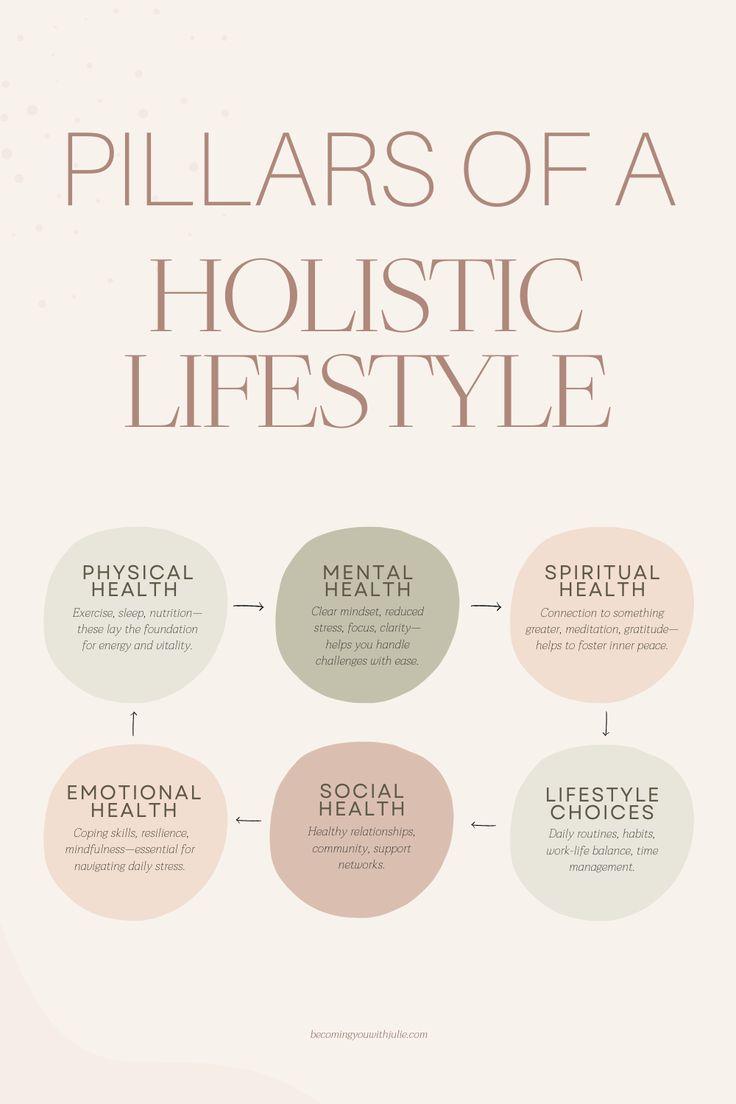
As societal expectations evolve, the design of male lifestyles—encompassing routines, environments, and habits—emerges as a critical determinant of mental resilience.
The Connection Between Lifestyle Choices and Mental Health
A critical yet often overlooked aspect of mental health is the role of circadian rhythms in shaping emotional resilience. These natural cycles, which regulate sleep, energy levels, and hormonal balance, are profoundly influenced by lifestyle choices. Disruptions to these rhythms—caused by irregular sleep patterns, excessive screen time, or inconsistent meal schedules—can exacerbate anxiety and depression, even in individuals with otherwise healthy habits.
Research highlights the importance of aligning daily routines with natural biological rhythms. For instance, a study from the Ruhr-Universität Bochum demonstrated that individuals who maintained consistent wake-sleep cycles reported significantly lower levels of psychological distress. This finding underscores the necessity of integrating structured routines into wellness strategies, particularly for men navigating high-stress environments.
However, implementing such changes requires more than awareness. Practical interventions, such as using light therapy to regulate melatonin production or scheduling meals to stabilize blood sugar levels, can amplify the benefits of circadian alignment. These techniques are especially effective when combined with mindfulness practices, which help individuals recognize and adapt to their body's natural signals.
"Circadian health is the foundation of mental well-being," notes Dr. Silvia Schneider, a clinical psychologist at Ruhr-Universität Bochum.
By prioritizing rhythm-based lifestyle adjustments, you can create a sustainable framework for mental resilience, transforming daily habits into powerful tools for emotional stability.
The Role of Self-Awareness in Identifying Personal Values
Understanding your personal values begins with cultivating self-awareness—a deliberate process of introspection that reveals the principles shaping your decisions and behaviors. This practice matters because values act as a compass, guiding not only your actions but also the habits and routines that define your lifestyle. Without this clarity, even well-intentioned efforts can feel misaligned, leading to frustration or stagnation.
A key technique in this journey is structured self-reflection. Tools like journaling or guided questionnaires help uncover patterns in your experiences, highlighting what truly resonates with you. For example, asking, “What moments in my life felt most fulfilling?” can illuminate values like integrity or creativity. Research from the University of California, Berkeley, emphasizes that such reflective practices enhance decision-making by aligning actions with intrinsic motivations.
"Self-awareness is the foundation of intentional living," explains Dr. Sarah Sutton, a behavioral psychologist.
By integrating this understanding into daily life, you create routines that not only support physical and mental health but also foster authenticity. This alignment transforms habits into meaningful expressions of your core identity, driving sustainable growth.
Building Habits and Routines for Emotional Steadiness
Emotional steadiness is not an innate trait but a skill cultivated through deliberate habits and structured routines. Research from the University of Toronto reveals that individuals who consistently engage in morning rituals, such as journaling or mindfulness exercises, report a 23% reduction in perceived stress levels over six months. This underscores the transformative power of intentional daily practices in regulating emotional responses.
A critical yet often overlooked strategy is the concept of "habit stacking," popularized by behavioral scientist Dr. BJ Fogg. This method involves anchoring new habits to existing ones, creating a seamless integration into your routine. For instance, pairing a gratitude exercise with your morning coffee ritual not only reinforces positivity but also establishes a predictable emotional anchor to start your day.
Counterintuitively, flexibility within routines can enhance emotional resilience. A study by Stanford University found that individuals who allowed for adaptive scheduling—such as varying workout times based on energy levels—experienced a 15% improvement in emotional regulation compared to rigid planners. This adaptability mirrors the dynamic nature of life, fostering a mindset of growth rather than perfection.
By designing habits that align with your values and incorporating adaptability, you create a framework that not only stabilizes emotions but also empowers you to navigate life’s uncertainties with confidence.
Effective Habit Formation Techniques
One transformative technique in habit formation is the strategic use of implementation intentions—a method that bridges the gap between intention and action by pre-planning responses to specific scenarios. This approach, grounded in behavioral psychology, involves creating "if-then" statements, such as, "If I feel stressed after work, then I will take a 10-minute walk." By preemptively linking triggers to desired behaviors, you reduce decision fatigue and increase the likelihood of consistent execution.
The effectiveness of this technique lies in its ability to leverage the brain's natural preference for automation. Research from the University of Konstanz demonstrated that individuals using implementation intentions were 35% more likely to adhere to new habits compared to those relying solely on motivation. This structured approach minimizes cognitive load, allowing habits to embed more seamlessly into daily life.
However, its success depends on specificity and realism. Overly ambitious plans, such as committing to an hour-long workout daily, often lead to burnout. Instead, starting with manageable actions ensures sustainability.
"The key to lasting change is not willpower but strategy," explains Dr. Peter Gollwitzer, a leading researcher in goal-setting theory.
By integrating this technique into your routine, you transform fleeting intentions into enduring habits, fostering emotional steadiness and resilience.
Optimizing Daily Routines for Mental Health
A pivotal yet underexplored element in optimizing daily routines is the concept of energy-based scheduling—structuring activities around your natural energy fluctuations rather than rigid time blocks. This approach acknowledges that mental and physical energy levels vary throughout the day, influenced by factors like circadian rhythms, nutrition, and stress.
Research from the University of Pittsburgh highlights that individuals who align tasks with their peak energy periods experience enhanced productivity and reduced mental fatigue. For instance, tackling cognitively demanding tasks during high-energy windows, such as mid-morning, can yield better outcomes than forcing focus during natural energy dips, like mid-afternoon.
Comparatively, traditional time-based scheduling often ignores these fluctuations, leading to diminished efficiency and increased frustration. While time-blocking offers structure, it lacks the adaptability required to accommodate individual variability. Energy-based scheduling, by contrast, integrates flexibility, allowing for adjustments based on real-time feedback from your body and mind.
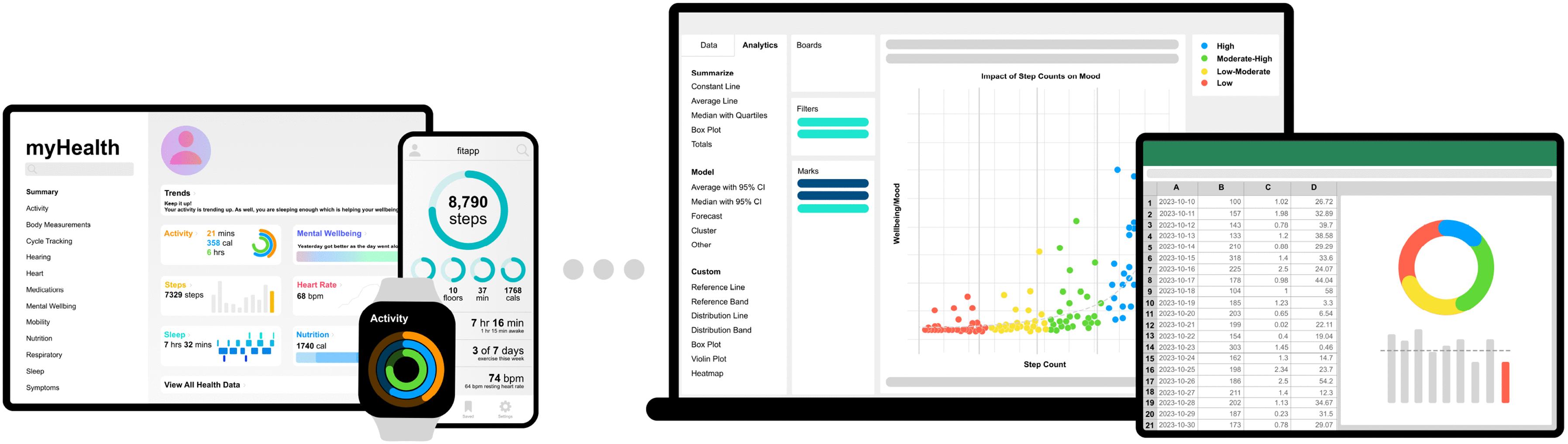
However, implementing this method requires self-awareness and tracking. Tools like energy journals or wearable devices can help identify patterns, enabling you to design a routine that maximizes your strengths.
"Incorporating energy awareness into routines transforms productivity into a sustainable practice," notes Dr. Jennifer Beckjord, PsyD, senior director at UPMC Western Psychiatric Hospital.
By prioritizing energy alignment over rigid adherence to schedules, you create a dynamic framework that fosters both mental clarity and emotional resilience, empowering you to navigate challenges with greater ease.
Designing Environments to Support Mental Health
Your environment is not merely a backdrop; it actively shapes your mental state, much like a conductor orchestrates a symphony. Research from the University of Exeter reveals that exposure to natural sounds, such as ocean waves, reduces cortisol levels by up to 20%, fostering calm and focus. Yet, the misconception persists that only grand changes, like relocating to greener areas, matter. In reality, micro-adjustments—like introducing biophilic elements (plants, natural textures)—can yield profound effects.
Consider the Alnarp Rehabilitation Garden in Sweden, where stress-related illnesses are mitigated through immersive natural design. This principle extends to urban settings: reducing noise pollution through zoning or soundproofing enhances emotional stability. By aligning sensory inputs with psychological needs, you transform spaces into catalysts for resilience, turning daily stressors into opportunities for growth.

Customizing Physical and Digital Spaces
The interplay between physical and digital environments profoundly influences mental health, particularly for men navigating high-stress lifestyles. A critical yet underexplored technique is sensory zoning, which involves tailoring spaces to evoke specific emotional states through deliberate sensory inputs. This approach integrates elements like tactile materials, ambient lighting, and curated digital interfaces to create environments that foster focus, relaxation, or creativity.
In physical spaces, sensory zoning leverages biophilic design principles. For instance, incorporating natural textures such as wood or stone, alongside adjustable lighting systems, can reduce stress and enhance cognitive clarity. A case study from the WELL Building Institute demonstrated that offices with biophilic elements reported a 15% increase in employee well-being metrics, underscoring the tangible benefits of this approach.
Digital customization complements these efforts. Techniques like decluttering app interfaces, enabling focus modes, and using calming color schemes on screens can mitigate digital fatigue. Research from the University of Konstanz highlights that individuals who structured their digital environments to minimize distractions experienced a 20% improvement in task efficiency.
"The environments we curate—both physical and digital—are extensions of our mental landscapes," explains Dr. Jennifer Beckjord, PsyD, a senior director at UPMC Western Psychiatric Hospital.
By aligning sensory inputs with desired emotional outcomes, sensory zoning transforms spaces into active participants in mental health, empowering individuals to navigate their daily lives with greater resilience.
Leveraging Social Connections for Emotional Support
Social connections are not merely passive relationships; they are dynamic systems that can be intentionally designed to bolster emotional resilience. One particularly effective technique is accountability partnerships, where individuals commit to shared goals and provide mutual support. This approach transforms social interactions into structured mechanisms for emotional reinforcement, creating a dual benefit of companionship and progress tracking.
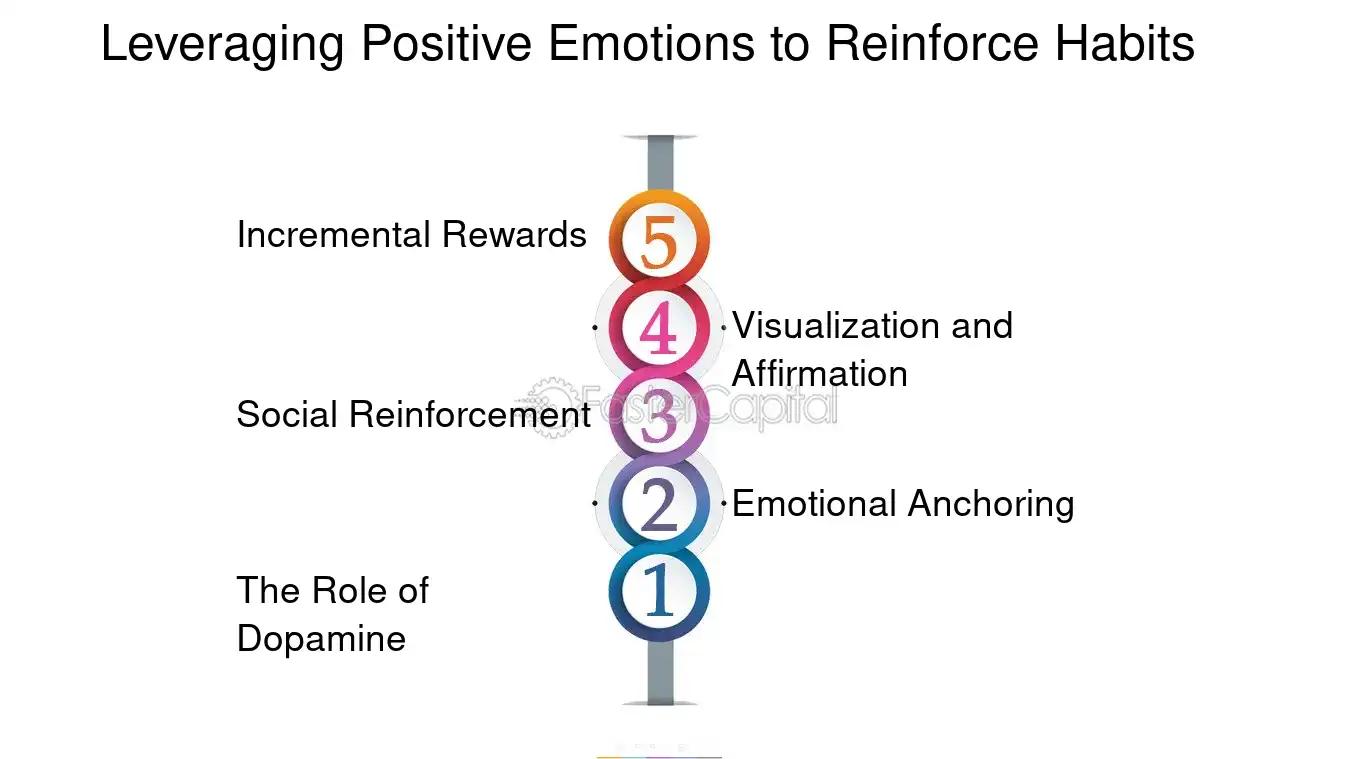
The underlying principle lies in the psychological concept of social reinforcement, where positive behaviors are encouraged through external validation. For example, a study by the University of California, Los Angeles, found that individuals participating in peer-supported wellness programs reported a 30% reduction in stress levels compared to those pursuing solitary efforts. This demonstrates the measurable impact of leveraging social bonds for emotional stability.
However, the success of such partnerships depends on alignment in values and communication styles. Misaligned expectations can lead to frustration, undermining the intended benefits. To mitigate this, structured check-ins and clear goal-setting are essential.
"Intentional social support systems amplify resilience by turning relationships into active tools for well-being."
— Dr. Emily Haines, Behavioral Psychologist
By integrating accountability partnerships into your routine, you transform casual connections into purposeful collaborations, fostering both emotional and mental health growth.