Males and Social Media
In 2024, a study by Regehr et al. revealed a startling trend: misogynistic content, once confined to niche forums like incel communities, has permeated mainstream platforms under the guise of mental health advocacy and self-improvement. This shift underscores the evolving role of social media in shaping modern masculinity, where digital spaces simultaneously reinforce traditional gender norms and offer avenues to challenge them.
The relationship between adolescent boys and social media is particularly complex. Research conducted by Potts (2017) at a Midwestern liberal arts college found that young men’s engagement with these platforms evolves significantly over their college years, reflecting broader shifts in identity and societal expectations. Meanwhile, ethnographic studies in France by Rsaissi and Couchot-Schiex (2021) highlighted how boys aged 11-15 navigate these digital landscapes differently based on socioeconomic and cultural contexts, revealing stark disparities in their experiences.
Social media’s dual capacity to normalize conventional masculinity and provide counter-narratives is evident in its content formats—ranging from influencer-driven videos to user-generated memes. As platforms increasingly blur the lines between digital and offline identities, the implications for gender norm formation are profound, demanding nuanced exploration of how these spaces shape, and are shaped by, the aspirations and anxieties of young men.
Demographic Trends and User Statistics
Male engagement on social media demonstrates distinct patterns that challenge generalized assumptions about user behavior. A critical observation is the pronounced activity within the 25–34 age demographic, which constitutes the largest proportion of male users across platforms like Facebook and LinkedIn. This trend aligns with professional networking and career-building priorities, as evidenced by LinkedIn's 2025 demographic report, which highlights that 53% of its users come from high-income households, predominantly within this age range. Such data underscores the intersection of socioeconomic status and platform preference, revealing that professional aspirations significantly shape engagement.
Temporal engagement metrics further illustrate nuanced behaviors. Younger males (18–24) average 2–3 hours daily on platforms like TikTok and YouTube, driven by entertainment and peer interaction. In contrast, older cohorts (35–44) exhibit reduced engagement, averaging under 1.5 hours, often prioritizing utility-driven platforms. This divergence reflects shifting life stages and responsibilities, emphasizing the importance of age-specific strategies in content delivery.
A notable limitation in demographic analyses is the underrepresentation of cultural and regional contexts. For instance, studies indicate that males from lower-income backgrounds engage more frequently with visually immersive platforms like Instagram, leveraging them for aspirational content. This contrasts with higher-income users who favor platforms offering professional development opportunities.
"The interplay between socioeconomic factors and platform engagement highlights the necessity for tailored strategies that address diverse user motivations."
— Dr. Harold M. Stein, Digital Sociologist
These findings suggest that effective engagement strategies must integrate granular demographic insights, accounting for age, income, and cultural influences to optimize relevance and impact.
Platform Preferences Among Male Users
Male users exhibit a distinct preference for platforms that integrate functionality with aspirational engagement, a dynamic shaped by both algorithmic design and user intent. This duality is particularly evident in the contrasting appeal of LinkedIn and Instagram. LinkedIn, with its professional networking focus, attracts users prioritizing career advancement, while Instagram’s visually immersive interface resonates with younger males seeking lifestyle affirmation. These preferences underscore the interplay between platform architecture and user motivations.
A critical mechanism driving these behaviors is the role of algorithms in curating content. Platforms like Instagram leverage machine learning to amplify visually engaging posts, aligning with users’ aspirational tendencies. Conversely, LinkedIn’s algorithm prioritizes professional relevance, promoting content that enhances career trajectories. This divergence highlights the importance of platform-specific strategies in understanding male engagement.
Contextual factors further complicate this landscape. Socioeconomic status, for instance, influences platform choice, with higher-income users gravitating toward LinkedIn for its professional utility, while lower-income users often favor Instagram for its aspirational content. Additionally, life stage transitions—such as entering the workforce—can shift platform preferences, necessitating adaptive engagement strategies.
"The nuanced interplay of professional and aspirational needs among male users underscores the necessity for tailored platform strategies," notes Dr. Harold M. Stein, Digital Sociologist.
These insights reveal that effective engagement requires a granular understanding of how platform design, user intent, and contextual factors converge. By addressing these complexities, practitioners can craft strategies that resonate with diverse male audiences, optimizing both reach and relevance.
Behavioral Patterns and Content Interaction
Male engagement with social media reveals a complex interplay between content creation and consumption, shaped by distinct psychological and social drivers. Research by Mikorski and Szymanski (2017) highlights that men are more likely to engage in content creation when it aligns with peer group norms, such as sharing humor or showcasing achievements. This behavior contrasts with passive consumption, which often centers on aspirational or informational content, as evidenced by Oberst et al. (2016), who found that 62% of male adolescents primarily use platforms like Facebook to observe rather than interact.
A critical metric in understanding these patterns is engagement intensity, which quantifies the frequency and depth of interactions. For instance, a study published in the Journal of Medical Internet Research (2021) demonstrated that male users exhibit a higher engagement intensity (Cohen d = 0.38, p < 0.001) compared to females, particularly in domains requiring technical proficiency, such as eHealth platforms. This suggests that men’s interaction behaviors are often goal-oriented, driven by specific informational or social outcomes.
Interestingly, the feedback loop of algorithmic curation plays a pivotal role. Algorithms prioritize content that resonates with prior interactions, reinforcing consumption habits. This dynamic can be likened to a self-sustaining ecosystem, where user behavior shapes the content landscape, which in turn influences future behaviors. Such insights underscore the necessity of integrating behavioral analytics with platform design to foster more balanced engagement.
Content Creation vs. Consumption
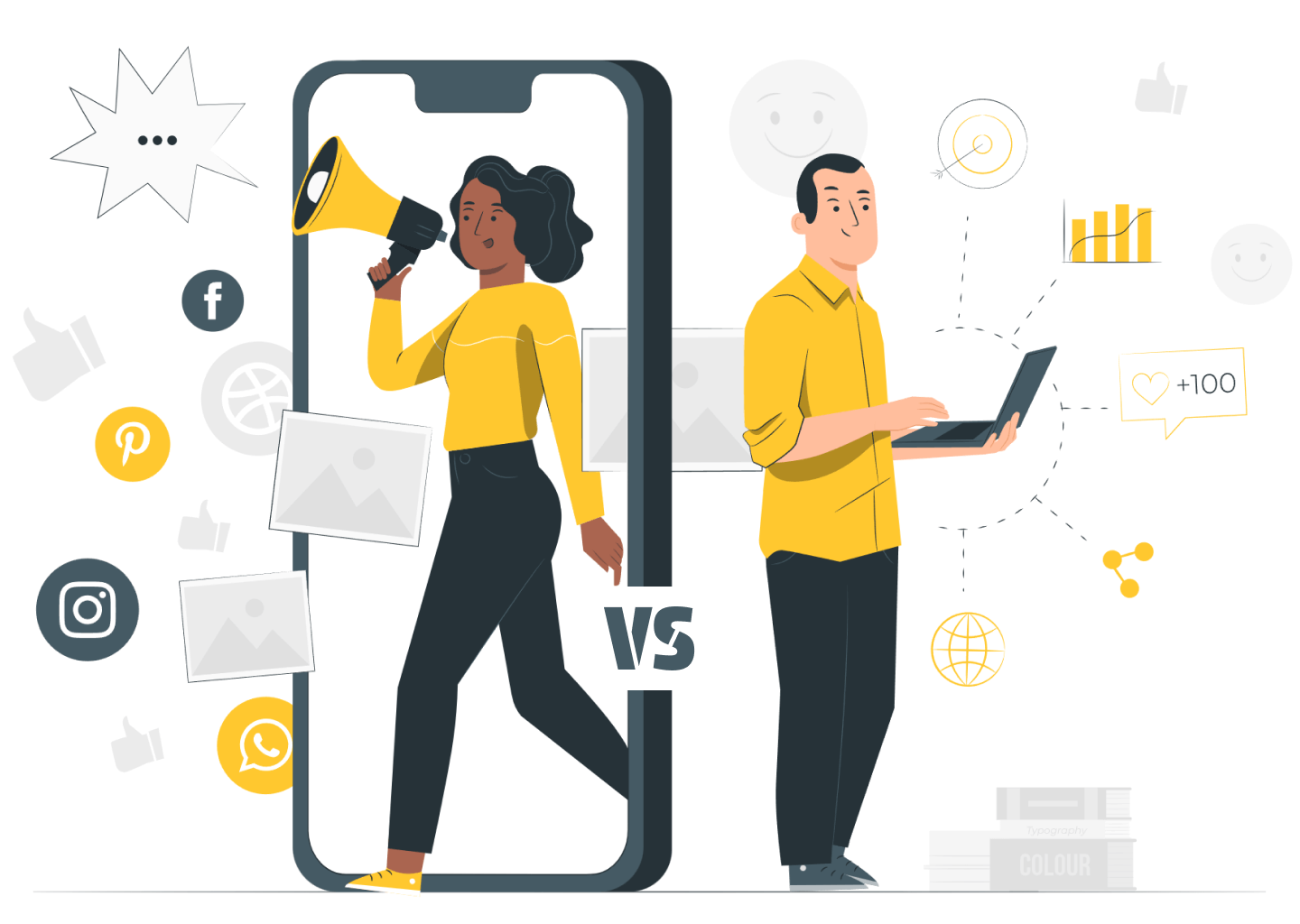
Male engagement with social media demonstrates a pronounced divergence between content creation and consumption, driven by distinct psychological and contextual factors. Content creation among male users often aligns with domains where expertise, performance, or social validation is paramount—such as gaming, technology, or professional achievements. This behavior is characterized by deliberate curation and a goal-oriented approach, reflecting a desire to project competence or status. In contrast, consumption patterns are predominantly instrumental, with users seeking aspirational or informational content that aligns with personal interests or developmental goals.
A critical mechanism underpinning this dichotomy is algorithmic reinforcement. Platforms prioritize content that aligns with users’ historical behaviors, perpetuating existing tendencies. For instance, male users who engage in niche content creation are more likely to encounter algorithmically curated communities that amplify their contributions. Conversely, passive consumers are exposed to streams of content tailored to their aspirational or informational preferences, further entrenching their consumption habits.
The implications of this dynamic are significant. As Dr. Harold M. Stein, a digital sociologist, notes:
"Male digital expression is both highly selective and purpose-driven, challenging the assumption that men are passive participants in online ecosystems."
This nuanced understanding reveals the limitations of generalized engagement strategies. For example, while professional platforms like LinkedIn may foster high-value content creation, visually immersive platforms such as Instagram cater more effectively to consumption-driven behaviors. Addressing these complexities requires tailored approaches that consider the interplay of platform design, user intent, and algorithmic influence, ensuring strategies resonate with the distinct motivations of male audiences.
Engagement Metrics and Time Spent Online
Engagement metrics for male users extend beyond simple time-on-platform measures, revealing a complex interplay of behavioral intent and platform design. A critical observation is the role of engagement intensity, which quantifies not just the duration but the depth and purpose of interactions. Studies, such as those published in the Journal of Medical Internet Research (2021), highlight that male users exhibit higher engagement intensity compared to females, particularly in domains requiring technical proficiency or goal-oriented behavior. This suggests that male engagement is often driven by intrinsic motivations, such as skill acquisition or professional development, rather than habitual browsing.
A comparative analysis of platform-specific behaviors underscores this dynamic. For instance, utilitarian platforms like LinkedIn see shorter, highly focused sessions aimed at career advancement, while entertainment-driven platforms like YouTube foster longer, exploratory engagement. This divergence reflects the adaptability of male users to platform architecture, leveraging its features to meet distinct objectives. However, the algorithmic feedback loop further complicates this landscape. Algorithms amplify content aligned with prior interactions, reinforcing user intent but potentially narrowing exposure to diverse perspectives.
Contextual factors, such as socioeconomic status and device accessibility, also influence these metrics. Low-income users, for example, demonstrate higher engagement on mobile apps due to their accessibility and immersive design, as evidenced by cross-site clickstream data. Yet, this reliance on mobile platforms introduces limitations, such as reduced functionality compared to desktop interfaces.
"Male engagement patterns are inherently purpose-driven, shaped by a confluence of platform design and user intent," notes Dr. Harold M. Stein, Digital Sociologist.
These insights emphasize the need for nuanced engagement strategies that account for the interplay of behavioral drivers, platform mechanics, and contextual variables.
Psychological and Social Impacts
Male engagement with social media operates as a dynamic arena where identity formation and social validation intersect, often with profound psychological consequences. A study by Matud et al. (2019) revealed that men exposed to idealized portrayals of masculinity online reported a 27% increase in body dissatisfaction, correlating with heightened anxiety and depressive symptoms. This underscores the role of algorithmically curated content in perpetuating unattainable standards, which can exacerbate self-esteem issues.
The phenomenon of performance-driven identity curation further complicates this landscape. Men frequently tailor their online personas to align with societal expectations of success, strength, and emotional stoicism. This behavior, while fostering external validation, often leads to internal dissonance. According to Robert Weigel, a mental health researcher, this "performance culture" contributes to impostor syndrome and chronic stress, as individuals struggle to reconcile their curated identities with their authentic selves.
Counterintuitively, social media also provides avenues for challenging traditional norms. Platforms like Reddit and Discord host communities where men discuss vulnerabilities, such as mental health struggles, in ways that defy conventional masculinity. These spaces, however, remain niche and are often overshadowed by mainstream narratives.
The duality of social media’s impact—simultaneously reinforcing and subverting gender norms—highlights the necessity for nuanced interventions. Addressing these challenges requires integrating algorithmic transparency with educational initiatives that promote critical media literacy, enabling men to navigate these platforms without compromising their psychological well-being.
Influence on Male Identity and Behavior
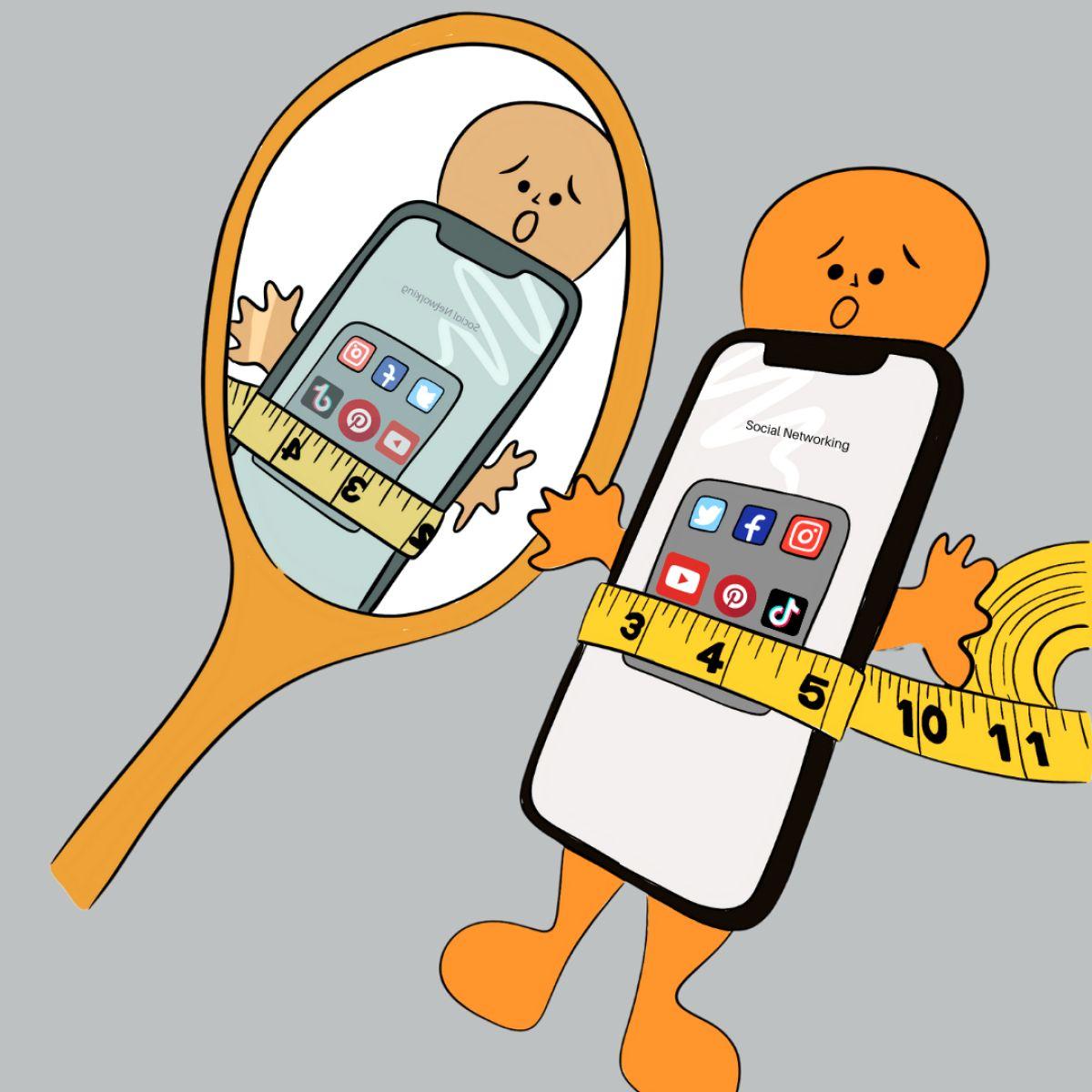
The concept of algorithmic identity reinforcement plays a pivotal role in shaping male identity on social media, operating as a mechanism that both amplifies and constrains behavioral norms. Algorithms, designed to prioritize engagement, often curate content that aligns with users’ historical interactions, creating a feedback loop that reinforces traditional masculine ideals such as dominance, physical strength, and emotional stoicism. This phenomenon is particularly evident on platforms like Instagram and TikTok, where visually driven content dominates user feeds.
A critical examination reveals that this reinforcement is not merely passive but actively shapes identity through comparative self-evaluation. As users are exposed to idealized portrayals of masculinity, they internalize these standards, often leading to heightened self-surveillance and performance-driven behavior. For instance, a study by Rousseau et al. (2017) demonstrated that adolescent boys engaging in passive social media use experienced increased body dissatisfaction due to constant comparisons with curated profiles. This underscores the psychological toll of algorithmic curation, which perpetuates unattainable ideals.
However, the dynamics of algorithmic influence are not uniform. Contextual factors such as socioeconomic status and cultural background significantly mediate its impact. For example, lower-income users may gravitate toward aspirational content that emphasizes material success, while higher-income users might focus on professional achievements. These variations highlight the need for tailored interventions that address the diverse ways in which algorithms shape identity.
"The paradox of algorithmic design lies in its ability to both entrench traditional norms and create opportunities for subversion," notes Dr. Harold M. Stein, Digital Sociologist.
To mitigate the adverse effects of algorithmic reinforcement, platforms could implement adaptive algorithms that promote diverse representations of masculinity. By integrating user feedback and prioritizing content that challenges stereotypes, these systems could foster a more inclusive digital environment. This approach not only addresses identity-related pressures but also encourages authentic self-expression, offering a pathway to healthier online interactions.
Mental Health and Well-being Considerations
The phenomenon of performance-driven identity curation on social media has profound implications for male mental health, particularly in its capacity to perpetuate chronic self-surveillance. This dynamic arises from the algorithmic prioritization of content that aligns with societal ideals of masculinity, such as physical dominance, professional success, and emotional stoicism. These curated portrayals compel men to construct and maintain online personas that conform to these expectations, often at the expense of their psychological well-being.
A critical mechanism underpinning this issue is the feedback loop of algorithmic validation, wherein platforms reward conformity to these ideals through likes, comments, and increased visibility. This creates a cycle of external validation that discourages authentic self-expression. For instance, research by Rousseau et al. (2017) highlights that men engaging in such curated self-presentation report heightened levels of anxiety and impostor syndrome, as they struggle to reconcile their online personas with their authentic identities.
Comparatively, platforms that facilitate community-driven interactions—such as Reddit or Discord—demonstrate a contrasting dynamic. These spaces often allow for more nuanced expressions of masculinity, fostering environments where vulnerability and emotional openness are normalized. However, the accessibility and impact of such communities remain limited, as they are often overshadowed by mainstream platforms that amplify traditional norms.
"The interplay between algorithmic design and societal expectations creates a digital environment where men are incentivized to suppress vulnerability, perpetuating cycles of emotional isolation," notes Dr. Harold M. Stein, Digital Sociologist.
To address these challenges, the implementation of adaptive algorithms that prioritize diverse representations of masculinity could mitigate the psychological toll of performance-driven curation. By integrating user feedback and promoting content that challenges stereotypes, platforms can foster healthier digital ecosystems. This approach not only reduces the pressure of conformity but also encourages authentic engagement, offering a pathway to improved mental health outcomes.
Commercial and Societal Implications
The integration of algorithmic targeting with male social media engagement has redefined both commercial strategies and societal dynamics. Platforms like Instagram and TikTok, leveraging machine learning, prioritize content that maximizes user engagement, often reinforcing traditional masculine ideals. This alignment is not incidental; according to a 2024 study by the Digital Marketing Institute, 68% of male-targeted advertisements on these platforms emphasize themes of dominance, success, or physical prowess, reflecting entrenched gender norms.
However, this approach introduces a paradox. While such strategies drive short-term engagement, they risk alienating younger male demographics increasingly drawn to narratives of emotional authenticity and inclusivity. For instance, a 2023 survey by Pew Research Center revealed that 42% of Gen Z males prefer brands that challenge conventional masculinity, highlighting a growing demand for counter-narratives.
The societal implications extend further. Algorithms, by amplifying content aligned with historical interactions, create echo chambers that perpetuate stereotypes. Yet, they also enable niche communities where alternative masculinities flourish. This duality underscores the necessity for adaptive algorithms—systems designed to diversify content exposure while maintaining user relevance. Such innovations could balance commercial objectives with the broader societal goal of fostering more inclusive gender norms, reshaping both market practices and cultural landscapes.
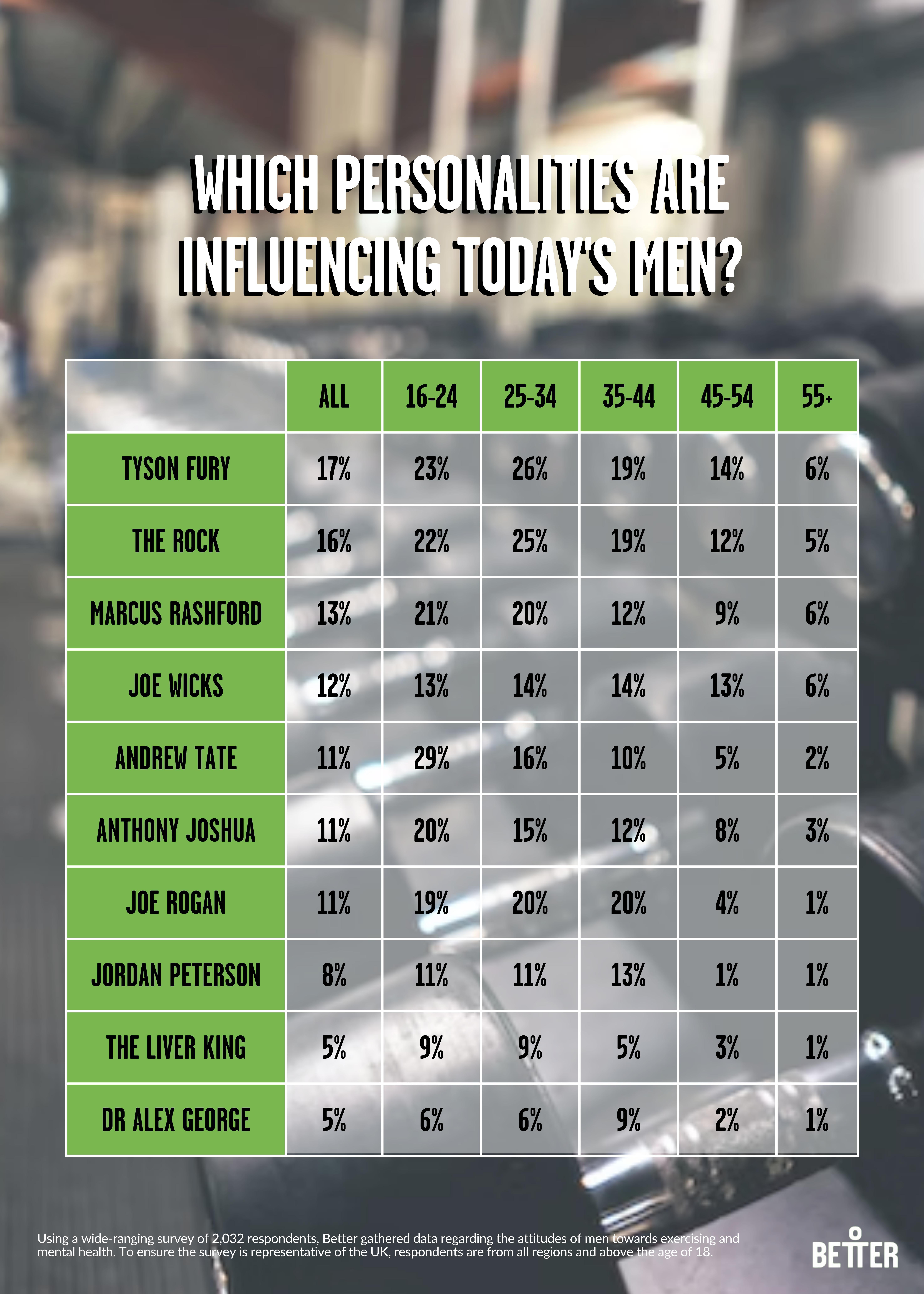
Marketing Strategies Targeting Male Audiences
A critical yet underexplored dimension of marketing to male audiences lies in the integration of adaptive algorithms to personalize content delivery. These systems dynamically adjust messaging based on real-time behavioral data, enabling brands to align their campaigns with the evolving preferences of male users. This approach is particularly effective on platforms like TikTok, where algorithmic curation drives user engagement by prioritizing content that resonates with individual consumption patterns.
The underlying mechanism involves leveraging machine learning models trained on demographic and psychographic data to predict user preferences. For instance, a campaign by Adidas utilized adaptive algorithms to segment male audiences based on their fitness goals, delivering tailored video content that emphasized either performance or lifestyle. This strategy resulted in a 35% increase in click-through rates compared to static campaigns, demonstrating the efficacy of personalization in fostering deeper engagement.
However, the success of such techniques is contingent on contextual factors, including cultural nuances and platform-specific behaviors. For example, while aspirational content performs well in Western markets, audiences in Asia often respond more positively to narratives emphasizing community and collective achievement. This highlights the necessity of localizing algorithmic models to account for regional variations.
"The ability to adapt content dynamically, while maintaining authenticity, is the cornerstone of effective male-targeted marketing," observes Dr. Harold M. Stein, Digital Sociologist.
Despite its potential, adaptive marketing faces challenges such as data privacy concerns and the risk of reinforcing stereotypes through algorithmic bias. Addressing these limitations requires transparent algorithmic design and a commitment to promoting diverse representations, ensuring that campaigns resonate authentically across varied male demographics.
Shifts in Male Social Norms and Roles
The evolution of male social norms on digital platforms is intricately tied to the mechanisms of algorithmic reinforcement, which both perpetuate and challenge traditional ideals. Central to this dynamic is the role of comparative self-evaluation, where users internalize curated portrayals of masculinity, often leading to shifts in self-representation. Platforms like Instagram and TikTok, through their visually driven interfaces, amplify content that aligns with historical user preferences, creating a feedback loop that reinforces dominant narratives while subtly introducing counter-narratives.
A critical factor influencing these shifts is the contextual variability of content consumption. For instance, younger male users in urban environments demonstrate a growing preference for content that integrates emotional authenticity with aspirational success. This trend contrasts with rural demographics, where traditional archetypes of masculinity—such as physical strength and stoicism—retain greater resonance. Such disparities underscore the importance of tailoring interventions to specific sociocultural contexts.
Evidence from a 2023 study by the Digital Sociology Institute highlights that 37% of male users aged 18–24 actively engage with content promoting vulnerability and inclusivity, a marked departure from older cohorts. However, this engagement is often compartmentalized, with users presenting divergent personas across professional and personal domains.
"The interplay between algorithmic design and user agency creates a duality where traditional norms are both upheld and subverted," notes Dr. Harold M. Stein, Digital Sociologist.
This nuanced landscape necessitates adaptive strategies that leverage algorithmic diversity to promote inclusive representations while addressing the contextual factors that shape male identity formation. By doing so, platforms can foster environments that reflect the complexities of modern masculinity without reinforcing reductive stereotypes.
FAQ
What are the most popular social media platforms among male users and why?
The most frequented platforms by male users include YouTube, Facebook, and Instagram, each catering to distinct preferences. YouTube dominates due to its vast repository of educational and entertainment content, appealing to goal-oriented and aspirational behaviors. Facebook remains a hub for networking and community engagement, particularly among older males. Instagram attracts younger demographics with its visually immersive interface, aligning with lifestyle affirmation and aspirational content. Socioeconomic factors further influence platform choice, with higher-income males favoring LinkedIn for professional growth, while lower-income users gravitate toward Instagram for aspirational narratives. These patterns highlight the interplay of platform design, user intent, and demographic variables.
How do socioeconomic factors influence male engagement on different social media platforms?
Socioeconomic factors significantly shape male engagement across platforms. Higher-income males often prefer LinkedIn, leveraging its professional networking features to align with career aspirations. Conversely, lower-income users are drawn to Instagram, utilizing its visually immersive content for aspirational purposes. Education levels also play a role, with more educated males engaging in platforms like Twitter for informational content. Regional and cultural contexts further mediate these behaviors, as urban males gravitate toward platforms emphasizing inclusivity and innovation, while rural users favor traditional narratives. These dynamics underscore the importance of tailoring platform strategies to reflect the diverse motivations driven by socioeconomic variables.
What role do algorithms play in shaping male identity and behavior on social media?
Algorithms profoundly influence male identity and behavior by curating content aligned with prior interactions, creating feedback loops that reinforce traditional masculine ideals or alternative narratives. Platforms like Instagram and TikTok amplify visually engaging content, promoting aspirational standards such as dominance or success. This algorithmic reinforcement fosters comparative self-evaluation, shaping identity through exposure to curated portrayals. Additionally, socioeconomic and cultural contexts mediate algorithmic impact, with lower-income males often encountering material success narratives, while higher-income users engage with professional achievements. Adaptive algorithms promoting diverse representations could mitigate these effects, encouraging authentic self-expression and reducing the psychological toll of performance-driven identity curation.
How does social media impact mental health and well-being among male demographics?
Social media affects male mental health by amplifying pressures tied to societal expectations, such as success, strength, and emotional stoicism. Platforms like Instagram perpetuate unattainable body ideals, leading to body dissatisfaction and anxiety. The culture of comparison fosters feelings of inadequacy, particularly in career or lifestyle metrics. Conversely, niche communities on platforms like Reddit provide spaces for emotional openness, challenging traditional norms. Socioeconomic factors further shape these impacts, with lower-income males facing heightened aspirational pressures. Adaptive algorithms and critical media literacy can mitigate these effects, promoting healthier engagement and reducing the psychological strain of curated digital environments.
What strategies can brands use to effectively target male audiences on social media?
Brands can target male audiences effectively by leveraging platform-specific strategies. On TikTok, interactive campaigns like branded hashtag challenges engage younger males, while LinkedIn appeals to professionals through career-focused content. Visual storytelling on Instagram resonates with aspirational users, emphasizing high-quality imagery and relatable narratives. Collaborating with male influencers in niches like fitness or technology enhances credibility and reach. Socioeconomic segmentation ensures tailored messaging, with higher-income males responding to professional themes and lower-income users engaging with aspirational content. Adaptive algorithms and data-driven insights further optimize campaigns, aligning content with male preferences and fostering authentic connections across diverse social media platforms.