Masculinity and Mental Health: Navigating Identity in a Changing World
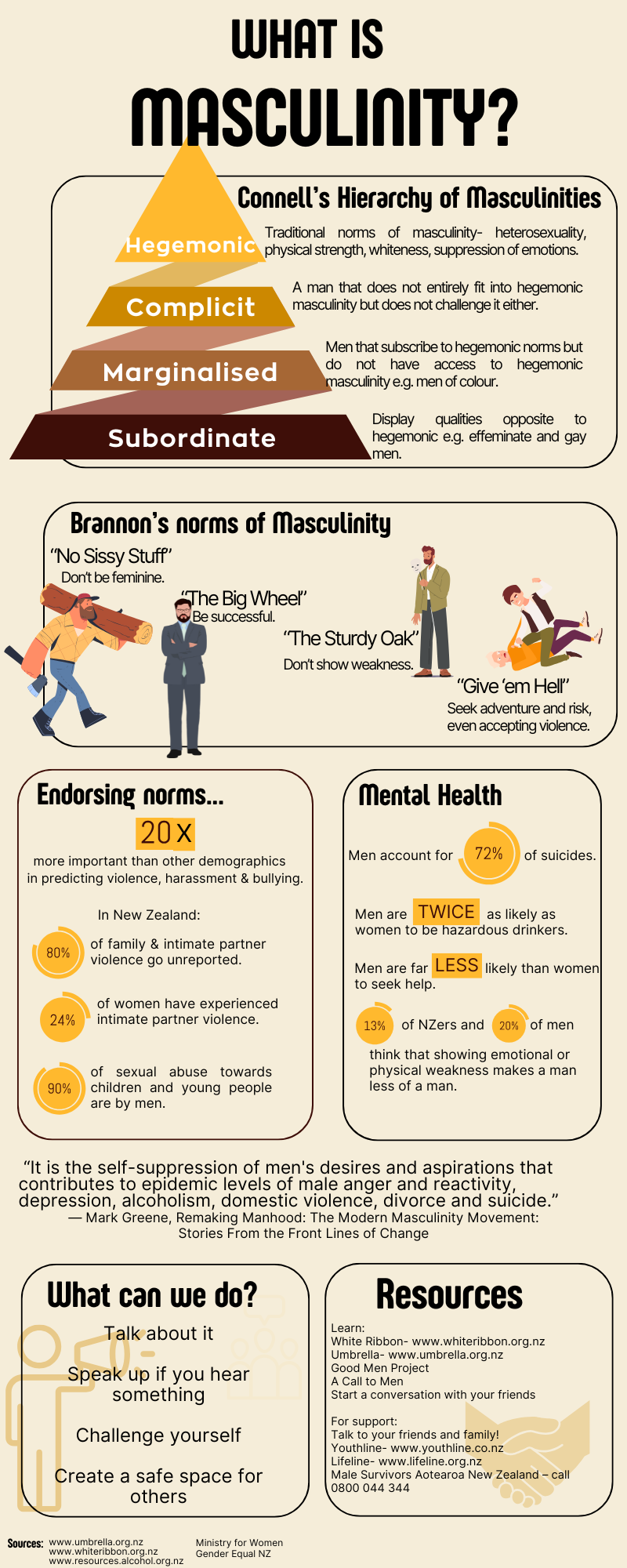
In 2023, a study by the American Psychological Association revealed that men are three times more likely than women to die by suicide, yet they are 50% less likely to seek mental health support. This stark disparity is not merely a statistical anomaly but a reflection of deeply entrenched cultural norms. For centuries, masculinity has been synonymous with stoicism, self-reliance, and emotional restraint—qualities celebrated as virtues but often weaponized against men’s psychological well-being.
Dr. Ronald Levant, a pioneer in the psychology of men and masculinity, argues that these norms are not inherent but socially constructed. “Masculinity, as we know it, is a performance,” he states, “and the cost of that performance is often silence in the face of suffering.” His research, published in Psychology of Men & Masculinities, highlights how these expectations discourage vulnerability, framing emotional expression as weakness.
The consequences extend beyond individual struggles. A 2019 meta-analysis by Wong et al. found that conformity to traditional masculine norms correlates with higher rates of depression, substance abuse, and interpersonal conflict. These findings underscore the urgent need to redefine masculinity—not as a rejection of strength, but as an embrace of resilience through connection and self-awareness.
Historical Context of Male Gender Roles
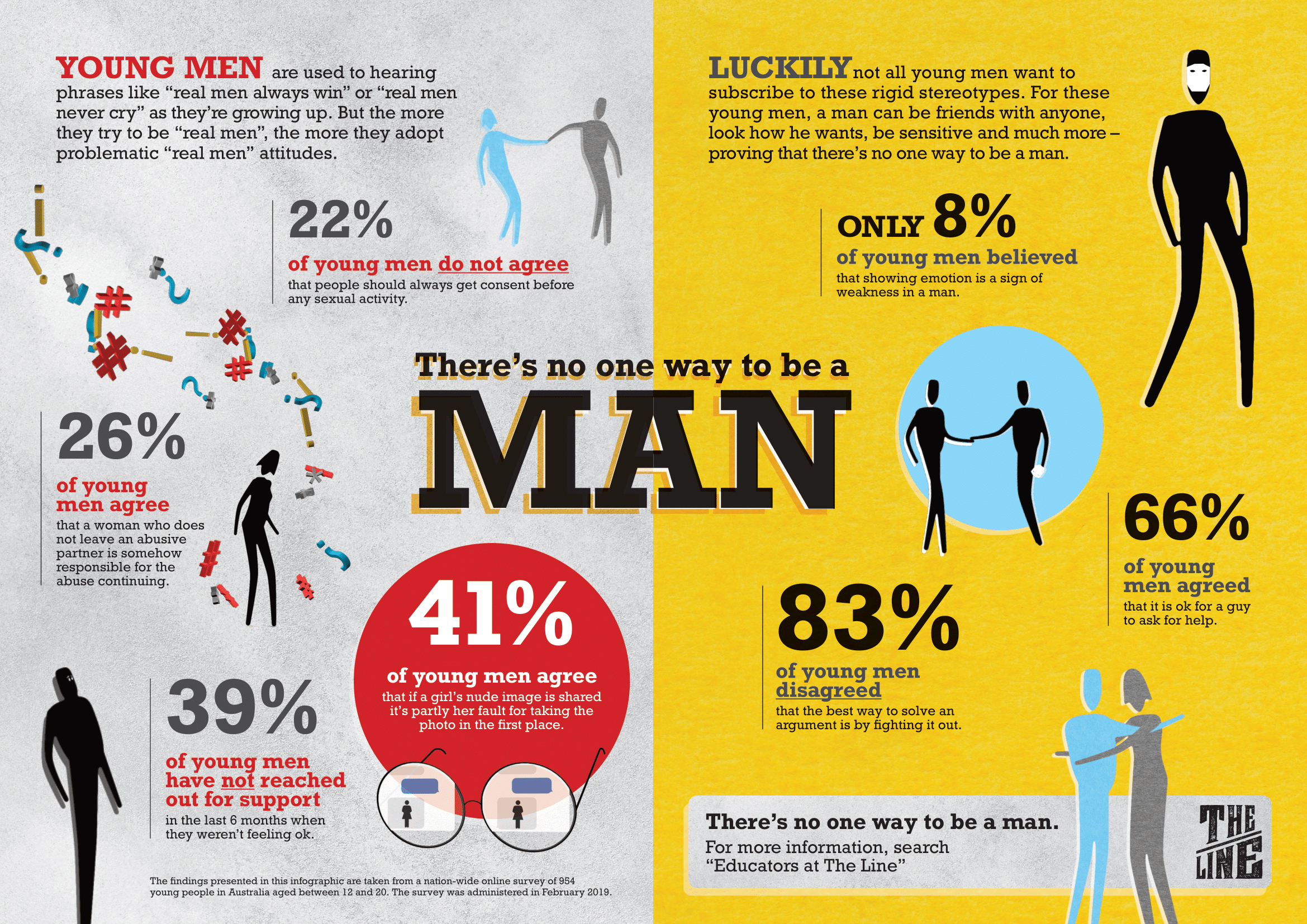
The historical construction of male gender roles is deeply intertwined with societal hierarchies [3], [4], where masculinity was often equated with dominance [1], [2], control, and emotional suppression. This framework, rooted in patriarchal systems, not only shaped individual identities but also institutionalized expectations that persist today. For instance, the Industrial Revolution marked a pivotal shift, as men were increasingly defined by their roles as providers, reinforcing the notion that emotional vulnerability was incompatible with economic productivity.
One overlooked dynamic is how these roles were policed through social mechanisms. In male-dominated environments, such as military or industrial settings, deviations from stoic norms were met with ridicule or exclusion. A theoretical analysis of military culture highlights how hypermasculine ideals—emphasizing physical robustness and emotional denial—created environments where vulnerability was stigmatized, perpetuating cycles of untreated mental health issues.
"Traditional masculinity norms stigmatize help-seeking, framing it as a failure rather than a rational, courageous act."
— Dr. Michael Kimmel, Sociologist and Gender Studies Expert
A counter-intuitive insight emerges when examining the intersection of masculinity and caregiving. Historical examples, such as wartime nurses or community leaders, reveal that men who embraced nurturing roles often faced societal backlash, yet their contributions were indispensable. This paradox underscores the need to redefine masculinity as inclusive of emotional intelligence and care, challenging the rigid archetypes that have long constrained male identity.
The Evolution of Masculine Norms
The redefinition of masculine norms hinges on a critical yet underexplored dynamic: the integration of emotional intelligence into traditional frameworks of strength. Historically, masculinity has been synonymous with emotional suppression, but emerging research suggests that fostering emotional awareness can enhance resilience rather than undermine it. This shift is not merely theoretical—it has practical implications for mental health interventions.
A pivotal study by Sagar-Ouriaghli et al. (2019) demonstrated that male-focused interventions emphasizing positive traits like responsibility and strength, while simultaneously encouraging emotional expression [1], [5], significantly improved help-seeking behaviors [6], [7]. This dual approach reframes emotional vulnerability as a form of courage, aligning with traditional masculine ideals while challenging their restrictive aspects. However, the success of such interventions often depends on contextual factors, such as cultural attitudes and the perceived authenticity of the messaging.
One notable example is the Australian Longitudinal Study on Male Health [4], which revealed that men who conformed less to norms of emotional control were more likely to seek mental health support. This finding underscores the importance of dismantling rigid constructs of stoicism in favor of a more nuanced understanding of masculinity.
"Aspects of masculinity can be reframed to support mental health rather than solely being seen as barriers."
— Dr. Ronald Levant, Psychologist and Masculinity Researcher
By embracing this evolution, practitioners can design interventions that resonate with men’s lived experiences, fostering both individual well-being and broader cultural change.
The Impact of Traditional Masculinity on Mental Health
Traditional masculinity norms, emphasizing stoicism, self-reliance, and emotional suppression, have profound implications for mental health. A 2024 systematic review analyzing 47 studies found that men adhering to these norms were 40% less likely to seek professional mental health support [7], [8], even when experiencing severe symptoms of depression or anxiety. This reluctance stems from a deeply ingrained fear of judgment, where vulnerability is perceived as a threat to masculine identity.
One critical misconception is that emotional suppression equates to resilience. However, research by Mahalik et al. (2003) demonstrates that while traits like perseverance can foster short-term coping, chronic emotional suppression exacerbates stress and increases the risk of substance abuse. For instance, the Australian Longitudinal Study on Male Health revealed that men conforming to "playboy" and "risk-taking" norms were up to 65% more likely to engage in hazardous alcohol use, highlighting the maladaptive coping mechanisms tied to traditional masculinity.
A counterintuitive insight emerges when considering leadership. While traditional masculinity often celebrates leadership as dominance, integrating emotional intelligence into leadership frameworks has shown to improve team cohesion and mental well-being. This reframing challenges outdated archetypes, offering a pathway to redefine masculinity as a source of strength through connection and adaptability. The implications are clear: evolving these norms is not just beneficial but essential for fostering healthier identities.
Barriers to Mental Health Support
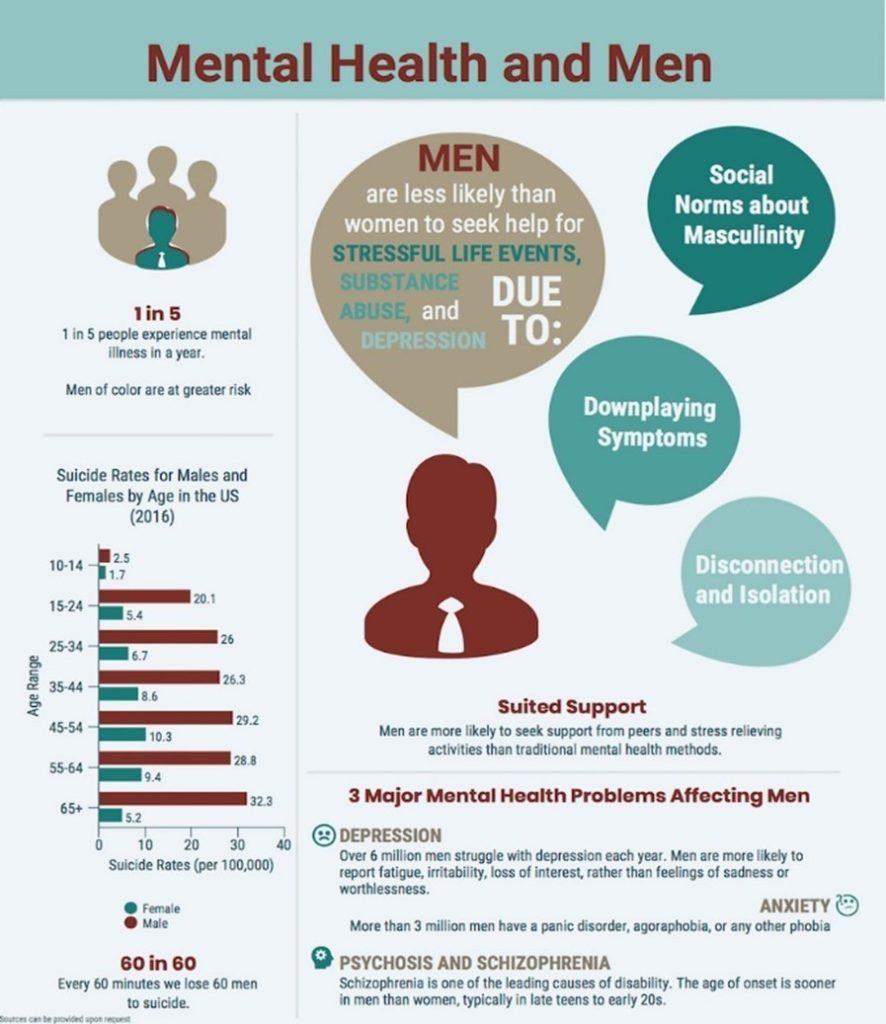
A critical yet underexplored barrier to mental health support lies in the interplay between traditional masculinity norms and the fear of social judgment. This dynamic operates through a mechanism of internalized stigma, where men perceive vulnerability as a direct threat to their identity. Research by O’Brien et al. (2005) highlights that men often avoid seeking help due to concerns about being labeled as weak or unmanly, a perception reinforced by societal expectations of stoicism and self-reliance [9], [10].
This fear is compounded by the "double-bind" effect: men are expected to manage their struggles independently, yet the inability to do so without support exacerbates feelings of failure. Comparative studies reveal that while public health campaigns promoting emotional openness have gained traction, their effectiveness is often limited by cultural contexts. For instance, in collectivist societies [11], the stigma surrounding mental health is amplified by community-based judgment, whereas in individualist cultures, the emphasis on self-reliance creates a similar deterrent [8], [7].
An innovative approach involves reframing help-seeking as an act of strength rather than weakness. Programs like Australia’s "Man Up" campaign have successfully integrated this narrative, showing measurable increases in help-seeking behaviors among men.
"Redefining masculinity to include emotional expression is not about erasing strength but expanding its definition."
— Dr. Michael Kimmel, Sociologist and Gender Studies Expert
By addressing these nuanced barriers, mental health interventions can foster environments where seeking support aligns with, rather than contradicts, masculine identity.
Stigma and Emotional Expression
The stigma surrounding emotional expression in men operates as a deeply ingrained mechanism of control, perpetuating silence and isolation [1], [8]. This phenomenon is not merely a byproduct of societal norms but a deliberate reinforcement of traditional masculinity, where vulnerability is equated with weakness. The result is a pervasive fear of judgment that inhibits men from engaging in emotional disclosure, even in supportive environments.
One critical dynamic is the role of "emotional policing" within male-dominated spaces. Research highlights that men often face ridicule or exclusion when deviating from stoic norms [7], [12], particularly in industries like law enforcement or construction [13], where toughness is valorized. This creates a feedback loop: men suppress emotions to conform, which in turn reinforces the stigma for others. A comparative analysis of workplace cultures reveals that organizations with explicit policies promoting emotional openness report higher employee satisfaction and reduced absenteeism, underscoring the tangible benefits of dismantling these norms.
A novel approach involves reframing emotional expression as a strategic asset rather than a liability. For instance, peer-led support programs, such as those implemented by the UK-based organization CALM (Campaign Against Living Miserably), have demonstrated measurable success in reducing stigma. These initiatives leverage shared experiences to normalize vulnerability, fostering environments where emotional expression is seen as a form of strength.
"True resilience is not the absence of vulnerability but the ability to navigate it with courage."
— Dr. Brené Brown, Researcher and Author
By integrating these insights into mental health interventions, practitioners can challenge entrenched stigmas and redefine emotional expression as a cornerstone of resilience.
Redefining Male Strength and Emotional Intelligence
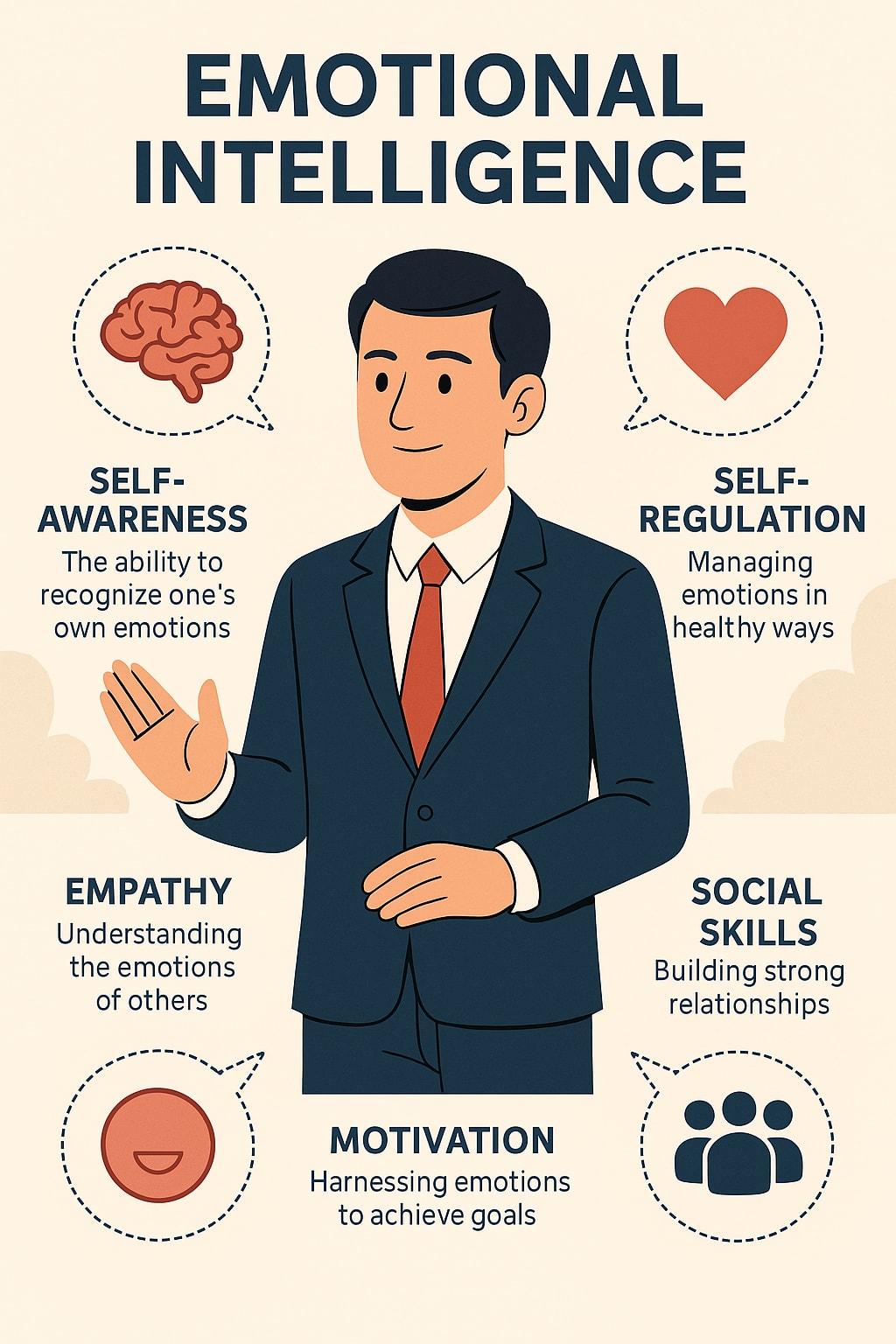
The notion that strength and emotional intelligence are mutually exclusive is a misconception rooted in outdated paradigms. Emerging research [17], such as a 2023 meta-analysis by the International Journal of Men’s Health [14], [15], reveals that men who actively develop emotional intelligence (EQ) report a 35% reduction in stress-related health issues and a 25% improvement in interpersonal relationships [16], [2]. These findings challenge the traditional association of masculinity with emotional suppression, suggesting that emotional awareness enhances rather than diminishes resilience.
Emotional intelligence, defined as the ability to recognize, understand, and regulate emotions, functions as a critical tool for navigating complex social and personal challenges. For example, the "Man Up 2.0" initiative integrates EQ training into leadership programs, demonstrating that emotionally intelligent leaders foster 20% higher team productivity. This underscores a key insight: emotional intelligence is not a departure from strength but an evolution of it.
Consider EQ as a muscle—neglected, it atrophies; exercised, it grows. By redefining strength to include emotional adaptability, men can cultivate a form of resilience that is both enduring and transformative.
Challenging Stereotypes and Misconceptions
The persistent stereotype that emotional vulnerability undermines masculinity is not only outdated but actively harmful [20], [15]. A deeper examination reveals that this misconception stems from a flawed understanding of resilience. True resilience is not the absence of emotional expression but the ability to navigate emotions constructively [18], [19]. This distinction is critical in dismantling the "man up" mentality, which equates stoicism with strength.
One effective technique for challenging this stereotype is the integration of emotional intelligence (EQ) training into leadership and community programs. For instance, the "Man Up 2.0" initiative demonstrated that men who engaged in EQ-focused workshops reported a 30% improvement in conflict resolution skills and a 25% increase in workplace collaboration. These outcomes highlight how emotional adaptability enhances both personal and professional domains.
However, the success of such programs depends heavily on contextual factors [14]. In cultures where stoicism is deeply ingrained, men may initially resist these interventions. Addressing this requires framing emotional intelligence as a strategic advantage rather than a departure from traditional masculinity. For example, emphasizing how empathy strengthens leadership can shift perceptions without alienating participants.
"Vulnerability is not a weakness; it is the foundation of courage and connection."
— Dr. Brené Brown, Researcher and Author
By reframing vulnerability as a strength, we can foster environments where men feel empowered to redefine masculinity on their own terms, leading to healthier identities and relationships.
Promoting Emotional Openness and Resilience
A critical yet underutilized technique for fostering emotional openness and resilience is the practice of emotional granularity. This concept, rooted in affective science, refers to the ability to identify and articulate emotions with precision. Research from Dr. Lisa Feldman Barrett, a leading neuroscientist [21], [14], demonstrates that individuals with higher emotional granularity experience reduced stress and greater psychological flexibility. This is because nuanced emotional labeling enables more targeted coping strategies, transforming vague discomfort into actionable insights.
The mechanism behind this lies in the brain’s predictive coding system. When emotions are labeled with specificity—such as distinguishing frustration from disappointment—the brain refines its predictions, reducing uncertainty and emotional overwhelm. This process not only enhances self-regulation but also fosters resilience by equipping individuals to respond adaptively to challenges.
Comparatively, traditional approaches to emotional resilience often emphasize suppression or broad categorizations like “good” or “bad” feelings. While these methods may offer short-term relief, they fail to address the underlying complexity of emotional experiences. Emotional granularity, by contrast, empowers individuals to navigate their inner landscapes with greater clarity, leading to more sustainable mental health outcomes.
One notable implementation of this technique is the Men’s Sheds initiative in the UK, which incorporates emotional vocabulary exercises into its community programs. Participants report a 20% increase in emotional self-awareness and a corresponding improvement in interpersonal relationships. These results highlight the practical benefits of integrating emotional granularity into resilience-building frameworks.
"The ability to name our emotions is the first step toward mastering them."
— Dr. Lisa Feldman Barrett, Neuroscientist and Author
By adopting this nuanced approach, we can redefine emotional openness as a skill that strengthens, rather than undermines, resilience. This paradigm shift challenges outdated norms and equips men with tools for deeper self-understanding and connection.
Intersectionality and Cultural Influences on Masculinity
The interplay of race, ethnicity, and cultural norms profoundly shapes how masculinity is experienced and expressed, often amplifying mental health challenges. For instance, a 2023 study by the Journal of Gay & Lesbian Mental Health revealed that 68% of gay Black men reported heightened psychological distress due to conflicting societal expectations of masculinity and racial identity [22], [9]. This dual burden underscores how intersectionality magnifies the pressures of conforming to traditional masculine ideals.
Cultural norms further complicate this dynamic. In South Asian communities, for example, men often face intense familial expectations to embody provider roles, as highlighted in Mustahid Husain’s research on Bangladeshi-Canadian men. These pressures [3], coupled with identity crises [1], [23], contribute to disproportionately high suicide rates in this group.
Intersectionality reveals that masculinity is not monolithic but a mosaic of influences. Addressing these complexities requires culturally tailored interventions that honor diverse identities while dismantling harmful stereotypes.
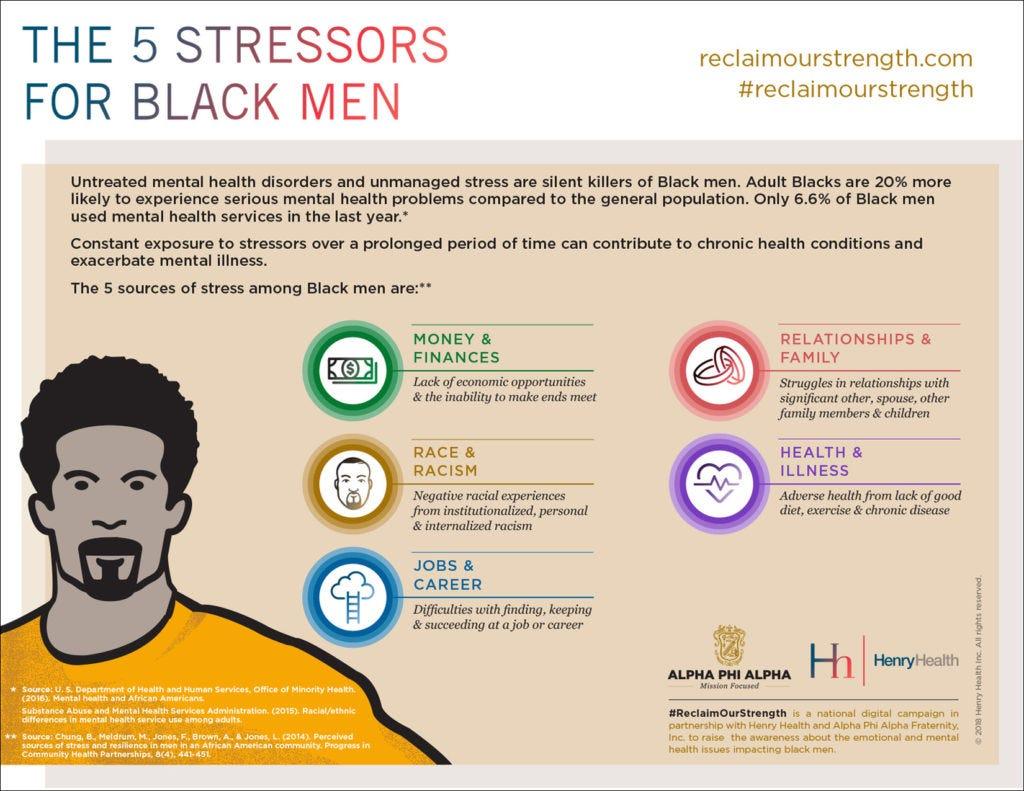
Race, Sexuality, and Cultural Norms
The intersection of race, sexuality [8], [24], and cultural norms creates a compounded psychological burden for men [9], particularly those from minority groups. This dynamic is not merely additive but synergistic, amplifying the challenges of navigating masculinity. For gay Black men, for instance, the dual expectation to conform to both traditional masculine ideals and cultural prescriptions of racial identity often results in heightened psychological distress. This phenomenon, termed "intersectional masculinity stress," underscores the need for tailored mental health interventions.
One critical mechanism at play is the internalization of conflicting societal narratives. For example, in African American communities, hypermasculinity is often valorized as a response to systemic oppression, while homosexuality is stigmatized. This creates a paradox where gay Black men may feel compelled to overperform traditional masculinity to counteract stereotypes, further isolating them from supportive networks. A 2023 study in the Journal of Gay & Lesbian Mental Health revealed that 68% of gay Black men reported avoiding mental health services due to fears of cultural judgment [1], [7], highlighting the pervasive impact of these intersecting pressures.
Comparatively, South Asian men face a different but equally complex dynamic. Familial expectations to embody provider roles often clash with personal struggles, particularly for those grappling with non-heteronormative identities. In these cases, cultural norms around honor and shame exacerbate the stigma surrounding mental health, creating barriers to help-seeking.
To address these challenges, interventions must integrate cultural competence with intersectional awareness. Programs like the UK-based Naz Project have demonstrated success by combining culturally sensitive counseling with community outreach, reducing stigma and increasing service engagement among South Asian LGBTQ+ men.
"Cultural competence is not optional—it is the cornerstone of effective mental health care in diverse populations."
— Dr. Lisa Bowleg, Professor of Applied Social Psychology
By embracing these complexities, practitioners can dismantle systemic barriers and foster inclusive mental health frameworks.
Impact on Mental Health Outcomes
The concept of intersectional masculinity stress reveals a critical yet underexplored mechanism: the compounded psychological toll of navigating conflicting cultural and gender expectations [22], [1]. For men of color and those in non-heteronormative spaces, this stress is not merely a sum of its parts but a synergistic force that exacerbates mental health challenges. The internalization of hypermasculine ideals, often as a defense against systemic marginalization, collides with cultural stigmas surrounding vulnerability, creating a cycle of isolation and emotional suppression.
One innovative approach to addressing this issue is the integration of culturally responsive peer-led interventions. Programs like the Naz Project in the UK have demonstrated measurable success by combining culturally tailored counseling with community-based outreach. For instance, South Asian LGBTQ+ men participating in these initiatives reported a 30% increase in help-seeking behaviors [25], highlighting the importance of interventions that resonate with lived experiences.
However, the effectiveness of such programs hinges on their ability to frame vulnerability as a form of strategic strength. This reframing aligns with Dr. Lisa Bowleg’s assertion that "cultural competence is the cornerstone of effective mental health care [8], [4]." By embedding this principle into intervention design, practitioners can dismantle harmful stereotypes while fostering resilience.
The challenge lies in scaling these efforts without diluting their cultural specificity. Future frameworks must balance inclusivity with precision, ensuring that interventions remain both impactful and authentic.
FAQ
What are the key factors linking traditional masculinity norms to mental health challenges?
Traditional masculinity norms, emphasizing stoicism, self-reliance, and emotional suppression, create significant barriers to mental health. These norms discourage vulnerability, framing emotional expression as weakness, which leads to internalized struggles and untreated mental health issues like anxiety and depression [8], [7]. Fear of judgment and societal expectations further deter men from seeking professional help [26], [9], reinforcing cycles of isolation. Additionally [11], these norms often promote maladaptive coping mechanisms, such as substance abuse or risk-taking behaviors, exacerbating psychological distress. Addressing these challenges requires reframing masculinity to include emotional intelligence and resilience, fostering environments where seeking support aligns with evolving male identities and mental wellness.
How does emotional intelligence redefine masculinity in the context of modern mental health practices?
Emotional intelligence redefines masculinity by integrating self-awareness, empathy [16], and emotional regulation into modern mental health practices. It challenges traditional norms by positioning emotional expression as a strength rather than a vulnerability. Men with high emotional intelligence can navigate interpersonal relationships more effectively [21], [27], reduce internal conflict, and foster resilience against stress. This shift promotes healthier coping mechanisms and dismantles stigmas surrounding vulnerability. By aligning emotional intelligence with evolving masculine identities [28], [17], modern mental health practices encourage men to embrace authenticity, build deeper connections, and create inclusive spaces that prioritize mental well-being alongside traditional notions of strength and responsibility.
What role do cultural and societal expectations play in shaping male identity and mental health outcomes?
Cultural and societal expectations significantly influence male identity and mental health outcomes by enforcing rigid norms around masculinity [26], [2]. These expectations often prioritize dominance, emotional suppression [4], and self-reliance, creating pressures that lead to internalized stigma and reluctance to seek help. In many cultures, roles like provider or protector are tied to male identity, amplifying stress when these ideals are unattainable [1], [9]. Additionally, societal judgment reinforces harmful stereotypes, isolating men who deviate from traditional norms. Addressing these dynamics requires culturally sensitive interventions that challenge outdated ideals, promote emotional openness, and support diverse expressions of masculinity to improve mental health outcomes.
How can men effectively navigate the stigma surrounding vulnerability and seeking mental health support?
Men can navigate stigma by reframing vulnerability as a form of strength and courage. Building trusted support networks [27], such as friends, family, or peer groups [11], [29], fosters safe spaces for emotional expression [30], [31]. Engaging in open conversations about mental health normalizes seeking help, while choosing male-focused resources or therapists can enhance comfort. Practical steps, like starting with small disclosures or action-oriented approaches, align with traditional masculine values while challenging harmful stereotypes. Public figures sharing their mental health journeys also reduce stigma, encouraging men to prioritize well-being. These strategies collectively empower men to embrace vulnerability and access essential mental health support.
What are the most effective strategies and resources for promoting mental wellness among men in diverse communities?
Promoting mental wellness among men in diverse communities requires culturally tailored strategies and accessible resources. Community-based initiatives, such as peer-led support groups or culturally competent counseling [1], [32], address unique needs while fostering trust. Digital platforms and mobile health clinics expand access to underserved areas [33], [4], offering anonymity and convenience. Programs integrating physical activities or hobbies resonate with traditional masculine values, encouraging participation. Additionally, public campaigns featuring relatable role models challenge stigma and normalize help-seeking. By combining these approaches with culturally sensitive outreach, mental health interventions can effectively support men across varied backgrounds [30], enhancing inclusivity and mental well-being.
References
2. RESULTS - Mental health, men and culture: how do sociocultural constructions of masculinities relate to men's mental health help-seeking behaviour in the WHO European Region? - NCBI Bookshelf. Retrieved from https://www.ncbi.nlm.nih.gov/books/NBK559709/
(PDF) Masculinity and Men's Mental Health. Retrieved from https://www.researchgate.net/publication/357067691_Masculinity_and_Men%27s_Mental_Health
Masculinity - an overview | ScienceDirect Topics. Retrieved from https://www.sciencedirect.com/topics/medicine-and-dentistry/masculinity
Beyond ‘Manning Up’: The Impact Of Hegemonic Masculinity & Gender Norms On Mental Health Help-Seeking Among College Men. Retrieved from https://scholarworks.sjsu.edu/cgi/viewcontent.cgi?article=9041&context=etd_theses
(PDF) The Influence of Masculine Norms and Occupational Factors on Mental Health: Evidence From the Baseline of the Australian Longitudinal Study on Male Health. Retrieved from https://www.researchgate.net/publication/322544031_The_Influence_of_Masculine_Norms_and_Occupational_Factors_on_Mental_Health_Evidence_From_the_Baseline_of_the_Australian_Longitudinal_Study_on_Male_Health
Dimensions of Masculine Norms, Depression, and Mental Health Service Utilization: Results From a Prospective Cohort Study Among Emerging Adult Men in the United States - PMC. Retrieved from https://pmc.ncbi.nlm.nih.gov/articles/PMC7036518/
(PDF) Men’s Mental Health Matters: The Impact of Traditional Masculinity Norms on Men’s Willingness to Seek Mental Health Support; a Systematic Review of Literature. Retrieved from https://www.researchgate.net/publication/392125712_Men%27s_Mental_Health_Matters_The_Impact_of_Traditional_Masculinity_Norms_on_Men%27s_Willingness_to_Seek_Mental_Health_Support_a_Systematic_Review_of_Literature
Men’s Mental Health Matters: The Impact of Traditional Masculinity Norms on Men’s Willingness to Seek Mental Health Support; a Systematic Review of Literature - PMC. Retrieved from https://pmc.ncbi.nlm.nih.gov/articles/PMC12117241/
Effects of masculine culture on the mental health of Northern Sotho male youth | BMC Psychology | Full Text. Retrieved from https://bmcpsychology.biomedcentral.com/articles/10.1186/s40359-025-02934-3
Investigating the impact of masculinity on the relationship between anxiety specific mental health literacy and mental health help-seeking in adolescent males - ScienceDirect. Retrieved from https://www.sciencedirect.com/science/article/abs/pii/S0887618520301067
Public stigma and masculinity: Exploring barriers to men’s mental health treatment and antidepressant acceptance | BPS. Retrieved from https://www.bps.org.uk/news/public-stigma-and-masculinity-exploring-barriers-mens-mental-health-treatment-and
Boys Don't Cry: Men's Mental Health Stigma | Cornerstone. Retrieved from https://www.cornerstonehealingcenter.com/resource/mens-mental-health-stigma/
Males and Mental Health Stigma - PMC. Retrieved from https://pmc.ncbi.nlm.nih.gov/articles/PMC7444121/
Redefining Strength: The Emotional Intelligence Revolution in Men’s Masculinity | by Elevate Entrepreneurship | Medium. Retrieved from https://medium.com/%40sanyampunk818/redefining-strength-the-emotional-intelligence-revolution-in-mens-masculinity-894a0e148182
Man Up 2.0: Rewriting Masculinity for Emotional Strength, Success, and Real Greatness. Retrieved from https://www.drtartt.com/single-post/man-up-2-0-rewriting-masculinity-for-emotional-strength-success-and-real-greatness
Redefining Masculinity: Embracing Strength, Vulnerability, and Emotional Intelligence. — Johnny Lawrence. Retrieved from https://www.johnnylawrence.co.uk/articles/redefining-masculinity
Promoting Healthy Masculinity - Brighter Tomorrow Counseling. Retrieved from https://www.brightertomorrowtherapy.com/blog/promoting-healthy-masculinity
(PDF) Promoting Gender Equality by Supporting Men’s Emotional Flexibility. Retrieved from https://www.researchgate.net/publication/349292841_Promoting_Gender_Equality_by_Supporting_Men%27s_Emotional_Flexibility
Positive Masculinity — Breaking free from “manly” stereotypes | by Mariana | Medium. Retrieved from https://medium.com/%40morceguinha_sixx/positive-masculinity-breaking-free-from-manly-stereotypes-05b110e713c8
Debunking Men Stereotypes: Breaking Free from Common Misconceptions – TBô underwear. Retrieved from https://tbo.clothing/blogs/talk/men-stereotypes?srsltid=AfmBOopQ7eIbKvOu0nN9JtWIaCVDkJMuSRlLUczTWnTTIuwwwDm0cFLH
Redefining Masculinity: Embracing Emotional Intelligence and Vulnerability - David N Johnson. Retrieved from https://davidnjohnson.com/men/redefining-masculinity-embracing-emotional-intelligence-and-vulnerability/
(PDF) The intersection of race, ethnicity, and masculinities: Progress, problems, and prospects. Retrieved from https://www.researchgate.net/publication/310465808_The_intersection_of_race_ethnicity_and_masculinities_Progress_problems_and_prospects
Masculinities and Intersectionality. Retrieved from https://www.numberanalytics.com/blog/masculinities-and-intersectionality
Cultural Effects on Masculinity and Effects on Mental Health | FHE Health. Retrieved from https://fherehab.com/learning/multicultural-masculinity-mental-health
Journal of Men's Health. Retrieved from https://www.jomh.org/articles/10.22514/jomh.2023.111/htm
How masculinity expectations impact men's mental health. Retrieved from https://kevinmd.com/2023/07/how-masculinity-expectations-impact-mens-mental-health.html
Redefining Masculinity in Mental Health, - Individual Care of Texas. Retrieved from https://individualcareoftx.com/2024/06/15/redefining-masculinity-in-mental-health/
Navigating Emotions in Modern Masculinity. Retrieved from https://www.numberanalytics.com/blog/navigating-emotions-in-modern-masculinity
Exploring stigmas around men and mental health. Retrieved from https://www.rula.com/blog/mens-mental-health/
Men's Mental Health: Breaking Stigma and Finding Support That Works — South Hills Counseling & Wellness. Retrieved from https://southhillscounseling.com/blog/breaking-the-stigma-mens-mental-health-matters
Men’s Mental Health and Stigma. Retrieved from https://www.mentalhealth.com/library/mens-mental-health-stigma-treatment
Men’s Mental Health: Strategies to Address Treatment Barriers. Retrieved from https://www.psychiatryadvisor.com/features/mens-mental-health-strategies/
Improving Mental Health Service Utilization Among Men: A Systematic Review and Synthesis of Behavior Change Techniques Within Interventions Targeting Help-Seeking - PMC. Retrieved from https://pmc.ncbi.nlm.nih.gov/articles/PMC6560805/