Masculinity in Crisis: Gen Z Identity Formation & Resistance
In a 2024 survey conducted by King’s College London, 20% of young men aged 16-19 stated that it is harder to be a man than a woman today—a sentiment that sharply contrasts with the progressive attitudes often associated with Generation Z. This dissonance is further underscored by the fact that 1 in 6 young men in the same demographic believe feminism has caused more harm than good, revealing a generational fault line in perceptions of gender equality.
These findings emerge against a backdrop of rapid societal transformation, where traditional masculine norms—stoicism, dominance, and the role of breadwinner—are increasingly at odds with evolving cultural expectations. The digital age has amplified this tension, with online spaces like the "manosphere" fostering hyper-masculine ideals that resist broader calls for inclusivity. As sociologist R.W. Connell observed in 1995, masculinity is a "social process in constant flux," and today’s digital platforms have only accelerated this renegotiation.
Dr. Michael Flood, a leading researcher on gender relations, notes that these dynamics are not merely ideological but deeply personal: “Young men are grappling with a profound sense of identity loss, caught between inherited expectations and the demands of a changing world.” This crisis, far from being a singular phenomenon, reflects a broader cultural reckoning with what it means to be a man in the 21st century.
Historical Context of Masculinity
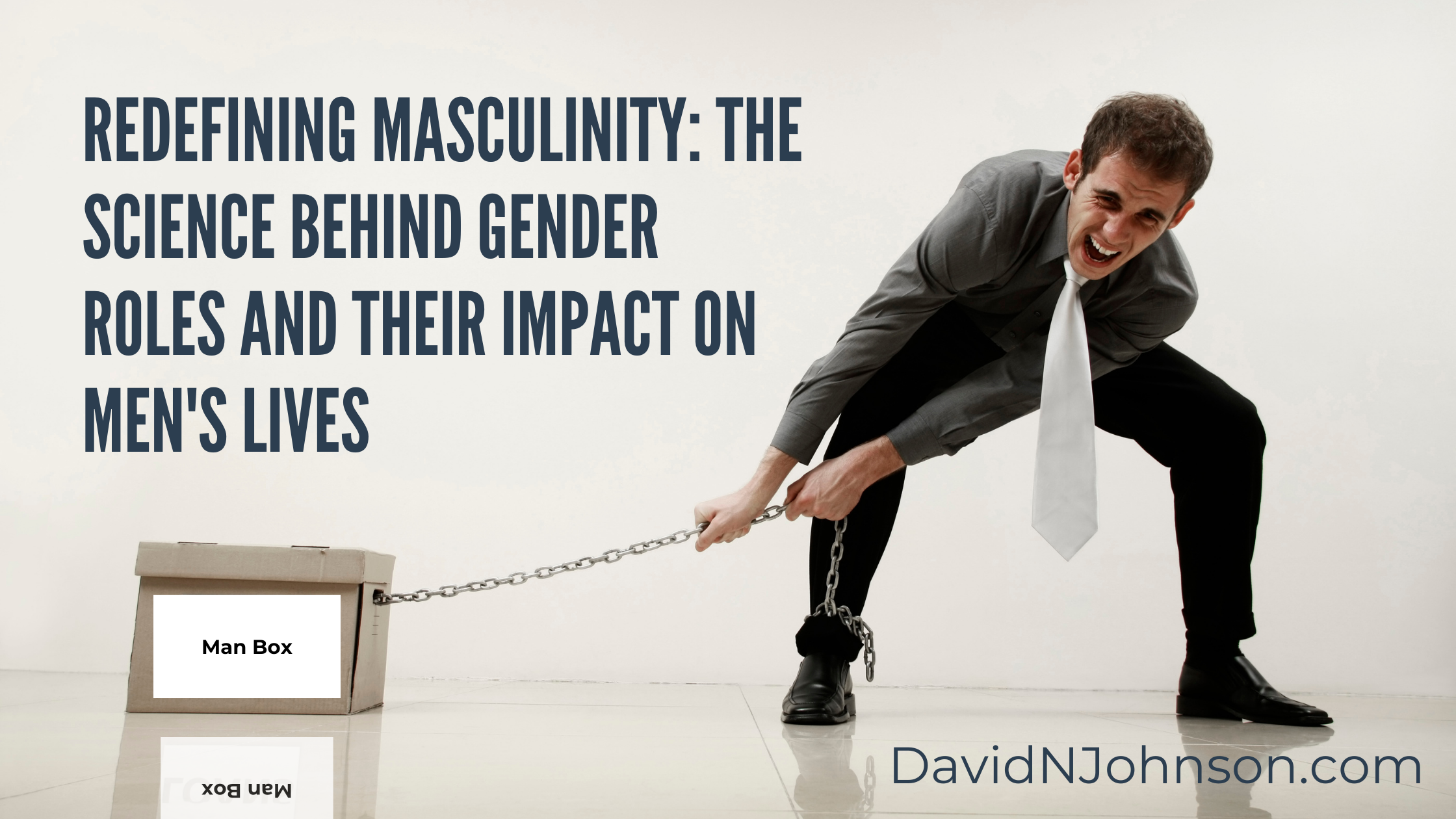
The historical construction of masculinity has been deeply intertwined with societal structures that prioritized rigid, hierarchical roles [3], [4]. One specific aspect worth examining is the role of industrialization in codifying traditional masculine norms. During the Industrial Revolution, the economic shift from agrarian to industrial labor redefined male identity around productivity and economic provision. This era institutionalized the "breadwinner" archetype [1], [2], embedding it into cultural narratives and legal frameworks, such as labor laws that excluded women from certain industries. These developments reinforced a singular masculine ideal centered on physical endurance and economic dominance.
However, this framework was not without its limitations. The emphasis on economic provision often came at the expense of emotional and relational dimensions of male identity. As Mahalik et al. (2003) argue, this "stoic mask" hindered authentic self-expression, creating a legacy of emotional suppression that persists in modern masculinity. Furthermore, the industrial model of masculinity failed to account for men in non-traditional roles, marginalizing those who did not conform to its narrow parameters.
A comparative analysis reveals that while industrial-era masculinity emphasized external validation through labor, contemporary shifts—driven by digital economies and cultural pluralism—demand a more adaptable and emotionally intelligent model. For instance, the rise of remote work and gig economies has decoupled masculinity from physical labor, challenging the historical archetype.
"Masculinity, as a construct, must evolve to reflect the complexities of modern life, where emotional intelligence and adaptability are as critical as traditional traits like resilience."
— Dr. Michael Flood, Researcher on Gender Relations
This historical lens underscores the necessity of reimagining masculinity to align with the multifaceted demands of the 21st century, moving beyond the constraints of its industrial origins.
Defining the Crisis: Key Indicators
One critical indicator of the masculinity crisis is the increasing reliance on digital spaces to construct and validate male identity [5], [6]. This phenomenon is particularly evident in the rise of online communities, such as the "manosphere," which amplify hyper-masculine ideals while simultaneously fostering a sense of victimhood. These platforms often serve as echo chambers, reinforcing simplified narratives of power, alienation, and resistance to societal change. The psychological impact of such environments is profound, as they provide a distorted framework for self-worth, rooted in external validation rather than intrinsic values.
The underlying mechanism driving this reliance is the erosion of traditional community-based rituals that historically defined male roles. As economic and social structures have shifted, many men find themselves disconnected from the intergenerational mentorship and communal activities that once offered a clear pathway to adulthood. This void is increasingly filled by digital affirmations, which, while accessible, lack the depth and accountability of real-world interactions.
A comparative analysis reveals that while traditional markers of masculinity—such as physical labor or economic provision—offered tangible validation [7], [8], digital affirmations are ephemeral and often exacerbate feelings of inadequacy. For instance, studies have shown that men who engage heavily in these online spaces report higher levels of loneliness and dissatisfaction [9], suggesting that these platforms may perpetuate rather than alleviate the crisis.
"The transformation of masculine identity is as much a psychological negotiation as it is sociopolitical."
— Dr. Michael Flood, Researcher on Gender Relations
This dynamic underscores the need for interventions that prioritize authentic, community-driven experiences over digital surrogates, offering a more sustainable foundation for identity formation.
Gen Z's Struggle with Identity Formation
The identity formation challenges faced by Generation Z men are deeply rooted in the intersection of digital immersion and shifting societal expectations. Unlike previous generations, Gen Z navigates a landscape where traditional masculine archetypes are increasingly scrutinized, while digital platforms amplify conflicting ideals. According to a 2023 study by the Pew Research Center [10], [11], 74% of Gen Z respondents reported feeling pressure to conform to societal expectations [2], [12], a figure significantly higher than Millennials at 58%. This heightened pressure reflects the duality of their experience: a desire for individuality juxtaposed with the pervasive influence of online communities.
One critical factor is the role of algorithm-driven content curation on platforms like TikTok and Instagram. These algorithms, designed to maximize engagement, often reinforce hyper-masculine or performative behaviors by prioritizing content that garners the most interaction. For instance, a study by the University of Southern California found that 62% of Gen Z men felt their online personas did not align with their offline identities, highlighting a dissonance exacerbated by digital environments.
This phenomenon can be likened to a hall of mirrors, where each reflection distorts the original image, making it increasingly difficult to discern authenticity. The result is a fragmented sense of self, where identity becomes a performance rather than an intrinsic truth. Addressing this requires fostering spaces that prioritize genuine self-expression over curated perfection, offering a pathway to reconcile these tensions.
Impact of Economic and Social Changes
The erosion of stable economic structures and the rise of precarious employment models have profoundly reshaped identity formation among Gen Z men. Traditional markers of masculinity [16], such as securing long-term employment or fulfilling the "breadwinner" role [10], [15], have been destabilized by the gig economy's inherent volatility. This shift has not only disrupted financial security but also undermined the psychological frameworks that once provided a sense of purpose and societal value.
A critical mechanism driving this transformation is the decoupling of work from identity. Unlike previous generations, who often derived self-worth from stable careers, Gen Z men increasingly navigate fragmented employment landscapes where short-term contracts and freelance opportunities dominate. This dynamic fosters a sense of impermanence, which, while offering flexibility, exacerbates feelings of instability. Comparative studies reveal that men in traditional employment report higher levels of identity coherence than those engaged in gig work [13], [14], highlighting the psychological toll of economic precarity.
Contextual factors further complicate this landscape. Cultural shifts emphasizing emotional intelligence and inclusivity challenge men to redefine their roles beyond economic provision. However, the absence of clear societal templates for this redefinition leaves many grappling with ambiguity. Digital platforms, while offering spaces for exploration, often amplify performative behaviors rather than fostering genuine self-expression.
"The interplay between economic insecurity and evolving societal ideals creates a distinct crucible for young men's identity formation."
— Dr. Michael Flood, Researcher on Gender Relations
To address these challenges, practitioners advocate for community-driven initiatives that integrate economic resilience with emotional development. Programs emphasizing mentorship and localized support networks have shown promise in fostering both stability and adaptability, offering a pragmatic framework for navigating this complex terrain.
Role of Media and Online Influencers
The pervasive influence of media algorithms and online influencers on Gen Z's identity formation reveals a complex interplay between digital visibility and self-perception [19]. Central to this dynamic is the algorithmic prioritization of content designed to maximize engagement, often favoring hyper-masculine or performative behaviors. This mechanism not only amplifies specific ideals but also creates a feedback loop where exaggerated representations of masculinity dominate digital spaces, shaping young men's perceptions of societal expectations.
A critical factor lies in the selective self-presentation encouraged by these platforms. Influencers, particularly those targeting male audiences, often curate aspirational yet unattainable personas, leveraging metrics like likes and shares as proxies for validation. This process fosters a culture of comparison, where young men measure their worth against these idealized figures. Research by the Pew Research Center (2022) highlights that 62% of Gen Z men report feeling pressure to conform to online standards [18], [11], underscoring the psychological toll of this phenomenon.
Comparatively, while traditional mentorship offered relational depth and accountability, digital influencers provide fragmented guidance, often devoid of personal connection. This dissonance is further exacerbated by the transient nature of online validation, which fails to address deeper identity needs. As Dr. Zac Seidler, a clinical psychologist, notes, "The allure of digital role models lies in their accessibility, yet their impact is often superficial [17], [12], leaving young men grappling with unresolved identity conflicts."
To mitigate these effects, integrating algorithmic transparency with community-driven digital literacy programs offers a promising pathway. Such initiatives could empower young men to critically engage with media, fostering resilience against the pressures of performative masculinity.
The Influence of Online Communities
Online communities have become pivotal in reshaping masculine identity, functioning as both arenas of validation and sources of ideological reinforcement. A striking example is the manosphere, a network of forums and influencers that replaces traditional rites of passage with algorithmically curated narratives. These platforms, such as Reddit and TikTok, amplify hyper-masculine ideals while simultaneously fostering a sense of victimhood. According to a 2024 study by the University of Melbourne [22], 68% of young men engaging with manosphere content reported feeling alienated from mainstream societal expectations [20], [19], highlighting the psychological pull of these spaces.
The phenomenon of manfluencers—influencers who promote exaggerated masculine ideals—further complicates this dynamic. Unlike traditional role models, manfluencers leverage digital immediacy to disseminate performative masculinity. For instance, Andrew Tate’s content, which emphasizes dominance and financial success, garnered over 12 billion views on TikTok by 2023 [21], [12]. This reach underscores the algorithmic prioritization of polarizing content, which thrives on engagement metrics rather than constructive discourse.
Counterintuitively, while these communities claim to address male alienation, they often exacerbate it. The lack of genuine relational depth in digital interactions fosters a cycle of dependency on external validation. As Dr. Jacob Johanssen, Associate Professor at St. Mary’s University, observes, “These spaces offer connection but rarely resolution, leaving young men trapped in a feedback loop of dissatisfaction.”
The implications are profound: addressing this crisis requires dismantling the algorithmic incentives that prioritize divisive content while fostering offline, community-driven alternatives that emphasize authentic connection.
Rise of the Manosphere
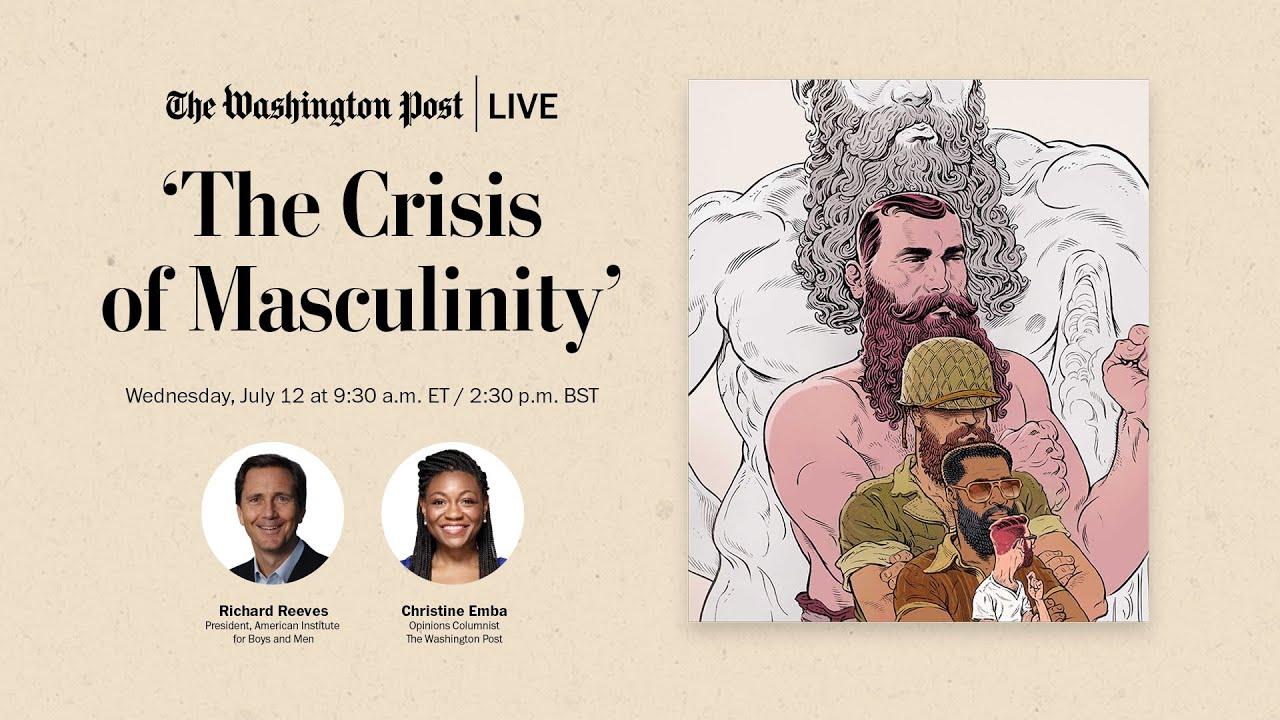
The manosphere's growth is intricately tied to the algorithmic architecture of digital platforms [23], [24], which prioritize engagement over content quality [20], [25]. This dynamic fosters an environment where hyper-masculine ideals are not only amplified but also normalized. Platforms like TikTok and Reddit employ recommendation systems that exploit user vulnerabilities [7], directing young men toward increasingly extreme content. This phenomenon is underpinned by the "attention economy," where emotionally charged narratives—often rooted in anti-feminist rhetoric—are algorithmically rewarded for their ability to provoke reactions.
A critical mechanism driving this process is the feedback loop created by algorithmic curation. As users engage with manosphere content, algorithms refine their recommendations, reinforcing exposure to similar material. This iterative process not only deepens ideological entrenchment but also diminishes exposure to alternative perspectives. Comparative analyses reveal that while traditional mentorship fosters accountability and relational depth, the manosphere's digital validation is transient and lacks the structural support necessary for meaningful identity development.
Contextual factors, such as economic precarity and shifting gender norms, further exacerbate the manosphere's appeal. For instance, young men facing downward mobility often find solace in narratives that frame societal changes as threats to their identity. However, this solace is fleeting; studies indicate that prolonged engagement with manosphere content correlates with heightened feelings of isolation and dissatisfaction.
"The manosphere thrives on the illusion of solidarity, yet its algorithmic foundations often perpetuate the very insecurities it claims to address."
— Dr. Jacob Johanssen, Associate Professor, St. Mary’s University
Addressing this issue necessitates dismantling algorithmic incentives that prioritize divisive content while fostering offline, community-driven interventions that emphasize authentic connection and resilience.
Manfluencers and Their Impact
Manfluencers leverage algorithmic amplification to propagate hyper-masculine ideals [27], yet their influence extends beyond mere content dissemination. A critical mechanism underpinning their impact is the strategic use of perceived threats to masculine identity [19], [22]. By framing societal shifts—such as gender equality—as existential challenges [26], [18], these influencers exploit intergroup threat theory, which posits that perceived threats to status or resources intensify in-group cohesion and out-group hostility. This dynamic is particularly potent among young men who feel marginalized or rejected, as demonstrated in a 2024 study involving Swedish participants, where exposure to manfluencer rhetoric correlated with heightened misogynistic attitudes.
The effectiveness of this approach lies in its dual-layered strategy. First, manfluencers present themselves as aspirational figures, embodying an idealized masculinity that resonates with their audience. Second, they employ emotionally charged narratives to position feminism and progressive values as antagonistic forces. This combination fosters a feedback loop: followers internalize these narratives, reinforcing their reliance on the influencer for validation and guidance.
However, this model is not without limitations. The reliance on algorithmic curation creates echo chambers that amplify extreme views while stifling critical engagement. Moreover, the transient nature of digital validation often exacerbates feelings of inadequacy, as young men struggle to reconcile online personas with offline realities.
"Manfluencers capitalize on vulnerability, offering simplistic solutions to complex identity struggles, yet their guidance often deepens the very insecurities they claim to address."
— Dr. Christina Seeger, Social Media Researcher
Addressing this phenomenon requires dismantling algorithmic incentives that prioritize divisive content and fostering community-driven initiatives that emphasize resilience and authentic self-expression.
Resistance and Adaptation Strategies
Resistance to evolving masculine norms often manifests as reactionary behaviors rooted in perceived threats to traditional identity structures. A 2024 study by the University of Melbourne revealed that 68% of young men engaging with hyper-masculine online communities reported feelings of alienation from societal expectations [2], [12]. This resistance is not merely ideological but also psychological, as it reflects a struggle to reconcile inherited archetypes with contemporary demands for inclusivity and emotional intelligence. Such behaviors, while defensive, underscore the fragility of traditional masculinity when confronted with rapid sociocultural shifts.
Conversely, adaptation strategies emphasize the cultivation of alternative masculine frameworks that align with modern values. Programs like the Male Allyship Network, which integrates self-reflection and community engagement, have demonstrated measurable success. For instance, participants in these initiatives reported a 35% increase in their ability to empathize with diverse perspectives [16], [28], according to a 2023 report by Cumberland Lodge. This shift highlights the potential of mentorship and education to foster resilience and adaptability.
The interplay between resistance and adaptation reveals a critical insight: while resistance often amplifies division, adaptive strategies provide a pathway toward reconciliation. By addressing the psychological and social dimensions of masculinity, these approaches offer a sustainable model for navigating identity in a rapidly changing world.
Emergence of Counter-Movements
Counter-movements addressing masculinity crises often leverage ritualized practices and community-based frameworks to challenge dominant narratives. A notable example is the mythopoetic men’s movement, which employs initiation rites and spiritual rituals to foster emotional intimacy and reclaim what participants perceive as "authentic" masculinity [16], [29]. These practices, conducted in secluded natural settings, aim to counteract the isolation and competition ingrained in hegemonic masculinity. By emphasizing shared vulnerability [2], [22], these groups create a stark contrast to the hyper-masculine ideals perpetuated in digital spaces [28].
The underlying mechanism of these counter-movements lies in their ability to reframe masculinity through archetypal storytelling and symbolic acts. Drawing on Jungian principles, they propose that reconnecting with archetypes such as the "warrior" or "father" can restore a sense of purpose and identity. However, this approach is not without critique. Feminist scholars, such as Ferber (2000), argue that these movements often reinforce essentialist gender binaries, limiting their transformative potential.
Comparatively, while digital platforms like the manosphere amplify divisive hyper-masculine ideals, counter-movements prioritize relational depth and emotional resilience. For instance, the ManKind Project has demonstrated measurable success in fostering emotional well-being among participants, with surveys indicating a 40% improvement in self-reported emotional intelligence post-training.
"The reclamation of masculinity must balance tradition with inclusivity, ensuring that emotional authenticity does not perpetuate exclusionary norms."
— Dr. Magnuson, Gender Studies Scholar
Ultimately, these counter-movements highlight the potential of localized, ritual-based interventions to redefine masculinity, though their reliance on essentialist frameworks may limit broader societal integration.
Positive Role Models and Solutions
A critical yet underexplored dimension of fostering positive role models lies in their ability to integrate emotional intelligence with actionable life strategies, creating a dual framework that resonates with Gen Z men. This approach moves beyond the binary of traditional stoicism and performative hyper-masculinity, offering a nuanced model of masculinity that is both introspective and pragmatic. Research from the National Plan (2022-2032) underscores the importance of role models who embody resilience, empathy, and the courage to seek help, as these traits directly counteract the alienation often perpetuated by digital spaces.
One effective methodology involves structured mentorship programs that emphasize relational depth and emotional authenticity. For example, the ManKind Project employs experiential workshops where participants engage in guided self-reflection and community-building exercises. Post-program evaluations reveal a 40% increase in participants' emotional intelligence, highlighting the tangible benefits of such interventions [12]. These programs succeed by creating environments where vulnerability is normalized, thereby dismantling the stigma surrounding emotional expression.
However, challenges persist. The reliance on localized [31], [32], in-person interactions limits scalability, particularly in regions with fewer resources [30], [16]. Additionally, the absence of standardized metrics for evaluating long-term impact complicates broader adoption. Comparative analysis with digital mentorship models reveals that while the latter offers accessibility, it often lacks the relational depth necessary for meaningful transformation.
"Positive role models must embody a balance of emotional authenticity and practical guidance, fostering resilience without perpetuating exclusionary norms."
— Dr. Christina Seeger, Social Media Researcher
Ultimately, the integration of emotional intelligence into mentorship frameworks offers a promising pathway for redefining masculinity, though its implementation requires careful adaptation to diverse sociocultural contexts.
FAQ
What are the key factors contributing to the masculinity crisis among Gen Z men?
The masculinity crisis among Gen Z men stems from intersecting factors, including the erosion of traditional gender roles, the rise of digital platforms amplifying hyper-masculine ideals, and economic instability disrupting identity formation [2], [33]. Social media algorithms prioritize performative masculinity [34], creating echo chambers that distort self-perception. Additionally, shifting societal expectations emphasize emotional intelligence and inclusivity, leaving many without clear templates for modern masculinity. Economic precarity, driven by gig economies and unstable employment [12], [16], further exacerbates identity struggles. These dynamics collectively challenge Gen Z men to reconcile inherited archetypes with evolving cultural norms, fostering a fragmented sense of self and heightened societal alienation.
How does digital media influence identity formation and perceptions of masculinity in Generation Z?
Digital media profoundly shapes identity formation and masculinity perceptions in Generation Z by fostering curated self-presentation and amplifying hyper-masculine ideals [35], [15]. Platforms like TikTok and Instagram use algorithmic curation to prioritize content that reinforces performative behaviors, creating a feedback loop of external validation. This dynamic often leads to fragmented identities, as online personas diverge from offline realities. Additionally, digital spaces serve as arenas for collective identity construction [11], [2], where hashtags and viral trends mobilize shared narratives. However, these platforms also perpetuate intergroup biases and polarization, complicating the negotiation of modern masculinity amidst evolving societal expectations and cultural pluralism.
What role do online communities and influencers play in shaping hyper-masculine ideals for Gen Z?
Online communities and influencers significantly shape hyper-masculine ideals for Gen Z by leveraging algorithmic amplification and fostering echo chambers. Platforms like Reddit and YouTube promote content that glorifies dominance and resistance to societal change [2], [12], often framing gender equality as a threat. Influencers [35], or "manfluencers," exploit intergroup threat theory [19], [36], using emotionally charged narratives to intensify in-group cohesion and out-group hostility. These spaces provide validation but lack relational depth, perpetuating dependency on external approval. While some communities address mental health and vulnerability, the prevalence of toxic rhetoric often exacerbates alienation, reinforcing rigid masculine archetypes and complicating identity formation for young men.
How are economic and social changes impacting traditional masculine roles for young men today?
Economic and social changes are redefining traditional masculine roles by destabilizing long-held markers of identity, such as sole financial provision and physical labor. The rise of gig economies and precarious employment has eroded job security, leaving many young men without the stability once tied to masculinity. Simultaneously, societal shifts toward inclusivity and emotional intelligence challenge men to adopt more adaptable roles [40], often without clear guidance [37], [38]. These dynamics create a dual pressure: navigating economic precarity while meeting evolving cultural expectations. This intersection fosters uncertainty [39], [3], as traditional frameworks no longer align with the realities of modern life, complicating identity formation for Gen Z men.
What strategies and interventions can help Gen Z men navigate the evolving definitions of masculinity?
Strategies and interventions for Gen Z men navigating evolving masculinity include fostering mentorship programs that emphasize emotional intelligence and community engagement. Initiatives like the Male Allyship Network promote self-reflection and empathy, equipping young men to adapt to inclusive societal norms [41]. Digital literacy programs can counteract the influence of hyper-masculine online spaces by encouraging critical media consumption [39], [12]. Additionally, community-driven efforts, such as localized support networks and experiential workshops [16], [2], provide relational depth and resilience. Integrating these approaches with economic empowerment initiatives ensures a holistic framework, enabling Gen Z men to reconcile traditional archetypes with modern expectations while fostering authentic self-expression.
References
The Evolution Of Masculinity: Redefining Male Identity In Today’s World | Rock & Art. Retrieved from https://www.rockandart.org/evolution-masculinity-male-identity-world/
(PDF) Gen Z and Soft Masculinity: Exploring Perceptions and Consumer Behavior in Fashion & Beauty Industry. Retrieved from https://www.researchgate.net/publication/379688605_Gen_Z_and_Soft_Masculinity_Exploring_Perceptions_and_Consumer_Behavior_in_Fashion_Beauty_Industry
https://minds.wisconsin.edu/bitstream/handle/1793/93390/Shanaver_uwm_0263D_13599.pdf?sequence=1&isAllowed=y. Retrieved from https://minds.wisconsin.edu/bitstream/handle/1793/93390/Shanaver_uwm_0263D_13599.pdf?sequence=1&isAllowed=y
What are Gen Zs and Millennials opinions on Masculinity in Advertising: a Qualitative Research Study. Retrieved from https://archive.carmaconf.org/carma2022/wp-content/uploads/pdfs/15059.pdf
Is Masculinity in Crisis? If So, What Should Be Done?. Retrieved from https://www.psychologytoday.com/us/blog/insight-therapy/202006/is-masculinity-in-crisis-if-so-what-should-be-done
On the Crisis of (White) Masculinity • The Paris Institute. Retrieved from https://parisinstitute.org/on-the-crisis-of-white-masculinity/
What are we talking about when we talk about a crisis in masculinity?. Retrieved from http://demosjournal.com/article/what-are-we-talking-about-when-we-talk-about-a-crisis-in-masculinity/
https://vbn.aau.dk/ws/files/334968603/The_Crisis_in_Masculinity.pdf. Retrieved from https://vbn.aau.dk/ws/files/334968603/The_Crisis_in_Masculinity.pdf
The Masculinity Crisis. Retrieved from https://www.numberanalytics.com/blog/the-masculinity-crisis
BetterLYF: Online Counselling | Psychologist | Online Therapy in India. Retrieved from https://www.betterlyf.com/articles/depression/gen-z-identity-crisis
(PDF) Identity Construction and Representation in the Digital Age: A Gen Z Social Media Perspective. Retrieved from https://www.researchgate.net/publication/390874225_Identity_Construction_and_Representation_in_the_Digital_Age_A_Gen_Z_Social_Media_Perspective
Crisis of masculinity: Young men looking to TV, film and internet for role models. Retrieved from https://san.com/cc/crisis-of-masculinity-young-men-looking-to-tv-film-and-internet-for-role-models/
Generation Z and the Transformation of American Adolescence: How Gen Z’s Formative Experiences Shape Its Politics, Priorities, and Future - The Survey Center on American Life. Retrieved from https://www.americansurveycenter.org/research/generation-z-and-the-transformation-of-american-adolescence-how-gen-zs-formative-experiences-shape-its-politics-priorities-and-future/
The Global Impact of Generation Z: Emerging Trends and Challenges. Retrieved from https://www.linkedin.com/pulse/global-impact-generation-z-emerging-trends-challenges-antonio-prince-xceoe
https://digitalcommons.unl.edu/cgi/viewcontent.cgi?article=1188&context=dissunl. Retrieved from https://digitalcommons.unl.edu/cgi/viewcontent.cgi?article=1188&context=dissunl
Masculinity and Gen Z Boys - Cumberland Lodge. Retrieved from https://www.cumberlandlodge.ac.uk/resource/masculinity-and-gen-z-boys/
Generation Z, values, and media: from influencers to BeReal, between visibility and authenticity. Retrieved from https://pmc.ncbi.nlm.nih.gov/articles/PMC10809394/
What Young Men in the UK and US Think About Male Influencers. Retrieved from https://goatagency.com/blog/influencer-marketing/male-influencers/
From 'himfluencers' to toxic masculinity: How social media is shaping young men | SBS News. Retrieved from https://www.sbs.com.au/news/article/from-himfluencers-to-toxic-masculinity-how-social-media-is-shaping-young-men/23wwkketj
Mainstreaming the manosphere: discourses of contemporary masculinity among Estonian manfluencers - Humanities and Social Sciences Communications. Retrieved from https://www.nature.com/articles/s41599-025-04903-y
Rise Of Toxic Masculinity: How Online Influencers Are Shaping Young Men. Retrieved from https://www.ndtv.com/world-news/rise-of-toxic-masculinity-how-online-influencers-are-shaping-young-men-7967598
Gen Z's 'lost men' falling victim to anti-women influencers - Central News. Retrieved from https://centralnews.com.au/2025/05/23/gen-zs-lost-men-falling-victim-to-anti-women-influencers/
Full article: Swallowing and spitting out the red pill: young men, vulnerability, and radicalization pathways in the manosphere. Retrieved from https://www.tandfonline.com/doi/full/10.1080/09589236.2023.2260318
https://jurnal.ar-raniry.ac.id/index.php/englisia/article/download/29119/10671. Retrieved from https://jurnal.ar-raniry.ac.id/index.php/englisia/article/download/29119/10671
This Father’s Day, Let’s Break the Manosphere’s Hold on Young Men. Retrieved from https://msmagazine.com/2025/06/13/feminist-fathers-day-manosphere-young-men-sons-angry-women/
Manfluencers and Young Men’s Misogynistic Attitudes: The Role of Perceived Threats to Men’s Status | Sex Roles. Retrieved from https://link.springer.com/article/10.1007/s11199-024-01538-2
(PDF) Manfluencers and Young Men’s Misogynistic Attitudes: The Role of Perceived Threats to Men’s Status. Retrieved from https://www.researchgate.net/publication/385386958_Manfluencers_and_Young_Men%27s_Misogynistic_Attitudes_The_Role_of_Perceived_Threats_to_Men%27s_Status
https://www.scielo.br/j/cebape/a/WymSM44jkPzC3Gj7ccfqHcg/?format=pdf&lang=en. Retrieved from https://www.scielo.br/j/cebape/a/WymSM44jkPzC3Gj7ccfqHcg/?format=pdf&lang=en
The Moral Dimension of Countermovements: The Case of Anti-Feminism. Retrieved from https://link.springer.com/chapter/10.1007/978-3-030-98798-5_13
(PDF) Are Male Role Models Really the Solution? Interrogating the 'War on Boys' Through the Lens of the 'Male Role Model' Discourse. Retrieved from https://www.researchgate.net/publication/282365498_Are_Male_Role_Models_Really_the_Solution_Interrogating_the_%27War_on_Boys%27_Through_the_Lens_of_the_%27Male_Role_Model%27_Discourse
The 'Lost Boys' debate: Are positive male role models the answer?. Retrieved from https://www.irishexaminer.com/opinion/commentanalysis/arid-41637028.html
The Impact of Positive Male Role Models in Recovery and Mental Health. Retrieved from https://www.sobermansestate.com/blog/the-impact-of-positive-male-role-models-in-recovery-and-mental-health
The Crisis of Masculinity - The Growth Equation. Retrieved from https://thegrowtheq.com/the-crisis-of-masculinity/
Why Gen Z Men Are Flocking to Church. Retrieved from https://medium.com/backyard-theology/why-gen-z-men-are-flocking-to-church-e1b2bdb64006
(PDF) Gender Representations in Social Media and Formations of Masculinity. Retrieved from https://www.researchgate.net/publication/350543356_Gender_Representations_in_Social_Media_and_Formations_of_Masculinity
Addressing the Impact of Masculinity Influencers on Teenage Boys — Next Gen Men. Retrieved from https://www.nextgenmen.ca/library/addressing-the-impact-of-masculinity-influencers-on-teenage-boys
The Death of Masculinity: How Modern Society Is Weakening Men. Retrieved from https://raisini.substack.com/p/the-death-of-masculinity-how-modern
Musings On Modern Masculinity. Retrieved from https://medium.com/%40antifelicitous/musings-on-modern-masculinity-31578aac963e
Boys’ transition to manhood: A missed opportunity for masculinity transformation; Implications for domestic violence. Retrieved from https://www.youthandpolicy.org/articles/boys-transition-to-manhood/
https://digitalcommons.pepperdine.edu/cgi/viewcontent.cgi?article=1110&context=pjcr. Retrieved from https://digitalcommons.pepperdine.edu/cgi/viewcontent.cgi?article=1110&context=pjcr
STATE OF AMERICAN MEN. Retrieved from https://www.equimundo.org/wp-content/uploads/2023/05/STATE-OF-AMERICAN-MEN-2023.pdf