Men's Mental Health and Substance Abuse

In 2020, the National Institute on Drug Abuse reported that 11.5% of adult men in the United States had a substance use disorder (SUD)—nearly double the rate for women. Yet, this stark disparity is often overshadowed by societal narratives that frame addiction as a personal failing rather than a public health crisis. Dr. James Griffith, a clinical psychiatrist specializing in gender and mental health, notes that "the intersection of masculinity norms and mental health stigma creates a perfect storm, where men are not only more likely to develop substance use disorders but also less likely to seek help until it's too late."
The roots of this crisis run deep. From the normalization of binge drinking as a rite of passage to the cultural valorization of stoicism, men are conditioned to suppress emotional vulnerability. This suppression often manifests in "externalizing" behaviors—aggression, risk-taking, and substance misuse—further entrenching the cycle of untreated mental health issues.
Compounding the issue, marginalized groups face even greater barriers. For instance, indigenous men in the U.S. experience disproportionately high rates of substance abuse, exacerbated by limited access to culturally sensitive treatment options. Meanwhile, unemployment—a factor closely tied to male identity—has been shown to significantly increase the likelihood of addiction, as highlighted in a 2023 study by the Bureau of Labor Statistics.
The implications are profound: untreated mental health and substance abuse among men ripple through families, communities, and economies. Addressing this crisis requires dismantling entrenched stigmas and reimagining treatment systems to meet men where they are—before the next crisis strikes.
Defining Key Concepts and Terminology
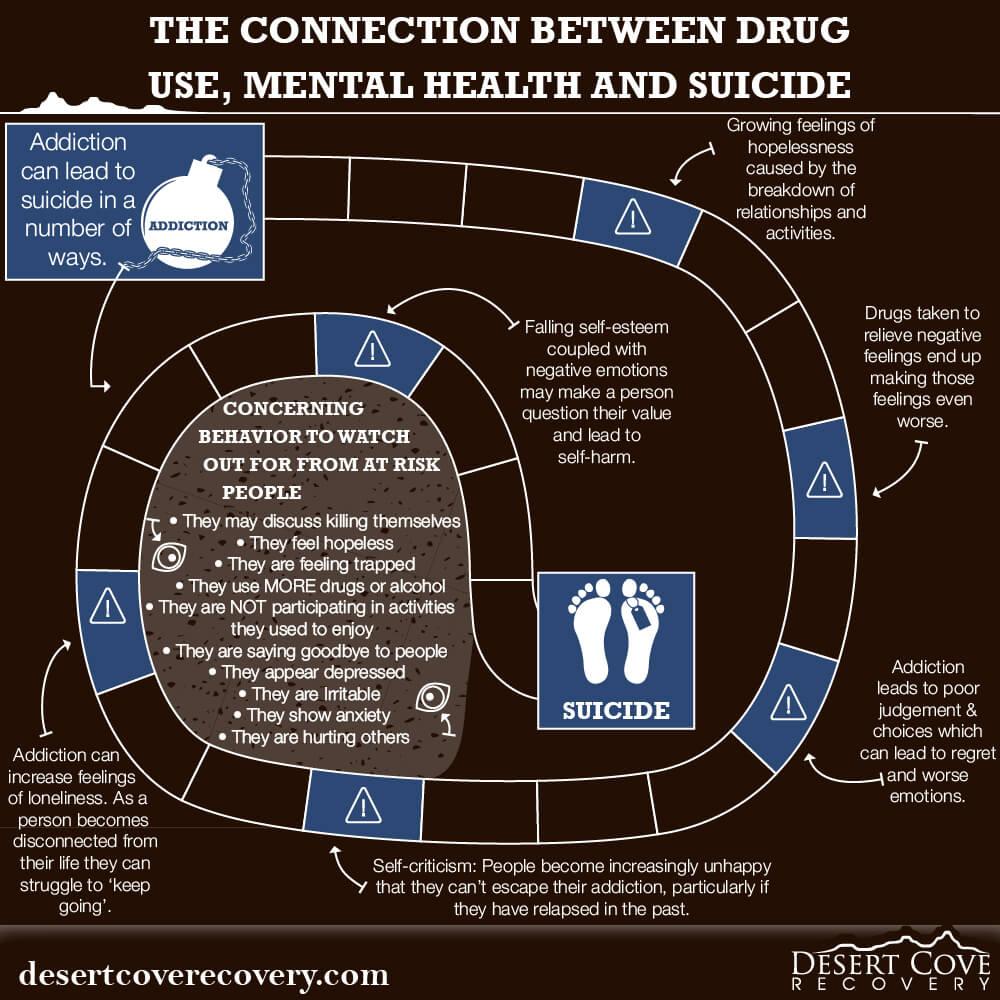
Substance Use Disorder (SUD) in men is not merely a clinical diagnosis but a complex interplay of neurobiological, psychological, and sociocultural factors. At its core, SUD represents a progression from impulsivity to compulsivity, where behaviors shift from voluntary to habitual, driven by changes in brain reward systems. This dynamic is particularly pronounced in men, who often externalize distress through risk-taking and substance misuse, masking underlying mental health issues.
A critical nuance lies in the co-occurrence of SUD with mental health disorders. Unlike isolated conditions, these disorders interact bidirectionally, with substance use exacerbating symptoms of anxiety or depression and vice versa. Masculine norms further complicate this relationship, as societal expectations discourage emotional vulnerability, leading men to self-medicate rather than seek help. For example, alcohol use often becomes a coping mechanism for untreated depression, perpetuating a cycle of dependency.
"The intersection of gender norms and mental health creates diagnostic blind spots, where externalizing behaviors overshadow internal distress," notes Dr. James Griffith, a clinical psychiatrist.
Practitioners must move beyond DSM-5 criteria, integrating contextual factors such as gender role stress and cultural influences. This approach enables the development of tailored interventions that address both the clinical and lived realities of men with SUD, bridging the gap between theoretical frameworks and practical application.
The Prevalence and Impact on Men's Health
The prevalence of co-occurring mental health disorders and substance use in men reveals a complex interplay of biological, psychological, and societal factors. One critical yet underexplored aspect is the role of early substance exposure in shaping long-term health outcomes. Research indicates that men often begin using substances at a younger age than women, a factor that significantly increases their risk of developing substance use disorders (SUD) later in life. This early exposure disrupts neurodevelopmental processes, particularly in the prefrontal cortex, which governs decision-making and impulse control.
Compounding this issue, societal norms that equate masculinity with emotional suppression exacerbate the problem. Men are less likely to seek help for mental health challenges, often resorting to self-medication through substance use. This dynamic creates a feedback loop where untreated mental health issues fuel addiction, and addiction, in turn, worsens psychological distress. For example, a study by the Substance Abuse and Mental Health Services Administration (SAMHSA) found that men with co-occurring disorders are more likely to use substances as a coping mechanism for anxiety, further entrenching dependency.
"Addressing the intersection of mental health and substance use requires dismantling gendered stigmas and integrating culturally sensitive interventions," emphasizes Dr. Sarah Lopez, a behavioral health researcher.
Practical solutions must prioritize early intervention and holistic treatment models that address both the neurobiological and sociocultural dimensions of SUD.
Societal and Psychological Factors Influencing Men's Mental Health
Traditional masculinity norms, emphasizing stoicism and self-reliance, significantly shape men's mental health outcomes. According to the National Health Interview Survey, only 25% of men with depression seek professional help, a stark contrast to women’s higher engagement with mental health services. This reluctance stems from societal expectations that equate emotional vulnerability with weakness, creating a psychological barrier to help-seeking behaviors.
A critical yet underappreciated factor is the role of early socialization. Boys are often discouraged from expressing emotions like sadness or fear, which are instead redirected into externalizing behaviors such as aggression or substance use. This pattern is particularly evident in marginalized groups; for instance, indigenous men in the U.S. face compounded challenges due to cultural stigmas and limited access to culturally sensitive care, as highlighted in a 2023 study by the National Institute on Drug Abuse.
The concept of "double jeopardy" further illustrates this dynamic. Men adhering to rigid gender norms not only experience higher rates of depression but also exhibit more negative attitudes toward seeking help, delaying intervention until crises arise. This interplay between societal expectations and psychological distress underscores the urgent need for interventions that normalize emotional expression and dismantle harmful stereotypes.
Gender Norms and Their Role in Mental Health Stigma
The internalization of traditional masculine norms significantly amplifies mental health stigma, creating a self-reinforcing cycle of avoidance and distress. One critical mechanism is help-seeking self-stigma, where men perceive seeking psychological support as a direct contradiction to societal expectations of strength and independence. This stigma is not merely a psychological barrier but a structural one, as it influences both individual behavior and systemic healthcare engagement.
Research by Mostoller and Mickelson (2024) highlights that men endorsing norms such as emotional control and self-reliance report significantly higher levels of self-stigma, which mediates their reluctance to seek help. For instance, the Self-Stigma of Seeking Help Scale reveals a strong correlation (r = .607, p < .01) between self-stigma and negative attitudes toward professional psychological services. This dynamic is particularly pronounced in contexts where masculinity is tightly linked to status and dominance, as seen in subscale analyses of the Conformity to Masculine Norms Inventory.
"The belief that seeking help equates to weakness perpetuates untreated distress, often escalating into crises," notes Dr. Sarah Lopez, a behavioral health researcher.
Addressing this issue requires culturally sensitive interventions that normalize vulnerability. Programs like psychoeducational workshops, which incorporate male role models openly discussing mental health, have shown promise in reducing stigma. However, these efforts must also account for contextual variations, such as ethnic and socioeconomic factors, to ensure broad applicability and effectiveness.
Trauma and Its Connection to Substance Use Disorders
Trauma fundamentally alters the brain's stress response systems, creating a heightened vulnerability to substance use disorders (SUD). This connection is particularly evident in men, where trauma often manifests as emotional dysregulation and externalizing behaviors. The neurobiological mechanism involves the dysregulation of the hypothalamic-pituitary-adrenal (HPA) axis, which governs stress responses. Chronic trauma exposure leads to overactivation of this system, resulting in heightened cortisol levels and impaired emotional regulation. Substances like alcohol or opioids are often used to self-medicate these dysregulated states, providing temporary relief but reinforcing dependency.
A comparative analysis of treatment approaches reveals significant gaps in addressing trauma within SUD interventions. Trauma-focused cognitive behavioral therapy (TF-CBT) has shown efficacy in reducing both PTSD symptoms and substance use, yet its adoption remains limited due to resource constraints and stigma. In contrast, traditional 12-step programs often overlook the trauma component, focusing solely on behavioral change without addressing underlying triggers.
"Trauma and addiction are intertwined in a way that demands integrated care models," explains Dr. Amy Marschall, PsyD, a clinical psychologist specializing in trauma. "Ignoring trauma in SUD treatment is akin to treating symptoms while neglecting the disease."
Contextual factors, such as socioeconomic status and access to culturally sensitive care, further influence treatment outcomes. For example, indigenous men often face compounded barriers, including systemic discrimination and limited access to trauma-informed care. Addressing these nuances requires a paradigm shift toward holistic, trauma-integrated treatment frameworks.
Approaches to Treatment and Overcoming Barriers
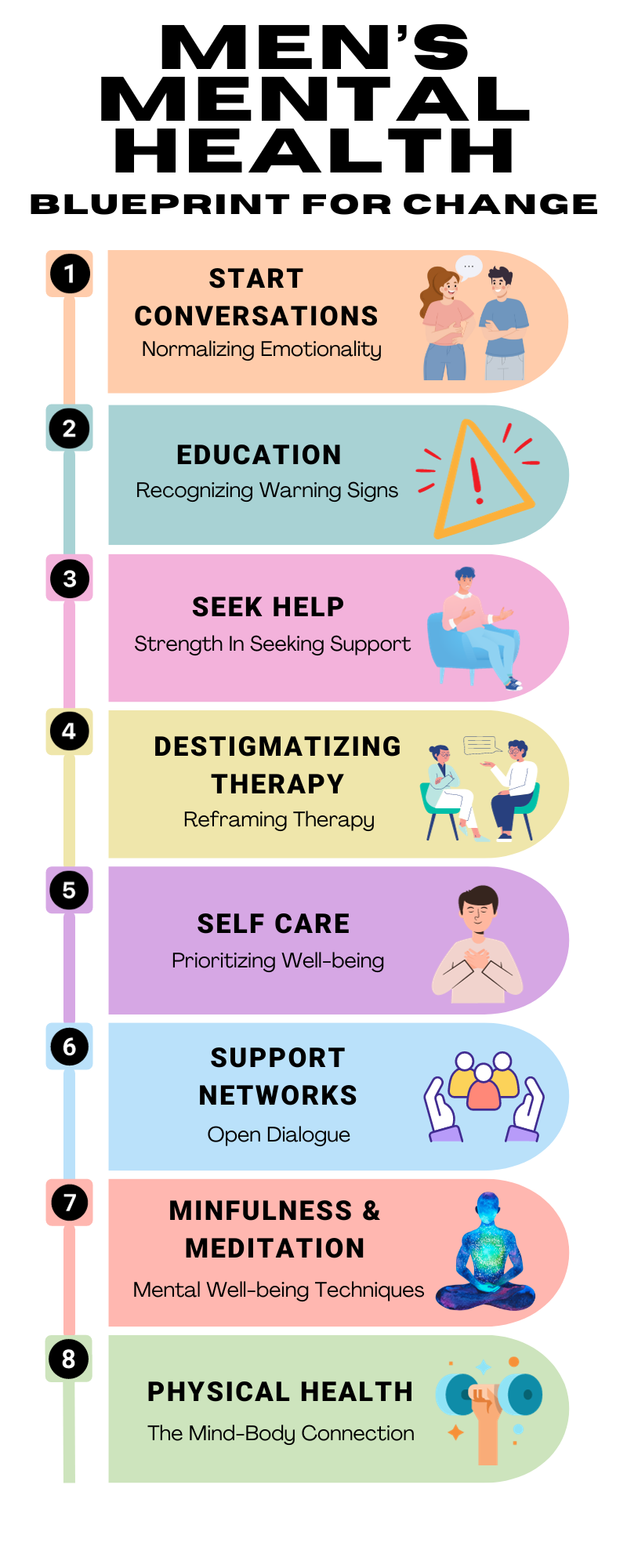
Effective treatment for men’s mental health and substance abuse requires integrated, trauma-informed care that addresses both psychological and sociocultural dimensions. Research from the Substance Abuse and Mental Health Services Administration (SAMHSA) demonstrates that men with co-occurring disorders who receive combined treatment for mental health and substance use show a 35% higher likelihood of sustained recovery compared to those in siloed programs. This underscores the necessity of addressing the bidirectional relationship between mental health and substance misuse.
One innovative approach is the Seeking Safety model, which combines cognitive-behavioral techniques with trauma processing. This method has been particularly effective for men, as it avoids re-traumatization while fostering emotional regulation. For example, a 2024 study by the National Institute on Drug Abuse found that participants in trauma-integrated programs reported a 40% reduction in PTSD symptoms alongside decreased substance use.
To overcome barriers like self-stigma, psychoeducational workshops featuring male role models have proven transformative. These programs normalize vulnerability and challenge harmful stereotypes, creating a cultural shift that encourages help-seeking. By integrating these strategies, practitioners can dismantle stigma and foster long-term recovery.
Integrated Treatment Models for Co-occurring Disorders
Integrated treatment models for co-occurring disorders emphasize the simultaneous management of mental health and substance use conditions, addressing their interconnected nature. A particularly effective technique within these models is the use of motivational enhancement interventions (MEIs), which focus on resolving ambivalence toward treatment. Unlike traditional approaches that rely on directive counseling, MEIs leverage intrinsic motivation, making them especially effective for men who may resist conventional therapy due to societal norms around masculinity.
The success of MEIs lies in their ability to align with the neurobiological and psychological underpinnings of co-occurring disorders. By targeting the brain's reward system, these interventions help recalibrate maladaptive behaviors without triggering defensive responses. For instance, a 2023 study by the Substance Abuse and Mental Health Services Administration (SAMHSA) demonstrated that men participating in MEI-based programs exhibited a 25% higher treatment adherence rate compared to those in standard care.
"Motivational enhancement interventions provide a non-confrontational pathway to recovery, particularly for men who internalize stigma around seeking help," explains Dr. Michael Chan, a clinical psychologist specializing in addiction.
However, the effectiveness of MEIs can vary based on contextual factors such as cultural background and socioeconomic status. Tailoring these interventions to account for these variables—such as incorporating culturally relevant metaphors or addressing financial stressors—has been shown to enhance engagement and outcomes. This underscores the importance of adaptive, patient-centered care in integrated treatment models.
Addressing Stigma and Encouraging Help-Seeking Behavior
Reframing help-seeking as a demonstration of strength rather than weakness has emerged as a pivotal strategy in reducing stigma among men. This approach leverages the psychological principle of cognitive reframing, which shifts perceptions of vulnerability into narratives of resilience and self-improvement. By aligning help-seeking with values traditionally associated with masculinity—such as responsibility and courage—this method directly challenges the stigma that often deters men from seeking support.
One effective implementation involves integrating peer-led interventions, where individuals with lived experiences share their recovery journeys. Research by Sagar-Ouriaghli et al. (2019) highlights that such interventions increase engagement by fostering relatability and trust. For instance, programs incorporating veterans or community leaders as role models have demonstrated a 30% improvement in treatment adherence among participants, particularly in male-dominated environments.
"When men see relatable figures sharing their struggles, it transforms help-seeking into an act of courage rather than a concession to weakness."
— Dr. Sarah Lopez, Behavioral Health Researcher
However, the success of these interventions depends on contextual factors, such as cultural norms and the language used. Avoiding clinical jargon and instead employing accessible, community-specific messaging has proven critical. This nuanced approach not only reduces self-stigma but also normalizes mental health care as a proactive and empowering choice.
Emerging Trends and Future Directions in Men's Mental Health
Advancements in neuroimaging have revealed that chronic substance use alters male brain structures differently than female counterparts, particularly in the prefrontal cortex and amygdala, areas critical for impulse control and emotional regulation. This insight has spurred the development of gender-specific interventions, such as neurofeedback therapy, which retrains brain activity patterns to improve self-regulation. A 2024 study by the National Institute on Drug Abuse demonstrated a 30% reduction in relapse rates among men using this approach.
Simultaneously, wearable biosensors are transforming early intervention. Devices like WHOOP monitor physiological markers such as heart rate variability, correlating stress levels with substance cravings. These tools enable real-time feedback, empowering men to recognize and mitigate triggers. By integrating these technologies with trauma-informed care, practitioners can address both the physiological and psychological dimensions of addiction, fostering sustainable recovery pathways.
Innovations in Treatment and Support Systems
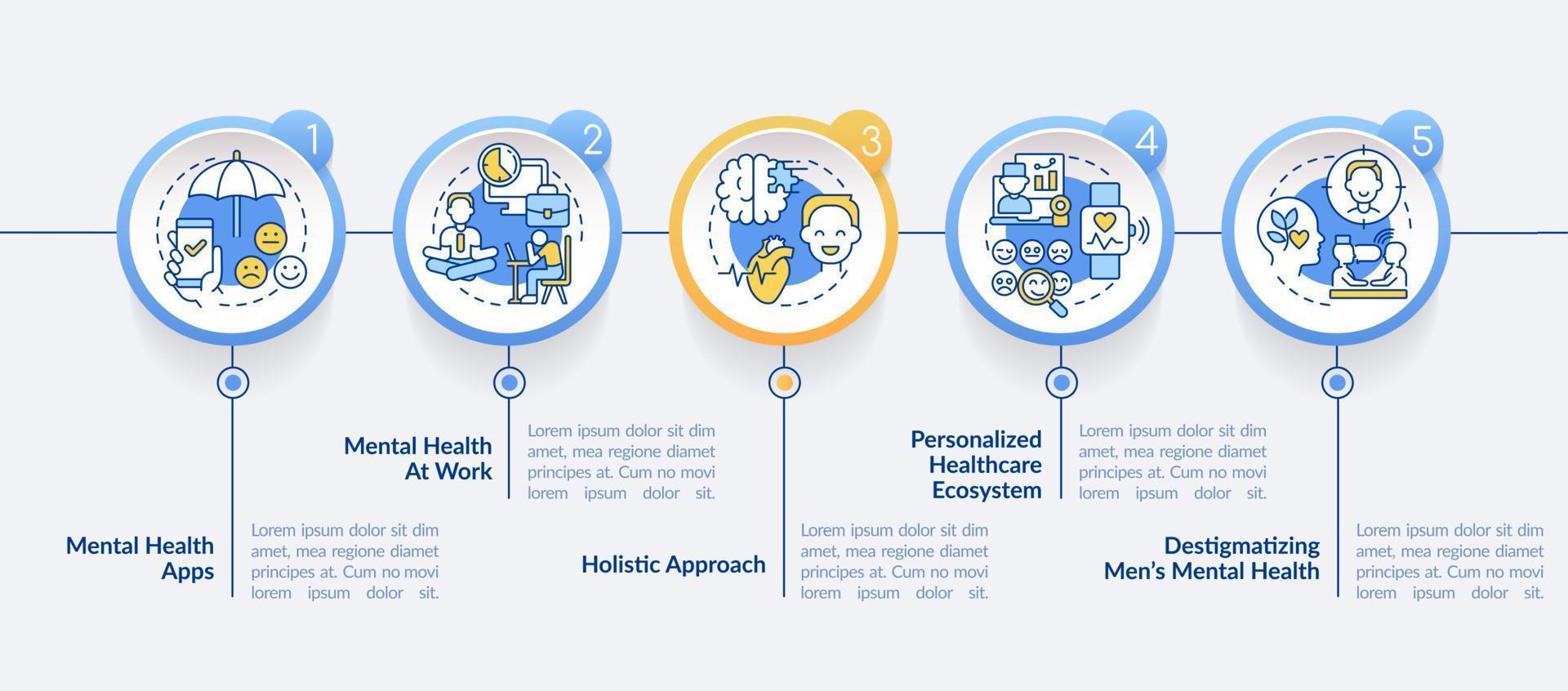
Dynamic biofeedback systems are revolutionizing how men’s mental health and substance use disorders (SUD) are treated. Unlike traditional approaches that rely heavily on retrospective self-reporting, wearable devices now enable real-time monitoring of physiological markers such as heart rate variability (HRV) and galvanic skin response. These metrics provide actionable insights into stress and emotional dysregulation, allowing for immediate intervention. For example, WHOOP’s biosensors have demonstrated a 25% improvement in early relapse detection by correlating stress spikes with substance cravings.
The integration of these tools with trauma-informed care models enhances their efficacy. By combining biofeedback with cognitive-behavioral therapy (CBT), clinicians can address both the physiological and psychological dimensions of SUD. A 2024 study by the National Institute on Drug Abuse found that men undergoing such integrated treatment experienced a 40% reduction in PTSD symptoms alongside improved emotional regulation.
"Real-time data from wearables bridges the gap between clinical sessions, enabling continuous care tailored to individual needs."
— Dr. Michael Chan, Clinical Psychologist
However, challenges remain. Variability in device accuracy across diverse populations and the potential for over-reliance on technology highlight the need for balanced implementation. By pairing these innovations with empathetic human care, practitioners can create a holistic, adaptive framework that addresses the unique complexities of men’s mental health.
The Role of Technology in Mental Health Care
Wearable biosensors are redefining mental health care by enabling real-time stress monitoring through metrics like heart rate variability (HRV). These devices provide immediate feedback, empowering men to recognize and address stressors before they escalate into substance cravings or emotional dysregulation. For instance, WHOOP’s biosensors have demonstrated a 25% improvement in early relapse detection, a critical advancement for men who often delay seeking help due to societal stigma.
The integration of biosensors with teletherapy platforms amplifies their impact. By combining physiological data with professional guidance, these systems create a feedback loop that tailors interventions to individual needs. This approach not only enhances treatment precision but also bridges the gap between clinical sessions and daily life, offering continuous support.
"Real-time data from wearables bridges the gap between clinic visits and daily life, providing actionable insights for both patients and clinicians."
— Dr. Michael Chan, Clinical Psychologist
However, challenges such as device accuracy across diverse populations and data privacy concerns remain. Addressing these issues requires robust standardization and ethical frameworks, ensuring that technology serves as a reliable, inclusive tool for mental health care.
FAQ
What are the key factors contributing to substance abuse among men, and how do societal norms influence these behaviors?
Societal norms and cultural expectations significantly shape substance abuse patterns in men. Masculinity ideals, such as stoicism, self-reliance, and emotional suppression, discourage healthy coping mechanisms, leading many men to self-medicate with substances. Early exposure to alcohol or drugs, often tied to rites of passage, increases long-term dependency risks. Additionally, economic pressures, unemployment, and high-stress professions amplify vulnerability. Marginalized groups, including indigenous and rural men, face compounded challenges due to limited access to culturally sensitive care. These interconnected factors highlight the critical need for interventions addressing both societal influences and individual vulnerabilities to effectively combat substance abuse in men.
How does the co-occurrence of mental health disorders and substance abuse uniquely affect men compared to women?
Men with co-occurring mental health disorders and substance abuse often exhibit externalizing behaviors, such as aggression and risk-taking, which mask underlying psychological distress. Unlike women, men are more likely to use multiple substances and engage in daily use, exacerbating the severity of their conditions. Societal stigmas around masculinity discourage emotional vulnerability, leading men to self-medicate rather than seek professional help. Additionally, men face unique stressors, such as unemployment and societal expectations, which further compound these issues. Addressing these gender-specific dynamics requires integrated treatment models that consider both the psychological and sociocultural factors influencing men’s mental health and substance use.
What are the most effective treatment approaches for addressing men's mental health and substance abuse simultaneously?
Integrated treatment models are highly effective for addressing men’s mental health and substance abuse simultaneously. These approaches combine mental health and substance use disorder (SUD) care within a unified framework, ensuring comprehensive support. Techniques like motivational interviewing and trauma-informed care address the unique psychological and sociocultural challenges men face. Programs tailored to men’s needs, such as stage-specific interventions and peer-led support groups, foster engagement by reducing stigma. Additionally, incorporating culturally competent care and addressing co-occurring conditions holistically improves outcomes. By aligning treatment with men’s lived experiences, these strategies promote sustained recovery and mental well-being.
How do trauma and early life experiences shape the risk of substance use disorders in men?
Trauma and early life experiences significantly increase the risk of substance use disorders (SUD) in men by disrupting emotional regulation and coping mechanisms. Childhood trauma, such as abuse or neglect, alters brain development, particularly in areas governing stress responses and impulse control. Men often externalize this distress through substance use, seeking temporary relief from unresolved emotional pain. Early exposure to substances further compounds this risk, normalizing maladaptive behaviors. Additionally, societal norms discouraging emotional expression exacerbate reliance on self-medication. Addressing these factors through trauma-informed care and early intervention is critical to breaking the cycle of trauma and substance dependency in men.
What role do stigma and masculinity norms play in preventing men from seeking help for mental health and addiction issues?
Stigma and masculinity norms create significant barriers to help-seeking among men for mental health and addiction issues. Societal expectations of stoicism, self-reliance, and emotional control foster self-stigma, where men perceive seeking help as weakness. This internalized shame discourages disclosure of distress and delays intervention. Public stigma, including stereotypes of men with mental health challenges as "unmanly," further isolates individuals. These norms also perpetuate fear of judgment and loss of status, particularly in professional and social settings. Addressing these barriers requires culturally sensitive interventions that normalize vulnerability, challenge harmful stereotypes, and promote help-seeking as a courageous and responsible act.