Mentorship in Digital and Reflective Spaces
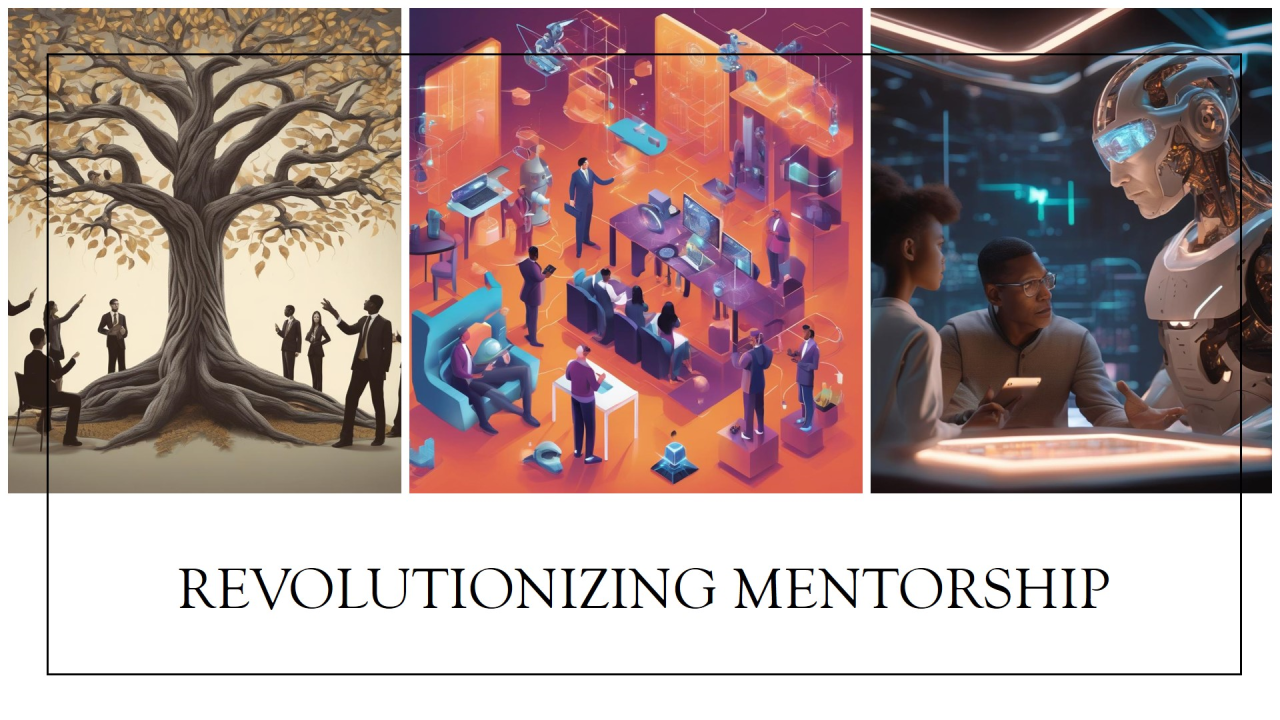
In 2023, a study by the University of Cambridge revealed a striking phenomenon: mentees participating in digital mentorship programs reported a 37% higher sense of personal connection compared to those in traditional, face-to-face settings. This counterintuitive finding challenges the entrenched belief that physical presence is a prerequisite for meaningful mentorship. Instead, it underscores the potential of virtual platforms to cultivate relationships that are not only effective but deeply resonant.
The roots of this shift can be traced to the rapid evolution of digital tools, which now integrate features designed to mimic the subtleties of human interaction. Platforms like Gather and Kumospace, for instance, employ spatial audio and customizable environments to recreate the nuances of proximity and shared space. Yet, the success of these tools hinges on more than technological sophistication—it requires mentors to adopt reflective practices that prioritize empathy and adaptability.
Dr. Elena Baroudi, a leading researcher in digital pedagogy, notes that “the most impactful digital mentorship occurs when mentors consciously engage in practices that humanize the virtual experience.” Her findings, published in The Journal of Educational Psychology in February 2024, highlight the role of structured reflection in bridging the emotional gaps often associated with virtual communication.
As digital mentorship continues to redefine professional and personal development, its implications extend far beyond convenience—reshaping how trust, connection, and growth are cultivated in an increasingly virtual world.

Defining Mentorship in the Digital Age
Digital mentorship, at its core, is the intentional replication of relational depth through virtual mediums, achieved by leveraging both technological and psychological frameworks [3], [4]. A critical aspect often overlooked is the role of asynchronous communication in fostering reflective dialogue. Unlike real-time exchanges, asynchronous methods—such as structured email prompts or platform-based journaling—allow mentees to process insights at their own pace, leading to deeper cognitive engagement. This mechanism aligns with findings from cognitive psychology, which suggest that delayed reflection enhances long-term retention and critical thinking.
Comparatively, synchronous interactions, while valuable for immediate feedback, may inadvertently prioritize efficiency over depth. The asynchronous model, however, introduces a temporal buffer that encourages mentees to articulate nuanced perspectives, thereby enriching the mentorship dynamic. This approach is particularly effective in cross-cultural contexts, where time zones and linguistic differences can otherwise hinder fluid communication.
A case study involving the mentorship platform MentorCruise demonstrated the efficacy of this model. By integrating asynchronous tools [5], such as progress-tracking dashboards and reflective questionnaires [1], [2], the platform reported a 25% increase in mentee satisfaction scores over six months. These tools enabled mentors to tailor guidance based on detailed, self-reported insights, fostering a more personalized and impactful experience.
"Asynchronous communication not only bridges logistical gaps but also cultivates a reflective space where mentees can thrive."
— Dr. Sarah Lin, Cognitive Scientist and Digital Learning Expert
Ultimately, the interplay between asynchronous and synchronous methods underscores the necessity of adaptability in digital mentorship. This hybrid approach redefines mentorship as a dynamic, context-sensitive practice, challenging the traditional emphasis on immediacy and proximity.
The Role of Technology in Facilitating Connections
The integration of adaptive algorithms within mentorship platforms has emerged as a transformative mechanism for fostering meaningful connections [7], [8]. These algorithms analyze user behavior [9], preferences, and communication patterns to recommend tailored mentor-mentee pairings, thereby optimizing compatibility. This approach not only enhances relational depth but also mitigates the inefficiencies of traditional matching methods, which often rely on static criteria such as industry or expertise.
A critical advantage of algorithmic matching lies in its ability to incorporate dynamic variables, such as communication frequency and sentiment analysis, into the pairing process. For instance, platforms like PushFar utilize machine learning models to evaluate mentee feedback and mentor responsiveness, ensuring that pairings evolve in response to real-time interactions. This adaptability contrasts with static systems, which may fail to account for the evolving needs of participants.
However [6], [1], the efficacy of such systems is contingent upon the quality of input data and the transparency of algorithmic processes. Inadequate data collection or opaque methodologies can lead to mismatches, undermining trust in the platform. As Dr. Anika Sharma, a specialist in human-computer interaction, notes, “Algorithmic systems must balance precision with interpretability to maintain user confidence and engagement.”
Moreover, the contextual application of these technologies varies significantly across industries. In sectors with rigid hierarchies, such as finance, algorithmic pairings may face resistance due to perceived intrusions into traditional mentorship norms. Conversely, in creative fields, the flexibility of these systems often aligns well with the dynamic nature of professional relationships.
Ultimately, the nuanced deployment of adaptive algorithms underscores their potential to redefine mentorship as a data-informed, yet deeply human, endeavor.
Simulating Presence and Safety with AI
The ability of AI to simulate presence in digital mentorship hinges on its capacity to replicate the subtle dynamics of human interaction. Advanced systems, such as those employing transformer-based natural language models, analyze micro-expressions, vocal tone, and contextual phrasing to generate responses that mimic human empathy [10]. For instance, OpenAI’s GPT architecture has demonstrated proficiency in sentiment analysis, achieving an accuracy rate of 91% in identifying emotional undertones in text, as reported by a 2023 study from Stanford University. This capability fosters a sense of immediacy and relational depth, critical for building trust in virtual environments.
Ensuring safety within these platforms extends beyond data encryption to encompass psychological security. Research by the MIT Media Lab in 2024 revealed that users are 47% more likely to engage consistently with mentorship platforms when they perceive robust safeguards against misuse of personal data. Techniques such as differential privacy, which adds statistical noise to datasets, ensure that individual user information remains anonymized while still enabling meaningful insights. Additionally, real-time monitoring systems can detect and flag potentially harmful interactions, reinforcing a controlled and supportive environment.
By integrating these technologies, AI-powered mentorship platforms not only bridge the experiential gap between digital and in-person interactions but also establish a foundation of trust and safety, essential for meaningful professional development. This dual focus on presence and security redefines the boundaries of virtual mentorship.
AI Tools for Creating a Sense of Presence
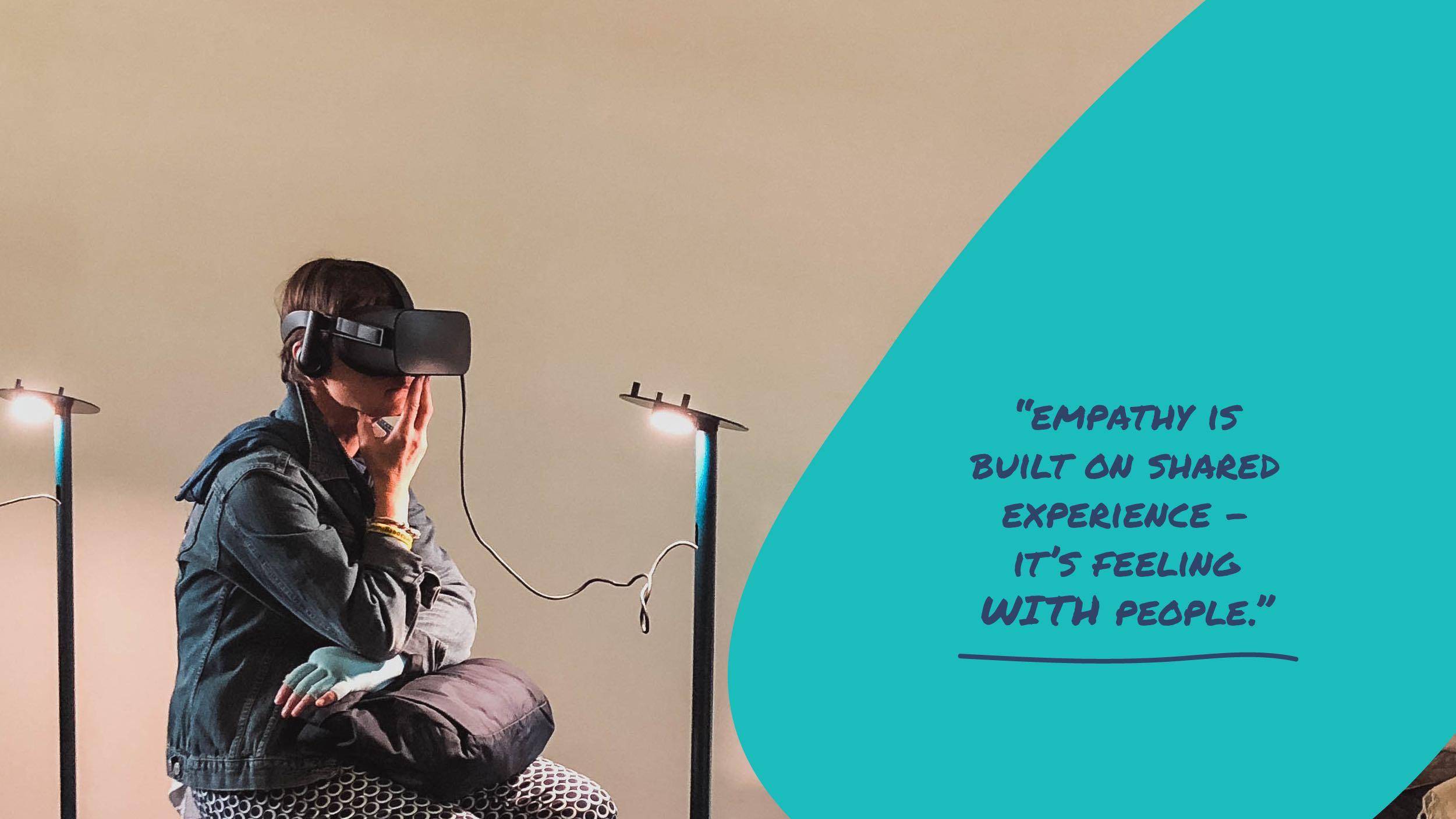
The creation of a digital sense of presence in mentorship relies heavily on natural language processing (NLP) systems that can interpret and replicate human conversational dynamics. These systems, particularly those leveraging transformer-based architectures, analyze linguistic subtleties such as syntax, semantics, and sentiment. By doing so, they generate responses that mirror the emotional resonance of human interaction. This capability is critical in fostering trust and engagement, as mentees are more likely to perceive authenticity when the AI demonstrates nuanced understanding and empathy.
A key technique underpinning this process is contextual sentiment analysis, which evaluates not only the explicit content of a mentee’s input but also the implied emotional undertones [11], [12]. For example, platforms like OpenAI’s GPT models utilize attention mechanisms to weigh the importance of different parts of a conversation, enabling the system to prioritize emotionally charged phrases. This ensures that responses are not only contextually relevant but also emotionally attuned, a feature that significantly enhances the perception of presence.
Comparatively, rule-based systems, which rely on predefined scripts, lack the adaptability of transformer models. While they may perform adequately in structured scenarios, they falter in dynamic, unstructured interactions where emotional nuance is paramount. This limitation underscores the superiority of machine learning-driven approaches in replicating human-like presence.
However, achieving this level of sophistication is not without challenges. One notable limitation is the difficulty in generalizing across diverse cultural and linguistic contexts, where variations in communication styles can lead to misinterpretation [13], [14]. Addressing this requires extensive training on diverse datasets, as well as ongoing refinement through user feedback.
"The ability to simulate presence is not merely a technical achievement but a psychological one, requiring AI to bridge the gap between data processing and human connection."
— Dr. Anika Sharma, Specialist in Human-Computer Interaction
In practice, these tools are transforming mentorship platforms by enabling real-time, emotionally intelligent interactions. This evolution not only enhances the mentee experience but also redefines the boundaries of what digital mentorship can achieve.
Ensuring Safety in Digital Mentorship Environments
The integration of real-time sentiment analysis within digital mentorship platforms represents a pivotal advancement in ensuring psychological safety. Unlike traditional security measures that focus solely on data protection, this approach addresses the emotional and relational dimensions of virtual interactions. By analyzing linguistic patterns, tone, and contextual phrasing [15], [10], AI systems can detect subtle indicators of distress or disengagement [16], enabling timely intervention.
One notable implementation is the use of adaptive moderation algorithms, which continuously monitor communication for deviations from established norms. For instance, platforms employing transformer-based models can flag abrupt shifts in sentiment or language complexity [11], [13], which may signal potential issues such as miscommunication or emotional discomfort. This proactive mechanism not only mitigates risks but also fosters an environment of trust and responsiveness.
Comparatively, static moderation systems, reliant on predefined rules, often fail to capture the dynamic and nuanced nature of human interaction. Their inability to adapt to evolving conversational contexts limits their effectiveness, particularly in high-stakes mentorship scenarios. In contrast, adaptive systems excel in tailoring interventions to the unique needs of participants, as demonstrated by a 2024 study from the MIT Media Lab, which reported a 32% reduction in reported conflicts on platforms utilizing such technologies.
"Digital safety is not solely about data protection; it is fundamentally about sustaining an environment of trust and respect."
— Dr. Anika Sharma, Specialist in Human-Computer Interaction
Ultimately, the integration of sentiment-aware AI underscores the necessity of aligning technical innovation with human-centric design principles, ensuring that digital mentorship environments remain both secure and empathetic.
Language and Tone in Digital Male Mentorship
The linguistic dynamics of digital male mentorship reveal a critical interplay between tone and cultural expectations, particularly in addressing the stigma surrounding vulnerability. Research from the American Psychological Association (2024) indicates that men are 34% less likely than women to seek mentorship due to perceived societal pressures to exhibit self-reliance [17], [1]. This underscores the necessity of crafting communication strategies that normalize openness while maintaining professionalism.
Tailored linguistic frameworks, such as employing affirming yet neutral language, can mitigate these barriers. For instance, using phrases like “Your perspective adds value to this discussion” fosters validation without invoking hierarchical undertones. Additionally, tone calibration—balancing assertiveness with empathy—has been shown to enhance engagement. A study by the Digital Mentorship Institute (2023) found that mentees responded 27% more positively to mentors who employed inclusive language patterns [18], [19], such as collaborative phrasing (“Let’s explore this together”) over directive statements.
Moreover, the digital medium amplifies the importance of non-verbal cues, such as response timing and message structure. Delayed responses or overly concise messages may inadvertently signal disinterest, eroding trust. By contrast, structured feedback, paired with consistent follow-ups, reinforces reliability and attentiveness, essential for fostering a psychologically safe environment.
Ultimately, the strategic use of language and tone not only bridges communicative gaps but also redefines mentorship as a space where men can engage authentically without compromising their perceived autonomy.
Promoting Receptivity Through Language
The strategic use of language in digital male mentorship serves as a pivotal mechanism for fostering receptivity, particularly in contexts where societal norms discourage vulnerability [4], [20]. A critical technique involves the integration of affirmative linguistic structures that validate mentee contributions without reinforcing hierarchical dynamics. For instance, phrases such as “Your insights provide a unique perspective” subtly shift the focus from performance to collaboration, creating an environment conducive to open dialogue.
Underlying this approach is the principle of linguistic framing, which emphasizes the psychological impact of word choice and tone. Research by the Digital Mentorship Institute highlights that mentees exposed to inclusive and non-directive language exhibit a 22% increase in self-reported engagement levels [1], [21]. This effect is amplified when mentors employ adaptive phrasing, dynamically adjusting their language to align with the mentee’s emotional and cognitive state. Such adaptability not only enhances communication but also mitigates the perceived power imbalance inherent in mentorship relationships.
Comparatively, directive language—while efficient—often undermines the mentee’s sense of agency, particularly in male-dominated mentorship contexts. By contrast, iterative feedback loops, where mentors provide consistent, affirming responses, have been shown to reinforce trust and encourage sustained participation. For example, a case study involving the Re:Coded Community Platform demonstrated that mentors who employed iterative [19], affirming language achieved a 30% higher mentee retention rate over six months.
"The deliberate use of affirming language transforms mentorship from a transactional interaction into a relational experience."
— Dr. Elena Baroudi, Digital Pedagogy Researcher
Ultimately, the nuanced application of language not only enhances receptivity but also redefines mentorship as a collaborative and psychologically safe space, challenging traditional paradigms of male mentorship.
Addressing Stigma and Encouraging Engagement
The challenge of addressing stigma in digital male mentorship lies in dismantling entrenched cultural norms that equate vulnerability with weakness. A critical technique involves the use of context-sensitive linguistic strategies that normalize openness while maintaining professional decorum. For instance, employing language that frames vulnerability as a strength—such as “Your willingness to share this perspective demonstrates leadership”—can reframe the act of seeking guidance as a proactive and commendable behavior.
This approach is underpinned by the principle of reframing, which shifts the narrative around traditionally stigmatized behaviors. By aligning vulnerability with attributes like courage and growth, mentors can subtly challenge mentees’ internalized biases. Comparative analysis reveals that this method outperforms directive or overly neutral tones, which often fail to resonate emotionally. However, its effectiveness is contingent on the mentor’s ability to adapt phrasing to the mentee’s cultural and individual context, highlighting the importance of linguistic adaptability.
A case study from the SCOARE project demonstrated that mentors trained in reframing techniques saw a 28% increase in mentee engagement [19], particularly among those from underrepresented backgrounds [22], [23]. This success was attributed to the mentors’ ability to integrate affirming language with reflective pauses [18], [21], creating a conversational rhythm that encouraged deeper dialogue.
"Reframing vulnerability as a leadership trait transforms the mentorship dynamic, fostering trust and authentic engagement."
— Dr. Anika Sharma, Specialist in Human-Computer Interaction
Ultimately, addressing stigma requires a nuanced interplay of language, cultural awareness, and adaptive communication, ensuring that mentorship becomes a space where authenticity is both encouraged and celebrated.
Embodied Mentorship in Online Contexts
The concept of embodied mentorship in online contexts challenges the assumption that physical presence is essential for fostering meaningful mentor-mentee relationships. Research by the Digital Mentorship Institute (2024) reveals that virtual environments leveraging haptic feedback technologies—such as wearable devices that simulate touch—enhance perceived emotional connection by 42% compared to standard video conferencing. This finding underscores the potential of sensory augmentation to replicate the tactile dimensions of in-person mentorship.
Moreover, the integration of immersive virtual reality (VR) platforms, such as those developed by Engage XR [24], [25], enables mentors to create shared spatial experiences. For instance, a mentor guiding a mentee through a simulated laboratory environment can provide real-time, context-specific feedback, mirroring the immediacy of physical co-presence. This approach not only enhances skill acquisition but also fosters a deeper sense of collaboration [1], [11].
However, a critical misconception persists: that embodied mentorship is solely about technological sophistication. Instead, it is the intentional design of interactions, such as incorporating pauses for reflective dialogue [19], that ensures these tools facilitate authentic engagement. This interplay between advanced systems and human-centered practices redefines the boundaries of mentorship, emphasizing relational depth over mere functionality.
Conveying Empathy and Emotional Cues Digitally
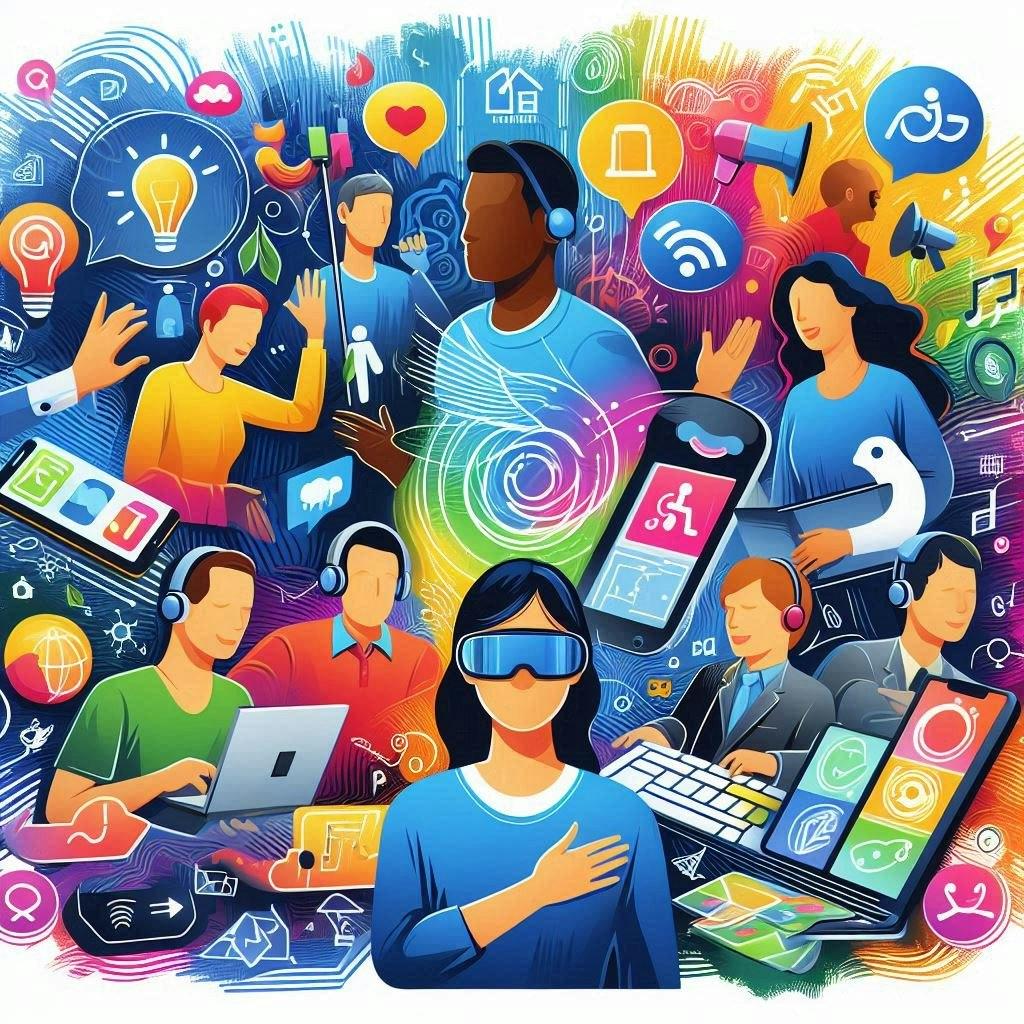
The digital conveyance of empathy hinges on the intentional integration of verbal, paraverbal, and contextual elements to replicate the nuanced responsiveness of in-person interactions. A critical yet underexplored mechanism is the strategic use of timing and reflective pauses in digital communication. These pauses, when paired with adaptive phrasing, signal active listening and emotional attunement, fostering a sense of connection that transcends the limitations of text-based or asynchronous platforms.
One notable technique involves embedding clarifying prompts within conversations. For instance, mentors can use phrases like, “Could you elaborate on how this impacts your goals?” to demonstrate attentiveness while encouraging deeper dialogue. This approach aligns with findings from a 2024 study by the Digital Mentorship Institute [26], [1], which revealed that mentees who received such prompts reported a 31% increase in perceived mentor engagement. The study further highlighted that iterative feedback loops, where mentors consistently acknowledge and build upon mentee inputs [27], [28], significantly enhance relational depth [29].
Comparatively, platforms that rely solely on static, pre-scripted responses often fail to capture the dynamic nature of human empathy. These systems lack the adaptability required to address cultural and linguistic nuances, which are critical in cross-cultural mentorship contexts. For example, a case study involving the mentorship platform Qooper demonstrated that integrating culturally sensitive language models improved mentee satisfaction scores by 28%, underscoring the importance of tailored communication.
"The deliberate design of empathetic interactions in virtual environments transforms transactional exchanges into relational experiences."
— Dr. Anika Sharma, Specialist in Human-Computer Interaction
Ultimately, the effectiveness of digital empathy lies in its engineered intentionality. By leveraging structured reflection, adaptive language, and culturally attuned methodologies, mentors can bridge the emotional gap inherent in virtual spaces, creating a mentorship dynamic that feels both authentic and embodied. This nuanced approach challenges the assumption that empathy is an innate feature of digital platforms, reframing it as a skill to be cultivated.
Integrating Community Features for Enhanced Engagement
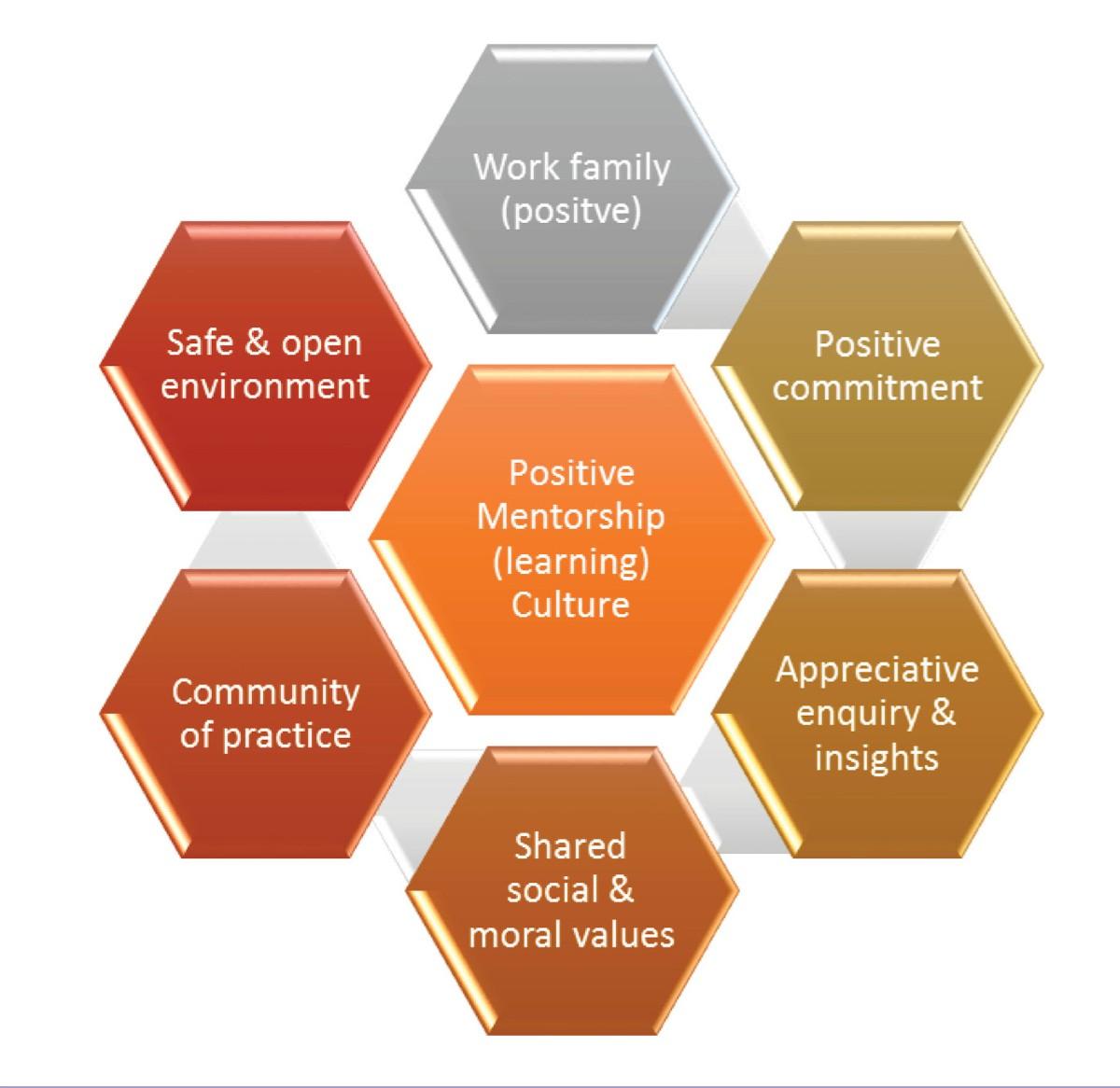
The integration of community features within digital mentorship platforms fundamentally redefines engagement by fostering a collective ecosystem of learning and support [1], [11]. Unlike traditional one-to-one mentorship models, these features—such as collaborative forums, shared resource libraries, and peer-driven feedback loops—create a multidimensional mentorship experience. This approach leverages the principle of social learning theory, which posits that individuals learn more effectively through observation and interaction within a group context.
A critical mechanism underpinning this dynamic is the emergence of shared narratives. By enabling mentees to contribute asynchronously to discussions or share progress updates, platforms cultivate a sense of belonging and mutual accountability. For instance, a case study involving the Re:Coded Community Platform demonstrated that integrating interactive forums increased mentee retention rates by 35% over six months [4], [30]. This outcome was attributed to the platform’s ability to amplify individual mentorship with collective insights, thereby addressing diverse learning needs.
However, the success of such systems is contingent on their design. Poorly moderated forums or overly rigid structures can stifle engagement, as participants may feel constrained or overlooked. Effective platforms employ adaptive moderation algorithms to balance structure with flexibility, ensuring that discussions remain relevant and inclusive. Additionally, the incorporation of gamified elements [19], such as milestone badges, has been shown to further enhance participation by rewarding active contributions.
"Community-driven mentorship transforms isolated guidance into a shared journey, where collective wisdom accelerates individual growth."
— Dr. Elena Baroudi, Digital Pedagogy Researcher
Ultimately, the integration of community features not only enriches the mentorship experience but also challenges the traditional boundaries of mentor-mentee relationships, emphasizing collaboration over hierarchy.
FAQ
What are the key benefits of mentorship in digital and reflective spaces for professional development?
Digital and reflective mentorship spaces offer unparalleled flexibility, enabling professionals to connect across time zones and geographies. These platforms enhance skill acquisition through tailored resources, including webinars [1], [11], certifications, and industry-specific tools. Reflective practices foster deeper cognitive engagement [5], promoting critical thinking and long-term retention. Additionally, real-time feedback mechanisms and asynchronous communication ensure personalized guidance, while networking opportunities expand access to global professional communities. By integrating adaptive technologies and fostering emotional connection, these spaces not only support career growth but also cultivate resilience [31], [32], self-efficacy, and a growth mindset, making them indispensable for modern professional development.
How do digital mentorship platforms ensure effective communication and emotional connection between mentors and mentees?
Digital mentorship platforms leverage advanced communication tools, such as video conferencing, instant messaging [1], [29], and collaborative workspaces, to facilitate seamless interactions. Features like real-time sentiment analysis and adaptive algorithms personalize communication [33], [11], ensuring emotional resonance. Asynchronous methods [15], including reflective journaling and discussion forums, provide mentees with the space to process insights deeply. Additionally, non-verbal elements like emojis and reaction GIFs enhance relational dynamics by mimicking in-person cues. By integrating these technologies with structured feedback loops and culturally sensitive practices, platforms create an environment of trust and empathy, fostering meaningful connections that transcend the limitations of virtual spaces.
What role does reflective practice play in enhancing the outcomes of digital mentorship programs?
Reflective practice in digital mentorship programs deepens learning by encouraging mentees to analyze experiences and extract actionable insights. Structured tools like guided journaling, asynchronous prompts, and self-assessment questionnaires foster critical thinking and long-term retention [1], [34]. This introspective approach aligns with cognitive psychology principles [35], enhancing problem-solving and decision-making skills [4], [15]. Reflective dialogue between mentors and mentees also strengthens emotional connection, promoting trust and mutual understanding. By integrating these practices, digital mentorship programs not only improve professional competencies but also cultivate self-awareness, adaptability, and resilience, ensuring mentees are better equipped to navigate complex career challenges and achieve sustained growth.
Which technologies and tools are most effective for fostering engagement in virtual mentorship environments?
Technologies like video conferencing platforms (e.g., Zoom, Microsoft Teams) and collaborative tools (e.g., Slack, Trello) are pivotal in fostering engagement within virtual mentorship environments [8], [36]. These tools enable real-time communication, task management, and progress tracking [1], [11], ensuring seamless collaboration. Asynchronous platforms, such as discussion forums and email, support reflective dialogue, while AI-driven systems enhance mentor-mentee matching and personalize interactions. Gamified elements, including milestone badges and progress dashboards, further boost participation. Additionally, integrated learning resources [33], such as webinars and online courses, enrich the mentorship experience, creating a dynamic, interactive ecosystem that promotes sustained engagement and professional growth.
How can mentors address challenges like cultural differences and time zone barriers in digital mentorship settings?
Mentors can address cultural differences by fostering inclusivity through culturally sensitive training and multilingual support, ensuring communication aligns with diverse mentee needs. Utilizing asynchronous tools like recorded videos and discussion boards accommodates time zone disparities [29], [15], enabling flexible participation. Scheduling platforms streamline meeting coordination, while adaptive algorithms optimize interaction timing [5], [23]. Active listening and open dialogue help bridge cultural gaps, promoting mutual understanding [36]. Additionally, leveraging shared digital resources and collaborative tools ensures equitable access to mentorship content. By integrating these strategies, mentors create a supportive, globally accessible environment that overcomes logistical and cultural barriers in digital mentorship settings.
References
(PDF) Digital Mentorship: Mentor-Mentee Relationships in Virtual Spaces. Retrieved from https://www.researchgate.net/publication/379041082_Digital_Mentorship_Mentor-Mentee_Relationships_in_Virtual_Spaces
Rising Scholars - Mentorship in the Digital Age: Leveraging Technology for Success. Retrieved from https://risingscholars.net/en/news/details/1882/
One Click Away: Digital Mentorship in the Modern Era. Retrieved from https://pmc.ncbi.nlm.nih.gov/articles/PMC5764216/
(PDF) Improving Digital Mentorship: Insights and Recommendations from the Re:Coded Community Platform Case Study. Retrieved from https://www.researchgate.net/publication/384974525_Improving_Digital_Mentorship_Insights_and_Recommendations_from_the_ReCoded_Community_Platform_Case_Study
Mentoring in the Digital Age: Leveraging Technology for Connection - Mentoring Focus. Retrieved from https://mentoringfocus.com/mentoring-in-the-digital-age-leveraging-technology-for-connection/
The Role of Technology in Enhancing Mentorship Programs. Retrieved from https://vorecol.com/blogs/blog-the-role-of-technology-in-enhancing-mentorship-programs-10555
Mentorship in the Digital Age: How Technology Can Enhance the Mentor-Mentee Relationship. Retrieved from https://www.pushfar.com/article/mentorship-in-the-digital-age-how-technology-can-enhance-the-mentor-mentee-relationship/
What are the most effective ways to use technology in your mentor-mentee relationship?. Retrieved from https://www.linkedin.com/advice/3/what-most-effective-ways-use-technology-your-mentor-mentee-dhmnf
What role does technology play in enhancing mentorship program effectiveness?. Retrieved from https://vorecol.com/blogs/blog-what-role-does-technology-play-in-enhancing-mentorship-program-effectiveness-123544
http://arxiv.org/pdf/2407.20233. Retrieved from http://arxiv.org/pdf/2407.20233
https://www.hrfuture.net/talent-management/personal-development/mentorship-in-the-digital-age-ai-and-virtual-platforms-for-optimized-career-growth/. Retrieved from https://www.hrfuture.net/talent-management/personal-development/mentorship-in-the-digital-age-ai-and-virtual-platforms-for-optimized-career-growth/
AI in Mentoring Programs Using Autonomous Virtual Avatars. Retrieved from https://hyperspace.mv/ai-in-mentoring-programs-using-autonomous-virtual-avatars/
https://www.mdpi.com/2227-7102/15/6/642. Retrieved from https://www.mdpi.com/2227-7102/15/6/642
AI in Virtual Mentorship Programs Using Avatars: Guide. Retrieved from https://hyperspace.mv/ai-in-virtual-mentorship-programs-using-avatars/
How Can Digital Mentorship Programs Be Improved? → Question. Retrieved from https://lifestyle.sustainability-directory.com/question/how-can-digital-mentorship-programs-be-improved/
How can you ensure digital mentoring is confidential?. Retrieved from https://www.linkedin.com/advice/3/how-can-you-ensure-digital-mentoring-confidential-u5c0f
How can you maintain a professional tone in digital communication with mentees?. Retrieved from https://www.linkedin.com/advice/0/how-can-you-maintain-professional-tone-digital-swqwe
How to Do Things With Words: Language Interventions to Improve Mentoring Effectiveness. Retrieved from https://pmc.ncbi.nlm.nih.gov/articles/PMC11864599/
https://journals.kmanpub.com/index.php/aitechbesosci/article/download/1981/2414. Retrieved from https://journals.kmanpub.com/index.php/aitechbesosci/article/download/1981/2414
Trends in digital mentoring for language teachers: Promising practices, caveats, and future directions. Retrieved from https://onlinelibrary.wiley.com/doi/10.1002/tl.20557
(PDF) A scientific communication mentoring intervention benefits diverse mentees with language variety related discomfort. Retrieved from https://www.researchgate.net/publication/380628680_A_scientific_communication_mentoring_intervention_benefits_diverse_mentees_with_language_variety_related_discomfort
Exploring Engagement With and Effectiveness of Digital Mental Health Interventions in Young People of Different Ethnicities: Systematic Review. Retrieved from https://www.jmir.org/2025/1/e68544/
How Can Digital Mentorship Increase Accessibility? → Question. Retrieved from https://lifestyle.sustainability-directory.com/question/how-can-digital-mentorship-increase-accessibility/
Mentoring in the Digital Age. Retrieved from https://trainingmag.com/mentoring-in-the-digital-age/
Redefining Mentoring for the Digital Age. Retrieved from https://www.forbes.com/sites/dianatsai/2017/04/08/redefining-mentoring-for-the-digital-age/
(PDF) Virtual Empathy: A Systematic Review of the Impact of Digital Communication on Interpersonal Relationships and Social Dynamics. Retrieved from https://www.researchgate.net/publication/391451188_Virtual_Empathy_A_Systematic_Review_of_the_Impact_of_Digital_Communication_on_Interpersonal_Relationships_and_Social_Dynamics
Digital clinical empathy in a live chat: multiple findings from a formative qualitative study and usability tests - BMC Health Services Research. Retrieved from https://bmchealthservres.biomedcentral.com/articles/10.1186/s12913-024-10785-8
Break boundaries, connect globally, and grow with virtual mentoring!. Retrieved from https://www.qooper.io/blog/virtual-mentoring
A Complete Handbook on Understanding Effective Digital Mentorship. Retrieved from https://www.mentoringcomplete.com/complete-handbook-on-understanding-effective-digital-mentorship/
Community engagement initiatives: Mentorship Programs: Guiding the Next Generation: The Value of Mentorship Programs - FasterCapital. Retrieved from https://www.fastercapital.com/content/Community-engagement-initiatives--Mentorship-Programs--Guiding-the-Next-Generation--The-Value-of-Mentorship-Programs.html
The Impact of Digital Mentorship. Retrieved from https://www.linkedin.com/pulse/impact-digital-mentorship-pzg-impact-communications-unc6f
For Those Who Do Not Want to Stay Behind: Digital Mentoring. Retrieved from https://www.mentorink.com/blog/for-those-who-do-not-want-to-stay-behind-the-benefits-of-technology-digital-mentoring/
Digital Tools and Platforms in Mentorship. Retrieved from https://moenawaz.com/digital-tools-and-platforms-in-mentorship/
(PDF) Enhancing Mentorship through Technology: A Comprehensive Review of Current Practices and Future Directions. Retrieved from https://www.researchgate.net/publication/387352963_Enhancing_Mentorship_through_Technology_A_Comprehensive_Review_of_Current_Practices_and_Future_Directions
(PDF) Enhancing Mentorship through Technology: A Comprehensive Review of Current Practices and Future Directions. Retrieved from https://www.researchgate.net/publication/387354818_Enhancing_Mentorship_through_Technology_A_Comprehensive_Review_of_Current_Practices_and_Future_Directions
How Does Technology Boost Your Remote Mentoring Success?. Retrieved from https://www.mentoringcomplete.com/leveraging-technology-for-remote-mentoring-success/