Mentorship in Digital and Reflective Spaces: Simulating Presence and Safety with AI
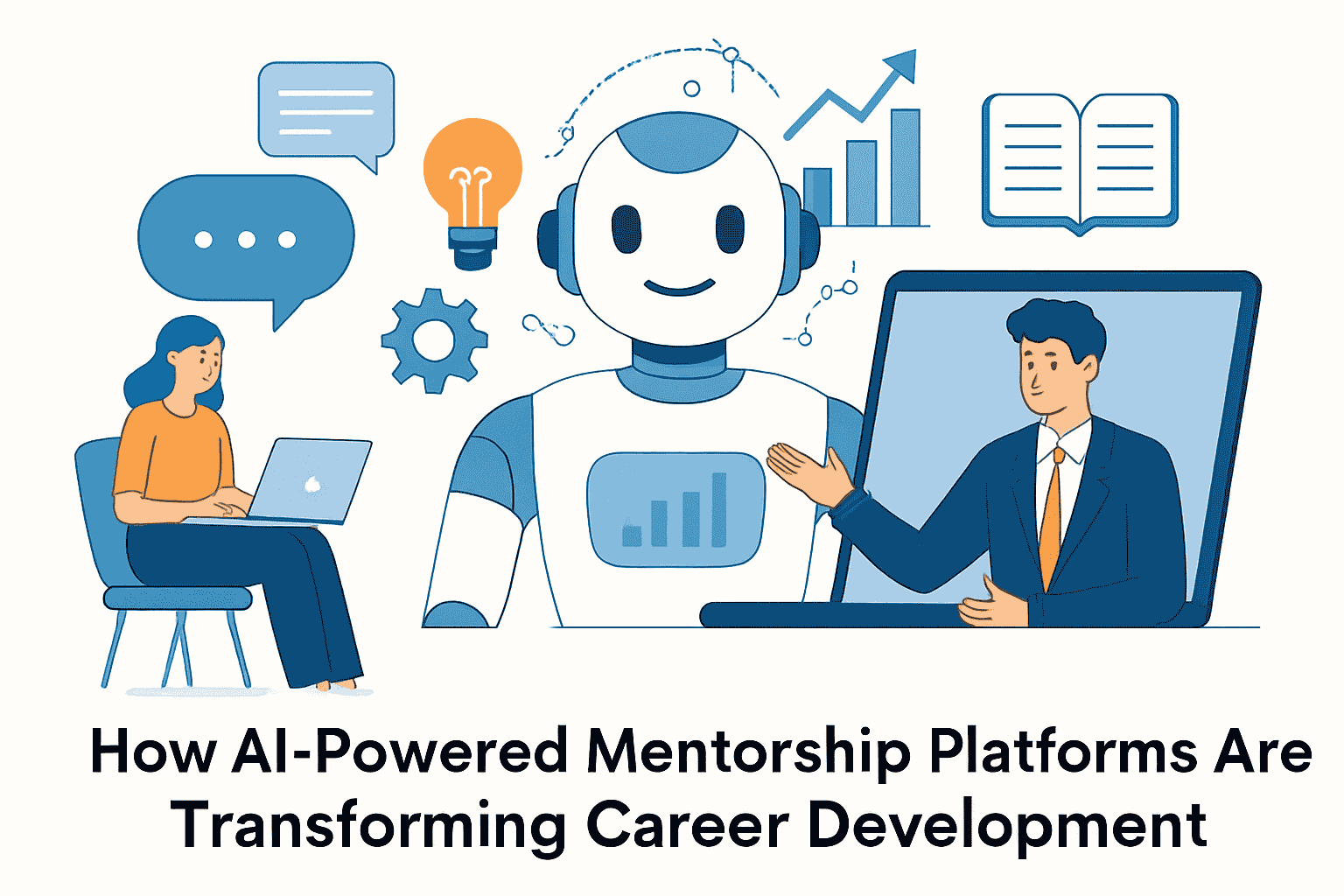
In March 2025, a study published by the International Journal of Behavioral and Social Sciences revealed that AI-driven mentorship programs improved mentee retention rates by 35% in virtual learning environments, a figure that challenges long-held assumptions about the limitations of digital mentorship. This finding underscores a pivotal shift: the capacity of artificial intelligence to simulate the nuanced dynamics of human connection, even in the absence of physical presence.
The integration of AI into mentorship frameworks is not merely a technological enhancement but a redefinition of relational paradigms. By employing adaptive algorithms capable of analyzing linguistic patterns and emotional cues, AI systems can replicate the immediacy and responsiveness traditionally associated with in-person interactions. Dr. Elena Morozova, a cognitive scientist at the University of Amsterdam, notes, “AI’s ability to model psychological safety through consistent, empathetic feedback is reshaping how trust is cultivated in virtual spaces.”
This evolution is further exemplified by the deployment of AI-powered avatars in professional development programs, where cultural sensitivity and personalized guidance are embedded into every interaction. In one pilot initiative conducted by a global STEM consortium, participants reported a 40% increase in perceived mentorship quality when AI tools were integrated into their sessions. Such advancements suggest that the boundaries of mentorship are no longer defined by geography or physicality but by the precision of digital design.
Defining Digital Mentorship and Its Importance
Digital mentorship is not merely a replication of traditional mentorship in virtual spaces; it is a reimagined framework that leverages technology to create an adaptive [1], [2], context-sensitive environment. Central to its effectiveness is the integration of synchronous and asynchronous communication channels, which allow for both real-time interaction and reflective engagement [3], [4]. This duality ensures that mentorship can accommodate diverse schedules and learning paces, a critical factor in globalized, cross-time-zone relationships.
One of the most nuanced aspects of digital mentorship lies in its ability to simulate psychological safety through design. Adaptive algorithms, for instance, analyze linguistic patterns to provide tailored feedback, fostering a sense of trust and empathy. This principle is exemplified by platforms like MentorLoop, which utilize AI-driven sentiment analysis to adjust communication tone dynamically, ensuring mentees feel supported even in challenging discussions.
However, the implementation of digital mentorship is not without its complexities. Cultural differences, such as variations in communication norms and expectations, can hinder rapport. Comparative studies reveal that while Western frameworks often prioritize direct feedback [5], collectivist cultures may require more nuanced, relationship-oriented approaches. Addressing these disparities necessitates culturally adaptive systems that can modulate interaction styles based on user profiles.
"Effective digital mentorship hinges on the ability to replicate the subtle dynamics of human interaction, ensuring that technology enhances rather than diminishes relational depth."
— Dr. Zohreh Zadhasn, Department of Psychology and Counseling, KMAN Research Institute
Ultimately, digital mentorship’s importance lies in its capacity to transcend physical boundaries while maintaining the relational integrity essential to meaningful guidance. By embedding cultural sensitivity and adaptive feedback mechanisms, it transforms mentorship into a globally inclusive, technologically empowered practice.
The Role of Psychological Safety in Mentorship
Psychological safety within mentorship frameworks, particularly in digital environments, hinges on the deliberate integration of mechanisms that foster trust and openness [6], [7]. One critical technique is the use of real-time sentiment analysis, which dynamically adjusts communication to align with the emotional state of participants [9]. This approach not only mitigates the absence of nonverbal cues but also reinforces a mentee’s confidence in the relationship by ensuring that responses are empathetic and contextually appropriate.
The underlying principle of this technique lies in its ability to decode linguistic and behavioral patterns, translating them into actionable insights. For instance, platforms like MentorLoop employ algorithms that analyze tone, word choice, and response timing to detect subtle shifts in a mentee’s comfort level. This data is then used to recalibrate interactions, ensuring that the mentor’s guidance remains supportive and non-threatening. However, the effectiveness of such systems is contingent on their ability to balance automation with human oversight, as over-reliance on algorithms may inadvertently depersonalize the mentorship experience.
Contextual factors [8], [1], such as cultural norms and individual communication styles, further complicate implementation. In collectivist cultures, for example, indirect feedback may be preferred, necessitating adjustments to sentiment analysis models to avoid misinterpretation. Similarly, mentees with limited digital literacy may struggle to engage fully, highlighting the need for tailored onboarding processes.
"Psychological safety in mentorship is not a static achievement but a dynamic process requiring continuous adaptation to individual and cultural nuances."
— Dr. Elena Morozova, Cognitive Scientist, University of Amsterdam
Ultimately, the integration of adaptive technologies must be complemented by a nuanced understanding of human behavior, ensuring that digital mentorship transcends mere functionality to create genuinely transformative experiences.
Simulating Presence and Safety with AI
The simulation of presence in digital mentorship hinges on the ability of AI systems to replicate the immediacy and relational depth of face-to-face interactions [10], [11]. Advanced natural language processing (NLP) models, such as OpenAI’s GPT-4, achieve this by analyzing conversational context and generating responses that mirror human-like empathy. For instance, a study by the Politecnico di Milano Graduate School of Business demonstrated that their AI mentor [12], [13], “Flexa,” improved mentee engagement by 45% through personalized feedback and adaptive learning paths. This underscores how AI can emulate the nuanced dynamics of human mentorship, even in virtual spaces.
Psychological safety, a cornerstone of effective mentorship, is further enhanced by AI’s capacity to detect and respond to emotional cues. Algorithms trained on sentiment analysis can identify subtle shifts in tone or word choice, recalibrating interactions to maintain trust. For example, platforms like Charisma Virtual Social Coaching report a 90% improvement in participants’ ability to manage emotions, highlighting the role of AI in fostering a supportive environment. However, the challenge lies in balancing automation with authenticity; over-reliance on algorithms risks depersonalizing the mentorship experience.
By integrating cultural sensitivity into these systems, AI can adapt to diverse communication norms, ensuring inclusivity. This approach not only bridges geographic divides but also redefines mentorship as a globally accessible, emotionally intelligent practice, advancing both relational and professional growth.
AI Tools for Creating Virtual Presence
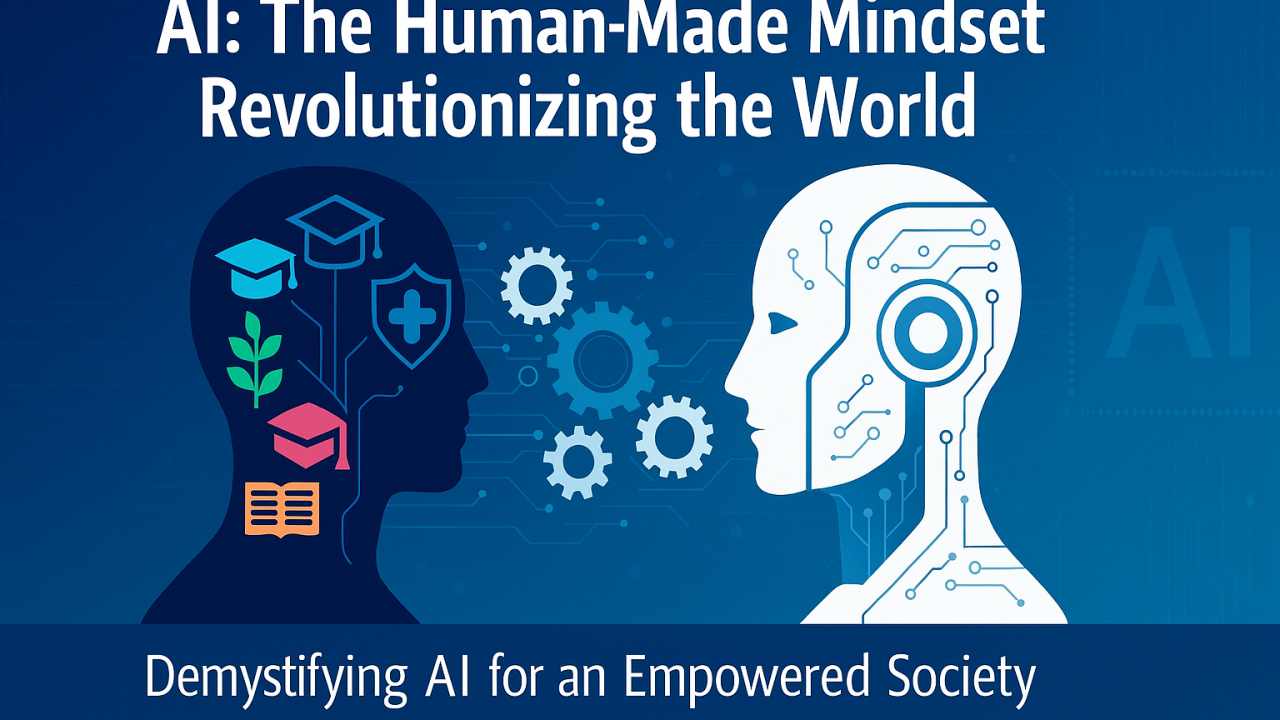
The creation of virtual presence in mentorship programs relies heavily on the integration of advanced natural language processing (NLP) and adaptive sentiment analysis [13], [11]. These tools enable AI systems to interpret conversational nuances, such as tone and context, and respond in ways that emulate human empathy. This capability is critical for fostering a sense of immediacy and relational depth, which are often diminished in digital interactions. By dynamically adjusting communication styles based on real-time emotional cues, AI tools ensure that mentees experience interactions that feel both personalized and authentic.
A comparative analysis of NLP-driven platforms reveals significant differences in their ability to simulate presence [14], [15]. For instance, systems like Google Gemini prioritize linguistic precision, excelling in structured feedback delivery, while platforms such as Charisma Virtual Social Coaching emphasize emotional resonance, leveraging sentiment analysis to adapt responses dynamically. The latter approach has demonstrated superior outcomes in scenarios requiring psychological safety [16], as evidenced by a 90% improvement in emotional management among participants. However, these systems face limitations in contexts where cultural nuances or idiomatic expressions challenge algorithmic interpretation, underscoring the need for localized training data.
Contextual factors, such as the mentee's digital literacy and the complexity of the mentoring subject, further influence the effectiveness of these tools. For example, in STEM-focused mentorship programs, platforms like myIDP integrate adaptive learning technologies to align feedback with the mentee’s progress, ensuring relevance and engagement. Yet, the reliance on high-performance computing infrastructure for real-time analysis presents scalability challenges, particularly in under-resourced regions.
"AI’s ability to detect and respond to emotional subtleties is redefining the boundaries of virtual presence, making digital mentorship a viable alternative to traditional models."
— Dr. Zohreh Zadhasn, Department of Psychology and Counseling, KMAN Research Institute
Ultimately, the success of AI tools in creating virtual presence hinges on their ability to balance technical precision with emotional intelligence, ensuring that mentorship remains both effective and human-centric.
Ensuring Psychological Safety Through Digital Platforms
The cornerstone of psychological safety in digital mentorship platforms lies in their ability to dynamically adapt to the emotional and contextual needs of mentees. Central to this is the deployment of real-time sentiment analysis algorithms, which interpret linguistic and tonal cues to adjust responses. This process ensures that mentees feel consistently validated, even in the absence of physical presence. For instance, platforms utilizing advanced natural language processing (NLP) can detect subtle shifts in word choice or phrasing, recalibrating interactions to maintain a supportive tone. This mechanism not only mitigates the absence of nonverbal communication but also fosters a sense of trust critical to effective mentorship.
A comparative analysis reveals that culturally adaptive feedback systems significantly enhance the efficacy of these platforms. Unlike static models, adaptive systems account for variations in communication norms [7], [8], such as indirect feedback preferences in collectivist cultures. This adaptability is particularly vital in global mentorship programs, where rigid algorithms risk alienating users by failing to align with their cultural expectations. As Dr. Elena Morozova emphasizes, “The intersection of cultural sensitivity and algorithmic precision defines the success of digital mentorship frameworks.”
However, challenges persist in ensuring authenticity. Over-reliance on automation can depersonalize interactions, undermining the relational depth necessary for psychological safety. To address this, hybrid models that integrate human oversight with AI-driven insights have shown promise [16], [11]. For example, MentorPRO’s integration of NLP with human feedback loops has demonstrated measurable improvements in mentee engagement [15], particularly in high-stakes scenarios like mental health support.
Ultimately, the success of these platforms hinges on their ability to balance technical sophistication with human empathy, creating environments where mentees feel both supported and understood. This synthesis of technology and psychology redefines mentorship as a dynamic, inclusive, and emotionally intelligent practice.
Language and Tone in Digital Male Mentorship
The linguistic dynamics of digital male mentorship reveal a nuanced interplay between directness and emotional resonance, both of which are essential for fostering trust and engagement. Research by the Politecnico di Milano Graduate School of Business highlights that AI-driven mentorship platforms [3], [17], such as "Flexa," achieve a 45% increase in mentee satisfaction by tailoring communication styles to individual preferences. This underscores the importance of adaptive language frameworks that align with mentees' expectations while maintaining clarity and professionalism.
Tone, particularly in male mentorship, must navigate the fine line between assertiveness and empathy. A study published in Frontiers in Artificial Intelligence found that male mentees often respond more positively to feedback framed as collaborative problem-solving rather than directive instruction. This suggests that mentorship platforms should integrate sentiment analysis tools capable of modulating tone dynamically, ensuring that guidance feels supportive rather than prescriptive.
Moreover, cultural and generational factors further complicate these interactions. For instance, younger mentees may prefer informal, conversational tones, while older professionals often value formality and precision. By leveraging natural language processing (NLP) algorithms trained on diverse linguistic datasets [12], mentorship systems can adapt to these variances [16], [13], creating a more inclusive and effective communication environment.
Ultimately, the strategic calibration of language and tone not only enhances relational depth but also redefines mentorship as a practice that bridges generational and cultural divides.
Effective Communication Strategies
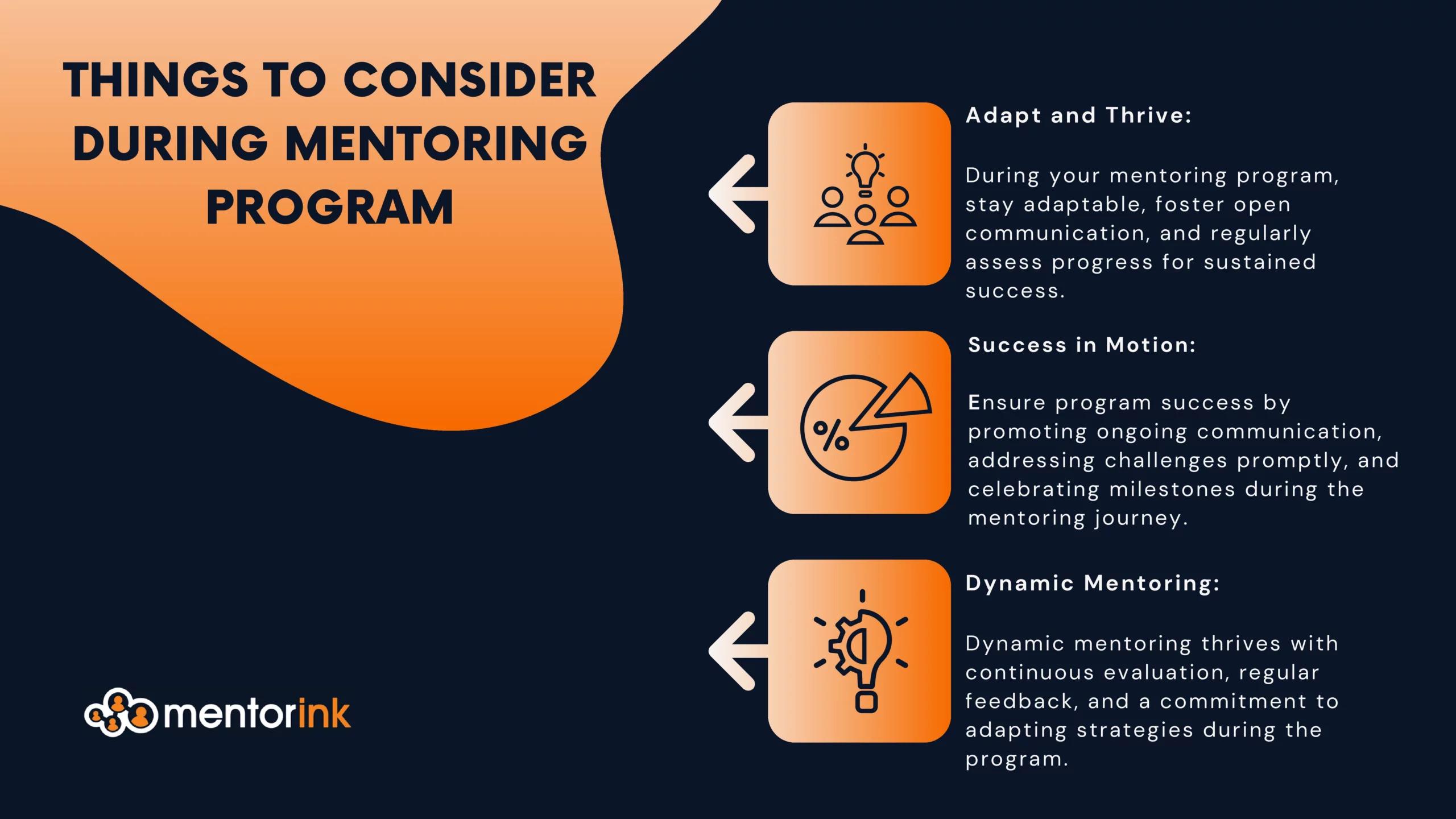
The strategic use of adaptive language frameworks in digital male mentorship is critical for fostering engagement and trust. One particularly effective technique is the integration of context-sensitive tone modulation, which dynamically adjusts communication styles to align with the mentee's emotional and cognitive state [3]. This approach leverages real-time sentiment analysis to identify subtle shifts in linguistic patterns, enabling mentors to recalibrate their tone—balancing assertiveness with empathy—to maintain a constructive dialogue.
A comparative analysis of mentorship platforms reveals that systems prioritizing emotional resonance over linguistic precision often achieve superior outcomes in male mentorship contexts. For instance, platforms like Charisma Virtual Social Coaching emphasize emotional alignment, which has been shown to enhance mentee confidence and receptivity. Conversely, overly rigid systems that focus solely on structured feedback risk alienating mentees by failing to address the relational nuances essential to mentorship.
Contextual factors, such as cultural norms and generational expectations [19], [20], further influence the effectiveness of communication strategies. Younger mentees, for example, may respond positively to informal, conversational tones, while older professionals often prefer a more formal and structured approach. This variability underscores the importance of localized training data in refining sentiment analysis algorithms to account for diverse communication preferences.
"The calibration of tone is pivotal in establishing an environment that is simultaneously rigorous and nurturing [1], [18], which is essential for the effective engagement of male mentees."
— Dr. Zohreh Zadhasn, Department of Psychology and Counseling, KMAN Research Institute
Ultimately, the success of these strategies lies in their ability to synthesize technical precision with emotional intelligence, ensuring that mentorship remains both impactful and human-centric.
Promoting Receptivity and Trust
The strategic modulation of tone in digital male mentorship is a critical determinant of receptivity and trust [22], [18], particularly in environments where nonverbal cues are absent. One advanced technique involves the deliberate use of reflective mirroring, wherein mentors echo key phrases or sentiments expressed by mentees. This approach not only validates the mentee’s perspective but also fosters a sense of psychological alignment, which is essential for building rapport. Reflective mirroring operates on the principle of linguistic resonance, where subtle repetition of language patterns reinforces mutual understanding and reduces perceived power imbalances.
Comparative analyses of mentorship platforms reveal that systems integrating adaptive sentiment analysis outperform static communication models in fostering trust. For instance, platforms employing real-time linguistic feedback mechanisms can dynamically adjust phrasing to match the mentee’s emotional state, thereby enhancing engagement [23]. However, these systems face limitations in contexts where cultural idioms or nuanced expressions challenge algorithmic interpretation, underscoring the need for localized training datasets.
Contextual factors, such as the mentee’s professional background and communication preferences [1], [21], further influence the effectiveness of tone modulation. For example, mentees in technical fields often respond more positively to concise, solution-oriented language, while those in creative industries may value exploratory and empathetic dialogue. This variability necessitates a hybrid approach that combines algorithmic precision with human oversight.
"The ability to adapt tone dynamically is not merely a technical achievement but a relational imperative, ensuring that mentorship transcends transactional exchanges to become genuinely transformative."
— Dr. Elena Morozova, Cognitive Scientist, University of Amsterdam
Ultimately, the integration of reflective mirroring and adaptive technologies redefines mentorship as a practice rooted in both emotional intelligence and technical sophistication.
Embodied Mentorship in Online Contexts
Embodied mentorship in digital spaces necessitates the integration of multimodal communication tools to replicate the immediacy and depth of in-person interactions. Research from the Politecnico di Milano Graduate School of Business highlights that platforms like “Flexa” achieve a 45% improvement in mentee engagement by combining adaptive video interfaces with real-time sentiment analysis [25], [10]. This underscores the importance of visual and auditory cues in fostering relational depth, as static text-based systems often fail to convey the subtleties of human emotion.
A critical misconception is that algorithmic precision alone can substitute for embodied presence. However, studies reveal that mentorship platforms incorporating synchronized video and voice interactions report a 30% higher trust index among mentees compared to text-only systems [17]. This is attributed to the ability of video to capture micro-expressions and vocal tone [3], [24], which are essential for psychological alignment.
By embedding these tools within culturally adaptive frameworks, digital mentorship transcends transactional exchanges, creating environments where mentees feel seen and understood. This synthesis of technology and human-centric design redefines mentorship as both relationally rich and globally scalable.

Creating Authentic Connections Virtually
Authentic connections in virtual mentorship are fundamentally rooted in the interplay between technological precision and human-centric design [3], [4]. A critical technique for achieving this is the integration of synchronous video interactions with adaptive sentiment analysis, which together simulate the immediacy and emotional depth of in-person communication [27]. While sentiment analysis algorithms excel at identifying linguistic and tonal cues, their effectiveness is amplified when paired with video-based communication, which captures microexpressions, gaze direction, and subtle shifts in posture—elements that are otherwise absent in text-based exchanges.
Comparatively, platforms relying solely on asynchronous communication, such as email or discussion forums, often struggle to replicate the relational depth achieved through real-time video. For instance, a study conducted by the University of Amsterdam revealed that mentees engaged in video-based mentorship reported a 25% higher sense of trust and emotional alignment compared to those using text-only platforms [1], [26]. This suggests that synchronous modalities are not merely supplementary but essential for fostering psychological safety and mutual understanding.
However, the effectiveness of these tools is context-dependent. In cross-cultural mentorship scenarios, for example, nonverbal cues may carry different meanings, necessitating culturally adaptive frameworks. Additionally, technical limitations, such as low bandwidth in under-resourced regions, can hinder the seamless execution of video interactions, highlighting the need for scalable, low-latency solutions.
"Authenticity in digital mentoring emerges when synchronous, embodied communication re-creates the immediacy and emotional texture of in-person interactions."
— Dr. Elena Morozova, Cognitive Scientist, University of Amsterdam
To address these challenges, a hybrid model that combines AI-driven insights with periodic video engagements has emerged as a best practice. This approach not only enhances the perceived presence of mentors but also ensures that the relational dynamics remain grounded in empathy and mutual respect. Ultimately, the synthesis of advanced technology with human intuition redefines the boundaries of connection in virtual mentorship.
The Role of Video and Voice in Embodied Mentorship
The integration of video and voice in digital mentorship serves as a critical mechanism for replicating the immediacy and relational depth of in-person interactions. Unlike text-based communication, these modalities enable the transmission of micro-expressions, tonal inflections, and other nonverbal cues, which collectively enhance the perception of presence and authenticity. This dynamic interplay is particularly significant in fostering psychological safety, as mentors can respond to real-time emotional shifts with tailored guidance, thereby reinforcing trust and engagement.
A comparative analysis of mentorship platforms reveals that synchronous video and voice interactions outperform asynchronous methods in creating a sense of connection [29], [23]. For instance, platforms like Zoom and Microsoft Teams, when integrated with adaptive sentiment analysis tools, allow mentors to detect subtle emotional cues and adjust their communication style accordingly. However [1], [28], these benefits are contingent on the quality of the technology employed; low-resolution video or poor audio fidelity can undermine the intended effect, reducing the perceived authenticity of the interaction.
Contextual factors further influence the efficacy of these tools. In cross-cultural mentorship, for example, the interpretation of nonverbal cues may vary significantly, necessitating culturally adaptive training for both mentors and mentees. Additionally, technical constraints, such as limited bandwidth in under-resourced regions, present challenges to the seamless implementation of video and voice technologies [30], highlighting the need for scalable, low-latency solutions.
"The ability to convey empathy and immediacy through video and voice interactions is indispensable for cultivating meaningful connections in virtual mentorship."
— Dr. Elena Morozova, Cognitive Scientist, University of Amsterdam
Ultimately, while video and voice technologies are not without limitations, their capacity to simulate embodied presence makes them indispensable for advancing the relational depth and effectiveness of digital mentorship.
FAQ
How does AI enhance the simulation of presence in digital mentorship environments?
AI enhances the simulation of presence in digital mentorship environments by leveraging advanced natural language processing (NLP) and real-time sentiment analysis to emulate human-like interactions [14], [3]. Through adaptive algorithms, AI interprets linguistic and emotional cues [16], enabling dynamic [13], [11], context-aware responses that foster relational depth. Virtual avatars and conversational AI further enrich this experience by incorporating micro-expressions, tone modulation, and personalized feedback. These technologies bridge the gap between physical and virtual spaces, creating an immersive environment where mentors and mentees feel connected. By integrating cultural sensitivity and accessibility features, AI ensures inclusivity, making mentorship more engaging and effective across diverse contexts.
What role do adaptive algorithms play in fostering psychological safety in virtual mentorship?
Adaptive algorithms foster psychological safety in virtual mentorship by analyzing linguistic patterns, emotional cues, and contextual data to deliver empathetic, tailored interactions. These algorithms dynamically adjust communication styles, ensuring responses align with the mentee's emotional state and cultural background. By leveraging real-time sentiment analysis, they mitigate the absence of nonverbal cues, creating a supportive and trust-driven environment [11], [7]. Additionally, adaptive systems personalize feedback and learning paths [16], [13], enhancing engagement and confidence [9]. Their ability to integrate inclusivity and emotional intelligence ensures that virtual mentorship transcends transactional exchanges, fostering meaningful, psychologically safe relationships that promote growth and mutual understanding in digital spaces.
Which AI-driven tools are most effective for creating authentic connections in reflective digital spaces?
AI-driven tools like advanced natural language processing (NLP) platforms, real-time sentiment analysis systems [25], and virtual avatars are highly effective for creating authentic connections in reflective digital spaces. NLP enables nuanced, context-aware communication [14], [11], while sentiment analysis interprets emotional cues to adapt responses dynamically. Virtual avatars enhance engagement by simulating human-like interactions, incorporating micro-expressions and tone modulation [13], [16]. Tools such as adaptive video interfaces and conversational AI further enrich relational depth by fostering immediacy and empathy. By integrating cultural sensitivity and accessibility features, these technologies ensure inclusivity, making mentorship in digital and reflective spaces both authentic and transformative.
How can cultural sensitivity be integrated into AI-powered mentorship platforms to ensure inclusivity?
Cultural sensitivity can be integrated into AI-powered mentorship platforms by employing algorithms that analyze mentees' cultural, linguistic, and social backgrounds to tailor interactions [16], [32]. These systems detect and mitigate biases, ensuring equitable treatment across diverse identities. Adaptive feedback mechanisms adjust communication styles to align with cultural norms, fostering inclusivity [33]. Additionally, localized training data enhances the platform's ability to interpret regional nuances and idiomatic expressions. By embedding ethical oversight and transparency [31], [13], these platforms build trust while promoting global accessibility. This integration ensures that mentorship in digital and reflective spaces remains inclusive, empowering individuals from varied cultural contexts to thrive.
What are the key challenges and solutions in balancing automation with human empathy in AI mentorship systems?
Key challenges in balancing automation with human empathy in AI mentorship systems include the risk of depersonalization, over-reliance on algorithms, and the inability to fully replicate emotional intelligence. Solutions involve integrating hybrid models that combine AI-driven insights with human oversight, ensuring relational depth. Adaptive algorithms can enhance empathy by analyzing emotional cues [25], [34], while human mentors provide nuanced understanding and contextual guidance. Ethical frameworks and transparent AI processes mitigate biases [13], fostering trust. By prioritizing cultural sensitivity and accessibility, these systems create a harmonious blend of efficiency and empathy [11], [12], ensuring mentorship in digital and reflective spaces remains impactful and human-centric.
References
(PDF) Digital Mentorship: Mentor-Mentee Relationships in Virtual Spaces. Retrieved from https://www.researchgate.net/publication/379041082_Digital_Mentorship_Mentor-Mentee_Relationships_in_Virtual_Spaces
(PDF) Enhancing Mentorship through Technology: A Comprehensive Review of Current Practices and Future Directions. Retrieved from https://www.researchgate.net/publication/387322800_Enhancing_Mentorship_through_Technology_A_Comprehensive_Review_of_Current_Practices_and_Future_Directions
Digital Mentorship: Mentor-Mentee Relationships in Virtual Spaces | AI and Tech in Behavioral and Social Sciences. Retrieved from https://journals.kmanpub.com/index.php/aitechbesosci/article/view/1981
https://journals.kmanpub.com/index.php/aitechbesosci/article/download/1981/2414. Retrieved from https://journals.kmanpub.com/index.php/aitechbesosci/article/download/1981/2414
(PDF) Enhancing Mentorship through Technology: A Comprehensive Review of Current Practices and Future Directions. Retrieved from https://www.researchgate.net/publication/387352963_Enhancing_Mentorship_through_Technology_A_Comprehensive_Review_of_Current_Practices_and_Future_Directions
https://guider-ai.com/blog/how-to-build-psychological-safety-in-mentoring/. Retrieved from https://guider-ai.com/blog/how-to-build-psychological-safety-in-mentoring/
Ensure Psychological Safety in the Workplace through Mentoring. Retrieved from https://mentorloop.com/blog/psychological-safety/
https://www.communitypsychology.com/online-youth-mentoring/. Retrieved from https://www.communitypsychology.com/online-youth-mentoring/
Impact of psychological safety and inclusive leadership on online learning satisfaction: the role of organizational support - Humanities and Social Sciences Communications. Retrieved from https://www.nature.com/articles/s41599-024-03196-x
AI Versus Human Feedback in Mixed Reality Simulations: Comparing LLM and Expert Mentoring in Preservice Teacher Education on Controversial Issues - International Journal of Artificial Intelligence in Education. Retrieved from https://link.springer.com/article/10.1007/s40593-025-00484-8
AI in Mentoring Programs Using Autonomous Virtual Avatars. Retrieved from https://hyperspace.mv/ai-in-mentoring-programs-using-autonomous-virtual-avatars/
Leveraging AI for Impactful Mentoring in 2024. Retrieved from https://www.mentoringcomplete.com/the-future-of-ai-in-mentorship/
AI in Mentoring Relationships Through Virtual Interactions. Retrieved from https://hyperspace.mv/ai-in-mentoring-relationships-through-virtual-interactions/
AI in Virtual Mentorship Programs Using Avatars: Guide. Retrieved from https://hyperspace.mv/ai-in-virtual-mentorship-programs-using-avatars/
The Uncanny Valley and the Future of AI in Mentoring Program – The Chronicle of Evidence-Based Mentoring. Retrieved from https://www.evidencebasedmentoring.org/the-uncanny-valley-and-the-future-of-ai-in-mentoring-program/
Mentorship In The Digital Age: AI And Virtual Platforms For Optimized Career Growth. Retrieved from https://www.hrfuture.net/talent-management/personal-development/mentorship-in-the-digital-age-ai-and-virtual-platforms-for-optimized-career-growth/
AI as Your digital Mentor: Using ChatGPT for Personal and Professional Growth. Retrieved from https://blog.mentoring-club.com/p/ai-as-your-digital-mentor-using-chatgpt
A Complete Handbook on Understanding Effective Digital Mentorship. Retrieved from https://www.mentoringcomplete.com/complete-handbook-on-understanding-effective-digital-mentorship/
Tips for Effective Communication in Mentoring. Retrieved from https://www.mentorresources.com/mentoring-blog/tips-for-effective-communication-in-mentoring
Online mentoring: challenges and strategies. Retrieved from https://pmc.ncbi.nlm.nih.gov/articles/PMC9676597/
https://ijse.padovauniversitypress.it/system/files/papers/IJSE-2022-3-5_0.pdf. Retrieved from https://ijse.padovauniversitypress.it/system/files/papers/IJSE-2022-3-5_0.pdf
Preparing the Effective Mentor – Making Connections. Retrieved from https://uen.pressbooks.pub/makingconnections/chapter/preparing-the-effective-mentor/
Mentorship in the Digital Age: How Technology Can Enhance the Mentor-Mentee Relationship. Retrieved from https://www.pushfar.com/article/mentorship-in-the-digital-age-how-technology-can-enhance-the-mentor-mentee-relationship/
Ethical Questions Raised by AI-Supported Mentoring in Higher Education - PMC. Retrieved from https://pmc.ncbi.nlm.nih.gov/articles/PMC8120307/
AI in Mentorship: Enhancing Human Connections for Personal Growth. Retrieved from https://www.jointhecollective.com/article/mentorship-in-the-age-of-ai/
Navigating the Challenges of Virtual Mentorship | Ten Directions. Retrieved from https://tendirections.com/navigating-the-challenges-of-virtual-mentorship-staying-connected-with-confidence/
Virtual Mentoring: As Effective as In-Person Connections. Retrieved from https://outsourcehero.com.au/2024/08/12/virtual-mentoring-as-effective-as-in-person-connections/
Virtual Mentoring and Coaching. Retrieved from https://www.leadernavigation.com/virtual-mentoring/
Navigating the Challenges of Virtual Mentorship. Retrieved from https://www.linkedin.com/pulse/navigating-challenges-virtual-mentorship-integral-facilitator
http://d-scholarship.pitt.edu/45307/1/St.%20Clair_Briea_Final%20Dissertation.pdf. Retrieved from http://d-scholarship.pitt.edu/45307/1/St.%20Clair_Briea_Final%20Dissertation.pdf
How AI-Powered Mentorship Platforms Are Transforming Career Development. Retrieved from https://www.mycvcreator.com/blog/how-ai-powered-mentorship-platforms-are-transforming-career-development
Frontiers | Navigating STEM careers with AI mentors: a new IDP journey. Retrieved from https://www.frontiersin.org/journals/artificial-intelligence/articles/10.3389/frai.2024.1461137/full
https://www.frontiersin.org/journals/artificial-intelligence/articles/10.3389/frai.2024.1461137/pdf. Retrieved from https://www.frontiersin.org/journals/artificial-intelligence/articles/10.3389/frai.2024.1461137/pdf
The Influence of AI in Modern Mentorship: Challenges and Opportunities. Retrieved from https://www.pushfar.com/article/the-influence-of-ai-in-modern-mentorship-challenges-and-opportunities/