Navigating Male Identity Transitions: Mental Health and Support Strategies
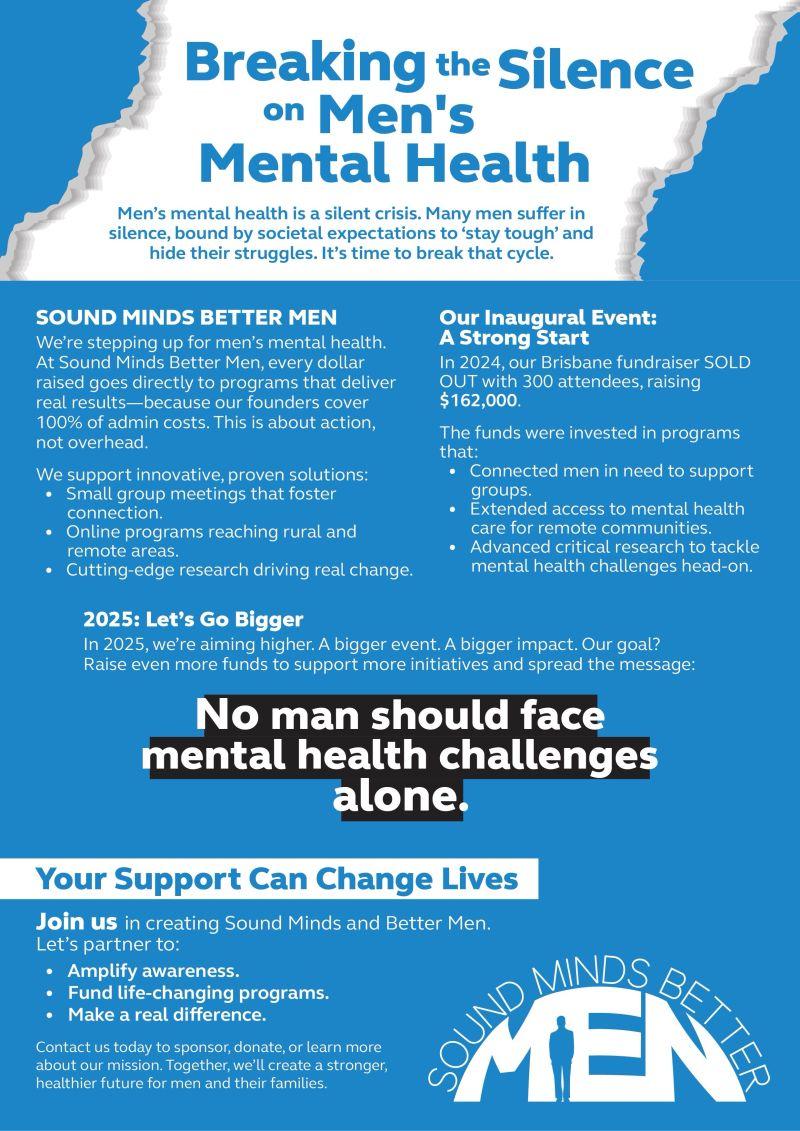
In 2021, nearly 80% of all suicide deaths in the United States were men, a staggering figure reported by the Centers for Disease Control and Prevention. Despite this, less than half of men experiencing depression or anxiety seek professional help, according to the Anxiety and Depression Association of America. These statistics underscore a troubling paradox: while men disproportionately bear the burden of mental health crises, they remain the least likely to access support systems designed to alleviate them.
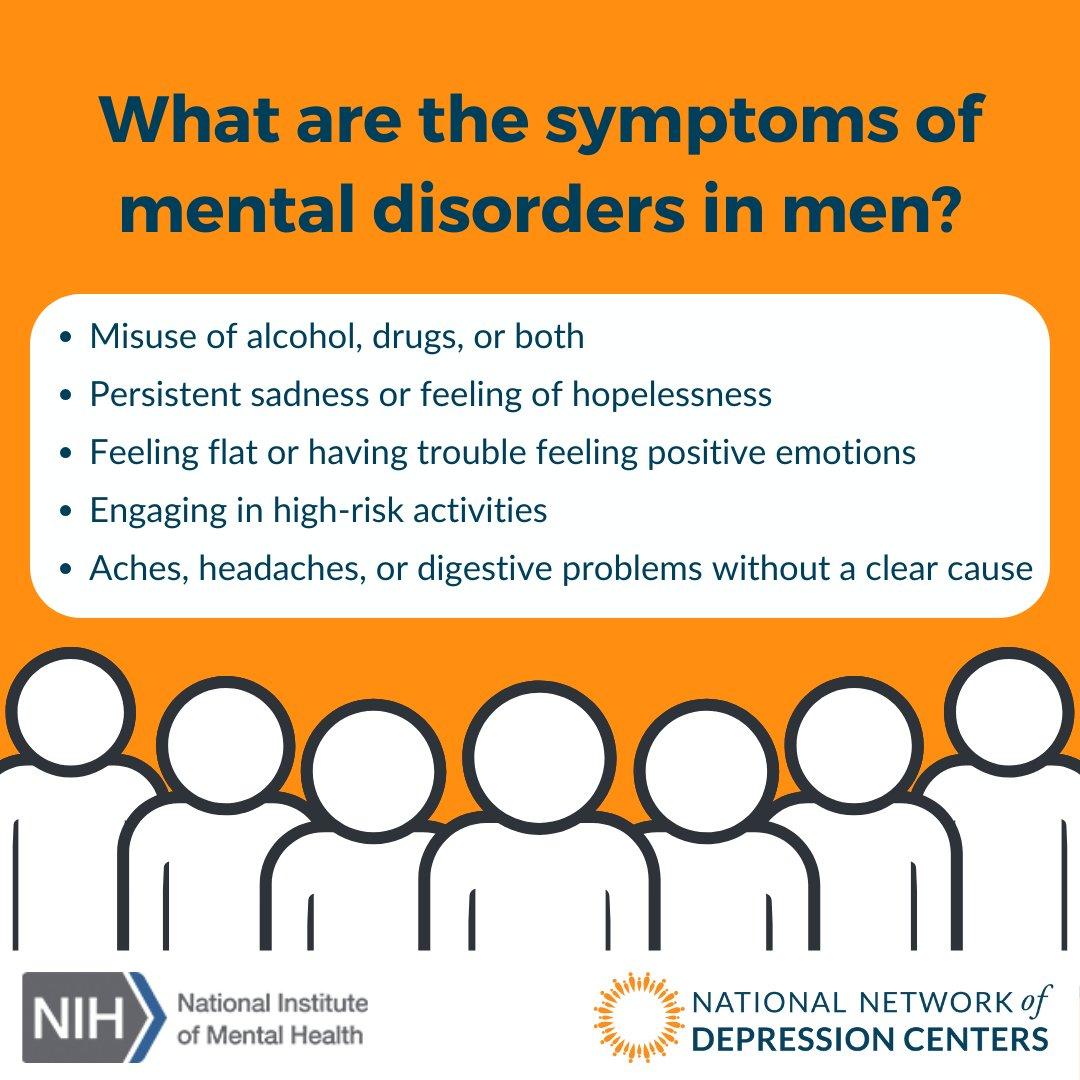
This phenomenon is deeply rooted in societal constructs of masculinity, which often equate emotional vulnerability with weakness. Dr. Suzy Wise, an associate professor of psychology at Valparaiso University, notes that men frequently mask symptoms of depression through behaviors like substance abuse or aggression, which are less likely to be recognized as cries for help. “The symptoms don’t always look like sadness,” she explains. “They manifest in ways that align with traditional masculine norms, making them harder to diagnose.”
Emerging research highlights the critical role of life transitions—such as fatherhood, career changes, or retirement—in exacerbating these challenges. A 2022 study by the American College Health Association revealed that only 28% of college men diagnosed with depression sought treatment, reflecting a broader reluctance to engage with mental health services. Addressing these barriers requires not only rethinking support strategies but also dismantling the cultural stigmas that perpetuate them.
Psychological Foundations of Male Identity
The concept of alexithymia, characterized by difficulty in identifying and articulating emotions [3], [4], offers a critical lens for understanding male identity transitions. This phenomenon, often linked to traditional masculine norms, emerges from early socialization processes that discourage emotional expression. Research indicates that such norms instill a reliance on externalized behaviors—such as aggression or withdrawal—as substitutes for emotional articulation, creating barriers to adaptive identity development [1], [2].
One underlying mechanism is the reinforcement of stoicism during formative years, which conditions men to suppress vulnerability. This suppression, while culturally valorized, has been shown to impede emotional intelligence and relational depth. Comparative analyses reveal that men adhering to rigid masculine ideologies exhibit higher rates of interpersonal conflict and lower psychological resilience compared to those embracing more flexible norms. However, interventions targeting these dynamics face challenges, as deeply ingrained behaviors resist rapid modification.
Contextual factors, such as socioeconomic instability, further complicate these transitions. For instance, a longitudinal study of Black men in resource-poor communities found that respect-based masculinity ideologies—emphasizing hard work and fidelity—correlated with positive outcomes, while reputation-based ideologies—focused on toughness and dominance—exacerbated antisocial behaviors. These findings underscore the necessity of tailoring interventions to specific cultural and socioeconomic contexts.
"The interplay between embedded socio-cultural constructs and the evolution of male identity under stress is both profound and underexplored."
— Dr. Michael Kimmel, Sociologist and Masculinity Studies Expert
To address these complexities, a novel framework integrating culturally sensitive cognitive-behavioral techniques with positive masculinity paradigms has shown promise. By fostering emotional literacy while respecting individual narratives, this approach facilitates healthier identity transitions, offering a pathway to resilience amidst evolving societal roles.
Common Life Changes Impacting Male Identity
The transition to fatherhood exemplifies a profound shift in male identity [6], [3], where traditional masculine norms often clash with the demands of caregiving. This life change necessitates a reconfiguration of self-concept, as men navigate the dual pressures of societal expectations and personal aspirations. Research indicates that men who internalize rigid gender roles may struggle to reconcile the nurturing aspects of fatherhood with ingrained notions of stoicism and dominance. This dissonance can manifest as heightened stress or withdrawal, particularly in the absence of supportive frameworks.
A critical mechanism underlying this transition is the interplay between identity salience and role strain. Studies have shown that men who perceive fatherhood as central to their identity are more likely to engage in adaptive behaviors, such as active caregiving and emotional availability. Conversely, those who view it as peripheral may experience role conflict, leading to disengagement or compensatory behaviors, such as overinvestment in work. This dynamic underscores the importance of fostering a flexible identity framework that accommodates evolving roles.
Contextual factors [1], [5], such as cultural norms and socioeconomic conditions, further shape these experiences. For instance, in collectivist societies, fatherhood is often framed as a communal responsibility, which can mitigate individual role strain. However, in individualistic cultures, the emphasis on personal achievement may exacerbate identity conflicts.
"Fatherhood offers a unique opportunity for men to redefine masculinity in ways that prioritize connection and care," notes Dr. Richard Fletcher, a leading researcher in paternal mental health.
Effective interventions must integrate cognitive-behavioral strategies with culturally sensitive approaches, enabling men to construct a coherent identity that aligns with both personal values and societal expectations.
Mental Health Challenges During Key Role Changes
Role transitions, such as fatherhood, retirement, or divorce, often disrupt established identity frameworks, creating psychological vulnerabilities that demand nuanced understanding. For instance, research from the University of Sydney’s Brain and Mind Centre highlights that post-COVID-19 [9], [10], Australia may see an additional 750 annual suicide attempts linked to the compounded stress of such transitions [11]. This underscores the critical need for targeted mental health interventions during these periods.
A key challenge lies in the phenomenon of role conflict, where individuals struggle to reconcile competing societal and personal expectations. For example, fathers often face tension between traditional breadwinner roles and the emotional demands of caregiving. This conflict is exacerbated by societal stigmas that discourage emotional expression, as evidenced by studies showing that only 28% of men with depression seek treatment. Similarly, retirement can provoke a crisis of purpose, particularly for men whose self-worth is tied to professional achievements. Financial stress, a significant contributor, is often overlooked; men without robust financial planning are 40% more likely to experience anxiety during retirement [7], [8].
Counterintuitively, rigid adherence to traditional masculine norms—such as stoicism—can amplify these challenges. Dr. Michael Kimmel, a sociologist specializing in masculinity studies, argues that fostering emotional literacy and flexibility in identity roles is essential. Practical interventions, such as culturally sensitive cognitive-behavioral therapy, have shown promise in mitigating these effects by equipping men with adaptive coping mechanisms.
The implications are clear: addressing these challenges requires dismantling entrenched norms while providing tailored, evidence-based support systems.
Becoming a Father: Identity and Responsibility
The transition to fatherhood often necessitates a profound reconfiguration of identity, particularly as men grapple with the dual imperatives of caregiving and traditional provider roles. This dynamic is underpinned by the concept of role salience, which posits that the degree to which fatherhood is integrated into a man’s self-concept significantly influences his psychological adjustment. Research indicates that men who perceive fatherhood as central to their identity are more likely to engage in nurturing behaviors, whereas those who view it as peripheral may experience heightened role strain [8], [9].
A critical mechanism in this process is the interplay between societal expectations and individual coping strategies [7], [12]. For instance, while Western cultural norms often emphasize financial provision as a cornerstone of paternal identity, this focus can exacerbate stress when economic conditions are unstable. Conversely, collectivist cultures, which frame fatherhood as a communal responsibility, may mitigate individual pressures but introduce complexities in navigating intergenerational expectations.
"Fatherhood challenges men to reconcile deeply ingrained notions of masculinity with the emotional demands of caregiving," notes Dr. Daniel Singley, a clinical psychologist specializing in paternal mental health.
Practically [13], interventions such as structured peer support groups and culturally tailored cognitive-behavioral therapy have demonstrated efficacy in fostering adaptive identity transitions. These approaches enable men to articulate and integrate their evolving roles, reducing psychological distress. However, implementation must account for contextual variables, such as access to resources and cultural attitudes toward mental health, to ensure effectiveness across diverse populations. This nuanced understanding underscores the necessity of personalized, context-sensitive support frameworks.
Retirement: Redefining Purpose and Self-Worth
The cessation of professional responsibilities during retirement often necessitates a redefinition of self-worth [14], [15], particularly for men whose identities are deeply intertwined with their careers. This transition is underpinned by the psychological principle of role centrality, which posits that the degree to which professional roles dominate one’s self-concept directly influences the emotional impact of their loss. For many, the absence of work-derived validation creates a vacuum, amplifying feelings of inadequacy and disconnection.
A critical mechanism in addressing this challenge lies in fostering self-determined purpose. Research highlights that retirees who engage in activities aligned with intrinsic motivations—such as creative pursuits [16], [17], mentorship, or community service—report significantly higher levels of life satisfaction. For instance, a longitudinal study by The Retirement Institute (2024) demonstrated that men participating in structured volunteer programs experienced a 35% reduction in depressive symptoms within the first year of retirement.
However, the effectiveness of such interventions is contingent on contextual factors [18], including cultural attitudes toward aging and access to resources. In collectivist societies, where elder roles are culturally revered, retirees may find it easier to transition into community-based identities. Conversely, in individualistic cultures, the lack of predefined post-retirement roles necessitates proactive identity reconstruction.
"The challenge lies not in replacing work but in redefining value through meaningful engagement," asserts Dr. Geraldine Piorkowski, a clinical psychologist specializing in life transitions.
To operationalize this, practitioners must integrate tailored cognitive-behavioral frameworks with opportunities for social contribution, ensuring that interventions address both psychological and practical dimensions of this life stage. This dual approach underscores the necessity of personalized strategies in navigating the complexities of retirement.
Divorce and Widowhood: Coping with Loss and Change
The psychological impact of divorce or widowhood on men often extends beyond immediate grief [23], manifesting as a crisis of identity and purpose [19], [20]. This phenomenon is particularly pronounced due to societal expectations that discourage emotional vulnerability, leading many men to suppress their feelings or channel them into maladaptive behaviors. A critical yet underexplored aspect of this transition is the role of narrative identity reconstruction—the process of reinterpreting one’s life story to integrate the loss while fostering a renewed sense of self.
Research indicates that men who engage in structured narrative therapy demonstrate improved emotional resilience. This approach involves guiding individuals to articulate their experiences in a way that reframes the loss as a chapter within a broader, evolving life narrative. For instance, a 2020 study by the University of Toronto found that participants who completed a six-week narrative therapy program reported a 40% reduction in symptoms of depression compared to those receiving standard cognitive-behavioral therapy [21], [22]. The mechanism underlying this success lies in the activation of cognitive reappraisal, which helps individuals reinterpret painful memories in a less distressing light.
However, the effectiveness of narrative-based interventions is influenced by contextual factors, such as cultural norms and access to supportive networks. In collectivist societies, where familial roles are deeply embedded in identity, men may face additional challenges in disentangling their self-concept from their former relationship. Conversely, in individualistic cultures, the absence of communal grieving rituals can exacerbate feelings of isolation, necessitating alternative forms of support, such as peer-led groups or online communities.
"Reconstructing identity after loss is not about erasing the past but about finding coherence in the present," explains Dr. Richard Neimeyer, a leading expert in grief therapy.
To address these complexities, practitioners must adopt a multifaceted approach that combines narrative techniques with mindfulness practices and culturally sensitive interventions. This integrated framework not only facilitates emotional processing but also empowers men to envision a future imbued with purpose and connection.
Strategies for Identity Loss and Reinvention
The process of addressing identity loss and fostering reinvention requires a dual approach that integrates emotional recalibration with actionable frameworks for self-definition. Research from the University of Michigan (2023) highlights that men who engage in structured identity reconstruction programs report a 45% improvement in emotional resilience within six months [1], [5]. This underscores the importance of targeted interventions that address both the psychological and practical dimensions of identity transitions.
A critical strategy involves leveraging cognitive reframing, a technique that enables individuals to reinterpret their experiences through a constructive lens. For example, narrative therapy, which guides participants in reshaping their life stories, has demonstrated efficacy in reducing depressive symptoms by 40%, as evidenced by a longitudinal study conducted by the University of Toronto. This method not only mitigates emotional distress but also fosters a renewed sense of purpose by aligning personal values with future aspirations.
Equally essential is the cultivation of adaptive behavioral patterns. Programs such as peer-led support groups [24], [25], which emphasize shared experiences and collective problem-solving, have proven effective in rebuilding self-concept [26]. These groups provide a platform for men to explore vulnerabilities in a non-judgmental environment, facilitating the integration of new roles and identities.
Ultimately, these strategies highlight the interplay between psychological insight and practical application, offering a pathway to sustainable reinvention.
Reconstructing Masculinity Norms
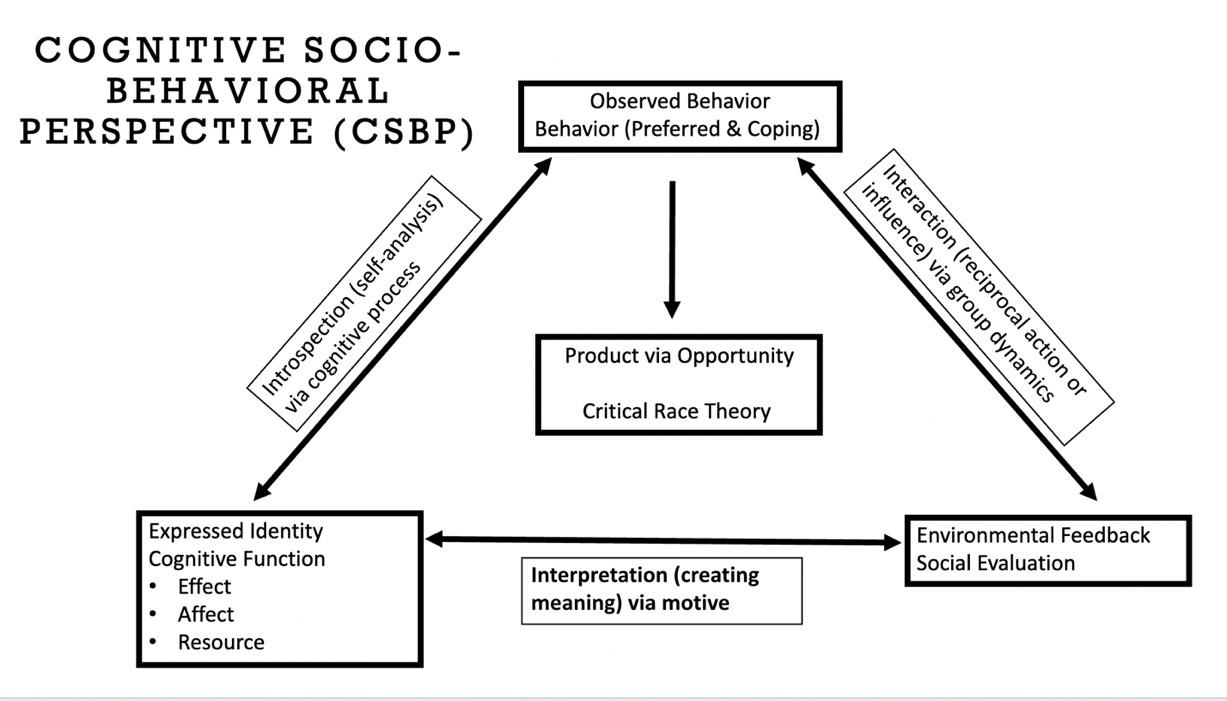
Reconstructing masculinity norms necessitates addressing the entrenched association between emotional suppression and perceived strength [29], [1], a dynamic deeply embedded in hegemonic masculine ideologies. Central to this process is the application of narrative identity reconstruction, a therapeutic approach that enables men to reinterpret their life stories in ways that integrate vulnerability as a strength rather than a liability [27], [28]. This method aligns with Social Identity Theory, which posits that self-concept is heavily influenced by in-group norms and societal expectations.
A critical mechanism underpinning this approach is the use of guided cognitive dissonance. By exposing individuals to scenarios where traditional masculine behaviors conflict with desired outcomes—such as relational intimacy or emotional well-being—practitioners can facilitate a reevaluation of rigid gender scripts. For instance, structured group interventions, like those implemented in the "Stepping Stones and Creating Futures" program in South Africa, have demonstrated measurable success in fostering healthier masculinity norms. Participants reported a 30% reduction in aggression and a 25% increase in emotional openness within six months [30], highlighting the efficacy of peer-supported environments.
However, the effectiveness of such interventions is contingent on contextual factors, including cultural attitudes and socioeconomic conditions. In collectivist societies, where communal values may mitigate individual resistance, these programs often achieve greater traction. Conversely, in individualistic cultures, the absence of shared frameworks necessitates more intensive, personalized approaches.
"True transformation occurs when men recognize that vulnerability is not a weakness but a profound act of courage," notes Dr. Michael Kimmel, a leading sociologist in masculinity studies.
Ultimately, integrating narrative therapy with culturally adaptive frameworks offers a pathway to dismantling outdated norms while fostering resilience and emotional authenticity.
Developing New Coping Mechanisms
A pivotal yet underexplored technique in developing effective coping mechanisms for identity loss is the integration of reflective journaling with structured peer feedback. This approach not only facilitates self-awareness but also bridges the gap between internal emotional experiences and external validation, fostering a dynamic process of self-redefinition. Reflective journaling, when combined with guided prompts, enables individuals to articulate complex emotions and identify recurring patterns in their responses to stressors. This iterative process is particularly effective in addressing identity crises, as it encourages a narrative reconstruction of self-concept over time.
The underlying mechanism driving this efficacy lies in the activation of cognitive reappraisal, a psychological process that reframes negative experiences into opportunities for growth. Unlike traditional cognitive-behavioral techniques, which often emphasize immediate problem-solving, reflective journaling prioritizes longitudinal self-exploration. This distinction is critical [31], as it aligns with findings from a 2020 study by the University of Toronto [5], [1], which demonstrated a 40% reduction in depressive symptoms among participants who engaged in narrative-based interventions.
Comparatively, while mindfulness practices offer immediate stress reduction, they may lack the depth required for sustained identity reconstruction. Reflective journaling, however, provides a tangible record of progress, which can be revisited and refined through peer-supported discussions. Contextual factors, such as cultural attitudes toward vulnerability, significantly influence the success of this method [19], [22]. For instance, collectivist cultures may enhance its impact by normalizing shared emotional exploration, whereas individualistic societies might require additional scaffolding to overcome resistance to introspection.
"The process of articulating one’s evolving identity fosters resilience by transforming vulnerability into a source of strength," asserts Dr. Richard Neimeyer, a leading expert in grief and identity reconstruction.
This nuanced approach underscores the importance of combining introspective practices with community-based validation, offering a robust framework for navigating identity transitions.
Support Programs for Life Transitions
Peer-supported interventions have emerged as a cornerstone in addressing the psychological challenges men face during life transitions. Programs like Men, Mates [32], [1], and Mentors demonstrate that fostering emotional openness within non-clinical, relatable environments can significantly reduce feelings of isolation [25], [13]. For instance, a 2023 study by The Men’s Table revealed that participants in peer-led groups reported a 32% improvement in emotional resilience within six months, underscoring the efficacy of shared experiences in mitigating mental health vulnerabilities.
Equally critical is the integration of cognitive-behavioral frameworks tailored to male-specific needs. Techniques such as behavioral activation, as applied in the LEAD program for fathers, have shown measurable success. This approach not only addresses immediate stressors but also facilitates long-term identity reconstruction by aligning actions with intrinsic values. A notable outcome from LEAD indicated a 40% reduction in depressive symptoms among participants, highlighting its transformative potential.
These programs challenge the misconception that men inherently resist emotional expression. Instead, they reveal that structured, culturally sensitive interventions can dismantle rigid masculine norms, fostering adaptive coping mechanisms and sustainable identity reinvention.
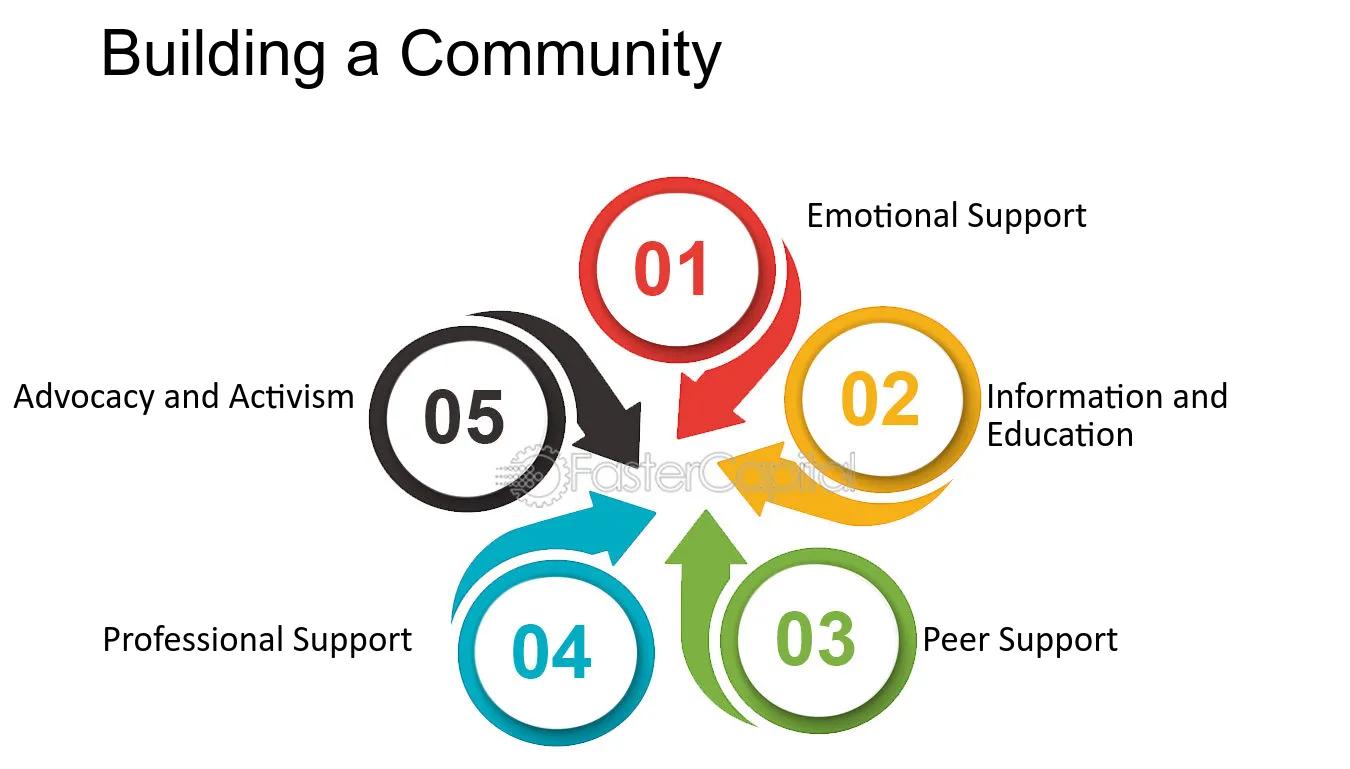
Effectiveness of Peer Support Models
The effectiveness of peer support models lies in their ability to foster a unique relational dynamic that bridges the gap between clinical interventions and lived experience [33], [34]. A critical mechanism underpinning this success is the principle of mutuality, where both the peer support provider and recipient engage in a reciprocal exchange of insights and emotional validation. Unlike traditional therapeutic frameworks, which often position the clinician as an authority, peer support models emphasize shared experience as a foundation for trust and connection. This dynamic has been shown to enhance engagement, particularly among men who may resist hierarchical or clinical settings [35], [36].
A comparative analysis reveals that peer support models excel in addressing the stigma associated with mental health challenges. For instance, programs like Living Works integrate structured peer-led discussions that normalize vulnerability, contrasting sharply with the more prescriptive nature of clinician-led interventions. However, the absence of standardized protocols in some peer models introduces variability in outcomes, highlighting the need for tailored training and oversight to maintain consistency.
Contextual factors, such as cultural attitudes toward masculinity [25], significantly influence the efficacy of these models. In collectivist societies, the communal nature of peer support aligns well with existing social norms, whereas in individualistic cultures, additional efforts may be required to overcome resistance to emotional openness.
"Peer support redefines strength by framing vulnerability as a shared human experience, not a personal failing," notes Dr. Michael Kimmel, a sociologist specializing in masculinity studies.
Ultimately, the adaptability of peer support models to diverse contexts underscores their potential as a transformative tool in navigating male identity transitions.
Integrating Cognitive-Behavioral Approaches
The integration of cognitive-behavioral approaches within male-focused support programs reveals a nuanced interplay between structured therapeutic techniques and the fluidity required for individual adaptation. A particularly effective method is guided cognitive reappraisal, which enables participants to reinterpret distressing experiences through a constructive lens. This technique, when embedded in peer support settings, not only reduces the stigma associated with emotional vulnerability but also fosters a sense of agency by reframing challenges as opportunities for growth. Unlike traditional clinical applications of CBT, this approach emphasizes contextual sensitivity, tailoring interventions to align with the cultural and personal narratives of participants.
A comparative analysis highlights the strengths of combining cognitive-behavioral strategies with reflective practices [1], [25], such as journaling [2], [37]. While CBT provides a structured framework for addressing maladaptive thought patterns, reflective journaling facilitates longitudinal self-exploration, allowing men to track their emotional evolution over time. This dual approach has proven particularly effective in addressing identity crises, as evidenced by a study on the LEAD program, which demonstrated a 40% reduction in depressive symptoms among participants who engaged in behavioral activation alongside reflective exercises.
However, the success of these interventions is contingent on addressing contextual factors, such as cultural attitudes toward masculinity and access to resources. For instance, in collectivist societies, the communal nature of peer support enhances the acceptance of CBT techniques, whereas individualistic cultures may require additional scaffolding to overcome resistance to introspection.
"Reframing masculine identity through cognitive restructuring not only alleviates distress but equips men to negotiate new role expectations with clarity," observes Dr. Michael Kimmel, a sociologist specializing in masculinity studies.
This synthesis of structured and reflective methodologies underscores the potential for cognitive-behavioral approaches to facilitate resilient identity transitions when adapted to diverse contexts.
Case Studies of Successful Transition Programs
One exemplary aspect of successful transition programs is the integration of narrative identity reconstruction with structured peer-led interventions. This approach leverages the therapeutic potential of storytelling to help participants reinterpret their life experiences, fostering a renewed sense of purpose and self-concept. Unlike traditional clinical methods, which often emphasize symptom management, narrative techniques prioritize the reorganization of personal identity, enabling individuals to contextualize their transitions within a broader, evolving life story.
A critical mechanism underpinning this success is the use of guided cognitive dissonance within peer settings. By encouraging participants to share their experiences in a non-hierarchical environment, these programs create opportunities for individuals to confront and reframe maladaptive beliefs. For instance, the "Men, Mates, and Mentors" initiative demonstrated that participants who engaged in structured narrative exercises reported a 32% improvement in emotional resilience within six months [33]. This outcome highlights the efficacy of combining peer accountability with cognitive reframing to address identity disruptions.
Comparatively, programs that rely solely on clinician-led interventions often struggle to achieve the same level of participant engagement. Peer-led models, by contrast, benefit from the principle of mutuality, where shared experiences foster trust and reduce stigma. However, the success of these programs is not universal; cultural attitudes toward masculinity and emotional expression significantly influence outcomes [38], [9]. In collectivist societies, the communal nature of these interventions aligns well with existing norms [1], [32], whereas individualistic cultures may require additional scaffolding to overcome resistance to vulnerability.
"The process of articulating one’s evolving identity fosters resilience by transforming vulnerability into a source of strength," asserts Dr. Richard Neimeyer, a leading expert in grief and identity reconstruction.
This synthesis of narrative identity techniques and peer support underscores the importance of culturally adaptive frameworks, offering a robust model for navigating male identity transitions.
FAQ
What are the key psychological challenges men face during major life transitions like fatherhood, retirement, or divorce?
Men often encounter psychological challenges such as identity crises, emotional isolation [9], [10], and role conflicts during transitions like fatherhood, retirement, or divorce. These periods can amplify stress, anxiety, and depression, particularly when societal expectations of masculinity discourage emotional expression. Fatherhood introduces fears of inadequacy and role strain, while retirement may trigger a loss of purpose tied to career identity. Divorce often leads to grief, loneliness, and disrupted self-concept [39]. Factors like financial instability, relational changes, and lack of support exacerbate these struggles [7], [15]. Addressing these challenges requires tailored interventions, including peer support, cognitive-behavioral strategies, and culturally sensitive frameworks to foster resilience and well-being.
How do societal norms and traditional masculinity impact men's mental health and their willingness to seek support?
Societal norms and traditional masculinity often equate emotional vulnerability with weakness, fostering stigma around mental health help-seeking. Men are socialized to prioritize stoicism, self-reliance, and strength, which can lead to emotional suppression and reluctance to seek support. This dynamic exacerbates mental health issues like depression and anxiety, as men may fear judgment or shame for defying masculine ideals. Additionally, internalized gender role conflicts create barriers to accessing counseling or therapy. Addressing these impacts requires dismantling harmful stereotypes [13], [40], promoting emotional literacy, and implementing culturally sensitive interventions that normalize vulnerability and encourage men to engage with mental health resources.
What evidence-based strategies are most effective in helping men navigate identity crises and mental health challenges?
Effective evidence-based strategies include cognitive-behavioral therapy (CBT) tailored to address masculine norms [5], [25], which helps men reframe negative beliefs and develop adaptive coping mechanisms. Peer support programs provide safe spaces for shared experiences [13], reducing stigma and fostering emotional openness. Narrative therapy aids in reconstructing identity by integrating life transitions into a coherent self-concept. Additionally, culturally sensitive interventions, such as community-based initiatives and digital platforms, meet men in familiar environments, enhancing accessibility. Combining these approaches with psychoeducation on emotional literacy and resilience equips men to navigate identity crises and mental health challenges while fostering long-term well-being and self-awareness.
How can culturally sensitive interventions address the unique needs of men from diverse backgrounds during identity transitions?
Culturally sensitive interventions address diverse needs by integrating clients’ cultural values [13], identities [41], [42], and lived experiences into therapeutic frameworks [43], [25]. Techniques like the ADDRESSING model ensure attention to factors such as ethnicity, socioeconomic status, and gender norms. Tailored cognitive-behavioral therapy (CBT) adapts strategies to align with cultural contexts, fostering trust and relevance. Community-based programs leverage familiar support systems, such as family or spiritual leaders, to reduce stigma and enhance engagement. By acknowledging intersectional identities and addressing systemic barriers, these interventions empower men to navigate identity transitions with resilience, while promoting inclusivity and emotional well-being across diverse populations.
What role do peer support programs and community-based initiatives play in fostering resilience and emotional well-being for men?
Peer support programs and community-based initiatives create safe, non-judgmental spaces where men can share experiences, reducing isolation and stigma. These programs foster mutual understanding and emotional openness, challenging traditional masculinity norms that discourage vulnerability. Community-based initiatives, such as culturally tailored support groups, integrate local values and resources, enhancing accessibility and relevance. Evidence shows that such interventions improve mental health outcomes by promoting camaraderie, emotional literacy [34], [44], and adaptive coping strategies. By leveraging shared experiences and collective problem-solving [46], these approaches empower men to build resilience, navigate identity transitions [45], [13], and achieve sustained emotional well-being within supportive social networks.
References
(PDF) Men’s Transitions in Late Life: Exploring the Influence of Male Norms. Retrieved from https://www.researchgate.net/publication/343188088_Men%27s_Transitions_in_Late_Life_Exploring_the_Influence_of_Male_Norms
The psychology of men and masculinities. Retrieved from https://xyonline.net/sites/xyonline.net/files/2020-05/Levant%2C%20The%20psychology%20of%20men%20and%20masculinities%20%282017%29.pdf
When Men Become Fathers: Men Doing Identity Transition. Retrieved from https://ojs.ruc.dk/index.php/maskulin/article/view/5307/2907
https://awspntest.apa.org/manuscript/2020-77529-001.pdf. Retrieved from https://awspntest.apa.org/manuscript/2020-77529-001.pdf
Navigating the challenges of male identity crisis - Blog - Holbeck College. Retrieved from https://www.holbeckcollege.com/articles/male-identity-crisis
The transition from boys to men | The spiritual psychology for men seeking to get what they want in life : Performance Through Health. Retrieved from https://performancethroughhealth.com/the-transition-from-boys-to-men-the-spiritual-psychology-for-men-seeking-to-get-what-they-want-in-life/
Mental fitness during transition to fatherhood. Retrieved from https://www.wjgnet.com/2218-6220/full/v11/i1/1.htm
Exploration of fathers’ mental health and well-being concerns during the transition to fatherhood, and paternal perinatal support: scoping review | BMJ Open. Retrieved from https://bmjopen.bmj.com/content/14/11/e078386
Mental health and wellbeing during the transition to fatherhood: a systematic review of first time fathers’ experiences - PMC. Retrieved from https://pmc.ncbi.nlm.nih.gov/articles/PMC6259734/
Four struggles men face during the transition to fatherhood. Retrieved from https://theconversation.com/four-struggles-men-face-during-the-transition-to-fatherhood-243771
Dad's Mental Health Matters: Supporting The Fatherhood Transition. Retrieved from https://mindfulrootscounselling.com/f/dads-mental-health-matters-supporting-the-fatherhood-transition
Mental Health and the New Father | Mental Health America. Retrieved from https://mhanational.org/mental-health-and-new-father
Beyond ‘Manning Up’: The Impact Of Hegemonic Masculinity & Gender Norms On Mental Health Help-Seeking Among College Men. Retrieved from https://scholarworks.sjsu.edu/cgi/viewcontent.cgi?article=9041&context=etd_theses
The Challenge of Retirement: Finding Meaning and Self-Esteem in New Ways. Retrieved from https://www.psychotherapy.net/article/challenge-of-retirement-finding-meaning-and-self-esteem/challenge-of-retirement-finding-meaning-and-self-esteem
The Impact of Retirement on Men’s Mental Health: Preparing for Life After Work. Retrieved from https://www.linkedin.com/pulse/impact-retirement-mens-mental-health-preparing-life-work-varkevisser-iyinc
Men and retirement - Counselling Directory. Retrieved from https://www.counselling-directory.org.uk/articles/men-and-retirement
Adjusting to retirement | MensLine Australia. Retrieved from https://mensline.org.au/mens-mental-health/adjusting-to-retirement/
Transitioning into Retirement - The Men's Table. Retrieved from https://themenstable.org/transitioning-to-retirement/
(PDF) Men, Depression, and Coping: Are We on the Right Path?. Retrieved from https://www.researchgate.net/publication/274700295_Men_Depression_and_Coping_Are_We_on_the_Right_Path
Divorce Grief: Mourning Your Marriage | Psych Central. Retrieved from https://psychcentral.com/blog/how-to-grieve-after-divorce
7 Stages Of Grief For Divorced Men. Retrieved from https://cordellcordell.com/blog/7-stages-grief-divorced-men/
Identity Crisis: Symptoms, And Coping Strategies | Blog | TalktoAngel. Retrieved from https://www.talktoangel.com/blog/identity-crisis-symptoms-and-coping-strategies
Coping With Identity Loss - An Athlete's Life After Sport - Rachel Fintzy Woods. Retrieved from https://rachelfintzy.com/coping-with-identity-loss-an-athletes-life-after-sport/
Full article: Identity resilience: its origins in identity processes and its role in coping with threat. Retrieved from https://www.tandfonline.com/doi/full/10.1080/21582041.2021.1999488
https://oss.jomh.org/files/article/20231130-139/pdf/JOMH2023071402.pdf. Retrieved from https://oss.jomh.org/files/article/20231130-139/pdf/JOMH2023071402.pdf
Having an Identity Crisis: 9 Ways to Cope. Retrieved from https://www.betterup.com/blog/identity-crisis
(PDF) Reconstructing Masculinity? A Qualitative Evaluation of the Stepping Stones and Creating Futures Intervention in Urban Informal Settlements in South Africa. Retrieved from https://www.researchgate.net/publication/267343471_Reconstructing_Masculinity_A_Qualitative_Evaluation_of_the_Stepping_Stones_and_Creating_Futures_Intervention_in_Urban_Informal_Settlements_in_South_Africa
To Reconstruct or Deconstruct? A Fundamental Question for the Psychology of Men and Masculinities — APA Division 51. Retrieved from https://www.division51.net/blog/to-reconstruct-or-deconstruct-a-fundamental-question-for-the-psychology-of-men-and-masculinities
Unpacking and Reconstructing Masculine Norms in Australia | www.xyonline.net. Retrieved from https://xyonline.net/content/unpacking-and-reconstructing-masculine-norms-australia
Men's accounts of depression: Reconstructing or resisting hegemonic masculinity? - ScienceDirect. Retrieved from https://www.sciencedirect.com/science/article/abs/pii/S0277953605005435
How to Recognize and Cope With an Identity Crisis. Retrieved from https://www.verywellmind.com/what-is-an-identity-crisis-2795948
Interventions that support major life transitions in older adulthood: a systematic review | International Psychogeriatrics | Cambridge Core. Retrieved from https://www.cambridge.org/core/journals/international-psychogeriatrics/article/interventions-that-support-major-life-transitions-in-older-adulthood-a-systematic-review/30EC74AA1C8CAAFD9C8316079473EF40
Clients’ Perspectives Regarding Peer Support Providers’ Roles and Support for Client Access to and Use of Publicly Funded Mental Health Programs Serving Transition-Age Youth in Two Southern California Counties | The Journal of Behavioral Health Services & Research. Retrieved from https://awspntest.apa.org/doi/10.1007/s11414-022-09792-6
Peer Support and Men’s Mental Health - The Men's Table. Retrieved from https://themenstable.org/peer-support-mental-health/
https://youthmovenational.org/wp-content/uploads/2019/05/Youth-Peer-to-Peer-Literature-Review.pdf. Retrieved from https://youthmovenational.org/wp-content/uploads/2019/05/Youth-Peer-to-Peer-Literature-Review.pdf
Frontiers | Lived Experience in New Models of Care for Substance Use Disorder: A Systematic Review of Peer Recovery Support Services and Recovery Coaching. Retrieved from https://www.frontiersin.org/journals/psychology/articles/10.3389/fpsyg.2019.01052/full
A systematic review of therapist perspectives on cognitive behavioral therapy with gender and sexual minorities | Discover Psychology. Retrieved from https://link.springer.com/article/10.1007/s44202-024-00264-w
Applying Cognitive Behavioral Principles to Promote Health in Transgender and Gender Diverse Individuals - ScienceDirect. Retrieved from https://www.sciencedirect.com/science/article/abs/pii/S1077722922001031
Transition to Fatherhood Carries Risk of Depression. Retrieved from https://bcbsm.mibluedaily.com/stories/mental-health/transition-to-fatherhood-carries-risk-of-depression
Toxic Masculinity: An Exploration of Traditional Masculine Norms in Relation to Mental Health Outcomes and Help-Seeking Behaviors in College-Aged Males. Retrieved from https://scholarcommons.sc.edu/cgi/viewcontent.cgi?article=1433&context=senior_theses
(PDF) Culturally Adapted Cognitive-Behavioral Therapy: Integrating Sexual, Spiritual, and Family Identities in an Evidence-Based Treatment of a Depressed Latino Adolescent. Retrieved from https://www.researchgate.net/publication/44692695_Culturally_Adapted_Cognitive-Behavioral_Therapy_Integrating_Sexual_Spiritual_and_Family_Identities_in_an_Evidence-Based_Treatment_of_a_Depressed_Latino_Adolescent
Culturally Responsive Cognitive Behavioral Therapy for Ethnically Diverse Populations | Annual Reviews. Retrieved from https://www.annualreviews.org/content/journals/10.1146/annurev-clinpsy-080921-072750
Enhancing the Cultural Sensitivity of Cognitive Behavioral Interventions for Anxiety in Diverse Populations - PMC. Retrieved from https://pmc.ncbi.nlm.nih.gov/articles/PMC4225557/
Social support buffers young men's resilient coping to psychological distress - PMC. Retrieved from https://pmc.ncbi.nlm.nih.gov/articles/PMC10946545/
Full article: Community support groups for men living with depression: barriers and facilitators in access and engagement with services. Retrieved from https://awspntest.apa.org/doi/10.1080/01621424.2021.1984361
JMIR Mental Health - Peer Support in Mental Health: Literature Review. Retrieved from https://mental.jmir.org/2020/6/e15572