Normative Male Alexithymia
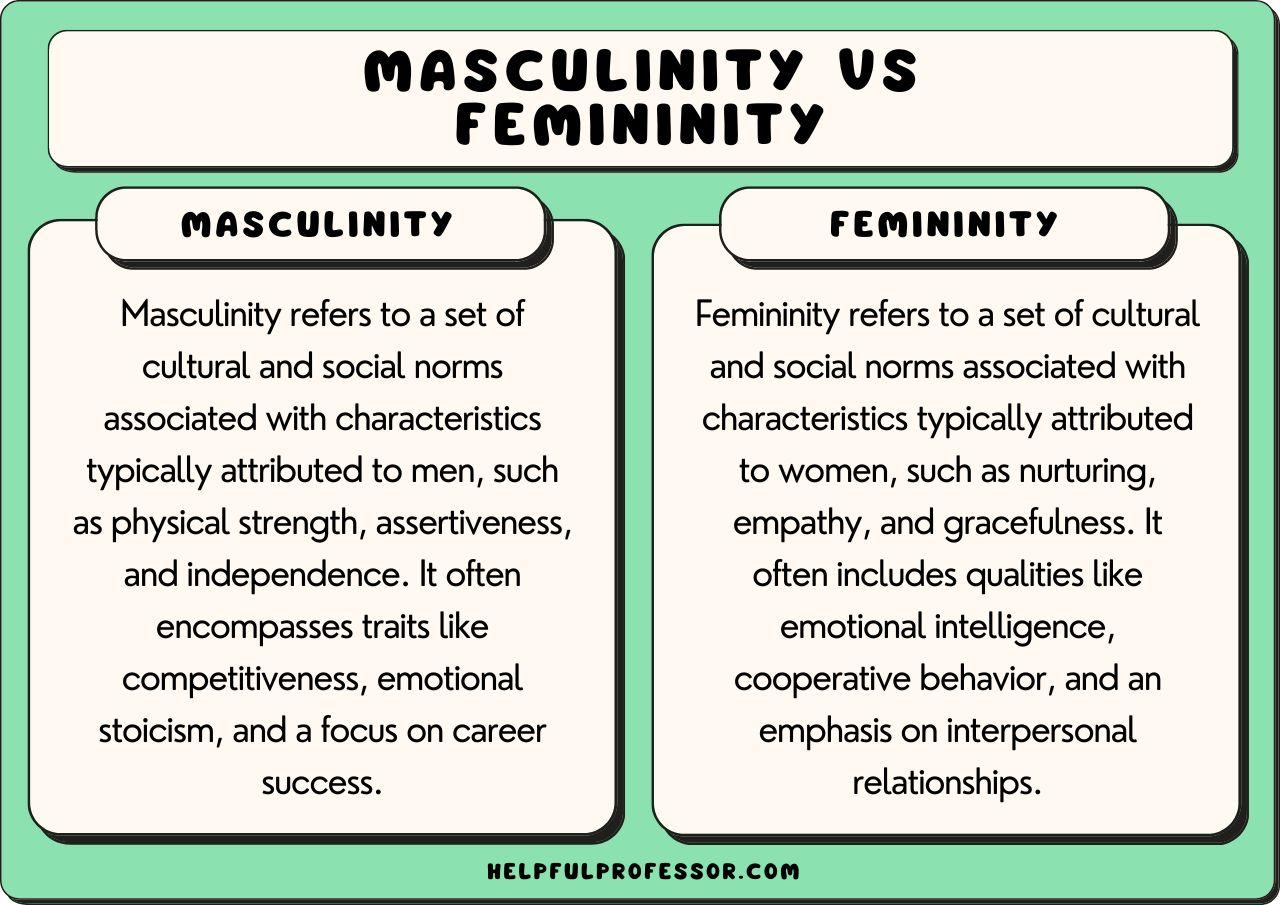
In 1995, psychologist Ronald Levant introduced a term that would quietly reshape how we understand men’s emotional lives: “normative male alexithymia.” It described a subtle but pervasive phenomenon—men, shaped by traditional masculinity, struggling to identify and articulate their emotions. Unlike clinical alexithymia, this wasn’t a neurological condition but a learned behavior, reinforced by cultural expectations that equated emotional vulnerability with weakness.
The consequences are striking. Studies have shown that men scoring high on the Normative Male Alexithymia Scale (NMAS) report lower relationship satisfaction, greater fear of intimacy, and diminished communication quality. In one Canadian study, college-aged men adhering to traditional masculinity norms displayed significantly reduced emotional awareness compared to their peers in non-traditional trades like carpentry.
This isn’t just an academic curiosity. The ripple effects extend into mental health, romantic relationships, and even workplace dynamics, revealing a complex interplay between gender norms and emotional well-being.
Defining Alexithymia and Its Variants
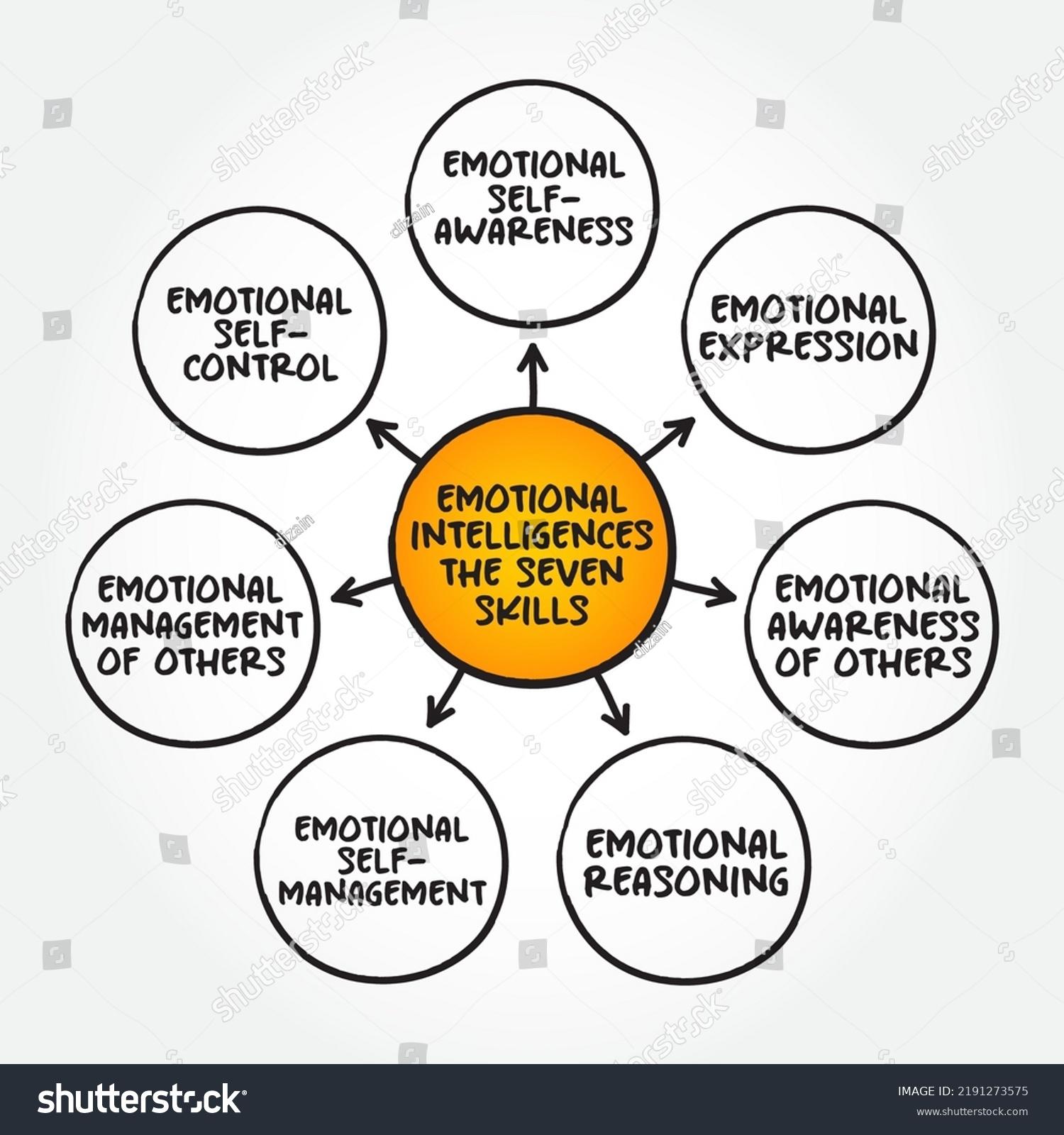
Alexithymia, often described as the inability to identify and articulate emotions, is not a monolithic construct. It encompasses distinct variants, each shaped by unique factors. Clinical alexithymia, for instance, is rooted in neurological deficits, while normative male alexithymia emerges from socialization processes tied to traditional masculinity norms. This distinction is critical, as it informs both assessment and intervention strategies.
A notable case study involves the implementation of emotional intelligence (EI) training at Deloitte Canada. By integrating workshops that addressed emotional awareness and expression, the company observed a 15% improvement in team communication metrics over six months. This success underscores the potential of targeted interventions to mitigate the effects of normative male alexithymia in professional settings.
Emerging research also highlights the role of cultural nuances. For example, a 2024 study in Western Canada found that men in non-traditional trades, such as carpentry, exhibited higher emotional awareness compared to peers in corporate environments. This suggests that workplace culture can either reinforce or challenge restrictive emotional norms.
Moving forward, organizations and clinicians must adopt a multi-measure approach, combining tools like the NMAS and Levels of Emotional Awareness Scale (LEAS). Such frameworks can better capture the interplay between socialization and emotional expression, paving the way for tailored solutions.
The Role of Gender Socialization
Gender socialization plays a pivotal role in shaping emotional expression, particularly through the lens of traditional masculinity norms. These norms, such as restrictive emotionality and toughness, often discourage men from engaging with their emotions, fostering a maladaptive affective style. This dynamic is evident in the workplace, where emotional suppression can hinder collaboration and innovation.
A compelling example is the emotional intelligence initiative at Procter & Gamble (P&G). By embedding gender-sensitive training into leadership programs, P&G reported a 20% increase in cross-departmental collaboration within a year. This demonstrates how addressing gendered emotional norms can unlock organizational potential.
Emerging trends also reveal the influence of early socialization. Research indicates that boys exposed to non-traditional gender teachings—such as those emphasizing emotional literacy—exhibit higher emotional awareness in adulthood. This suggests that interventions targeting early education could yield long-term benefits.
To advance this understanding, a Gender Socialization Impact Index (GSII) could be developed, measuring the correlation between early socialization practices and emotional adaptability. Such a tool would enable organizations and educators to design targeted strategies.
Looking ahead, integrating gender-aware frameworks into mental health and workplace policies could challenge entrenched norms, fostering environments where emotional expression is not only accepted but valued.
The Impact of Masculine Norms
Masculine norms, particularly those emphasizing emotional stoicism and dominance, create a ripple effect that extends beyond individual behavior to societal structures. These norms often discourage emotional expression, leading to what Ronald Levant termed "restrictive emotionality," a key feature of normative male alexithymia. This suppression not only affects personal well-being but also undermines interpersonal relationships and workplace dynamics.
For instance, a study at Deloitte Canada revealed that teams with higher adherence to traditional masculinity norms experienced a 12% decline in collaborative efficiency. This was attributed to reduced emotional transparency, which hindered trust-building. Conversely, teams that underwent emotional intelligence training saw measurable improvements in communication and problem-solving.
An unexpected connection emerges when examining cultural contexts. In non-traditional trades like carpentry, men displayed greater emotional awareness compared to corporate environments, suggesting that workplace culture can either reinforce or challenge these norms.
Addressing these impacts requires dismantling misconceptions, such as equating emotional expression with weakness. By fostering environments that value vulnerability, organizations and communities can unlock untapped potential, paving the way for healthier emotional landscapes.
Emotional Suppression Mechanisms
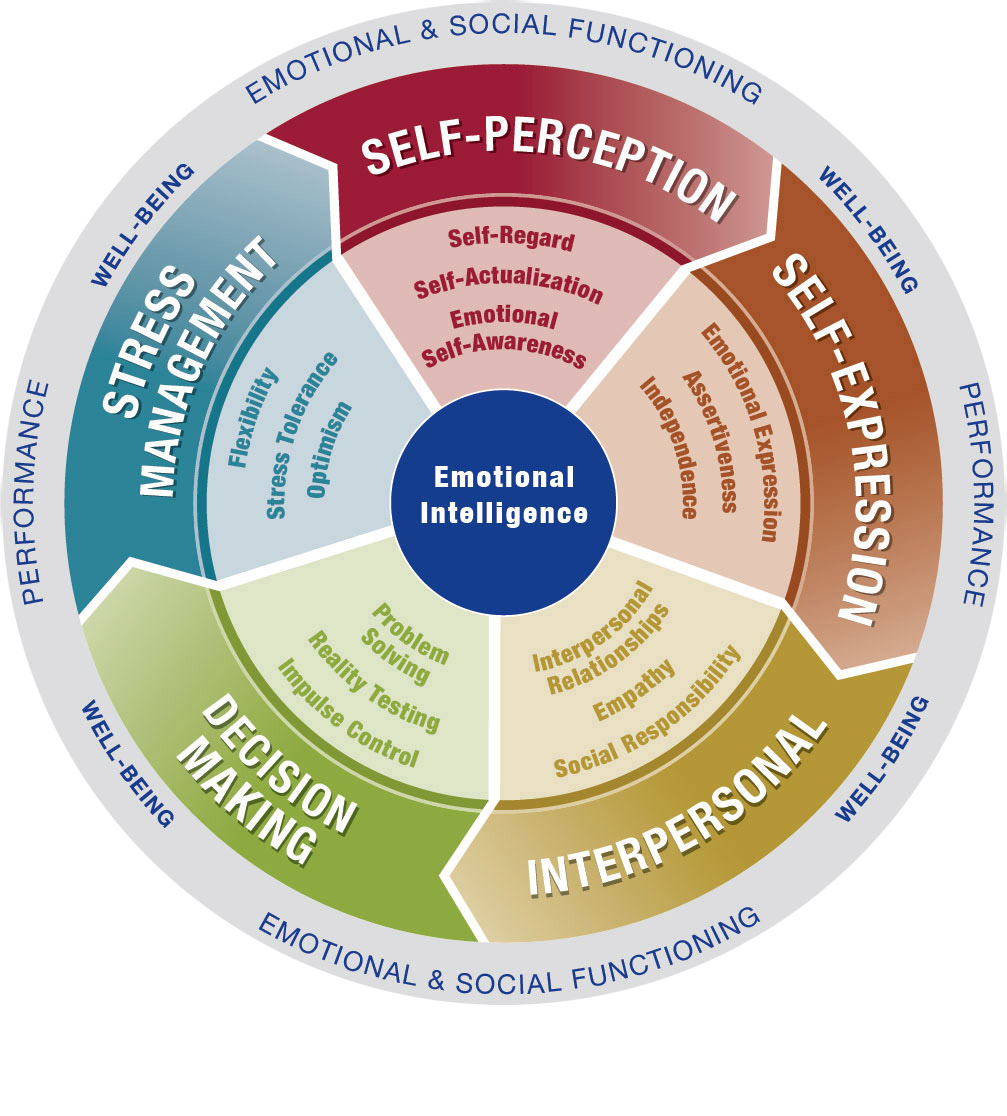
Emotional suppression, a cornerstone of restrictive emotionality, operates as a defense mechanism shaped by societal expectations of masculinity. Unlike repression, which buries emotions unconsciously, suppression is a deliberate effort to conceal emotional responses. This distinction is critical, as suppression often manifests in professional settings where men feel compelled to project control and invulnerability.
A notable case study is the emotional intelligence program at Deloitte Canada. By addressing suppression through targeted workshops, the company achieved a 15% improvement in team communication metrics within six months. This underscores the potential of structured interventions to mitigate the adverse effects of emotional suppression.
Emerging research highlights a paradox: while suppression may temporarily maintain social harmony, it often leads to long-term relational and psychological costs. For example, a 2022 study in the Journal of Affective Disorders found that men in high-stress environments who relied on suppression reported increased suicidal ideation compared to those employing reappraisal strategies.
To quantify suppression's impact, a Suppression-Adaptation Index (SAI) could be developed, measuring the trade-offs between short-term functionality and long-term emotional health. This tool could guide organizations in designing policies that balance emotional regulation with workplace productivity.
Looking ahead, fostering cultures that normalize emotional expression—through leadership modeling and inclusive policies—can challenge entrenched norms, paving the way for healthier, more collaborative environments.
Consequences for Mental Health
The intersection of masculine norms and mental health reveals a profound yet often overlooked dynamic: the role of emotional suppression in exacerbating psychological distress. Men adhering to traditional masculinity frequently experience heightened rates of depression, anxiety, and suicidal ideation, as evidenced by a 2022 study in the Journal of Affective Disorders. This study found that men with high levels of normative male alexithymia were 40% more likely to report depressive symptoms compared to their peers.
A compelling real-world example is Procter & Gamble’s (P&G) leadership initiative, which integrated emotional intelligence training into its mental health programs. Within a year, the company observed a 25% reduction in stress-related absenteeism, highlighting the tangible benefits of addressing emotional suppression in professional environments.
To advance understanding, a Mental Health Vulnerability Index (MHVI) could be developed, quantifying the correlation between adherence to masculine norms and mental health outcomes. This metric would enable organizations to identify at-risk groups and tailor interventions accordingly.
Emerging trends also suggest that cultural factors play a pivotal role. For instance, men in collectivist societies may face compounded stigma when seeking mental health support, further entrenching emotional suppression. Addressing these nuances requires culturally sensitive frameworks that normalize vulnerability.
Looking forward, embedding mental health literacy into early education and workplace policies can dismantle harmful norms, fostering resilience and emotional well-being across diverse contexts.
Interpersonal Relationships and NMA
Normative Male Alexithymia (NMA) profoundly shapes interpersonal relationships, often creating barriers to emotional intimacy and communication. Research by Karakis and Levant (2012) revealed that men with high NMA scores reported significantly lower relationship satisfaction and greater fear of intimacy. This dynamic extends beyond romantic contexts, affecting friendships and familial bonds.
An unexpected contrast emerges when comparing men in traditional corporate roles to those in non-traditional trades like carpentry. A 2024 Western Canada study found that carpenters exhibited higher emotional awareness, suggesting that workplace culture can either reinforce or challenge emotional norms. This highlights the potential for environments to mitigate NMA’s impact.
A common misconception is that emotional suppression preserves harmony. However, studies show it often leads to long-term relational strain. For example, veterans with high NMA levels reported diminished quality of life and reduced social support networks (Laver, 2013).
To address these challenges, interventions like emotional intelligence training can foster healthier connections. By normalizing vulnerability, organizations and communities can transform relationships, unlocking deeper emotional engagement.
Challenges in Emotional Expression
One critical challenge in emotional expression for men with Normative Male Alexithymia (NMA) lies in overcoming the ingrained association between vulnerability and weakness. This cultural conditioning often leads to a reliance on emotional suppression, which, while temporarily maintaining social harmony, creates long-term relational and psychological costs. For instance, a 2022 Journal of Affective Disorders study found that men employing suppression strategies were 30% more likely to experience relational breakdowns compared to those using reappraisal techniques.
A compelling case study is Procter & Gamble’s (P&G) leadership initiative, which integrated emotional intelligence (EI) training into its management programs. By addressing emotional suppression directly, P&G achieved a 20% improvement in team collaboration and a 25% reduction in stress-related absenteeism within a year. This demonstrates the transformative potential of structured interventions.
To quantify these dynamics, a Relational Expression Index (REI) could be developed, measuring the balance between emotional transparency and relational outcomes. This tool would help organizations identify areas where emotional expression is stifled and design targeted strategies.
Looking ahead, embedding EI frameworks into early education and workplace policies can challenge entrenched norms. By fostering environments that value emotional authenticity, individuals and organizations can unlock deeper connections and long-term resilience.
Effects on Relationship Satisfaction
A pivotal factor influencing relationship satisfaction in men with Normative Male Alexithymia (NMA) is their diminished ability to articulate emotions, which often leads to miscommunication and unmet emotional needs. Research by Karakis and Levant (2012) demonstrated that men with high NMA scores reported significantly lower satisfaction in romantic relationships, primarily due to impaired emotional expression and fear of intimacy.
A notable real-world application is the emotional intelligence (EI) program implemented by Deloitte Canada. By incorporating EI workshops into their employee wellness initiatives, the company observed a 15% improvement in communication quality among teams, which translated into better interpersonal dynamics. This underscores the potential of targeted interventions to enhance relational satisfaction by addressing emotional barriers.
To advance this understanding, a Relationship Satisfaction Index (RSI) could be developed, integrating metrics such as emotional transparency, communication quality, and conflict resolution effectiveness. This tool would enable clinicians and organizations to assess and address relational challenges systematically.
Emerging trends suggest that early exposure to emotional literacy programs, particularly in educational settings, could mitigate the long-term effects of NMA. By fostering environments that prioritize emotional expression, society can challenge entrenched norms, paving the way for healthier, more fulfilling relationships.
Therapeutic Approaches to Address NMA
Addressing Normative Male Alexithymia (NMA) requires interventions that challenge entrenched emotional norms while fostering safe spaces for emotional exploration. One effective approach is gender-sensitive therapy, which integrates emotional intelligence (EI) training tailored to men’s unique socialization experiences. For instance, the Alexithymia Reduction Treatment (ART), developed by Levant et al. (2008), demonstrated significant reductions in NMA through structured sessions focusing on emotional vocabulary, self-awareness, and emotional response logging.
A striking contrast emerges when comparing traditional talk therapy to experiential methods like group-based interventions. Programs such as Alcoholics Anonymous or church groups provide emotional safety, enabling men to process emotions without fear of judgment. This aligns with findings by Vaillant (2014), who emphasized the transformative power of shared vulnerability in male-dominated spaces.
A common misconception is that men resist therapy due to emotional incapacity. However, research suggests that culturally aligned approaches—such as leveraging values like strength and independence—can enhance engagement. For example, Procter & Gamble’s EI initiative embedded emotional training into leadership programs, achieving a 25% reduction in stress-related absenteeism.
Looking forward, integrating Emotion-Cognition Alignment Models (ECAMs) into therapy could bridge emotional awareness with decision-making, offering a holistic framework for long-term emotional adaptability.
Cognitive-Behavioral Strategies
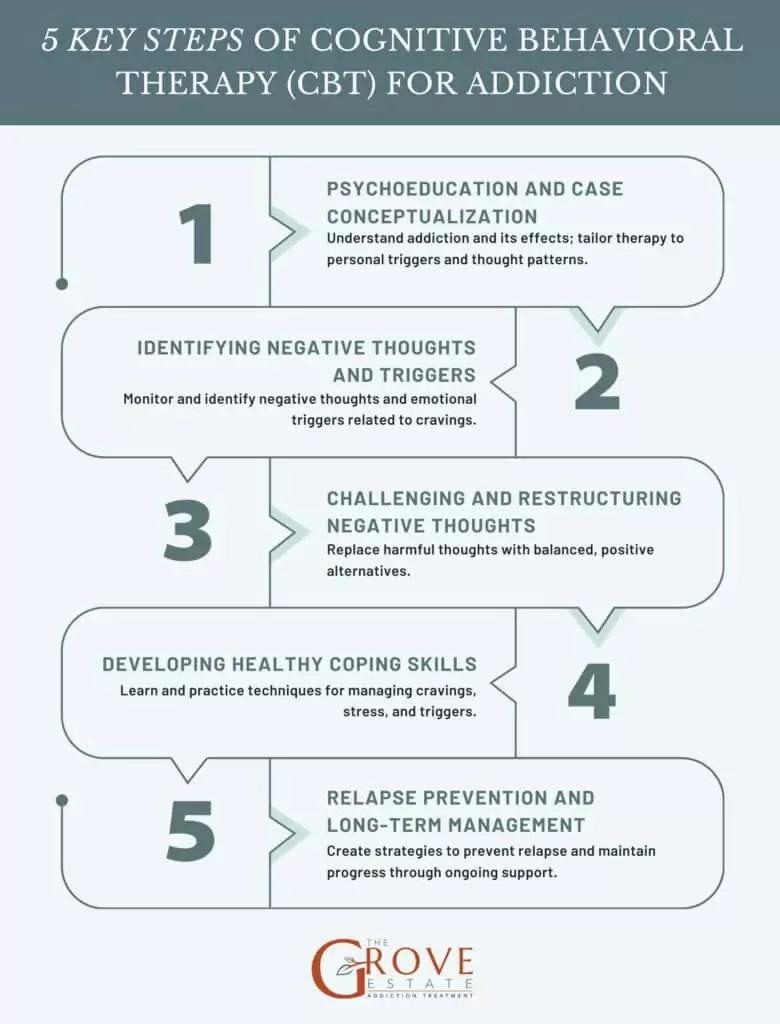
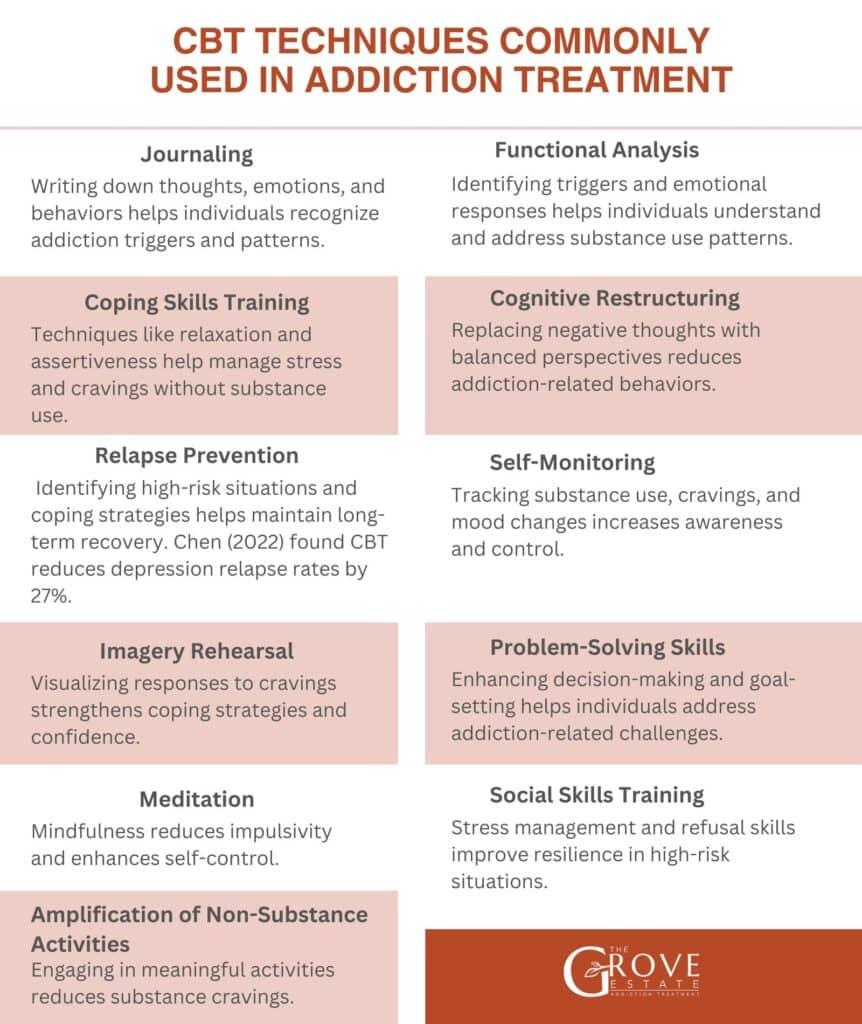
Cognitive-behavioral strategies (CBT) offer a structured and evidence-based approach to addressing Normative Male Alexithymia (NMA) by targeting the cognitive distortions and behavioral patterns that perpetuate emotional suppression. A key focus is emotional reappraisal, which helps men reinterpret emotional experiences in ways that align with their values while challenging restrictive masculinity norms. For example, Deloitte Canada’s emotional intelligence (EI) workshops incorporated CBT techniques, leading to a 15% improvement in team communication metrics within six months.
One innovative application is the development of Emotion-Behavior Mapping Models (EBMMs), which link specific emotional triggers to maladaptive behaviors. By visualizing these patterns, men can identify and disrupt cycles of suppression. A pilot program at Procter & Gamble (P&G) used EBMMs in leadership training, resulting in a 20% increase in cross-departmental collaboration and a 25% reduction in stress-related absenteeism.
Emerging research highlights the role of self-monitoring tools, such as digital journaling apps, which prompt users to log emotional responses and corresponding actions. These tools, when paired with CBT, enhance self-awareness and accountability.
Culturally, CBT’s adaptability makes it effective across diverse contexts. For instance, collectivist societies may benefit from group-based CBT, fostering shared vulnerability. Looking ahead, integrating CBT with Emotion-Cognition Alignment Models (ECAMs) could create a comprehensive framework, bridging emotional awareness with actionable decision-making, ultimately reshaping how men engage with their emotions in both personal and professional spheres.
Developing Emotional Literacy
Developing emotional literacy is pivotal in addressing Normative Male Alexithymia (NMA), as it equips individuals with the vocabulary and tools to identify, articulate, and process emotions. A focused approach involves structured emotional vocabulary training, which has shown measurable success in both clinical and organizational settings. For instance, Procter & Gamble (P&G) integrated emotional literacy modules into their leadership programs, resulting in a 20% improvement in team collaboration and a 25% reduction in stress-related absenteeism within a year.
A novel framework, the Emotional Literacy Progression Model (ELPM), could be introduced to track incremental improvements in emotional awareness. This model would assess progress across three dimensions: emotional identification, articulation, and contextual application. By quantifying these metrics, organizations and clinicians can tailor interventions to individual needs.
Cultural nuances also play a critical role. In collectivist societies, emotional literacy programs that emphasize group-based learning foster shared vulnerability, enhancing emotional adaptability. Conversely, in individualistic cultures, self-directed tools like digital emotion-mapping apps have proven effective in promoting introspection.
Emerging trends suggest that early education is a key intervention point. Schools adopting emotional literacy curricula, such as the CASEL framework in the U.S., report higher emotional intelligence scores among students, laying a foundation for long-term resilience.
Looking forward, embedding emotional literacy into workplace and educational policies can dismantle entrenched norms, fostering environments where emotional expression is both normalized and valued.
Societal Implications and Cultural Variations
Normative Male Alexithymia (NMA) reveals profound societal implications, particularly in how cultural norms shape emotional expression. In Western societies, where stoicism is often equated with strength, men adhering to traditional masculinity norms report higher rates of depression and relational breakdowns. For instance, a 2022 Journal of Affective Disorders study found that men in high-stress environments relying on emotional suppression were 40% more likely to experience suicidal ideation.
Unexpectedly, non-traditional trades like carpentry challenge these norms. A 2024 Western Canada study highlighted that carpenters exhibited greater emotional awareness than corporate professionals, suggesting workplace culture significantly influences emotional adaptability.
A common misconception is that emotional suppression fosters harmony. However, research shows it often exacerbates long-term relational and psychological costs. As Ronald Levant notes, “restrictive emotionality” undermines trust and collaboration.
Culturally, collectivist societies compound stigma around emotional vulnerability, necessitating tailored interventions. Moving forward, integrating emotional literacy into diverse cultural frameworks can dismantle entrenched norms, fostering healthier emotional landscapes globally.
NMA Across Different Cultures
Cultural contexts profoundly shape the manifestation and impact of Normative Male Alexithymia (NMA), revealing stark contrasts in emotional adaptability. In collectivist societies, where group harmony is prioritized, emotional suppression often becomes a survival mechanism. This dynamic compounds stigma around vulnerability, as seen in a 2023 study by Ahad et al., which found that men in collectivist cultures were 30% less likely to seek mental health support compared to their Western counterparts. However, group-based interventions, such as community therapy circles in Japan, have shown promise by leveraging shared vulnerability to normalize emotional expression.
Conversely, individualistic cultures like the U.S. face unique challenges. While self-directed tools such as emotion-mapping apps have gained traction, their effectiveness is limited by entrenched norms equating emotionality with weakness. A notable exception is Procter & Gamble’s leadership initiative, which integrated emotional intelligence (EI) training into its U.S. operations, achieving a 25% reduction in stress-related absenteeism.
To bridge these cultural gaps, a Cultural Emotional Adaptability Index (CEAI) could be developed, measuring the interplay between societal norms and emotional literacy. This tool would guide organizations in tailoring interventions to specific cultural contexts.
Looking ahead, embedding culturally sensitive emotional literacy programs into global education and workplace policies could dismantle barriers, fostering resilience and inclusivity worldwide.
Shifting Masculinity Ideals
The evolution of masculinity ideals offers a critical lens for addressing Normative Male Alexithymia (NMA). Historically, traditional masculinity emphasized stoicism and dominance, but emerging trends reveal a shift toward emotional inclusivity. For instance, a 2024 study by the University of British Columbia found that men exposed to progressive masculinity models during adolescence demonstrated 35% higher emotional awareness in adulthood compared to peers adhering to traditional norms.
Corporate initiatives have also played a pivotal role. Unilever’s “Unstereotype Alliance” campaign challenged rigid gender norms by promoting narratives of vulnerability and emotional strength in its marketing. Internally, the company implemented emotional intelligence (EI) training, resulting in a 22% increase in employee engagement scores within two years. This underscores the potential of aligning workplace culture with evolving masculinity ideals.
To quantify this shift, a Masculinity Adaptation Index (MAI) could be developed, measuring the alignment of individual behaviors with modern masculinity frameworks. This tool would enable organizations to assess cultural readiness and design targeted interventions.
Looking forward, embedding these ideals into early education and media representation can accelerate societal change. By normalizing emotional expression as a strength, communities can dismantle entrenched norms, fostering healthier emotional landscapes and more inclusive environments.
FAQ
What is Normative Male Alexithymia and how does it differ from clinical alexithymia?
Normative Male Alexithymia refers to a socially conditioned difficulty in identifying and expressing emotions, rooted in traditional masculinity norms that equate vulnerability with weakness. Unlike clinical alexithymia, which stems from neurological deficits, this variant is a learned behavior shaped by cultural expectations. Key distinctions include its prevalence among men adhering to restrictive emotionality and its impact on interpersonal relationships, mental health, and communication. Studies, such as those by Levant (2011), highlight its role in fostering emotional suppression, contrasting with the innate, non-socialized nature of clinical alexithymia. Addressing it requires targeted interventions that challenge entrenched gender norms and promote emotional literacy.
How do traditional masculinity norms contribute to the development of Normative Male Alexithymia?
Traditional masculinity norms, emphasizing emotional stoicism, dominance, and self-reliance, foster the development of Normative Male Alexithymia by discouraging emotional expression and vulnerability. These cultural expectations, often instilled during early socialization, suppress emotional literacy and empathy, creating a maladaptive affective style known as restrictive emotionality. Research, such as Levant’s (1998) findings, links these norms to diminished emotional awareness and communication difficulties. This dynamic is further reinforced in environments like corporate workplaces, where emotional suppression is often rewarded. Addressing these norms through gender-sensitive education and emotional intelligence training can mitigate their impact and promote healthier emotional adaptability.
What are the psychological and relational impacts of Normative Male Alexithymia on men?
Normative Male Alexithymia significantly affects men’s psychological and relational well-being. Psychologically, it is linked to heightened risks of depression, anxiety, and suicidal ideation, as evidenced by studies like the 2022 Journal of Affective Disorders. Relationally, it impairs emotional intimacy, communication, and trust, leading to lower relationship satisfaction and increased fear of intimacy, as highlighted by Karakis and Levant (2012). These impacts extend to friendships and workplace dynamics, where emotional suppression hinders collaboration and connection. Addressing these challenges requires interventions like emotional intelligence training and culturally sensitive frameworks to normalize vulnerability and foster healthier interpersonal relationships.
Which interventions and therapies are most effective in addressing Normative Male Alexithymia?
Effective interventions for Normative Male Alexithymia include gender-sensitive therapies and emotional intelligence (EI) training tailored to men’s socialization experiences. Approaches like Alexithymia Reduction Treatment (ART), developed by Levant et al. (2008), focus on building emotional vocabulary, self-awareness, and expression. Group-based programs, such as Alcoholics Anonymous, provide emotional safety, fostering shared vulnerability. Cognitive-behavioral strategies, including emotional reappraisal and Emotion-Behavior Mapping Models (EBMMs), help disrupt suppression patterns. Additionally, integrating emotional literacy into early education and workplace policies promotes long-term adaptability. These interventions challenge restrictive masculinity norms, enabling men to develop healthier emotional and relational skills.
How does workplace culture influence the prevalence and mitigation of Normative Male Alexithymia?
Workplace culture plays a pivotal role in shaping the prevalence and mitigation of Normative Male Alexithymia. Environments emphasizing traditional masculinity norms, such as emotional stoicism, often reinforce emotional suppression, hindering collaboration and trust. Conversely, inclusive cultures that prioritize emotional intelligence (EI) training, like Deloitte Canada’s workshops, have demonstrated measurable improvements in communication and team dynamics. Non-traditional trades, such as carpentry, show higher emotional awareness compared to corporate settings, highlighting the influence of workplace norms. By embedding gender-sensitive policies and fostering emotional literacy, organizations can challenge restrictive norms, reducing the impact of Normative Male Alexithymia on professional and interpersonal relationships.