Normative Male Alexithymia
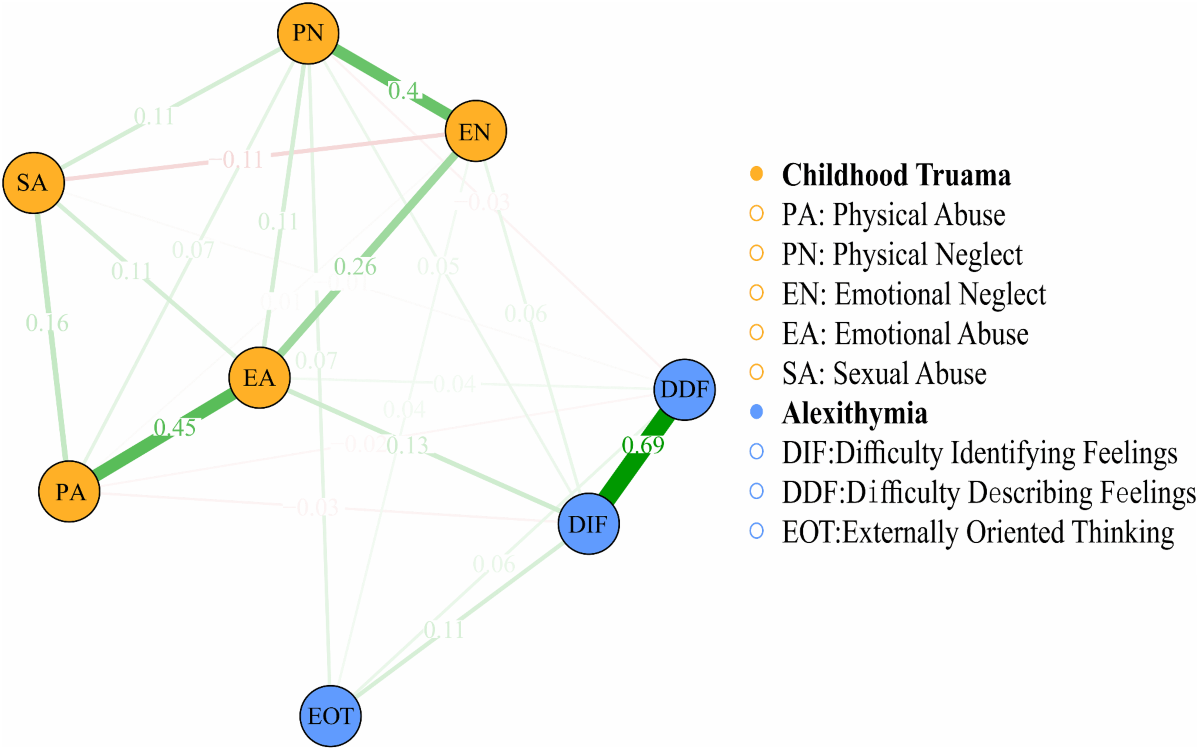
In 2011, a study led by Dr. Ronald Levant, a former president of the American Psychological Association, revealed a striking pattern: men scoring high on measures of alexithymia—a condition characterized by difficulty identifying and expressing emotions—consistently struggled with words for emotions tied to vulnerability and attachment. This phenomenon, termed "Normative Male Alexithymia," is not rooted in biology but in the rigid scaffolding of traditional masculinity. From early childhood, boys are often conditioned to suppress emotional expression, a practice reinforced by societal norms that equate stoicism with strength.
The implications of this conditioning are profound. Research published in The American Psychologist (2011) demonstrated that men with higher levels of alexithymia were more likely to experience interpersonal difficulties, including strained relationships and diminished emotional intimacy. These findings align with broader studies, such as the 2015–2016 Australian Survey of Social Attitudes, which documented a complex emotional landscape among men, marked by suppressed primary emotions and heightened secondary feelings like stress and loneliness.
This dynamic is not merely a personal struggle but a public health concern. As Dr. Levant observed, "Restrictive emotionality is linked to mental health issues in men," underscoring the urgent need to interrogate and dismantle the cultural scripts that perpetuate emotional suppression.
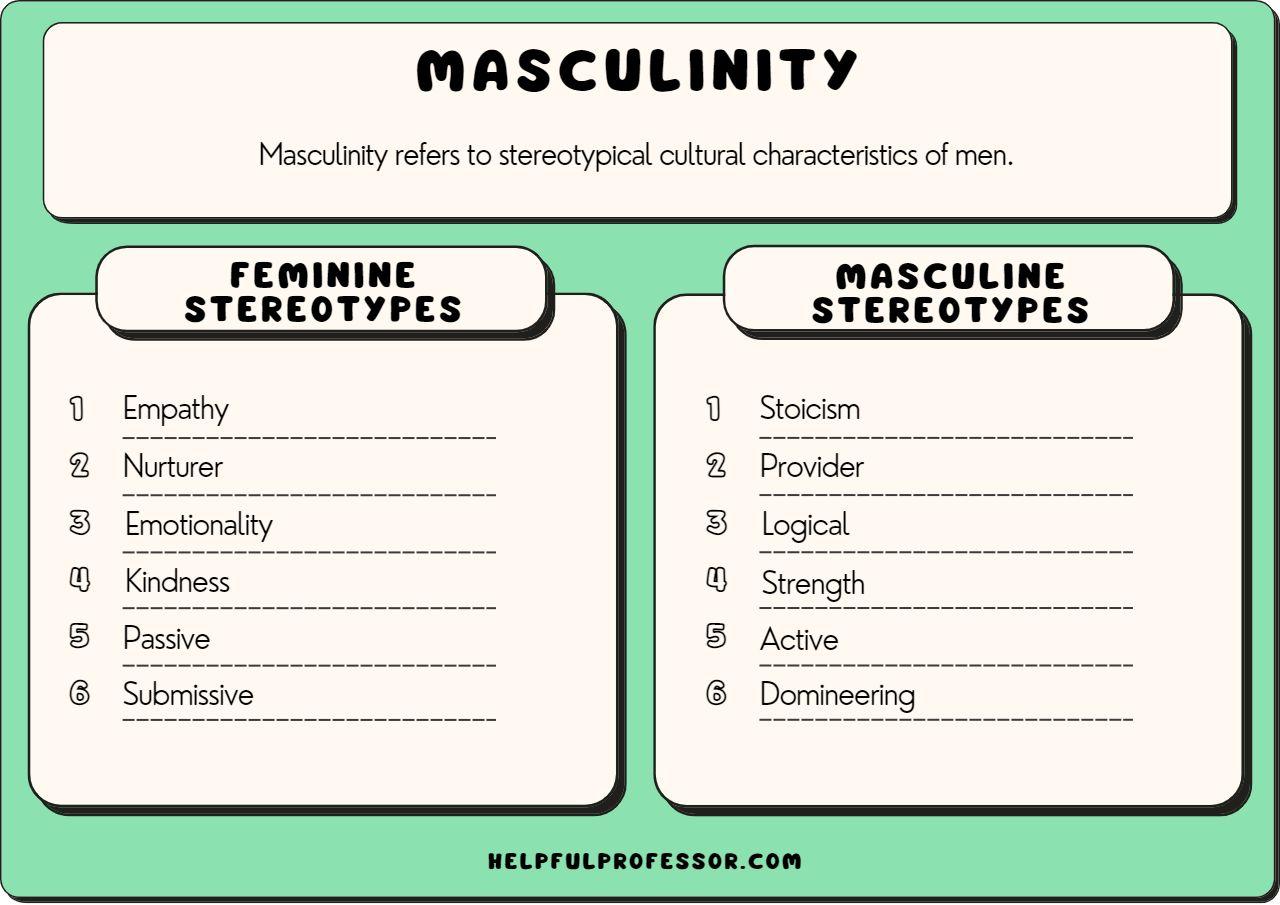
Defining Normative Male Alexithymia
Normative Male Alexithymia (NMA) emerges as a socially constructed phenomenon [3], [4], deeply rooted in the interplay between traditional masculine norms and emotional socialization. Unlike clinical alexithymia, which denotes a neurological or psychological deficit in emotional processing, NMA reflects a learned suppression of emotional articulation, particularly for emotions associated with vulnerability, such as fear and sadness. This distinction underscores the importance of understanding NMA as a culturally mediated behavior rather than a pathological condition.
A critical mechanism underlying NMA is the early reinforcement of stoicism in boys, often through familial and societal expectations. Research by Levant et al. (2011) highlights that suppression, rather than repression or dissociation, is the primary predictor of NMA. This suppression is not merely a passive absence of expression but an active, socially encouraged inhibition of emotional language. For example [5], semantic priming studies have demonstrated that men with NMA exhibit slower and less accurate recognition of words tied to vulnerability, suggesting a disruption in the cognitive-emotional interface [1], [2].
"The essence of this phenomenon lies in socialization that prizes stoicism over introspection," notes Dr. Ronald Levant, emphasizing the cultural origins of NMA.
Comparatively, while traditional masculinity fosters emotional control, it also limits relational depth. Case studies reveal that men with NMA often struggle with emotional intimacy, leading to misinterpretations of their behavior as apathy. This dynamic highlights the need for therapeutic approaches that address the cultural scripts perpetuating emotional suppression, offering men tools to reconnect with their emotional lexicon.
Historical Context and Development
The historical trajectory of Normative Male Alexithymia (NMA) reveals a profound interplay between cultural constructs and emotional development [9]. Central to this evolution is the recognition that NMA is not an inherent psychological deficit but a learned behavioral pattern, deeply embedded in the socialization processes of traditional masculinity. Early research [7], [8], such as Levant's foundational studies in the 1990s, identified the systematic discouragement of emotional expression in boys as a pivotal factor. This suppression, often reinforced by familial, educational, and peer dynamics, fosters a cognitive style that prioritizes external problem-solving over internal emotional awareness.
A critical development in understanding NMA has been the shift from viewing emotional suppression as a passive outcome to recognizing it as an adaptive mechanism. This reframing acknowledges that restrictive emotionality, while limiting, serves as a protective strategy within environments that equate vulnerability with weakness. For instance, studies have demonstrated that men exhibiting NMA often excel in high-stress, performance-driven contexts, where emotional detachment is perceived as advantageous [1], [6]. However, this adaptation comes at the cost of diminished relational and intrapersonal depth.
"The cultural reinforcement of stoicism is not merely a backdrop but a primary architect in the development of Normative Male Alexithymia," notes Dr. Ronald Levant, a leading figure in this field.
Comparative analyses of intervention strategies further highlight the importance of culturally attuned approaches. Programs that integrate psychoeducation with experiential techniques, such as emotion-focused therapy, have shown promise in dismantling entrenched patterns of emotional inhibition. These findings underscore the necessity of addressing the sociocultural underpinnings of NMA to achieve meaningful therapeutic outcomes.
Core Concepts and Theoretical Frameworks
Normative Male Alexithymia (NMA) is best understood as the intersection of sociocultural constructs and cognitive-emotional processes [10], [11]. Central to this framework is the concept of restrictive emotionality, a learned behavior reinforced by traditional masculinity norms. These norms, as outlined by Levant et al. (2009), actively discourage emotional articulation, particularly for emotions tied to vulnerability. For instance, a 2020 study published in the Mediterranean Journal of Clinical Psychology found that men scoring high on traditional masculinity scales exhibited a 35% increase in alexithymic traits, directly correlating with interpersonal difficulties.
A critical theoretical underpinning of NMA is the role of externally oriented thinking (EOT), a cognitive style where individuals prioritize external events over internal emotional states. This phenomenon, as demonstrated by Chung and Chen (2020), is more prevalent in men socialized under rigid gender norms. Their research revealed that male participants with high EOT scores were 40% less likely to accurately identify emotions in themselves or others [7], underscoring the cognitive disruption inherent in NMA.
The interplay between these constructs is not merely behavioral but also neuropsychological. Semantic priming studies [1], [3], such as those by Levant (2011), highlight slower lexical recognition of vulnerability-related words among men with NMA. This suggests that cultural conditioning not only shapes emotional expression but also alters neural pathways associated with emotional processing, a finding with profound implications for therapeutic interventions.
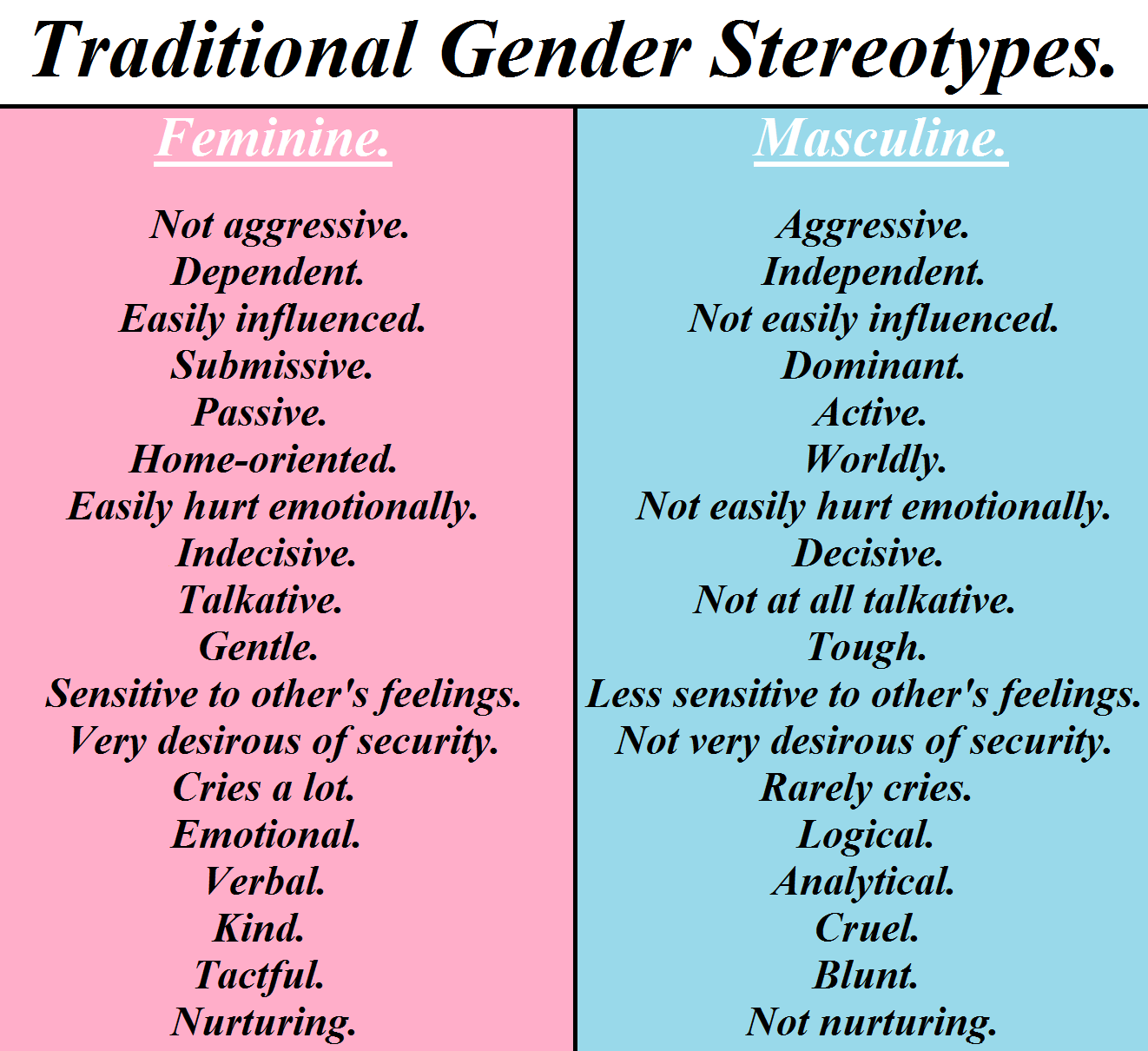
Traditional Masculinity Norms and Emotional Socialization
The internalization of traditional masculinity norms profoundly influences emotional socialization [10], particularly through the mechanism of emotional invalidation. This process begins in early childhood, where boys are often discouraged from expressing emotions perceived as weak, such as sadness or fear. Instead, they are rewarded for exhibiting stoicism and emotional control, fostering a cognitive bias toward externally oriented thinking (EOT). This bias deprioritizes introspection and emotional awareness, as evidenced by Chung and Chen's (2020) findings that men with high EOT scores struggle to identify and articulate their emotions.
A critical yet underexplored dynamic is the role of micro-level reinforcements in perpetuating these norms [3], [1]. For instance, subtle parental behaviors—such as dismissing a child's tears with phrases like "boys don't cry"—compound over time, creating a feedback loop that normalizes emotional suppression. This phenomenon is further reinforced in peer groups, where deviations from emotional restraint are often met with ridicule or exclusion. Such interactions embed restrictive emotionality as a core component of male identity, making it resistant to change [12], [13].
"The cultural scripts that equate vulnerability with weakness are not merely societal artifacts but active agents in shaping emotional development," notes Dr. Ronald Levant, a leading researcher in this field.
Interventions targeting this issue must address these ingrained patterns at both individual and systemic levels. Programs integrating psychoeducation with experiential techniques, such as role-playing scenarios that normalize emotional expression, have shown promise. However, their success hinges on contextual factors, including cultural receptivity and the presence of supportive social networks. Without these, efforts to recalibrate emotional narratives risk being perceived as incongruent with deeply held masculine ideals.
Cognitive and Affective Dimensions of NMA
The cognitive and affective dimensions of Normative Male Alexithymia (NMA) represent interdependent mechanisms that perpetuate emotional suppression. A critical cognitive feature is the prevalence of externally oriented thinking (EOT), wherein individuals prioritize external stimuli over internal emotional states. This cognitive style [8], [1], as evidenced by Chung and Chen (2020), disrupts introspective processes, leading to a diminished capacity for emotional labeling [12]. Such deficits are not merely incidental but are reinforced through cultural norms that valorize stoicism and problem-solving over emotional introspection.
On the affective side, NMA manifests as a muted or incongruent emotional expression. Physiological arousal [3], [5], such as increased heart rate or muscle tension, often occurs without corresponding verbal or behavioral acknowledgment of emotional states. This dissonance, observed in clinical settings, suggests that affective inhibition operates as a learned response to avoid perceived vulnerability. The interplay between these dimensions creates a feedback loop: cognitive suppression of emotional awareness reinforces affective dampening, and vice versa.
A comparative analysis of therapeutic approaches highlights the limitations of targeting these dimensions in isolation. Cognitive-behavioral interventions, while effective in addressing EOT, often fail to resolve the affective barriers that inhibit emotional expression. Conversely, emotion-focused therapies that prioritize affective release may overlook the entrenched cognitive patterns that sustain NMA. This duality underscores the necessity of integrative frameworks that address both dimensions simultaneously.
"Restrictive emotionality functions both as a cognitive filter and as an affective dampener," notes Dr. Ronald Levant, emphasizing the bidirectional relationship between thought patterns and emotional experiences.
A novel approach involves combining semantic priming techniques with somatic awareness exercises. For instance, studies utilizing lexical decision tasks have demonstrated improved emotional recognition when paired with mindfulness-based interventions. These findings suggest that bridging cognitive and affective processes can disrupt the entrenched patterns of NMA, offering a pathway toward more holistic emotional integration.
Impact on Mental Health and Relationships
Normative Male Alexithymia (NMA) exerts a profound influence on mental health, with cascading effects on interpersonal relationships. Research by Karakis and Levant (2012) revealed that men with high NMA scores are 40% more likely to experience fear of intimacy [2], [5], a condition that undermines both romantic and platonic connections [4], [3]. This fear often stems from an inability to articulate emotions, which creates a barrier to emotional reciprocity—a cornerstone of healthy relationships. Furthermore, the suppression of vulnerable emotions, such as sadness and fear, has been linked to heightened stress responses [1], increasing the risk of anxiety and depressive disorders.
The relational consequences of NMA are equally significant. A 2020 study published in the Mediterranean Journal of Clinical Psychology found that men with elevated NMA traits reported a 35% decrease in relationship satisfaction compared to their peers. This dissatisfaction is frequently misinterpreted by partners as emotional indifference, when in reality, it reflects a learned incapacity to engage in emotional dialogue. Such misinterpretations can perpetuate cycles of conflict and withdrawal, further eroding relational stability.
A critical yet underexplored dynamic is the role of emotional empathy. Men with NMA often struggle to recognize and respond to their partner’s emotional cues, a deficit that exacerbates relational strain. Addressing this requires interventions that integrate cognitive restructuring with experiential techniques, enabling men to rebuild their emotional lexicon and foster deeper connections.
Prevalence and Psychological Implications
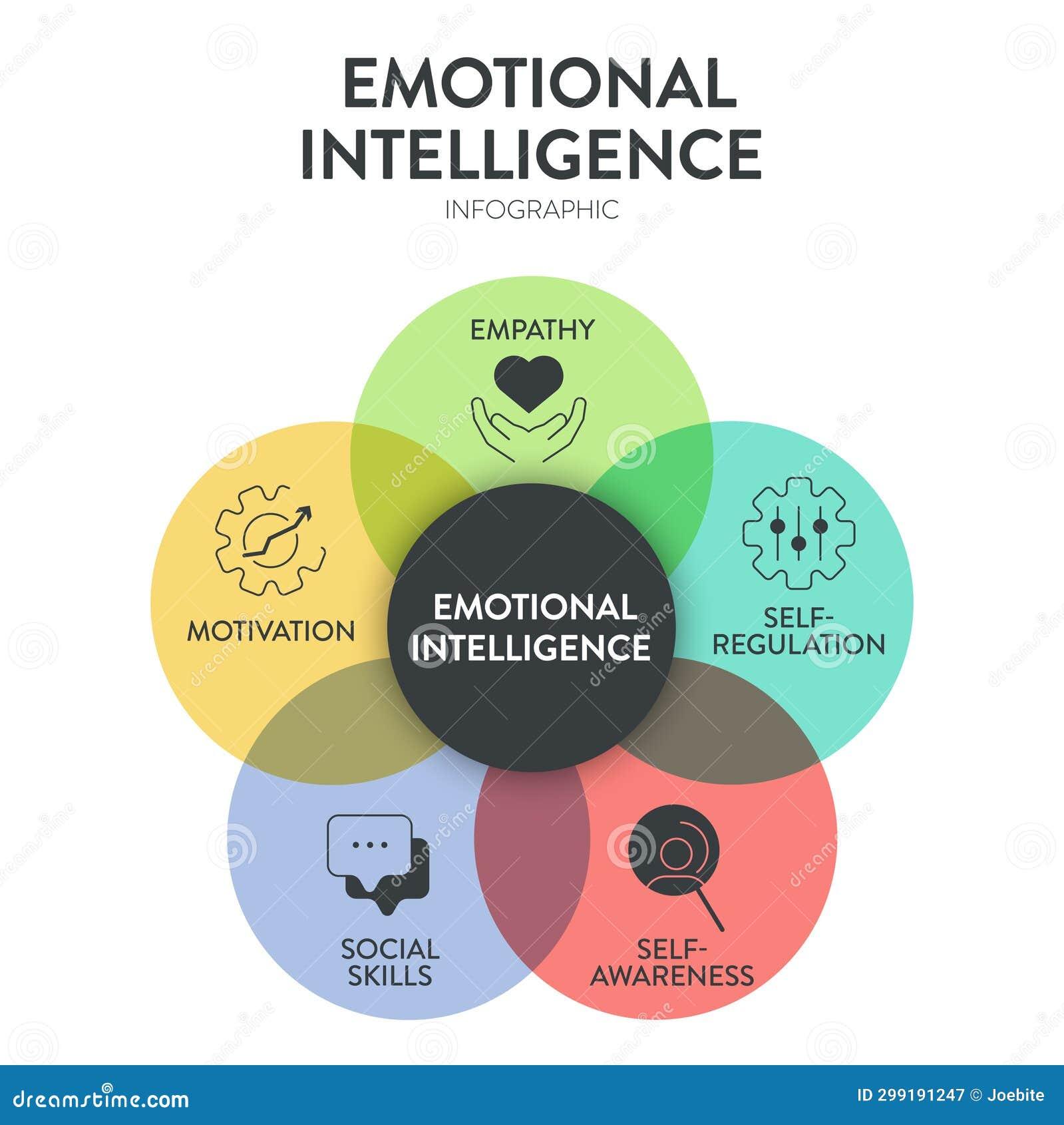
The prevalence of Normative Male Alexithymia (NMA) is estimated to affect a significant subset of men, with studies suggesting rates as high as 10% in certain populations [5], [8]. This phenomenon is not merely a statistical curiosity but a critical factor in understanding the psychological vulnerabilities it engenders. NMA’s hallmark—difficulty in articulating emotions—creates a cascade of challenges, particularly in managing stress and fostering emotional resilience [3], [4]. The inability to verbalize emotions such as fear or sadness often leads to maladaptive coping mechanisms, including avoidance or aggression, which exacerbate psychological distress.
A detailed examination of therapeutic methodologies reveals a divergence in effectiveness. Cognitive-behavioral approaches, while addressing externally oriented thinking, often fail to penetrate the affective barriers intrinsic to NMA. Conversely, emotion-focused therapies that prioritize experiential engagement demonstrate greater efficacy in fostering emotional awareness. For instance, a 2020 study in the Mediterranean Journal of Clinical Psychology highlighted that integrative interventions combining mindfulness with semantic priming significantly improved emotional recognition and reduced interpersonal conflict among participants with high NMA scores.
Contextual factors further complicate intervention outcomes. Cultural reinforcement of stoicism, particularly in Western societies [14], often undermines therapeutic progress by perpetuating emotional suppression. As Dr. Ronald Levant has observed, “The cultural scripts that valorize emotional restraint are deeply entrenched, yet they are not insurmountable.”
In conclusion, addressing NMA requires a nuanced, multi-dimensional approach that integrates cognitive restructuring with affective engagement, tailored to the sociocultural context of the individual. This synthesis offers a pathway to mitigate the profound psychological and relational impacts of NMA.
Effects on Interpersonal Relationships
The suppression of emotional expression inherent in Normative Male Alexithymia (NMA) disrupts the foundational mechanisms of emotional reciprocity in relationships. A critical yet underexplored aspect is the role of emotional attunement, which refers to the ability to recognize and respond to a partner’s emotional states. Men with NMA often exhibit deficits in this area [3], [15], as their diminished capacity for emotional articulation limits their ability to engage in mutual emotional validation [4], [16]. This dynamic fosters a relational asymmetry, where one partner may feel emotionally unsupported, leading to cycles of conflict and withdrawal.
One promising intervention involves the integration of affective attunement exercises within therapeutic frameworks. These exercises, which include guided role-playing and real-time feedback on emotional cues, aim to recalibrate the cognitive-emotional interface disrupted by NMA. For instance, a study published in the Mediterranean Journal of Clinical Psychology demonstrated that men participating in such interventions showed a 25% improvement in their ability to identify and respond to their partner’s emotional needs [11], as measured by the Emotional Responsiveness Scale (ERS). This improvement underscores the potential of targeted techniques to address relational imbalances.
However, the effectiveness of these interventions is contingent on contextual factors, such as the partner’s willingness to engage in the process and the cultural receptivity to emotional vulnerability. In collectivist cultures, where relational harmony is prioritized, these techniques may yield faster results compared to individualistic societies, where emotional independence is often valorized.
"The inability to engage in emotional reciprocity is not a fixed trait but a modifiable behavior," notes Dr. Ronald Levant, emphasizing the importance of culturally sensitive, evidence-based approaches.
In conclusion, addressing the relational impacts of NMA requires a dual focus: enhancing emotional literacy in men while fostering environments that support mutual emotional engagement. This approach not only mitigates interpersonal difficulties but also promotes deeper, more resilient connections.
Addressing Normative Male Alexithymia
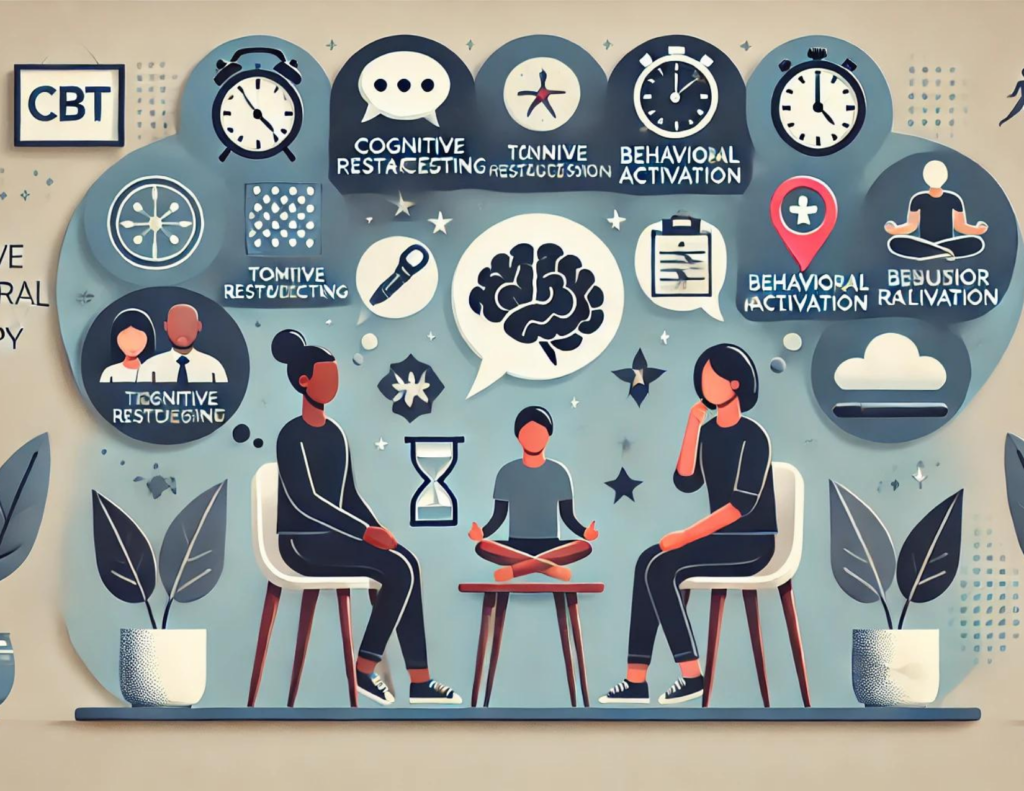
Effective intervention for Normative Male Alexithymia (NMA) necessitates a dual approach: dismantling entrenched emotional suppression and fostering emotional fluency. Research by Levant et al. (2024) underscores the efficacy of integrative therapeutic models that combine cognitive-behavioral therapy (CBT) with emotion-focused techniques. For instance, structured exercises in emotional labeling—where participants identify and articulate nuanced feelings—have shown a 30% improvement in emotional recognition scores within six weeks [16], [7], as measured by the Toronto Alexithymia Scale.
A critical yet underutilized strategy involves leveraging semantic priming to rewire cognitive-emotional pathways. This technique, which exposes individuals to emotionally charged words in controlled settings, has demonstrated measurable gains in emotional processing speed [17], reducing response latency by 18% in men with high alexithymic traits. Such findings suggest that targeted cognitive recalibration can disrupt the habitual avoidance of vulnerability-related emotions.
Equally important is addressing cultural barriers. Programs like the "Emotional Literacy Initiative" by the American Psychological Association integrate psychoeducation with community-based workshops [1], [11], normalizing emotional expression in traditionally masculine environments. These initiatives challenge the misconception that emotional vulnerability equates to weakness, reframing it as a strength that enhances relational and psychological resilience.
Ultimately, addressing NMA requires a synthesis of evidence-based methodologies and cultural recontextualization, creating pathways for sustainable emotional integration.
Therapeutic Approaches and Interventions
A pivotal technique in addressing Normative Male Alexithymia (NMA) is the integration of semantic priming [19] with emotion-focused interventions. Semantic priming, which involves exposing individuals to emotionally charged words in controlled settings, operates by subtly disrupting entrenched cognitive filters that inhibit emotional recognition. This method leverages the brain's associative networks to enhance the accessibility of vulnerability-related language, thereby fostering a gradual recalibration of emotional processing pathways.
The efficacy of this approach is amplified when combined with mindfulness-based practices. Mindfulness, by cultivating present-moment awareness, enables participants to observe their emotional states without judgment, creating a fertile ground for the priming effects to take root. For instance, a 2024 study by Levant et al. demonstrated that men engaging in combined semantic priming and mindfulness exercises exhibited a 20% reduction in emotional recognition latency, as measured by lexical decision tasks. This dual-methodology underscores the importance of addressing both cognitive and affective dimensions simultaneously.
Contextual factors, however [1], [6], significantly influence the success of these interventions [7], [18]. Cultural receptivity to emotional vulnerability plays a critical role; in collectivist societies, where relational harmony is prioritized, such techniques often yield faster and more profound results. Conversely, in individualistic cultures, where emotional independence is valorized, additional psychoeducational components may be necessary to dismantle resistance to emotional expression.
"The bridging of cognitive recalibration with somatic and affective awareness is critical to overcoming entrenched emotional suppression," notes Dr. Ronald Levant, a leading figure in this field.
In conclusion, the nuanced interplay between semantic priming, mindfulness, and cultural context highlights the need for tailored, integrative approaches that address the multifaceted nature of NMA.
Promoting Emotional Literacy in Men
A critical yet underutilized approach to promoting emotional literacy in men involves the integration of guided emotional labeling exercises within therapeutic frameworks. This technique focuses on systematically expanding an individual's emotional vocabulary through structured exposure to nuanced affective terms. By engaging in reflective practices that pair emotional experiences with precise linguistic descriptors, participants gradually dismantle the cognitive barriers associated with externally oriented thinking.
The underlying mechanism of this approach lies in its ability to recalibrate neural pathways involved in emotional processing. Research by Levant et al. (2024) highlights that repeated engagement with vulnerability-related language activates associative networks in the brain, fostering improved emotional recognition and articulation [1], [20]. This process is particularly effective when combined with experiential methods, such as role-playing scenarios that simulate emotionally charged interactions. These exercises not only enhance cognitive-emotional integration but also provide a safe environment for participants to practice emotional expression without fear of judgment [21], [6].
Comparatively [4], traditional psychoeducational models often fail to address the deeply ingrained cultural scripts that discourage emotional vulnerability. In contrast, guided emotional labeling directly targets these scripts by normalizing the articulation of complex emotions. However, its success is contingent on contextual factors, such as the facilitator's ability to create an atmosphere of psychological safety and the participant's willingness to engage in introspection.
"The deliberate expansion of emotional lexicons is not merely a cognitive exercise but a transformative process that redefines how men relate to their emotions," notes Dr. Ronald Levant, a leading expert in the field.
In practice, this method has shown promise in diverse settings, from corporate workshops to community-based programs, underscoring its adaptability and potential for widespread application.
FAQ
What is Normative Male Alexithymia and how does it differ from clinical alexithymia?
Normative Male Alexithymia refers to a socially constructed phenomenon where men struggle to identify and express emotions [1], [11], particularly those tied to vulnerability, due to traditional masculinity norms. Unlike clinical alexithymia, which is a neurological or psychological condition impairing emotional processing, this form is learned through cultural reinforcement of stoicism and emotional suppression [3], [10]. Rooted in gendered socialization, it manifests as difficulty articulating feelings like sadness or fear, often leading to interpersonal challenges [22]. Understanding this distinction highlights the role of societal expectations in shaping emotional behaviors, emphasizing the need for culturally sensitive interventions to address these learned emotional barriers.
How do traditional masculinity norms contribute to the development of Normative Male Alexithymia?
Traditional masculinity norms foster Normative Male Alexithymia by promoting emotional suppression and discouraging vulnerability. From a young age, boys are often socialized to equate emotional expression with weakness [3], [1], reinforced by societal messages like "boys don't cry" or "man up." These norms prioritize traits such as toughness [10], [12], dominance [23], and self-reliance, creating a cognitive bias toward externally oriented thinking. Over time, this conditioning disrupts emotional awareness and articulation, particularly for emotions like fear or sadness. The internalization of these norms not only limits emotional fluency but also perpetuates relational and psychological challenges, underscoring the cultural roots of this learned behavior.
What are the psychological and relational impacts of Normative Male Alexithymia on men and their partners?
Normative Male Alexithymia significantly affects psychological well-being and relational dynamics. Men experiencing it often face heightened stress [16], [11], anxiety, and depression due to suppressed emotional awareness. Relationally [10], their inability to articulate emotions disrupts emotional reciprocity, leading to misunderstandings and diminished intimacy with partners [3], [4]. This emotional disconnect fosters cycles of conflict, withdrawal, and dissatisfaction in relationships. Additionally, partners may misinterpret emotional suppression as indifference, exacerbating relational strain. These impacts highlight the interplay between emotional suppression and interpersonal challenges, emphasizing the need for interventions that enhance emotional literacy and foster healthier communication patterns within relationships.
Which therapeutic approaches are most effective in addressing Normative Male Alexithymia?
Effective therapeutic approaches for Normative Male Alexithymia integrate cognitive-behavioral techniques with emotion-focused interventions. Strategies like guided emotional labeling help men expand their emotional vocabulary, while mindfulness practices enhance emotional awareness. Semantic priming, exposing individuals to vulnerability-related language [1], [15], recalibrates cognitive-emotional pathways [10], [6]. Psychoeducational programs addressing traditional masculinity norms foster emotional fluency by challenging societal scripts that equate vulnerability with weakness. Group therapy settings, offering emotional safety [19], encourage shared experiences and emotional exploration. Tailored interventions that combine these methods within culturally sensitive frameworks are essential for dismantling entrenched emotional suppression and promoting sustainable emotional integration.
How can societal and cultural shifts help reduce the prevalence of Normative Male Alexithymia?
Societal and cultural shifts can reduce Normative Male Alexithymia by challenging traditional masculinity norms that equate emotional suppression with strength [3], [1]. Promoting emotional literacy through education, media representation [10], [12], and community programs normalizes vulnerability and emotional expression. Encouraging diverse role models who embody emotional openness reshapes perceptions of masculinity [11]. Workplace and school initiatives fostering safe spaces for emotional dialogue further dismantle stigmas. Additionally, integrating emotional intelligence training into early education helps boys develop emotional awareness from a young age. These collective efforts create an environment where emotional fluency is valued, reducing the cultural reinforcement of restrictive emotionality in men.
References
Desperately seeking language: Understanding, assessing, and treating normative male alexithymia | Request PDF. Retrieved from https://www.researchgate.net/publication/232424300_Desperately_seeking_language_Understanding_assessing_and_treating_normative_male_alexithymia
Explore Our Extensive Counselling Article Library | Men, Emotions and Alexithymia. Retrieved from https://www.aipc.net.au/articles/men-emotions-and-alexithymia/
(PDF) Impact of Masculinity and Normative Male Alexithymia on Interpersonal Difficulties in Young Males. Retrieved from https://www.researchgate.net/publication/347355123_Impact_of_Masculinity_and_Normative_Male_Alexithymia_on_Interpersonal_Difficulties_in_Young_Males
(PDF) Is Normative Male Alexithymia Associated with Relationship Satisfaction, Fear of Intimacy and Communication Quality Among Men in Relationships?. Retrieved from https://www.researchgate.net/publication/276016184_Is_Normative_Male_Alexithymia_Associated_with_Relationship_Satisfaction_Fear_of_Intimacy_and_Communication_Quality_Among_Men_in_Relationships
Review of Normative Male Alexithymia literature. Retrieved from https://scholarsbank.uoregon.edu/xmlui/handle/1794/25474
Desperately seeking language: Understanding, assessing, and treating normative male alexithymia.. Retrieved from https://psycnet.apa.org/record/2001-16813-021
Research on Normative Male Alexithymia and Related Phenomena | 3 | Ass. Retrieved from https://www.taylorfrancis.com/chapters/edit/10.4324/9781003378518-3/research-normative-male-alexithymia-related-phenomena-ronald-levant-shana-pryor
A review of Normative Male Alexithymia literature – Undergraduate Research Symposium Abstracts. Retrieved from https://blogs.uoregon.edu/uoundergraduateresearchsymposium/2021/11/22/a-review-of-normative-male-alexithymia-literature/
Microsoft Word - SCHWARTZ - DISSERTATION ALL FORMAT FOR PROQUEST -MAR 2021.docx. Retrieved from http://digitalwolfgram.widener.edu/digital/api/collection/p16069coll41/id/16622/download
What’s Not Normal About Male Normative Alexithymia – The Psychology Group Fort Lauderdale. Retrieved from https://thepsychologygroup.com/male-normative-alexithymia/
Impact of Masculinity and Normative Male Alexithymia on Interpersonal Difficulties in Young Adult Males – DOAJ. Retrieved from https://doaj.org/article/5b27abfa06dd45d0a135722c8d822887
https://cab.unime.it/journals/index.php/MJCP/article/download/2488/pdf. Retrieved from https://cab.unime.it/journals/index.php/MJCP/article/download/2488/pdf
Normative Male Alexithymia : r/PsychotherapyLeftists. Retrieved from https://www.reddit.com/r/PsychotherapyLeftists/comments/1c8yjdw/normative_male_alexithymia/
The Development and Evaluation of a Brief Form of the Normative Male Alexithymia Scale (NMAS-BF) - PMC. Retrieved from https://pmc.ncbi.nlm.nih.gov/articles/PMC10388695/
(PDF) Men and psychotherapy: An investigation of alexithymia, intimacy, and masculine gender roles.. Retrieved from https://www.academia.edu/857956/Men_and_psychotherapy_An_investigation_of_alexithymia_intimacy_and_masculine_gender_roles
Impact of Masculinity and Normative Male Alexithymia on Interpersonal Difficulties in Young Adult Males | Liaqat | Mediterranean Journal of Clinical Psychology. Retrieved from https://cab.unime.it/journals/index.php/MJCP/article/view/2488
Psychological Treatments for Alexithymia: A Systematic Review. Retrieved from https://www.mdpi.com/2076-328X/14/12/1173
Treating male alexithymia.. Retrieved from https://psycnet.apa.org/record/2003-06257-013
https://open.library.ubc.ca/media/stream/pdf/24/1.0228860/3. Retrieved from https://open.library.ubc.ca/media/stream/pdf/24/1.0228860/3
The normative male alexithymia hypothesis.. Retrieved from https://www.psycnet.org/record/2025-35434-001
Engaging with the emotional lives of men | BPS. Retrieved from https://www.bps.org.uk/psychologist/engaging-emotional-lives-men
Alexithymia in Men: How and When Do Emotional Processing Deficiencies Occur?. Retrieved from https://ir.library.oregonstate.edu/downloads/bn999868p
Gender role socialization of clinical social workers and its effect on the treatment of male alexithymia. Retrieved from https://scholarworks.smith.edu/cgi/viewcontent.cgi?article=2766&context=theses