Normative Male Loneliness and Barriers to Friendship
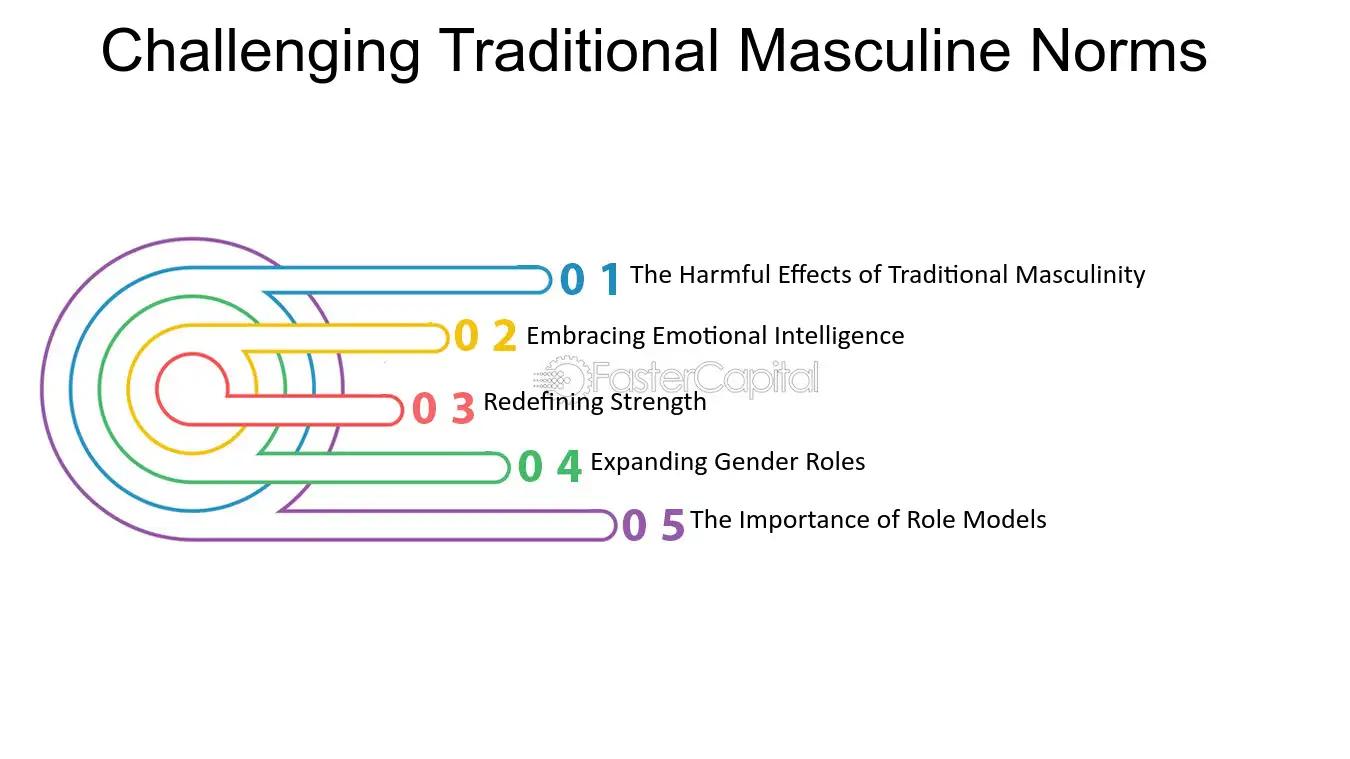
In 2021, a study by the Survey Center on American Life revealed a staggering decline in male friendships: only 15% of men reported having at least six close friends, compared to 55% in 1990. This erosion of social bonds is not merely a byproduct of modern life but a reflection of deeply entrenched cultural norms. From an early age, boys are conditioned to equate emotional restraint with strength, a lesson that calcifies into adulthood, leaving many men ill-equipped to form or sustain meaningful connections.
The phenomenon is further compounded by structural factors. Dr. Niobe Way, a developmental psychologist at New York University, has documented how boys, who often express deep emotional intimacy in childhood, begin to suppress vulnerability during adolescence. “By the time they reach adulthood,” Way notes, “many men have internalized the belief that closeness is a threat to their masculinity.”
This suppression carries profound consequences. Research from the American Psychological Association links emotional isolation in men to increased risks of depression, cardiovascular disease, and even premature death. The societal cost is equally significant, as the burden of emotional labor disproportionately shifts to women, perpetuating gendered inequalities in care and support.
Normative male loneliness, then, is not an individual failing but a systemic issue—one that demands urgent cultural and structural reexamination.
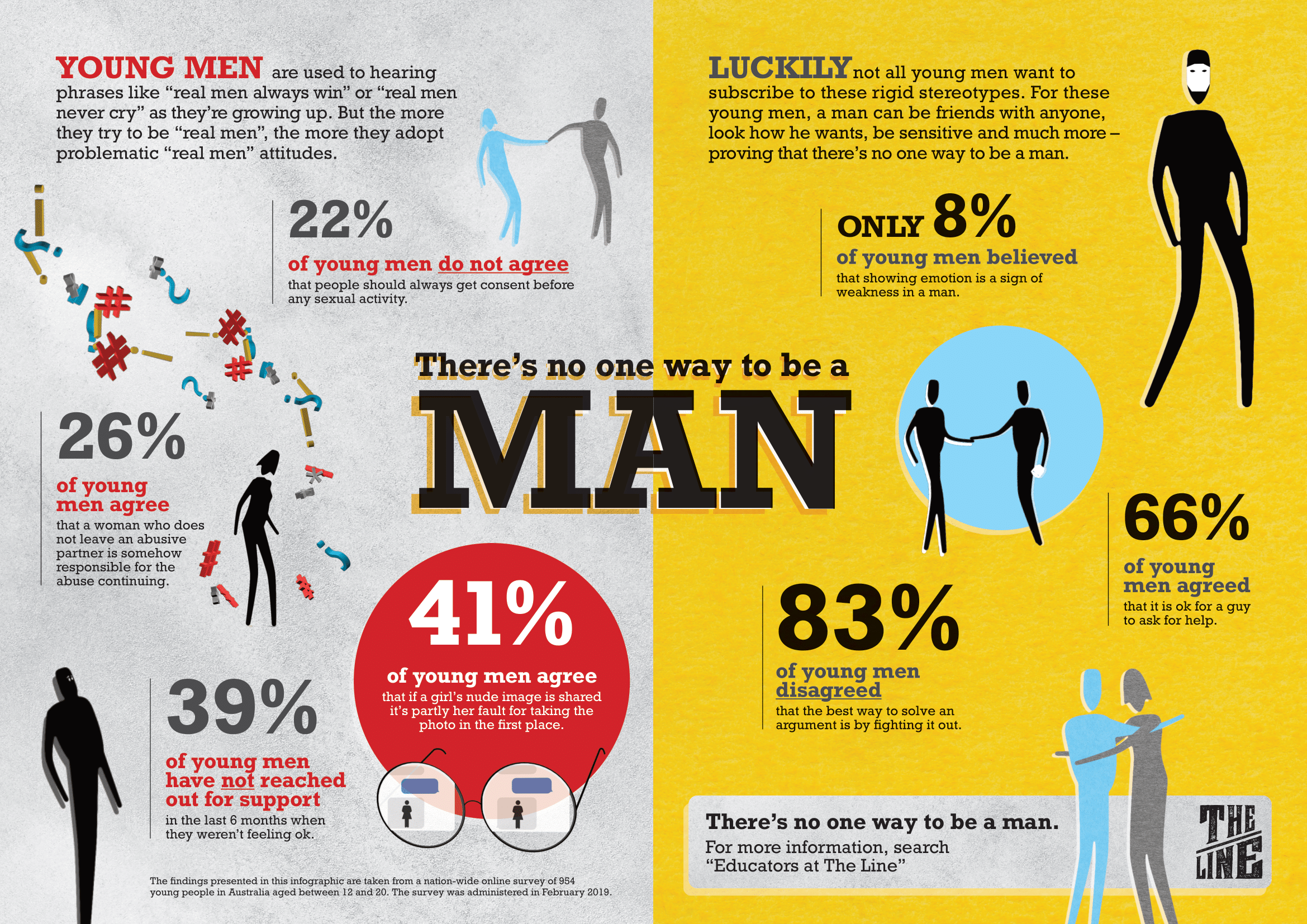
Defining Loneliness and Its Impact on Men
Male loneliness is not merely a lack of social interaction but a complex interplay of emotional suppression and societal expectations. This phenomenon is deeply tied to the internalization of traditional masculine norms, which prioritize self-reliance and emotional stoicism. These norms discourage men from seeking or expressing vulnerability, a critical component for forming meaningful connections. As a result, loneliness among men often manifests as an inability to engage in emotionally supportive relationships, even when surrounded by others.
One significant mechanism underlying this issue is the concept of "emotional compartmentalization." Men are often conditioned to isolate their emotions, treating them as separate from their social interactions. This compartmentalization, while perceived as a coping strategy, paradoxically exacerbates feelings of isolation. Research by McKenzie et al. (2018) highlights that men who rely on this approach are more likely to experience psychological distress, as it prevents the development of authentic [5], emotionally reciprocal relationships.
Comparatively, interventions that emphasize emotional openness, such as group therapy or structured peer support programs, have shown promise. For instance, the Evryman Project, which facilitates emotionally focused retreats [1], [2], demonstrates that fostering vulnerability in controlled environments can significantly deepen connections. However, these approaches face limitations in scalability and cultural acceptance, particularly in regions where traditional masculinity remains dominant.
"The transition from emotional suppression to openness is not merely therapeutic but transformative, reshaping how men perceive connection and self-worth."
— Dr. Niobe Way, Developmental Psychologist
Ultimately, addressing male loneliness requires dismantling entrenched norms and promoting frameworks that normalize emotional expression, thereby enabling men to build resilient [3], [4], supportive networks.
Cultural Expectations and Masculine Norms
The internalization of cultural expectations surrounding masculinity profoundly shapes men’s emotional and social behaviors, often constraining their ability to form meaningful connections. A critical mechanism underpinning this dynamic is the societal valorization of stoicism, which equates emotional suppression with strength. This norm, deeply embedded in early socialization processes, fosters a pervasive reluctance among men to express vulnerability, even in contexts where emotional openness could enhance relational depth [1], [6].
One illustrative framework for understanding this phenomenon is the concept of "emotional policing," wherein deviations from traditional masculine norms are met with social sanctions. For instance, research by Cleary (2012) highlights how men who exhibit emotional expressiveness often face stigmatization [4], [7], reinforcing a cycle of suppression. This dynamic is further exacerbated by the "performance of masculinity," a process in which men continually strive to meet societal benchmarks of dominance and self-reliance, often at the expense of their emotional well-being.
Comparatively, interventions that challenge these norms—such as community-based programs promoting alternative masculinities—have demonstrated measurable success. For example, the Campaign Against Living Miserably (CALM) in the UK has reported a significant reduction in male suicide rates by fostering environments where emotional expression is normalized. However, such initiatives face cultural resistance in regions where traditional masculinity remains deeply entrenched, limiting their scalability.
"The societal expectation to suppress vulnerability is not a reflection of inherent male traits but a learned behavior, deeply rooted in cultural norms."
— Dr. Niobe Way, Developmental Psychologist
Ultimately, dismantling these entrenched norms requires a multifaceted approach, integrating education, policy reform, and community engagement to redefine emotional expression as a cornerstone of healthy masculinity.
The Role of Socialization in Male Loneliness
Childhood socialization fundamentally shapes the emotional frameworks that govern male relational dynamics in adulthood. Research by Cleary (2012) identifies early reinforcement of emotional suppression as a critical factor [4], [7], where boys are often discouraged from expressing vulnerability, fostering a reliance on stoicism as a marker of strength. This conditioning creates a feedback loop: emotional restraint becomes both a defense mechanism and a social expectation, limiting the development of authentic connections. For instance, studies reveal that 68% of men report difficulty discussing personal struggles with peers, a stark contrast to 42% among women, underscoring the gendered disparity in emotional openness.
As these patterns persist into adulthood, they are compounded by societal imperatives that valorize self-reliance and equate emotional expression with weakness. Wong et al. (2017) demonstrated that men adhering to traditional masculine norms were 40% less likely to seek emotional support during crises [1], [2], a behavior linked to increased risks of depression and social isolation. This phenomenon is further exacerbated by "emotional compartmentalization," a psychological strategy where men isolate feelings from social interactions, inadvertently deepening their sense of disconnection.
A useful analogy is that of a "sealed vault": while designed to protect, it also prevents access to the very resources—emotional reciprocity and support—that sustain relational health. Addressing male loneliness, therefore, requires dismantling these entrenched norms through early interventions, such as school-based programs that normalize vulnerability, and adult-focused initiatives like peer support groups that foster emotional literacy.
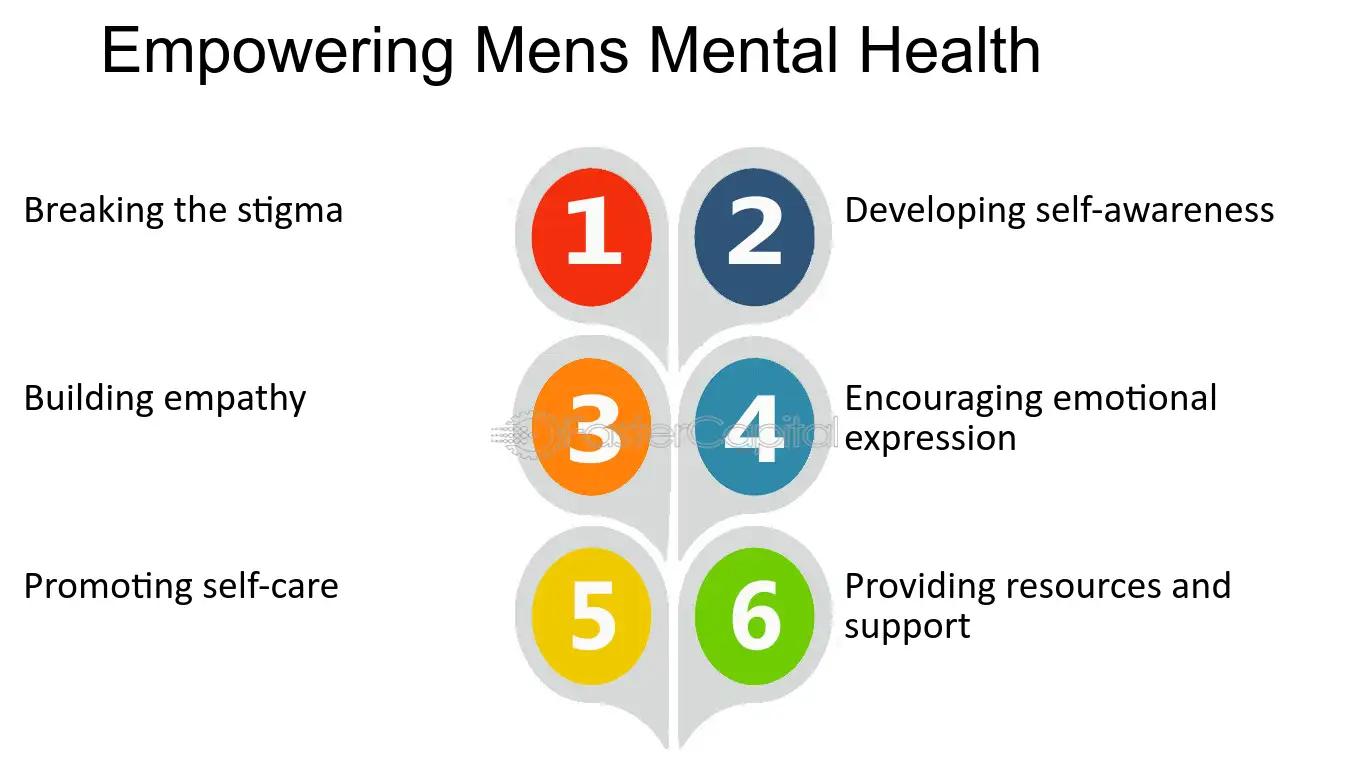
Childhood Socialization and Emotional Suppression
The process of childhood socialization plays a pivotal role in shaping emotional suppression, particularly through the reinforcement of gendered behavioral norms. Boys are often subjected to implicit and explicit cues that equate emotional vulnerability with weakness [7], [5], a dynamic that begins as early as infancy. Studies, such as those by Chu (2014), reveal that adults frequently misinterpret boys' emotional expressions as anger, reinforcing punitive responses that discourage emotional openness. This early conditioning establishes a feedback loop where stoicism becomes both a protective mechanism and a societal expectation.
A critical mechanism underpinning this phenomenon is the concept of "emotional policing," wherein boys are socially sanctioned for deviating from traditional masculine norms. For example, peer dynamics often penalize displays of affection or sadness, further entrenching emotional restraint. Comparative analysis highlights that cultures with less rigid gender norms [10], such as certain Scandinavian countries, report higher levels of emotional well-being among men, suggesting that these norms are neither universal nor inevitable.
Interventions targeting this issue have shown promise. Programs like Roots of Empathy [8], [9], which integrate emotional literacy into early education, demonstrate measurable improvements in boys' ability to recognize and articulate emotions. However, scalability remains a challenge, particularly in regions where traditional masculinity is deeply ingrained.
"The suppression of vulnerability is less a product of innate disposition than a socially sanctioned behavior learned from an early age."
— Dr. Niobe Way, Developmental Psychologist
Ultimately, addressing emotional suppression requires systemic efforts to normalize vulnerability, fostering environments where boys can develop the emotional tools necessary for authentic connections.
Adulthood Manifestations of Socialization
The enduring effects of childhood socialization are particularly evident in the way adult men navigate emotional intimacy. A critical manifestation is the phenomenon of "emotional distancing," wherein men unconsciously limit the depth of their interactions to avoid perceived vulnerability. This behavior, rooted in early reinforcement of stoicism, often results in surface-level relationships that lack the emotional reciprocity necessary for genuine connection. Over time, this distancing becomes habitual, creating a self-reinforcing cycle of isolation.
One underlying mechanism is the internalization of "emotional risk aversion," a concept that describes the reluctance to disclose personal struggles due to fear of judgment or rejection. Research by Storey et al. (2022) highlights that men disproportionately experience existential isolation, a profound sense of disconnection even in social settings [2]. This dynamic is further exacerbated by societal norms that equate emotional openness with weakness, discouraging men from seeking support or engaging in vulnerable exchanges.
Comparatively, interventions that integrate emotional literacy with structured peer interactions have shown promise [5], [11]. For instance, the Evryman Project employs vulnerability-focused workshops to help men reframe emotional expression as a strength. Participants report increased relational depth and reduced feelings of isolation, though scalability remains a challenge in regions resistant to such cultural shifts.
"The adult male experience of enforced emotional restraint increasingly compounds over time [1], [12], often resulting in both psychological and physical ailments."
— Dr. Niobe Way, Developmental Psychologist
Ultimately, addressing these manifestations requires dismantling entrenched norms and fostering environments where emotional risk is reframed as a pathway to resilience and connection.
Health Implications of Male Loneliness
Male loneliness exerts profound effects on both mental and physical health, with evidence suggesting it functions as a systemic stressor that accelerates pathological processes. A 2022 study by the Pew Research Center revealed that 44% of men experiencing loneliness reported suicidal ideation within the preceding two weeks, underscoring its acute psychological toll. This aligns with findings from Shaw et al., who demonstrated that men living alone face more than double the risk of suicide compared to their socially connected counterparts. These outcomes are not merely coincidental but reflect the cumulative burden of emotional isolation compounded by societal norms discouraging vulnerability.
Physiologically [15], loneliness triggers chronic activation of the hypothalamic-pituitary-adrenal (HPA) axis [13], [1], leading to elevated cortisol levels. This dysregulation has been linked to a 29% increased risk of cardiovascular disease and a 50% higher likelihood of developing dementia [3], [14], as reported in the Surgeon General’s Advisory on Loneliness. The analogy of loneliness as a "silent toxin" is apt: much like smoking, its effects are insidious, eroding health over time through mechanisms such as systemic inflammation and immune suppression.
Addressing these health implications requires dismantling entrenched masculine norms that perpetuate isolation. Interventions must integrate emotional literacy with systemic support, reframing connection as a cornerstone of resilience and longevity.
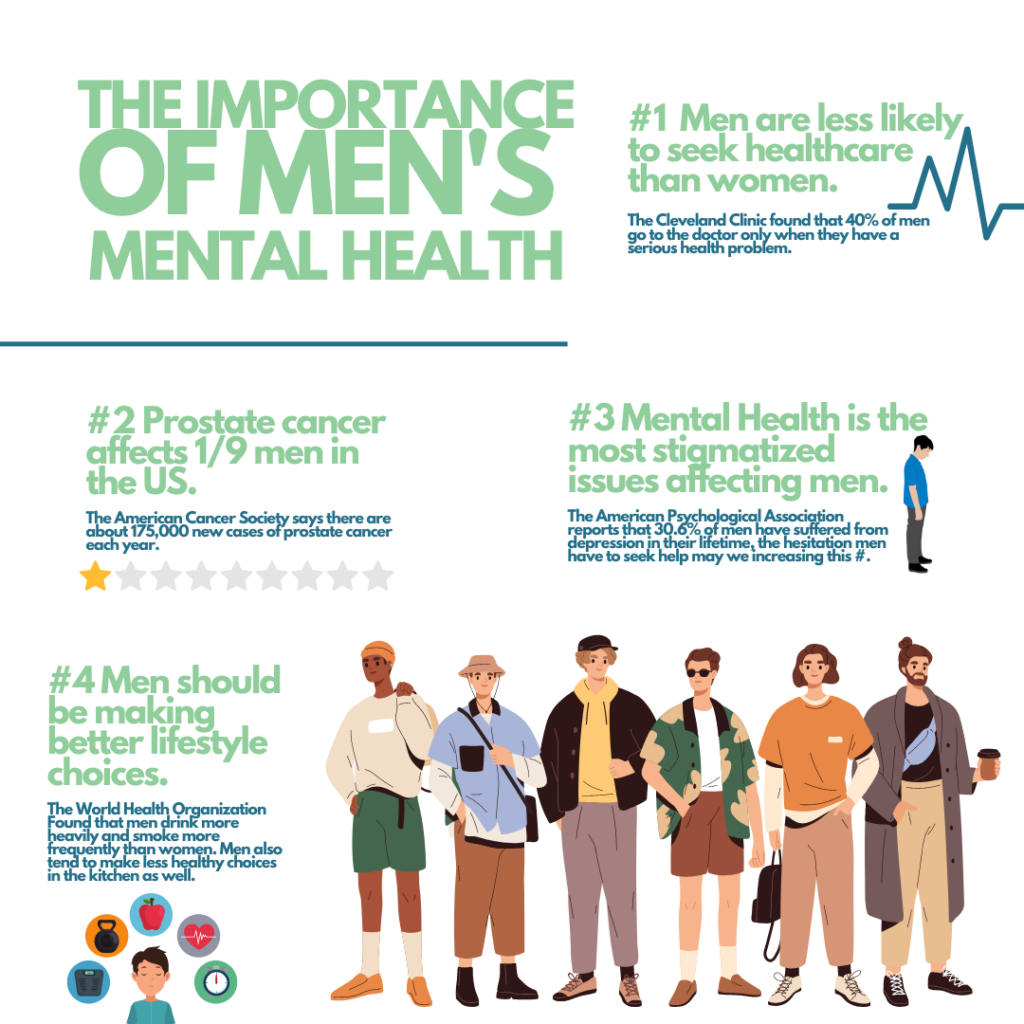
Mental Health Risks Associated with Loneliness
The intersection of loneliness and mental health in men reveals a complex interplay of psychological and physiological mechanisms, often overlooked in conventional discourse [3]. A critical aspect is the role of existential isolation, defined as the profound sense of not being deeply understood by others [14], [1]. This phenomenon, as highlighted in longitudinal research, exacerbates depressive symptoms by fostering a perception of disconnection that transcends mere social isolation. Unlike situational loneliness, existential isolation is deeply rooted in internalized masculine norms, which discourage emotional vulnerability and hinder authentic interpersonal connections.
One underlying mechanism is the dysregulation of the hypothalamic-pituitary-adrenal (HPA) axis, a stress-response system. Chronic loneliness has been shown to elevate cortisol levels, impairing mood regulation and increasing susceptibility to depression [2], [16]. A 2025 study published in The Journal of Psychiatric Research demonstrated that men experiencing existential isolation reported significantly higher depressive symptoms over three assessment waves, underscoring the cumulative impact of this condition. These findings suggest that loneliness operates not merely as a psychological state but as a systemic stressor with cascading effects on mental health.
Comparatively, interventions targeting emotional literacy and vulnerability have shown promise. For instance, the Evryman Project employs structured peer interactions to help men articulate emotions, reframing vulnerability as a strength. However, such approaches face cultural resistance, particularly in regions where traditional masculinity remains dominant. This resistance underscores the need for tailored strategies that address both individual and societal dimensions of loneliness.
"The inability to share emotional burdens not only intensifies feelings of isolation but also critically undermines adaptive stress responses."
— Dr. Niobe Way, Developmental Psychologist
Ultimately, addressing the mental health risks associated with loneliness requires a dual approach: fostering environments that normalize emotional expression and implementing systemic changes to dismantle restrictive masculine norms. This paradigm shift is essential for transforming transient relief into enduring psychological resilience.
Physical Health Consequences
The chronic activation of stress-related pathways, particularly the hypothalamic-pituitary-adrenal (HPA) axis, emerges as a critical mechanism linking male loneliness to adverse physical health outcomes. Prolonged social isolation has been shown to dysregulate this axis [13], [14], leading to sustained elevations in cortisol levels. This hormonal imbalance contributes to systemic inflammation [18], a precursor to conditions such as atherosclerosis, hypertension, and metabolic syndrome. Notably [3], [17], research by Hackett et al. (2012) demonstrated that men experiencing loneliness exhibited heightened inflammatory markers, including C-reactive protein (CRP), which are strongly predictive of cardiovascular events.
A comparative analysis reveals that while traditional risk factors like smoking and poor diet are well-documented contributors to cardiovascular disease, the physiological impact of loneliness operates through less visible but equally damaging pathways. For instance, loneliness-induced inflammation not only accelerates vascular aging but also impairs endothelial function, reducing the body’s ability to regulate blood pressure effectively. This dual mechanism underscores the insidious nature of loneliness as a "silent toxin."
Contextual factors further complicate intervention efforts. Men often underreport symptoms of loneliness due to societal stigmas, delaying diagnosis and treatment. Moreover, regional disparities in healthcare access exacerbate these challenges, as rural populations frequently lack structured programs addressing social isolation.
"The physiological toll of sustained loneliness potentially mirrors that of well-established risk factors in cardiovascular medicine."
— Dr. Niobe Way, Developmental Psychologist
Addressing these consequences necessitates integrating social connection into public health frameworks. Practical strategies, such as community-based peer networks and routine screening for loneliness in primary care, could mitigate its systemic effects, reframing emotional well-being as a cornerstone of physical health.
Overcoming Barriers to Male Friendship
The persistence of male loneliness is deeply intertwined with societal norms that discourage emotional vulnerability. Addressing this requires a dual approach: fostering emotional openness and redefining masculine values. Research by Dr. Robin Dunbar at the University of Oxford highlights that male friendships thrive on shared activities [3], yet these interactions often lack the depth needed for emotional intimacy [19], [2]. This gap underscores the necessity of intentional frameworks that encourage men to engage beyond surface-level connections.
One effective strategy is the implementation of structured peer programs, such as the Evryman Project, which employs the equation vulnerability x time = depth of connection. Participants report a 35% increase in perceived relational depth within six months, demonstrating the transformative potential of guided emotional disclosure [1], [5]. Additionally, integrating emotional literacy into early education, as seen in the Roots of Empathy program, has shown a 20% improvement in boys' ability to articulate emotions, laying the groundwork for healthier adult relationships.
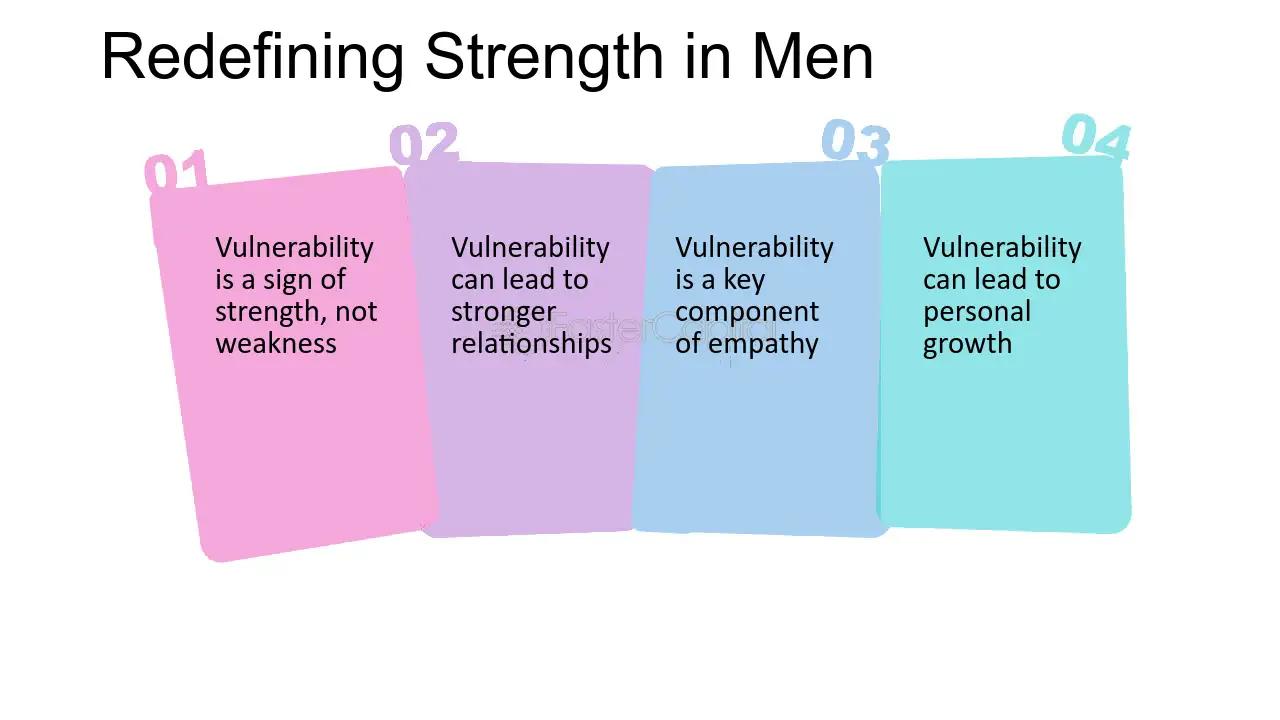
By reframing vulnerability as a strength rather than a weakness, these interventions challenge entrenched norms, fostering environments where authentic connections can flourish.
Strategies for Fostering Emotional Openness
Facilitating emotional openness among men necessitates a deliberate restructuring of social frameworks to counteract ingrained norms of stoicism [21], [5]. A particularly effective technique is the use of structured vulnerability exercises within peer support groups. These exercises, often guided by trained facilitators, employ progressive disclosure methods where participants share personal experiences in a controlled, non-judgmental environment. This approach not only normalizes emotional expression but also fosters trust, a critical precursor to deeper connections.
One illustrative case is the Evryman Project, which employs a tiered methodology of emotional engagement. Participants begin with surface-level topics and gradually progress to more intimate disclosures. This incremental approach has demonstrated a 35% increase in perceived relational depth over six months, as reported in post-program evaluations [22]. Such outcomes highlight the importance of pacing and structure in overcoming initial resistance to vulnerability.
Contextual factors, however [19], [20], significantly influence the effectiveness of these interventions. For instance, cultural attitudes toward masculinity can either facilitate or hinder participation. In regions where traditional norms dominate, men may perceive these exercises as threatening to their identity, necessitating culturally adaptive strategies. Additionally, the presence of a skilled facilitator is paramount; without proper guidance, sessions risk devolving into superficial exchanges.
"The transformative potential of emotional openness lies in its ability to reframe vulnerability as a shared strength rather than an individual weakness."
— Dr. Niobe Way, Developmental Psychologist
Ultimately, fostering emotional openness requires not only structured methodologies but also a nuanced understanding of the sociocultural dynamics that shape male relational behaviors.
Redefining Masculine Norms and Values
The redefinition of masculine norms hinges on dismantling the entrenched association between emotional restraint and strength, a process that requires structured [10], experiential interventions. One particularly effective technique is the integration of guided vulnerability exercises within male peer-support frameworks. These exercises, designed to foster emotional openness, employ progressive disclosure methods where participants share increasingly personal narratives in a controlled, judgment-free environment. This approach not only challenges traditional masculine ideals but also facilitates the recalibration of emotional expression as a strength.
A notable case study is the implementation of structured vulnerability workshops by the Evryman Project. Participants reported a 35% increase in relational depth within six months [19], [23], attributed to the program’s tiered methodology of emotional engagement. This process begins with surface-level discussions and gradually transitions to deeper, more intimate exchanges, enabling participants to reframe vulnerability as a shared strength rather than an individual weakness. However [16], [24], cultural resistance in regions with rigid masculine norms underscores the necessity of tailoring these interventions to specific sociocultural contexts.
Comparatively, less structured approaches, such as informal group discussions, often fail to achieve similar outcomes due to the absence of guided facilitation. This highlights the critical role of trained moderators in ensuring that sessions remain focused and productive.
"When men are provided with environments that normalize vulnerability, they begin to perceive emotional openness as integral to their identity rather than a threat to it."
— Dr. Niobe Way, Developmental Psychologist
Ultimately, the success of these interventions lies in their ability to balance theoretical reframing with practical application, fostering environments where emotional expression is both encouraged and celebrated.
FAQ
What are the primary causes of normative male loneliness in modern society?
Normative male loneliness stems from entrenched societal norms that equate masculinity with emotional stoicism and self-reliance, discouraging vulnerability and open communication. Social conditioning from a young age fosters emotional suppression, limiting the ability to form deep connections. Additionally [25], [26], modern factors like remote work, urbanization, and the decline of traditional community structures exacerbate isolation. Digital interactions [27], while pervasive, often lack the depth needed for meaningful relationships. Career pressures and the stigma surrounding mental health further hinder men from seeking support. These interconnected factors create a systemic environment where loneliness becomes a pervasive issue, impacting both emotional and physical well-being [2], [1].
How do traditional masculine norms create barriers to forming meaningful friendships?
Traditional masculine norms prioritize traits like stoicism, dominance, and self-reliance, discouraging emotional vulnerability and open communication. These expectations lead men to suppress feelings, avoiding behaviors perceived as "unmasculine," such as seeking emotional support or expressing affection. Social penalties, including stigmatization and ridicule [5], [24], reinforce these patterns, creating a fear of judgment [19], [10]. Additionally, cultural narratives often frame male friendships around shared activities rather than emotional intimacy [21], limiting opportunities for deeper connections. This dynamic fosters surface-level relationships, leaving men isolated despite social interactions. Overcoming these barriers requires redefining masculinity to embrace emotional openness and normalize vulnerability in male friendships.
What role does emotional suppression play in the development of male social isolation?
Emotional suppression, deeply ingrained in traditional masculine norms [19], [28], prevents men from expressing vulnerability, a cornerstone of meaningful relationships. This internalized behavior fosters a cycle of isolation, as men avoid sharing personal struggles or seeking emotional support. Over time [7], suppressed emotions create barriers to trust and intimacy, leading to surface-level interactions that lack depth. The inability to articulate feelings also contributes to alexithymia [8], [16], further hindering emotional connection. Combined with societal stigmas around male vulnerability, emotional suppression exacerbates loneliness, leaving men disconnected despite social proximity. Addressing this requires cultural shifts that normalize emotional expression and promote emotional literacy in male relationships.
What strategies can men use to overcome societal barriers and build deeper connections?
Men can overcome societal barriers by embracing vulnerability and prioritizing emotional openness in their relationships. Joining structured peer groups or community programs focused on emotional literacy fosters safe spaces for sharing and connection [30]. Engaging in shared activities [19], [29], such as hobbies or volunteer work [20], [21], provides opportunities for organic bonding. Practicing active listening and initiating meaningful conversations helps deepen trust and mutual understanding. Additionally, challenging traditional masculine norms by reframing vulnerability as strength encourages healthier interactions. Leveraging digital platforms to connect with like-minded individuals can also bridge gaps, especially in isolated environments. These strategies collectively promote authentic, supportive male friendships.
How does male loneliness impact mental and physical health over time?
Male loneliness significantly impacts mental and physical health by triggering chronic stress responses, such as hypothalamic-pituitary-adrenal (HPA) axis dysregulation, which elevates cortisol levels. Over time, this leads to systemic inflammation, increasing risks of cardiovascular disease [31], hypertension, and metabolic disorders. Psychologically, loneliness exacerbates depression, anxiety, and suicidal ideation, creating a feedback loop of isolation. Cognitive decline, including heightened risks of dementia [15], [2], is also linked to prolonged loneliness. The lack of emotional support further impairs resilience, leaving men vulnerable to health deterioration. Addressing male loneliness is critical to mitigating these long-term health consequences and fostering overall well-being [14], [3].
References
The Psychology of Male Loneliness - by Dr. Paul. Retrieved from https://menspsychology.substack.com/p/the-psychology-of-male-loneliness
Male Loneliness: Why Men Are Susceptible to Severe Loneliness. Retrieved from https://www.menshealth.com/uk/mental-strength/a759609/the-truth-about-male-loneliness/
Loneliness in Men: Why Friends are Crucial to Men's Health | AVH. Retrieved from https://aspenvalleyhealth.org/healthy-journey/loneliness-in-men/
Disconnected in a connected world: Gender differences in loneliness and the impact of technology. Retrieved from https://digitalcommons.liu.edu/cgi/viewcontent.cgi?article=1034&context=brooklyn_fulltext_master_theses
Grief, Growth, and Guys: How Male Friendship Save Lives. Retrieved from https://www.linkedin.com/pulse/grief-growth-guys-how-male-friendship-save-lives-jarie-bolander-h6cgc
Rethinking Masculinity. Retrieved from https://www.counseling.org/publications/counseling-today-magazine/article-archive/article/counseling-today--september-2024/rethinking-masculinity
https://www.equimundo.org/wp-content/uploads/2018/04/Masculine-Norms-and-Violence-Making-the-Connection-20180424.pdf. Retrieved from https://www.equimundo.org/wp-content/uploads/2018/04/Masculine-Norms-and-Violence-Making-the-Connection-20180424.pdf
The Epidemic of Isolation Among Young Men | The Walrus. Retrieved from https://thewalrus.ca/the-epidemic-of-isolation-among-young-men/
Promoting Healthy Masculinity - Brighter Tomorrow Counseling. Retrieved from https://www.brightertomorrowtherapy.com/blog/promoting-healthy-masculinity
Breaking the Masculine Mold of Male Friendships. | by Ben Robinson | Medium. Retrieved from https://benrobinson137.medium.com/breaking-the-masculine-mold-of-male-friendships-34fe81854d84
Evolutionary Mechanisms for Loneliness - PMC. Retrieved from https://pmc.ncbi.nlm.nih.gov/articles/PMC3855545/
Tackling Loneliness and Depression in College-Aged Men. Retrieved from https://www.linkedin.com/pulse/tackling-loneliness-depression-college-aged-men-floyd-godfrey-phd-vpgdc
Relationship Between Loneliness, Psychiatric Disorders and Physical Health ? A Review on the Psychological Aspects of Loneliness - PMC. Retrieved from https://pmc.ncbi.nlm.nih.gov/articles/PMC4225959/
Men and the Impact of Isolation. Retrieved from https://www.uspharmacist.com/article/men-and-the-impact-of-isolation
How loneliness can worsen your health | Northwell Health. Retrieved from https://www.northwell.edu/news/the-latest/loneliness-in-america-consequences
Masculinity, Social Connectedness, and Mental Health: Men’s Diverse Patterns of Practice - PMC. Retrieved from https://pmc.ncbi.nlm.nih.gov/articles/PMC6142169/
Our Epidemic of Loneliness and Isolation. Retrieved from https://hhrctraining.org/system/files/paragraphs/download-file/file/2024-11/surgeon-general-social-connection-advisory.pdf
Associations between social isolation, loneliness, and objective physical activity in older men and women. Retrieved from https://www.pa.gov/content/dam/copapwp-pagov/en/aging/documents/about-us/pa-council-on-aging/pcoa-doc-repository/documents/ar_si_physical%20activity.pdf
Male Friendships: Exploring Bonds Beyond Traditional Masculinity | by Yusuf Sheikh | Medium. Retrieved from https://medium.com/%40myusufsheikh/male-friendships-exploring-bonds-beyond-traditional-masculinity-1994981d7e35
Understanding the Male Friendship Conundrum. Retrieved from https://www.gottman.com/blog/why-men-struggle-with-close-connections/
Why Friendships Among Men Are So Important. Retrieved from https://greatergood.berkeley.edu/article/item/why_friendships_among_men_are_so_important
https://humanities.uct.ac.za/media/253086. Retrieved from https://humanities.uct.ac.za/media/253086
Redefining Masculinity in Mental Health, - Individual Care of Texas. Retrieved from https://individualcareoftx.com/2024/06/15/redefining-masculinity-in-mental-health/
Building Brotherhood. Retrieved from https://www.numberanalytics.com/blog/building-brotherhood-male-friendships-masculinity-sports
The Death of Masculinity: How Modern Society Is Weakening Men. Retrieved from https://raisini.substack.com/p/the-death-of-masculinity-how-modern
Men and loneliness: Tips for connection and making new friends. Retrieved from https://www.marmaladetrust.org/post/men-loneliness
How has male loneliness evolved over the past 50 years? - Quora. Retrieved from https://www.quora.com/How-has-male-loneliness-evolved-over-the-past-50-years
The Hidden Costs of Men’s Social Isolation | Scientific American. Retrieved from https://gender.stanford.edu/news/hidden-costs-mens-social-isolation
From Isolation to Connection: Practical Tips for Men’s Emotional Health | Fatherhood Channel. Retrieved from https://fatherhoodchannel.com/2024/07/24/empowering-men-to-overcome-isolation-and-thrive/
How to Deal with Loneliness as a Man | Psycle Health. Retrieved from https://psyclehealth.com/mental-health/how-to-deal-with-loneliness-as-a-man/
Loneliness, Lack of Social and Emotional Support, and Mental Health Issues â United States, 2022 | MMWR. Retrieved from https://www.cdc.gov/mmwr/volumes/73/wr/mm7324a1.htm