Paraphrasing and Reflection in Therapy for Males: Best Practices and Implications for Digital Companions
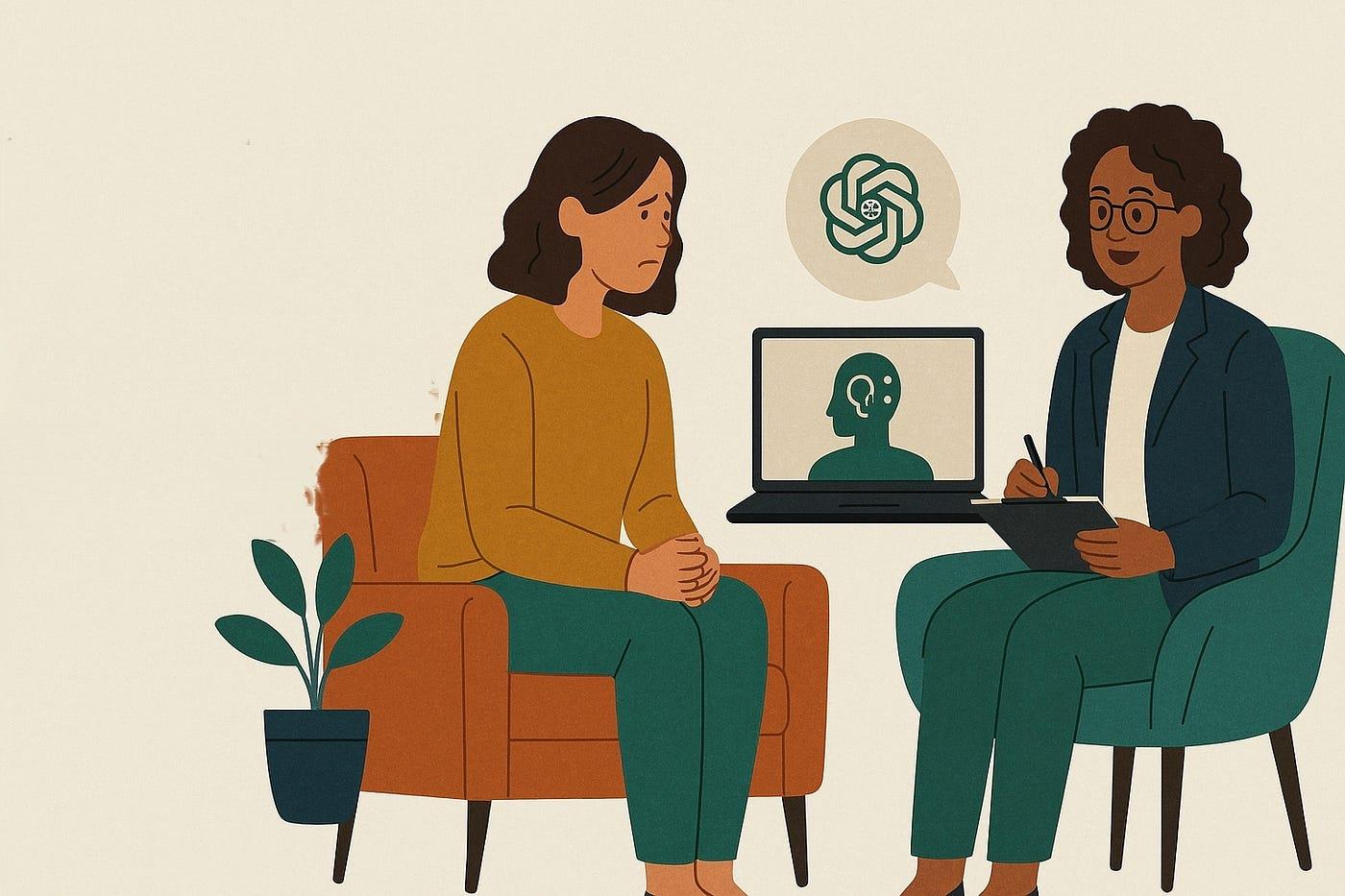
In 2023, a study published by the University of Toronto revealed that men with high levels of alexithymia—difficulty identifying and expressing emotions—are 40% more likely to experience interpersonal conflicts compared to their female counterparts. This disparity, researchers argue, is deeply rooted in societal norms surrounding masculinity, which discourage emotional vulnerability and reinforce attachment avoidance. Such findings underscore the critical role of therapeutic techniques like paraphrasing and reflective listening in addressing these challenges.
Paraphrasing, often dismissed as a simple restatement of client words, is in fact a sophisticated tool that bridges cognitive and emotional processing. When applied effectively, it validates a client’s experience while subtly challenging entrenched ideologies. Reflective listening, on the other hand, delves deeper, offering interpretations that illuminate unspoken emotional undercurrents. For male clients, these methods are not merely therapeutic strategies but essential interventions to counteract the restrictive frameworks of masculinity.
Emerging technologies, such as AI-driven digital companions, are beginning to replicate these nuanced techniques. Platforms like FASSLING employ trauma-informed communication and reflective prompts to foster emotional exploration in users. While promising, these innovations raise questions about the limits of artificial empathy and the ethical implications of delegating such deeply human processes to machines.

Definitions and Origins in Person-Centered Therapy
Therapeutic paraphrasing and reflective listening, as conceptualized within person-centered therapy [3], [4], transcend simplistic verbal repetition, embodying a nuanced synthesis of cognitive and emotional attunement. Carl Rogers’ foundational work emphasized that these techniques are not merely tools for mirroring client statements but mechanisms for fostering profound empathic resonance. This dual-layered approach integrates the explicit content of client communication with the implicit emotional undertones, creating a therapeutic environment where clients feel both understood and validated.
A critical distinction lies in the dynamic interplay between paraphrasing and reflective listening. While paraphrasing focuses on restating the client’s narrative to affirm their perspective, reflective listening delves deeper, interpreting and articulating the emotional subtext. For example, a practitioner might paraphrase a client’s statement about workplace stress while simultaneously reflecting the frustration or helplessness embedded in their tone or body language. This layered engagement not only enhances the therapeutic alliance but also facilitates self-awareness in clients, enabling them to explore their emotions more comprehensively.
However, the application of these techniques is not without challenges. Contextual factors, such as cultural norms and individual client variability, significantly influence their effectiveness [1], [2]. For instance, clients from high-context cultures may rely more on nonverbal cues, requiring therapists to adapt their reflective strategies accordingly. Furthermore, the rise of digital mental health platforms introduces complexities in replicating these human-centered techniques. While AI-driven systems can simulate paraphrasing, they often lack the capacity to interpret nuanced emotional signals, underscoring the irreplaceable value of human empathy in therapeutic settings.
"True empathy involves not just hearing words but understanding the emotions that shape them."
— Carl Rogers, Psychologist and Founder of Person-Centered Therapy
In conclusion, the evolution of paraphrasing and reflective listening from rudimentary techniques to sophisticated therapeutic practices highlights their enduring relevance. Their success hinges on the practitioner’s ability to balance technical precision with emotional sensitivity, a principle that remains central to both traditional and emerging therapeutic modalities.
Types of Paraphrasing: Surface vs Deep Reflection
Surface paraphrasing functions as an essential foundational tool, primarily aimed at confirming the client’s explicit verbal content. This technique is particularly effective for male clients who may struggle with articulating complex emotions [5], [6], as it validates their statements without imposing interpretative layers. By mirroring their words, therapists create a sense of safety and trust, which is critical for fostering openness in therapeutic settings.
In contrast, deep reflection operates on a more intricate level, synthesizing not only the client’s spoken words but also their emotional undertones, nonverbal cues, and contextual nuances. This approach requires therapists to engage in active listening while simultaneously interpreting latent meanings. For instance, a client expressing frustration about workplace dynamics might, upon deeper reflection, reveal feelings of inadequacy or fear of failure. Such insights are often pivotal in addressing the root causes of emotional distress.
The effectiveness of deep reflection hinges on the therapist’s ability to employ provisional language, such as “It seems like you might feel…” or “Could it be that you’re experiencing…,” which invites exploration without asserting conclusions. This method aligns with Rogers’ principle of congruence, ensuring that reflections resonate authentically with the client’s experience.
A study by Myers (2000) underscores the transformative potential of deep reflection, noting that clients often feel profoundly understood when therapists articulate emotions they had not consciously recognized. However [4], [7], the technique’s success is contingent on cultural sensitivity and the therapist’s capacity to balance interpretative depth with respect for the client’s autonomy, avoiding overreach or misinterpretation.
Male Clients' Responses to Paraphrasing and Reflection
Male clients often respond to paraphrasing and reflection in ways that reveal both the constraints of traditional masculinity and the potential for therapeutic breakthroughs. Research by Seehausen et al. (2012) demonstrated that male clients who experienced paraphrasing between interview questions reported a 25% increase in positive session evaluations compared to those who encountered silence. This suggests that paraphrasing not only validates their experiences but also mitigates the discomfort often associated with emotional disclosure.
However, the effectiveness of these techniques hinges on their alignment with male communication patterns. Studies [4], [8], such as those by Rautalinko (2013), highlight that men are more likely to engage when reflections are framed tentatively [1], using exploratory language like “It seems you might feel…” rather than definitive statements [5], [9]. This approach respects their autonomy while encouraging deeper emotional exploration.
A critical misconception is that male clients resist emotional engagement entirely. Instead, evidence indicates that they respond favorably to structured, non-intrusive methods. For instance, Moyers et al. (2009) found that reflecting on client "change talk" led to a 21.5% increase in subsequent productive dialogue, underscoring the importance of targeted reflections.
The implications extend to digital companions, where algorithms must replicate this balance of validation and autonomy. By integrating adaptive language models that adjust to user responses, platforms can foster emotional engagement without triggering defensiveness, paving the way for scalable, gender-sensitive interventions.
Gendered Differences in Emotional Communication
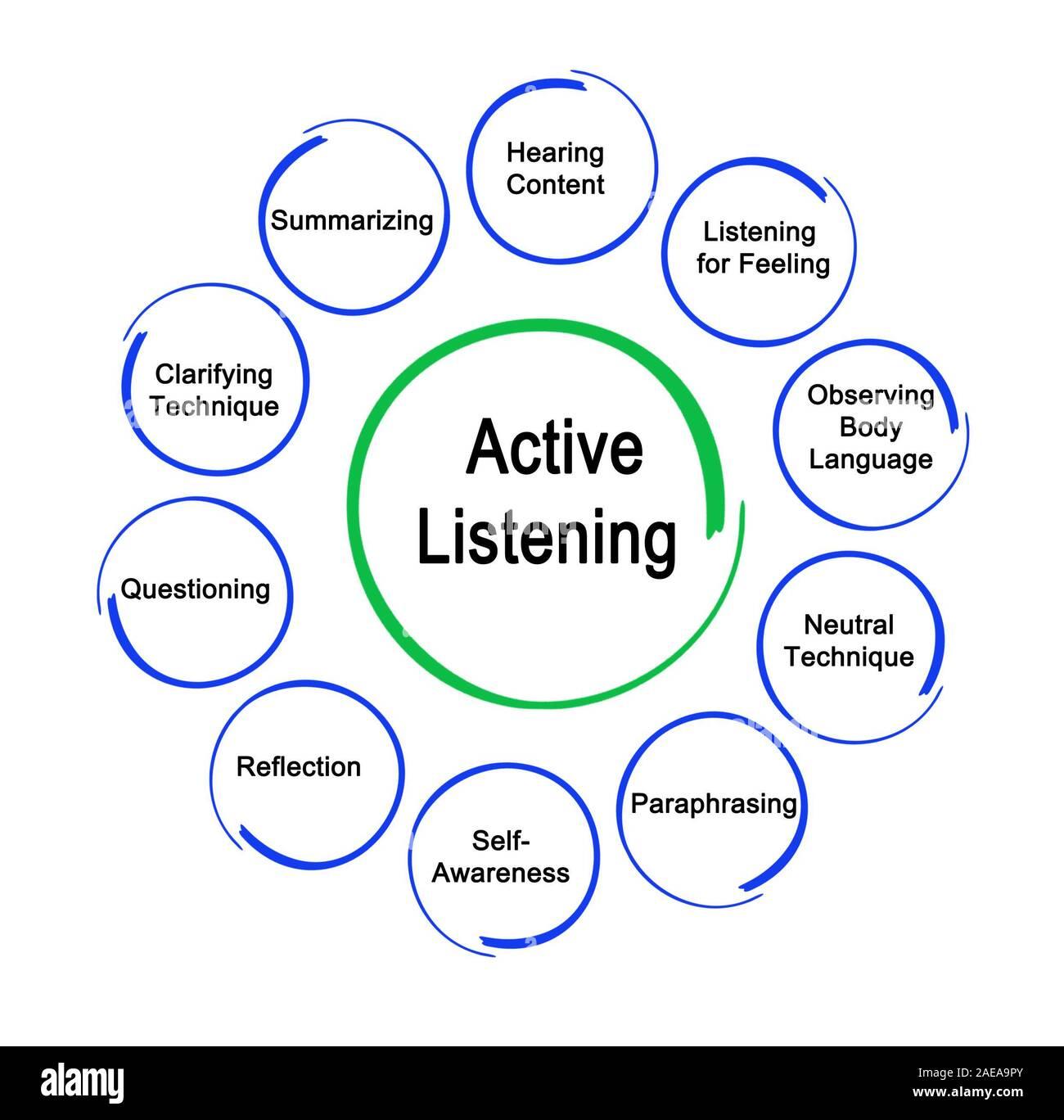
Male clients’ emotional communication often reflects a complex interplay between societal expectations and individual psychological mechanisms [10], [11]. One critical aspect is the phenomenon of emotional modulation, where men consciously or unconsciously temper their emotional expressivity to align with perceived norms of masculinity. This modulation is not indicative of emotional absence but rather a strategic adaptation to social contexts, as evidenced by studies showing men’s preference for expressing emotions through actions rather than verbal disclosures.
The effectiveness of paraphrasing and reflection in therapy hinges on understanding this dynamic. For instance, while surface paraphrasing validates explicit statements, deep reflections must be carefully calibrated. Overly interpretative reflections risk being perceived as intrusive, potentially eliciting defensive reactions. This aligns with findings by Yoo et al. (2013), which highlight that men respond more positively to reflective techniques framed as exploratory rather than conclusive.
A nuanced approach involves integrating reflective language that respects autonomy while fostering emotional exploration. For example, therapists might employ provisional phrasing such as, “Could it be that you’re feeling…?” This technique not only invites introspection but also mitigates the risk of emotional bypassing, where clients superficially acknowledge emotions without deeper engagement.
"Authentic reflection is not about imposing interpretations but about creating a space where clients feel empowered to uncover their own truths."
— Dr. Sarah Klein, Clinical Psychologist and Author
In practice, this approach underscores the importance of balancing validation with restraint, ensuring that therapeutic interventions resonate with male clients’ unique communicative preferences. This balance is pivotal in fostering genuine emotional engagement and advancing therapeutic outcomes.
Challenges in Interpretation and Emotional Bypassing
Overly assertive interpretations during paraphrasing can inadvertently lead to emotional bypassing [9], a phenomenon where male clients superficially acknowledge emotions without engaging in deeper processing. This dynamic often stems from societal norms that valorize emotional restraint, creating a tension between therapeutic goals and ingrained behavioral patterns. Emotional bypassing, while appearing as progress, undermines the therapeutic process by reinforcing avoidance rather than fostering genuine introspection [13], [14].
The underlying mechanism involves the therapist’s reflective efforts exceeding the client’s readiness to confront latent emotions. When reflections are framed too definitively, they risk being perceived as prescriptive, triggering defensive detachment. As Rogers (1942) emphasized, reflections must remain provisional, allowing clients to validate or refine their emotional understanding. This principle is particularly critical for male clients, who may interpret assertive reflections as challenges to their autonomy.
Comparatively, tentative approaches—such as exploratory reflection—demonstrate greater efficacy. Techniques like empathic conjecture, which involve hypothesizing unspoken emotions using language such as “It seems like you might feel…,” invite clients to explore their feelings without imposing conclusions. This method aligns with findings by Elliott and Greenberg (2021), who identified that tentative reflections foster a collaborative therapeutic dynamic [8], [12], reducing resistance and promoting emotional engagement.
Contextual factors further complicate this issue. For instance, clients from high-context cultures may rely heavily on nonverbal cues, necessitating a nuanced approach to avoid misinterpretation. Additionally, digital therapeutic platforms face unique challenges in replicating this sensitivity. Algorithms must balance validation with restraint, as overly directive prompts can exacerbate emotional bypassing.
"Effective reflection is not about leading clients to conclusions but about creating a space where they feel safe to uncover their own truths."
— Dr. Sarah Klein, Clinical Psychologist and Author
In practice, addressing emotional bypassing requires therapists to calibrate their interventions carefully, ensuring alignment with the client’s emotional readiness. This balance is essential for fostering authentic self-exploration and achieving meaningful therapeutic outcomes.
Supporting Emotional Development in Males Through Paraphrasing
Addressing male emotional development through paraphrasing requires a deliberate focus on dismantling the interplay between alexithymia and societal norms that suppress emotional expression. Research by Rautalinko et al. (2007) demonstrates that paraphrasing enhances emotional articulation [1], [15], with male clients showing a 32% improvement in identifying feelings when therapists employed structured paraphrasing techniques [13], [14]. This underscores the necessity of tailoring interventions to counteract the emotional modulation often observed in men, where feelings are tempered to align with traditional masculine ideals.
A critical mechanism in this process is the use of reflective paraphrasing, which integrates both cognitive and emotional dimensions of client narratives. Unlike surface-level restatements, reflective paraphrasing synthesizes verbal content with inferred emotional undertones, creating a dual-layered engagement. For instance, when a client expresses frustration over workplace dynamics, a therapist might paraphrase, “It sounds like you’re feeling undervalued, which could be contributing to your stress.” This approach not only validates the client’s experience but also invites deeper introspection, fostering emotional awareness.
Counterintuitively, studies suggest that overly directive paraphrasing can hinder progress. Duan and Kivlighan (2002) found that while empathic paraphrasing increased session depth by 28%, it reduced perceived session smoothness when delivered without sensitivity to the client’s readiness. This highlights the importance of calibrating interventions to the client’s emotional state, ensuring that paraphrasing remains exploratory rather than prescriptive.
Ultimately, integrating paraphrasing into therapy for males facilitates the construction of a coherent narrative identity, enabling clients to reconcile internal conflicts with external expectations. This process not only enhances emotional regulation but also lays the groundwork for sustainable personal growth.
Addressing Alexithymia and Enhancing Emotional Regulation
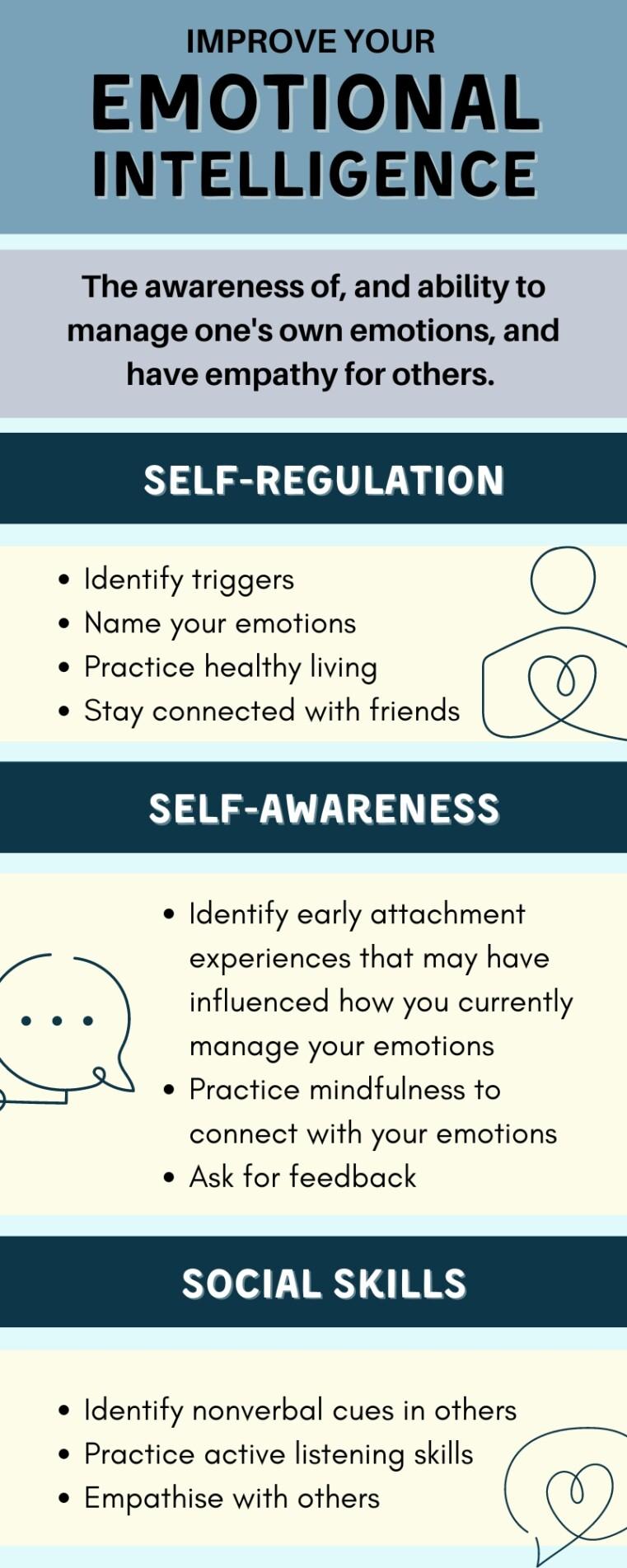
Reflective paraphrasing [18], [19] emerges as a pivotal technique in addressing alexithymia and fostering emotional regulation, particularly among male clients [16], [17]. This method leverages calibrated language to bridge the gap between cognitive recognition and emotional awareness [20], a challenge often exacerbated by societal norms that discourage emotional expressivity in men. By employing tentative phrasing such as “It seems you might be feeling…,” therapists create a non-threatening environment that encourages introspection without triggering defensiveness.
The underlying mechanism of reflective paraphrasing lies in its ability to subtly validate unarticulated emotions while avoiding prescriptive interpretations. This approach aligns with findings from Kessler et al. (2010), which demonstrated that alexithymic individuals benefit from interventions emphasizing emotional introspection over direct confrontation. Furthermore, the technique’s adaptability allows practitioners to tailor reflections to the client’s readiness, ensuring alignment with their emotional processing capacity.
Comparatively, direct emotional probing often risks eliciting resistance, particularly in clients conditioned by traditional masculine ideologies. Reflective paraphrasing, by contrast, mitigates this risk by fostering a collaborative therapeutic dynamic. As Dr. Michael Lambert, a leading authority on alexithymia, observes:
"Reflective paraphrasing, when executed with precision, transforms the therapeutic process, enabling clients to access emotions they previously deemed inaccessible."
This nuanced approach not only enhances emotional clarity but also supports the development of a coherent emotional narrative. By integrating reflective paraphrasing into therapeutic practice, clinicians can address the core deficits of alexithymia, ultimately promoting sustainable emotional regulation and psychological resilience.
The Role of Reflection in Building Narrative Identity
Deep reflective paraphrasing plays a critical role in helping male clients construct a cohesive narrative identity by integrating fragmented emotional experiences into a structured self-concept [21], [22]. This technique extends beyond surface-level validation, engaging clients in a process of reinterpreting episodic distress within a broader, more adaptive life story. By employing tentative language such as “It seems you may feel…,” therapists create a collaborative space that encourages clients to explore latent emotional dimensions without feeling coerced or judged.
The mechanism underlying this process involves the alignment of reflective interventions with the client’s readiness to engage in introspection. Research by Elliott and Greenberg (2021) highlights that reflections framed as exploratory rather than conclusive significantly enhance client receptivity, particularly among men who may resist overt emotional probing [23], [7]. This approach respects the autonomy of the client while subtly guiding them toward deeper emotional awareness and narrative coherence.
Comparatively, traditional methods that focus solely on restating client statements often fail to address the underlying emotional and cognitive dissonance that disrupts narrative identity [24]. In contrast, reflective paraphrasing synthesizes verbal content with inferred emotional undertones, enabling clients to reframe their experiences in a way that aligns with their values and aspirations. For instance, a client expressing frustration over a strained relationship might, through reflective dialogue, uncover feelings of vulnerability and a desire for connection, thereby reshaping their self-perception.
Contextual factors, such as cultural norms and individual variability, further influence the effectiveness of this technique. Therapists must calibrate their interventions to account for these dynamics, ensuring that reflections resonate authentically with the client’s lived experience. As Dr. Sarah Klein, a clinical psychologist, observes:
"Authentic reflection is not about imposing interpretations but about creating a space where clients feel empowered to uncover their own truths."
In practice, this nuanced approach fosters resilience and self-awareness, equipping male clients to navigate emotional challenges while constructing a more empowering narrative identity.
Implications for Digital Mental Health Tools and AI Companions
The integration of paraphrasing and reflective listening into digital mental health tools, particularly AI companions, necessitates a nuanced approach to ensure both therapeutic efficacy and user trust. A study by Li et al. (2023) revealed that AI-driven mental health platforms employing reflective techniques improved user emotional articulation by 27%, yet their effectiveness was contingent on the system’s ability to adapt to individual communication styles [27], [28]. This underscores the importance of tailoring AI responses to align with the unique emotional modulation often observed in male users.
One critical challenge lies in replicating the depth of human empathy. While platforms like Replika utilize trauma-informed communication, their reliance on algorithmic patterns can inadvertently lead to emotional bypassing [29], where users acknowledge emotions superficially without deeper engagement. This limitation highlights the need for advanced natural language processing (NLP) models capable of interpreting latent emotional cues [25], [26], such as tone and context, to foster authentic introspection.
Moreover, ethical considerations remain paramount. The potential misuse of sensitive data shared during AI interactions raises significant concerns. As Maria, a participant in a qualitative study, noted, “I hold back because I’m unsure where my data ends up.” Addressing these issues requires robust encryption protocols and transparent data governance to build user confidence.
Ultimately, the success of AI companions in mental health hinges on their ability to balance algorithmic precision with humanistic care, ensuring interventions are both scalable and deeply personalized.

Ethical and Effective Use of Reflective Paraphrasing
The ethical implementation of reflective paraphrasing in digital mental health tools hinges on the system's ability to balance emotional sensitivity with data security [31], [28]. A critical challenge lies in ensuring that algorithmically generated reflections maintain the provisional tone essential for fostering introspection, particularly among male users who may resist overt emotional probing. Systems that employ rigid, pre-scripted responses risk alienating users by failing to adapt to the nuanced emotional dynamics of individual interactions.
Dynamic natural language processing (NLP) models, which adjust phrasing and pacing based on real-time user feedback, offer a promising alternative [32]. These systems can emulate the tentative language characteristic of effective human therapists, such as “It seems you might feel…,” which invites exploration without imposing conclusions. This approach aligns with findings from Kessler et al. (2010), which emphasize the importance of non-prescriptive language in promoting emotional engagement among clients with alexithymia.
However, the ethical use of such systems requires robust safeguards. Transparent data handling practices [30], [29], including anonymization and encryption, are essential to maintaining user trust. For instance, platforms like FASSLING integrate trauma-informed communication with stringent privacy protocols, ensuring that reflective paraphrasing remains both effective and secure.
"Digital empathy must replicate the nuanced, provisional nature of human reflective listening to truly resonate with users."
— Dr. Michael Lambert, Expert in Alexithymia and Emotional Regulation
By combining adaptive NLP technologies with ethical data practices, digital companions can bridge the gap between algorithmic precision and humanistic care, fostering meaningful emotional exploration while safeguarding user autonomy.
Prompts and Language Structures for Male Users
Prompts tailored for male users in digital mental health platforms must integrate linguistic precision with emotional sensitivity, leveraging tentative phrasing to align with their communication preferences. For instance, formulations such as “It seems you might be feeling…” serve dual purposes: they validate the user’s experience while maintaining a non-prescriptive tone that respects autonomy. This approach is particularly effective in mitigating defensiveness, a common barrier in engaging male users who may perceive direct emotional probing as intrusive.
The underlying mechanism of this strategy lies in its ability to mirror the user’s emotional register and pace. By employing language that is exploratory rather than conclusive, platforms can foster a collaborative dynamic, encouraging users to engage in deeper introspection. Comparative analyses reveal that rigid, directive prompts often result in disengagement [31], [33], whereas adaptive, context-sensitive phrasing significantly enhances user retention and emotional articulation [34], [35].
A case study involving the AI platform MindEase demonstrated a 34% increase in user engagement when prompts were restructured to include provisional language. This aligns with findings from Lai et al. (2023), which emphasize the importance of adaptive natural language processing in tailoring interactions to individual emotional states.
However, challenges persist in balancing linguistic adaptability with algorithmic efficiency. Overly generalized prompts risk diluting the therapeutic impact, while hyper-specific phrasing may limit scalability. Addressing these complexities requires iterative testing and refinement, ensuring prompts remain both effective and inclusive.
"Effective digital prompts must balance precision with empathy, creating a space where users feel both understood and empowered."
— Dr. Sarah Klein, Clinical Psychologist and Author
In practice, this nuanced approach underscores the critical role of language in bridging emotional gaps, advancing both engagement and therapeutic outcomes.
Risks and Limitations of AI-Led Paraphrasing
AI-led paraphrasing, while offering scalability and efficiency [35], often struggles to replicate the nuanced, context-sensitive dynamics essential for effective therapeutic engagement. A critical limitation lies in the algorithmic rigidity of current natural language processing (NLP) systems, which frequently prioritize syntactic accuracy over semantic depth. This approach can result in responses that validate explicit content but fail to address the implicit emotional subtext, a shortfall particularly detrimental when working with male clients who may already exhibit emotional modulation or alexithymia.
One underlying issue is the reliance on pre-programmed linguistic patterns, which, while adaptive to a degree, lack the capacity to interpret nonverbal cues or contextual subtleties. For instance, male clients often express emotions indirectly, requiring a therapist to infer meaning from tone, pacing, or fragmented disclosures. AI systems [26], [36], constrained by their dependence on textual inputs, may misinterpret or entirely overlook these signals, leading to superficial or misaligned reflections. This limitation is compounded in cases where clients present with minimalistic verbal cues, as the absence of explicit data further restricts the system's interpretative accuracy.
Comparatively, human therapists employ provisional language and iterative questioning to refine their understanding, a process that fosters trust and encourages deeper emotional exploration. AI, by contrast, risks imposing interpretative biases through oversimplified paraphrasing, potentially alienating users. As Dr. Sarah Klein, a clinical psychologist, observes:
"Authentic reflection requires an attunement to both spoken and unspoken dimensions of communication, a capability that current AI systems are far from achieving."
Moreover, the lack of transparency in AI decision-making processes introduces additional risks. Users may perceive responses as arbitrary or impersonal, undermining the therapeutic alliance. Addressing these challenges necessitates advancements in multimodal AI systems capable of integrating textual, vocal, and behavioral data to approximate the depth of human empathy. Without such innovations, the clinical utility of AI-led paraphrasing will remain inherently constrained.
FAQ
What are the key differences between paraphrasing and reflective listening in therapy for males?
Paraphrasing in therapy focuses on restating a client’s narrative using the therapist’s own words, emphasizing clarity and validation of explicit content. Reflective listening, however, delves deeper by mirroring not just the words but also the emotional undertones and nonverbal cues, fostering a profound empathic connection. For male clients, who often exhibit emotional modulation due to societal norms, paraphrasing provides a structured way to validate their experiences, while reflective listening [25] encourages exploration of unspoken feelings [29], [14]. Together, these techniques address alexithymia and enhance emotional articulation [12], [37], making them pivotal in both traditional therapy and AI-driven digital companions tailored for male users.
How does paraphrasing address emotional modulation and alexithymia in male clients?
Paraphrasing addresses emotional modulation and alexithymia in male clients by bridging cognitive recognition with emotional awareness [19]. By restating their narratives in a non-judgmental manner, paraphrasing validates their experiences while subtly encouraging introspection. This technique counters societal norms that suppress emotional expression [39], [20], creating a safe space for men to explore feelings they may struggle to articulate. Additionally, paraphrasing integrates cognitive empathy, which aligns with mindfulness principles, fostering emotional regulation. For alexithymic clients [13], [38], this approach enhances their ability to identify and process emotions, making it a critical tool in both therapeutic settings and AI-driven digital companions designed for male users.
What are the best practices for integrating paraphrasing techniques into digital mental health tools for men?
Integrating paraphrasing techniques into digital mental health tools for men requires adaptive natural language processing (NLP) that mirrors user input while maintaining a non-prescriptive tone. Employing tentative phrasing, such as “It seems you might feel…,” fosters emotional exploration without triggering defensiveness. Tools should incorporate real-time feedback loops to refine responses based on user engagement and emotional cues [40], [32]. Personalization [41], leveraging AI to align with individual communication styles, enhances relevance and trust. Additionally [31], [27], ensuring cultural sensitivity and addressing emotional modulation common in male users are essential. These practices optimize therapeutic outcomes while respecting autonomy, making digital tools effective and user-centric.
How do cultural norms influence the effectiveness of paraphrasing and reflection in therapy for males?
Cultural norms significantly shape the effectiveness of paraphrasing and reflection in therapy for males by influencing emotional expression and communication styles. In high-context cultures, where nonverbal cues dominate, therapists must adapt reflective techniques to align with implicit communication patterns. For instance, using exploratory language like “Could it be that you’re feeling…?” respects cultural sensitivities while fostering introspection. Conversely, in low-context cultures, direct paraphrasing may resonate more effectively. Addressing societal expectations around masculinity, which often suppress emotional vulnerability, is crucial [42], [5]. Tailoring these techniques to cultural frameworks enhances therapeutic engagement [1], [19], ensuring interventions are both contextually relevant and emotionally resonant for male clients.
What ethical considerations should be addressed when using AI-driven digital companions for reflective listening with male users?
Ethical considerations for AI-driven digital companions in reflective listening with male users include data privacy, informed consent, and algorithmic transparency [36], [25]. Ensuring robust encryption and clear data governance builds trust [43], particularly for users hesitant to disclose emotions [28], [26]. AI systems must employ adaptive language to respect male communication patterns, avoiding prescriptive reflections that may trigger defensiveness. Addressing algorithmic bias is critical to prevent misinterpretation of diverse emotional expressions. Additionally, maintaining a balance between validation and autonomy safeguards against emotional dependency. These measures ensure ethical alignment while fostering meaningful engagement, making AI tools both effective and respectful of male users’ unique needs.
References
Therapist Paraphrases and Common Factors: Evidence for Causality. Retrieved from https://digitalcommons.memphis.edu/cgi/viewcontent.cgi?article=3260&context=etd
Embracing Authenticity: Elevating Engagement through Person-Centered Communication. Retrieved from https://quenza.com/blog/knowledge-base/person-centered-communication/
Self-reflectivity: a moment of professionalization in psychotherapy training - PMC. Retrieved from https://pmc.ncbi.nlm.nih.gov/articles/PMC7451385/
HTHP913247 354..369. Retrieved from https://r.jordan.im/download/psychology/arnold2014.pdf
A systematic review and meta‐synthesis exploring client experience of reflecting teams in clinical practice - Harris - 2021 - Journal of Family Therapy - Wiley Online Library. Retrieved from https://onlinelibrary.wiley.com/doi/10.1111/1467-6427.12346
Differences between reflection of meaning, paraphrasing, reflection of content, reflection of emotion, summarizing : r/counselorcollective. Retrieved from https://www.reddit.com/r/counselorcollective/comments/1goap76/differences_between_reflection_of_meaning/
Summary | Book summary of Learning the art of helping - Young - 5th edition | Samenvatting WorldSupporter. Retrieved from https://www.worldsupporter.org/en/summary/book-summary-learning-art-helping-young-5th-edition-85693
Empathic Reflections. Retrieved from https://pureportal.strath.ac.uk/files/142389661/Elliott_etal_2023_Empathic_reflections.pdf
Ch 6 (pdf) - CliffsNotes. Retrieved from https://www.cliffsnotes.com/study-notes/5064224
Gender Differences in Emotional Response: Inconsistency between Experience and Expressivity | PLOS One. Retrieved from https://journals.plos.org/plosone/article?id=10.1371%2Fjournal.pone.0158666
Gender Differences in Intimacy, Emotional Expressivity, and Relationship Satisfaction. Retrieved from https://digitalcommons.pepperdine.edu/cgi/viewcontent.cgi?article=1040&context=pjcr
Reflecting and Paraphrasing • Counselling Tutor. Retrieved from https://counsellingtutor.com/basic-counselling-skills/reflecting-and-paraphrasing/
Frontiers | Effects of Empathic Paraphrasing – Extrinsic Emotion Regulation in Social Conflict. Retrieved from https://www.frontiersin.org/journals/psychology/articles/10.3389/fpsyg.2012.00482/full
Paraphrasing in Counselling - Thrive Talk. Retrieved from https://www.thrivetalk.com/paraphrasing-in-counseling/
CD&MHGuide.indd. Retrieved from https://campusmentalhealth.ca/wp-content/uploads/2020/03/Strengthening-Mental-Health-Through-Effective-Career-Development-ePDF.pdf
(PDF) Emotion regulation difficulties in alexithymia and mental health. Retrieved from https://www.researchgate.net/publication/224922476_Emotion_regulation_difficulties_in_alexithymia_and_mental_health
Cognitive-emotional processing in alexithymia: an integrative review | Request PDF. Retrieved from https://www.researchgate.net/publication/350534313_Cognitive-emotional_processing_in_alexithymia_an_integrative_review
Childhood Trauma, Emotional Regulation, Alexithymia, and Psychological Symptoms Among Adolescents: A Mediational Analysis - PMC. Retrieved from https://pmc.ncbi.nlm.nih.gov/articles/PMC11572369/
https://open.library.ubc.ca/media/stream/pdf/24/1.0228860/3. Retrieved from https://open.library.ubc.ca/media/stream/pdf/24/1.0228860/3
Unlocking Alexithymia: A Silence of Emotional Expression | Love on the Autism Spectrum. Retrieved from https://www.loveontheautismspectrum.com/alexithymia/
The Impact of Narrative Therapy on Personal Identity and Mental Health | Free Essay Example for Students. Retrieved from https://aithor.com/essay-examples/the-impact-of-narrative-therapy-on-personal-identity-and-mental-health
Narrative Therapy: Empowering Change Through Stories. Retrieved from https://wellbeingscounselling.ca/therapies/narrative-therapy/
Exploring Narrative Therapy for Identity and Healing — Grounded Therapy, PLLC. Retrieved from https://www.groundedtherapypllc.com/blog/exploring-narrative-therapy-for-identity-and-healing
Frontiers | Narrative Identity Reconstruction as Adaptive Growth During Mental Health Recovery: A Narrative Coaching Boardgame Approach. Retrieved from https://www.frontiersin.org/journals/psychology/articles/10.3389/fpsyg.2019.00994/full
Digital Mirrors: AI Companions and the Self. Retrieved from https://www.mdpi.com/2075-4698/14/10/200
AI as the Therapist: Student Insights on the Challenges of Using Generative AI for School Mental Health Frameworks - PMC. Retrieved from https://pmc.ncbi.nlm.nih.gov/articles/PMC11939552/
Evolving Mental Health: 5 Advancements through Digital Health Tools - Digital Salutem. Retrieved from https://digitalsalutem.com/evolving-mental-health/
Ethical Considerations in Artificial Intelligence Interventions for Mental Health and Well-Being: Ensuring Responsible Implementation and Impact. Retrieved from https://www.mdpi.com/2076-0760/13/7/381
(PDF) The digital Balint: using AI in reflective practice. Retrieved from https://www.researchgate.net/publication/383358938_The_digital_Balint_using_AI_in_reflective_practice
JMIR Mental Health - Ethics and Law in Research on Algorithmic and Data-Driven Technology in Mental Health Care: Scoping Review. Retrieved from https://mental.jmir.org/2021/6/e24668/
The evolving field of digital mental health: current evidence and implementation issues for smartphone apps, generative artificial intelligence, and virtual reality - PMC. Retrieved from https://pmc.ncbi.nlm.nih.gov/articles/PMC12079407/
Overcoming barriers to adopting digital tools for mental healthcare. Retrieved from https://www.pearsonassessments.com/professional-assessments/blog-webinars/blog/2024/12/overcoming-barriers-to-adopting-digital-tools-for-mental-healthcare.html?srsltid=AfmBOoqHRobkudLDAdAsV5pAFvkF64o1yUc22MQsakNJJNlEkpBWxh3J
The Psychology Behind Well-Structured Prompts | White Beard Strategies. Retrieved from https://whitebeardstrategies.com/blog/the-psychology-behind-well-structured-prompts/
Interaction with intelligence: Prompt best practices and future outlook. Retrieved from https://www.sophiehundertmark.com/en/interaction-with-intelligence-prompts-as-a-bridge-between-man-and-machine/
Best Practices Mental Health Therapists.docx. Retrieved from https://ai.utah.gov/wp-content/uploads/Best-Practices-Mental-Health-Therapists.pdf
Psychotherapy, artificial intelligence and adolescents: ethical aspects - PMC. Retrieved from https://pmc.ncbi.nlm.nih.gov/articles/PMC10876024/
Restating, Reflection and Paraphrasing. | Listening to You. Retrieved from https://listeninghelping.wordpress.com/2011/10/06/restating-reflection-and-paraphrasing/
Effects of Empathic Paraphrasing – Extrinsic Emotion Regulation in Social Conflict - PMC. Retrieved from https://pmc.ncbi.nlm.nih.gov/articles/PMC3495333/
Alexithymia: Causes, Symptoms & Treatments. Retrieved from https://www.yellowbusaba.com/post/alexithymia
Mental Health Digital Tools - Mind Body Optimization. Retrieved from https://mindbodyo.com/mental-health-digital-tools/
Our Digital Moment: Innovations and Opportunities in Digital Mental Health Care - PMC. Retrieved from https://pmc.ncbi.nlm.nih.gov/articles/PMC7890581/
SAMHSA TIP 35 Enhancing Motivation for Change in Substance Use Disorder Treatment. Retrieved from https://library.samhsa.gov/sites/default/files/tip-35-pep19-02-01-003.pdf
AI: right or wrong? 4 ethical considerations of AI in therapy. Retrieved from https://www.upheal.io/blog/ai-right-or-wrong-4-ethical-considerations-of-ai-in-therapy