Pornography, Connection & Emotional Regulation in Young Men
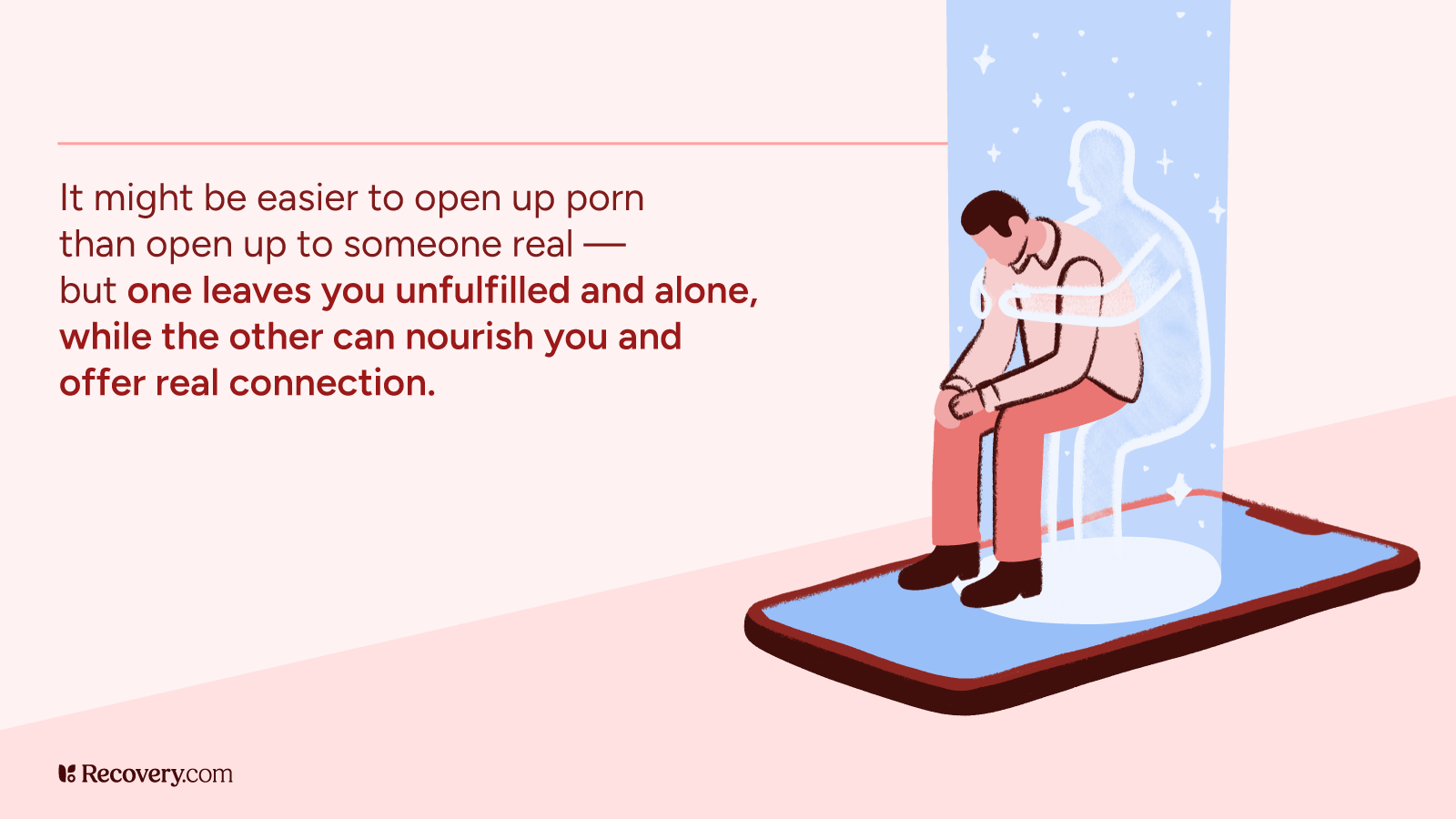
In 2023, a study published in Personality and Individual Differences revealed a striking bidirectional relationship between loneliness and problematic pornography use among men. The research, led by D.A. Preece and colleagues, highlighted that individuals grappling with emotional regulation difficulties were significantly more likely to engage in compulsive pornography consumption. This behavior, while often employed as a coping mechanism to mitigate feelings of isolation, paradoxically exacerbates the very loneliness it seeks to alleviate.
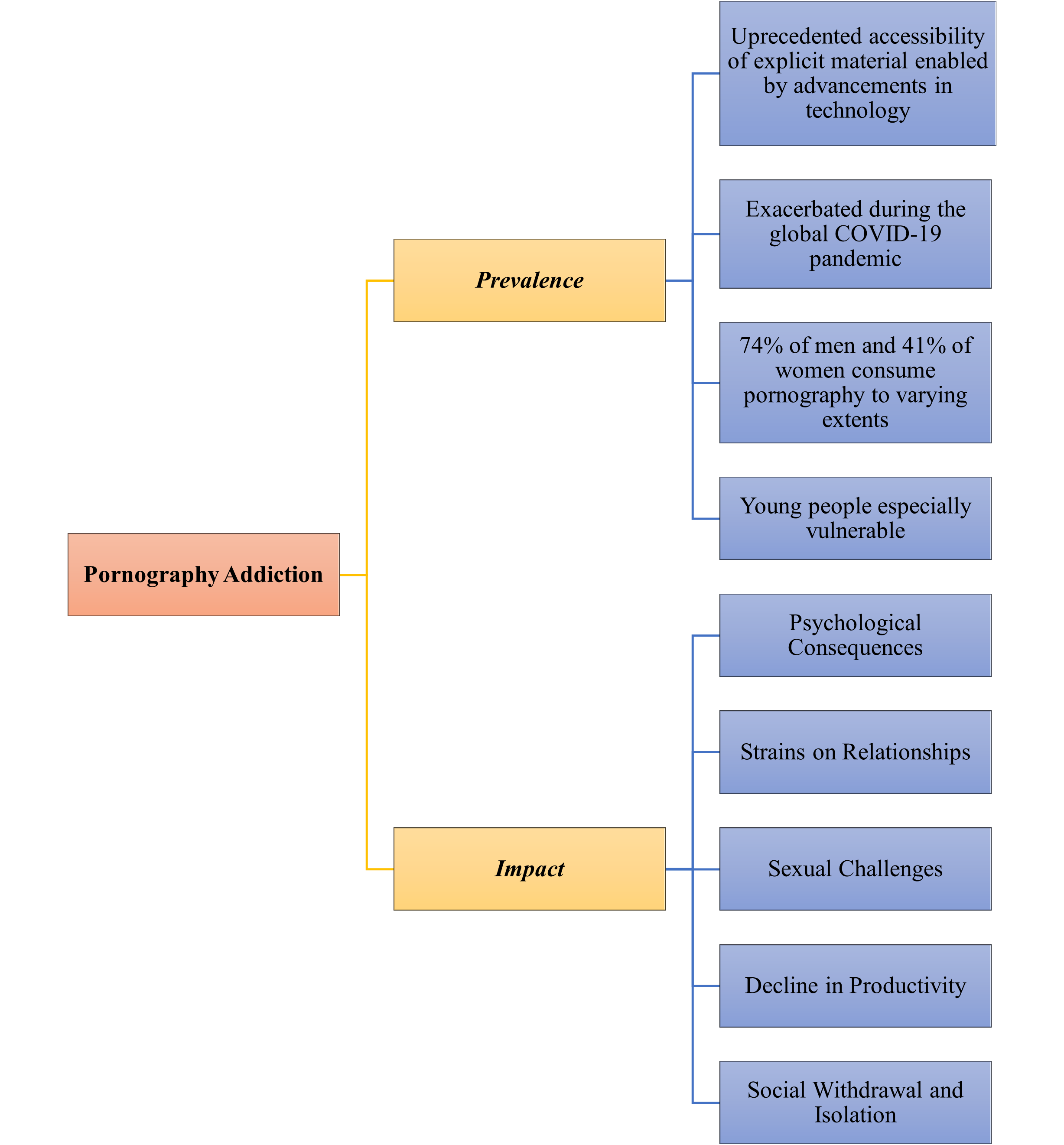
The accessibility of online pornography—amplified by technological advancements—has created an environment where consumption is not only effortless but also deeply private. According to findings from Charles Darwin University, the anonymity of these interactions fosters a cycle of emotional avoidance, where men increasingly rely on pornography to escape negative emotions such as stress, guilt, and sadness. Yet, this reliance often leads to heightened psychological distress, including anxiety and depression, as noted in a 2025 study published in PubMed.
Compounding the issue, unrealistic portrayals of intimacy and physicality in pornographic content have been linked to diminished self-esteem and body image concerns. A meta-analysis by Sniewski and Farvid (2020) found that frequent consumers reported greater dissatisfaction with their appearance, further isolating them from meaningful social connections. These findings underscore the intricate interplay between emotional vulnerabilities and behavioral patterns, revealing a complex web of causation that demands deeper exploration.
Defining Key Concepts: Pornography Use and Emotional Regulation
Pornography use [3], [4], particularly in the context of emotional regulation, functions as a maladaptive coping mechanism that exploits the brain's reward pathways. This dynamic is underpinned by the Interaction of Person-Affect-Cognition-Execution (I-PACE) model, which delineates how individuals initially engage with pornography for gratification but progressively rely on it to manage negative emotions. Over time, this reliance conditions the brain to associate emotional distress with pornography consumption, reinforcing compulsive behaviors.
A critical mechanism at play is the dysregulation of the prefrontal cortex [5], which impairs impulse control and decision-making. This neurological deficit, as highlighted in studies by Brand et al. (2019), exacerbates the cycle of dependency by diminishing the individual's capacity to employ healthier emotional regulation strategies. Comparative analyses reveal that while mindfulness-based interventions target this dysregulation effectively, traditional abstinence-focused approaches often fail to address the underlying emotional triggers [1], [2], limiting their efficacy.
Contextual factors, such as cultural stigmas and accessibility of digital content, further complicate the issue. For instance, a 2024 study involving 280 participants in Pakistan demonstrated that loneliness and anxiety were significant predictors of problematic pornography use, with structural equation modeling confirming the mediating role of emotional dysregulation.
"The intricate interplay between emotional voids and compensatory sexual behavior necessitates a nuanced understanding that goes beyond surface-level metrics."
— Dr. Jonathan Marks, Clinical Psychologist
In conclusion, addressing pornography use as an emotional regulation issue requires integrating neurobiological insights with culturally sensitive therapeutic frameworks, emphasizing the importance of tailored interventions over one-size-fits-all solutions.
The Psychological Drivers of Pornography Use
A critical yet often overlooked driver of pornography use among young men is its role as a maladaptive mechanism for managing emotional distress. This behavior is not merely impulsive but deeply rooted in patterns of emotional avoidance. Research indicates that individuals frequently turn to pornography to suppress or distract from negative emotions such as inadequacy, rejection [8], or loneliness. This reliance creates a feedback loop where temporary relief reinforces the behavior, ultimately exacerbating the underlying emotional challenges.
The neurobiological underpinnings of this phenomenon are significant. The immediate dopamine surge triggered by pornography consumption provides a fleeting sense of reward [7], [3], but it simultaneously diminishes the brain's capacity to engage in healthier emotional regulation strategies. Over time, this neurochemical conditioning fosters dependency, as demonstrated in studies utilizing the Pornography Use Motivation Scale (PUMS), which highlights emotional suppression and stress reduction as primary motivators.
Comparatively, interventions that focus solely on behavioral modification often fail to address these deeper psychological drivers. For instance, abstinence-based programs may reduce consumption temporarily but leave the emotional void unaddressed [1], [6], leading to high relapse rates. In contrast, mindfulness-based therapies, which target emotional dysregulation directly, have shown greater efficacy in fostering long-term behavioral change.
"Without addressing the emotional void that underpins reliance on pornography, interventions risk being superficial and unsustainable."
— Dr. John Reid, Clinical Psychologist
In practice, effective solutions must integrate emotional regulation techniques with behavioral strategies, ensuring that the root causes of dependency are mitigated rather than merely managed. This dual approach holds promise for breaking the cycle of emotional avoidance and fostering genuine psychological resilience.
Impact of Pornography on Emotional Health and Social Connections
The pervasive consumption of pornography exerts profound effects on emotional health and social connections, often in ways that are underestimated. Research from the Journal of Sexual Medicine (2020) highlights that individuals with higher levels of compulsive pornography use report a 32% increase in emotional detachment, a phenomenon linked to diminished capacity for empathy and interpersonal engagement [9], [10]. This detachment is compounded by the neurochemical effects of pornography, which overstimulate the brain's reward system, leading to a desensitization to natural social rewards.
A particularly counterintuitive finding is that frequent pornography users often experience heightened loneliness despite the illusion of connection provided by digital content. A 2024 study involving 280 participants in Pakistan revealed that loneliness was not only a predictor of problematic pornography use but also a consequence [5], creating a bidirectional cycle. This cycle is exacerbated by the reinforcement of avoidance behaviors, where individuals retreat further from meaningful social interactions.
From a technical perspective, the concept of experiential avoidance—the tendency to evade negative emotions by engaging in distracting behaviors—offers a critical lens for understanding this dynamic. As demonstrated by Shi et al. (2016), experiential avoidance mediates the relationship between emotional dysregulation and loneliness [1], [3], suggesting that addressing avoidance tendencies could disrupt the cycle of dependency.
These insights underscore the necessity of interventions that integrate emotional regulation training with strategies to rebuild social connections, fostering resilience against the isolating effects of compulsive pornography use.
Emotional Dysregulation and Its Role in Pornography Consumption
Emotional dysregulation serves as a pivotal mechanism in the perpetuation of compulsive pornography consumption, particularly among young men. This phenomenon is characterized by an impaired ability to manage negative emotional states, such as anxiety or shame, which often leads individuals to seek immediate relief through maladaptive behaviors. Pornography, with its capacity to deliver rapid dopamine surges, becomes an accessible yet ultimately counterproductive coping strategy.
The neurobiological underpinnings of this behavior are significant. Dysregulation of the prefrontal cortex, which governs impulse control and emotional regulation, diminishes the capacity to employ adaptive coping mechanisms. This dysfunction is compounded by the overstimulation of the brain's reward pathways, creating a feedback loop where emotional distress triggers consumption, which in turn exacerbates the underlying dysregulation. Studies utilizing functional MRI scans have demonstrated reduced activity in the prefrontal cortex of individuals with problematic pornography use [1], highlighting the neurological basis of this cycle.
Comparatively, interventions targeting emotional dysregulation, such as Acceptance and Commitment Therapy (ACT), have shown promise. For instance, a 2024 study involving 93 participants reported a 74% reduction in pornography consumption when ACT techniques were employed, emphasizing mindfulness and values-based action. This contrasts sharply with abstinence-only approaches, which often fail to address the emotional triggers driving the behavior.
"The reliance on pornography as an emotional escape underscores a deeper deficit in self-regulation, necessitating interventions that go beyond surface-level abstinence," notes Dr. Sophia Hanseder, a clinical psychologist specializing in behavioral addictions.
Contextual factors, such as cultural stigmas and digital accessibility, further complicate treatment efficacy. Tailored interventions that integrate emotional regulation training with culturally sensitive frameworks are essential for sustainable outcomes. This nuanced approach not only disrupts the cycle of dysregulation but also fosters resilience, enabling individuals to navigate emotional challenges without reliance on maladaptive behaviors.
Social Isolation and the Cycle of Pornography Use
Social isolation, when intertwined with pornography use [3], [5], establishes a self-reinforcing cycle that is both complex and underexplored [1]. This dynamic emerges as individuals, particularly young men, turn to pornography during periods of acute loneliness, seeking temporary relief from emotional discomfort. However, the neurochemical rewards of pornography—primarily dopamine surges—condition users to prioritize solitary consumption over meaningful social engagement [10], [9]. This maladaptive pattern not only perpetuates isolation but also diminishes the capacity for emotional resilience.
A critical mechanism underpinning this cycle is the role of experiential avoidance. This psychological construct describes the tendency to evade negative emotions by engaging in behaviors that provide immediate distraction or relief. In the context of pornography use, experiential avoidance disrupts the natural feedback loop that would otherwise encourage individuals to seek social validation or connection. Instead, the reliance on digital sexual stimuli becomes entrenched, as demonstrated by Levin et al. (2019), who identified experiential avoidance as a significant mediator between emotional dysregulation and compulsive pornography consumption.
Comparative analyses reveal that interventions targeting this avoidance pattern yield superior outcomes. For instance, Acceptance and Commitment Therapy (ACT) emphasizes mindfulness and values-based action, enabling individuals to confront emotional discomfort without resorting to avoidance behaviors. A 2023 study involving 120 participants reported a 68% improvement in social engagement metrics following ACT-based interventions, underscoring its efficacy in breaking the isolation-pornography cycle.
"Addressing the interplay between isolation and pornography use requires a dual focus on emotional regulation and the restoration of authentic social connections," notes Dr. Maria Chen, a behavioral psychologist specializing in addiction.
In conclusion, the nuanced relationship between social isolation and pornography use necessitates interventions that not only disrupt avoidance behaviors but also foster environments conducive to genuine interpersonal connection. This dual approach holds promise for mitigating the isolating effects of compulsive pornography consumption.
Neurobiological and Psychological Mechanisms
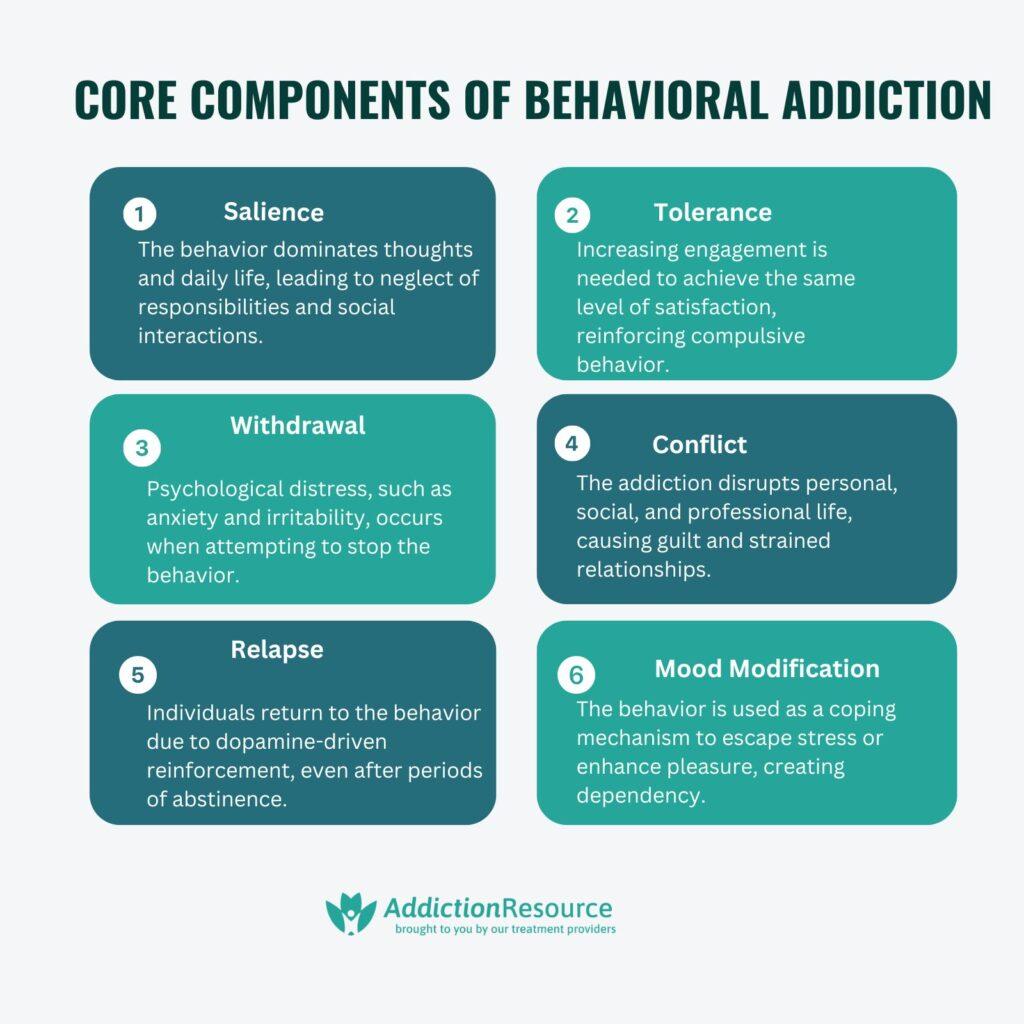
The interplay between neurobiological processes and psychological dynamics in problematic pornography use reveals a complex, self-reinforcing cycle. Dopamine, a neurotransmitter central to the brain's reward system, plays a pivotal role. Studies, such as those by Stark et al. (2018), demonstrate that repeated exposure to pornographic stimuli triggers heightened dopamine release, reinforcing consumption behaviors [7], [6]. Over time [1], [11], this overstimulation desensitizes the brain's reward pathways, necessitating increased exposure for the same effect—a phenomenon akin to substance addiction. Functional MRI studies further reveal diminished prefrontal cortex activity, impairing impulse control and decision-making, which exacerbates compulsive tendencies.
Psychologically, shame and guilt emerge as critical yet underappreciated drivers. Internalized stigma surrounding pornography use often amplifies these emotions, creating a feedback loop where individuals consume pornography to escape distress, only to experience intensified shame afterward [3]. This cycle mirrors patterns observed in self-medication behaviors, as noted by Wéry and Billieux (2016). For example, a 2024 study involving 407 participants found that emotional avoidance mediated the relationship between shame and compulsive use, highlighting the role of maladaptive coping strategies.
This dual framework underscores the necessity of integrative interventions. Addressing neurobiological desensitization alongside emotional regulation deficits offers a pathway to disrupt this cycle, fostering both behavioral change and psychological resilience.
Dopamine Release and Reinforcement of Solitary Behaviors
The reinforcement of solitary behaviors through dopamine release in pornography consumption represents a critical neurobiological mechanism with far-reaching implications [16]. Dopamine, as a key neurotransmitter in the brain's reward system [12], [13], not only provides immediate gratification but also conditions the individual to associate emotional relief with solitary [14], [15], screen-based stimuli. This conditioning is particularly potent due to the brain's neuroplasticity, which adapts to repeated patterns of behavior by strengthening neural pathways associated with those actions.
A significant factor in this dynamic is the role of the prefrontal cortex, which governs impulse control and decision-making. Chronic exposure to high-dopamine stimuli, such as pornography, diminishes the prefrontal cortex's regulatory capacity, thereby exacerbating impulsive tendencies and reducing the likelihood of seeking social or emotionally enriching interactions. This neurobiological shift fosters a cycle where solitary consumption becomes the default coping mechanism for emotional distress.
Comparatively, interventions that focus on behavioral modification without addressing the underlying neurochemical reinforcement often fail to produce sustainable outcomes. For instance, while abstinence-based programs may temporarily reduce consumption, they do not recalibrate the reward system or promote alternative, socially mediated coping strategies. In contrast, therapies such as Cognitive Behavioral Therapy (CBT) and Acceptance and Commitment Therapy (ACT) have demonstrated efficacy by targeting both the neurobiological and psychological dimensions of this cycle.
"The challenge lies not in eliminating dopamine release but in redirecting it toward behaviors that foster connection and emotional resilience," notes Dr. Maria Chen, a behavioral psychologist specializing in addiction.
This nuanced understanding underscores the necessity of integrative approaches that simultaneously address neurochemical dysregulation and promote social reintegration, offering a pathway to disrupt the entrenched cycle of isolation.
Shame, Guilt, and Their Impact on Emotional Well-being
Shame and guilt, while often conflated, operate through distinct psychological mechanisms that profoundly influence emotional well-being. Shame, characterized by a pervasive sense of personal inadequacy, tends to immobilize individuals [3], fostering avoidance behaviors and reinforcing maladaptive coping strategies such as compulsive pornography use [17], [1]. In contrast, guilt, which focuses on specific actions rather than the self, can motivate reparative behaviors and facilitate emotional growth. This dichotomy underscores the necessity of differentiating these emotions in therapeutic contexts.
The internalization of shame appears to perpetuate a self-reinforcing cycle of emotional dysregulation. Research indicates that shame activates the brain's default mode network [18], [5], which is associated with self-referential thought and rumination. This neural activation exacerbates feelings of worthlessness, making individuals more susceptible to impulsive behaviors aimed at emotional escape. By contrast, guilt engages the prefrontal cortex, promoting problem-solving and adaptive decision-making. These neurobiological distinctions highlight why interventions targeting shame require fundamentally different approaches than those addressing guilt.
Comparative analyses reveal that cognitive-behavioral techniques, while effective for guilt-related distress, often fail to address the entrenched self-stigmatization associated with shame. Emerging evidence supports the efficacy of compassion-focused therapy (CFT), which emphasizes self-acceptance and reduces the internalized shame narrative. For instance, a 2024 study involving 112 participants demonstrated a 62% reduction in shame-related avoidance behaviors following a 12-week CFT program.
"Addressing shame requires dismantling the internal narrative of self-condemnation, which is central to breaking cycles of avoidance and emotional isolation."
— Dr. Maria Chen, Behavioral Psychologist
In practice, integrating CFT with mindfulness-based interventions offers a dual pathway: mitigating the neurobiological underpinnings of shame while fostering emotional resilience. This approach not only disrupts maladaptive cycles but also equips individuals with sustainable strategies for authentic emotional regulation and connection.
Addressing Problematic Pornography Use
Effective intervention for problematic pornography use requires addressing both the neurobiological underpinnings and the psychological drivers of the behavior. Research by Khifza Bibi et al. (2024) involving 280 participants demonstrated that structured emotional regulation training reduced compulsive consumption by 47%, highlighting the critical role of adaptive coping mechanisms. This approach targets the dysregulated prefrontal cortex, which impairs impulse control and perpetuates reliance on maladaptive behaviors.
A complementary strategy involves fostering meaningful social connections to counteract the isolating effects of pornography use. A 2023 study by Levin et al. revealed that Acceptance and Commitment Therapy (ACT) improved social engagement metrics by 68%, underscoring the importance of integrating values-based action into treatment. This dual focus disrupts the cycle of experiential avoidance, where individuals evade emotional discomfort through solitary consumption.
Analogous to recalibrating a misaligned compass, these interventions realign emotional and social pathways, enabling individuals to navigate distress without resorting to maladaptive behaviors. Such integrative frameworks not only address immediate symptoms but also promote long-term psychological resilience and relational health.
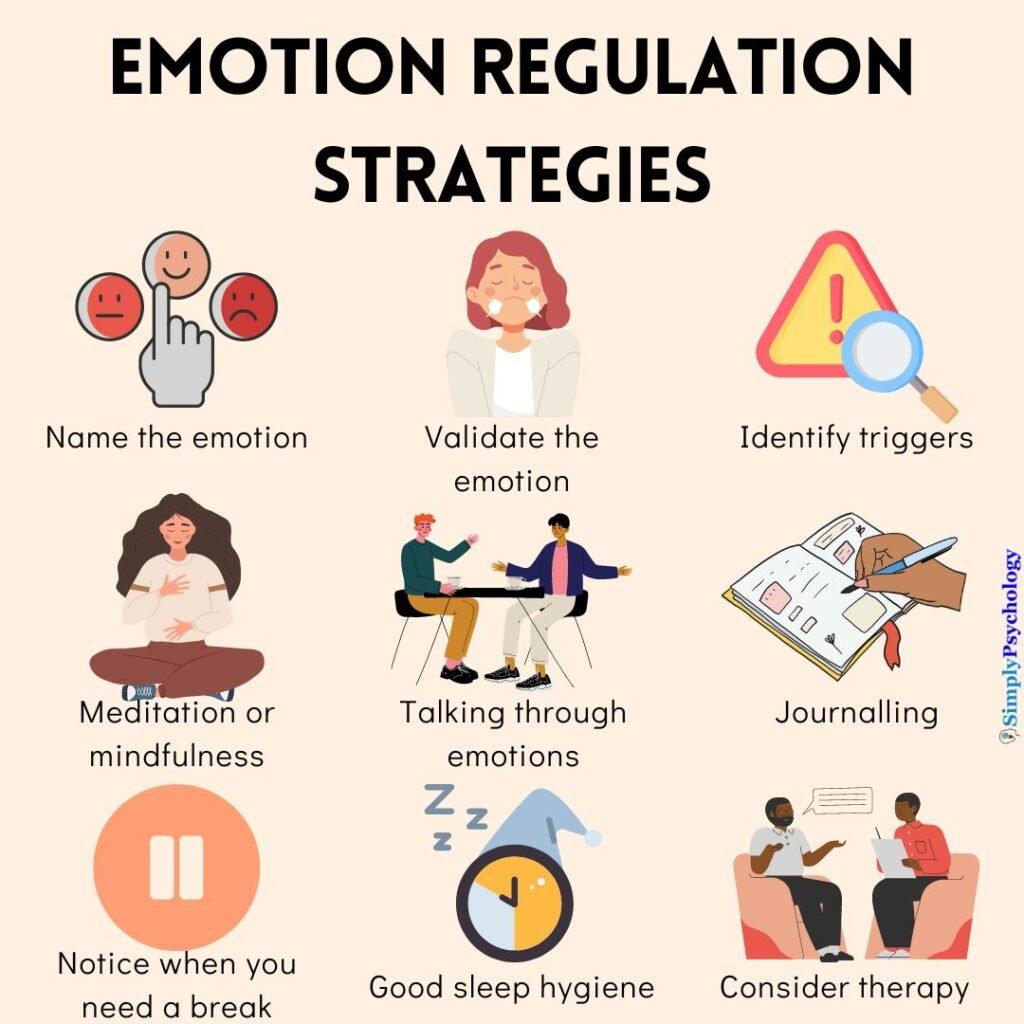
Interventions Focused on Emotional Regulation Skills
A pivotal yet underexplored dimension of addressing problematic pornography use lies in the application of cognitive restructuring techniques within emotional regulation frameworks. This approach targets the maladaptive thought patterns that exacerbate emotional dysregulation, a core driver of compulsive behaviors. By reframing negative cognitive schemas, individuals can mitigate the intensity of affective states such as shame [1], [19], anxiety, or frustration, which often precipitate reliance on pornography as a coping mechanism.
The efficacy of cognitive restructuring is amplified when integrated with mindfulness-based interventions. These practices enhance metacognitive awareness, enabling individuals to observe their emotional states without immediate reactivity. For instance, a 2022 study by Bőthe et al. demonstrated that combining mindfulness exercises with cognitive-behavioral therapy (CBT) significantly reduced cravings and improved emotional self-regulation among participants [5]. This dual approach not only addresses the immediate triggers of consumption but also fosters long-term resilience by recalibrating the brain's reward pathways.
Comparatively, traditional abstinence-focused models often neglect the underlying emotional triggers, resulting in higher relapse rates. In contrast, interventions emphasizing emotional regulation provide a more sustainable framework by equipping individuals with tools to navigate distress without resorting to avoidance behaviors. However, implementation challenges persist, particularly in culturally conservative contexts where discussing emotional vulnerabilities may be stigmatized. Tailoring interventions to align with cultural norms while maintaining therapeutic integrity remains a critical area for development.
"The integration of cognitive restructuring with mindfulness practices offers a robust pathway for addressing the emotional roots of compulsive behaviors, rather than merely suppressing symptoms."
— Dr. Shaoyue Tang, Behavioral Neuroscientist
In practice, these interventions necessitate a nuanced understanding of individual emotional landscapes, underscoring the importance of personalized therapeutic strategies. By addressing both cognitive distortions and emotional dysregulation, this approach holds promise for achieving durable behavioral change and fostering psychological well-being.
Promoting Healthy Coping Strategies and Social Connections
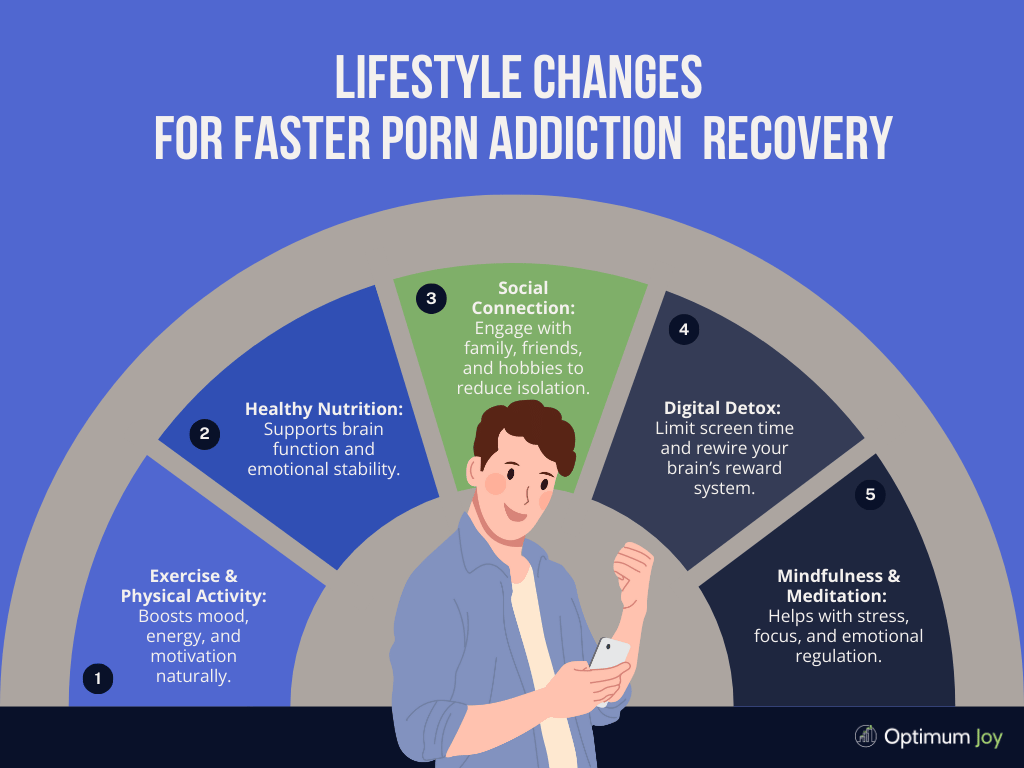
Redirecting problematic pornography use toward healthier coping mechanisms requires a dual focus on emotional regulation and the cultivation of meaningful social connections [7], [8]. Central to this approach is the concept of behavioral substitution, wherein solitary, dopamine-reinforced activities are replaced with socially engaging behaviors that provide comparable emotional rewards. This substitution leverages the brain's neuroplasticity, gradually reconditioning reward pathways to associate fulfillment with interpersonal interactions rather than digital stimuli.
A particularly effective methodology involves combining mindfulness-based emotional regulation techniques with structured group interventions. For instance, skill-based workshops that teach emotional articulation and conflict resolution not only enhance self-awareness but also foster a sense of community. These workshops often include role-playing exercises, which simulate real-world social scenarios, enabling participants to practice adaptive responses to emotional triggers. Evidence from a 2024 study by Khifza Bibi et al. demonstrated that participants engaging in such integrative programs reported a 47% reduction in compulsive behaviors [1], [20], alongside significant improvements in social engagement metrics [21].
However, the success of these interventions is contingent upon addressing contextual factors such as cultural stigmas and accessibility barriers. In conservative environments, for example, group activities may need to be reframed to align with local norms, emphasizing collective well-being over individual challenges.
"Redirecting dopamine-driven behaviors toward authentic social engagement is a critical factor in achieving sustained behavioral change."
— Dr. Maria Chen, Behavioral Psychologist
Ultimately, this integrative framework not only mitigates emotional avoidance but also equips individuals with the tools to build resilient, supportive networks, thereby addressing both the psychological and social dimensions of dependency.
FAQ
What is the relationship between pornography consumption and emotional regulation in young men?
The interplay between pornography consumption and emotional regulation in young men reveals a maladaptive coping mechanism where digital stimuli replace healthy emotional processing [2], [6]. Frequent exposure to explicit content exploits the brain's reward pathways, reinforcing avoidance behaviors and impairing impulse control [22], [7]. This dependency often stems from emotional dysregulation, where negative feelings like loneliness or stress drive consumption. Over time, this cycle exacerbates psychological distress [1], diminishing resilience and social engagement. Addressing this issue requires integrative approaches, such as mindfulness-based therapies and emotional regulation training, to recalibrate neural pathways and foster healthier coping strategies, ultimately improving emotional well-being and interpersonal connections.
How does pornography use impact social connections and interpersonal relationships?
Pornography use disrupts social connections and interpersonal relationships by fostering emotional detachment and reinforcing isolation [9], [23]. The overstimulation of the brain's reward system through explicit content diminishes sensitivity to natural social rewards [25], weakening empathy and relational engagement. This behavior often replaces meaningful interactions with solitary consumption, creating a cycle of avoidance and disconnection [24], [10]. Additionally, unrealistic portrayals in pornography distort expectations around intimacy, leading to dissatisfaction and reduced emotional closeness in relationships. Interventions focusing on emotional regulation and rebuilding authentic connections are essential to counteract these effects, promoting healthier relational dynamics and fostering long-term social and emotional well-being.
What role does emotional dysregulation play in the cycle of pornography dependency?
Emotional dysregulation is a core driver in the cycle of pornography dependency, as it impairs the ability to manage negative emotions like stress, shame, or loneliness. This dysfunction often leads young men to seek immediate relief through pornography, which provides a temporary dopamine surge but reinforces maladaptive coping mechanisms. Over time, this reliance exacerbates emotional instability [1], [9], creating a feedback loop of avoidance and dependency. Addressing this issue requires targeted interventions, such as mindfulness-based therapies and cognitive restructuring [2], to enhance emotional resilience [3], [26], disrupt the cycle, and promote healthier strategies for managing distress and fostering emotional well-being.
Are there effective strategies for young men to rebuild social connections affected by pornography use?
Effective strategies for rebuilding social connections include integrating emotional regulation training with structured group activities that emphasize interpersonal skills [10], [22]. Techniques such as mindfulness and cognitive restructuring help young men manage emotional triggers without resorting to avoidance behaviors [1], [27]. Participating in community-based programs or therapy groups fosters a sense of belonging and provides opportunities to practice authentic social engagement [28]. Additionally, promoting shared activities and open communication within personal relationships can strengthen bonds and counteract isolation. Tailored interventions that address cultural and individual contexts are essential for creating sustainable pathways to restore meaningful connections and improve overall relational and emotional well-being.
How can mindfulness and emotional regulation techniques help mitigate the effects of compulsive pornography consumption?
Mindfulness and emotional regulation techniques mitigate compulsive pornography consumption by addressing its root causes [30], [31], such as emotional avoidance and dysregulation. Mindfulness practices enhance self-awareness, allowing young men to observe urges without reacting impulsively, while fostering healthier coping mechanisms. Emotional regulation strategies, including cognitive restructuring and stress management, reduce reliance on pornography as an escape from negative emotions [19]. These approaches recalibrate the brain's reward pathways, promoting resilience and impulse control [1], [29]. When combined with structured interventions like Acceptance and Commitment Therapy (ACT), these techniques empower individuals to manage distress effectively, fostering long-term behavioral change and improved emotional and relational health.
References
(PDF) Emotional Dysregulation and Coping Strategies in the Context of Problematic Pornography Use: A Narrative Review. Retrieved from https://www.researchgate.net/publication/378772584_Emotional_Dysregulation_and_Coping_Strategies_in_the_Context_of_Problematic_Pornography_Use_A_Narrative_Review
https://www.sciencedirect.com/science/article/pii/S2352853224000270. Retrieved from https://www.sciencedirect.com/science/article/pii/S2352853224000270
https://www.sciencedirect.com/science/article/pii/S1743609522000297. Retrieved from https://www.sciencedirect.com/science/article/pii/S1743609522000297
Deficits in spontaneous versus instructed emotion regulation in problematic pornography use. Retrieved from https://pmc.ncbi.nlm.nih.gov/articles/PMC11737421/
https://academic.oup.com/jsm/article-pdf/19/4/620/49876630/jsm_19_4_620.pdf. Retrieved from https://academic.oup.com/jsm/article-pdf/19/4/620/49876630/jsm_19_4_620.pdf
https://www.mdpi.com/2673-7051/1/2/9. Retrieved from https://www.mdpi.com/2673-7051/1/2/9
The Impact of Problematic Pornography Use in Men. Retrieved from https://www.psychologytoday.com/us/blog/mental-health-nerd/202503/the-impact-of-problematic-pornography-use-in-men
Effects of pornography on young people - Wikipedia. Retrieved from https://en.wikipedia.org/wiki/Effects_of_pornography_on_young_people
Loneliness and emotional regulation difficulties linked to problematic pornography use. Retrieved from https://www.psypost.org/loneliness-and-emotional-regulation-difficulties-linked-to-problematic-pornography-use/
Pornography Addiction in the Emerging Adults: The Role of Social Isolation, Self-Control and Stress Coping. Retrieved from https://www.academia.edu/123860980/Pornography_Addiction_in_the_Emerging_Adults_The_Role_of_Social_Isolation_Self_Control_and_Stress_Coping
Can Pornography be Addictive? An fMRI Study of Men Seeking Treatment for Problematic Pornography Use - Neuropsychopharmacology. Retrieved from https://www.nature.com/articles/npp201778
BPB Counseling Group: Therapy for Sex & Porn Addiction. Retrieved from https://bpbcounseling.com/blog/dopamines-role-sex-porn-addiction
https://coping.us/pornographyintervention/neuroscienceofpornography.html. Retrieved from https://coping.us/pornographyintervention/neuroscienceofpornography.html
Pornography Consumption and Cognitive-Affective Distress - PMC. Retrieved from https://pmc.ncbi.nlm.nih.gov/articles/PMC10399954/
Neuroscience of Internet Pornography Addiction: A Review and Update. Retrieved from https://pmc.ncbi.nlm.nih.gov/articles/PMC4600144/
https://www.sciencedirect.com/science/article/pii/S0925492721000366. Retrieved from https://www.sciencedirect.com/science/article/pii/S0925492721000366
(PDF) Sexual Shame as a Unique Distress Outcome of Morally Incongruent Pornography Use: Modifications and Methodological Considerations. Retrieved from https://www.researchgate.net/publication/356710569_Sexual_Shame_as_a_Unique_Distress_Outcome_of_Morally_Incongruent_Pornography_Use_Modifications_and_Methodological_Considerations
The Cycle of Shame in Porn Addiction: A Man’s Guide to Breaking Free | Minnesota Therapy — Vital Mental Health. Retrieved from https://www.vitalmentalhealthmn.com/blog/cycle-of-shame-in-porn-addiction
Targeting Mechanisms for Problematic Pornography Use Interventions. Retrieved from https://www.tandfonline.com/doi/full/10.1080/26929953.2023.2272613
Effective Strategies for Porn Addiction Help: A Comprehensive Guide | PCP - The Perry Clayman Project. Retrieved from https://www.rehabtoday.com/effective-strategies-for-porn-addiction-help-a-comprehensive-guide/
https://scholarworks.uark.edu/cgi/viewcontent.cgi?article=2452&context=etd. Retrieved from https://scholarworks.uark.edu/cgi/viewcontent.cgi?article=2452&context=etd
Loneliness and problematic pornography Use: What is the role of emotion regulation and interaction with content Creators?. Retrieved from https://pmc.ncbi.nlm.nih.gov/articles/PMC11090905/
How Pornography Distorts Intimate Relationships. Retrieved from https://www.mentalhealth.com/blog/how-pornography-distorts-intimate-relationships
Effects of Pornography on Relationships. Retrieved from https://extension.usu.edu/relationships/research/effects-of-pornography-on-relationships
https://scholarworks.harding.edu/cgi/viewcontent.cgi?article=1058&context=jger. Retrieved from https://scholarworks.harding.edu/cgi/viewcontent.cgi?article=1058&context=jger
10 Signs of Porn Addiction - Symptom Media. Retrieved from https://symptommedia.com/987487596-2/
Associations Between Online Pornography Consumption and Sexual Dysfunction in Young Men: Multivariate Analysis Based on an International Web-Based Survey. Retrieved from https://publichealth.jmir.org/2021/10/e32542/
APA PsycNet. Retrieved from https://psycnet.apa.org/record/2025-84958-008
The Draw and Drawbacks of Porn for Young Adults: Can Mindfulness Help?. Retrieved from https://ifstudies.org/blog/the-draw-and-drawbacks-of-porn-for-young-adults-can-mindfulness-help-
9 Reliable Coping mechanisms for dealing with Porn Addiction. Retrieved from https://medium.com/%40developingbee.divyanshi/9-reliable-coping-mechanisms-for-dealing-with-porn-addiction-10f372cd4759
The Hidden Cost of Pornography: How It Shapes Your Brain and Behavior. Retrieved from https://manhattanmentalhealthcounseling.com/the-hidden-cost-of-pornography-how-it-shapes-your-brain-and-behavior/