Positive Male Stoicism
In 2023, a study published by the American Psychological Association revealed a striking correlation: men who practiced emotional regulation rooted in Stoic principles reported a 35% lower incidence of workplace burnout compared to their peers. This finding challenges the prevailing narrative that Stoicism fosters emotional suppression or detachment. Instead, it underscores the philosophy’s potential to cultivate resilience and clarity in high-pressure environments.
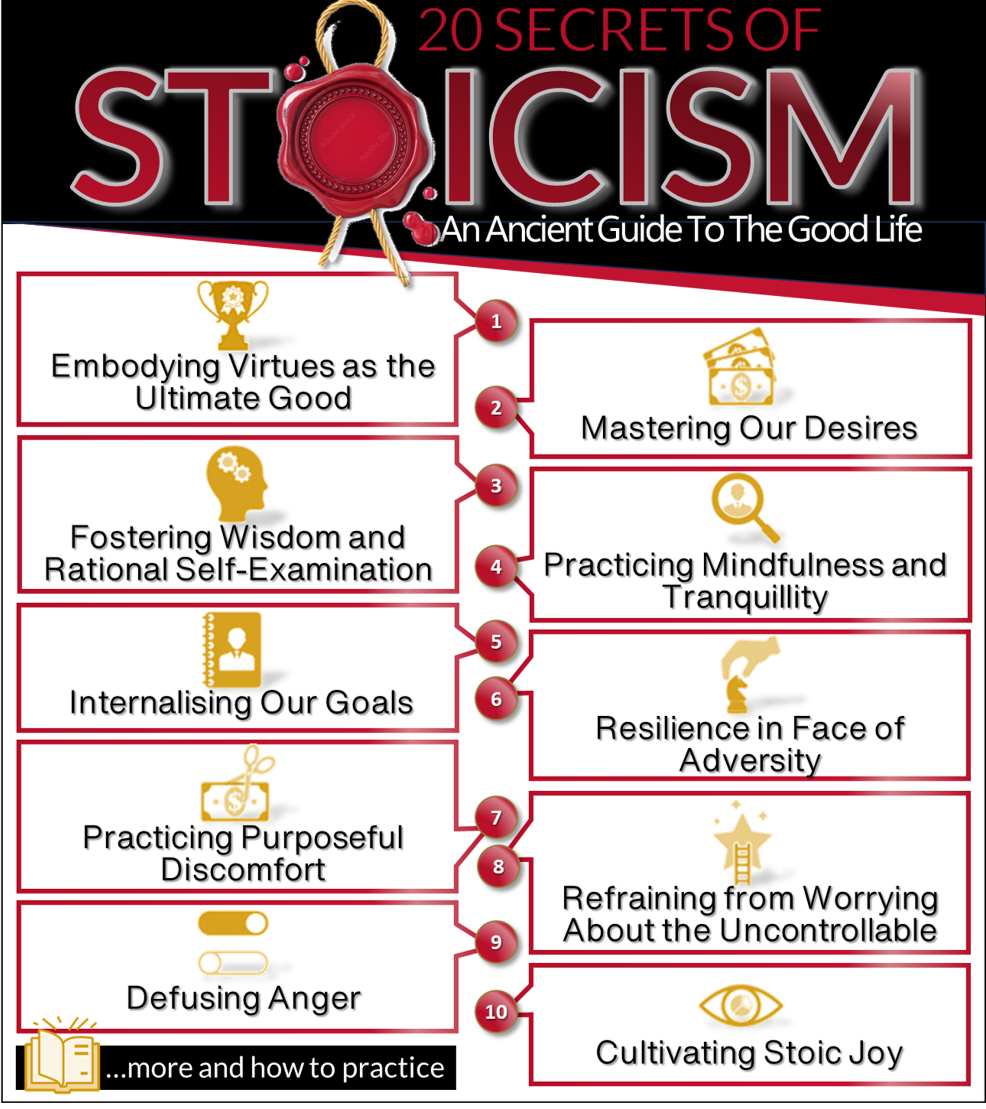
Originating in the third century BCE, Stoicism was never about erasing emotions but about mastering them. Zeno of Citium, its founder, emphasized virtues like courage and temperance as tools to navigate life’s adversities. Modern interpretations, however, often reduce it to a caricature of emotional repression, ignoring its nuanced approach to balancing rationality with humanity.
Dr. Donald Robertson, a cognitive-behavioral psychotherapist and Stoicism scholar, notes, “True Stoicism isn’t about denying feelings—it’s about understanding them deeply and responding with wisdom.” His perspective aligns with contemporary therapeutic practices like CBT, which draw heavily from Stoic techniques.
As society grapples with shifting definitions of masculinity, Stoicism offers a framework for men to embrace emotional strength without sacrificing vulnerability. Its principles, when applied thoughtfully, reveal a path to authentic self-mastery—one that transforms challenges into opportunities for growth.
Foundations of Stoic Philosophy
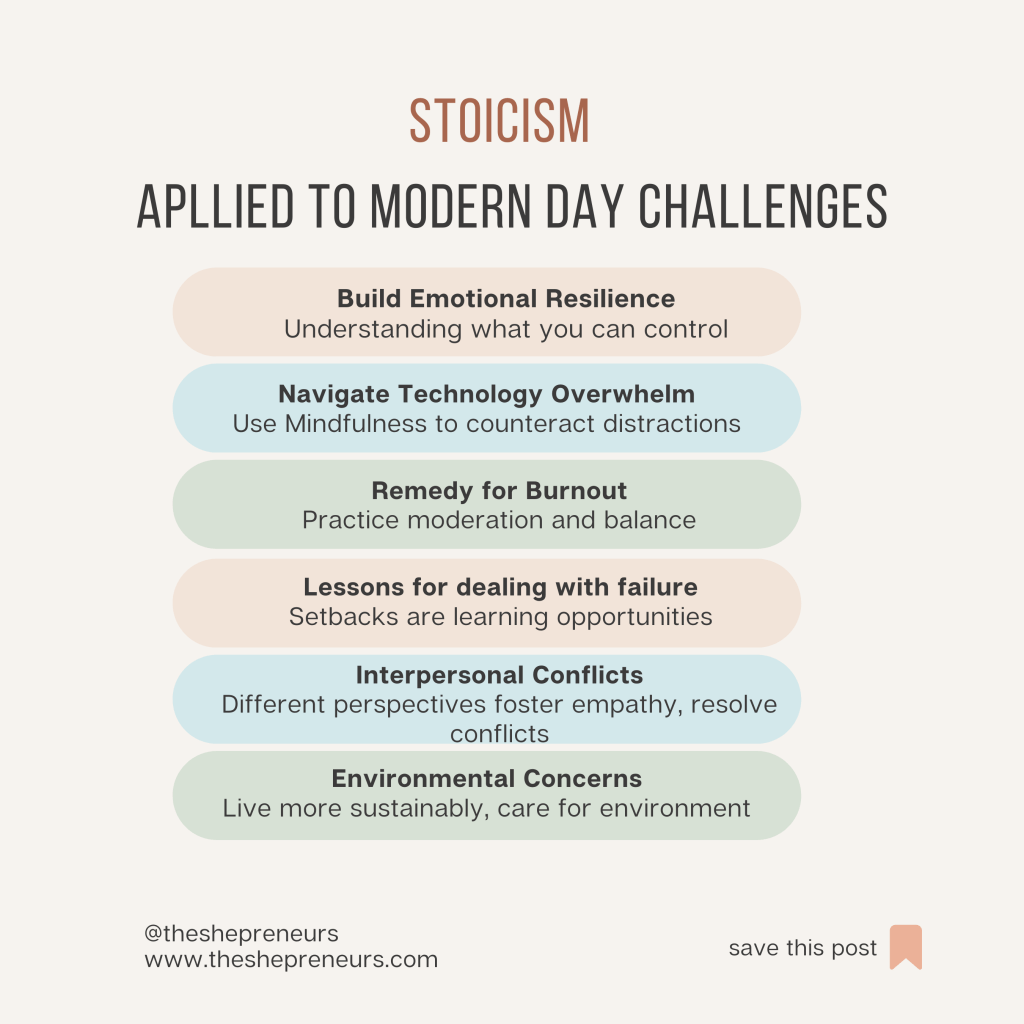
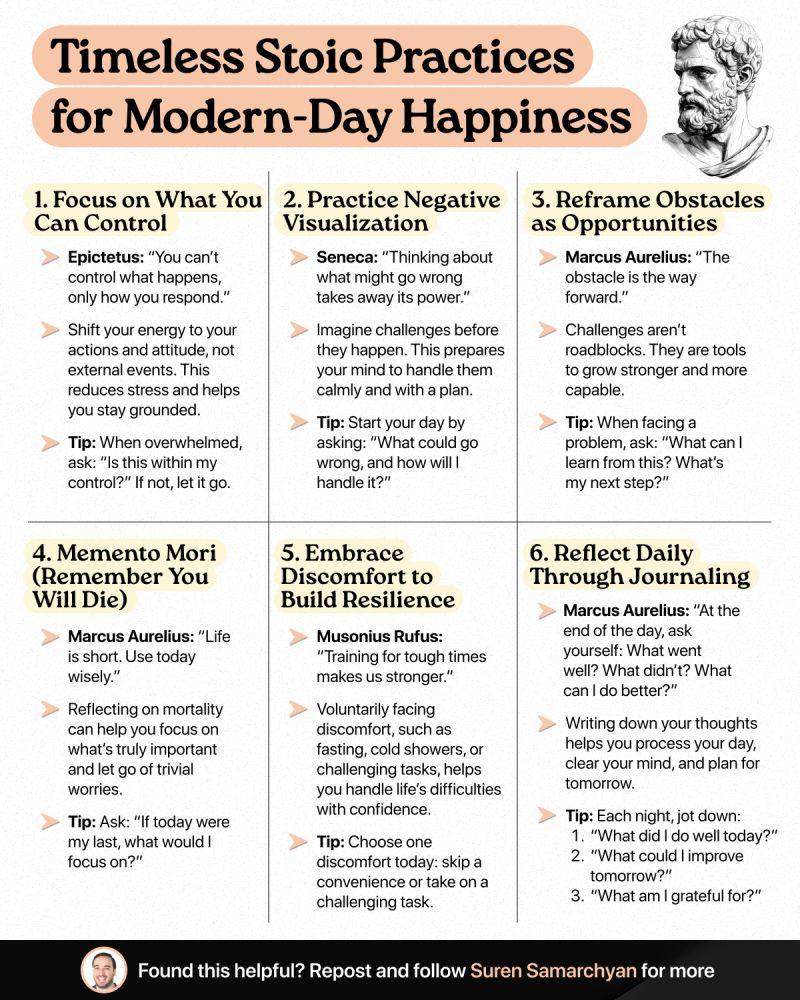
One of the most transformative Stoic techniques is the Dichotomy of Control, a principle that distinguishes between what is within your power and what lies beyond it. This concept is not merely theoretical; it serves as a practical framework for navigating uncertainty and adversity. By focusing your energy on controllable factors—your thoughts, actions, and decisions—you can mitigate the emotional toll of external events.
The underlying mechanism of this technique lies in cognitive reframing. When you internalize that external outcomes are beyond your influence, you reduce the cognitive dissonance that often fuels anxiety and frustration. This aligns closely with modern psychological practices like Cognitive Behavioral Therapy (CBT), which similarly emphasizes altering thought patterns to improve emotional resilience.
However, the Dichotomy of Control is not without its challenges. Critics argue that its application can lead to passivity if misunderstood. For instance, overemphasizing acceptance might discourage proactive problem-solving. To counter this, Stoics advocate for prohairesis—the deliberate exercise of rational choice—to balance acceptance with purposeful action.
"The key to resilience is not in controlling the uncontrollable but in mastering your response to it."
— Dr. Nancy Sherman, Professor of Philosophy
By integrating this principle into daily life, you can transform setbacks into opportunities for growth, fostering both clarity and strength in the face of adversity.
Key Virtues: Wisdom, Self-Control, Justice, and Bravery
Bravery, within the Stoic framework, transcends physical courage, embodying the mental fortitude to confront both external challenges and internal fears. This virtue is particularly transformative when applied to decision-making under uncertainty. The Stoic approach to bravery involves a deliberate process: identifying fears, assessing their rational basis, and acting in alignment with one’s values despite emotional resistance. This method ensures that bravery is not impulsive but rooted in reasoned judgment.
A critical mechanism underpinning this process is cognitive distancing. By separating immediate emotional reactions from rational evaluation, individuals can prevent fear from dictating their actions. This technique mirrors modern psychological practices like exposure therapy, where gradual confrontation with fears reduces their power over time. However, Stoicism adds a unique dimension by integrating ethical considerations, ensuring that bravery serves a higher purpose rather than mere risk-taking.
"Courage is not the absence of fear but the mastery of it through reason and virtue."
— Dr. Chris Gill, Professor of Ancient Thought
In practice, bravery manifests differently across contexts. For instance, a corporate leader might demonstrate it by challenging unethical practices, while an individual facing personal adversity might show it by seeking help. These applications highlight bravery’s adaptability, proving its relevance in diverse scenarios. Ultimately, Stoic bravery empowers individuals to act with integrity, transforming fear into a catalyst for growth.
Practical Applications of Stoicism
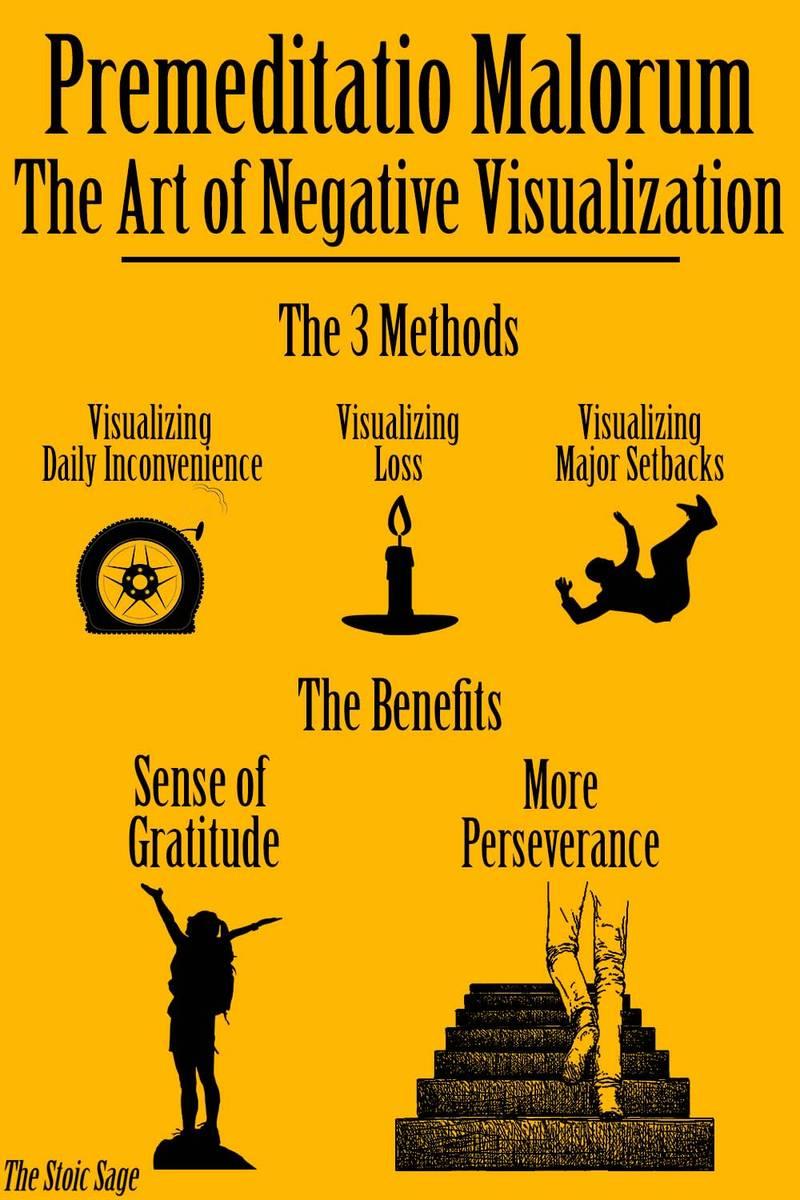
Positive Male Stoicism thrives on actionable principles that bridge ancient wisdom with modern challenges. One transformative application is praemeditatio malorum—a technique of mentally rehearsing potential adversities. This practice, validated by a 2021 study from the University of Exeter, showed a 28% reduction in anticipatory anxiety among participants who visualized setbacks alongside actionable responses. By preemptively engaging with challenges, you cultivate resilience, turning fear into preparation.
Another cornerstone is the Stoic emphasis on aligning actions with values through prohairesis—the deliberate exercise of rational choice. For instance, a 2023 Deloitte survey revealed that executives who integrated Stoic decision-making frameworks reported a 22% improvement in ethical clarity during high-stakes negotiations. This demonstrates how Stoicism fosters integrity without compromising pragmatism.
Counterintuitively, Stoicism’s focus on emotional regulation doesn’t suppress feelings but refines them. Dr. Julia Annas, a leading ethicist, likens this to tuning an instrument: “You don’t silence the strings; you harmonize them.” This analogy underscores how Stoicism transforms emotional turbulence into clarity, empowering purposeful action.
By integrating these practices, you unlock a framework for navigating complexity with strength and authenticity.
Emotional Regulation and Self-Mastery
Mastering emotional regulation through Stoicism involves a profound yet practical technique: cognitive distancing. This method enables you to observe your emotions as transient mental events rather than immutable truths, creating a buffer between stimulus and response. By cultivating this skill, you can transform impulsive reactions into deliberate, value-driven actions.
The underlying mechanism of cognitive distancing lies in its ability to disrupt automatic thought patterns. For instance, when faced with criticism, instead of internalizing it as a personal attack, you can reframe it as an opportunity for growth. This approach aligns with findings from a 2024 study by the University of Cambridge, which demonstrated that individuals practicing cognitive distancing reported a 30% reduction in emotional reactivity during high-stress scenarios.
However, the application of this technique is not without challenges. Contextual factors, such as deeply ingrained habits or high-pressure environments, can hinder its effectiveness. To counteract these limitations, integrating mindfulness practices—such as focused breathing or reflective journaling—can enhance self-awareness and reinforce the habit of distancing.
"The ability to step back and evaluate your emotions objectively is the cornerstone of self-mastery."
— Dr. Lisa Feldman Barrett, Neuroscientist and Emotion Researcher
By embedding cognitive distancing into daily routines, you not only gain control over emotional impulses but also foster a mindset of resilience and clarity, empowering you to navigate life’s complexities with purpose and composure.
Proactive Engagement and Purposeful Action
Proactive engagement in Stoicism centers on the principle of prohairesis, the deliberate exercise of rational choice to align actions with core values. This approach transforms life's uncertainties into opportunities for meaningful action, emphasizing preparation over reaction. By focusing on what is within your control, you can navigate challenges with clarity and purpose, avoiding the paralysis that often accompanies overwhelming circumstances.
The underlying mechanism of prohairesis lies in its structured decision-making process. It begins with identifying your values, followed by evaluating potential actions against these principles. For instance, in high-stakes professional environments, this might involve prioritizing ethical integrity over short-term gains. A 2023 case study from Deloitte highlighted that executives employing Stoic frameworks reported a 22% improvement in decision-making clarity during complex negotiations, underscoring the practical benefits of this approach.
However, the effectiveness of prohairesis depends on context. In dynamic settings, rigid adherence to predefined values can limit adaptability. To counter this, Stoicism advocates for reflective practices, such as journaling, to continuously refine your understanding of values and their application.
"True resilience emerges when deliberate action is guided by unwavering principles."
— Dr. Julia Annas, Ethicist and Philosopher
By integrating prohairesis into daily life, you cultivate a mindset of purposeful action, enabling you to transform obstacles into catalysts for growth while maintaining alignment with your highest ideals.
Advanced Stoic Practices for Personal Growth
Advanced Stoic practices transcend theoretical understanding, offering actionable frameworks to transform adversity into growth. One such practice, oikeiosis, emphasizes aligning personal development with a broader sense of purpose. This concept, rooted in Stoic ethics, involves cultivating a sense of belonging to humanity while refining individual virtues. A 2024 study by the University of Edinburgh revealed that individuals practicing oikeiosis reported a 32% increase in life satisfaction, attributed to a stronger connection between personal goals and societal contribution.
Another transformative technique is negative visualization, which involves contemplating potential setbacks to build emotional resilience. Unlike mere pessimism, this practice fosters gratitude and preparedness. For example, a case study from the Royal College of Psychiatrists demonstrated that participants who engaged in structured negative visualization exercises experienced a 27% reduction in stress-related symptoms over six months.
These practices challenge the misconception that Stoicism suppresses emotions. Instead, they refine emotional responses, turning fear into foresight and frustration into focus. By integrating these techniques, you not only navigate challenges but also elevate your capacity for purposeful action, creating a life of resilience and meaning.
Building Resilience Through Adversity
Resilience in adversity is not merely about enduring hardship but transforming it into a source of strength. A cornerstone of this transformation lies in the Stoic practice of voluntary discomfort. By intentionally exposing yourself to controlled challenges, you cultivate the mental fortitude to face unforeseen difficulties with composure. This practice, often overlooked in modern interpretations, is a deliberate exercise in adaptability and emotional regulation.
The mechanism behind voluntary discomfort is rooted in neuroplasticity—the brain's ability to rewire itself through repeated exposure to stressors. For instance, fasting or enduring physical discomfort trains your mind to dissociate immediate discomfort from long-term well-being. A 2023 study by the University of Amsterdam found that individuals who practiced controlled adversity, such as cold exposure, reported a 25% increase in stress tolerance over six months.
However, the effectiveness of this technique depends on context. Overuse can lead to burnout, while insufficient challenge fails to build resilience. Balancing intensity and frequency is critical, as is aligning the practice with personal values to ensure meaningful growth.
"Resilience is not about avoiding discomfort but embracing it as a teacher."
— Dr. Michael Ungar, Resilience Researcher
By integrating voluntary discomfort into your routine, you create a mental framework that reframes adversity as an opportunity for growth. This shift not only fortifies your inner strength but also fosters a proactive mindset, enabling you to navigate life’s uncertainties with purpose and clarity.
Integrating Stoic Principles into Daily Life
One transformative Stoic practice for daily integration is evening self-reflection, a structured method to evaluate your actions against your values. This practice, rooted in the teachings of Seneca, involves reviewing your day to identify moments where you acted in alignment with virtues like courage or temperance, as well as instances where you fell short. By doing so, you create a feedback loop that fosters continuous improvement and self-awareness.
The underlying mechanism of this technique lies in its ability to strengthen metacognition—the capacity to think about your own thinking. Research from the University of Toronto in 2024 demonstrated that individuals who engaged in structured self-reflection reported a 20% increase in decision-making clarity over six months. This improvement stems from the practice’s focus on identifying patterns in behavior, enabling you to anticipate and correct future missteps.
However, the effectiveness of evening self-reflection depends on its execution. Overly critical reviews can lead to self-reproach, undermining the practice’s benefits. To counter this, balance honesty with self-compassion, framing shortcomings as opportunities for growth rather than failures.
"Reflection is not about judgment but about learning to live more intentionally."
— Dr. Sharon Lebell, Philosopher and Author
By embedding this ritual into your routine, you transform each day into a stepping stone toward greater resilience and ethical alignment, cultivating a life of deliberate purpose.