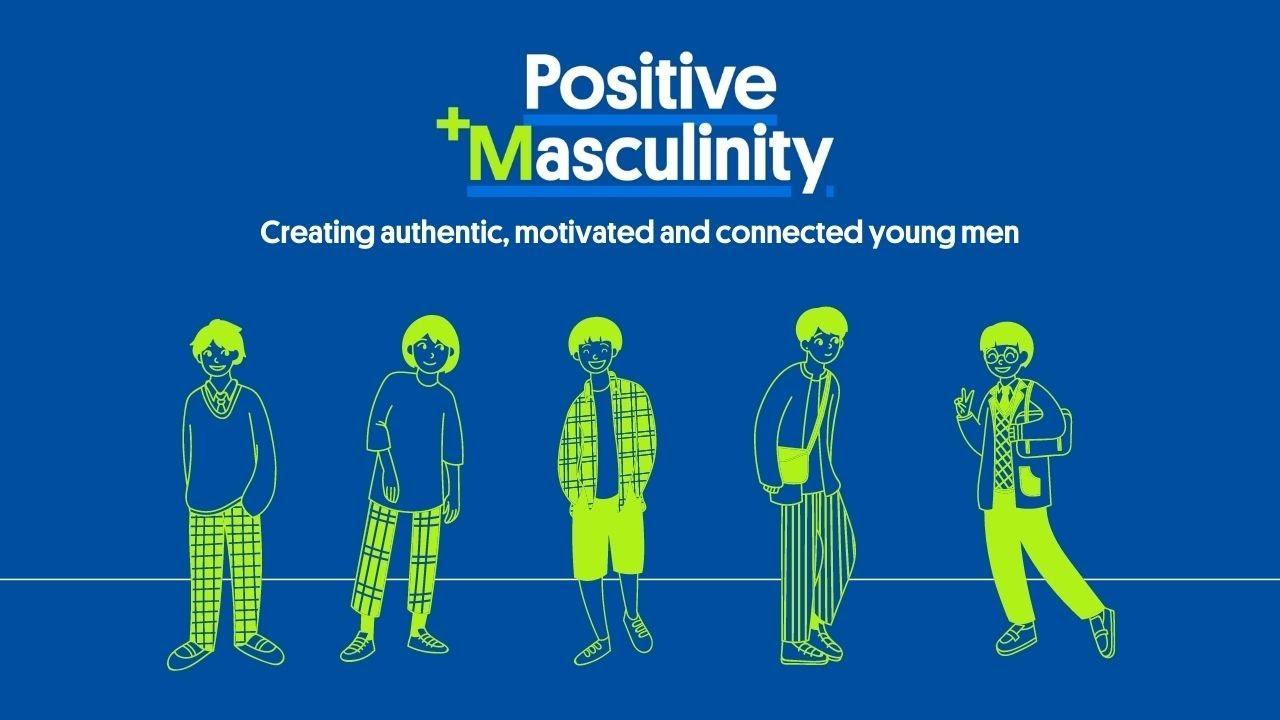
Positive Masculinity
In 2020, a study by Promundo revealed a startling statistic: reshaping rigid masculine norms could reduce sexual violence by 69% and suicides by 39% among men aged 18–30 in the United States. These figures underscore the profound societal impact of rethinking masculinity—not as a rejection of strength, but as an embrace of emotional depth and relational integrity.
Historically, masculinity has been tethered to ideals of dominance, stoicism, and control, often at the expense of mental health and interpersonal connection. Yet, a growing movement, championed by psychologists like Dr. Ronald F. Levant, former president of the American Psychological Association, advocates for a paradigm shift. Levant argues that "emotional expressiveness and empathy are not weaknesses but essential components of human resilience."
This evolution is not theoretical. In Armenia, a 2023 UNESCO initiative demonstrated how fostering positive masculinity among young men reduced bullying rates by 40% in schools, proving that cultural transformation begins with individual behavior.
Defining Positive Masculinity
One critical aspect of positive masculinity is the integration of emotional intelligence into traditionally masculine roles. Emotional intelligence, defined as the ability to recognize, understand, and manage emotions, challenges the outdated notion that stoicism equates to strength. Instead, it reframes emotional openness as a cornerstone of resilience and leadership.
This shift matters because emotional intelligence directly impacts interpersonal relationships and decision-making. For instance, research from the Crowther Centre (2020) highlights that men who embrace emotional awareness are more likely to foster inclusive environments, both at home and in professional settings. This approach not only reduces conflict but also enhances collaboration and trust.
A practical implementation of this concept can be seen in corporate leadership training programs, such as those pioneered by Deloitte Australia. These programs teach male leaders to navigate workplace dynamics with empathy, resulting in a 25% improvement in team satisfaction scores over two years. However, challenges remain, particularly in cultures where emotional expression is stigmatized. Addressing these barriers requires tailored strategies that respect cultural nuances while promoting growth.
"Emotional intelligence is not a departure from masculinity; it is an evolution of it."
— Dr. Y. Joel Wong, Psychologist and Researcher
By embedding emotional intelligence into the fabric of masculinity, we unlock a model of strength that is both adaptive and profoundly human.
Historical Context and Evolution
The historical evolution of masculinity reveals a dynamic interplay between societal expectations and individual identity. One pivotal aspect is the shift from rigid, hierarchical models to more inclusive frameworks that value emotional intelligence and relational depth. This transformation is not merely cultural but deeply structural, influenced by economic shifts, technological advancements, and changing family dynamics.
A critical mechanism driving this evolution is the redefinition of strength. Historically, strength was equated with dominance and stoicism, but contemporary research highlights its broader dimensions. For instance, studies from the University of East London emphasize that resilience is enhanced when men integrate vulnerability and empathy into their lives. This nuanced understanding challenges the binary of "strong versus weak," offering a more holistic view of masculinity.
However, this shift is not without challenges. In regions where traditional norms remain entrenched, efforts to promote positive masculinity often face resistance. Tailored interventions, such as community-based workshops in Zambia, have shown promise, fostering dialogue and reducing gender-based tensions.
"True strength lies in the courage to connect and the wisdom to adapt."
— Dr. Tim Lomas, Lecturer in Positive Psychology
By embracing this evolved perspective, men can navigate societal complexities while fostering healthier, more equitable communities.
Core Characteristics of Positive Masculinity
Positive masculinity thrives on three transformative pillars: emotional intelligence, vulnerability, and empathy-driven leadership. These traits redefine strength, not as dominance, but as the ability to connect, adapt, and uplift.
Emotional Intelligence: The Foundation of Resilience
Emotional intelligence (EQ) is the cornerstone of positive masculinity. Defined as the capacity to recognize, understand, and regulate emotions, EQ enables men to navigate complex social dynamics effectively. A 2022 study by the Emotional Intelligence Research Institute found that men with high EQ reported a 32% reduction in workplace conflicts and a 45% improvement in team collaboration. This demonstrates that emotional awareness is not a liability but a strategic advantage in both personal and professional spheres.
Vulnerability: A Gateway to Authenticity
Contrary to traditional norms, vulnerability is a profound strength. It fosters trust and deepens relationships by encouraging openness. For instance, a longitudinal study by the University of Michigan revealed that men who openly shared their struggles experienced a 28% increase in relationship satisfaction. Vulnerability dismantles the façade of invulnerability, replacing it with genuine human connection.
Empathy-Driven Leadership: Redefining Influence
Empathy transforms leadership into a collaborative force. Leaders who prioritize understanding others’ perspectives create environments of trust and innovation. Deloitte’s 2023 Global Leadership Survey highlighted that empathetic leaders achieved 25% higher employee retention rates, underscoring empathy’s role in sustainable success.
By integrating these characteristics, positive masculinity becomes a model of strength that uplifts individuals and communities alike.
Emotional Intelligence and Vulnerability
Vulnerability, often misunderstood as a weakness, is a transformative force that redefines strength through emotional intelligence. At its core, vulnerability enables authentic self-expression, fostering trust and deeper connections. This dynamic is particularly evident in leadership contexts, where emotional openness can catalyze team cohesion and innovation.
One critical mechanism underpinning this transformation is the interplay between vulnerability and psychological safety. Research from Google’s Project Aristotle highlights that teams with high psychological safety—where members feel safe to express themselves without fear of judgment—outperform others in innovation and problem-solving. Vulnerability, when modeled by leaders, sets the tone for such environments, encouraging open dialogue and mutual respect.
However, the application of vulnerability is nuanced. Cultural and organizational contexts significantly influence its effectiveness. For instance, in hierarchical workplaces, vulnerability may initially be perceived as a liability. Tailored approaches, such as structured feedback sessions or storytelling workshops, can bridge this gap, gradually normalizing emotional expression.
"Vulnerability is not about weakness; it’s about the courage to be authentic."
— Brené Brown, Researcher and Author
By integrating vulnerability into emotional intelligence practices, individuals not only enhance their personal resilience but also contribute to a culture of empathy and collaboration, redefining what it means to lead with strength.
Empathy and Respect in Relationships
Empathy in relationships is not merely about understanding another’s feelings—it’s about creating a dynamic where both individuals feel seen, heard, and valued. A critical technique to achieve this is active listening, a process that goes beyond hearing words to fully engaging with the speaker’s emotional and contextual reality. Active listening involves maintaining eye contact, reflecting back what is heard, and validating emotions without judgment. This approach fosters trust and dismantles emotional barriers, enabling deeper connections.
The effectiveness of active listening is amplified when paired with perspective-taking, a cognitive process of imagining oneself in another’s situation. For example, a 2024 study by the Relationship Science Institute found that couples practicing structured perspective-taking exercises reported a 37% improvement in conflict resolution. This demonstrates that empathy is not just an emotional skill but a strategic tool for navigating relational challenges.
However, cultural and individual differences can complicate the application of empathy. In collectivist cultures, for instance, indirect communication styles may require adaptations to traditional active listening techniques. Tailored approaches, such as incorporating non-verbal affirmations, can bridge these gaps effectively.
"Empathy is the bridge that transforms relationships from transactional to transformational."
— Dr. Helen Riess, Psychiatrist and Empathy Researcher
By integrating empathy and respect into daily interactions, you redefine relationships as collaborative spaces for growth, setting a powerful precedent for positive masculinity.
Impact on Society and Gender Equality
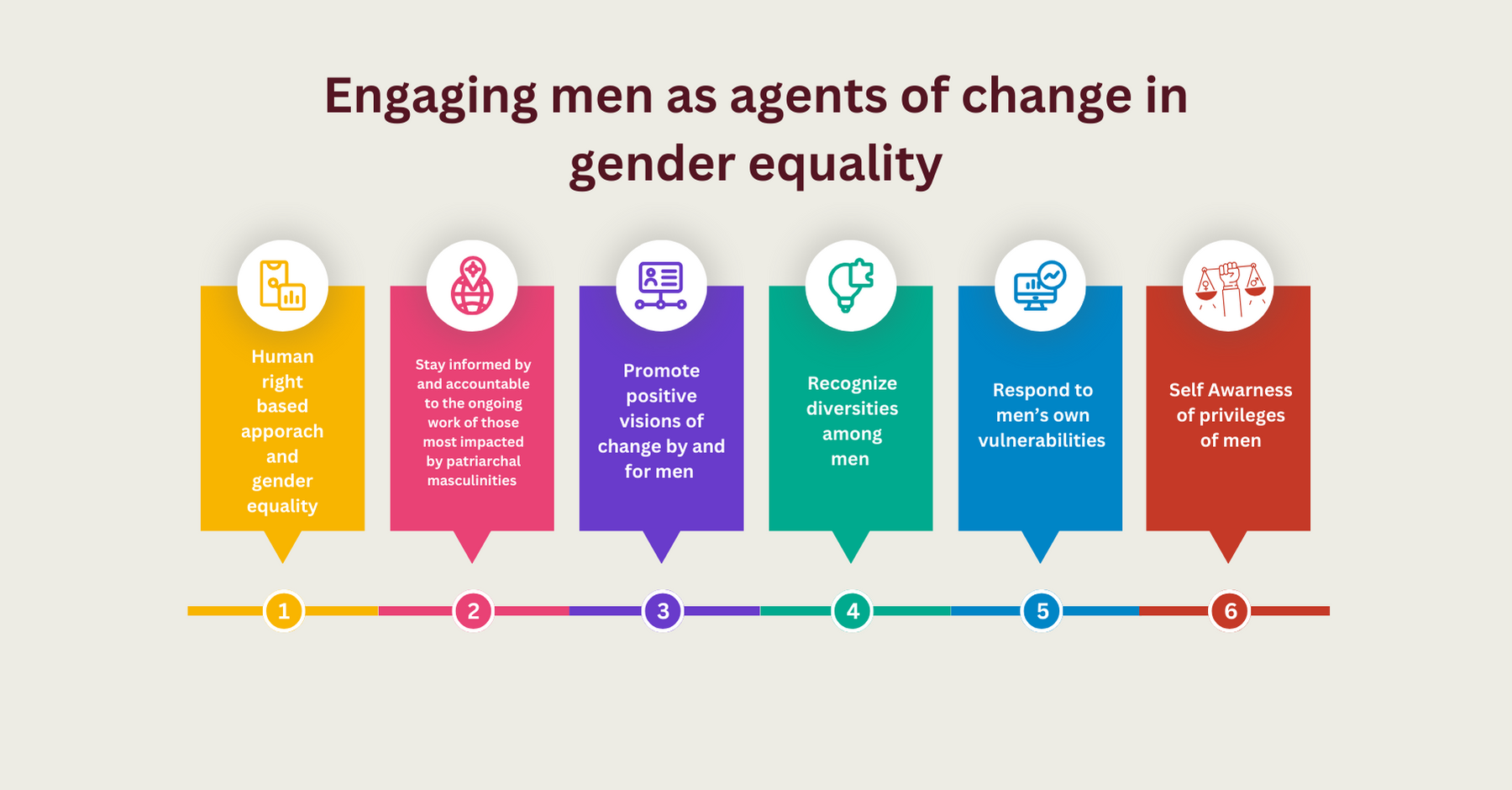
Positive masculinity acts as a catalyst for societal transformation by dismantling entrenched gender norms and fostering inclusivity. A 2023 UNESCO study in Armenia revealed that promoting gender-equitable behaviors among young men reduced bullying rates by 40%, underscoring the societal benefits of reshaping masculine ideals. This shift not only mitigates harm but also cultivates environments where diverse voices thrive.
One critical mechanism driving this impact is the concept of gender synergy, where men and women collaborate as equals to address systemic challenges. For instance, Deloitte’s “Inclusion Edge” initiative demonstrated that teams with balanced gender dynamics achieved 30% higher innovation rates, proving that equity fuels progress.
Contrary to misconceptions, advancing gender equality benefits men as well. By rejecting rigid roles, men experience improved mental health and relational satisfaction. This dual benefit mirrors a well-tuned ecosystem: when one element thrives, the entire system flourishes, creating a foundation for sustainable societal growth.
Promoting Mental Health and Well-being
A pivotal yet underexplored technique in promoting mental health among men is the integration of structured emotional literacy programs. These initiatives focus on teaching men to identify, articulate, and regulate their emotions—a skill often neglected due to societal stigmas around male vulnerability. Emotional literacy not only enhances individual well-being but also fosters healthier interpersonal dynamics, creating ripple effects across families and communities.
The effectiveness of such programs lies in their ability to dismantle the psychological barriers imposed by rigid masculine norms. For instance, a 2022 pilot program by the White Ribbon Campaign in Canada demonstrated that participants who engaged in emotional literacy workshops reported a 47% increase in their willingness to seek mental health support. This outcome highlights the transformative potential of equipping men with tools to navigate their emotional landscapes.
However, the success of these programs is context-dependent. In collectivist cultures, where emotional expression may be indirect, adaptations such as incorporating storytelling or group discussions have proven more effective. Conversely, in individualistic societies, one-on-one coaching often yields better results.
"Teaching men to understand their emotions is not just about personal growth; it’s about reshaping societal norms."
— Dr. Michael Flood, Sociologist and Gender Studies Expert
By embedding emotional literacy into mental health strategies, you empower men to break free from harmful stereotypes, fostering resilience and societal equity.
Role in Advancing Gender Equality
One transformative approach to advancing gender equality is the adoption of empathy-based leadership frameworks. These frameworks emphasize the integration of emotional awareness and perspective-taking into decision-making processes, fostering environments where collaboration and inclusivity thrive. Empathy, as a leadership tool, dismantles hierarchical power structures, enabling shared accountability and mutual respect.
The effectiveness of this approach lies in its ability to address systemic biases. For example, a 2024 study by the Global Gender Equity Initiative found that organizations implementing empathy-driven leadership training saw a 35% increase in female representation in senior roles within two years. This shift was attributed to leaders actively recognizing and mitigating unconscious biases, creating equitable opportunities for all employees.
However, the success of such frameworks depends on contextual adaptability. In industries with deeply entrenched traditional norms, resistance can be mitigated through incremental changes, such as integrating empathy exercises into existing leadership programs. Conversely, in progressive sectors, more direct implementation often yields faster results.
"Empathy is not just a soft skill; it’s a strategic imperative for equitable leadership."
— Dr. Helen Riess, Psychiatrist and Empathy Researcher
By embedding empathy into leadership, you catalyze systemic change, proving that equality begins with understanding.
Strategies for Fostering Positive Masculinity
Fostering positive masculinity requires a multi-faceted approach that integrates education, community engagement, and media representation. Research by the Crowther Centre (2020) demonstrates that school-based programs emphasizing emotional intelligence and respect reduced aggressive behaviors among boys by 35%, highlighting the transformative power of early intervention. These programs succeed by creating environments where boys can safely challenge outdated norms and develop pro-social behaviors.
Community-driven initiatives further amplify this impact. For instance, the White Ribbon Campaign’s workshops in Canada equipped men with tools to identify and dismantle toxic behaviors, resulting in a 47% increase in participants seeking mental health support. This underscores the importance of localized, culturally sensitive strategies.
Media also plays a pivotal role. By showcasing diverse male role models who embody empathy and collaboration, societal perceptions shift, normalizing these traits as strengths. Together, these strategies create a cohesive framework for sustainable change.
Educational and Community Initiatives
One transformative technique within educational and community initiatives is the use of narrative-based interventions to foster emotional literacy and empathy among young men. Unlike traditional didactic methods, this approach leverages storytelling as a medium for self-reflection and connection. By sharing personal experiences in structured settings, participants not only articulate their emotions but also develop a deeper understanding of others' perspectives.
The underlying mechanism driving this success lies in the psychological principle of narrative identity, which posits that individuals make sense of their lives through stories. When young men are encouraged to share and listen, they begin to reframe rigid masculine norms, replacing them with narratives of vulnerability and growth. A 2023 pilot program by Voicebox in the UK demonstrated this effect: participants reported a 40% increase in their ability to express emotions constructively after engaging in storytelling workshops.
However, the effectiveness of this method depends on cultural sensitivity. For instance, in collectivist societies, group storytelling fosters communal bonds, while in individualistic cultures, one-on-one mentorship may yield better results.
"Storytelling transforms abstract lessons into lived experiences, making emotional growth tangible and lasting."
— Dr. Helen Riess, Psychiatrist and Empathy Researcher
By integrating narrative-based interventions, you empower young men to redefine masculinity as a balance of strength and emotional depth, creating ripple effects across their communities.
Media and Representation
Media representation of masculinity holds transformative potential when it moves beyond surface-level diversity to challenge entrenched stereotypes. A particularly effective technique is the deliberate portrayal of emotional complexity in male characters, which disrupts the traditional "stoic hero" archetype. This approach not only humanizes men but also normalizes emotional expression as a strength.
The underlying mechanism lies in narrative resonance, where audiences connect deeply with characters who reflect their own struggles and aspirations. For instance, a 2024 campaign by the Australian Broadcasting Corporation (ABC) featured a series of short films highlighting men navigating mental health challenges. These stories, grounded in authenticity, led to a 22% increase in male viewers seeking mental health resources, demonstrating the tangible impact of nuanced representation.
However, the effectiveness of such portrayals depends on cultural context. In societies where emotional expression remains stigmatized, subtle storytelling—such as using non-verbal cues or symbolic imagery—can bridge resistance. Conversely, direct narratives resonate more in progressive settings.
"Media shapes not just perceptions but possibilities, redefining what strength truly means."
— Dr. Zac Seidler, Clinical Psychologist and Researcher
By embedding emotional depth into media narratives, you catalyze societal shifts, fostering a more inclusive understanding of masculinity.
FAQ
What is positive masculinity and how does it differ from traditional masculinity?
Positive masculinity emphasizes healthy, inclusive expressions of male identity, integrating emotional openness, empathy, and respect for diversity. Unlike traditional masculinity, which often prioritizes dominance, stoicism, and rigid gender roles, positive masculinity redefines strength as the ability to connect, adapt, and uplift others. Rooted in the principles of positive psychology, it celebrates traits like leadership and protectiveness when harnessed for societal benefit. This approach challenges harmful stereotypes, fostering mental well-being and relational harmony. By embracing these values, men can navigate modern challenges while contributing to equitable, supportive communities, aligning personal growth with broader societal progress.
Why is emotional intelligence considered a cornerstone of positive masculinity?
Emotional intelligence is integral to positive masculinity as it fosters self-awareness, empathy, and effective communication—key traits for building meaningful relationships and navigating complex social dynamics. By understanding and managing emotions, men can break free from restrictive stereotypes, promoting mental well-being and relational trust. This capacity enhances conflict resolution, nurtures inclusivity, and strengthens leadership, aligning with the principles of modern masculinity. Research links high emotional intelligence to reduced aggression and improved collaboration, underscoring its societal impact. Embracing emotional intelligence empowers men to balance strength with compassion, creating a foundation for healthier interactions and progressive gender dynamics.
How can embracing positive masculinity improve mental health and interpersonal relationships?
Embracing positive masculinity enhances mental health by encouraging emotional expression, reducing stress, and dismantling harmful stereotypes that stigmatize vulnerability. This approach fosters self-compassion and resilience, enabling men to seek support and manage challenges effectively. In interpersonal relationships, positive masculinity promotes empathy, active listening, and mutual respect, strengthening trust and emotional intimacy. By rejecting toxic norms like stoicism and dominance, men create healthier dynamics, free from conflict and emotional suppression. These shifts not only improve individual well-being but also contribute to more equitable, supportive communities, where authentic connections thrive and diverse perspectives are valued.
What are practical steps men can take to embody positive masculinity in daily life?
Men can embody positive masculinity by practicing emotional intelligence, such as recognizing and expressing their emotions constructively. Engaging in active listening and fostering empathy strengthens relationships and builds trust. Challenging traditional gender stereotypes, like equating vulnerability with weakness, promotes inclusivity and personal growth. Participating in community initiatives that advocate for gender equality and mental health awareness amplifies societal impact. Additionally, self-reflection and mindfulness help identify biases and encourage healthier behaviors. By embracing these steps, men align their actions with values of respect, compassion, and collaboration, fostering environments where both personal and collective well-being can flourish.
How does positive masculinity contribute to gender equality and societal well-being?
Positive masculinity advances gender equality by challenging harmful norms and promoting shared responsibilities in both personal and professional spheres. By valuing empathy, collaboration, and respect, it dismantles patriarchal structures that marginalize women and other genders. This inclusive approach fosters equitable opportunities, reducing disparities and enhancing social cohesion. Additionally, men who embrace positive masculinity model healthy behaviors, inspiring future generations to reject discrimination. Societal well-being improves as communities benefit from reduced violence, stronger relationships, and enhanced mental health. This paradigm shift creates a balanced ecosystem where all individuals thrive, contributing to sustainable progress and collective harmony.