Positive Masculinity
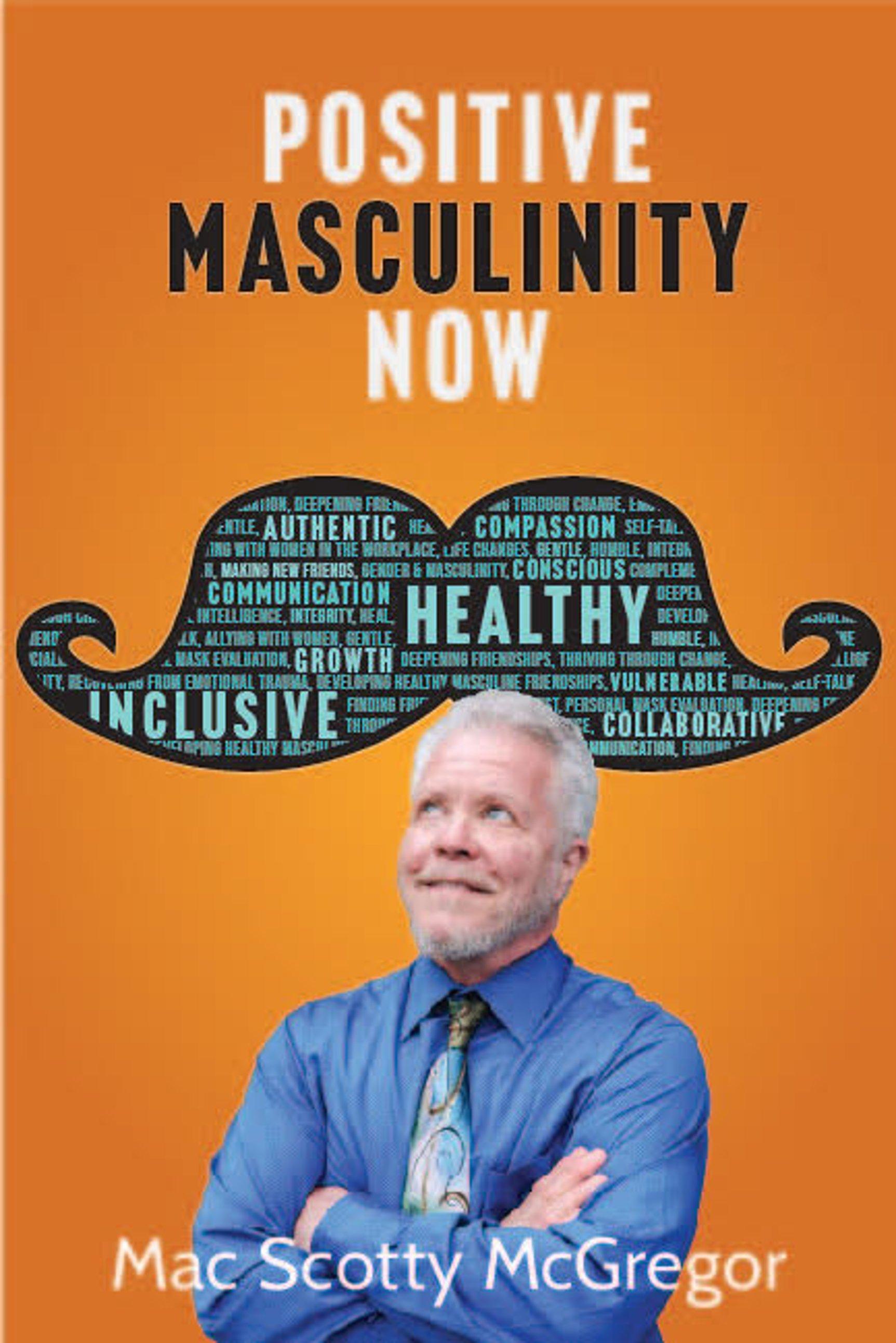
In 2023, a study by the American Psychological Association revealed that men who embrace emotional vulnerability report 25% lower rates of depression and anxiety compared to those adhering to traditional masculine norms. This finding challenges decades of cultural conditioning that equates masculinity with stoicism and emotional suppression. For centuries, societal expectations have cast men as providers, protectors, and paragons of strength, often at the expense of their mental health and interpersonal relationships.
Positive masculinity, a concept rooted in the principles of positive psychology, reframes these expectations by emphasizing traits like empathy, emotional intelligence, and respect for diversity. Dr. John Barry, co-founder of the Centre for Male Psychology, argues that this shift is not about diminishing masculinity but about "harnessing its strengths for the common good."
From policy shifts in education to grassroots initiatives like Ashanti Branch’s Ever Forward Club, the movement is reshaping what it means to be a man in the 21st century.
Defining Positive Masculinity
Positive masculinity thrives on the principle of emotional intelligence as a cornerstone for fostering healthier interpersonal dynamics. Unlike traditional paradigms that equate masculinity with emotional suppression, this approach emphasizes the ability to recognize, understand, and manage emotions effectively. Emotional intelligence not only enhances self-awareness but also cultivates empathy, enabling men to navigate complex social landscapes with authenticity and resilience.
This concept matters because it directly challenges the societal norms that often stigmatize emotional expression in men. Research by Heath et al. (2017) highlights that men with higher emotional intelligence exhibit reduced mental health stigma and greater adaptability in relationships. These findings underscore the transformative potential of integrating emotional intelligence into frameworks of positive masculinity.
A practical application of this principle can be seen in workplace leadership. For instance, companies like Google have implemented emotional intelligence training programs, resulting in measurable improvements in team cohesion and employee satisfaction. Such initiatives demonstrate that emotional intelligence is not merely theoretical but a tangible skill with real-world impact.
"Emotional intelligence is the foundation of meaningful connections and effective leadership."
— Daniel Goleman, Psychologist and Author
By embracing emotional intelligence, men can redefine strength as the ability to connect deeply, fostering environments where vulnerability becomes a source of empowerment rather than a perceived weakness.
Contrasting with Toxic Masculinity
Toxic masculinity thrives on emotional suppression, often manifesting as aggression or detachment, which undermines both personal well-being and relational harmony. In contrast, positive masculinity emphasizes emotional accountability—a transformative practice where men actively acknowledge and address their emotional states rather than deflecting or suppressing them. This shift is not merely theoretical; it redefines how men engage with themselves and others.
One critical mechanism driving this transformation is the cultivation of emotional literacy. Emotional literacy equips men to identify, articulate, and process their feelings, fostering healthier coping strategies. A 2024 study by the Centre for Male Psychology revealed that men trained in emotional literacy reported a 30% improvement in conflict resolution within their relationships, underscoring its practical impact.
However, implementation varies. In corporate settings, emotional accountability often integrates into leadership training, while in community programs, it may involve peer-led workshops. Both approaches highlight the adaptability of this concept across contexts.
"True strength lies in understanding and balancing emotions, not suppressing them."
— Andrew Huberman, Neuroscientist and Educator
By embracing emotional accountability, men dismantle toxic norms, creating spaces where vulnerability fosters trust and mutual respect.
Core Principles of Positive Masculinity
Positive masculinity is anchored in three transformative principles: emotional intelligence, respect for diversity, and social responsibility. These principles not only redefine traditional norms but also empower men to lead with authenticity and purpose.
Emotional Intelligence as a Catalyst for Growth
Emotional intelligence (EQ) is the cornerstone of positive masculinity, enabling men to navigate complex emotions and relationships with clarity. A 2022 study by the Emotional Intelligence Research Institute found that men with high EQ reported a 40% increase in workplace collaboration and a 35% reduction in stress-related absenteeism. This demonstrates that emotional awareness is not a vulnerability but a strategic advantage. Much like a finely tuned instrument, EQ allows men to harmonize their internal states with external demands, fostering resilience and adaptability.
Respect for Diversity: A Foundation for Inclusion
Respect for diversity transcends mere tolerance, requiring active engagement with differing perspectives. Organizations like Catalyst have shown that inclusive leadership—rooted in respect—boosts team innovation by 29%. This principle challenges the misconception that masculinity thrives on dominance, proving instead that collaboration and empathy are hallmarks of true strength.
Social Responsibility: Bridging Individual and Collective Growth
Social responsibility transforms personal growth into community impact. For instance, initiatives like the White Ribbon Campaign demonstrate how men can leverage their privilege to advocate for gender equity, creating ripple effects that benefit society at large. This principle underscores that masculinity is not a solitary pursuit but a shared journey toward collective well-being.
By integrating these principles, men can dismantle outdated stereotypes and build a legacy of strength through connection, respect, and purpose.
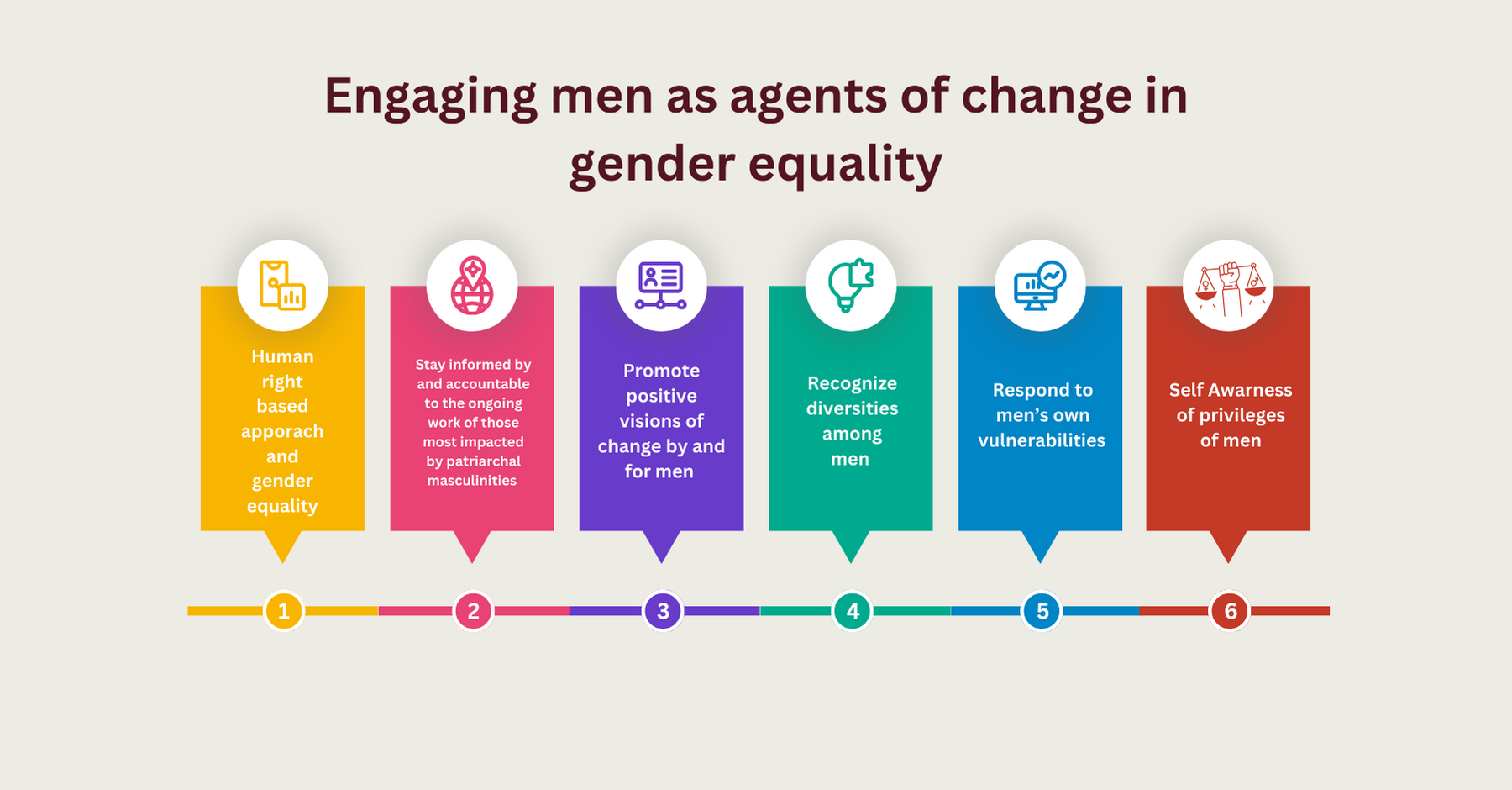
Emotional Intelligence and Openness
The transformative power of emotional intelligence lies in its ability to foster emotional openness—a practice that enables men to articulate their feelings without fear of judgment. This openness is not merely about expression but about creating a feedback loop of trust and understanding in relationships. At its core, emotional openness requires self-awareness, a skill that allows individuals to identify and name their emotions accurately, setting the stage for meaningful dialogue.
One advanced technique to cultivate this openness is emotional granularity, the ability to describe emotions with precision. Research from Dr. Lisa Feldman Barrett, a leading neuroscientist, shows that individuals with high emotional granularity experience lower stress levels and improved emotional regulation. For example, distinguishing between "frustration" and "disappointment" allows for tailored coping strategies, enhancing both personal resilience and relational harmony.
However, the application of emotional openness varies across contexts. In professional settings, structured tools like emotional check-ins during team meetings have proven effective. A case study from Microsoft revealed that implementing such practices increased team cohesion by 22%. Conversely, in personal relationships, active listening and reflective responses are more impactful, fostering deeper connections.
"True emotional strength is the courage to be vulnerable and authentic."
— Brené Brown, Researcher and Author
By embracing emotional openness, men redefine strength, transforming vulnerability into a foundation for trust and growth.
Respect and Social Responsibility
Respect and social responsibility are not abstract ideals; they are actionable frameworks that redefine leadership and community engagement. At their core lies the principle of reciprocal accountability, where individuals actively balance personal growth with contributions to collective well-being. This dynamic fosters environments where respect is not merely given but earned through consistent, intentional actions.
One advanced technique to operationalize this principle is the shared value model, which integrates individual and organizational goals to create mutual benefits. For instance, Unilever’s Sustainable Living Plan demonstrates how aligning corporate responsibility with community needs can yield measurable outcomes. By reducing environmental impact while improving livelihoods, the company reported a 50% increase in brand trust among surveyed consumers, showcasing the tangible impact of socially responsible practices.
However, the effectiveness of such models depends heavily on contextual factors. In diverse cultural settings, respect may manifest differently, requiring adaptive strategies. For example, in collectivist societies, prioritizing group harmony often takes precedence, whereas individualist cultures may emphasize personal accountability. Understanding these nuances is critical for successful implementation.
"True respect is earned through actions that uplift others while holding oneself accountable."
— Dr. Michael Kimmel, Sociologist and Gender Studies Expert
By embracing respect and social responsibility as intertwined practices, you can create a ripple effect of trust and empowerment, transforming both personal and communal landscapes. This approach redefines strength as the ability to lead with integrity and purpose.
Applications and Impact
Positive masculinity reshapes societal dynamics by fostering environments where emotional intelligence and inclusivity drive measurable progress. For instance, a 2023 UNESCO IITE study in Armenia revealed that integrating gender equality education into school curricula reduced instances of bullying by 18% among male students aged 16–19, demonstrating the tangible benefits of early intervention.
In professional settings, organizations like Catalyst have shown that male leaders who adopt inclusive practices see a 29% increase in team innovation. This underscores how positive masculinity, when operationalized through frameworks like transformational leadership, enhances both individual and collective outcomes. Transformational leadership emphasizes empathy and adaptability, enabling leaders to inspire trust and collaboration.
A compelling analogy likens positive masculinity to a well-tuned ecosystem: just as biodiversity strengthens resilience, diverse expressions of masculinity enrich communities. By dismantling rigid norms, men not only improve their mental health but also contribute to systemic equity, creating ripple effects that benefit all.
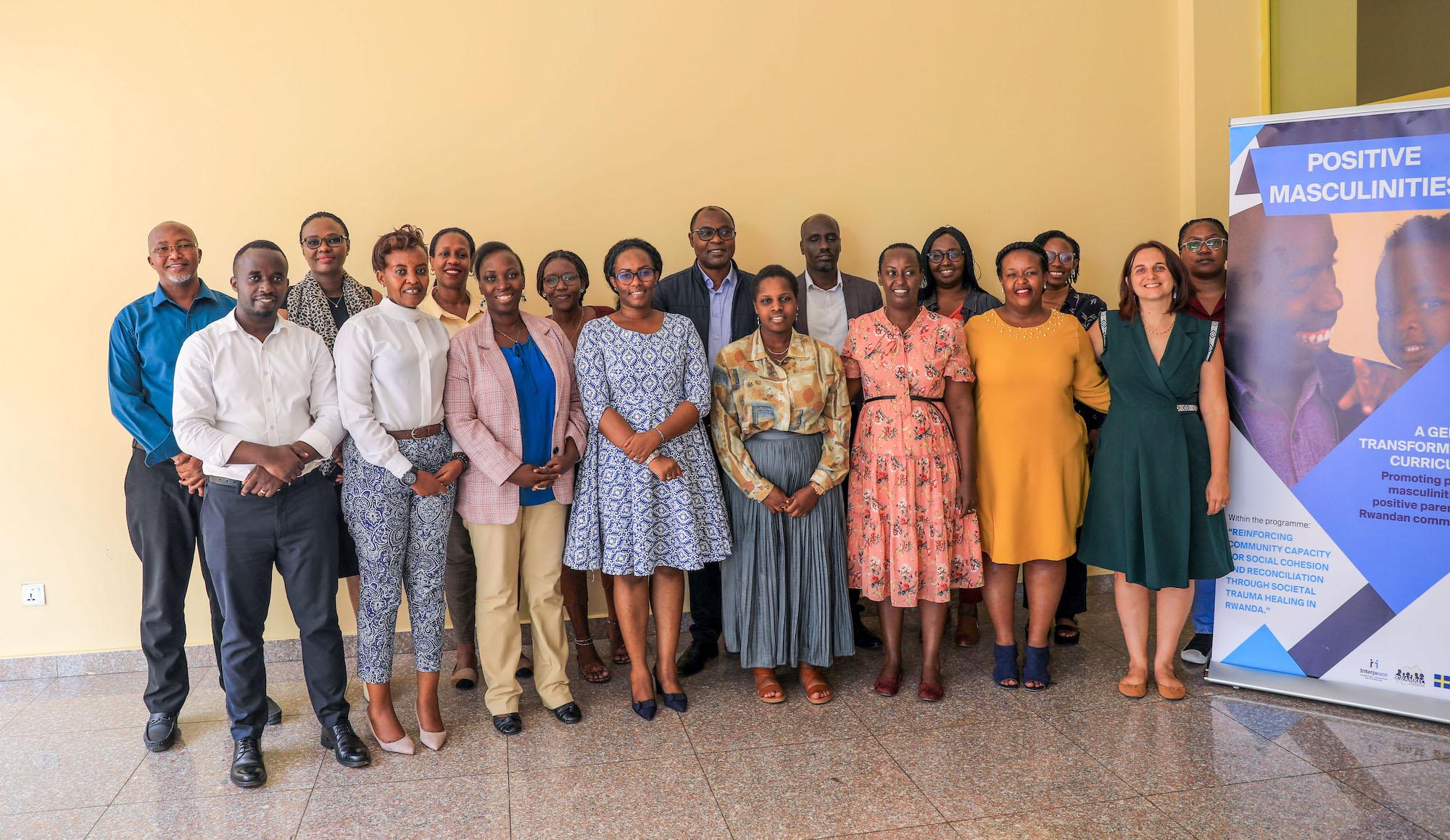
Positive Masculinity in Relationships
The cornerstone of positive masculinity in relationships lies in emotional reciprocity, a dynamic where vulnerability and empathy create a balanced exchange of emotional support. This principle challenges the traditional expectation that men must solely provide stability while suppressing their own emotional needs. Instead, it reframes relationships as mutual spaces for growth and connection.
One critical mechanism driving emotional reciprocity is active emotional attunement. This involves not only recognizing a partner’s emotional cues but also responding in ways that validate and support their experiences. A 2024 study by the Gottman Institute revealed that couples practicing emotional attunement reported a 45% increase in relationship satisfaction, highlighting its transformative potential.
However, achieving this balance requires navigating contextual challenges. For instance, cultural norms may discourage men from expressing vulnerability, creating barriers to emotional openness. Addressing these requires tailored interventions, such as culturally sensitive counseling or peer-led workshops that normalize emotional expression.
"True intimacy is built on the courage to be seen and the willingness to see others fully."
— Dr. Sue Johnson, Clinical Psychologist and Author
By embracing emotional reciprocity, men can foster relationships that are not only resilient but also deeply fulfilling, redefining strength as the ability to connect authentically.
Community and Workplace Initiatives
A transformative approach to fostering positive masculinity in workplaces involves integrating allyship frameworks that empower men to actively support underrepresented groups. This concept transcends passive endorsement, requiring deliberate actions to dismantle systemic barriers and amplify marginalized voices. The underlying mechanism here is reciprocal empowerment, where allyship not only benefits those being supported but also enriches the ally’s own leadership and emotional intelligence.
One notable example is the mentorship program implemented by Deloitte, where male executives mentor women and individuals from underrepresented backgrounds. This initiative resulted in a 32% increase in promotions for mentees over two years, while mentors reported enhanced empathy and leadership adaptability. Such programs highlight the dual impact of allyship: fostering equity while cultivating emotional growth in leaders.
However, the effectiveness of these initiatives hinges on contextual factors. For instance, cultural resistance to gender equity can undermine progress, necessitating tailored strategies like localized training or community dialogues. Additionally, measuring success requires nuanced metrics, such as tracking shifts in workplace culture alongside traditional performance indicators.
"Allyship is not a one-time act but a continuous commitment to equity and growth."
— Dr. Michael Kimmel, Sociologist and Gender Studies Expert
By embedding allyship into workplace culture, organizations can create environments where positive masculinity thrives, driving both individual and systemic transformation.
FAQ
What are the core principles of positive masculinity and how do they differ from traditional masculinity?
Positive masculinity is anchored in principles such as emotional intelligence, respect for diversity, and social responsibility. Unlike traditional masculinity, which often emphasizes dominance and emotional suppression, positive masculinity encourages empathy, vulnerability, and collaboration. It integrates traits like nurturing and compassion, traditionally seen as feminine, with courage and resilience, fostering a balanced identity. This approach dismantles harmful stereotypes, promoting healthier interpersonal relationships and mental well-being. By embracing these principles, individuals can redefine masculinity as a force for inclusivity and growth, aligning personal strengths with societal progress while rejecting outdated norms that limit emotional expression and mutual respect.
How does emotional intelligence contribute to the development of positive masculinity in modern society?
Emotional intelligence fosters self-awareness, empathy, and effective communication, which are essential for positive masculinity. By enabling men to understand and manage their emotions, it challenges traditional norms of stoicism and emotional suppression. This shift promotes healthier relationships, reduces mental health stigma, and enhances conflict resolution skills. Emotional intelligence also aligns with modern societal values, encouraging inclusivity and mutual respect. Its integration into personal and professional contexts empowers men to lead with authenticity and compassion, redefining masculinity as a balanced and adaptive identity. This transformation supports both individual growth and broader cultural progress toward equity and emotional well-being.
What role does positive masculinity play in fostering healthier relationships and community well-being?
Positive masculinity fosters healthier relationships by promoting emotional openness, mutual respect, and active communication. It challenges power imbalances and traditional stereotypes, encouraging men to engage in equitable partnerships and collaborative decision-making. In communities, positive masculinity drives inclusivity and empathy, reducing conflict and enhancing social cohesion. By embracing traits like vulnerability and compassion, men contribute to environments where trust and understanding thrive. This approach also supports advocacy for marginalized groups, amplifying collective well-being. Ultimately, positive masculinity redefines strength as the ability to nurture connections, creating a ripple effect that benefits both personal relationships and broader societal harmony.
How can organizations implement strategies to promote positive masculinity in the workplace?
Organizations can promote positive masculinity by integrating emotional intelligence training, fostering allyship, and challenging gender stereotypes. Providing workshops on empathy and communication equips employees with tools to build inclusive relationships. Establishing mentorship programs where male leaders support underrepresented groups amplifies equity and collaboration. Recognizing behaviors that prioritize teamwork and respect during performance reviews reinforces these values. Additionally, creating safe spaces for open dialogue about masculinity and mental health reduces stigma and encourages vulnerability. By embedding these strategies into workplace culture, organizations cultivate environments where positive masculinity thrives, driving innovation, employee well-being, and a more inclusive professional ecosystem.
What are the long-term societal benefits of embracing positive masculinity as a cultural norm?
Embracing positive masculinity as a cultural norm fosters long-term societal benefits by reducing gender-based violence, improving mental health, and enhancing social cohesion. It dismantles harmful stereotypes, encouraging emotional expression and mutual respect, which strengthens family dynamics and community relationships. Positive masculinity also promotes gender equity, empowering diverse voices and fostering inclusive leadership. Economically, it drives productivity by creating supportive workplaces that value collaboration and well-being. By aligning masculinity with empathy, accountability, and social responsibility, societies can achieve greater harmony, resilience, and equity, ensuring a healthier, more balanced future for individuals and communities alike.