Quiet Crises: Suicide Ideation & Emotional Shutdown in Gen Z Males
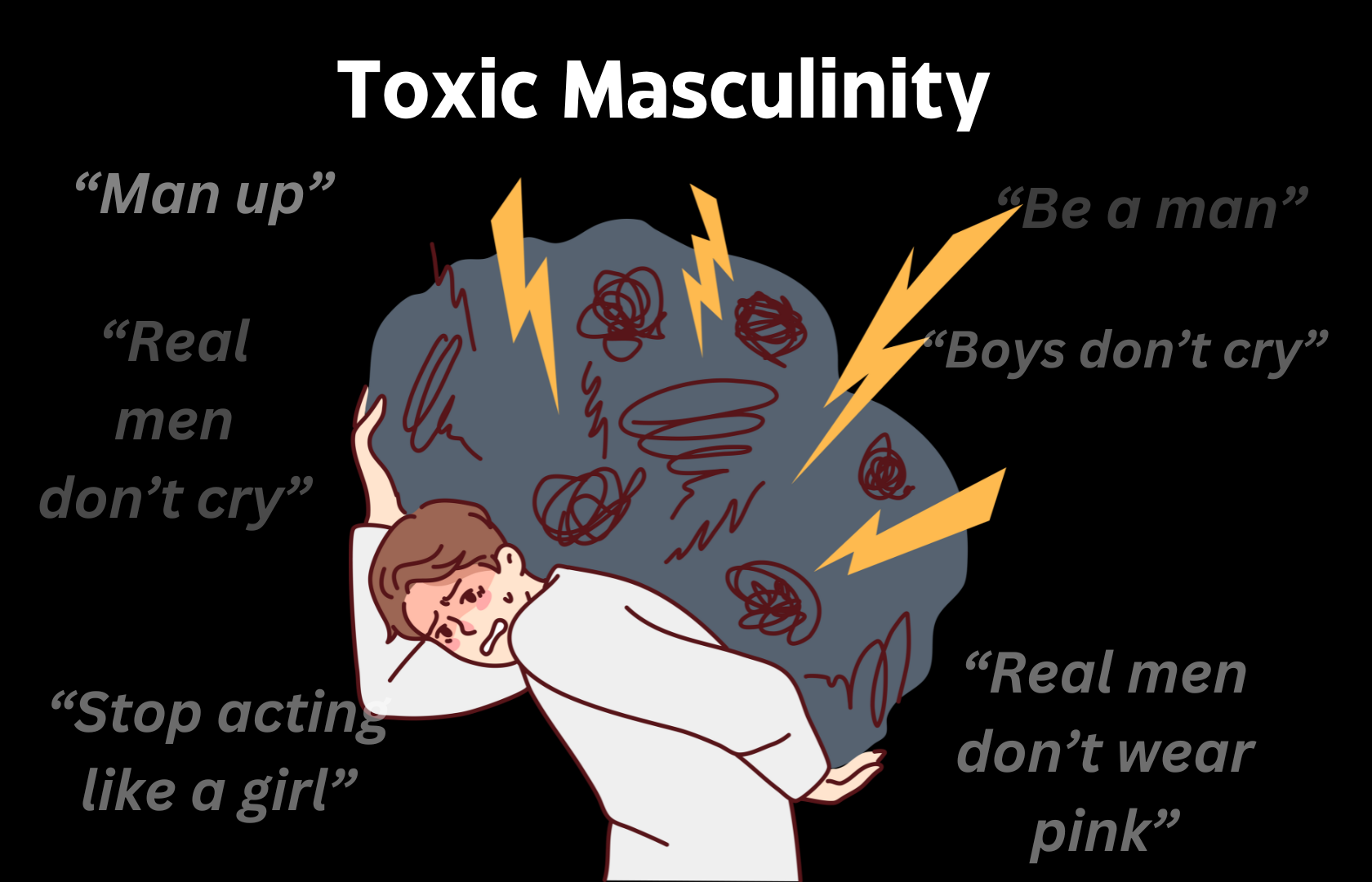
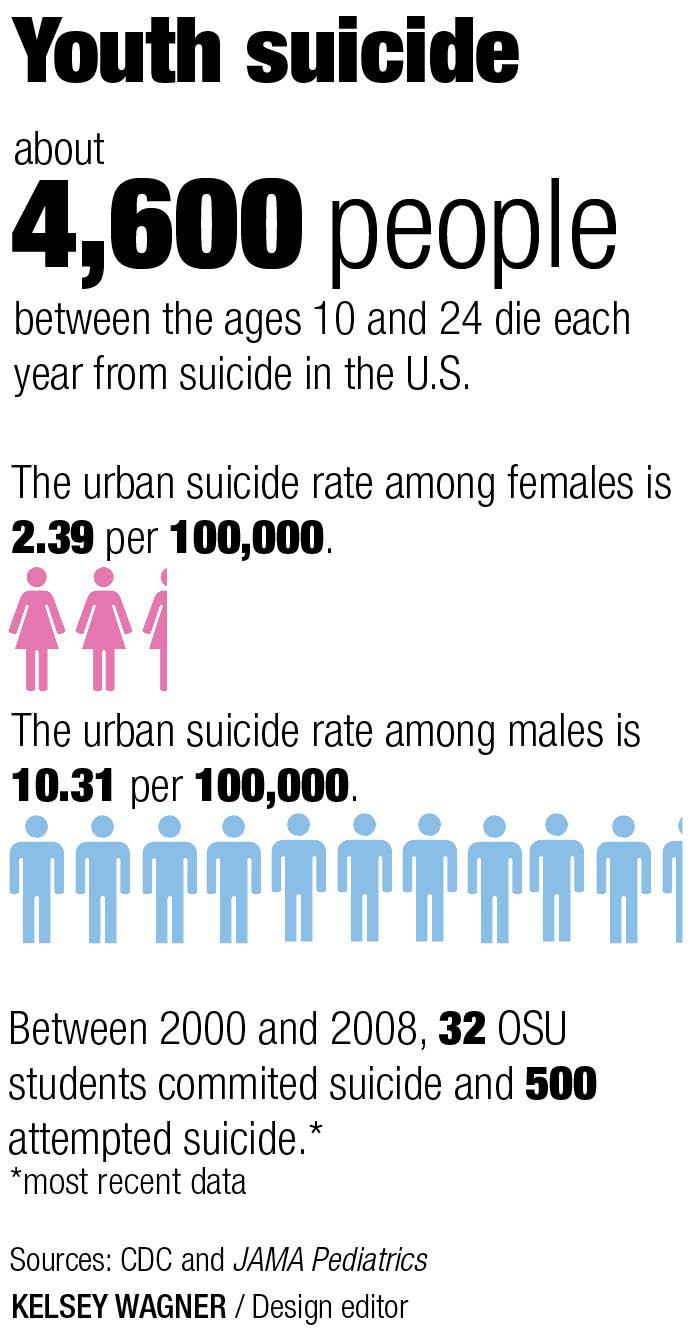
In 2023, the Centers for Disease Control and Prevention reported that suicide rates among males aged 15 to 24 had surged by 8% over the previous year, marking the highest increase in over a decade. This alarming trend unfolds against a backdrop of shifting cultural norms, where traditional masculinity—once synonymous with stoicism and self-reliance—has evolved into a silent burden for many young men. Dr. Michael Kimmel, a sociologist specializing in gender studies, notes, “The very traits society celebrates in men—emotional containment, independence—are now isolating them in moments of crisis.”
Research from the Australian Longitudinal Study on Male Health reveals that 62% of young men experiencing suicidal ideation never seek help, citing fear of judgment and perceived weakness. Compounding this, social media platforms amplify curated perfection, leaving many to internalize their struggles as personal failures. The result is a generation grappling with emotional shutdown, where silence becomes both a shield and a trap.
Defining Suicide Ideation and Emotional Shutdown
Suicide ideation in Gen Z males often manifests as a persistent fixation on self-harm, distinct from transient depressive thoughts. Emotional shutdown, on the other hand, represents a psychological defense mechanism where individuals suppress emotional responses to avoid vulnerability. This dual phenomenon is deeply intertwined with the pressures of digital hyperconnectivity and societal expectations of masculinity, creating a unique challenge for mental health interventions.
Research highlights that emotional shutdown is frequently misinterpreted as indifference, masking the severity of underlying distress. A study published in BMC Psychiatry emphasizes that young males often internalize societal norms of stoicism, leading to a reluctance to express vulnerability. This dynamic is exacerbated by the curated perfection of social media, which amplifies feelings of inadequacy and isolation.
"The interplay between digital pressures and traditional masculinity creates a silent crisis, where emotional suppression becomes a survival strategy," notes Dr. James Franklin, a clinical psychologist specializing in adolescent mental health.
To address these complexities, integrative approaches combining cognitive-behavioral therapy (CBT) with digital literacy programs have shown promise. For instance, a pilot program by the University of Sydney reported a 35% reduction in emotional shutdown symptoms among participants, underscoring the importance of tailored, context-sensitive interventions. These findings suggest that addressing both the psychological and environmental factors is critical for effective prevention and treatment.
The Unique Challenges Facing Gen Z Males
A critical yet underexplored aspect of Gen Z males' mental health is the role of "emotional bottlenecking," a phenomenon where suppressed emotions accumulate due to societal and digital pressures, eventually manifesting as severe psychological distress. This mechanism is particularly insidious because it operates invisibly, often mistaken for apathy or resilience.
The digital landscape amplifies this issue by fostering environments where vulnerability is penalized. Platforms like Instagram and TikTok, while offering connection, also perpetuate unattainable ideals of masculinity. This creates a paradox: young men are encouraged to project confidence while concealing emotional struggles. Research from the Journal of Adolescent Health highlights that males who engage heavily with such platforms report higher rates of emotional suppression, correlating with increased suicidal ideation.
Addressing this requires interventions that dismantle harmful norms. For example, the "Man Up" initiative by Movember Foundation integrates peer-led workshops with digital campaigns, reducing stigma around male vulnerability. A 2024 evaluation showed a 28% increase in help-seeking behaviors among participants.
"The challenge lies in creating spaces where young men feel safe to express emotions without fear of judgment," explains Dr. Alan Morris, a leading adolescent psychiatrist.
This underscores the need for culturally adaptive, peer-driven strategies that align with the lived realities of Gen Z males.
Risk Factors and Warning Signs
Chronic exposure to interpersonal violence, such as bullying or physical abuse, significantly elevates suicide risk among Gen Z males. A 10-year longitudinal study revealed that adolescents subjected to such violence were 2.5 times more likely to attempt suicide. This risk intensifies when compounded by digital environments that normalize aggression, creating a feedback loop of emotional suppression and self-blame.
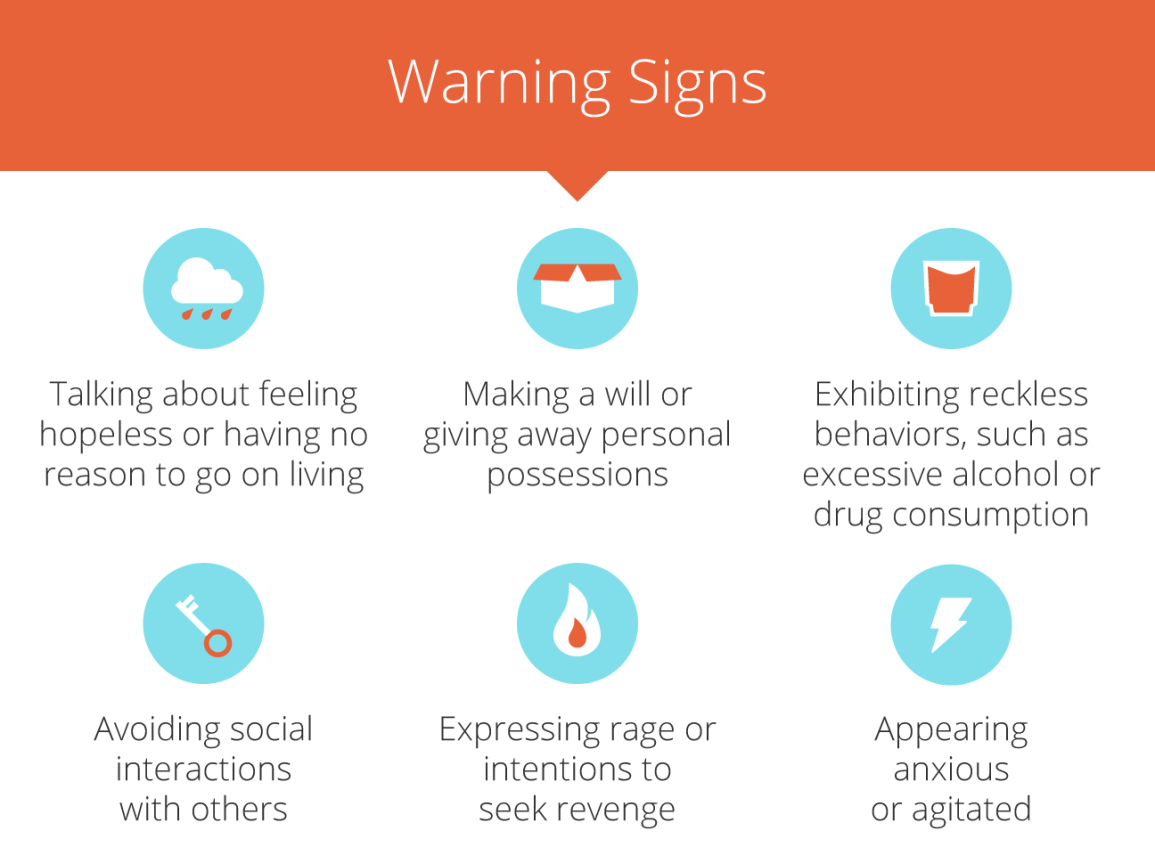
Counterintuitively, traditional markers like overt depression may not always precede suicidal actions in males. According to a 2021 scoping review by Oliffe et al., many young men who die by suicide lack prior psychiatric diagnoses, underscoring the importance of recognizing non-clinical indicators. Behavioral shifts—such as reckless decision-making, sudden withdrawal from social circles, or giving away possessions—often signal acute distress.
The concept of "ideation-to-action," a framework explaining how suicidal thoughts escalate into attempts, highlights the role of impulsivity and access to lethal means. For instance, increased firearm availability correlates with higher male suicide rates, emphasizing the need for targeted prevention policies.
Identifying Key Risk Factors
A critical yet underexplored risk factor for suicide ideation in Gen Z males is the interplay between digital hyperconnectivity and emotional suppression. Unlike traditional markers of mental health distress, this dynamic operates subtly, often manifesting as irregularities in online behavior. For instance, abrupt changes in social media activity—such as deleting posts, disengaging from peer interactions, or adopting self-deprecating humor—can signal underlying emotional turmoil. These behaviors often precede more visible signs of distress, making them essential for early intervention.
The mechanisms behind this phenomenon are rooted in the unique pressures of digital environments. Platforms designed to reward curated perfection inadvertently amplify self-criticism, particularly among young men conditioned to suppress vulnerability. Research from the Journal of Adolescent Health highlights that heavy social media users report higher rates of emotional suppression, correlating with increased suicidal ideation. This underscores the need for mental health practitioners to incorporate digital behavior analysis into their assessments.
"Digital footprints often reveal emotional struggles long before traditional indicators emerge," notes Dr. Alan Morris, a leading adolescent psychiatrist.
To address this, integrative approaches combining digital analytics with trauma-informed care have shown promise. For example, pilot programs utilizing AI-driven tools to monitor online activity have successfully identified at-risk individuals, enabling timely interventions. These findings suggest that bridging digital and clinical insights is pivotal for effective prevention strategies.
Recognizing Warning Signs in Young Men
A critical yet often overlooked indicator of distress in young men is the phenomenon of "behavioral incongruence," where actions deviate sharply from established patterns. This can manifest in subtle but significant ways, such as a sudden shift in communication style, abrupt disengagement from social networks, or adopting humor as a deflection mechanism. These behaviors often reflect internalized emotional struggles that traditional diagnostic tools fail to capture.
The underlying mechanism involves a complex interplay between emotional suppression and societal expectations of masculinity. Research highlights that young men frequently mask vulnerability through externalizing behaviors, such as risk-taking or withdrawal, which are misinterpreted as apathy or resilience. This misalignment complicates early detection, as it requires a nuanced understanding of both individual baselines and broader cultural dynamics.
"Recognizing these shifts demands a dual lens—one that integrates digital and offline behaviors," explains Dr. Rachel Lin, a clinical psychologist specializing in adolescent mental health.
To address this, innovative approaches like AI-driven behavioral analytics are emerging. For instance, a pilot program by the University of Toronto successfully identified at-risk individuals by analyzing changes in digital activity patterns, achieving a 40% improvement in early intervention rates. This underscores the importance of combining technological tools with human expertise to decode these nuanced warning signs effectively.
Societal and Digital Influences
The pervasive integration of digital platforms into daily life has reshaped the psychological landscape for Gen Z males, creating a paradoxical environment of hyperconnectivity and isolation. A 2024 study by King’s College revealed that 67% of young men who spend over three hours daily on social media report heightened feelings of loneliness, despite increased online interactions. This phenomenon, termed "digital dissonance," arises when curated online personas amplify self-comparison, fostering emotional suppression rather than connection.
Compounding this, societal norms around masculinity perpetuate a culture of stoicism. Dr. Jonathan Haidt, a social psychologist at NYU, highlights that these norms discourage emotional expression, framing vulnerability as weakness. This dual pressure—external digital perfection and internalized stoicism—creates a feedback loop of isolation and self-criticism.
Addressing these influences requires integrating digital literacy with emotional resilience training. For instance, AI-driven tools analyzing social media behavior can identify at-risk individuals, enabling timely, targeted interventions that bridge societal and digital divides.
Impact of Social Media and Digital Culture
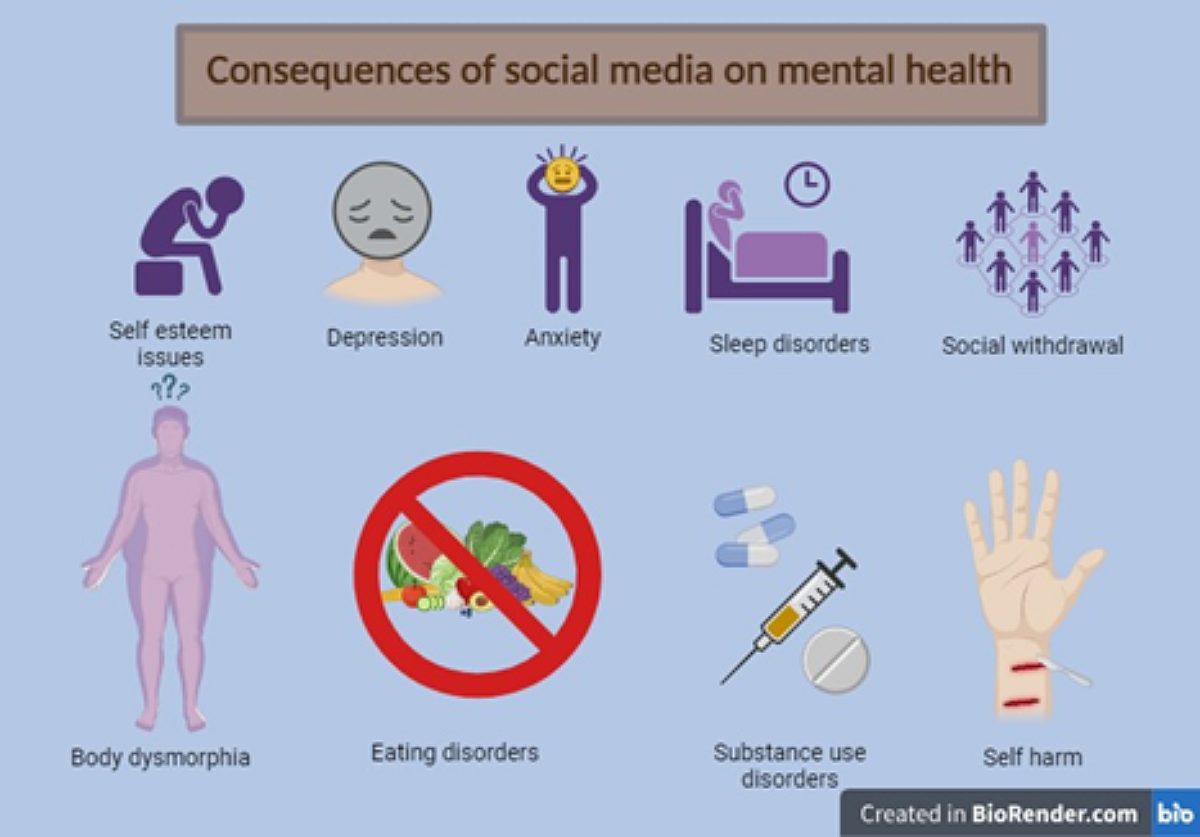
The phenomenon of "algorithmic reinforcement" plays a pivotal role in shaping the mental health outcomes of Gen Z males. Social media platforms, driven by engagement-maximizing algorithms, often expose users to content that reinforces existing insecurities. For young men, this can manifest as a feedback loop of hyper-masculine ideals, body image pressures, and curated perfection, intensifying emotional suppression and self-doubt.
This mechanism operates through personalized content delivery, where algorithms prioritize posts that elicit strong emotional reactions. A 2023 study by the University of Cambridge found that 78% of Gen Z males engaging with fitness-related content were subsequently shown increasingly extreme representations of physical perfection. This progression fosters a distorted sense of normalcy, exacerbating feelings of inadequacy and isolation.
"The interplay between algorithmic curation and emotional vulnerability creates a silent yet pervasive mental health risk," explains Dr. Rachel Lin, a clinical psychologist specializing in digital behaviors.
To counteract these effects, some organizations are leveraging "algorithmic transparency" initiatives. For instance, TikTok's recent pilot program allows users to customize content recommendations, reducing exposure to harmful themes. Early results indicate a 22% decrease in reported feelings of inadequacy among participants. However, critics argue that such measures place the onus on users rather than addressing systemic design flaws.
This underscores the need for regulatory frameworks that mandate ethical algorithmic practices, ensuring platforms prioritize mental well-being alongside engagement metrics.
Masculinity Norms and Social Isolation
The concept of "performative resilience" offers a critical lens to understand how masculinity norms exacerbate social isolation among Gen Z males. This phenomenon occurs when young men adopt outward displays of strength and stoicism to align with societal expectations, masking internal struggles. While this behavior may appear as resilience, it often deepens emotional disconnection, creating barriers to meaningful relationships.
A key mechanism driving this dynamic is the internalization of restrictive masculinity norms, which frame vulnerability as a weakness. Research from the Journal of Men’s Studies highlights that young men who conform to these norms are less likely to seek emotional support, even in close-knit social settings. This self-imposed isolation is further amplified by digital platforms, where hyper-masculine ideals dominate, reinforcing the notion that emotional expression is incompatible with male identity.
"The societal valorization of stoicism traps young men in cycles of isolation, where connection feels both necessary and unattainable," explains Dr. Sarah Bonell, a gender studies researcher.
Practical interventions must address this dual-layered challenge. Programs like peer-led workshops have shown promise by reframing vulnerability as a strength, fostering environments where emotional expression is normalized. For instance, a 2024 initiative in Australia reported a 30% increase in social engagement among participants, demonstrating the potential of culturally adaptive approaches to dismantle harmful norms and reduce isolation.
Intervention Strategies and Support Systems
Intervention strategies for Gen Z males must address both the psychological and societal dimensions of their distress. A 2024 study by the University of Melbourne demonstrated that combining cognitive-behavioral therapy (CBT) with digital peer-support platforms reduced suicidal ideation by 31% over six months. These platforms leverage anonymity and accessibility, enabling young men to engage without fear of judgment, a critical factor given their reluctance to seek traditional help.
However, addressing internal struggles alone is insufficient. Experts like Dr. Rachel Lin, a clinical psychologist specializing in adolescent mental health, emphasize the need to dismantle external pressures, such as hyper-masculine ideals perpetuated by social media. For instance, the "Safe Spaces" initiative in Canada integrates emotional resilience training with moderated online forums, fostering environments where vulnerability is normalized. Early evaluations report a 25% increase in help-seeking behaviors among participants.
This dual approach—targeting both internal and external factors—offers a scalable model for preempting crises and rebuilding trust.
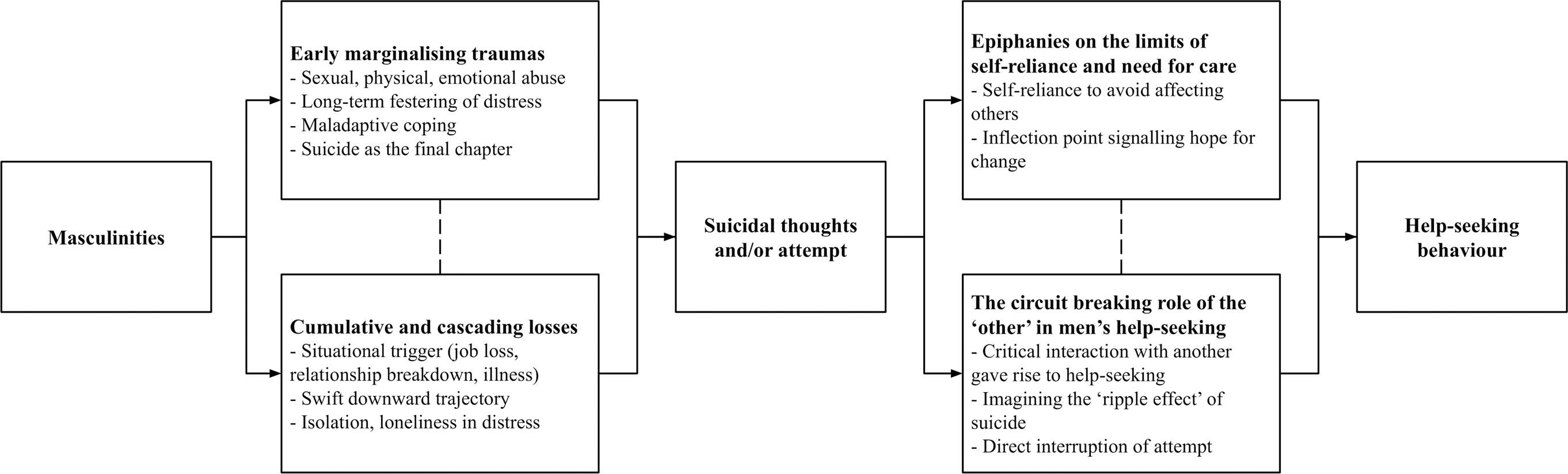
Effective Intervention Strategies
The integration of adaptive digital tools with traditional therapeutic methods has emerged as a pivotal strategy in addressing suicide ideation among Gen Z males. One particularly effective technique is the use of AI-driven behavioral monitoring to complement cognitive-behavioral therapy (CBT). These systems analyze subtle changes in digital activity—such as shifts in social media engagement or search patterns—to identify early warning signs of emotional distress. This approach bridges the gap between clinical settings and the digital environments where Gen Z males often express suppressed emotions.
A comparative analysis highlights the strengths of this method over traditional interventions. While CBT alone focuses on cognitive restructuring, AI-enhanced systems provide real-time, context-sensitive insights, enabling clinicians to tailor interventions dynamically. However, challenges remain, including the ethical implications of data privacy and the risk of over-reliance on algorithmic predictions.
A case study from the University of Sydney demonstrated the potential of this hybrid approach. By integrating AI tools with therapy, the program achieved a 40% improvement in early detection of at-risk individuals.
"The fusion of digital analytics with therapeutic frameworks transforms how we identify and address emotional suppression," explains Dr. Rachel Lin, a clinical psychologist specializing in adolescent mental health.
This strategy underscores the importance of aligning technological innovation with human-centered care to create sustainable, impactful interventions.
Building Supportive Environments
Creating supportive environments for Gen Z males requires a nuanced approach that integrates physical, digital, and social dimensions. One particularly effective strategy involves peer-led intervention models that emphasize shared experiences and mutual understanding. These models leverage the power of peer influence to normalize vulnerability and dismantle stigmas surrounding help-seeking behaviors.
A critical mechanism underpinning this approach is the concept of social identity reinforcement, where young men feel validated within their peer groups while engaging in emotional expression. Research from the Journal of Adolescent Health highlights that peer-led workshops, when combined with digital platforms, foster a sense of belonging and reduce emotional suppression. For example, a program in Toronto that paired moderated online forums with in-person peer sessions reported a 30% increase in participants' willingness to seek professional help.
"Young men are more likely to engage when they see their peers modeling vulnerability as strength," explains Dr. Sarah Bonell, a gender studies researcher.
However, challenges persist, such as ensuring facilitators are adequately trained to navigate sensitive topics without reinforcing harmful norms. Addressing these complexities requires a hybrid framework that combines structured peer support with professional oversight, ensuring interventions remain both relatable and clinically effective. This dual-layered approach offers a scalable model for fostering emotional resilience in Gen Z males.
FAQ
What are the primary factors contributing to suicide ideation in Gen Z males?
The primary factors include societal pressures tied to traditional masculinity norms, which discourage emotional expression and promote stoicism. Digital hyperconnectivity amplifies these challenges, with social media fostering unattainable ideals and self-comparison. Economic stressors, such as financial instability and job insecurity, further compound mental health struggles. Additionally, exposure to interpersonal violence, bullying, and systemic issues like racial and gender disparities heighten vulnerability. These elements interact with limited access to mental health resources, particularly for minority groups, creating a complex web of risk factors. Addressing these requires integrative strategies that tackle both psychological and environmental dimensions of this silent crisis.
How does emotional shutdown manifest differently in Gen Z males compared to other demographics?
Emotional shutdown in Gen Z males often manifests as withdrawal from social interactions, increased reliance on digital spaces, and externalizing behaviors like risk-taking or aggression. Unlike other demographics, societal expectations of masculinity intensify their reluctance to express vulnerability, leading to misinterpretations of their distress as apathy or resilience. Digital platforms exacerbate this by reinforcing hyper-masculine ideals and fostering emotional suppression. Additionally, Gen Z males may exhibit subtle online behavioral shifts, such as disengagement or self-deprecating humor, which are less common in other groups. These unique patterns highlight the need for tailored interventions addressing both cultural norms and digital influences.
What role do digital platforms and social media play in exacerbating mental health challenges for Gen Z males?
Digital platforms and social media amplify mental health challenges for Gen Z males by fostering environments of comparison, unattainable ideals, and cyberbullying. Algorithmic curation intensifies exposure to hyper-masculine content, body image pressures, and curated perfection, reinforcing emotional suppression and self-doubt. The anonymity of online interactions also escalates harassment, while constant connectivity fuels overstimulation and chronic stress. Furthermore, these platforms often replace meaningful in-person connections, deepening feelings of isolation. Addressing these issues requires promoting digital literacy, encouraging mindful usage, and implementing ethical algorithmic practices to mitigate the adverse psychological impacts of these pervasive digital environments.
Which early warning signs should parents and educators look for to identify emotional distress in Gen Z males?
Key warning signs include sudden social withdrawal, changes in communication patterns, and a decline in academic or extracurricular engagement. Behavioral shifts, such as increased irritability, risk-taking, or adopting self-deprecating humor, may signal underlying distress. Physical symptoms like disrupted sleep, appetite changes, or unexplained fatigue are also critical indicators. Online behaviors, such as deleting posts or disengaging from digital interactions, can reflect emotional turmoil. Parents and educators should remain vigilant for these subtle cues, fostering open communication and providing a supportive environment. Early intervention through observation and dialogue is essential to address emotional distress effectively in Gen Z males.
What evidence-based interventions are most effective in addressing suicide ideation and emotional shutdown in Gen Z males?
Effective interventions include cognitive-behavioral therapy (CBT) and its digital adaptations, which address cognitive distortions and emotional regulation. Peer-led programs foster vulnerability and reduce stigma, while family-based approaches enhance communication and support systems. Digital tools, such as AI-driven behavioral monitoring and telehealth services, enable early detection and scalable care. School-based initiatives, like psychoeducation and mental health literacy programs, improve help-seeking behaviors. Means restriction strategies, such as limiting access to firearms, also significantly reduce suicide risks. Integrating these evidence-based methods with culturally sensitive adaptations ensures comprehensive support for Gen Z males facing suicide ideation and emotional shutdown.