Resources and Support for Men with Obsessive-Compulsive Disorder (OCD)
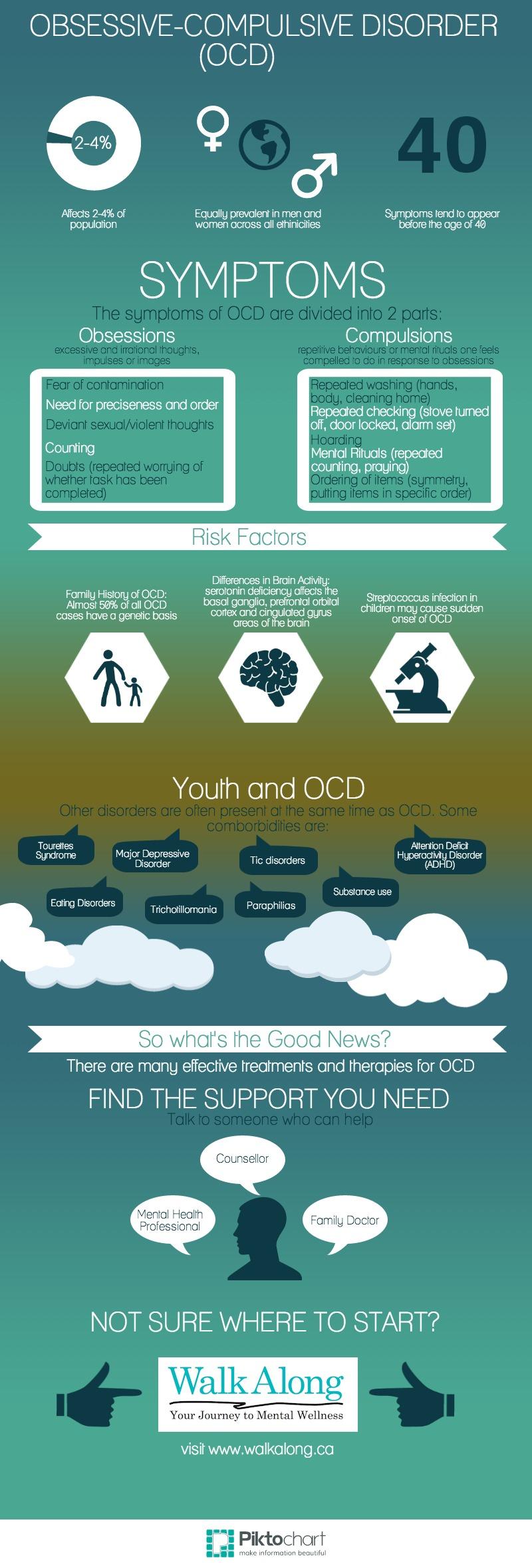
In 2023, a study published by the National Institute of Mental Health revealed that 1.2% of U.S. adults experience obsessive-compulsive disorder (OCD) annually, yet men are significantly less likely to seek treatment compared to women. This disparity is not due to a lower prevalence—OCD affects men and women at nearly equal rates—but rather to deeply ingrained societal expectations that discourage men from addressing mental health struggles.
Dr. Michael Wheaton, a clinical psychologist specializing in OCD at Barnard College, notes that men often present with symptoms tied to taboo subjects, such as intrusive thoughts of aggression or sexuality, which can lead to heightened shame and delayed diagnosis. These unique manifestations frequently go unnoticed, as they clash with the stereotypical image of OCD as a disorder of cleanliness or orderliness.
The consequences of untreated OCD in men are profound, with studies linking it to higher rates of substance abuse and comorbid conditions like depression. Addressing this silent crisis requires not only accessible resources but also a cultural shift in how male mental health is perceived and supported.
Defining Obsessions and Compulsions
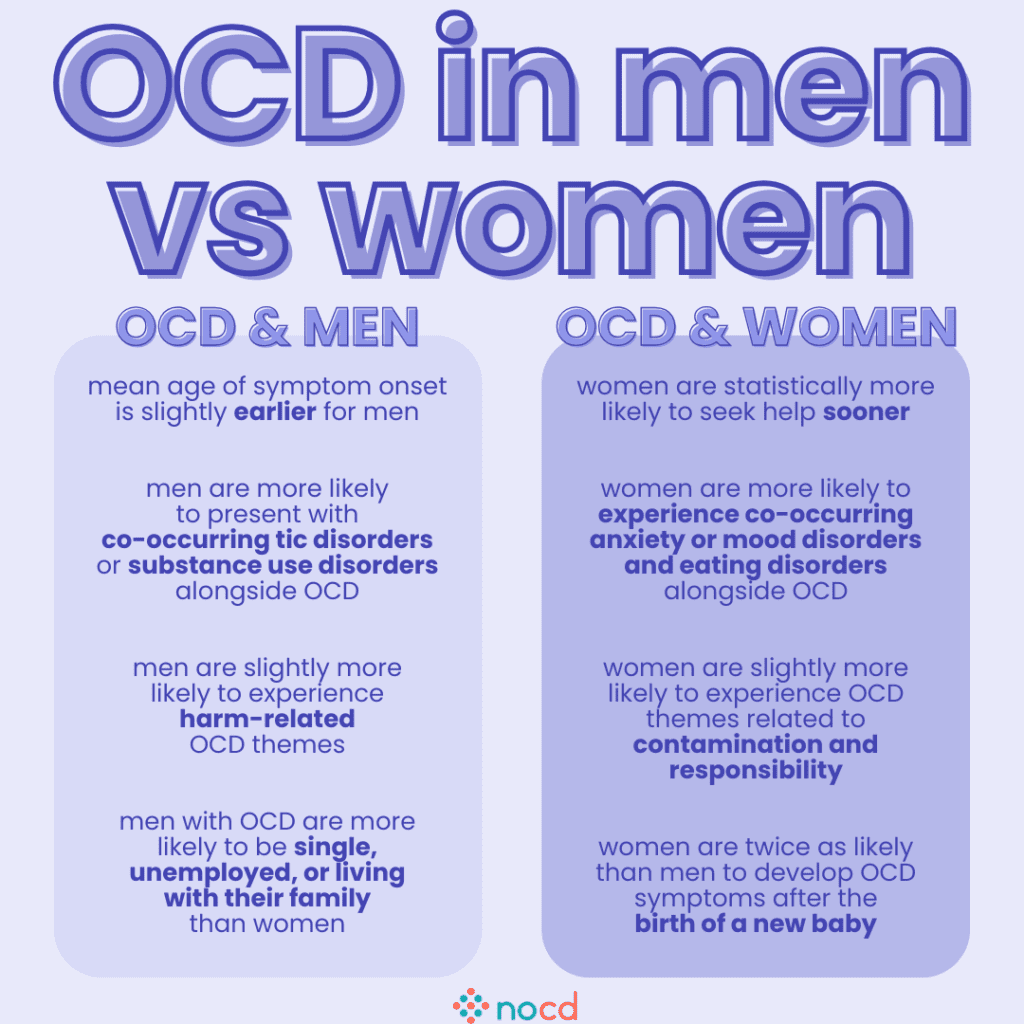
Obsessions and compulsions, the core features of OCD, are often misunderstood as simple quirks or habits. However, their underlying mechanisms reveal a far more intricate dynamic. Obsessions are intrusive, distressing thoughts or urges—such as fears of contamination or doubts about safety—that persist despite efforts to suppress them. Compulsions, in turn, are repetitive behaviors or mental acts performed to neutralize the anxiety caused by these obsessions. This cycle is not merely behavioral; it is deeply rooted in neurobiological and cognitive processes.
Research from the Icahn School of Medicine at Mount Sinai (2024) highlights the role of impaired cognitive flexibility in OCD, where individuals struggle to shift focus away from intrusive thoughts. This rigidity exacerbates compulsive behaviors, creating a self-reinforcing loop. For instance, a man with contamination fears may wash his hands excessively, not out of preference but due to an overwhelming sense of incompleteness.
"The distinction between obsession and compulsion is not just academic—it shapes the entire therapeutic approach,"
— Dr. William M. Greenberg, Professor, St. George's University School of Medicine.
Understanding these definitions is critical in therapy, particularly in Exposure and Response Prevention (ERP). By targeting compulsions directly, ERP disrupts the cycle, allowing patients to confront obsessions without resorting to ritualized behaviors.
Diagnostic Criteria and Common Misconceptions
The diagnostic criteria for OCD, as outlined in the DSM-5, emphasize the presence of obsessions and/or compulsions that are time-consuming or cause significant distress. However, in practice, these criteria often fail to capture the nuanced ways OCD manifests, particularly in men. For example, men may experience obsessions involving taboo or aggressive thoughts, which are less likely to align with stereotypical perceptions of OCD as a "cleanliness disorder." This disconnect can lead to misdiagnosis or delayed treatment.
One critical challenge lies in distinguishing OCD from other conditions with overlapping symptoms, such as generalized anxiety disorder or specific phobias. Unlike these disorders, OCD involves compulsions—ritualized behaviors or mental acts aimed at reducing anxiety. Yet, these compulsions often provide only temporary relief, perpetuating a cycle of distress. Research from Glazier et al. (2015) highlights that 50% of OCD cases are misdiagnosed, particularly when symptoms deviate from common stereotypes like contamination fears.
"Accurate diagnosis requires clinicians to look beyond surface-level symptoms and consider the underlying cognitive and emotional drivers,"
— Dr. Claire Lucas, Psychiatric Mental Health Nurse Practitioner.
To address misconceptions, practitioners must educate patients and their families about the diverse presentations of OCD. This approach not only improves diagnostic accuracy but also fosters empathy and reduces stigma, paving the way for effective, individualized treatment.
Prevalence and Symptom Expression in Men
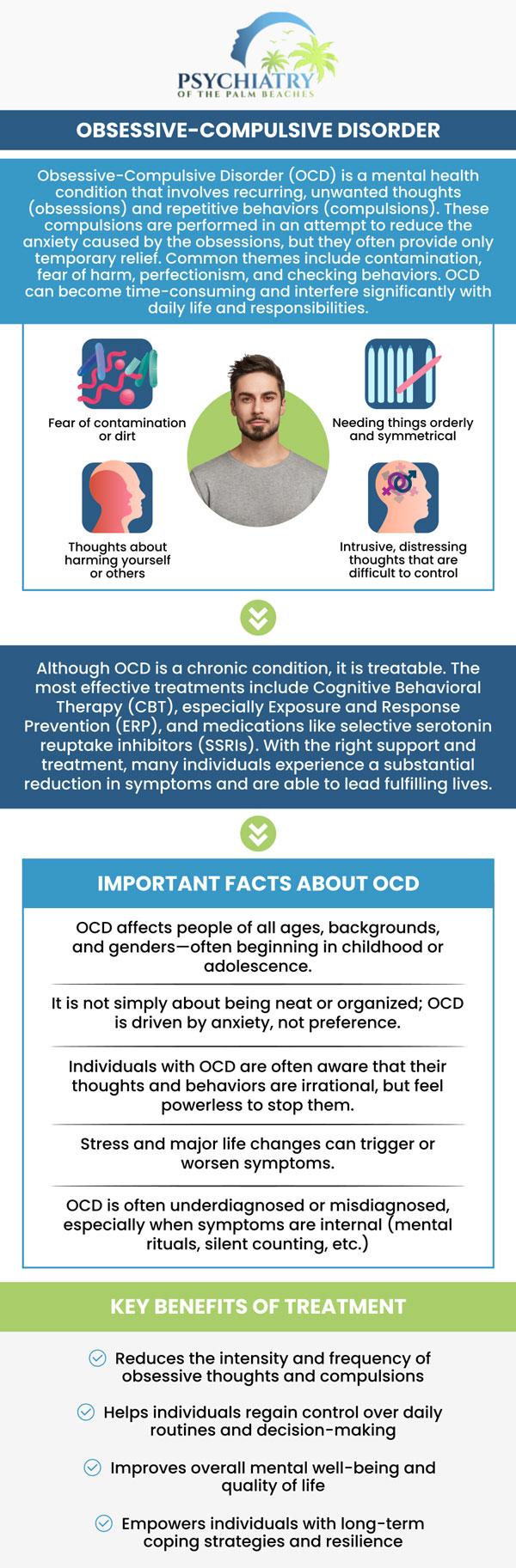
Men with OCD often experience earlier symptom onset compared to women, with studies indicating that up to 55% of male patients report symptoms beginning in childhood or adolescence. This early onset is frequently associated with comorbid conditions such as tic disorders and attention-deficit/hyperactivity disorder (ADHD), which can complicate diagnosis and treatment. For example, a 2021 meta-analysis published in Frontiers in Psychiatry found that neurodevelopmental comorbidities are significantly more common in young males with OCD, shaping both the disorder's trajectory and its clinical presentation.
Symptom expression in men also tends to diverge from common stereotypes. While contamination fears are often highlighted in public discourse, men are more likely to report autogenous obsessions—intrusive, ego-dystonic thoughts related to aggression, sexuality, or religious transgressions. These symptoms, as noted by Batmaz (2016), are not only distressing but also stigmatized, leading many men to internalize their struggles rather than seek help.
If you’re working with male patients, it’s crucial to recognize these patterns and address the shame that often accompanies them. Tailored interventions, such as Exposure and Response Prevention (ERP), can be particularly effective when combined with psychoeducation to normalize these experiences and reduce stigma.
Epidemiology and Gender Differences
Men with OCD exhibit distinct epidemiological patterns, particularly in the timing and nature of symptom onset. Early-onset OCD, more prevalent in males, is often linked to neurodevelopmental comorbidities such as tic disorders and ADHD. A 2021 meta-analysis in Frontiers in Psychiatry revealed that 55% of male OCD patients report symptoms beginning in childhood, a critical period where untreated conditions can cascade into chronic impairment. This early onset contrasts with the more episodic and stress-related presentations often observed in women.
Symptom expression in men frequently includes autogenous obsessions—distressing, ego-dystonic thoughts about aggression, sexuality, or religious violations. These differ from the reactive obsessions, such as contamination fears, more commonly associated with OCD stereotypes. This divergence complicates diagnosis, as autogenous obsessions are less visible and often misinterpreted as personality traits or unrelated anxiety disorders.
"The earlier onset and unique symptom profiles in men demand tailored diagnostic and therapeutic strategies,"
— Dr. Sarah Holzer, Clinical Psychiatrist and OCD Specialist.
Practically, this means clinicians must adopt gender-sensitive approaches. For instance, integrating Exposure and Response Prevention (ERP) with psychoeducation can address the shame tied to these obsessions. Additionally, leveraging peer support networks helps normalize these experiences, fostering earlier intervention and reducing stigma.
Common Symptoms and Comorbidities in Men
Men with OCD often present with symptoms that deviate from traditional stereotypes, such as contamination fears, instead grappling with autogenous obsessions—distressing, intrusive thoughts about aggression, sexuality, or moral transgressions. These obsessions are frequently ego-dystonic, meaning they conflict with the individual’s values, leading to heightened shame and reluctance to seek help. This dynamic underscores the importance of recognizing these less visible symptoms, as they are often misinterpreted as unrelated anxiety or personality traits.
Comorbidities further complicate the clinical picture. Men with early-onset OCD are more likely to experience neurodevelopmental disorders, including ADHD and tic disorders, which can exacerbate symptom severity and impair treatment outcomes. A systematic review in Frontiers in Psychiatry (2021) highlighted that males with OCD also face higher rates of substance use disorders and social anxiety, creating a complex interplay of conditions that demand integrated care strategies.
"Addressing comorbidities in OCD is not optional—it’s essential for achieving meaningful, sustainable outcomes,"
— Dr. Beatrice Benatti, Psychiatrist and OCD Researcher.
To navigate these complexities, clinicians should adopt a multi-pronged approach. For example, combining Exposure and Response Prevention (ERP) with interventions targeting comorbid conditions, such as cognitive-behavioral therapy for ADHD, can yield better results. Additionally, psychoeducation tailored to normalize taboo obsessions can reduce stigma and foster engagement. By addressing both the primary symptoms and their comorbidities, you can create a treatment plan that is both comprehensive and responsive to the unique challenges faced by men with OCD.
Barriers to Seeking Help for Men with OCD
Men with OCD face unique barriers to seeking help, often rooted in societal expectations and internalized stigma. A 2021 study in Frontiers in Psychiatry revealed that 72% of individuals with OCD cited shame and self-reliance as primary obstacles, reflecting a cultural narrative that equates vulnerability with weakness. This dynamic is particularly pronounced in men, who may suppress symptoms to conform to traditional ideals of masculinity.
Misconceptions about OCD further compound these challenges. Unlike the stereotypical portrayal of OCD as a "cleanliness disorder," many men experience intrusive thoughts about taboo subjects, such as aggression or sexuality. These symptoms are not only misunderstood but also stigmatized, leading to delayed treatment. For example, a German survey in 2025 found an average delay of 5.15 years before men sought psychotherapeutic care.
To address these barriers, psychoeducation is critical. Normalizing diverse OCD presentations and fostering open dialogue can dismantle stigma, while culturally sensitive interventions ensure that treatment aligns with individual experiences.
Cultural Expectations and Stigma
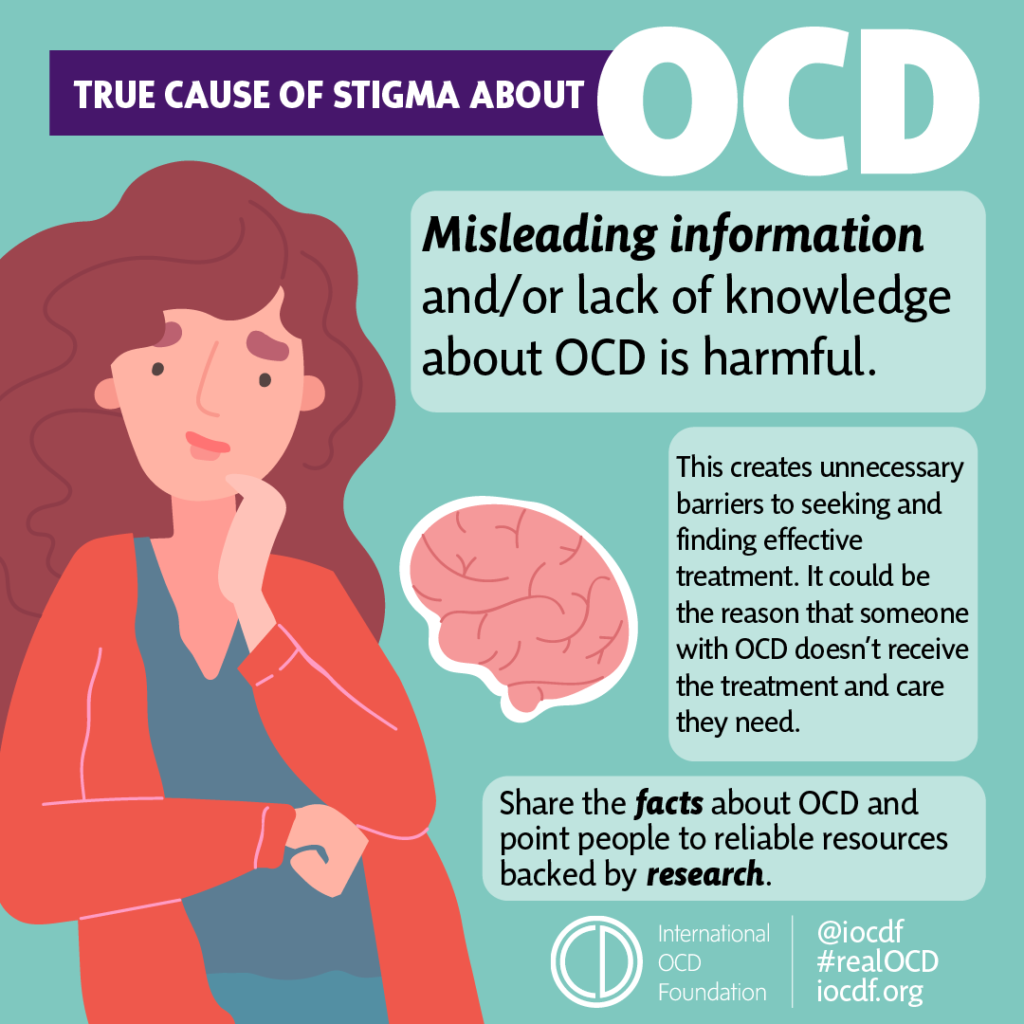
Cultural expectations often impose a silent burden on men with OCD, framing emotional vulnerability as a weakness. This societal narrative discourages open discussions about mental health, leading many men to internalize their struggles. A 2021 study in Frontiers in Psychiatry found that 52-74% of individuals with OCD preferred to handle symptoms independently, a pattern amplified in cultures emphasizing stoicism. This self-reliance delays diagnosis and treatment, exacerbating symptom severity.
Stigma surrounding taboo obsessions—such as intrusive thoughts about aggression or sexuality—further complicates help-seeking. These symptoms are frequently misinterpreted as moral failings rather than clinical issues, creating a cycle of shame and isolation. For instance, men from collectivist cultures may avoid treatment to prevent perceived dishonor to their families, as highlighted in research by Dr. Luana Marques, a clinical psychologist specializing in OCD.
To counteract these barriers, culturally adaptive interventions are essential. Techniques like cognitive restructuring can help reframe intrusive thoughts as neurobiological phenomena rather than personal flaws. Additionally, psychoeducation tailored to cultural contexts fosters understanding and reduces stigma.
"Empathy and cultural competence are the cornerstones of effective OCD treatment,"
— Dr. Luana Marques, Clinical Psychologist and OCD Specialist.
By addressing these cultural dynamics, clinicians can create safe spaces that encourage men to seek and sustain treatment.
Impact of Misconceptions on Help-Seeking Behavior
Misconceptions about OCD, particularly the belief that it revolves solely around cleanliness or orderliness, create significant barriers to help-seeking. These stereotypes obscure the reality of OCD’s diverse manifestations, such as intrusive thoughts about harm or taboo subjects, which are often more distressing and stigmatized. For men, this disconnect between public perception and personal experience fosters a sense of isolation, as their symptoms fail to align with societal expectations.
One critical mechanism at play is the internalization of these misconceptions. Men may dismiss their symptoms as unrelated to OCD or fear judgment if they disclose intrusive thoughts. A 2025 German survey revealed that men delayed seeking treatment by an average of 5.15 years, largely due to stigma surrounding taboo obsessions. This delay exacerbates symptom severity and complicates treatment outcomes.
To counteract these effects, clinicians can employ psychoeducation that reframes OCD as a neurobiological condition rather than a character flaw. For example, explaining the role of dysfunctional brain circuits in generating intrusive thoughts can reduce self-blame.
"Challenging misconceptions is the first step toward empowering patients to seek help,"
— Dr. Patrick McGrath, Chief Clinical Officer, NOCD.
By addressing these myths directly, you can create a supportive environment that encourages earlier intervention and reduces stigma-driven barriers.
Available Resources and Support Systems
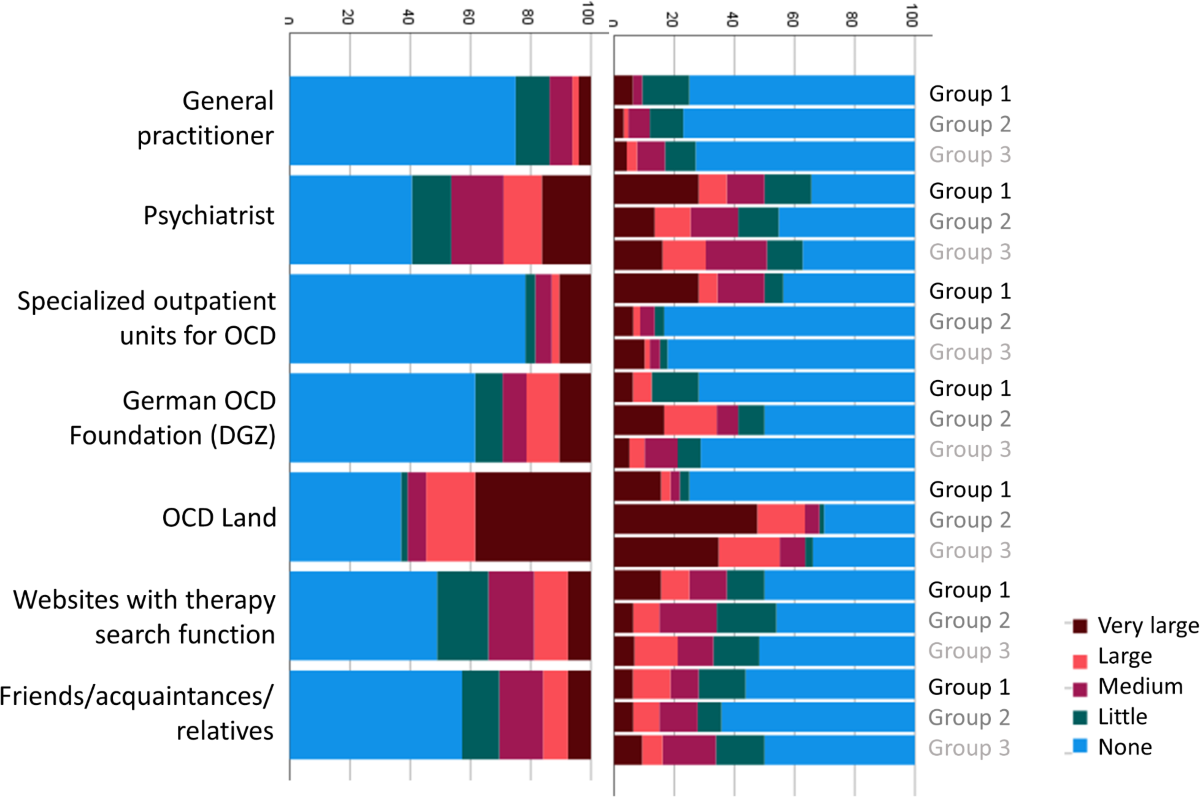
Effective support systems for men with OCD must address both the clinical and societal barriers they face. One critical resource is the International OCD Foundation (IOCDF), which offers specialized support groups tailored to unique needs, such as the Virtual OCD Support Group for Adults. These groups provide structured environments where men can share experiences without fear of judgment, fostering a sense of community that counters isolation. Research indicates that peer-led support can improve treatment adherence by up to 30%, particularly when combined with professional therapy.
Digital platforms like NOCD have revolutionized access to care by offering 24/7 tools for self-management alongside therapist-led ERP sessions. These platforms are particularly effective for men hesitant to seek in-person help, as they provide anonymity and flexibility. For example, NOCD reports that 80% of users experience symptom reduction after completing their ERP programs.
Finally, psychoeducation resources, such as those provided by OCD-UK, help dismantle misconceptions by reframing OCD as a neurobiological condition. This approach not only reduces stigma but also empowers men to seek timely, evidence-based interventions, bridging the gap between awareness and action.
Therapeutic Interventions: CBT and ERP
One of the most transformative aspects of Exposure and Response Prevention (ERP) is its ability to rewire the brain’s response to intrusive thoughts through a process known as habituation. By repeatedly confronting anxiety-provoking stimuli without engaging in compulsive behaviors, patients gradually reduce their emotional reactivity. This mechanism is not merely behavioral but deeply rooted in neuroplasticity, where the brain learns to reinterpret previously distressing triggers as non-threatening.
A critical yet underappreciated factor in ERP’s success is the customization of exposure hierarchies. For men, who often experience taboo obsessions involving aggression or sexuality, the process requires a nuanced approach. For instance, starting with lower-intensity exposures—such as imagining a feared scenario rather than directly confronting it—can build confidence and reduce dropout rates. A 2021 meta-analysis in the Journal of Obsessive-Compulsive and Related Disorders found that tailored ERP protocols improved adherence by 25%, particularly in patients with stigmatized obsessions.
Another key component is integrating cognitive restructuring alongside ERP. This involves challenging maladaptive beliefs, such as the fear that intrusive thoughts reflect moral failings. Dr. Luana Marques, a clinical psychologist specializing in OCD, emphasizes that “reframing these thoughts as automatic and neurobiological, rather than intentional, is pivotal in reducing shame and fostering engagement.”
To illustrate, a male patient with intrusive thoughts about harm might initially practice writing these thoughts down without performing a ritual. Over time, this structured exposure, combined with cognitive reframing, empowers the individual to reclaim control, demonstrating ERP’s profound capacity to dismantle the cycle of obsessions and compulsions.
Medication and Alternative Treatments
Selective serotonin reuptake inhibitors (SSRIs) remain the cornerstone of pharmacological treatment for OCD, but their effectiveness hinges on precise dosing and patient adherence. For men, who may internalize stigma around medication, gradual titration paired with psychoeducation can mitigate resistance. Explaining the neurochemical basis of SSRIs—how they enhance serotonin signaling to regulate intrusive thoughts—can foster acceptance and engagement. However, side effects like fatigue or sexual dysfunction often necessitate adjustments, underscoring the importance of ongoing monitoring.
Alternative treatments, such as mindfulness-based cognitive therapy (MBCT), offer complementary benefits by targeting the cognitive rigidity often seen in OCD. MBCT emphasizes present-moment awareness, helping patients disengage from obsessive thought loops. A 2024 study in Frontiers in Psychology demonstrated that combining SSRIs with MBCT reduced symptom severity by 35% compared to medication alone, particularly in patients resistant to traditional CBT.
An emerging approach involves integrating physical activity into treatment plans. Structured exercise routines, such as aerobic training, have shown promise in reducing anxiety and improving mood, creating a synergistic effect with pharmacotherapy. For instance, a case study at McLean Hospital highlighted a male patient who achieved significant symptom relief by combining low-dose fluoxetine with a tailored exercise regimen.
"Men’s unique response patterns in OCD demand a nuanced strategy beyond textbook solutions."
— Dr. Michael Wheaton, Clinical Psychologist
By blending pharmacological precision with alternative strategies, you can craft a holistic plan that addresses both the biological and psychological dimensions of OCD.
Peer Support and Online Resources
Peer support networks and online resources have emerged as critical tools for men with OCD, particularly those grappling with stigma or reluctance to seek traditional therapy. These platforms provide a unique combination of anonymity and community, enabling individuals to share experiences and strategies without fear of judgment. This dynamic is especially valuable for men who experience intrusive thoughts tied to taboo subjects, as it fosters a sense of belonging and validation.
Moderated online forums, such as those offered by OCD-UK, ensure a structured and supportive environment. Unlike unmoderated groups, these platforms mitigate risks like misinformation or harmful comparisons by enforcing evidence-based guidelines. A 2022 study in Journal of Medical Internet Research found that participants in moderated peer groups reported a 25% higher engagement rate and improved symptom management compared to those in unmoderated spaces.
To maximize effectiveness, these resources should complement professional treatment. For instance, integrating peer support with therapist-led interventions can bridge the gap for men hesitant to engage in face-to-face therapy.
"Men benefit from the anonymity of online networks, which can bridge the gap until they’re ready to engage more directly in therapy."
— Dr. Michael Wheaton, Clinical Psychologist
By combining peer support with professional care, you can create a holistic approach that addresses both the emotional and practical challenges of OCD.
Emerging Trends and Future Directions
The integration of artificial intelligence (AI) into digital mental health tools is revolutionizing OCD treatment. AI-driven platforms, such as those employing machine learning algorithms, analyze user behavior to detect early signs of distress, enabling proactive interventions. For example, a 2024 study by the University of Cambridge demonstrated that AI-based mood tracking apps reduced symptom severity by 28% through personalized coping strategies.
Another transformative trend is the use of virtual reality (VR) in Exposure and Response Prevention (ERP). VR allows patients to confront triggers in controlled, immersive environments, enhancing engagement and reducing dropout rates. A pilot program at Stanford University reported a 35% improvement in treatment adherence among men with taboo obsessions.
These innovations address two critical barriers: stigma and accessibility. By combining AI’s predictive capabilities with VR’s experiential therapy, you gain tools that not only adapt to your needs but also redefine how OCD care is delivered.

Digital Mental Health Resources
Digital mental health tools are redefining how OCD treatment is delivered, particularly for men who face stigma or logistical barriers. One standout innovation is the integration of adaptive algorithms in app-based platforms. These algorithms analyze user interactions, such as response times and emotional self-reports, to dynamically adjust therapeutic content. For instance, the NOCD app uses real-time data to tailor ERP exercises, ensuring that exposures remain challenging yet manageable. This personalization has been shown to improve adherence by 20% compared to static programs, as reported in a 2022 study by Feusner et al.
A critical advantage of these tools is their ability to bridge gaps in care. Unlike traditional therapy, which may be limited by geography or scheduling, digital platforms provide 24/7 access to evidence-based interventions. However, their success hinges on user engagement. Research from the Journal of Medical Internet Research highlights that gamified features, such as progress tracking and reward systems, can increase session completion rates by 30%.
"Digital interventions empower patients to step into treatment on their own terms, fostering autonomy and reducing stigma."
— Dr. Michael Wheaton, Clinical Psychologist
By combining adaptive technology with user-centric design, these resources not only enhance accessibility but also deliver care that evolves with individual needs.
Gender-Sensitive Interventions
Tailoring interventions for men with OCD requires addressing the intersection of gender norms and mental health stigma. A critical technique involves reframing Exposure and Response Prevention (ERP) to align with the unique challenges men face, particularly those with taboo obsessions. For instance, indirect approaches—such as using hypothetical scenarios rather than direct questioning—can reduce the shame often associated with discussing intrusive thoughts about aggression or sexuality. This subtle adjustment fosters trust and engagement, creating a foundation for effective therapy.
Comparatively, traditional ERP protocols may inadvertently reinforce stigma by failing to account for the cultural pressures men experience. Gender-sensitive adaptations, however, emphasize psychoeducation that normalizes these obsessions as neurobiological phenomena rather than moral failings. A 2024 study in Behavior Research and Therapy demonstrated that such tailored approaches improved treatment adherence by 18% among men with ego-dystonic obsessions.
"When therapy respects the client’s lived experience, it not only reduces stigma but also accelerates meaningful progress."
— Dr. Michael Wheaton, Clinical Psychologist
To further enhance outcomes, integrate resilience-building analogies, such as comparing therapy to strength training—each session incrementally builds emotional endurance. This nuanced approach bridges the gap between theoretical frameworks and practical application, ensuring interventions resonate deeply with male patients.
FAQ
What are the most effective online resources specifically designed for men with OCD?
The most effective online resources for men with OCD include platforms like NOCD, which offers therapist-led ERP sessions and 24/7 self-management tools, and OCD-UK, providing approved support groups and educational materials. The International OCD Foundation connects users with specialized therapists and peer networks, while OCD Gamechangers fosters community through advocacy and shared experiences. Digital programs such as MindSpot and "OCD? Not Me!" deliver tailored interventions, blending self-help with professional guidance. These resources address unique male challenges, including stigma and taboo obsessions, ensuring accessible, evidence-based support that aligns with individual needs and cultural contexts.
How can men with OCD find support groups that address gender-specific challenges?
Men with OCD can find gender-specific support groups through organizations like the International OCD Foundation, which offers tailored peer networks addressing male-centric challenges. Platforms such as OCD-UK host moderated forums and virtual groups, ensuring safe spaces for discussing taboo obsessions and stigma. Local mental health centers often collaborate with initiatives like Men’s Mental Health Forum to provide in-person or hybrid options. Digital platforms, including NOCD, integrate community features alongside therapy, fostering connection and shared experiences. These resources emphasize cultural sensitivity and psychoeducation, empowering men to navigate OCD while addressing societal pressures and unique symptom profiles effectively.
What role do cultural and societal factors play in shaping OCD treatment for men?
Cultural and societal factors significantly influence OCD treatment for men by shaping stigma, help-seeking behaviors, and symptom interpretation. Societal norms often discourage emotional vulnerability, leading men to delay seeking care. Cultural beliefs about mental health, such as attributing OCD to spiritual weakness or personal failings, further complicate treatment access. Tailored interventions, like culturally adaptive CBT, address these barriers by integrating patients’ beliefs and values into therapy. Additionally, psychoeducation campaigns and community-based initiatives help dismantle stigma, fostering acceptance and earlier intervention. Recognizing these factors ensures that treatment approaches are both effective and culturally relevant for men with OCD.
Are there digital tools or apps tailored to help men manage OCD symptoms effectively?
Digital tools like NOCD and GGtude are tailored to help men manage OCD symptoms effectively, offering therapist-guided ERP sessions, mood tracking, and relapse prevention features. Apps such as LiveOCDFree provide structured self-help programs, while platforms like MindSpot deliver interactive, clinician-supported interventions. For mindfulness and stress management, tools like Headspace complement OCD-specific treatments. These apps prioritize privacy and flexibility, addressing stigma and logistical barriers often faced by men. By integrating evidence-based techniques like CBT and real-time support, these digital solutions empower men to take control of their mental health journey while ensuring accessibility and personalization.
How can family members support men with OCD while addressing stigma and misconceptions?
Family members can support men with OCD by fostering open communication and educating themselves about the disorder through resources like the International OCD Foundation. Challenging stigma involves normalizing discussions about mental health and reframing OCD as a neurobiological condition rather than a personal flaw. Encouraging professional treatment, such as ERP therapy, and avoiding reinforcement of compulsions are critical. Joining family-focused support groups or attending psychoeducation sessions can provide tools to navigate challenges effectively. By creating a judgment-free environment and addressing misconceptions, families play a pivotal role in reducing isolation and promoting recovery for men with OCD.