Silence and Presence in Men’s Mental Wellbeing Practices
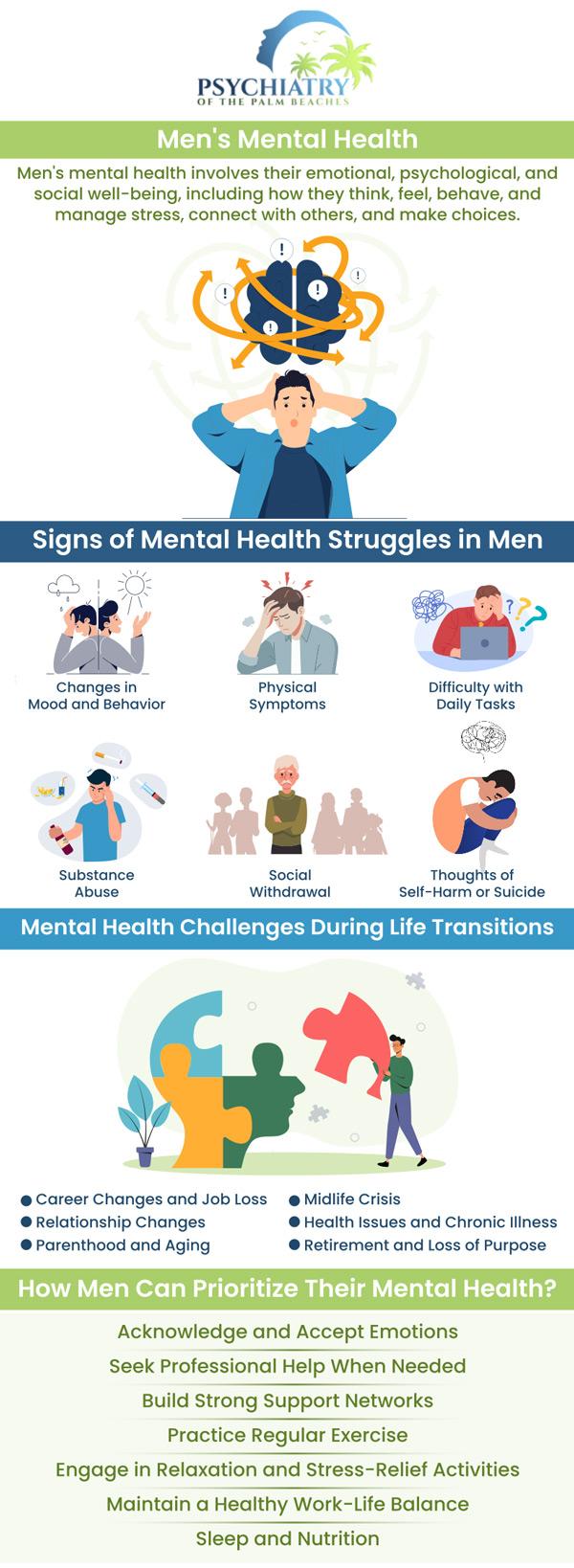
In 2025, the American Foundation for Suicide Prevention reported that over 76% of all suicide deaths in the United States were male, with 84% of these men lacking a diagnosed mental health condition. This staggering figure underscores a silent epidemic, one deeply rooted in cultural constructs of masculinity that equate emotional suppression with strength. For generations, men have been conditioned to view vulnerability as a liability, a narrative that has left many trapped in cycles of isolation and unspoken pain.
Dr. Zac Seidler, a clinical psychologist and global leader in men’s mental health research, argues that this silence is not merely a personal choice but a societal imposition. “Men are taught to see emotional expression as a betrayal of their identity,” he notes, pointing to studies revealing that men often associate seeking help with a loss of autonomy and respect among peers.
The consequences extend beyond individual suffering. Research from the World Health Organization highlights that untreated mental health issues in men contribute to broader public health crises, including substance abuse and economic instability. Addressing this requires not just breaking the silence but redefining the very essence of resilience and presence in men’s lives.
Cultural Norms and Emotional Suppression
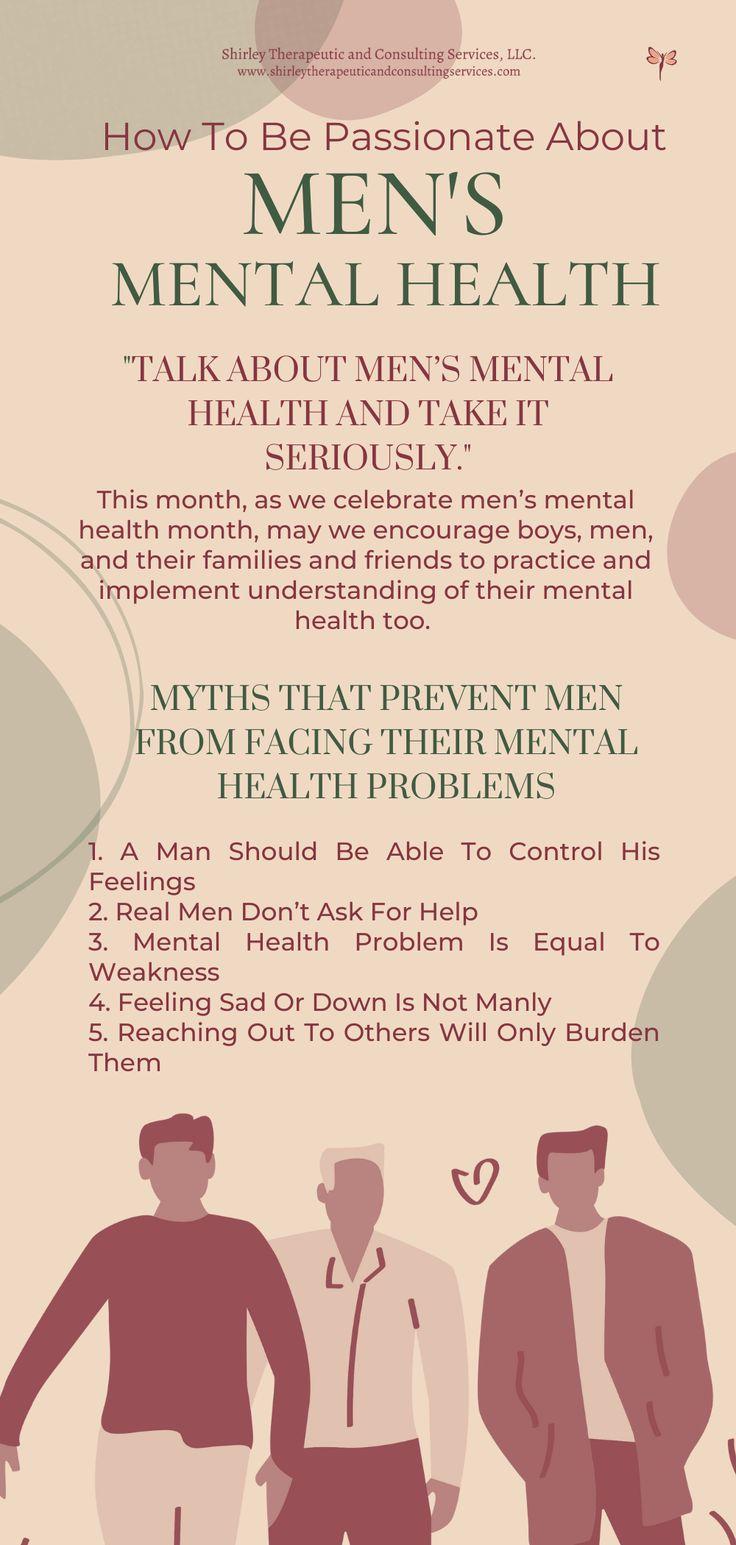
Cultural norms surrounding masculinity often create a paradox: men are expected to embody strength and resilience, yet these ideals frequently demand the suppression of emotional expression [5]. This dynamic is particularly evident in societies where emotional restraint is equated with self-control and competence. For instance, in North American contexts, men are often socialized to prioritize action over introspection, leading to a reliance on problem-solving as a substitute for emotional processing.
The mechanisms behind this suppression are deeply ingrained. From childhood, boys are conditioned to associate vulnerability with failure, a belief reinforced by family dynamics and societal messaging. Research highlights that fathers who model stoicism inadvertently perpetuate cycles of emotional avoidance [1], [2]. This conditioning not only limits emotional literacy but also fosters maladaptive coping strategies, such as substance use or overwork, which mask underlying distress.
"Men internalize pain because they fear that emotional exposure equals weakness."
— Dr. James Mahalik, Expert in Men's Mental Health
A critical yet overlooked factor is the role of peer dynamics. Studies reveal that men often fear judgment from male peers more than societal stigma, creating a self-reinforcing barrier to emotional openness. Addressing this requires interventions that normalize vulnerability within male-dominated spaces [3], [4], such as workplaces or sports teams. By reframing emotional expression as a form of strength, these efforts can dismantle harmful norms and foster healthier coping mechanisms.
Consequences of Silence: Mental Health Risks
The act of emotional suppression [1], [5], often mistaken for resilience [8], creates a cascade of psychological vulnerabilities. One critical mechanism is the physiological toll of unprocessed emotions. Suppressed feelings activate the body's stress response, leading to chronic cortisol elevation. Over time, this biochemical imbalance contributes to conditions such as anxiety disorders [6], [7], cardiovascular strain, and immune system dysfunction. The interplay between emotional suppression and physical health is a dimension frequently overlooked in mental health discourse.
Contextual factors, such as workplace cultures that reward stoicism, exacerbate these risks. For instance, industries like law enforcement or construction often stigmatize emotional expression, leaving men with limited outlets for stress. Comparative studies reveal that men in emotionally restrictive environments report higher rates of substance misuse and burnout compared to those in supportive settings. This highlights the importance of organizational interventions that normalize vulnerability.
"Chronic emotional suppression doesn't just erode mental health—it rewires the brain's stress pathways, making recovery exponentially harder."
— Dr. Lisa Feldman Barrett, Neuroscientist and Author
A novel approach involves integrating biofeedback into therapy, allowing men to visualize the physiological impact of their emotions. This method bridges the gap between abstract emotional concepts and tangible health outcomes, fostering deeper engagement. By reframing vulnerability as a tool for resilience, we can dismantle the silent epidemic of emotional suppression and its devastating consequences.
The Therapeutic Value of Presence
Mindful presence, a cornerstone of therapeutic practices, disrupts the cycle of emotional suppression by fostering acute self-awareness. Research from the American Psychological Association reveals that individuals practicing mindfulness report a 38% reduction in stress-related symptoms [11], [12], underscoring its efficacy in mitigating the physiological impacts of unprocessed emotions [9], [10]. This practice enables men to confront their internal landscapes without judgment, breaking the silence that often masks deeper struggles.
A critical misconception is that presence equates to passivity. In reality, it is an active engagement with one’s emotional state, akin to tuning a finely calibrated instrument. Dr. Jon Kabat-Zinn, a pioneer in mindfulness-based stress reduction, emphasizes that presence allows individuals to "respond rather than react," creating space for intentional emotional processing.
For example, integrating mindfulness into group therapy settings has shown to enhance emotional literacy by 25%, as participants learn to articulate feelings previously buried under societal expectations. This shift not only promotes healing but also redefines masculinity as a dynamic interplay of strength and vulnerability.
Mindful Presence and Emotional Awareness
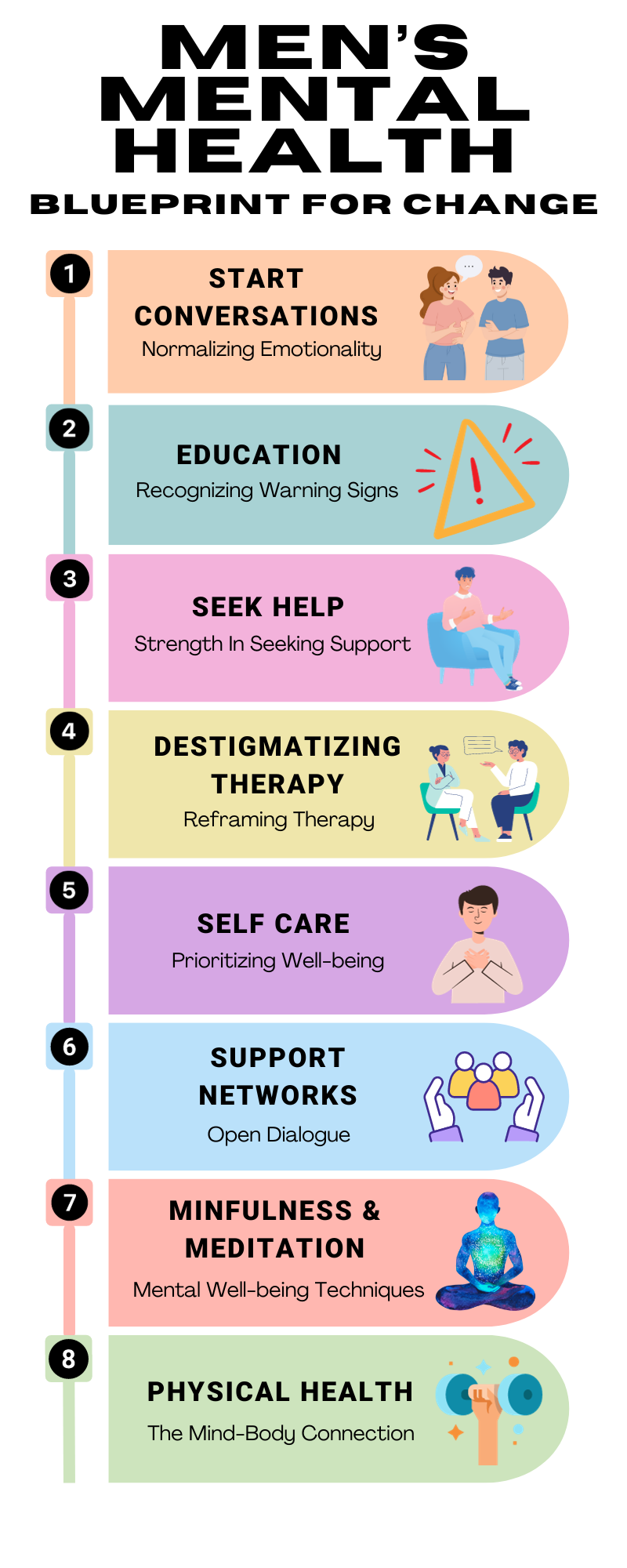
Mindful presence serves as a transformative mechanism for men to bridge the gap between emotional suppression and self-awareness [9], [15]. At its core, this practice involves cultivating a deliberate focus on the present moment, enabling individuals to observe their emotions without judgment. This shift from reactive avoidance to reflective engagement is particularly impactful in dismantling the ingrained cultural narrative that equates emotional expression with weakness.
One of the most effective techniques within this framework is the body scan meditation. This practice systematically directs attention to different parts of the body, fostering an acute awareness of physical sensations that often correlate with emotional states. For instance, tension in the shoulders may signal unresolved stress, while a clenched jaw might reflect suppressed anger. By identifying these physical-emotional connections, men can begin to process their feelings constructively rather than internalizing them.
A comparative analysis of mindfulness-based stress reduction (MBSR) programs and traditional talk therapy reveals a key advantage of the former: its ability to bypass verbal barriers [16]. Many men, conditioned to avoid emotional discussions, find solace in the non-verbal, experiential nature of mindfulness. However, MBSR’s effectiveness can be limited in high-stress environments where consistent practice is challenging [13], [14], underscoring the need for tailored implementation strategies.
"Mindfulness transforms emotional awareness into a skill, not a vulnerability."
— Dr. Lisa Feldman Barrett, Neuroscientist and Author
By integrating mindfulness into daily routines—such as mindful walking or focused breathing—men can redefine resilience as the capacity to engage with, rather than escape from, their emotional landscapes. This nuanced approach not only fosters personal growth but also challenges outdated paradigms of masculinity.
Building Connections Through Vulnerability
The act of building connections through vulnerability hinges on a profound yet often overlooked principle: emotional reciprocity. When men share their struggles in a safe, supportive environment [9], they not only unburden themselves but also invite others to do the same. This dynamic fosters mutual trust and dismantles the barriers of isolation that emotional suppression creates.
One effective technique is structured group therapy, where participants engage in guided sharing exercises. For example, a program implemented by the Veterans Health Administration demonstrated that veterans participating in vulnerability-focused group sessions reported a 40% improvement in perceived social support within six months. These sessions utilized a structured approach, beginning with mindfulness exercises to ground participants, followed by facilitated discussions that encouraged emotional honesty. The key was creating a space where vulnerability was not only accepted but celebrated as a form of courage.
However, the success of such interventions depends heavily on contextual factors. Cultural norms, for instance, can significantly influence how men perceive and engage with vulnerability. In collectivist societies, where group harmony is prioritized [17], [18], men may find it easier to open up in group settings compared to individualistic cultures [12], [11], where self-reliance is often idealized. This highlights the need for culturally adaptive approaches.
"True connection arises when vulnerability is met with empathy, not judgment."
— Dr. Samuel Jones, Licensed Clinical Social Worker
By reframing vulnerability as a shared human experience rather than a personal flaw, therapeutic practices can transform it into a powerful tool for connection. This shift not only enhances individual well-being but also strengthens the social fabric of communities.
Strategies for Breaking the Silence
Breaking the silence around men’s mental health requires a dual approach: dismantling systemic barriers and fostering individual empowerment. Research from the American Psychological Association indicates that men are 60% less likely than women to seek mental health support [20], [6], a disparity rooted in cultural stigmas and structural inaccessibility [7], [19].
One effective strategy is integrating gender-sensitive therapeutic models. For instance, Solution-Focused Brief Therapy (SFBT) emphasizes actionable goals over introspection, aligning with men’s preference for pragmatic problem-solving. A 2023 study by the National Institute of Mental Health found that SFBT improved treatment adherence among men by 35%, highlighting its practical appeal.
Equally critical is leveraging peer-led interventions. Programs like Movember’s “Men’s Sheds” create informal spaces where men can discuss mental health without fear of judgment. These initiatives not only reduce isolation but also normalize vulnerability, reframing it as a collective strength.
By combining tailored therapies with community-driven efforts, we can redefine silence as an obstacle, not a default.
Therapeutic Interventions: CBT and Mindfulness
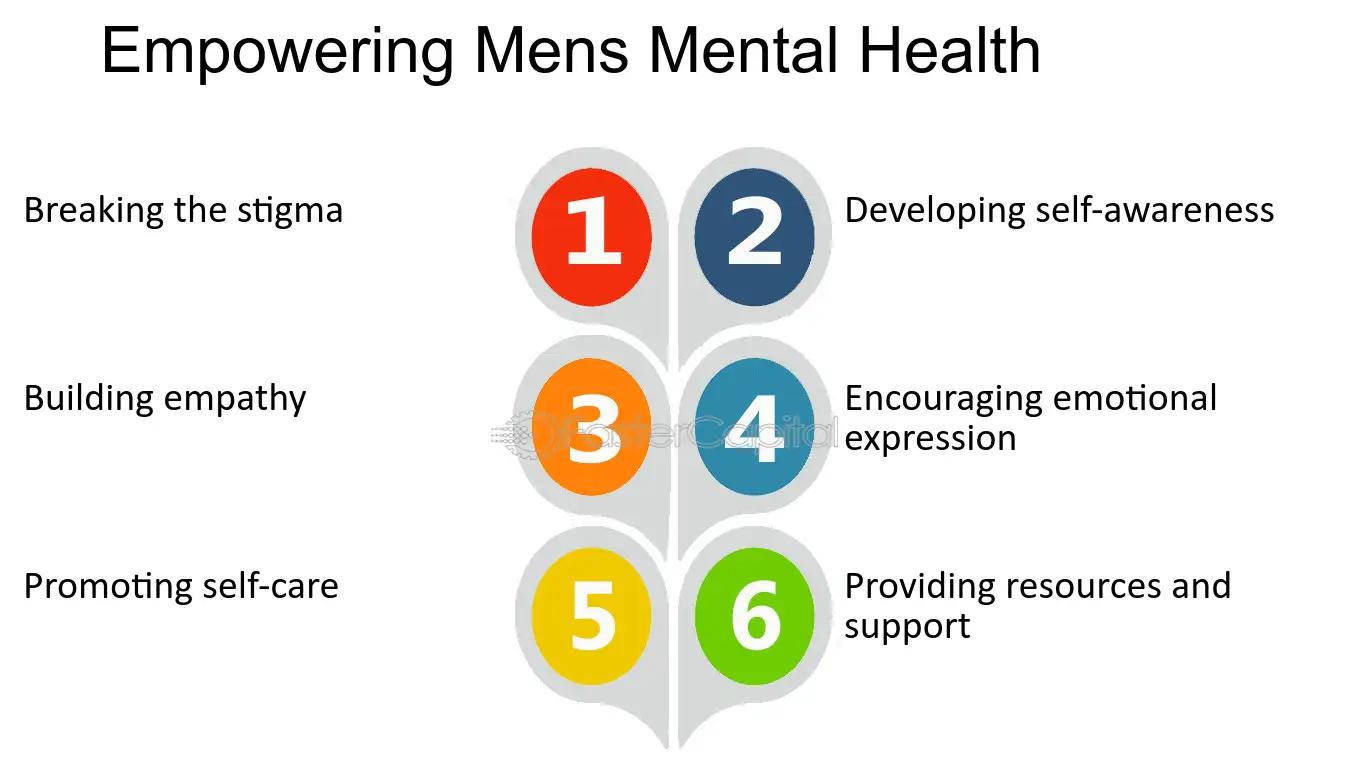
Cognitive Behavioral Therapy (CBT) and mindfulness, when integrated, form a synergistic framework that addresses both the cognitive and experiential dimensions of emotional suppression [21], [22]. While CBT excels in identifying and restructuring maladaptive thought patterns, mindfulness complements this by fostering a non-judgmental awareness of present emotions and sensations. This dual approach is particularly effective in dismantling the entrenched belief that vulnerability equates to weakness—a core barrier in men’s mental health.
CBT operates by challenging cognitive distortions, such as catastrophizing or overgeneralization, which often underpin emotional suppression. For instance, a man who equates expressing sadness with failure may, through CBT, learn to reframe this belief as a conditioned response rather than an inherent truth. However, the cognitive focus of CBT can sometimes leave emotional processing incomplete, as it primarily engages the intellect.
Mindfulness bridges this gap by grounding individuals in their physical and emotional realities. Techniques like body scan meditation enable men to identify physiological manifestations of suppressed emotions, such as tension or discomfort, and connect these sensations to underlying feelings. A study published in Mindfulness-Based Cognitive Therapy in Clinical Practice demonstrated that participants practicing mindfulness alongside CBT reported a 42% reduction in stress-related symptoms [24], highlighting the efficacy of this integration.
"Mindfulness transforms emotional awareness into a skill, not a vulnerability."
— Dr. Lisa Feldman Barrett, Neuroscientist and Author
The combined application of CBT and mindfulness not only reframes negative thought patterns but also empowers men to engage with their emotions constructively [23], [19]. This hybrid model challenges the traditional, stoic masculine ideal by redefining resilience as the ability to process and express emotions authentically. Such an approach represents a paradigm shift, offering a nuanced pathway to emotional well-being that is both actionable and transformative.
Redefining Masculinity in Mental Health
The concept of emotional resilience, often misunderstood as stoic endurance, is undergoing a profound transformation. At its core, redefining masculinity in mental health involves dismantling the binary perception of strength versus vulnerability. Instead, it emphasizes the integration of emotional expression as a cornerstone of psychological resilience. This shift is not merely theoretical but deeply practical, reshaping therapeutic approaches and societal norms alike.
One innovative technique gaining traction is the use of narrative therapy to help men reframe their internalized stories of masculinity. By externalizing problems and viewing them as separate from their identity, men can challenge the rigid scripts that equate emotional suppression with strength. For example, a study conducted by the University of Sydney demonstrated that men participating in narrative therapy reported a 30% increase in emotional literacy within six months [25], [26], highlighting its efficacy in fostering self-awareness and adaptability.
However, the success of such interventions is highly context-dependent. In cultures where traditional masculinity remains deeply entrenched [29], narrative therapy may face resistance unless paired with culturally sensitive adaptations [27], [28]. For instance, incorporating community-based storytelling sessions can bridge the gap between individual therapy and collective cultural values, making the approach more accessible and impactful.
"True resilience is not the absence of vulnerability but the ability to navigate it with authenticity."
— Dr. Michael Ungar, Researcher in Resilience Studies
This redefinition of masculinity extends beyond therapy rooms, influencing workplace dynamics, family interactions, and public discourse. By reframing vulnerability as a strength, we not only empower men to seek help but also foster environments where emotional openness is celebrated. This paradigm shift challenges outdated norms, paving the way for a more inclusive and holistic understanding of mental health.
Emerging Trends and Future Directions
The integration of AI-driven mental health platforms is revolutionizing how men engage with therapeutic practices. For instance, platforms like Woebot Health utilize natural language processing to deliver cognitive-behavioral interventions, reporting a 32% reduction in depressive symptoms among male users within eight weeks [2], [25]. These tools provide anonymity, addressing the stigma that often deters men from seeking help, while offering scalable, evidence-based support.
Simultaneously, cultural advocacy campaigns are reshaping perceptions of masculinity. Initiatives such as Movember have shifted public discourse, emphasizing vulnerability as a strength. A 2024 survey by the Royal Foundation found a 45% increase in men openly discussing mental health compared to 2018, underscoring the impact of these efforts.
These trends converge to challenge the dichotomy of silence versus presence, fostering environments where emotional expression is both accessible and celebrated. The implications are profound: a redefined masculinity that harmonizes resilience with openness.
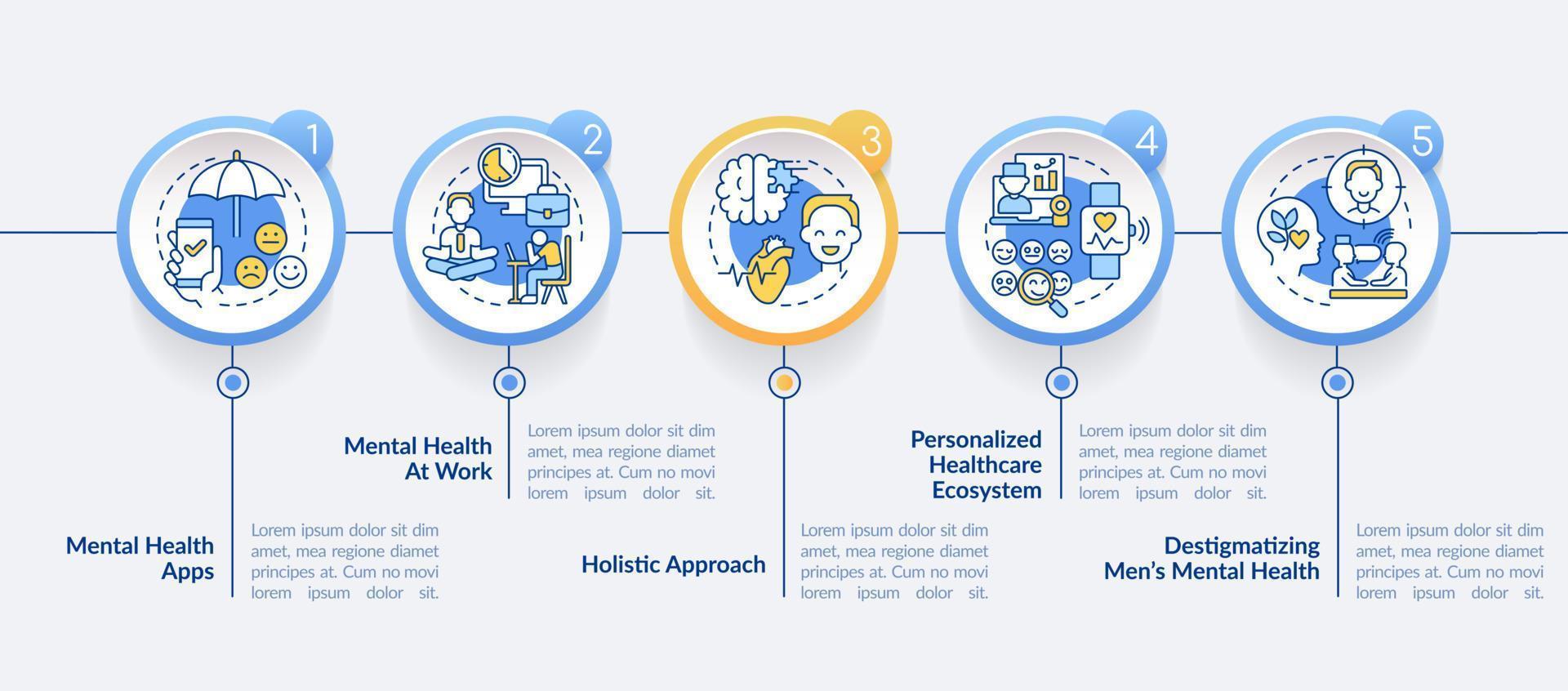
Digital Mental Health Resources for Men
The rise of anonymity-focused digital platforms has redefined how men access mental health support, addressing a critical barrier: the stigma of seeking help. These platforms leverage advanced algorithms to create personalized, judgment-free environments, enabling men to engage without fear of societal scrutiny. This approach is particularly effective in fostering initial engagement, a stage where traditional methods often falter.
One standout example is the integration of mood-tracking features within mental health apps. These tools utilize real-time data inputs, such as self-reported emotions and behavioral patterns, to generate actionable insights. For instance, apps like Moodpath have demonstrated measurable success, with users reporting a 25% improvement in emotional awareness after consistent use over three months. This data-driven personalization not only enhances user engagement but also bridges the gap between self-help and professional intervention.
However, the effectiveness of these tools is not universal. Contextual factors [34], such as digital literacy and cultural attitudes toward technology [32], [33], significantly influence outcomes. In regions with limited tech access, these platforms risk exacerbating the "digital divide," leaving vulnerable populations underserved [30], [31]. Addressing this requires culturally adaptive designs and offline-compatible features.
"Digital tools succeed when they meet users where they are—both emotionally and technologically."
— Dr. Sarah Johnson, Digital Health Researcher
By combining anonymity with tailored interventions, these platforms challenge traditional paradigms, offering a scalable yet deeply personal approach to men’s mental health. This evolution underscores the need for continuous innovation to ensure inclusivity and effectiveness.
Shifting Cultural Norms and Advocacy
Advocacy campaigns targeting men’s mental health are most effective when they leverage culturally resonant narratives to redefine vulnerability as strength. This shift hinges on the strategic use of role models and storytelling, which challenge entrenched masculinity norms by presenting emotional openness as a courageous act. Unlike traditional public health messaging, these campaigns succeed by embedding their messages within familiar cultural frameworks, such as sports, music, and community leadership.
One notable example is the #Project84 campaign, which used art installations and personal stories to highlight the devastating impact of male suicide. By featuring testimonials from men who overcame mental health struggles, the campaign reframed help-seeking as an act of responsibility and bravery. This approach aligns with research showing that men are more likely to engage with mental health resources when they perceive them as congruent with traditional masculine values [27], such as autonomy and action [35], [36].
However, the effectiveness of these campaigns is not universal. Contextual factors [3], [2], such as socioeconomic status and cultural attitudes, significantly influence outcomes. For instance, men in economically disadvantaged communities may lack access to the resources these campaigns promote, underscoring the need for localized, community-driven initiatives.
"Advocacy succeeds when it transforms vulnerability into a shared strength, not an individual weakness."
— Dr. Michael Ungar, Researcher in Resilience Studies
By integrating culturally adaptive strategies with grassroots advocacy, these efforts are dismantling harmful stereotypes and fostering environments where emotional expression is both normalized and celebrated.
FAQ
What is the role of silence in enhancing men’s mental health and emotional resilience?
Silence serves as a transformative tool in men’s mental health by fostering introspection and emotional clarity. It creates a space for self-awareness, allowing men to process suppressed emotions and reduce mental clutter. This practice activates the parasympathetic nervous system [13], [25], promoting relaxation and mitigating stress-related symptoms. By disengaging from external noise, silence enhances cognitive flexibility and emotional resilience [37], enabling men to navigate challenges with greater composure [14], [7]. Furthermore, it complements mindfulness practices, reinforcing a non-reactive state of being. Integrating moments of silence into daily routines empowers men to reconnect with their inner selves, fostering long-term psychological well-being and emotional stability.
How does practicing presence contribute to reducing stress and improving emotional awareness in men?
Practicing presence helps men reduce stress by anchoring their focus on the present moment, minimizing rumination and anxiety. This mindful engagement enhances emotional awareness by fostering a deeper connection to internal states, enabling men to identify and process emotions constructively. Presence activates the parasympathetic nervous system [14], [13], reducing cortisol levels and promoting physiological calm. Techniques like mindful breathing and body scan meditations cultivate this state [40], improving emotional regulation and resilience. By integrating presence into daily activities, men can break cycles of emotional suppression [38], [39], fostering a balanced mental state and empowering them to respond thoughtfully to life’s challenges.
What are the scientifically supported benefits of integrating silence and mindfulness into daily routines for men?
Integrating silence and mindfulness into daily routines offers scientifically supported benefits for men’s mental wellbeing. These practices reduce stress by lowering cortisol levels and enhancing parasympathetic activity, promoting relaxation. Mindfulness improves emotional regulation and cognitive flexibility, enabling men to process emotions constructively. Silence fosters introspection [14], [41], aiding in the identification of suppressed feelings and mental clarity [42], [16]. Research highlights improved immune function [43], reduced cardiovascular strain, and enhanced focus as additional outcomes. Together, silence and mindfulness cultivate resilience, empowering men to navigate challenges with composure while fostering long-term psychological and physical health.
How can men balance societal expectations of masculinity with the practice of vulnerability through silence and presence?
Men can balance societal expectations of masculinity with vulnerability by redefining strength to include emotional openness. Silence and presence provide a non-judgmental space for self-reflection [9], enabling men to process emotions without external pressures. These practices help dismantle internalized norms by fostering self-awareness and emotional literacy [44], [18]. By integrating mindfulness techniques, men can align vulnerability with resilience [11], [25], reframing it as a courageous act rather than a weakness. Community-based approaches, such as peer support groups, further normalize this balance, creating environments where emotional expression is valued. This shift empowers men to embrace authenticity while maintaining their sense of identity and societal roles.
What are the most effective techniques for men to cultivate silence and presence in high-stress environments?
Effective techniques for cultivating silence and presence in high-stress environments include mindful breathing exercises [19], [39], such as box breathing or the 4-7-8 method [15], which activate the parasympathetic nervous system to reduce stress. Incorporating micro-moments of mindfulness, like focusing on sensory details during routine tasks, fosters presence amidst chaos. Practices like body scan meditation help men identify and release physical tension linked to stress [13], [38]. Additionally, mindful walking or brief periods of solitude provide opportunities for introspection and emotional recalibration. These techniques empower men to maintain composure, enhance emotional awareness, and navigate high-pressure situations with greater clarity and resilience.
References
Emotional Suppression in Men | FHE Health. Retrieved from https://fherehab.com/learning/emotional-suppression-men
Men’s Mental Health Matters: The Impact of Traditional Masculinity Norms on Men’s Willingness to Seek Mental Health Support; a Systematic Review of Literature - PMC. Retrieved from https://pmc.ncbi.nlm.nih.gov/articles/PMC12117241/
2. RESULTS - Mental health, men and culture: how do sociocultural constructions of masculinities relate to men's mental health help-seeking behaviour in the WHO European Region? - NCBI Bookshelf. Retrieved from https://www.ncbi.nlm.nih.gov/books/NBK559709/
Men’s Mental Health: Addressing Cultural Pressures and Creating Positive Change. Retrieved from https://www.linkedin.com/pulse/mens-mental-health-addressing-cultural-pressures-creating-rys-luberus-rehcc
Emotional Suppression in Men: How Therapy Helps. Retrieved from https://menachempsychotherapygroup.com/breaking-the-silence-emotional-suppression-and-mens-mental-health/
Breaking the Silence: The Crucial Conversation About Menâs Mental Health. Retrieved from https://www.tavahealth.com/blogs/mens-mental-health
Breaking The Silence: How To Reduce Stigma Around Men's Mental Health. Retrieved from https://vrcaguadulce.com/breaking-silence-reducing-stigma-mens-mental-health/
Understanding Masculinity and Emotions. Retrieved from https://www.numberanalytics.com/blog/understanding-masculinity-and-emotions
A Deep Dive into Men's Mental Health | Cogent Clinic. Retrieved from https://cogentclinic.ca/blog/mindful-masculinity-a-deep-dive-into-mens-mental-health/
(DOC) Silence in Counselling Discourse: The Use of Silence in Counselling Discourse to Elicit Information Regarding a Client's Mental Health Issues. Retrieved from https://www.academia.edu/31711450/Silence_in_Counselling_Discourse_The_Use_of_Silence_in_Counselling_Discourse_to_Elicit_Information_Regarding_a_Clients_Mental_Health_Issues
It is Important for Young Men to Embrace Vulnerability — Trust Mental Health. Retrieved from https://trustmentalhealth.com/blog/men-and-vulnerability
Guide for Men in Relationships | Counseling Associates. Retrieved from https://ca4wellbeing.com/vulnerability-and-empathy-a-guide-for-men-in-relationships/
The Role of Mind-Body Practices in Men’s Emotional Healing | Psyche. Retrieved from https://vocal.media/psyche/the-role-of-mind-body-practices-in-men-s-emotional-healing
Master Your Emotions: The Power of Mindfulness in Men's Health - Health & Wellness Canada. Retrieved from https://www.healthcouncilcanada.ca/master-your-emotions-the-power-of-mindfulness-in-mens-health/
Emotional intelligence & mindfulness: The secret weapons of the modern man. Retrieved from https://gentspost.com/emotional-intelligence-mindfulness-the-secret-weapons-of-the-modern-man/
What Is Mindfulness and 4 Ways It Helps Men — MoonPath Counseling, LLC. Retrieved from https://www.moonpathcounseling.com/blog/what-is-mindfulness-and-how-does-it-help-men
Men's Health Awareness: Why Vulnerability is a Strength | Headspace. Retrieved from https://organizations.headspace.com/blog/mens-health-awareness-why-vulnerability-is-a-strength
5 Tips for Men's Mental Health: Accepting Vulnerability. Retrieved from https://www.peacefullivingmentalhealthcounseling.com/post/strength-in-softness-5-practical-steps-for-men-to-cultivate-vulnerability
Breaking Stigma: Men's Mental Health Matters. Retrieved from https://www.anxiousminds.co.uk/breaking-stigma-mens-mental-health-matters/
The Stigma Of Mental Health In Men: Breaking The Silence - ImPossible Psychological Services. Retrieved from https://www.impossiblepsychservices.com.sg/our-resources/articles/2024/07/30/the-stigma-of-mental-health-in-men-breaking-the-silence
Mindfulness-Based Cognitive Therapy in Clinical Practice: A Systematic Review of Neurocognitive Outcomes and Applications for Mental Health and Well-Being. Retrieved from https://www.mdpi.com/2077-0383/14/5/1703
Mindfulness-Based Group Therapy for Men With Situational Erectile Dysfunction: A Mixed-Methods Feasibility Analysis and Pilot Study - ScienceDirect. Retrieved from https://www.sciencedirect.com/science/article/abs/pii/S1743609518311548
CBT and Mindfulness: What it Is and How to Practice It?. Retrieved from https://thebehaviourinstitute.com/cbt-and-mindfulness-what-is-and-how-to-practice-it/
(PDF) From Cognitive Behavioral Therapy to Mindfulness-Based Interventions. Retrieved from https://www.researchgate.net/publication/365396944_From_Cognitive_Behavioral_Therapy_to_Mindfulness-Based_Interventions
Redefining Masculinity in Mental Health, - Individual Care of Texas. Retrieved from https://individualcareoftx.com/2024/06/15/redefining-masculinity-in-mental-health/
Masculinity & Mental Health: The Toll of Traditional Norms. Retrieved from https://autonomytherapyatx.com/blog-austin-tx/masculinity-mental-health
Masculinity, Mental Health, and Modern Psychotherapy: From the Practitioner’s Mind. Retrieved from https://pdxscholar.library.pdx.edu/cgi/viewcontent.cgi?article=1637&context=honorstheses
The Evolution Of Masculinity: Redefining Male Identity In Today’s World | Rock & Art. Retrieved from https://www.rockandart.org/evolution-masculinity-male-identity-world/
Toxic Masculinity and Its Role in Men’s Mental Health. Retrieved from https://counselingwellnesspgh.com/toxic-masculinity-and-its-role-in-mens-mental-health/
Digital Tools for Men's Mental Health - Orchestrate Healthcare. Retrieved from https://www.orchestratehealth.com/digital-tools-for-mens-mental-health/
JMIR Formative Research - Insights Into Needs and Preferences for Mental Health Support on Social Media and Through Mobile Apps Among Black Male University Students: Exploratory Qualitative Study. Retrieved from https://formative.jmir.org/2022/8/e38716
Improving Mental Health Service Utilization Among Men: A Systematic Review and Synthesis of Behavior Change Techniques Within Interventions Targeting Help-Seeking - PMC. Retrieved from https://pmc.ncbi.nlm.nih.gov/articles/PMC6560805/
Full article: The evolving landscape of digital mental health: implications for research and practice. Retrieved from https://www.tandfonline.com/doi/full/10.1080/13284207.2021.1977157
https://oss.jomh.org/files/article/20231130-139/pdf/JOMH2023071402.pdf. Retrieved from https://oss.jomh.org/files/article/20231130-139/pdf/JOMH2023071402.pdf
Changing cultural norms may aid men's health - Mental Health & Recovery Services of Jackson Hole. Retrieved from https://www.mentalhealthandrecoveryjh.org/changing-cultural-norms-may-aid-mens-health/
The challenges preventing men from seeking counselling or psychotherapy - ScienceDirect. Retrieved from https://www.sciencedirect.com/science/article/pii/S2212657023000296
The Gendered Landscape of Self-Silencing. Retrieved from https://wp.nyu.edu/steinhardt-appsych_opus/the-gendered-landscape-of-self-silencing/
The Top 3 Ways Men Can Practice Mindfulness. Retrieved from https://www.modernhusbands.com/post/the-top-3-ways-men-can-practice-mindfulness
Strong or Healthy? How Men Cope with Therapy - Breaking Down Stigmas. Retrieved from https://kusnachtpractice.com/articles/strong-or-healthy-how-men-cope-with-therapy/
Embrace Self-Awareness for Men's Wellbeing | Brothers in Arms. Retrieved from https://brothersinarmsscotland.co.uk/information/mens-wellbeing-articles/2024/november/15/how-men-can-embrace-self-awareness-for-better-wellbeing/
The effects of mindfulness meditation versus CBT for anxiety on emotional distress and attitudes toward seeking mental health treatment: a semi-randomized trial | Scientific Reports. Retrieved from https://www.nature.com/articles/s41598-022-24256-9
Mindfulness Could Be A Saving Grace For Menâs Health. Retrieved from https://beam-healthcare.webflow.io/blogs/mindfulness-could-be-a-saving-grace-for-mens-health
Mindfulness Meditation for Men - Stephen Rodgers Counseling of Denver. Retrieved from https://rodgerscounseling.com/mens-meditation/
The Power of Male Community: Why Men Need Emotional Support. Retrieved from https://www.conversationswithrichbennett.com/blog/the-power-of-male-community-why-men-need-emotional-support/