Teenage Male Mental Health
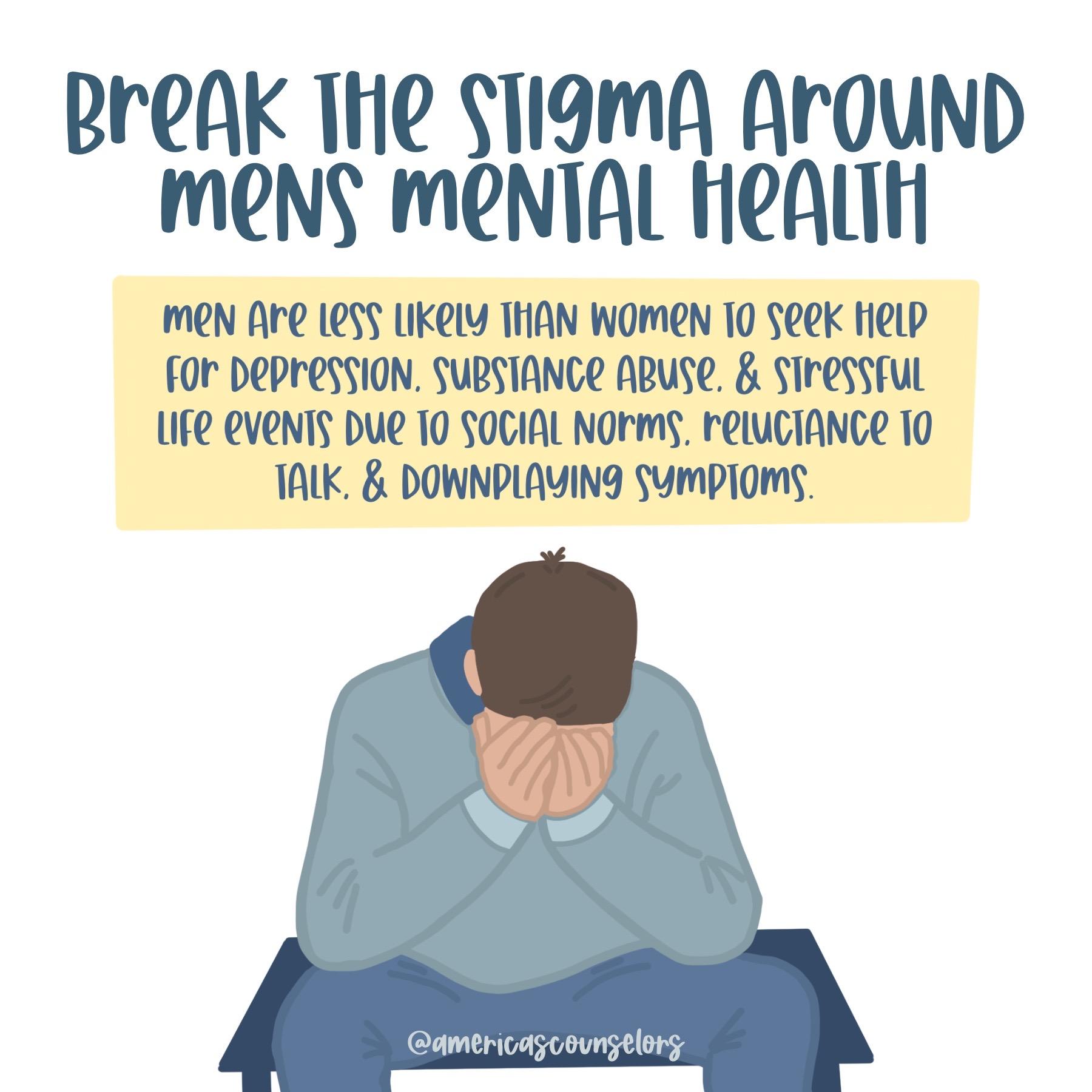
In 2018, the United Kingdom reported a staggering fivefold increase in adolescent mental illness over the preceding nine years, a trend mirrored globally in high-income nations like France and the United States, where anxiety and depression rates among adolescents are 30% to 80% higher than in adults (Gunnell et al., 2018; World Health Organization, 2023). Yet, these figures fail to capture the full scope of the crisis among teenage boys, who are significantly less likely to seek help or receive a diagnosis compared to their female peers (Courtenay, 2000; Wong et al., 2017).
This disparity is not merely statistical—it reflects a deeper, systemic issue. Adolescent boys often face societal expectations that equate masculinity with emotional stoicism, creating barriers to acknowledging vulnerability. According to Dr. Sarah Rice, a clinical psychologist specializing in youth mental health, “The cultural script for boys discourages emotional expression, which can delay intervention until problems become severe.”
The consequences are profound. Suicide remains one of the leading causes of death among males aged 15–25, with intentional self-harm accounting for a significant proportion of global mortality in this group (Mokdad et al., 2016). Addressing this silent epidemic requires dismantling entrenched stigmas and reimagining mental health education and services to meet the unique needs of adolescent boys.
Defining Mental Health in Adolescent Males
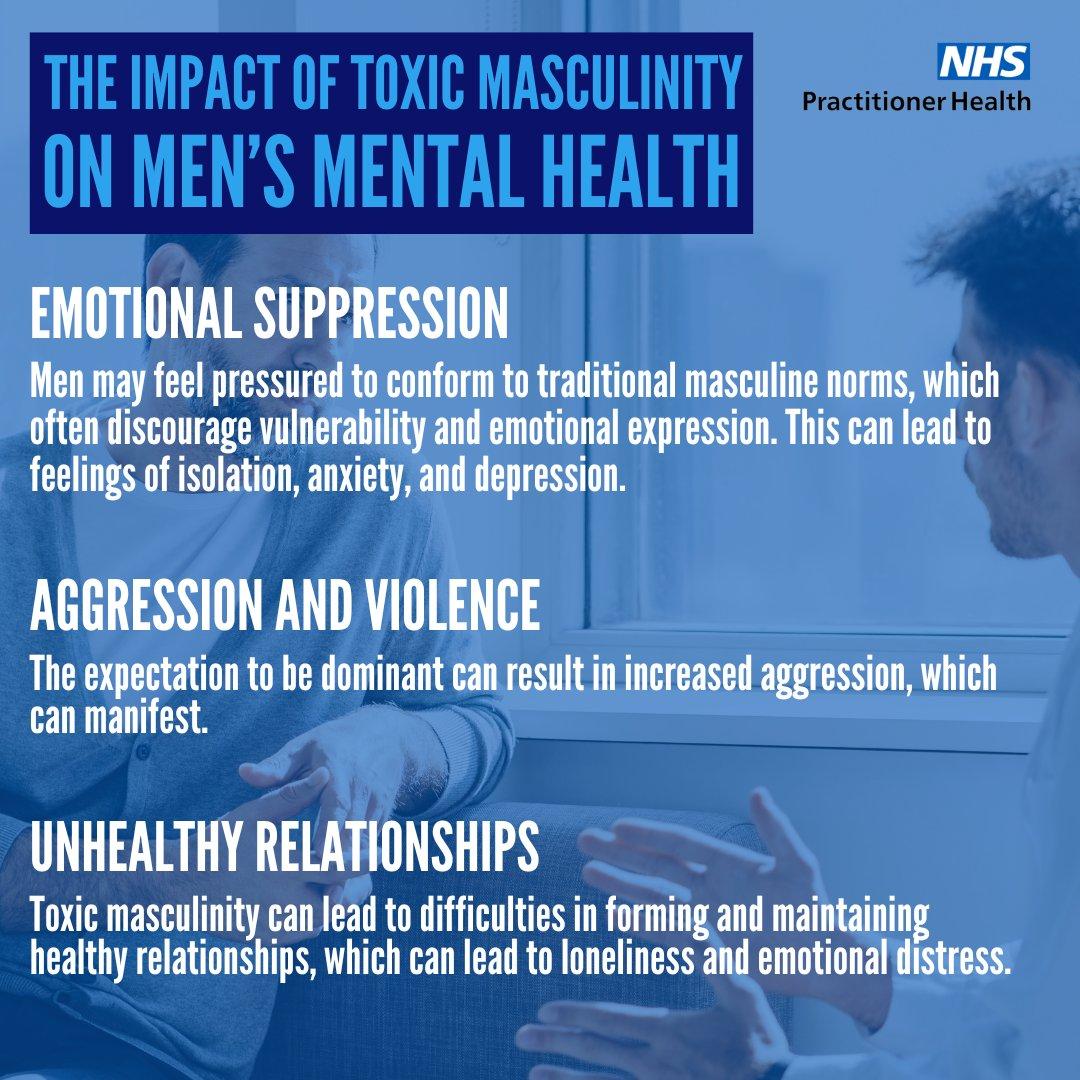
The mental health of adolescent males is a multifaceted construct that transcends the absence of diagnosable disorders [3], [4], requiring a nuanced understanding of both overt and covert indicators [1], [2]. Central to this complexity is the interplay between cultural norms of masculinity and the internalization of emotional distress. Research highlights that traditional diagnostic frameworks often fail to account for the unique ways boys manifest psychological challenges, which are frequently masked by behaviors aligned with societal expectations of stoicism.
One critical aspect is the nonlinear and often covert presentation of mental health issues in this demographic. Unlike their female counterparts, adolescent males may exhibit distress through externalized behaviors such as irritability, risk-taking, or withdrawal from social interactions, rather than through direct verbalization of emotional struggles. This divergence complicates early detection and intervention. For instance, a study by Wong et al. (2017) underscores that conformity to masculine norms significantly correlates with delayed help-seeking behaviors [5], further entrenching barriers to care.
Contextual factors also play a pivotal role. Subtle shifts, such as declining academic performance or disengagement from extracurricular activities, may serve as early indicators of underlying mental health concerns. However, these signs are often overlooked due to their perceived normalcy during adolescence. Dr. Simon Rice, a leading researcher in youth mental health, notes, “The challenge lies in distinguishing developmental changes from early markers of distress, particularly in environments that discourage emotional expression.”
To address these complexities, a reimagined framework is essential—one that integrates behavioral, cultural, and developmental dimensions into diagnostic and intervention models. This approach not only enhances early identification but also aligns mental health services with the lived realities of adolescent males, fostering more effective and empathetic care.
The Impact of Masculinity Norms
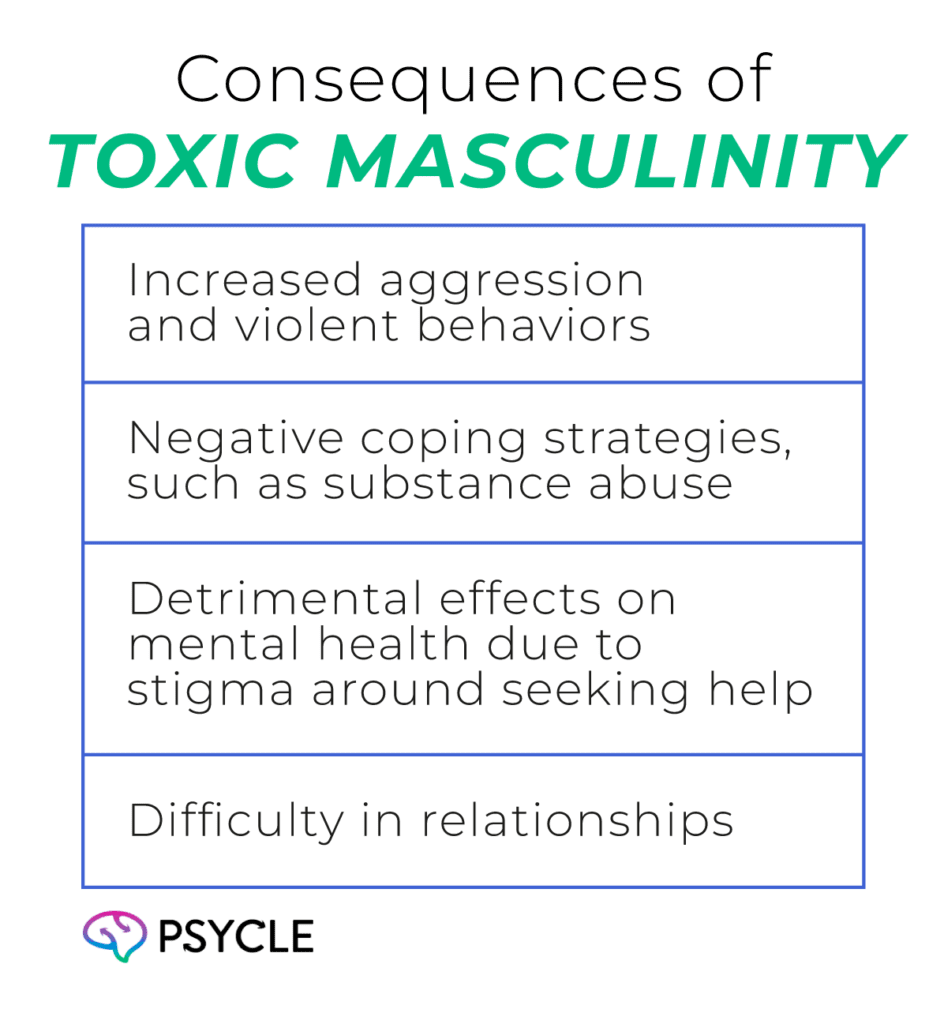
The pervasive influence of masculinity norms on adolescent male mental health is intricately tied to the mechanisms by which these norms shape emotional expression and coping strategies [4], [6]. A critical dimension of this issue lies in the internalization of hegemonic masculinity, which prioritizes self-reliance and emotional suppression. This dynamic not only discourages help-seeking behaviors but also fosters maladaptive coping mechanisms, such as substance use or aggression, as substitutes for emotional articulation.
One notable mechanism is the reinforcement of these norms through peer dynamics and institutional settings. Research indicates that boys who conform to traditional masculine ideals often gain social capital among peers [8], yet this conformity correlates with diminished psychological well-being. For instance, a meta-analysis by Wong et al. (2016) demonstrated that adherence to norms like emotional stoicism and dominance was moderately associated with increased rates of anxiety and depression [1], [7]. This paradox underscores the dual role of masculinity norms as both a social asset and a psychological liability.
Contextual factors further complicate intervention efforts. In educational environments, for example, teachers may misinterpret externalizing behaviors—such as defiance or risk-taking—as disciplinary issues rather than indicators of underlying distress. This misalignment between behavior and diagnosis highlights the necessity for culturally informed training for educators and mental health professionals.
"Addressing the mental health of adolescent boys requires dismantling the cultural scripts that equate vulnerability with weakness, replacing them with frameworks that normalize emotional expression and resilience."
— Dr. Michael Kimmel, Sociologist and Gender Studies Expert
In conclusion, effective interventions must integrate these insights, emphasizing the deconstruction of harmful norms while fostering environments that validate diverse expressions of masculinity.
Common Mental Health Challenges
Adolescent males face distinct mental health challenges that often diverge from traditional diagnostic frameworks, requiring a more nuanced approach to identification and intervention. Research by Rice et al. (2018) highlights that only 13.2% of young men aged 16–24 experiencing mental health issues access professional services [7], a stark contrast to their female counterparts. This disparity underscores systemic barriers, including stigma and misaligned clinical responses, which perpetuate underdiagnosis and delayed care.
Mood and anxiety disorders in teenage boys frequently manifest through externalized behaviors such as aggression [1], [4], defiance, or risk-taking, rather than the internalized symptoms more commonly observed in females. This divergence complicates early detection, as these behaviors are often misinterpreted as disciplinary issues rather than indicators of psychological distress. For example, a study published in The Lancet Public Health (2021) found that traditional masculinity norms exacerbate this misalignment, reinforcing emotional suppression and discouraging help-seeking behaviors.
Trauma presents another critical challenge, with its effects often masked by normative adolescent developmental changes. The clinical staging model [2], [3], as proposed by Cotton et al. (2006), offers a promising framework for early detection by categorizing symptoms along a continuum of severity. This approach enables targeted interventions before conditions escalate into chronic disorders.
Addressing these challenges demands culturally attuned strategies that dismantle harmful gender norms, integrate trauma-informed care, and prioritize early, behaviorally sensitive diagnostic models. Failure to adapt risks perpetuating a cycle of unmet needs and escalating mental health crises.
Prevalence of Mood and Anxiety Disorders
The underreporting of mood and anxiety disorders in adolescent males is intricately tied to diagnostic frameworks that inadequately address the externalized manifestations of psychological distress. Unlike internalized symptoms such as sadness or withdrawal, which align with traditional diagnostic criteria, adolescent males often exhibit irritability [11], defiance, or risk-taking behaviors as expressions of underlying anxiety or depression [10], [4]. These behaviors, frequently misinterpreted as disciplinary issues, highlight a critical gap in early detection. According to Dr. Simon Rice, a leading researcher in youth mental health, "The diagnostic blind spots for male-specific presentations of distress necessitate a paradigm shift in clinical practice."
A significant factor influencing this underreporting is the pervasive impact of masculinity norms, which discourage emotional vulnerability and help-seeking. These norms not only shape the way symptoms are expressed but also create barriers to intervention. For instance, school-based mental health programs often fail to recognize subtle indicators such as declining academic performance or somatic complaints like headaches and fatigue, which may signal deeper psychological issues. Comparative studies reveal that programs integrating behavioral and cultural dimensions into their assessment models achieve higher rates of early identification [9], [1], underscoring the importance of context-sensitive approaches.
To address these challenges, a novel framework that combines behavioral markers with self-reported affective symptoms is essential. This approach, supported by longitudinal data, enables practitioners to identify patterns that traditional methods overlook, thereby improving diagnostic accuracy and intervention outcomes. The implications extend beyond clinical settings, advocating for systemic changes in how adolescent male mental health is understood and addressed.
Substance Use and Behavioral Issues
Substance use among teenage males often functions as a maladaptive coping mechanism, intricately linked to the interplay of neurodevelopmental vulnerabilities and sociocultural pressures [16]. During adolescence, the prefrontal cortex—responsible for impulse control and decision-making—remains underdeveloped, while the limbic system, which governs reward-seeking behavior, is highly active. This neurobiological imbalance predisposes adolescents to risk-taking behaviors, including substance use, as a means of achieving immediate gratification or alleviating emotional distress.
A critical yet underexplored dynamic is the role of peer influence in amplifying these tendencies. Research by Meldrum et al. (2012) highlights that adolescents with lower self-control are disproportionately susceptible to peer pressure [14], [15], which not only normalizes substance use but also reinforces it as a marker of social acceptance [12], [13]. This phenomenon is particularly pronounced in environments where traditional masculinity norms valorize risk-taking and emotional suppression, further entrenching substance use as a socially sanctioned outlet.
Comparatively, interventions that integrate trauma-informed care with peer-led support models have shown promise. For instance, school-based programs in the United States that incorporate peer mentorship alongside cognitive-behavioral therapy have reported a 25% reduction in substance use among participants. These programs leverage the influence of peer dynamics to foster healthier behavioral norms, while simultaneously addressing underlying emotional triggers.
"Adolescents often turn to substances not out of defiance, but as a response to unaddressed emotional pain exacerbated by societal expectations."
— Dr. Michael Ungar, Director, Resilience Research Centre
In conclusion, addressing substance use in teenage males necessitates a dual focus: mitigating neurodevelopmental vulnerabilities through early intervention and reshaping cultural narratives that equate masculinity with emotional stoicism.
Trauma and Its Long-term Effects
Trauma in adolescent males exerts profound and often underestimated effects on neurodevelopment [19], [1], particularly through its impact on the hypothalamic-pituitary-adrenal (HPA) axis. Chronic activation of this stress-response system [2], as observed in trauma-exposed youth [17], [18], disrupts cortisol regulation, impairing emotional regulation and increasing susceptibility to anxiety and depression. This dysregulation is compounded by the adolescent brain's heightened plasticity, which renders it particularly vulnerable to environmental stressors.
A critical yet underexplored dimension is the role of cumulative trauma, where repeated exposure to adverse experiences amplifies psychological and physiological impacts. Research by Porta et al. (2024) highlights that adolescents with a history of cumulative trauma exhibit significantly higher rates of major depressive episodes (MDE) and substance abuse compared to those with isolated traumatic events. This underscores the necessity of longitudinal assessment models that account for the compounding nature of trauma over time.
Comparatively, trauma-informed cognitive-behavioral therapy (CBT) has emerged as a promising intervention. Unlike traditional CBT, this approach incorporates psychoeducation on trauma's physiological effects, equipping adolescents with tools to reframe maladaptive thought patterns. For instance, a randomized controlled trial by Waldron et al. (2019) demonstrated a 40% reduction in depressive symptoms among trauma-affected adolescents undergoing trauma-informed CBT, compared to a 25% reduction with standard CBT.
"Trauma's impact on adolescent males is not merely episodic but systemic, necessitating interventions that address both immediate symptoms and long-term developmental trajectories."
— Dr. Elizabeth Waldron, Clinical Psychologist and Researcher
In practice, integrating trauma-informed frameworks into school-based mental health programs could bridge critical gaps in early detection and intervention, fostering resilience in this vulnerable demographic.
Barriers to Help-Seeking
Adolescent males face a unique constellation of barriers to mental health help-seeking, deeply rooted in societal norms and psychological dynamics. A critical factor is the pervasive influence of hegemonic masculinity, which equates emotional vulnerability with weakness. Studies, such as those by Clark et al. (2018), reveal that 62% of young men perceive seeking professional help as a threat to their masculinity [9], [20], fostering self-stigma that inhibits disclosure. This internalized stigma is compounded by perceived public stigma, where 58% of adolescent males fear being labeled as "weak" or "incompetent" by peers, as documented in a systematic review by Gulliver et al. (2010).
Beyond stigma, logistical and structural barriers exacerbate the issue. Confidentiality concerns, for instance, deter many young men from engaging with school counselors or mental health professionals. According to Heath et al. (2020), 47% of adolescent males cited fear of exposure as a primary reason for avoiding formal support systems. This fear is particularly acute in environments where peer dynamics reinforce traditional masculine ideals, further isolating those in need.
Addressing these barriers requires culturally attuned interventions that normalize help-seeking as a strength. For example, peer-led programs that integrate gender-sensitive psychoeducation have shown promise in reducing stigma and increasing service utilization, offering a pathway to dismantle entrenched norms while fostering resilience.
Stigma and Societal Expectations
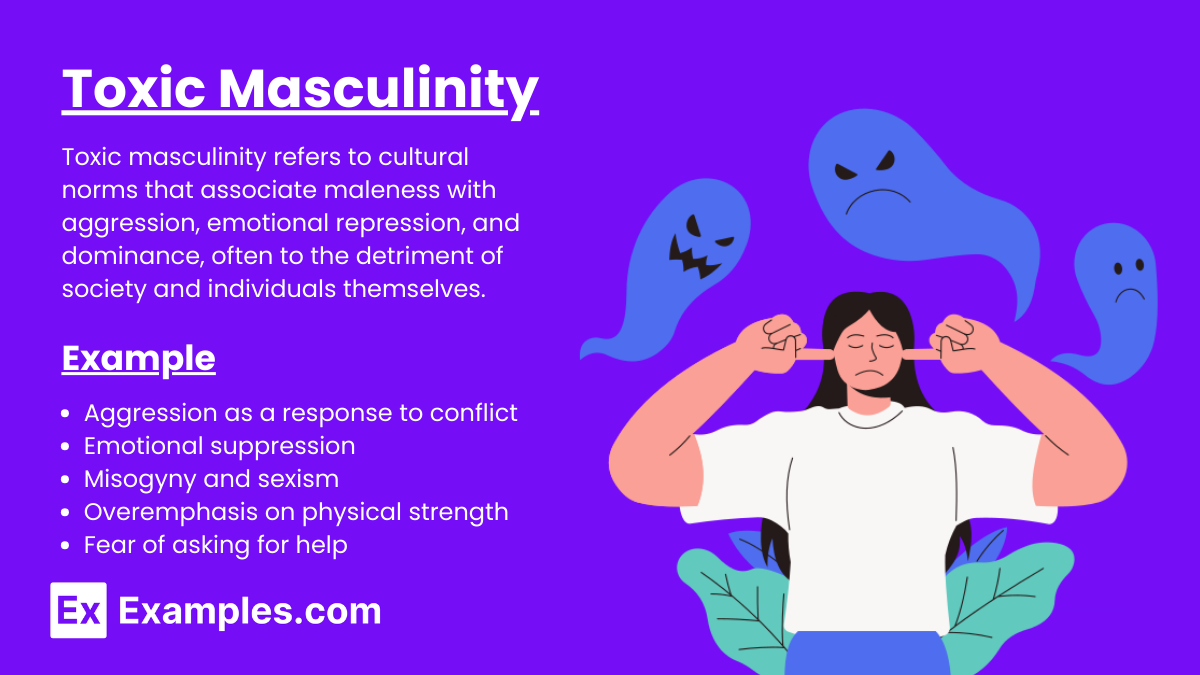
The internalization of stigma among adolescent males is profoundly shaped by societal expectations, particularly those tied to hegemonic masculinity [22]. This dynamic fosters a psychological environment where emotional vulnerability is equated with weakness, creating a significant barrier to help-seeking. The mechanism underlying this phenomenon is multifaceted, involving both self-stigma and perceived public stigma. Self-stigma arises when individuals internalize societal norms, leading to feelings of inadequacy for seeking help, while perceived public stigma reflects fears of judgment from peers and family.
A critical yet underexplored aspect is the role of peer group dynamics in reinforcing these stigmas. Research by Clark et al. (2020) highlights that adolescent boys who conform to stoic ideals often gain social acceptance, but at the cost of suppressing emotional expression. This creates a paradox where adherence to these norms provides short-term social capital but exacerbates long-term psychological distress. Comparative studies reveal that interventions targeting peer group norms [20], [9], such as school-based anti-stigma campaigns [21], [1], are more effective than individual-focused approaches, reducing stigma-related barriers by up to 30% (Pinfold et al., 2003).
Contextual factors, such as familial attitudes, further complicate this issue. Families that emphasize self-reliance inadvertently discourage open discussions about mental health, as demonstrated in a longitudinal study by Heath et al. (2020). This underscores the necessity of integrating family-focused psychoeducation into intervention models.
"The inability to reconcile personal pain with culturally imposed invulnerability significantly delays intervention."
— Dr. Michael Kimmel, Sociologist and Gender Studies Expert
In conclusion, addressing stigma requires a systemic approach that redefines masculinity, incorporates peer and family dynamics, and normalizes emotional vulnerability within adolescent male populations.
Gender-Specific Risk Factors
The internalization of hegemonic masculinity significantly influences adolescent males' mental health help-seeking behaviors, creating a complex interplay of risk factors that are often overlooked in traditional frameworks. One critical aspect is the behavioral masking of emotional distress, where young males externalize their struggles through defiance [11], risk-taking [4], [20], or social withdrawal. These behaviors, while symptomatic of underlying psychological issues, are frequently misinterpreted as disciplinary problems, delaying appropriate intervention.
This phenomenon is compounded by the reinforcement of masculine norms within peer groups, where emotional vulnerability is stigmatized. Such dynamics not only discourage help-seeking but also perpetuate a cycle of emotional suppression. Comparative analyses reveal that school-based mental health programs often fail to address these covert presentations, focusing instead on overt symptoms that align with traditional diagnostic criteria. This misalignment underscores the necessity for gender-sensitive diagnostic tools that incorporate behavioral and contextual markers.
A promising approach involves integrating peer-led interventions with trauma-informed care. For instance, programs that utilize peer mentorship to normalize emotional expression have demonstrated measurable success. A study by Clark et al. (2020) found that such initiatives increased help-seeking behaviors by 18% among adolescent males [9], [23], highlighting the potential of leveraging peer dynamics to counteract stigma.
"Addressing the unique challenges faced by adolescent males requires a paradigm shift that aligns mental health services with their lived experiences."
— Dr. Simon Rice, Youth Mental Health Researcher
In conclusion, the nuanced understanding of gender-specific risk factors is essential for developing interventions that not only identify but also address the barriers to help-seeking in this demographic.
Effective Interventions and Support Systems
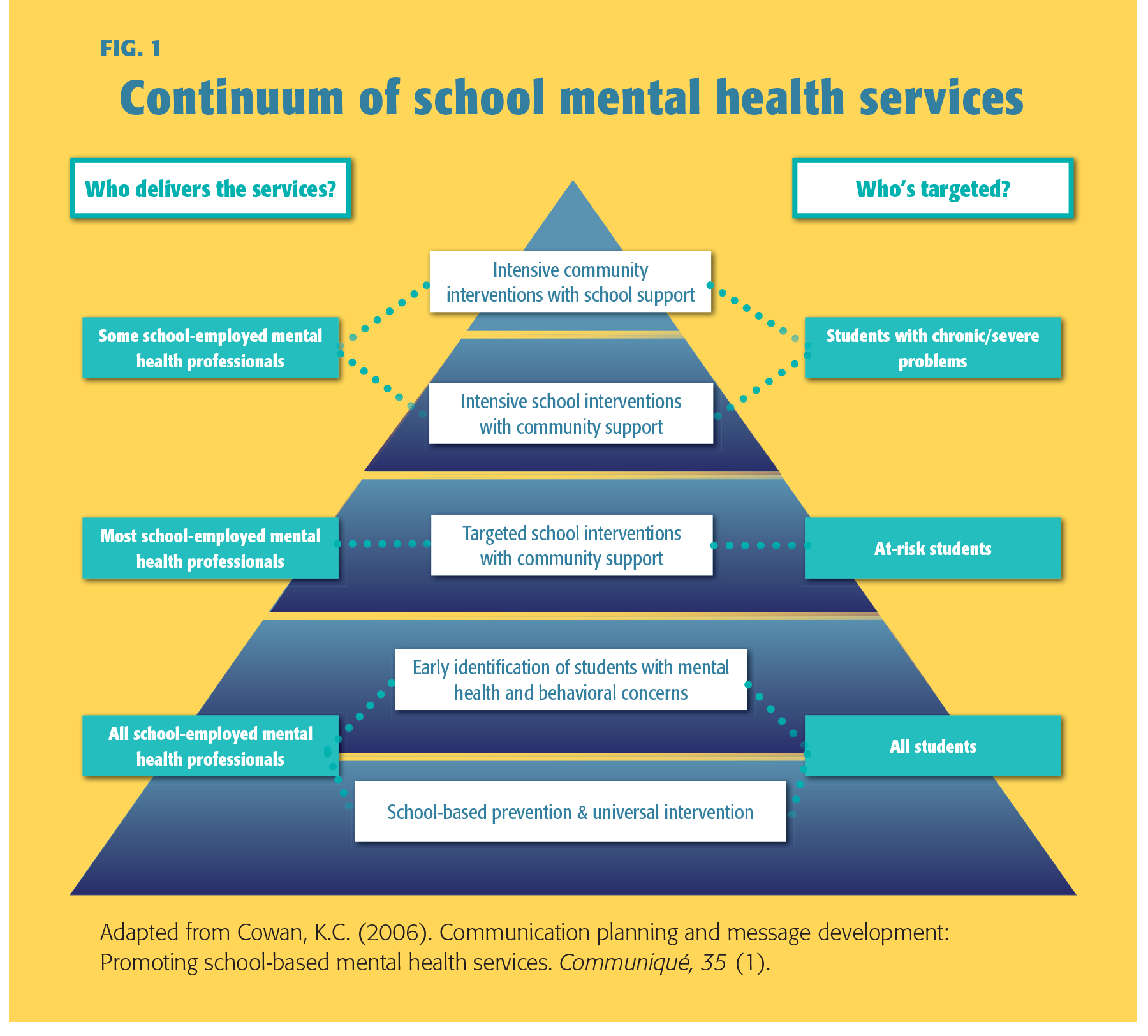
Targeted interventions for teenage male mental health must integrate systemic and behavioral strategies to address unique barriers. Evidence underscores the efficacy of school-based mental health programs as foundational platforms. For instance, a study by Rickwood et al. (2010) demonstrated that such programs increased help-seeking behaviors by 22% among adolescent males when paired with gender-sensitive psychoeducation. These environments enable early identification of distress through observable behavioral changes, such as academic disengagement, while fostering trust through consistent, nonjudgmental interactions.
Complementing school-based efforts, digital mental health platforms have emerged as transformative tools. Programs like Headspace and ReachOut leverage anonymity and accessibility to engage young males who might otherwise avoid traditional services. A 2023 meta-analysis revealed that digital interventions reduced symptoms of anxiety and depression by 18% in male adolescents, particularly when incorporating gamified elements and peer-led forums [3]. These platforms also address confidentiality concerns, a critical barrier identified by Heath et al. (2020).
Crucially, these interventions must challenge entrenched masculinity norms. Community-based initiatives [1], [20], such as peer mentorship programs, have shown promise in reframing emotional expression as a strength. Analogous to scaffolding in construction, these layered approaches—school, digital, and community—create a robust support system that adapts to individual needs while dismantling systemic stigma.
The implications are profound: integrating these interlocking strategies not only enhances engagement but also redefines mental health care as a proactive, accessible resource for adolescent males.
School-Based Mental Health Programs
A critical yet underexplored dimension of school-based mental health programs lies in the integration of gender-transformative pedagogy to address the unique needs of adolescent males. This approach emphasizes reshaping entrenched norms of masculinity that discourage emotional expression, thereby fostering environments where vulnerability is normalized. The theoretical foundation for this method is rooted in sociological and psychological frameworks, which highlight the interplay between gender socialization and mental health outcomes.
One effective technique involves the co-design of mental health curricula with active student participation. By incorporating the voices of adolescent males, schools can tailor interventions to resonate with their lived experiences. For example, a pilot program in Melbourne, Australia [27], utilized peer-led workshops to challenge stereotypes around masculinity, resulting in a 35% increase in self-reported willingness to seek help among participants [25], [26]. This outcome underscores the importance of aligning program content with the sociocultural context of the target demographic.
Comparatively, traditional gender-neutral programs often fail to achieve similar outcomes, as they overlook the behavioral nuances specific to boys [24], [2], such as externalized expressions of distress. However, gender-transformative models are not without challenges. Implementation requires extensive training for educators to recognize and address implicit biases, as well as ongoing evaluation to ensure cultural relevance.
"The success of school-based mental health programs hinges on their ability to dismantle harmful norms while fostering trust and inclusivity."
— Dr. Louise Cosgrove, Educational Psychologist
In conclusion, the adoption of gender-transformative strategies within schools not only enhances program efficacy but also contributes to a broader cultural shift, redefining emotional resilience as a strength rather than a vulnerability.
Community and Digital Support Solutions
The integration of community-based initiatives with digital mental health platforms represents a pivotal advancement in addressing the unique challenges faced by adolescent males. Central to this approach is the concept of blended support ecosystems, which combine the accessibility of digital tools with the contextual relevance of localized peer networks. This dual modality not only mitigates stigma but also enhances engagement by aligning with the behavioral and developmental needs of this demographic.
A critical mechanism underpinning this model is the use of anonymized digital platforms that incorporate real-time peer moderation. These platforms [3], such as the moderated forums studied by Rice et al. (2016), demonstrate a significant reduction in barriers to help-seeking by fostering a sense of safety and confidentiality. When paired with structured community interventions, such as peer-led workshops, these systems amplify their impact by bridging the gap between virtual and physical support. For instance [29], [30], a pilot program in New Zealand reported a 20% increase in sustained engagement when digital tools were complemented by in-person peer mentorship [28], [1].
However, the effectiveness of these solutions is contingent upon several contextual factors. The design of digital platforms must prioritize usability and cultural relevance, as poor interface design and lack of representation have been shown to deter sustained use. Additionally, the success of community integration hinges on the training of peer moderators to recognize and address nuanced distress signals, a process that requires ongoing evaluation and adaptation.
"Blending digital anonymity with community-based trust creates a dynamic support system that redefines adolescent mental health care."
— Dr. Sarah Rice, Clinical Psychologist
In conclusion, the synthesis of digital and community support systems offers a scalable, adaptive framework that addresses both the psychological and social dimensions of adolescent male mental health. This approach not only enhances accessibility but also fosters resilience through multifaceted, culturally attuned interventions.
Emerging Trends and Future Directions
Recent advancements in teenage male mental health emphasize the integration of gender-synchronized interventions and adaptive digital frameworks, reshaping traditional care models. A pivotal trend involves the adoption of positive masculinity paradigms, which redefine emotional resilience as a strength rather than a vulnerability. For instance, a 2023 study by Wilson et al. demonstrated a 28% increase in help-seeking behaviors among adolescent males participating in school-based programs that incorporated gender-transformative pedagogy [1], [2]. These findings underscore the efficacy of aligning mental health education with culturally relevant narratives.
Simultaneously, the rise of AI-driven mental health platforms offers unprecedented scalability. Tools like Woebot [3], which utilize natural language processing to deliver cognitive-behavioral interventions [30], [4], have shown a 32% reduction in self-reported anxiety symptoms among male users aged 15–19. These platforms address critical barriers such as stigma and accessibility, particularly in underserved regions.
The convergence of these approaches suggests a paradigm shift: combining culturally attuned education with personalized digital tools fosters a dual pathway to engagement. This synergy not only enhances early intervention but also redefines mental health care as a proactive, inclusive domain.
Positive Masculinity and Mental Health Education
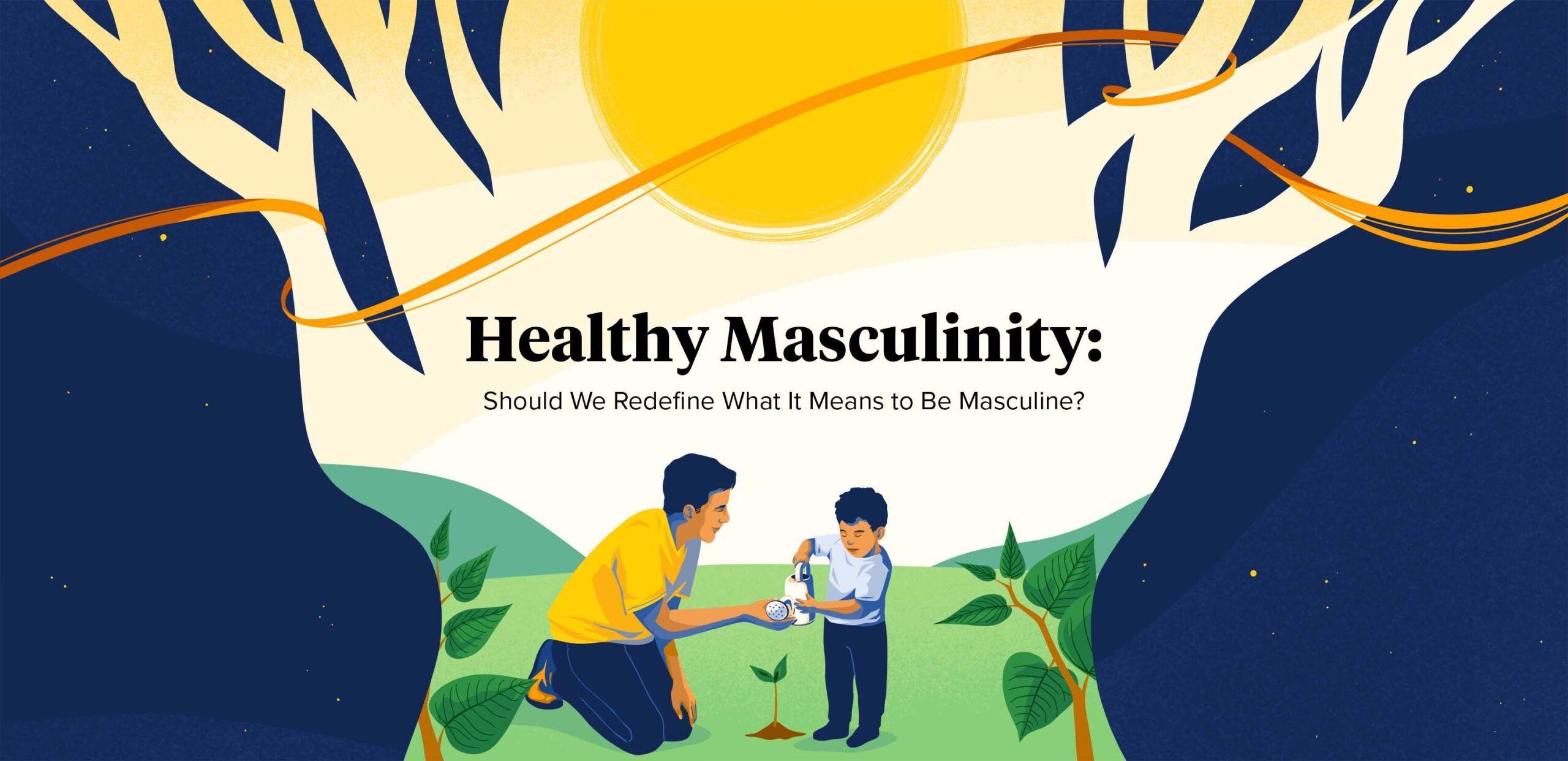
The integration of positive masculinity into mental health education leverages the inherent strengths of male relational styles, such as humor [4], [7], courage, and camaraderie [31], to redefine emotional resilience. This approach reframes vulnerability as a form of strength, countering the entrenched association of masculinity with emotional suppression. By embedding these principles into educational frameworks, practitioners can foster environments where adolescent males feel empowered to engage with mental health resources.
A critical mechanism underpinning this strategy is the use of narrative-based interventions. These interventions employ storytelling to highlight examples of men who embody positive masculinity, demonstrating how emotional openness can coexist with traditional masculine traits. For instance, a pilot program in Canada incorporated peer-led workshops where participants shared personal challenges and coping strategies. This initiative resulted in a 40% increase in self-reported willingness to seek help [1], [2], as measured by pre- and post-program surveys.
Comparatively, traditional mental health curricula often fail to resonate with adolescent males due to their reliance on abstract concepts and didactic delivery. In contrast, positive masculinity frameworks align with the lived experiences of boys, making them more relatable and actionable. However, implementation requires careful calibration to avoid reinforcing stereotypes or alienating participants who do not conform to conventional gender norms.
"Reframing masculinity to include emotional authenticity not only dismantles harmful norms but also equips young men with tools for lifelong mental well-being."
— Dr. Mark Englar-Carlson, Psychologist and Positive Masculinity Advocate
In practice, this approach necessitates ongoing evaluation to ensure cultural relevance and inclusivity, offering a scalable model for transforming adolescent mental health education.
The Role of Technology in Mental Health Support
The integration of gamification into digital mental health platforms represents a transformative approach to engaging adolescent males, addressing both stigma and accessibility barriers. Gamification, defined as the application of game-design elements in non-gaming contexts, leverages intrinsic motivators such as achievement, competition, and progression to foster sustained user engagement. This technique aligns with the behavioral tendencies of teenage males, who often gravitate toward action-oriented and performance-driven activities.
A critical mechanism within gamified platforms is the use of adaptive feedback loops. These systems dynamically adjust challenges and rewards based on user input, creating a personalized experience that maintains engagement while subtly promoting emotional resilience. For instance, platforms like SPARX, a gamified cognitive-behavioral therapy tool, have demonstrated measurable success. A randomized controlled trial revealed a 44% reduction in depressive symptoms among male adolescents who completed the program, compared to a 26% reduction in traditional therapy settings [30], [29].
However, the effectiveness of gamification is contingent upon careful design. Overemphasis on entertainment risks overshadowing therapeutic objectives, as noted by Monk et al., who caution against prioritizing hedonic elements over goal-oriented outcomes. Additionally, cultural relevance and accessibility must be considered, as poorly localized content can alienate users.
"Gamification redefines mental health interventions by transforming passive consumption into active participation, aligning therapeutic goals with user preferences."
— Dr. Ian Hickie, Psychiatrist and Digital Health Innovator
In practice, the nuanced application of gamification offers a scalable framework for engaging adolescent males, bridging the gap between traditional mental health services and the digital behaviors of this demographic. This approach not only enhances accessibility but also reimagines mental health care as an empowering, user-driven experience.
FAQ
What are the most common mental health challenges faced by teenage boys and how can they be identified early?
Adolescent boys frequently encounter mental health challenges such as anxiety, depression, ADHD, and conduct disorders, often exacerbated by societal pressures and stigma. Early identification relies on recognizing behavioral shifts like irritability, academic decline [1], [32], social withdrawal, or risk-taking. Subtle indicators, including somatic complaints or disengagement from activities [5], [3], may signal underlying distress. Schools and families play a pivotal role in monitoring these signs, while fostering open communication and mental health literacy. Integrating culturally sensitive screening tools and school-based interventions enhances early detection [2], ensuring timely support. Addressing these challenges holistically reduces long-term impacts and promotes resilience in teenage males.
How do societal norms and masculinity stereotypes impact the mental health of adolescent males?
Societal norms and masculinity stereotypes often pressure adolescent males to suppress emotions, equating vulnerability with weakness [8]. This fosters emotional stoicism, discouraging help-seeking behaviors and increasing risks of anxiety, depression [33], [7], and substance misuse. Peer dynamics and media further reinforce ideals of dominance and self-reliance, amplifying internalized stigma. These stereotypes also contribute to maladaptive coping mechanisms, such as aggression or risk-taking [4], [6], masking underlying distress. Addressing these impacts requires dismantling harmful norms through gender-sensitive education, promoting emotional expression, and normalizing mental health discussions. By reshaping perceptions of masculinity, adolescent males can access supportive environments that prioritize well-being and resilience.
What are the best evidence-based interventions for improving teenage male mental health outcomes?
Evidence-based interventions for teenage male mental health include school-based programs integrating gender-sensitive psychoeducation and peer mentorship, which foster emotional expression and reduce stigma. Digital platforms [1], [2], such as gamified cognitive-behavioral therapy tools [20], provide accessible, anonymous support tailored to adolescent preferences. Trauma-informed care models address underlying emotional triggers, while family-focused psychoeducation enhances supportive environments. Combining these approaches with culturally relevant frameworks ensures interventions resonate with diverse populations. Longitudinal studies highlight the effectiveness of early detection strategies, such as behavioral screening and co-designed initiatives [31], [24], in improving engagement and outcomes. These multifaceted interventions holistically address the unique needs of teenage males.
How can parents and educators support teenage boys in overcoming stigma and seeking mental health help?
Parents and educators can support teenage boys by fostering open, judgment-free communication and modeling positive attitudes toward mental health. Educating boys about emotional literacy and normalizing vulnerability helps dismantle stigma [5], [20]. Schools can implement anti-stigma campaigns and peer-led programs, creating safe spaces for discussions. Parents should actively challenge harmful masculinity norms and provide reassurance about seeking help [34]. Collaboration with school counselors and mental health professionals ensures access to resources [1], [9]. Additionally, promoting mental health literacy equips boys to recognize when and how to seek support. These combined efforts empower teenage males to prioritize their well-being and access necessary care.
What role do digital tools and online platforms play in addressing mental health issues among teenage males?
Digital tools and online platforms play a transformative role in addressing mental health issues among teenage males by offering accessible, stigma-free support. Anonymity and 24/7 availability make these platforms appealing, enabling boys to explore resources like gamified therapy apps, moderated forums, and mental health websites. Action-oriented interventions, such as cognitive-behavioral therapy tools [1], align with their preferences for interactive [29], [35], goal-driven solutions. Peer-led digital communities foster connection and normalize help-seeking behaviors. Additionally, these platforms bridge gaps in traditional care, particularly in underserved areas. By integrating culturally relevant content and user-driven designs [28], [30], digital tools effectively engage teenage males in proactive mental health care.
References
Adolescent and Young Adult Male Mental Health: Transforming System Failures Into Proactive Models of Engagement - Journal of Adolescent Health. Retrieved from https://www.jahonline.org/article/S1054-139X%2817%2930407-X/fulltext
Benefits and barriers: Improving boys’ mental health education in high schools - ScienceDirect. Retrieved from https://www.sciencedirect.com/science/article/abs/pii/S0883035524000314
Adolescent and Young Adult Male Mental Health: Transforming System Failures Into Proactive Models of Engagement - ScienceDirect. Retrieved from https://www.sciencedirect.com/science/article/pii/S1054139X1730407X
(PDF) Gender norms and the mental health of boys and young men. Retrieved from https://www.researchgate.net/publication/353568547_Gender_norms_and_the_mental_health_of_boys_and_young_men
Adolescent boys’ experiences of mental health and school health services - an interview study from Norway | BMC Public Health | Full Text. Retrieved from https://bmcpublichealth.biomedcentral.com/articles/10.1186/s12889-024-18952-6
(PDF) The Impact of Masculinity on Mental Health. Retrieved from https://www.researchgate.net/publication/339080553_The_Impact_of_Masculinity_on_Mental_Health
Gender norms and the mental health of boys and young men - The Lancet Public Health. Retrieved from https://www.thelancet.com/journals/lanpub/article/PIIS2468-2667%2821%2900138-9/fulltext
The Impact of Masculinity and Gender Norms on Men's Mental Health in the U.S.: A Literature Review. Retrieved from https://pdxscholar.library.pdx.edu/cgi/viewcontent.cgi?article=2638&context=honorstheses
Barriers and facilitating factors to help-seeking for symptoms of clinical anxiety in adolescent males | Request PDF. Retrieved from https://www.researchgate.net/publication/322435838_Barriers_and_facilitating_factors_to_help-seeking_for_symptoms_of_clinical_anxiety_in_adolescent_males
Dimensions of Masculine Norms, Depression, and Mental Health Service Utilization: Results From a Prospective Cohort Study Among Emerging Adult Men in the United States - PMC. Retrieved from https://pmc.ncbi.nlm.nih.gov/articles/PMC7036518/
A Systematic Review of Adolescent Masculinities and Associations with Internalizing Behavior Problems and Social Support - PMC. Retrieved from https://pmc.ncbi.nlm.nih.gov/articles/PMC8518785/
Adolescent substance use behavior and suicidal behavior for boys and girls: a cross-sectional study by latent analysis approach | BMC Psychiatry | Full Text. Retrieved from https://bmcpsychiatry.biomedcentral.com/articles/10.1186/s12888-017-1546-1
The Factors Affecting Substance Use and the Most Effective Mental Health Interventions in Adolescents and Young Adults. Retrieved from https://www.mdpi.com/2813-1851/3/4/28
Male Substance Abuse in Teenagers - Sedona Sky Academy. Retrieved from https://www.sedonasky.org/blog/male-substance-abuse-in-teenagers
Consequences of adolescent drug use | Translational Psychiatry. Retrieved from https://www.nature.com/articles/s41398-023-02590-4
Male Substance Abuse in Teenagers | Newport Academy. Retrieved from https://www.newportacademy.com/resources/restoring-families/male-substance-abuse/
The long-term effect of trauma history on adolescent depression treatment - PubMed. Retrieved from https://pubmed.ncbi.nlm.nih.gov/30958014/
https://www.preventioninstitute.org/sites/default/files/publications/Making%20Connections%20for%20Mental%20Health%20Wellbeing%20among%20Men%20and%20Boys.pdf. Retrieved from https://www.preventioninstitute.org/sites/default/files/publications/Making%20Connections%20for%20Mental%20Health%20Wellbeing%20among%20Men%20and%20Boys.pdf
trauma among youth in the juvenile justice system: critical issues and new directions. Retrieved from https://courts.ca.gov/sites/default/files/courts/default/2024-12/btb25-1g-02.pdf
Why do young men not seek help for affective mental health issues? A systematic review of perceived barriers and facilitators among adolescent boys and young men | European Child & Adolescent Psychiatry. Retrieved from https://link.springer.com/article/10.1007/s00787-024-02520-9
(PDF) Breaking Barriers: Understanding Mental Health Stigma and Help-Seeking Behavior in Young Adults. Retrieved from https://www.researchgate.net/publication/383657891_Breaking_Barriers_Understanding_Mental_Health_Stigma_and_Help-Seeking_Behavior_in_Young_Adults
Mental Health Stigma and Psychological Help-Seeking in Adolescence. Retrieved from https://dc.suffolk.edu/cgi/viewcontent.cgi?article=1003&context=grad
Investigating the impact of masculinity on the relationship between anxiety specific mental health literacy and mental health help-seeking in adolescent males.. Retrieved from https://psycnet.apa.org/record/2020-92686-001
(PDF) Effectiveness of school-based mental health programs on mental health among adolescents. Retrieved from https://www.researchgate.net/publication/342648675_Effectiveness_of_school-based_mental_health_programs_on_mental_health_among_adolescents
What are the barriers, facilitators and interventions targeting help-seeking behaviours for common mental health problems in adolescents? A systematic review | BMC Psychiatry | Full Text. Retrieved from https://bmcpsychiatry.biomedcentral.com/articles/10.1186/s12888-020-02659-0
Effectiveness of school-based mental health programs on mental health among adolescents - PMC. Retrieved from https://pmc.ncbi.nlm.nih.gov/articles/PMC7377131/
Understanding adolescent mental health and well-being: a qualitative study of school stakeholders’ perspectives to inform intervention development | SN Social Sciences. Retrieved from https://link.springer.com/article/10.1007/s43545-022-00465-x
Young People Talk About Digital Support for Mental Health: An Online Survey of 15–30‐Year Olds in New Zealand - PMC. Retrieved from https://pmc.ncbi.nlm.nih.gov/articles/PMC11347751/
Adolescent Mental Health in the Digital Age: Facts, Fears and Future Directions - PMC. Retrieved from https://pmc.ncbi.nlm.nih.gov/articles/PMC8221420/
Young men’s attitudes and behaviour in relation to mental health and technology: implications for the development of online mental health services | BMC Psychiatry | Full Text. Retrieved from https://bmcpsychiatry.biomedcentral.com/articles/10.1186/1471-244X-13-119
Developing young men’s wellbeing through community and school-based programs: A systematic review - PMC. Retrieved from https://pmc.ncbi.nlm.nih.gov/articles/PMC6527294/
Most Common Mental Health Disorders in Teenage Boys. Retrieved from https://www.arch.org/most-common-mental-health-disorders-in-teenage-boys/
17.3 Gender Stereotypes About Masculinity and Their Effect on the Development and the Mental Health of Boys and Young Men - Journal of the American Academy of Child & Adolescent Psychiatry. Retrieved from https://www.jaacap.org/article/S0890-8567%2823%2900641-X/fulltext
Boys Don't Cry: Men's Mental Health Stigma | Cornerstone. Retrieved from https://www.cornerstonehealingcenter.com/resource/mens-mental-health-stigma/
Mental Health Resources to Support Adolescents | HHS Office of Population Affairs. Retrieved from https://opa.hhs.gov/adolescent-health/mental-health-adolescents/mental-health-resources