The Experience of Quiet Grief in Men: Loss Without Words

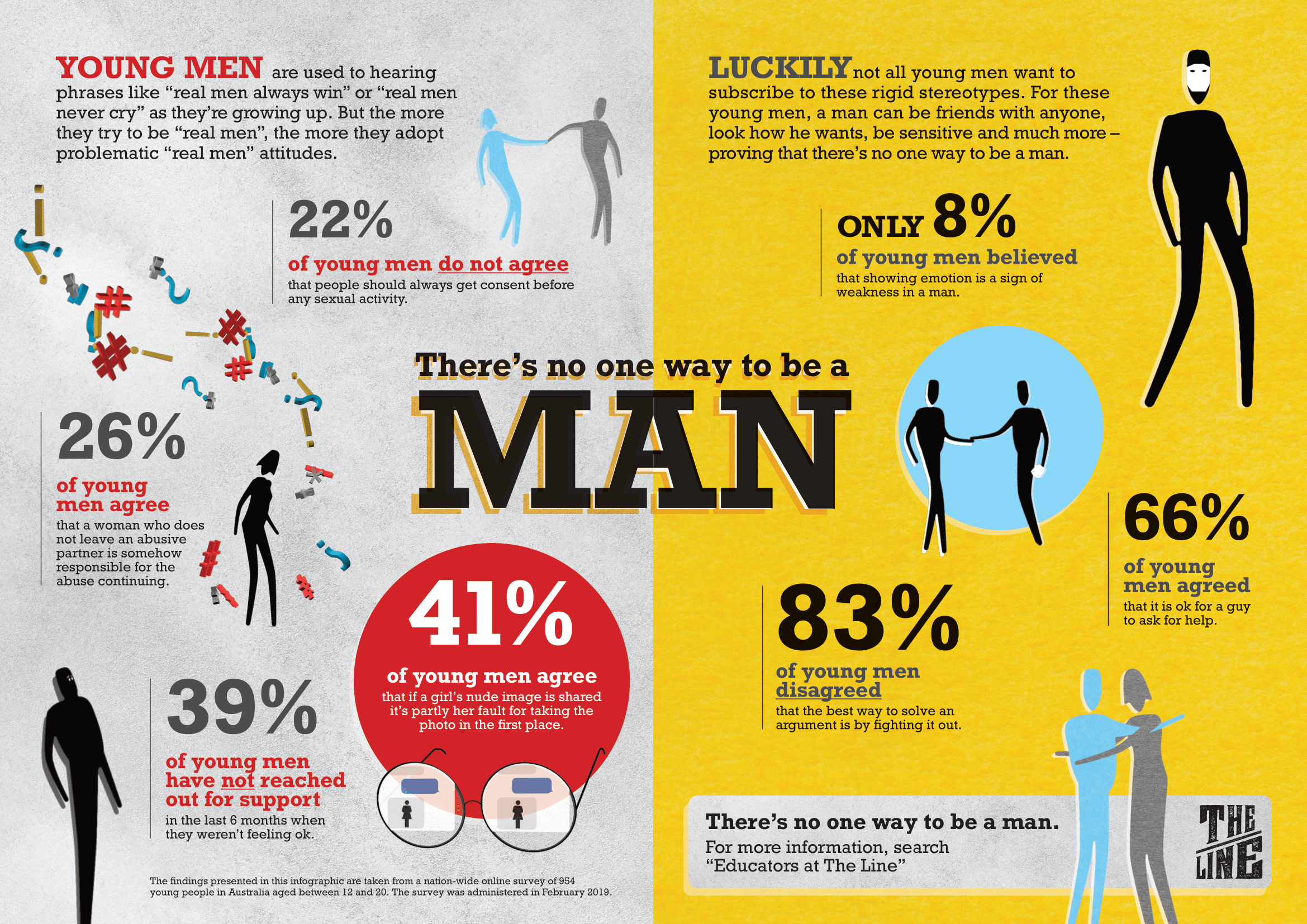
In 2022, a study by the American Psychological Association revealed that men are 50% less likely than women to seek professional help for grief-related mental health struggles, despite reporting similar levels of emotional pain. This disparity is not rooted in a lack of feeling but in a cultural script that equates masculinity with stoicism. For generations, men have been conditioned to grieve in silence, their sorrow often manifesting in physical symptoms or destructive behaviors rather than visible tears.
Dr. Ronald Levant, a leading researcher on the psychology of men and masculinity, describes this phenomenon as "normative male alexithymia"—a difficulty in identifying and expressing emotions, shaped by societal expectations. This silent grief is not a void but a weight, carried in solitude and often misunderstood as indifference.
The consequences are profound. Studies from institutions like Harvard Medical School have linked unprocessed grief in men to increased risks of heart disease, substance abuse, and even early mortality. Yet, the silence persists, reinforced by a culture that prizes resilience over vulnerability. Beneath this quiet lies a complex emotional landscape, one that demands deeper understanding and a redefinition of strength.
Societal Norms and Masculinity
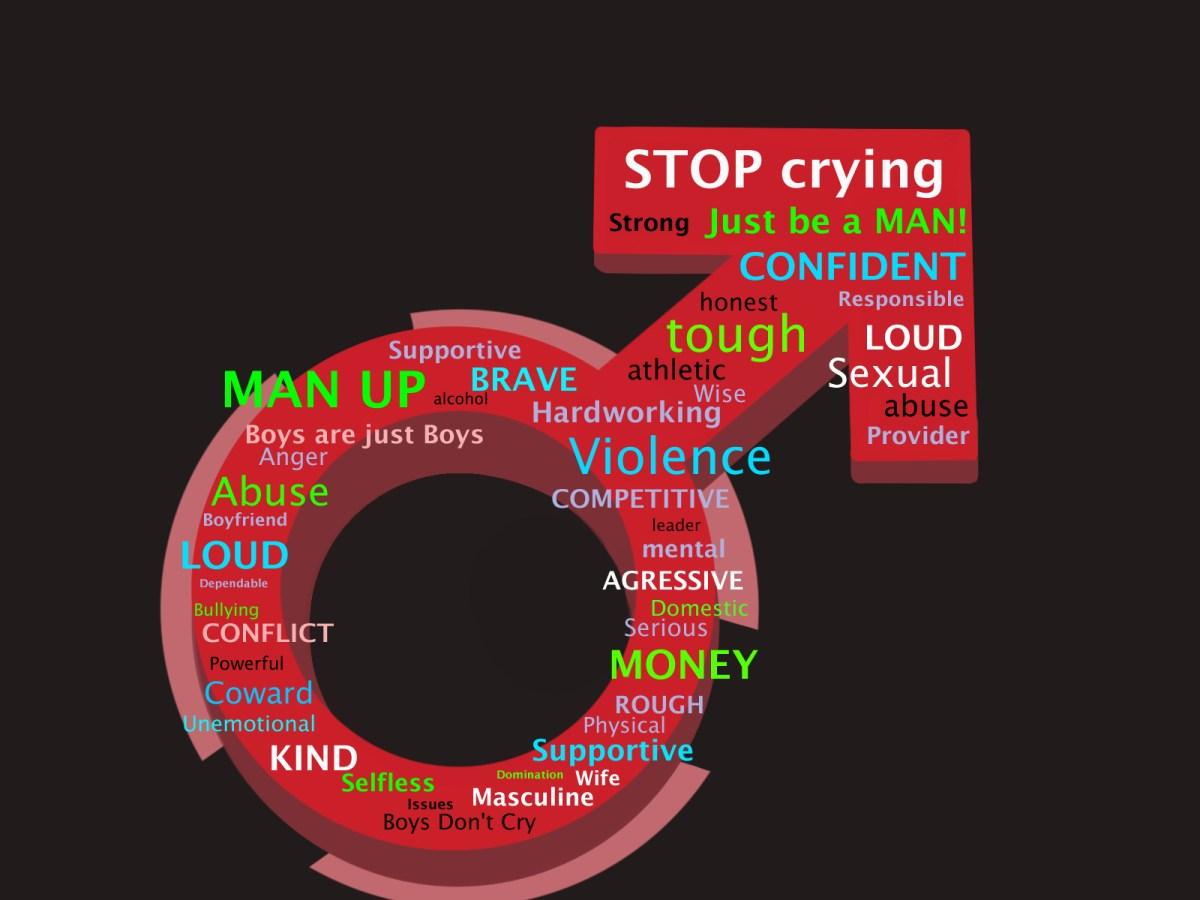
The societal expectation of stoicism in men creates a paradoxical dynamic: while grief is a universal human experience, its expression is often policed by rigid gender norms. This cultural script not only discourages emotional vulnerability but also redefines grief as a solitary, internalized process for men. The result is a phenomenon where grief manifests in indirect ways, such as physical restlessness or compulsive behaviors, rather than overt emotional expression.
One critical mechanism underpinning this dynamic is the concept of "emotional gatekeeping," where men are conditioned to filter their feelings through socially acceptable outlets. For instance, research highlights that men often channel grief into action-oriented tasks, such as overworking or engaging in high-risk activities, as a socially sanctioned way to process loss. While these behaviors may provide temporary relief, they often fail to address the underlying emotional pain, leading to prolonged psychological distress.
Cultural variations further complicate this narrative. In contrast to Western norms, many Indigenous and African traditions embrace communal mourning rituals, allowing men to express grief openly through shared ceremonies. These practices challenge the Western ideal of stoic masculinity, offering a model where vulnerability is not only accepted but celebrated.
"The suppression of grief in men is not a lack of emotion but a learned response to societal expectations."
— Dr. James Wong, Clinical Psychologist
By reframing grief as a shared human experience rather than a gendered one, we can begin to dismantle the barriers that prevent men from seeking emotional healing. This shift requires both cultural and therapeutic interventions that validate diverse expressions of loss.
Silent Grieving: A Common Misconception
Silent grieving is often misunderstood as emotional detachment, yet it represents a complex interplay of internalized coping mechanisms and societal conditioning. This phenomenon is particularly evident in men who, shaped by cultural expectations, often channel their grief into solitary or action-oriented behaviors. These methods, while appearing stoic, are deeply rooted in a need to maintain control and shield themselves from perceived vulnerability.
One critical dynamic at play is the concept of "instrumental grieving," where men focus on tasks or physical activities to process their emotions. For example, a study by Capital Choice Counselling highlights how men immerse themselves in work or high-risk activities as a socially acceptable outlet for grief. While these strategies may provide temporary relief, they often fail to address the emotional core of their loss, leading to prolonged psychological and physical consequences, such as hypertension or chronic stress.
"Men’s silence in grief is not a void but a protective mechanism shaped by societal expectations."
— Dr. Neil Thompson, Sociologist
Understanding this nuance allows practitioners to validate these coping styles while encouraging healthier emotional expression.
Coping Mechanisms and Emotional Expression
Men’s grief often manifests through coping mechanisms that prioritize action over introspection, a phenomenon deeply rooted in societal expectations. Research from the Sue Ryder Foundation reveals that 52% of grieving men intentionally suppress their emotions to appear strong, while 33% fear social exclusion if they express vulnerability. These statistics underscore the cultural pressure to equate masculinity with emotional restraint, shaping how men navigate loss.
One prominent coping strategy is instrumental grieving, where men channel their emotions into tasks or physical activities. For instance, managing logistical challenges, such as legal or financial responsibilities, provides a sense of control amidst chaos. However, this approach can inadvertently delay emotional processing, leading to what psychologists term "complicated grief," characterized by persistent numbness and difficulty forming emotional connections.
Counterintuitively, avoidance behaviors—such as immersing oneself in work or engaging in high-risk activities—may initially seem productive but often exacerbate long-term psychological distress. Dr. Alberto Pertusa, a London-based psychiatrist, emphasizes that these behaviors act as "emotional anesthetics," numbing pain but preventing healing.
By reframing emotional expression as a strength rather than a weakness, practitioners can help men adopt healthier outlets, such as mindfulness or creative pursuits, fostering both resilience and emotional growth.
Action-Oriented Grief Responses
Action-oriented grief responses, often categorized under instrumental grieving, reveal a profound interplay between societal conditioning and individual coping mechanisms. At their core, these responses are not mere distractions but structured attempts to regain control in the face of emotional chaos. For instance, men may immerse themselves in tasks like organizing memorial events or managing financial responsibilities, actions that provide tangible outcomes while deferring emotional confrontation.
This approach operates on a dual axis: it offers immediate psychological relief by channeling grief into productivity but risks prolonging emotional processing. A study by Capital Choice Counselling highlights how such behaviors, while socially sanctioned, can lead to "complicated grief," where unresolved emotions manifest as chronic stress or relational detachment.
Contextual factors, such as cultural norms and personal upbringing, significantly influence the effectiveness of these responses. In collectivist societies, where communal grieving is normalized, action-oriented strategies may integrate more seamlessly with emotional expression. Conversely, in individualistic cultures, these methods often reinforce isolation.
"Instrumental grieving provides a sense of control but can obscure the deeper emotional work required for healing."
— Dr. Neil Thompson, Sociologist
By reframing these actions as stepping stones rather than endpoints, practitioners can guide individuals toward a balanced grieving process, blending action with introspection for holistic recovery.
Avoidance Strategies and Their Impacts
Avoidance strategies in grief, while often perceived as coping mechanisms, operate on a complex psychological axis that intertwines temporary relief with long-term emotional stagnation. These strategies, such as immersing oneself in work or engaging in high-risk behaviors, are not merely distractions but deliberate attempts to sidestep the vulnerability of mourning. The underlying mechanism is rooted in a societal narrative that equates emotional suppression with strength, leaving men to navigate grief in isolation.
A critical dynamic often overlooked is the cumulative psychological toll of avoidance. Research highlights that these behaviors, while functional in the short term, can lead to "complicated grief," where unresolved emotions manifest as chronic stress or physical ailments. For instance, a longitudinal study on suicide-bereaved men revealed that avoidance-based coping, such as emotional detachment or substance use, often exacerbates feelings of guilt and isolation, creating a feedback loop of unprocessed grief.
Contextual factors, such as cultural norms and personal upbringing, further shape the effectiveness of these strategies. In individualistic societies, avoidance may reinforce isolation, whereas in collectivist cultures, it might coexist with communal support, mitigating some negative impacts.
"Avoidance behaviors serve as emotional anesthetics—masking pain rather than mending it."
— Dr. Alberto Pertusa, Psychiatrist
To disrupt this cycle, practitioners must foster environments where men feel safe to confront their grief, blending structured action with emotional introspection for holistic recovery.
Health Implications of Silent Grieving
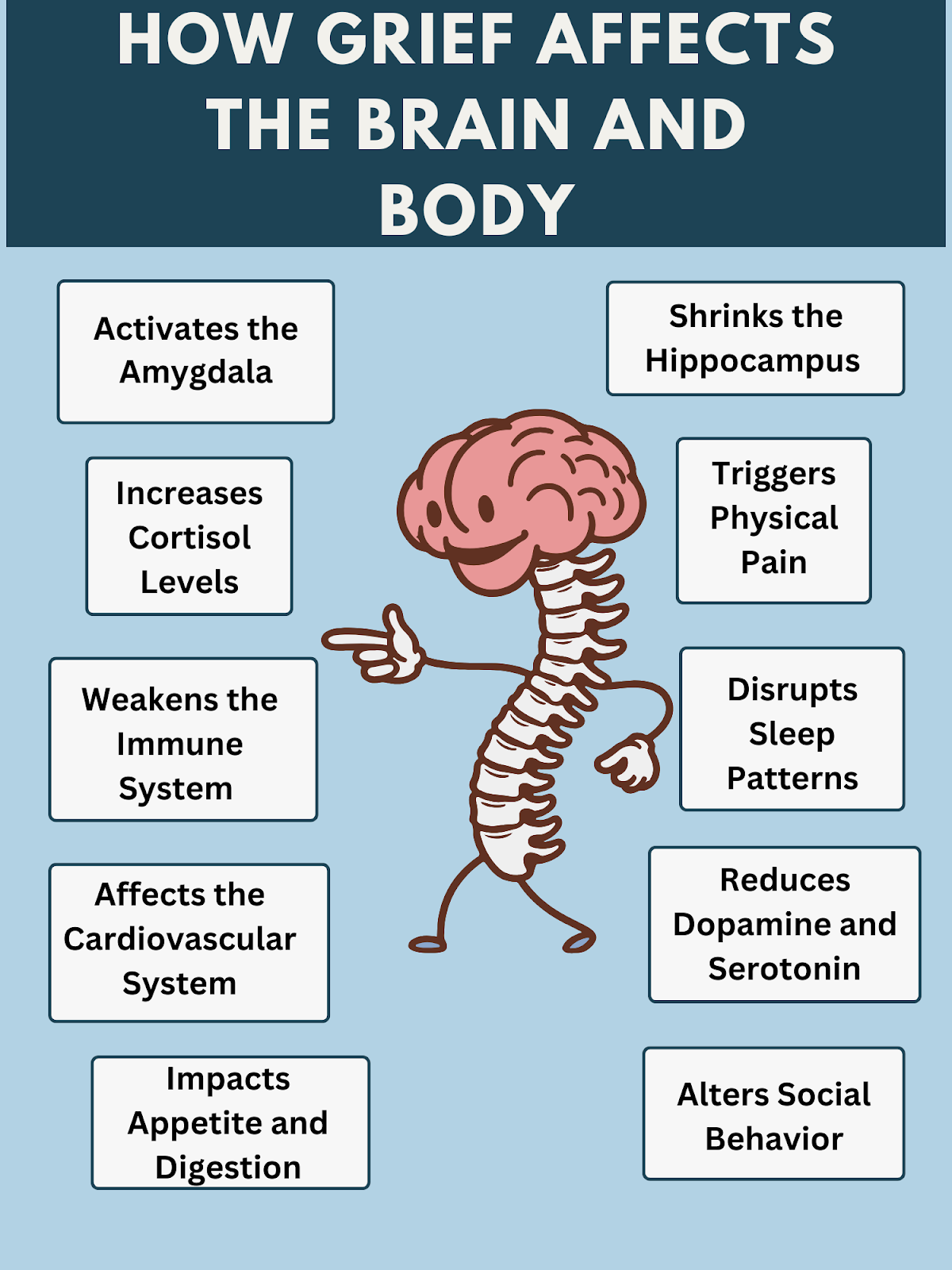
Silent grieving profoundly impacts both mental and physical health, creating a cascade of interconnected consequences. Research from Utrecht University reveals that unresolved grief increases the risk of depression by 40%, while also heightening susceptibility to chronic illnesses like hypertension and heart disease. This dual burden underscores the intricate mind-body connection in grief.
Physiologically, suppressed emotions elevate cortisol levels, a stress hormone linked to immune suppression and systemic inflammation. Over time, this can lead to conditions such as irritable bowel syndrome or even cardiovascular events. Psychologically, the absence of emotional release fosters rumination, a repetitive thought cycle that exacerbates anxiety and complicates recovery.
Grief, like a tightly coiled spring, stores energy that eventually manifests destructively. Addressing this requires integrating emotional expression into therapeutic practices, transforming silent suffering into pathways for healing.
Psychological Effects of Internalized Grief
Internalized grief operates as a covert disruptor, embedding itself within cognitive and emotional frameworks in ways that are both insidious and profound. One critical mechanism is rumination, a repetitive cycle of self-focused, negative thought that serves as a psychological avoidance strategy. While it may appear as introspection, rumination diverts attention from the painful reality of loss, creating a mental loop that amplifies distress rather than resolving it.
This dynamic is particularly evident in men, whose social conditioning often discourages emotional expression. Research by Dr. Margaret Stroebe highlights how rumination not only exacerbates depression but also impairs the brain's natural capacity to process grief, leading to prolonged psychological stagnation. The interplay between avoidance and rumination creates a feedback loop, where unacknowledged emotions intensify over time, manifesting as anxiety, irritability, or even physical symptoms like chronic fatigue.
"When men cannot name their pain, it morphs into a silent killer within."
— Dr. Neil Thompson, Sociologist
To counteract these effects, therapeutic interventions must prioritize emotional literacy, equipping men with tools to articulate their grief. Techniques such as guided journaling or narrative therapy can disrupt the rumination cycle, transforming internalized sorrow into a pathway for healing. This approach not only addresses the psychological toll but also fosters resilience by reframing vulnerability as a form of strength.
Physical Health Consequences
The physiological toll of silent grieving is both profound and insidious, often manifesting as chronic stress-related conditions. Elevated cortisol levels, a hallmark of prolonged emotional suppression, disrupt the body’s homeostasis, leading to systemic inflammation and weakened immune responses. Over time, this biochemical imbalance increases susceptibility to cardiovascular diseases, such as hypertension and arrhythmias, as well as metabolic disorders like diabetes.
A pivotal study by Utrecht University revealed that men who internalize grief are 30% more likely to develop stress-induced illnesses compared to those who engage in emotional expression. This disparity underscores the body’s role as an unintentional repository for unprocessed emotions. For instance, gastrointestinal issues, such as irritable bowel syndrome, frequently emerge as physical manifestations of unresolved sorrow.
"The body often speaks the pain the mind refuses to articulate."
— Dr. Neil Thompson, Sociologist
To mitigate these effects, integrative approaches combining somatic therapies with emotional counseling have shown promise. Techniques like biofeedback and mindfulness not only regulate physiological stress markers but also create pathways for emotional release, bridging the gap between silent suffering and holistic recovery.
FAQ
What are the psychological effects of quiet grief in men and how does it differ from traditional grieving processes?
Quiet grief in men often leads to psychological effects such as emotional suppression, heightened irritability, and persistent feelings of numbness. Unlike traditional grieving processes, which encourage emotional expression and communal support, men frequently internalize their pain due to societal norms equating vulnerability with weakness. This internalization can result in prolonged rumination, anxiety, and difficulty forming emotional connections. Additionally, the lack of emotional release may exacerbate mood disorders like depression. By understanding the unique interplay between societal expectations and individual coping mechanisms, mental health professionals can develop tailored interventions to address the silent psychological toll of grief in men.
How do societal expectations and masculine norms influence the way men experience and express grief?
Societal expectations and masculine norms shape men’s grief by promoting stoicism and discouraging emotional vulnerability. From a young age, men are socialized to suppress emotions like sadness, viewing them as incompatible with strength. This conditioning often leads to action-oriented coping mechanisms, such as overworking or engaging in high-risk behaviors, rather than open emotional expression. These norms also stigmatize seeking support, isolating men further during bereavement. The cultural emphasis on self-reliance and control not only delays emotional processing but also intensifies psychological distress, creating barriers to healing and perpetuating the silent struggle of grief in men.
What are the common physical health risks associated with unexpressed grief in men?
Unexpressed grief in men is linked to significant physical health risks, including elevated cortisol levels that contribute to systemic inflammation and weakened immune function. This physiological stress increases the likelihood of developing cardiovascular conditions such as hypertension and arrhythmias, as well as metabolic disorders like diabetes. Additionally, unresolved grief often manifests as chronic fatigue, gastrointestinal issues, and sleep disturbances. The prolonged suppression of emotions can exacerbate these conditions, creating a feedback loop of physical and emotional strain. Addressing these risks requires integrative approaches that combine emotional expression with physical health interventions to mitigate the long-term impacts of silent grief.
What strategies and therapeutic approaches can help men navigate the challenges of silent grieving?
Effective strategies for navigating silent grieving in men include fostering emotional expression through creative outlets like journaling or art, which provide non-verbal ways to process loss. Therapeutic approaches such as cognitive-behavioral therapy (CBT) and narrative therapy help men articulate their grief while challenging societal norms that equate vulnerability with weakness. Support groups tailored to male experiences offer communal validation, reducing isolation. Additionally, mindfulness practices and physical activities, such as yoga or exercise, can alleviate stress and promote emotional regulation. By integrating these methods, men can address the psychological and physical toll of grief, fostering resilience and holistic healing.
How can family members and friends support men dealing with quiet grief effectively?
Family members and friends can support men dealing with quiet grief by offering compassionate listening without judgment, creating a safe space for emotional expression. Practical assistance, such as helping with daily tasks or organizing memorial activities, can alleviate stress and provide indirect emotional support. Encouraging healthy coping mechanisms, like exercise or hobbies, helps channel grief constructively. Avoid pressuring men to verbalize their emotions; instead, use open-ended questions to foster dialogue. Connecting them with peer support groups or professional counseling can also provide tailored guidance. This multifaceted approach respects their grieving style while promoting emotional and psychological well-being.