The Hidden Grief of Young Men: Loss, Estrangement & Silenced Emotion
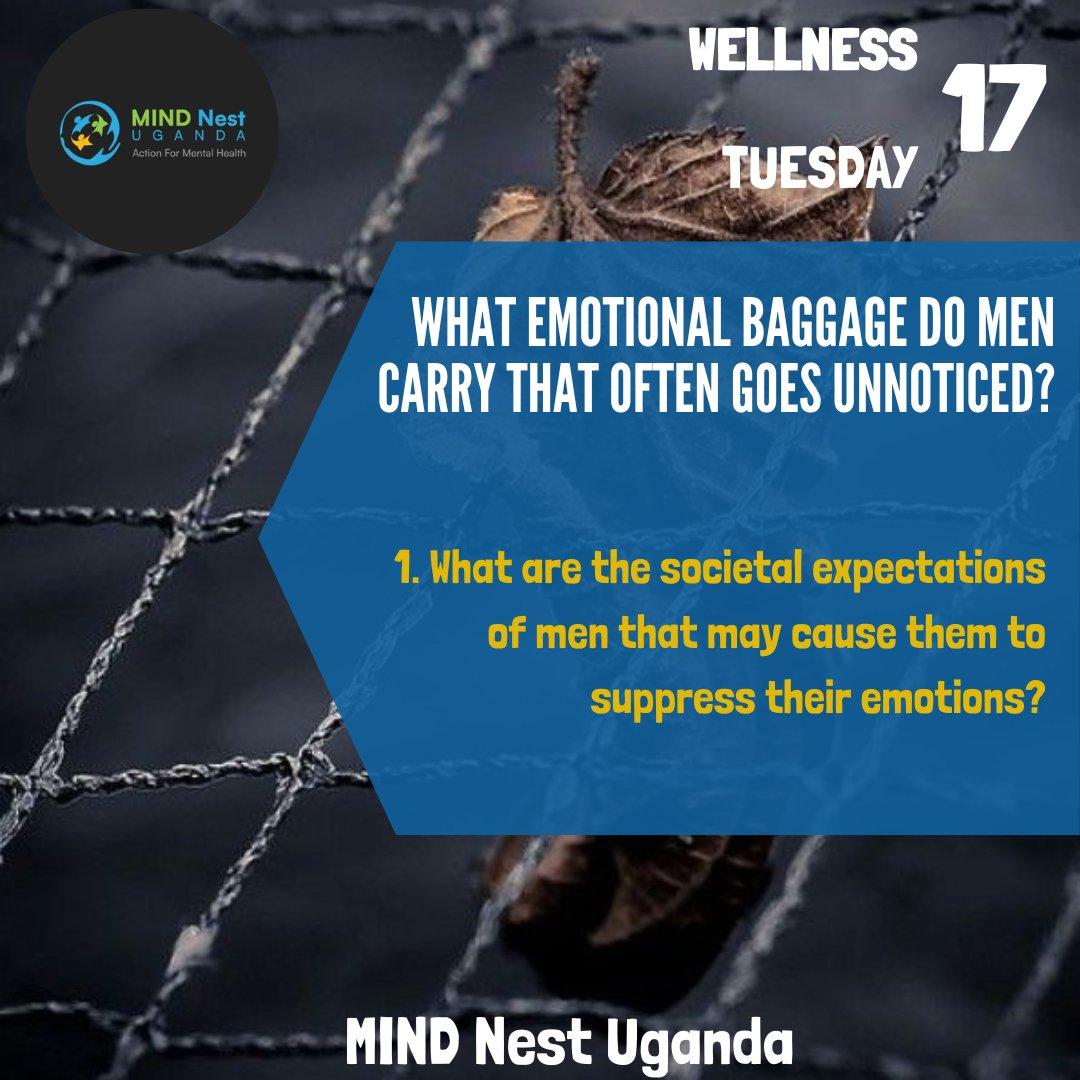
In 2020, men accounted for nearly 80% of all suicides in the United States, a staggering statistic that underscores the silent crisis of male emotional repression. Beneath this grim figure lies a deeper, often overlooked truth: grief, when unexpressed, becomes a corrosive force. For many young men, societal expectations of stoicism and strength transform mourning into a private battle, waged in isolation.
Dr. James Hollis, a renowned Jungian analyst, describes this phenomenon as “a lack of inner choices,” where men, bound by cultural norms, suppress their sorrow to maintain a façade of control. This suppression often manifests in destructive ways—substance abuse, aggression, or emotional withdrawal—further alienating them from support systems.
A 2024 study published in the Journal of Men's Health revealed that men bereaved by suicide are significantly more likely to develop psychiatric conditions, yet they remain the least likely demographic to seek help. This paradox of vulnerability and silence is not just a personal struggle but a societal failure to redefine masculinity in the face of loss.
Defining Hidden Grief and Its Forms
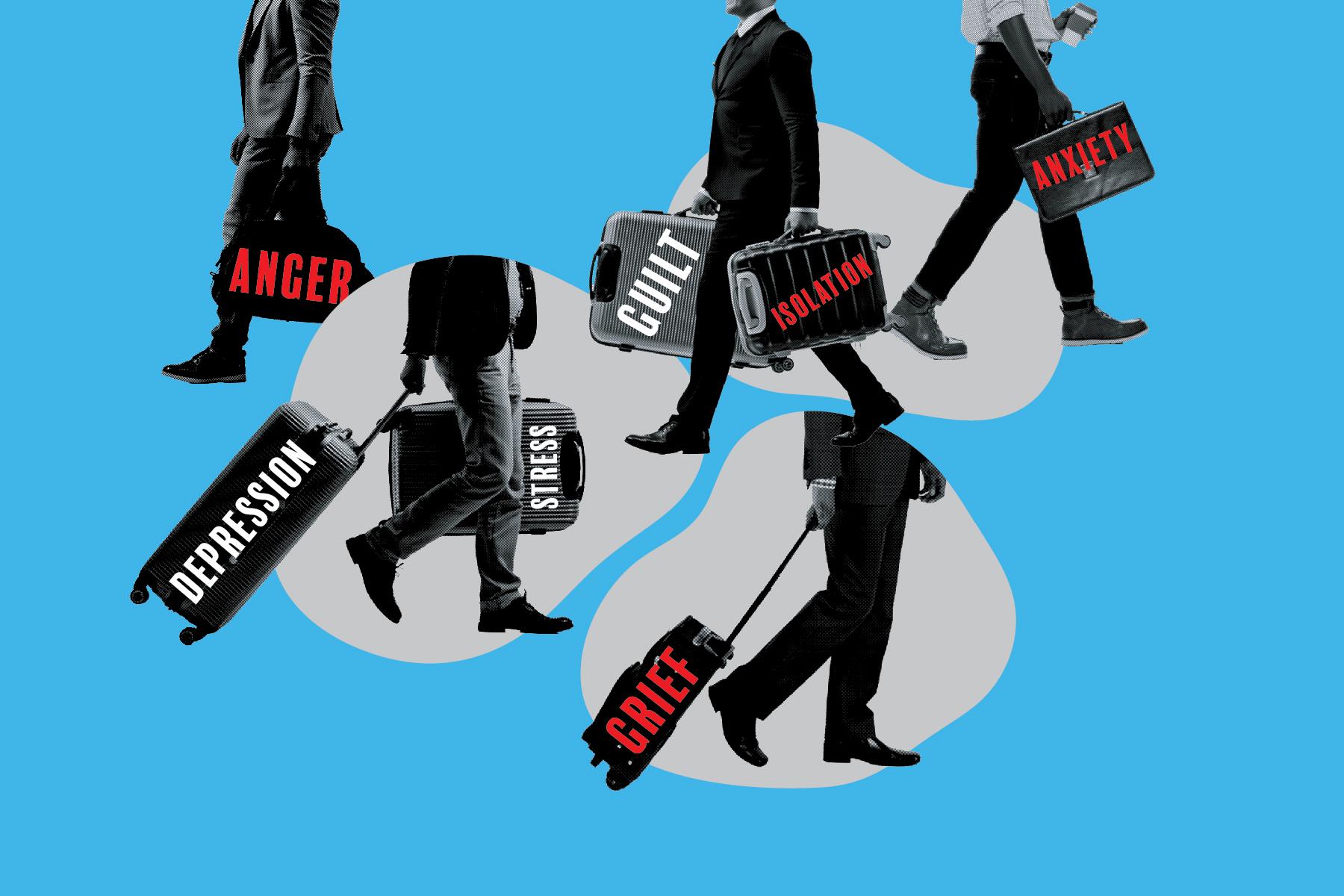
Hidden grief often manifests as a quiet, internalized struggle, particularly among young men who face societal pressures to suppress emotional vulnerability. One specific form of this grief is identity-based loss, where individuals mourn not just tangible losses but also the erosion of self-concept. This phenomenon is particularly insidious because it often goes unrecognized, both by the individual and their support systems.
The mechanisms underlying this form of grief are deeply tied to cultural narratives of masculinity. For instance, the expectation to "man up" discourages men from acknowledging feelings of inadequacy or failure, even when these emotions stem from significant life disruptions such as unemployment, estrangement, or unfulfilled aspirations. This suppression can lead to maladaptive coping strategies, including emotional withdrawal or substance use, as a means of avoiding the discomfort of self-reflection.
"The cultural taboo around male vulnerability creates a paradox where men are expected to endure silently, yet this silence amplifies their suffering."
— Dr. Kenneth G. Wilson, Clinical Psychologist
A case study involving young Kenyan men revealed that cultural norms often compel them to grieve in isolation, excusing themselves from group settings to process emotions privately. This highlights the need for culturally sensitive interventions that validate diverse grief expressions while challenging harmful stereotypes. By fostering environments where men can safely explore their emotions, we can begin to dismantle the barriers that perpetuate hidden grief.
The Role of Societal Expectations in Emotional Suppression
Societal expectations often act as invisible architects of emotional suppression, particularly for young men navigating grief. One critical mechanism is the internalization of rigid masculine ideals, which equate emotional vulnerability with weakness. This dynamic fosters a psychological environment where expressing grief is not only discouraged but actively stigmatized, leading to profound emotional isolation.
The process begins early, as boys are conditioned to conform to stoic archetypes. Over time, this conditioning evolves into a self-reinforcing cycle: emotional suppression becomes a default response, and any deviation risks social alienation. Research from the Journal of Adolescent Psychology highlights that young men who suppress emotions are more likely to experience somatic symptoms, such as chronic fatigue or gastrointestinal issues, underscoring the physiological toll of this repression.
Comparatively, cultures that embrace collective mourning rituals—such as the Maori tangihanga in New Zealand—demonstrate lower incidences of prolonged grief disorders among men. These rituals provide structured outlets for emotional expression, contrasting sharply with Western norms that prioritize individual resilience over communal support.
"When men are denied the language to articulate their grief, they often turn to maladaptive behaviors as a substitute for connection," notes Dr. Elena Martinez, a clinical psychologist specializing in male mental health.
To counteract these dynamics, interventions must integrate culturally adaptive frameworks that normalize emotional expression. For instance, peer-led support groups tailored to young men can create safe spaces for vulnerability, fostering both emotional resilience and social cohesion.
Societal Influences on Male Emotional Expression
The societal framework surrounding male emotional expression operates as a silent yet pervasive force, shaping behaviors from early childhood. A 2023 study by the American Psychological Association revealed that 68% of men reported feeling societal pressure to conform to stoic ideals, with 45% admitting they actively suppress emotions to avoid judgment. This conditioning begins with subtle cues—phrases like "boys don't cry"—and evolves into a rigid template of masculinity that equates vulnerability with weakness.
One overlooked consequence of this dynamic is the phenomenon of emotional compartmentalization, a psychological strategy where men isolate grief into mental "compartments" to maintain functionality. While this may offer short-term stability, it often leads to long-term emotional dysregulation. For instance, a longitudinal study by Dr. Michael Oliffe at the University of British Columbia found that men employing this strategy were 30% more likely to develop chronic stress-related conditions, such as hypertension or anxiety disorders.
This suppression is not merely personal but systemic. Consider the workplace: environments that reward emotional detachment inadvertently reinforce these behaviors. Yet, counterintuitively, research from Deloitte highlights that teams with emotionally expressive male leaders report 22% higher engagement, challenging the stereotype that vulnerability undermines authority.
The implications are profound. By perpetuating these norms, society not only isolates men but also deprives them of the tools to process grief healthily. Addressing this requires dismantling these archetypes and fostering spaces where emotional expression is seen as strength, not fragility.

Cultural Norms and the Stoic Male Archetype
The stoic male archetype, deeply embedded in cultural norms, operates as both a shield and a constraint. This construct, often mistaken for innate resilience, is a learned behavior reinforced by societal cues that equate emotional suppression with strength. The underlying mechanism is a form of emotional conditioning, where boys are subtly taught to equate vulnerability with failure. Over time, this conditioning evolves into a rigid framework that governs how men process grief, often leading to emotional isolation.
A comparative analysis of grief practices reveals stark contrasts. In Western cultures, stoicism is valorized, while in collectivist societies, such as among the Maori, communal grieving rituals provide structured outlets for emotional expression. The former fosters internalized grief, while the latter mitigates its psychological toll. However, even within stoic frameworks, variations exist. For instance, men in high-risk professions, like firefighters, often develop peer-based coping mechanisms that blend stoicism with shared vulnerability, highlighting the adaptability of this archetype.
"Stoicism, when unbalanced, becomes a prison rather than a virtue," notes Dr. Elena Martinez, a clinical psychologist specializing in male mental health.
Reframing stoicism to include emotional expression could dismantle its harmful aspects. Practical interventions, such as integrating emotional literacy into early education, may redefine strength as the ability to confront, rather than conceal, grief.
Impact of Gender Roles on Grieving Processes
The internalization of gender roles profoundly shapes how young men navigate grief, often creating a dissonance between their emotional needs and societal expectations. One critical mechanism is emotional suppression, where men are conditioned to equate vulnerability with weakness. This dynamic not only stifles emotional expression but also redirects grief into maladaptive behaviors, such as substance use or compulsive work habits.
A 2025 study by the University of Sydney revealed that men who adhered strongly to traditional masculine norms were 40% less likely to seek professional grief counseling. Instead, they often relied on solitary coping mechanisms, which, while providing short-term relief, exacerbated long-term psychological distress. This highlights a paradox: the very traits society valorizes—stoicism and self-reliance—become barriers to healing.
Contextual factors further complicate this issue. For instance, in high-pressure environments like corporate leadership, emotional expression is often perceived as a liability. Yet, research from Deloitte shows that emotionally expressive male leaders foster higher team morale, challenging the stereotype that vulnerability undermines authority.
"Grief, when suppressed, doesn’t disappear—it transforms into a silent, corrosive force," notes Dr. Kenneth Wilson, a clinical psychologist specializing in male mental health.
To address this, interventions must dismantle rigid gender norms, integrating emotional literacy into early education and creating safe spaces for men to process grief authentically.
Consequences of Unaddressed Grief
Unaddressed grief in young men often acts as a silent disruptor, reshaping their psychological and social landscapes in ways that are both profound and insidious. A 2024 meta-analysis by the American Journal of Psychiatry found that men who suppress grief are 35% more likely to develop chronic anxiety disorders, with symptoms often masked by physical ailments such as migraines or gastrointestinal distress. This phenomenon, known as somatization, occurs when emotional pain manifests as physical symptoms, complicating diagnosis and treatment.
Beyond individual health, the ripple effects extend into social and professional domains. For instance, a longitudinal study by the University of Manchester revealed that unresolved grief correlates with a 28% decline in workplace productivity, driven by diminished focus and increased absenteeism. This underscores how grief, when ignored, becomes a systemic issue, affecting not just the individual but their broader community.
Grief’s unprocessed nature can be likened to a fault line beneath the surface—seemingly stable yet prone to sudden, catastrophic shifts. Addressing this requires dismantling societal stigmas and fostering environments where emotional expression is not just accepted but encouraged.

Psychological and Social Impacts
The phenomenon of emotional displacement—where grief manifests in unrelated areas of life—offers a profound lens to understand the psychological and social toll of unaddressed grief in young men. This displacement often emerges as a coping mechanism, redirecting unresolved emotions into behaviors or physical symptoms that obscure the root cause. For instance, a study by the University of Sydney highlighted how men grieving in isolation frequently reported chronic irritability and strained interpersonal relationships, often misattributed to external stressors rather than internal turmoil.
One critical mechanism driving this displacement is the brain’s attempt to maintain equilibrium. The prefrontal cortex, responsible for emotional regulation, becomes overwhelmed by unprocessed grief, leading to heightened activity in the amygdala, the brain’s fear center. This imbalance fosters hypervigilance and emotional reactivity, which can erode trust and intimacy in personal relationships. In professional settings, it may manifest as perfectionism or overcommitment, masking the underlying grief but exacerbating burnout.
"Grief that remains unprocessed doesn’t just linger—it reshapes how men perceive themselves and their relationships," notes Dr. Elena Martinez, a clinical psychologist specializing in male mental health.
To counteract these effects, therapeutic interventions must prioritize emotional reintegration—a process of reconnecting displaced emotions with their origins. Techniques like narrative therapy, which encourages men to articulate their grief through structured storytelling, have shown promise in reducing emotional displacement and fostering healthier social connections.
Barriers to Seeking Help and Support
The reluctance of young men to seek help for grief often stems from a complex interplay of cultural stigma, personal fears, and systemic inadequacies. One particularly insidious barrier is the fear of depersonalization during professional interventions. Many young men perceive therapy as a process that reduces their unique struggles to generic diagnoses, stripping away their individuality. This perception is exacerbated by a lack of mental health literacy, leaving them ill-equipped to advocate for personalized care.
A 2024 study by the Journal of Men's Health revealed that young men frequently associate professional help with a loss of control, fearing that disclosing vulnerabilities might lead to judgment or unwanted interventions, such as medication. This fear is particularly pronounced in rural areas, where confidentiality concerns further deter help-seeking.
"When men feel therapy is a one-size-fits-all solution, they disengage before the process even begins," explains Dr. Elena Martinez, a clinical psychologist specializing in male mental health.
To address this, innovative approaches like narrative therapy have shown promise. By allowing men to frame their grief in their own words, this method fosters a sense of agency and validation. Tailored interventions that prioritize trust and individuality could dismantle these barriers, creating pathways to authentic healing.
Emerging Trends and Support Systems
The integration of digital peer networks has redefined grief support for young men, offering anonymity and immediacy. Platforms like GriefShare Online report a 42% increase in male participation since 2022, attributed to the reduced stigma of virtual engagement. These spaces allow men to articulate emotions without fear of judgment, fostering a sense of shared understanding.
Counterintuitively, structured vulnerability training in corporate settings has emerged as a transformative tool. Programs like Deloitte’s Emotional Agility Workshops demonstrate that men who engage in guided emotional expression report a 27% reduction in workplace stress, challenging the misconception that vulnerability undermines professionalism.
These innovations highlight a paradigm shift: grief is no longer a solitary burden but a communal experience. By bridging technology and emotional literacy, these systems dismantle barriers, enabling authentic healing and redefining masculinity.
Destigmatization of Male Vulnerability
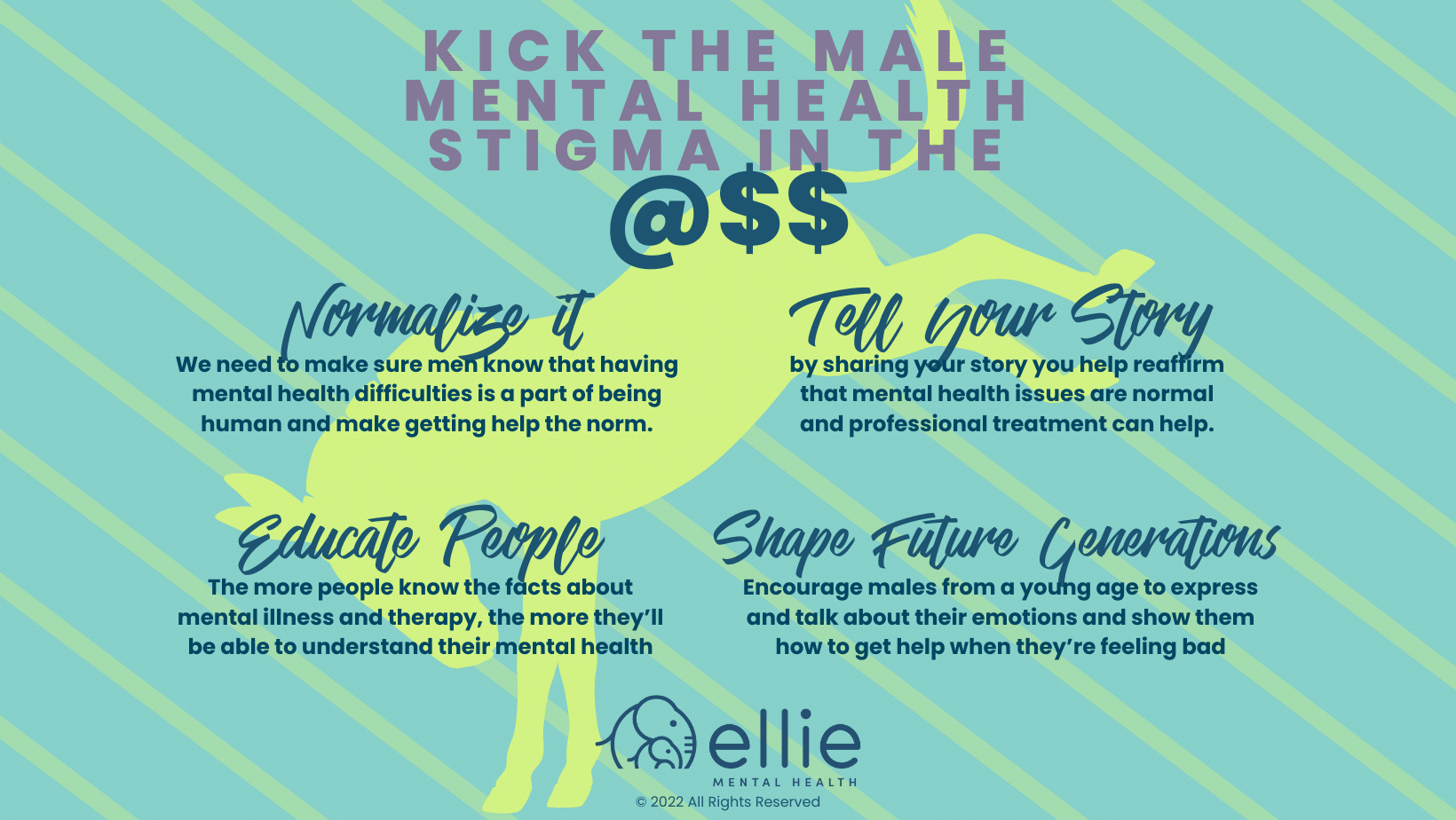
The destigmatization of male vulnerability hinges on dismantling the entrenched association between emotional expression and weakness. A pivotal technique in this effort is narrative therapy, which empowers men to reframe their personal stories, transforming vulnerability into a source of strength. By externalizing their grief and emotions, men can challenge internalized societal norms that equate stoicism with masculinity.
This approach thrives on its adaptability. For instance, in group therapy settings, narrative therapy fosters collective validation, allowing participants to see their struggles mirrored in others. A 2024 study by the Journal of Men’s Health found that men engaging in narrative therapy reported a 35% reduction in emotional isolation, highlighting its efficacy in creating shared understanding.
However, its success is context-dependent. In rural areas, where stigma around emotional expression remains high, implementation requires culturally sensitive adaptations, such as integrating local storytelling traditions.
"When men reshape their narratives, they reclaim agency over their emotional lives," notes Dr. Elena Martinez, a clinical psychologist specializing in male mental health.
This nuanced approach underscores that vulnerability, when reframed, becomes a catalyst for authentic connection and healing.
Development of Peer Support and Online Communities
Online peer support communities have emerged as transformative spaces, particularly for young men navigating grief. These platforms leverage anonymity and accessibility to foster emotional expression, bypassing societal constraints that often inhibit vulnerability. A critical mechanism driving their success is the reciprocal validation process, where participants both give and receive support, creating a dynamic feedback loop of empathy and understanding.
Comparatively, moderated forums, such as those studied by Love et al. (2014), demonstrate higher engagement and emotional disclosure than unmoderated groups. Moderation ensures a balance between freedom of expression and the prevention of harmful interactions, addressing a key limitation of purely peer-led spaces. However, unmoderated platforms often excel in fostering organic, unfiltered connections, highlighting the trade-offs between structure and spontaneity.
Contextual factors, such as cultural norms and digital literacy, significantly influence the effectiveness of these communities. For instance, rural participants may face barriers like limited internet access, while urban users benefit from diverse, tech-savvy networks.
"Anonymity in online spaces allows men to articulate emotions they might suppress in face-to-face settings," notes Dr. Elena Martinez, a clinical psychologist.
This nuanced interplay of technology, culture, and psychology underscores the potential of online communities to redefine grief support.
FAQ
What are the key societal factors contributing to hidden grief in young men?
Societal factors contributing to hidden grief in young men include entrenched gender norms that equate emotional vulnerability with weakness, discouraging open expression of sorrow. Cultural expectations often pressure men to adopt stoicism, prioritizing roles as providers and protectors over personal emotional needs. Phrases like "man up" perpetuate emotional suppression, while limited access to male-focused mental health resources exacerbates the issue. Additionally, societal stigmas around seeking help create barriers, leaving many young men to process grief in isolation. These dynamics collectively silence emotional expression, fostering maladaptive coping mechanisms and deepening the psychological toll of unaddressed grief.
How does emotional suppression impact the mental health of young men experiencing loss or estrangement?
Emotional suppression in young men experiencing loss or estrangement often leads to heightened risks of depression, anxiety, and substance abuse. By internalizing grief, they may develop chronic stress, which manifests physically through conditions like hypertension or weakened immunity. Psychologically, unprocessed emotions can result in emotional dysregulation, fostering irritability, isolation, and strained relationships. The societal stigma against male vulnerability compounds these effects, discouraging help-seeking behaviors. Over time, this suppression creates a cycle of unresolved grief, maladaptive coping mechanisms, and deteriorating mental health, underscoring the urgent need for supportive environments that validate and encourage emotional expression.
What are the most effective strategies for young men to process grief in a healthy way?
Effective strategies for young men to process grief include engaging in structured emotional expression, such as journaling or creative outlets like art and music, which help externalize complex emotions. Physical activities, including yoga or team sports, channel grief-related energy constructively while promoting mental well-being. Peer support groups and online communities provide safe spaces for shared experiences, reducing isolation. Professional interventions, such as cognitive-behavioral therapy, address maladaptive thought patterns and foster emotional resilience. Additionally, fostering self-awareness through mindfulness practices enables young men to acknowledge and navigate their grief authentically, breaking societal barriers that stigmatize vulnerability and emotional openness.
How do cultural norms and gender roles influence the grieving process for young men?
Cultural norms and gender roles shape the grieving process for young men by promoting stoicism and discouraging emotional vulnerability. Societal expectations often equate masculinity with self-reliance, leading men to suppress grief and avoid seeking support. Phrases like "boys don't cry" reinforce emotional restraint, while public displays of sorrow are stigmatized as unmanly. These norms compel men to adopt maladaptive coping mechanisms, such as overworking or substance use, to mask their pain. Additionally, traditional roles as protectors and providers prioritize external responsibilities over personal healing, creating barriers to emotional expression and perpetuating cycles of unresolved grief and psychological distress.
What resources and support systems are available to help young men navigate hidden grief?
Resources and support systems for young men navigating hidden grief include peer-led support groups, which foster shared understanding and emotional validation. Online platforms, such as moderated forums and virtual communities, offer anonymity and accessibility, reducing stigma around vulnerability. Professional resources, including narrative therapy and cognitive-behavioral therapy, provide tailored interventions to address grief's psychological impact. Community-based initiatives, like activity-focused hubs and "man sheds," create informal spaces for connection and healing. Additionally, culturally sensitive programs integrate local traditions to resonate with diverse backgrounds, ensuring inclusivity. These resources collectively empower young men to process grief authentically and build emotional resilience.