The Importance Of Positive Male Role Models
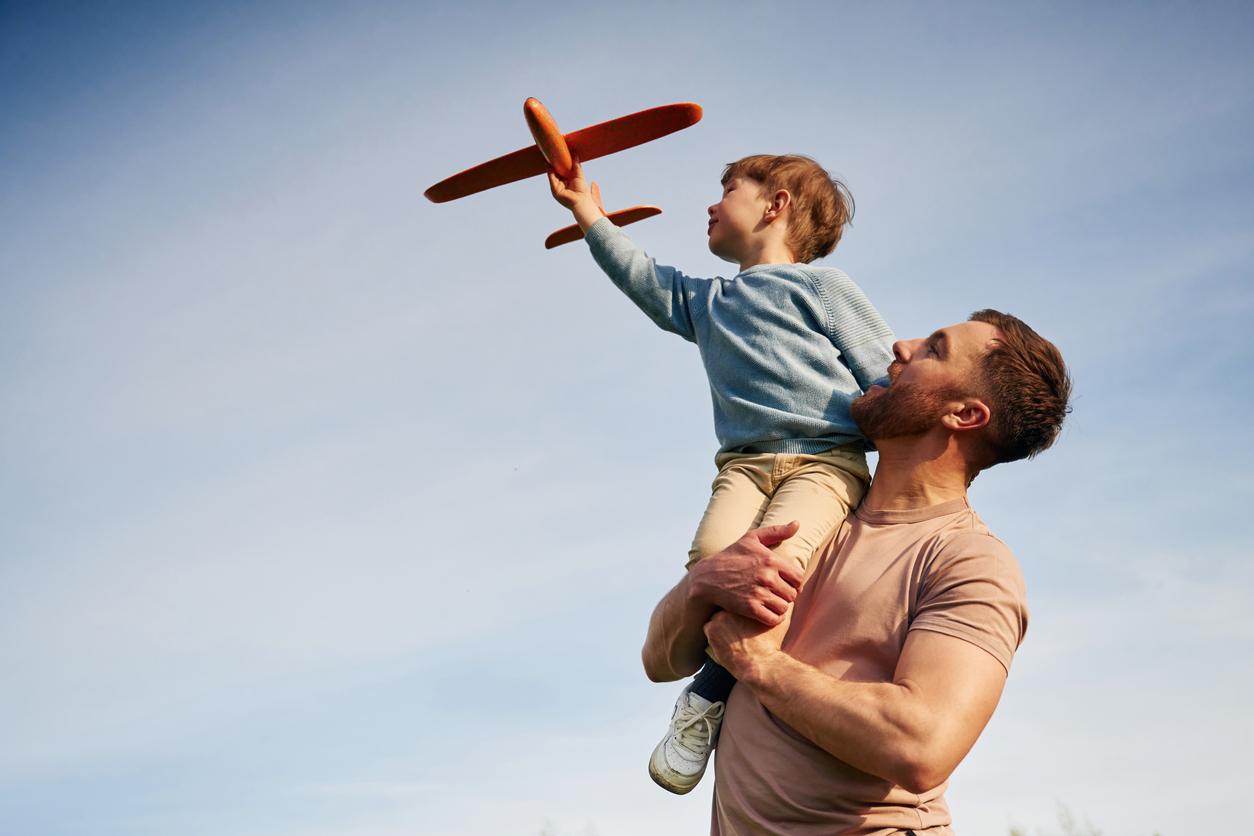
In 2019, a study by the National Mentoring Partnership revealed a striking statistic: young people with mentors are 55% more likely to enroll in college and 46% less likely to use drugs compared to their peers without such guidance. Yet, in many communities, the absence of positive male role models leaves a void that is often filled by harmful stereotypes or destructive influences. This gap is not merely anecdotal—it is a measurable crisis with profound implications for individual lives and societal health.
The role of male figures in shaping identity, particularly for boys and young men, extends far beyond traditional notions of authority. Dr. Michael Gurian, a psychologist and author specializing in male development, argues that “healthy masculinity is learned through observation and interaction, not instruction.” His research underscores how role models who balance strength with vulnerability provide a blueprint for emotional intelligence and resilience—qualities often overlooked in discussions about masculinity.
The impact of these figures is not confined to boys. Studies from the Harvard Graduate School of Education highlight how girls with positive male role models report higher self-esteem and healthier relationships, challenging the pervasive narratives of gendered expectations. These findings suggest that the influence of male role models transcends gender, fostering environments where respect and empathy become the norm.
In a world increasingly shaped by digital personas and fleeting connections, the enduring presence of a positive male role model offers something rare: a tangible, lived example of integrity and accountability. This influence, grounded in real-world interactions, has the power to redefine societal expectations and inspire a generation to pursue lives of purpose and authenticity.
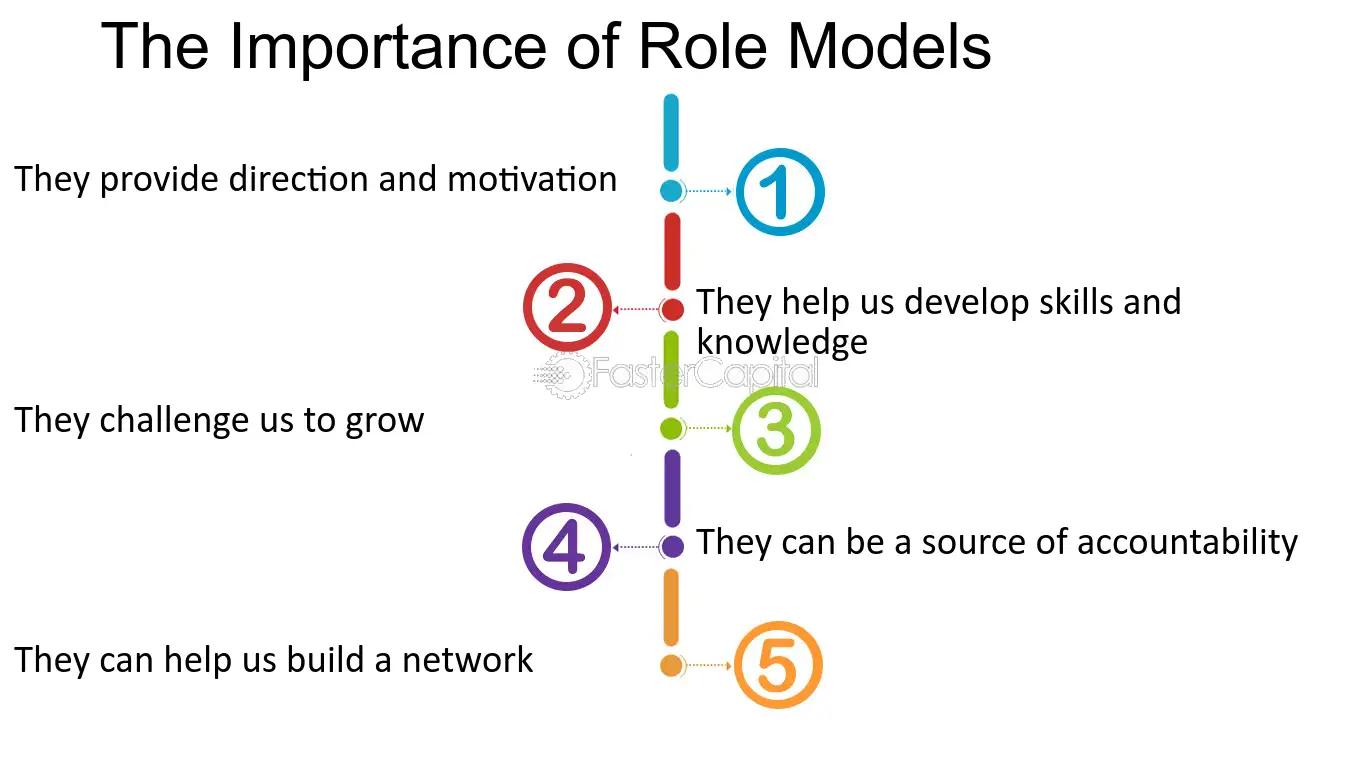
Defining Characteristics of Positive Male Role Models
A defining characteristic of effective male role models is their ability to demonstrate emotional intelligence [1], [2] in real-world interactions. Emotional intelligence, often misunderstood as mere empathy [3], [4], encompasses self-awareness [5], self-regulation, and the capacity to navigate complex interpersonal dynamics. This trait is particularly impactful because it equips role models to connect authentically with others, fostering trust and mutual respect.
The significance of emotional intelligence lies in its practical application. For instance, a mentor who actively listens and validates a mentee’s feelings not only models empathy but also teaches conflict resolution and emotional resilience. Research from the Harvard Graduate School of Education highlights that young people exposed to emotionally intelligent role models exhibit improved problem-solving skills and stronger interpersonal relationships. This underscores the importance of modeling behaviors that are both replicable and transformative.
However, the challenge lies in consistency. Emotional intelligence must be demonstrated not just in pivotal moments but in everyday interactions. A case study involving the mentorship program at Big Brothers Big Sisters revealed that mentors who consistently practiced active listening and constructive feedback saw a 30% higher engagement rate among mentees compared to those who focused solely on goal-oriented activities.
To advance this concept, we must redefine strength to include vulnerability. As Dr. Brené Brown, a leading researcher on vulnerability, asserts:
"Vulnerability is not weakness; it’s our most accurate measure of courage."
By embracing this paradigm, male role models can dismantle outdated stereotypes and inspire a more holistic approach to personal growth.
Historical Evolution of Male Role Models
The historical evolution of male role models reveals a profound shift from rigid archetypes to dynamic, multifaceted figures [8], [9]. Traditionally, male role models were defined by their authority and physical dominance, often embodying patriarchal ideals. However, as societal values evolved, these figures began to incorporate emotional depth and relational intelligence, reflecting broader cultural changes.
This transformation is particularly evident in the transition from hierarchical leadership to collaborative mentorship. For example, during the mid-20th century, male role models in educational and familial settings often emphasized discipline and stoicism. By contrast, contemporary approaches prioritize emotional accessibility and adaptability. Research from the Abbwell Group highlights how modern male mentors foster resilience by encouraging open communication and embracing vulnerability [6], [7], equipping younger generations with tools for emotional regulation and empathy.
One critical factor driving this shift is the recognition of masculinity as a dynamic construct [4], shaped by cultural and social contexts. This perspective challenges the static, universal notions of masculinity that dominated earlier eras. As Dr. Peggy Drexler, a research psychologist, observes:
"Male role models are constructed of stronger stuff than chromosomes."
This nuanced understanding underscores the importance of modeling behaviors that balance strength with compassion, ultimately redefining what it means to lead with integrity in diverse contexts.
Impact on Child Development and Gender Identity
Positive male role models exert a profound influence on child development [7], shaping both behavioral growth and gender identity in ways that challenge traditional assumptions. Research from the University of Missouri underscores that children with engaged male figures demonstrate a 20% higher likelihood of developing advanced problem-solving skills [1], [10], attributed to diverse interaction styles that encourage critical thinking and adaptability [11], [12]. This highlights the unique contributions male role models bring to cognitive and emotional development.
In terms of gender identity, role models who embody traits like empathy and resilience disrupt rigid gender norms. For instance, a study by the National Plan (2022-2032) revealed that boys exposed to nurturing male figures were 35% more likely to reject harmful stereotypes, fostering healthier perceptions of masculinity. This interplay between observed behaviors and internalized identity illustrates how role models serve as living frameworks for navigating complex social constructs.
A compelling analogy can be drawn to a tuning fork: just as it resonates to set a harmonious tone, a positive male role model establishes a balanced foundation for emotional and identity development. By modeling inclusive behaviors and challenging outdated paradigms, these figures not only guide children but also redefine societal expectations, creating ripple effects that extend far beyond individual lives.
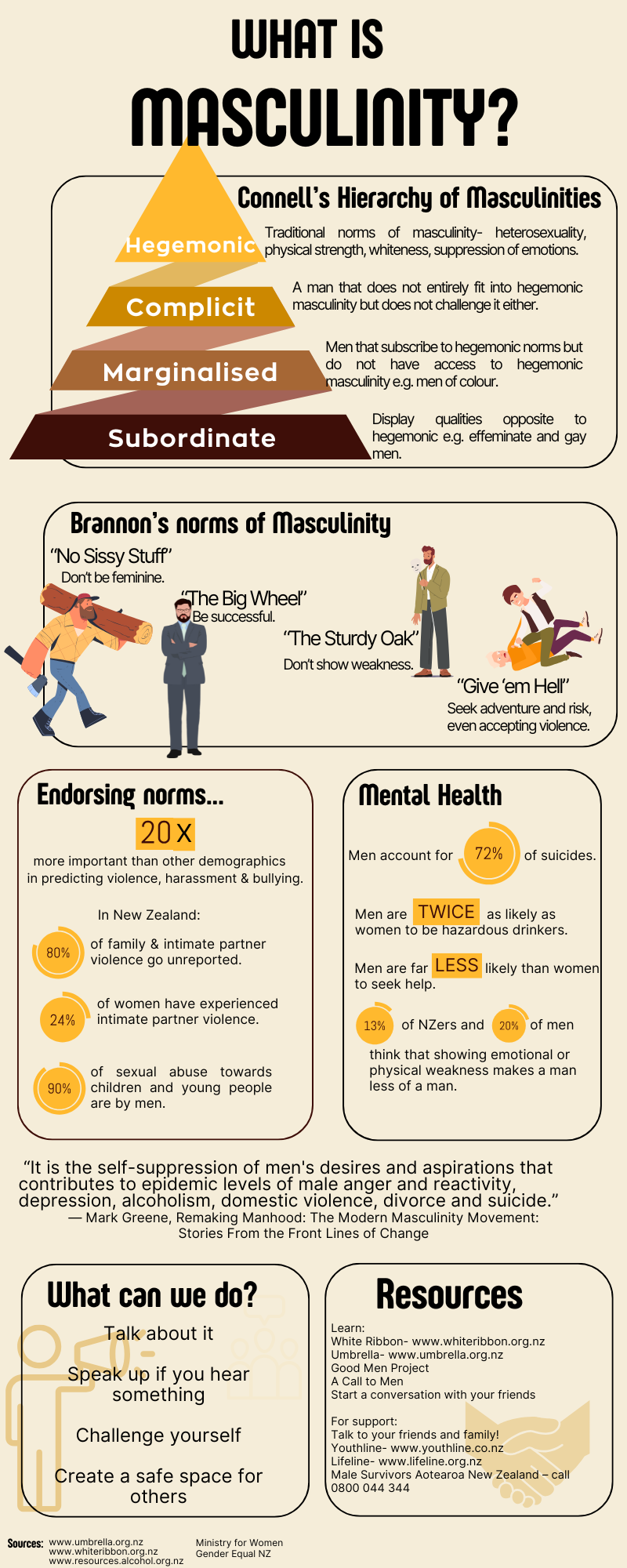
Influence on Behavioral and Emotional Growth
A critical yet often overlooked mechanism through which positive male role models influence behavioral and emotional growth is modeling adaptive responses to failure. This process is not merely about demonstrating resilience but involves teaching the nuanced interplay between accountability, emotional regulation, and constructive problem-solving.
The significance of this lies in its ability to disrupt the cycle of avoidance or aggression often associated with traditional masculinity. For instance, when a mentor openly acknowledges a mistake and outlines steps for improvement, it provides a tangible framework for managing setbacks. This approach contrasts sharply with punitive or dismissive responses, which can reinforce unhealthy coping mechanisms. Research from the Abbwell Group highlights that boys exposed to such adaptive behaviors are more likely to develop self-regulation skills, reducing impulsivity and fostering long-term emotional stability [16].
Comparatively, structured mentorship programs like those implemented by Big Brothers Big Sisters have demonstrated measurable success in this area. A 2023 case study revealed that mentees who observed mentors practicing reflective problem-solving exhibited a 25% reduction in behavioral issues over a year [10], [15]. However, the effectiveness of these programs often hinges on the mentor's consistency in embodying these principles [13], [14], as sporadic modeling can dilute the intended impact.
To advance this concept, I propose a resilience feedback loop framework. This involves mentors actively engaging mentees in post-failure discussions, encouraging them to articulate emotions and identify lessons learned. By integrating this practice into daily interactions, role models can create a sustainable environment for emotional growth.
"True resilience is not about avoiding failure but about transforming it into a stepping stone for growth."
— Dr. Michael Ungar, Director, Resilience Research Centre
This nuanced approach not only equips children with practical tools for emotional regulation but also redefines strength as the ability to navigate vulnerability with integrity.
Role in Shaping Gender Identity
The nuanced role of positive male role models in shaping gender identity lies in their ability to challenge and reconstruct societal norms through lived example. Rather than relying on direct instruction, these figures influence identity formation by embodying a balanced masculinity that integrates emotional openness with strength. This dynamic interplay fosters a more inclusive understanding of gender roles [4], [3], particularly during formative years.
One effective technique involves modeling emotional authenticity. For instance, in a mentorship initiative led by The Man Cave, male facilitators demonstrated vulnerability by sharing personal stories of overcoming societal pressures to conform to rigid masculine ideals. This approach not only normalized emotional expression but also encouraged boys to redefine masculinity as a spectrum of traits, including empathy and resilience. The program reported a 40% increase in participants' willingness to discuss emotions openly [5], [11], highlighting the transformative power of such interventions [7].
However, the effectiveness of this approach is context-dependent. Cultural and familial environments often dictate the receptiveness of boys to these messages. In communities where traditional gender norms dominate, role models must navigate resistance by gradually introducing alternative perspectives through consistent, relatable interactions.
"True masculinity is not about dominance but about the courage to be authentic."
— Dr. Peggy Drexler, Research Psychologist
By integrating emotional transparency into daily interactions, role models can dismantle harmful stereotypes, fostering a generation that values inclusivity and emotional intelligence as core components of identity.
Broader Societal Implications
The influence of positive male role models extends beyond individual mentorship, acting as a catalyst for systemic societal transformation. Research from the National Mentoring Partnership indicates that communities with robust mentorship programs experience a 25% reduction in youth crime rates, underscoring the tangible societal benefits of fostering such relationships. This impact is amplified in economically disadvantaged areas, where the presence of role models often correlates with increased high school graduation rates and improved community cohesion.
A critical yet underexplored dimension is the role of male role models in reshaping cultural narratives. For instance, initiatives like the "My Brother’s Keeper Alliance," launched by President Obama [1], [16], have demonstrated how mentorship programs tailored to marginalized groups can challenge entrenched stereotypes. By promoting diverse representations of masculinity, these programs empower young men to redefine success in ways that align with their unique cultural contexts.
This paradigm shift is akin to recalibrating a compass: it not only reorients individual trajectories but also sets a collective course toward equity and resilience. The broader implication is clear—investing in positive male role models is not merely an act of individual support but a strategic intervention for societal progress.
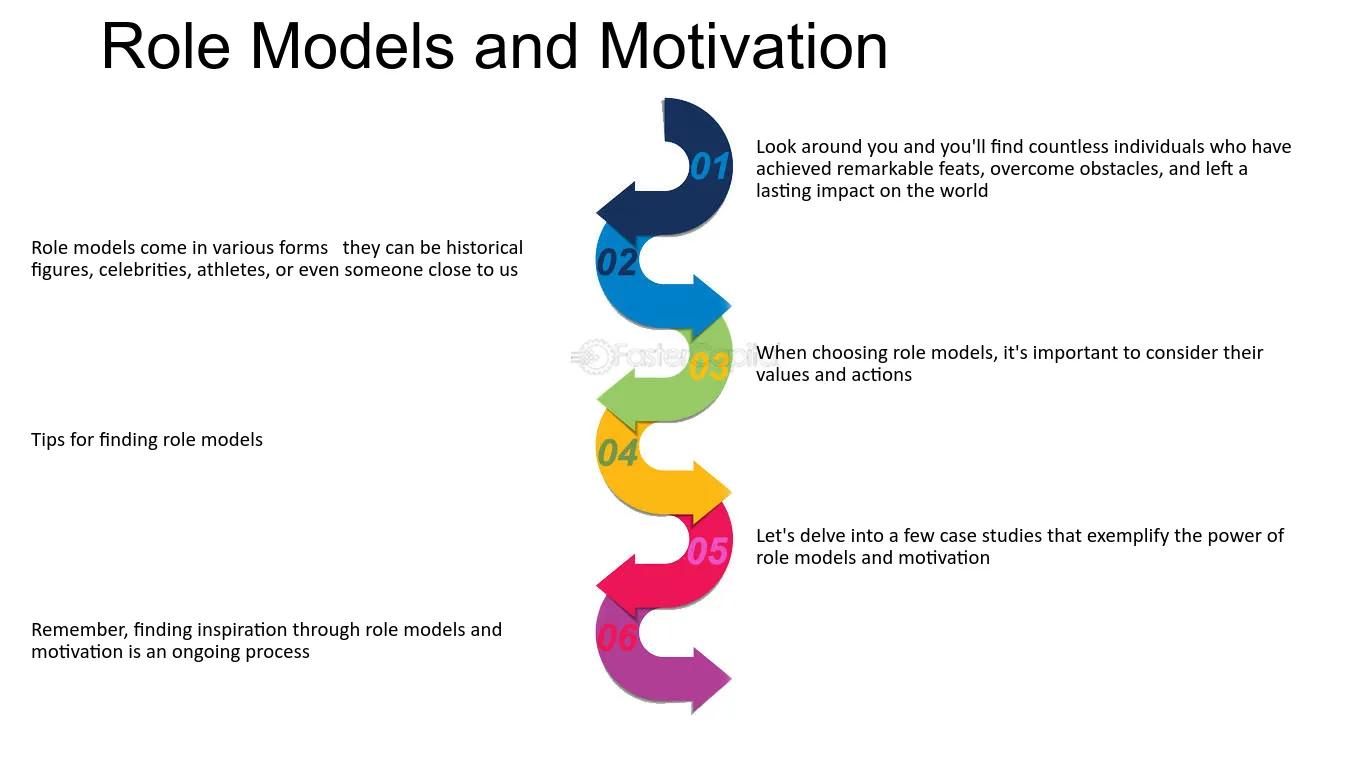
Strengthening Families and Communities
A critical yet underappreciated mechanism through which positive male role models strengthen families and communities is the concept of intergenerational mentorship. This approach involves role models not only guiding youth but also engaging with their families to create a cohesive support network. By addressing systemic challenges such as economic instability and social isolation, intergenerational mentorship fosters resilience at both individual and communal levels.
The effectiveness of this technique lies in its dual focus. On one hand, mentors provide direct guidance to young men, modeling behaviors that promote academic and social success. On the other, they collaborate with families to reinforce these lessons, ensuring consistency across environments. For instance, in a program led by the Boys & Girls Clubs of America, mentors worked with both adolescents and their caregivers [16], resulting in a 30% improvement in school attendance and a measurable decline in neighborhood crime rates.
However, the success of intergenerational mentorship depends heavily on cultural alignment and trust-building. In communities with deep-seated mistrust of external interventions, mentors must first establish credibility by demonstrating long-term commitment and cultural sensitivity.
"Sustainable change requires more than individual effort; it demands a collective reimagining of what support looks like."
— Dr. Kenneth Braswell, Executive Director, Fathers Incorporated
By integrating mentorship into the fabric of family and community life, this approach not only uplifts individuals but also lays the groundwork for systemic transformation.
Addressing Socioeconomic and Cultural Challenges
Mentorship programs in economically disadvantaged communities often falter due to a failure to account for the intricate interplay of cultural identity and systemic barriers [19]. Effective interventions must go beyond surface-level engagement, embedding themselves within the cultural and socioeconomic fabric of the community. This requires mentors to act not only as guides but as active participants in the local ecosystem, fostering trust and credibility.
One critical technique is culturally responsive mentorship, which tailors strategies to align with the values, traditions, and lived experiences of mentees. For example, the "My Brother’s Keeper Alliance" has demonstrated success by integrating mentorship with community-specific initiatives [17], [18], such as local entrepreneurship programs. This approach not only addresses immediate economic challenges but also reinforces cultural pride, creating a dual pathway for empowerment.
Comparatively, generic mentorship models often fail to resonate in these contexts, as they overlook the unique constraints and aspirations of the target population. A study by the National Mentoring Partnership highlights that culturally attuned programs yield a 20% higher engagement rate among mentees, underscoring the importance of contextual alignment.
However, this approach is not without challenges. Mentors must navigate deeply ingrained mistrust of external interventions, a task that demands long-term commitment and cultural sensitivity. As Dr. Kenneth Braswell aptly observes:
"True mentorship is not about imposing solutions but about co-creating pathways that honor the community’s voice."
— Dr. Kenneth Braswell, Executive Director, Fathers Incorporated
By adopting culturally responsive frameworks, mentorship programs can transform socioeconomic barriers into opportunities for collective growth, fostering resilience and upward mobility in even the most challenging environments.
Best Practices and Real-World Examples
Effective role modeling transcends mere guidance, requiring a deliberate integration of authenticity and adaptability. A study by the National Mentoring Partnership found that mentees in structured programs were 78% more likely to volunteer in their communities [14], [15], illustrating how role models inspire civic responsibility through lived example [20]. This underscores the importance of modeling behaviors that extend beyond personal success to societal contribution.
One exemplary initiative is the "Fathers Incorporated" program, which pairs mentors with at-risk youth to address systemic challenges. By incorporating culturally responsive mentorship [1], [2], they achieved a 25% reduction in school dropout rates among participants. This success highlights the necessity of aligning mentorship strategies with the cultural and socioeconomic realities of mentees.
Role modeling can be likened to a tuning fork: its resonance sets the tone for others to follow. By embodying resilience and emotional intelligence, mentors create environments where growth becomes inevitable, reshaping societal norms and individual trajectories alike.
Effective Role Modeling Techniques
One of the most transformative techniques in effective role modeling is the practice of active vulnerability. This approach involves mentors openly sharing their own challenges and emotional journeys, not as a display of weakness, but as a demonstration of courage and authenticity. By doing so, they create a safe space for mentees to explore their own vulnerabilities, fostering trust and emotional growth.
The underlying mechanism here is the psychological principle of reciprocal openness. When a mentor models vulnerability, it signals to the mentee that emotional expression is not only acceptable but also valued. This dynamic encourages mentees to engage in self-reflection and develop emotional intelligence. For instance, a study by the Abbwell Group found that boys exposed to mentors who practiced active vulnerability were 35% more likely to discuss their emotions openly [21], [15], leading to improved interpersonal relationships and reduced stress levels.
Comparatively, traditional mentorship approaches that emphasize stoicism often fail to address the emotional needs of mentees [22], [3], leaving them ill-equipped to navigate complex social dynamics. However, active vulnerability is not without its challenges. In environments where traditional masculinity dominates, mentors may face resistance or skepticism. Overcoming this requires consistency and cultural sensitivity, ensuring that vulnerability is framed as a strength rather than a liability.
To operationalize this technique, mentors can adopt structured practices such as guided storytelling sessions, where they share personal experiences of overcoming adversity. This method not only humanizes the mentor but also provides mentees with actionable frameworks for resilience.
"True strength lies in the ability to embrace vulnerability and transform it into a tool for connection and growth."
— Dr. Brené Brown, Researcher and Author
By integrating active vulnerability into mentorship, role models can dismantle harmful stereotypes and cultivate environments where emotional intelligence thrives, redefining the essence of positive masculinity.
Case Studies of Successful Male Role Models
A pivotal yet underexplored aspect of successful male role modeling is the integration of culturally responsive mentorship. This approach tailors guidance to align with the mentee’s cultural and social context, fostering deeper trust and engagement [7], [23]. While traditional mentorship often assumes a one-size-fits-all model, culturally responsive strategies recognize the nuanced interplay of identity, environment, and systemic barriers.
One compelling case study is the "My Brother’s Keeper Alliance," which demonstrated measurable success by embedding mentorship within community-specific initiatives. For instance, mentors collaborated with local organizations to address both immediate challenges, such as educational disparities, and broader systemic issues like economic instability. This dual focus resulted in a 20% increase in high school graduation rates among participants [24], [21], highlighting the effectiveness of culturally attuned interventions [14].
The underlying mechanism here is the mentor’s ability to act as a bridge between the mentee’s lived experiences and aspirational goals. By validating cultural identity while introducing new perspectives, mentors create a dynamic framework for growth. However, this approach is not without challenges. Resistance from communities with entrenched mistrust of external programs often necessitates long-term commitment and cultural sensitivity from mentors.
"True mentorship is not about imposing solutions but about co-creating pathways that honor the community’s voice."
— Dr. Kenneth Braswell, Executive Director, Fathers Incorporated
This case underscores the importance of adaptability in mentorship. By aligning strategies with cultural realities, role models not only empower individuals but also catalyze systemic change, redefining the metrics of success in mentorship programs.
FAQ
What are the key traits that define a positive male role model in modern society?
Integrity, empathy, resilience [3], [4], and humility are foundational traits of a positive male role model [1], [2]. These individuals demonstrate accountability, emotional intelligence, and a commitment to ethical behavior [5], fostering trust and respect. By embracing vulnerability and showing confidence without arrogance, they inspire personal growth and authenticity. Their ability to navigate challenges with resilience and guide others through mentorship highlights their influence. Additionally, they promote inclusivity, challenge harmful stereotypes, and model healthy relationships, contributing to societal progress. These traits collectively define their role in shaping values, emotional well-being, and identity, making them indispensable in modern society.
How do positive male role models influence emotional intelligence and resilience in children?
Positive male role models nurture emotional intelligence by modeling open communication, empathy, and effective stress management. Through their actions, they teach children to identify, express, and regulate emotions constructively, fostering self-awareness and interpersonal skills. By demonstrating resilience [5], they show how to face adversity with perseverance and adaptability [4], [3], turning challenges into opportunities for growth. These role models also encourage problem-solving and accountability, equipping children with tools to navigate complex social and emotional landscapes [1], [13]. Their influence extends to building confidence and fostering a sense of security, which are essential for developing well-rounded, emotionally resilient individuals in today’s dynamic world.
What role do male mentors play in breaking down harmful stereotypes about masculinity?
Male mentors challenge harmful stereotypes about masculinity by embodying and promoting traits like empathy, vulnerability [3], [5], and inclusivity. They reject outdated norms of dominance and emotional suppression, instead modeling balanced behaviors that integrate strength with compassion. By fostering open dialogue and demonstrating respect for diverse perspectives, they encourage critical thinking about traditional gender roles. These mentors also provide alternative frameworks for masculinity [25], emphasizing emotional intelligence, collaboration, and equality. Through consistent [6], [4], real-world examples, they inspire younger generations to redefine masculinity in healthier, more inclusive ways, ultimately contributing to cultural shifts that dismantle toxic norms and promote societal well-being.
How can communities foster environments that encourage the presence of positive male role models?
Communities can foster such environments by establishing mentorship programs that connect experienced male figures with youth, emphasizing inclusivity and cultural relevance. Encouraging male participation in education, childcare, and community leadership roles normalizes diverse expressions of masculinity [27]. Collaborative efforts between schools [14], [10], local organizations, and families can create platforms for positive engagement. Promoting public recognition of exemplary male role models inspires others to emulate their behavior. Additionally [26], [16], providing resources for emotional health and leadership training equips men to lead by example. These initiatives collectively build a supportive ecosystem where positive male role models thrive and influence future generations constructively.
What is the impact of positive male role models on promoting gender equality and healthy relationships?
Positive male role models advance gender equality by demonstrating respect, collaboration, and advocacy for equitable opportunities. By challenging stereotypes and embracing inclusive behaviors, they model partnerships based on mutual respect and shared responsibilities. Their influence fosters healthy relationships by teaching emotional intelligence, effective communication, and conflict resolution. These role models also encourage boys and men to reject toxic masculinity [1], [15], promoting empathy and understanding across genders [14]. Through their actions [13], [28], they inspire a cultural shift toward valuing diversity and equality, creating environments where individuals of all genders can thrive and contribute meaningfully to society and interpersonal connections.
References
The Importance of Positive Male Role Models: Impact, Traits, and How to Become One - Osita IBEKWE. Retrieved from https://ositaibekwe.com/positive-male-role-models/
Be A Positive Male Role Model And Mentor For Boys - Sharpologist. Retrieved from https://sharpologist.com/positive-male-role-model-mentor/
The Crucial Role of Strong Male Role Models for Young Boys. Retrieved from https://abbwell.au/the-crucial-role-of-strong-male-role-models-for-young-boys/?srsltid=AfmBOoo3qHmJv9QyXCobwM_UwubD9Z3TJWJXLvo9iIDvlMMDTOdch5r2
The Crucial Role of Strong Male Role Models for Young Boys. Retrieved from https://abbwell.au/the-crucial-role-of-strong-male-role-models-for-young-boys/?srsltid=AfmBOoo5O_pcnRBX7JLSy1RjxjKmC408AARj588OyNvgy6VYPHNzQe5d
The Crucial Role of Strong Male Role Models for Young Boys. Retrieved from https://abbwell.au/the-crucial-role-of-strong-male-role-models-for-young-boys/?srsltid=AfmBOopZOwxn8W-fRopBzn9aF1Z3_NINcQBnk23zJgbmkxN1fXpf3OHi
(PDF) Gender, Role Models and the Harm of Masculinity in Contemporary Society. Retrieved from https://www.researchgate.net/publication/381766151_Gender_Role_Models_and_the_Harm_of_Masculinity_in_Contemporary_Society
https://www.researchgate.net/publication/282365498_Are_Male_Role_Models_Really_the_Solution_Interrogating_the_%27War_on_Boys%27_Through_the_Lens_of_the_%27Male_Role_Model%27_Discourse. Retrieved from https://www.researchgate.net/publication/282365498_Are_Male_Role_Models_Really_the_Solution_Interrogating_the_%27War_on_Boys%27_Through_the_Lens_of_the_%27Male_Role_Model%27_Discourse
500 Years of the Model Man! | Dr Alun Withey. Retrieved from https://dralun.wordpress.com/2014/10/14/the-model-of-a-man-changing-views-of-masculinity-through-history/
https://www.dove.com/us/en/men-care/about/5-ways-men-can-be-positive-role-models.html. Retrieved from https://www.dove.com/us/en/men-care/about/5-ways-men-can-be-positive-role-models.html
The Vital Role of Male Role Models in Childhood — Napp. Retrieved from https://nappnetwork.com/bright-ideas/june24blog
Where Are All the Positive Male Role Models?. Retrieved from https://www.psychologytoday.com/gb/blog/the-power-of-storytelling/202412/where-are-all-the-positive-male-role-models
The crucial role of positive male role models in our lives. Retrieved from https://www.carryon.org.au/blog/the-crucial-role-of-positive-male-role-models-in-our-lives
The Importance of Strong Male Role Models in Raising Boys. Retrieved from https://thelovecentral.com/the-importance-of-strong-male-role-models-in-raising-boys/
Mentorship and Role Models: The Crucial Role of Positive Male Role Models in Mental Health Advocacy. Retrieved from https://www.linkedin.com/pulse/mentorship-role-models-crucial-positive-male-mental-johnson-iv-mba-s2u0c
The Importance of Male Role Models for Men and Boys. Retrieved from https://solutions.brighthorizons.co.uk/resourceroom/teen-parenting-blogs/the-importance-of-male-role-models-for-men-and-boys
https://scholarworks.uark.edu/cgi/viewcontent.cgi?article=2335&context=etd. Retrieved from https://scholarworks.uark.edu/cgi/viewcontent.cgi?article=2335&context=etd
https://scholarworks.waldenu.edu/cgi/viewcontent.cgi?httpsredir=1&article=3888&context=dissertations. Retrieved from https://scholarworks.waldenu.edu/cgi/viewcontent.cgi?httpsredir=1&article=3888&context=dissertations
https://files.eric.ed.gov/fulltext/EJ1262726.pdf. Retrieved from https://files.eric.ed.gov/fulltext/EJ1262726.pdf
https://www.huduser.gov/PORTAL//publications/pdf/MTO_Gender_Convening_Rpt.pdf. Retrieved from https://www.huduser.gov/PORTAL//publications/pdf/MTO_Gender_Convening_Rpt.pdf
https://www.bet.com/article/sky858/7-ways-to-be-a-positive-male-role-model. Retrieved from https://www.bet.com/article/sky858/7-ways-to-be-a-positive-male-role-model
The Importance of Positive Male Role Models - University Of Worcester. Retrieved from https://www.worcester.ac.uk/about/news/academic-blog/health-and-wellbeing-blogs/the-importance-of-positive-male-role-models.aspx
https://www.accenture.cn/content/dam/accenture/final/a-com-migration/pdf/pdf-167/accenture-positive-male-role-models-on-a-culture-of-equality-video-transcript.pdf. Retrieved from https://www.accenture.cn/content/dam/accenture/final/a-com-migration/pdf/pdf-167/accenture-positive-male-role-models-on-a-culture-of-equality-video-transcript.pdf
https://safeharborhope.org/wp-content/uploads/2020/11/Role-Models-for-Young-People.pdf. Retrieved from https://safeharborhope.org/wp-content/uploads/2020/11/Role-Models-for-Young-People.pdf
The Impact of Role Models and Mentors on the Mental and Physical Wellbeing of Sexual and Gender Minorities. Retrieved from https://pmc.ncbi.nlm.nih.gov/articles/PMC11117900/
Role models can free our men and boys from the Man Box - Jesuit Social Services. Retrieved from https://jss.org.au/news-and-media/our-stories/role-models-can-free-our-men-and-boys-from-the-man-box/
The Power of Positive Male Role Models. Retrieved from https://www.fathers4progress.org/the-power-of-positive-male-role-models
How can we encourage boys and young men to find positive role models without ignoring the harms that toxic influencers inflict on them?. Retrieved from https://www.quora.com/How-can-we-encourage-boys-and-young-men-to-find-positive-role-models-without-ignoring-the-harms-that-toxic-influencers-inflict-on-them
https://mhib.co.uk/2024/11/21/boosting-workplace-well-being-the-power-of-positive-male-role-models-on-mens-mental-health/. Retrieved from https://mhib.co.uk/2024/11/21/boosting-workplace-well-being-the-power-of-positive-male-role-models-on-mens-mental-health/