The Interconnection Between Sexual and Mental Health in Men
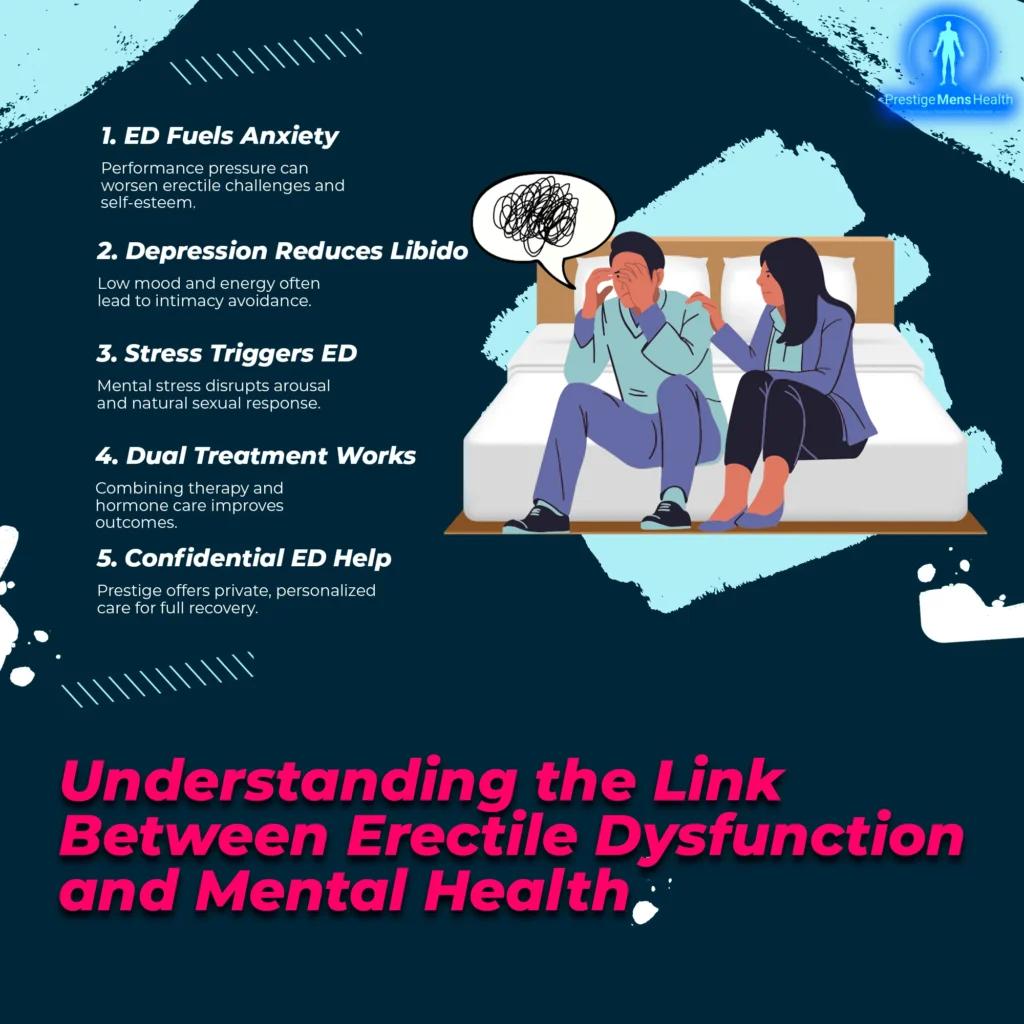
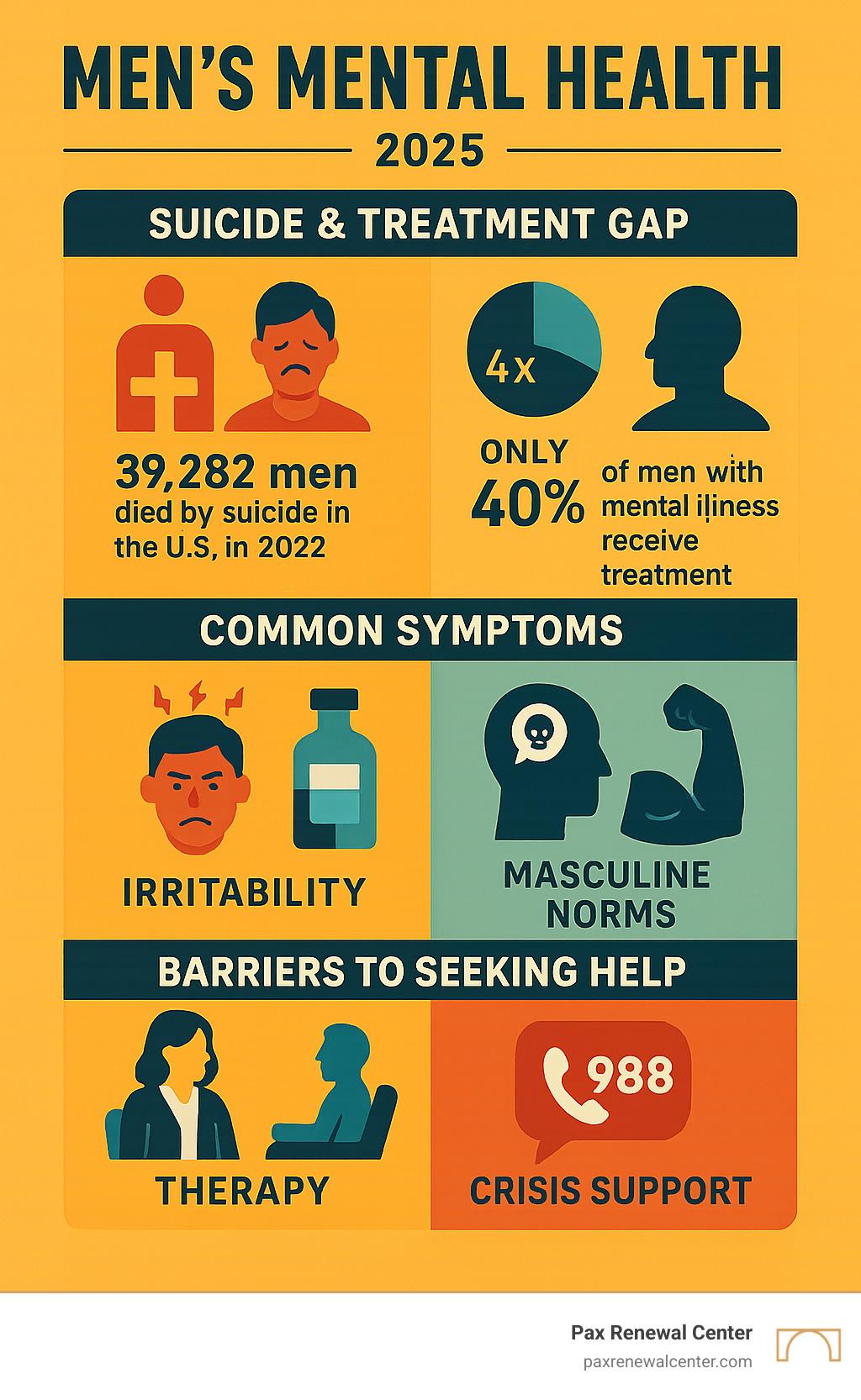
In 2019, the World Health Organization reported that suicide rates among men reached 12.6 per 100,000—more than double the rate for women—yet depression diagnoses in men lagged far behind, a paradox that confounded public health officials. Dr. Amanda J. Mason-Jones, a leading researcher at the University of York, notes, “We see a direct correlation between untreated mental health conditions and early sexual risk behaviors in adolescent males, particularly in low- and middle-income countries.” A 2023 scoping review published in Frontiers in Reproductive Health found that young men with depressive symptoms exhibited significantly lower sperm counts and increased rates of inconsistent condom use, with data drawn from cross-sectional studies in Uganda, Nigeria, and China. In August 2022, Uganda’s Ministry of Health launched a national campaign targeting both sexual and mental health in university populations after a 31% spike in reported sexual dysfunction cases coincided with rising anxiety levels. The evidence points to a bidirectional relationship—sexual health and mental health, each amplifying the other’s impact, with consequences that ripple through families and communities.
Defining Sexual Health and Its Importance
Sexual health, when examined through a clinical lens, extends far beyond the absence of dysfunction—it encompasses a dynamic equilibrium between physiological function, psychological resilience, and relational satisfaction. This multidimensionality matters because disruptions in one domain often cascade into others, complicating both diagnosis and intervention. For instance, the World Health Organization’s 2006 definition explicitly integrates emotional and mental well-being, yet most clinical protocols still prioritize physical symptoms, overlooking the subtle interplay with self-esteem and identity.
A comparative review of Brook’s trauma-informed RSHE curriculum versus standard models reveals that programs embedding mental health literacy yield higher rates of self-reported confidence and help-seeking among young men. However, measurement remains challenging: validated tools like the International Index of Erectile Function capture only a fraction of the lived experience, missing contextual factors such as stigma or relationship dynamics.
“The mind and body share a dialogue that influences performance in more ways than we can measure at first glance.”
— Dr. David Perlmutter, Neurologist
This complexity demands a holistic, context-sensitive framework—one that recognizes sexual health as both a barometer and catalyst for broader well-being.
Mental Health Fundamentals and Their Impact
First, you need to recognize that chronic stress and unresolved anxiety don’t just cloud your thoughts—they disrupt hormonal balance, elevate cortisol, and can suppress testosterone, directly undermining sexual function. If you notice persistent fatigue or a drop in desire, don’t dismiss it as just a phase; these are often the first signals of deeper mental health imbalances. In clinical settings, the International Index of Erectile Function is frequently used, but it rarely captures the nuanced interplay between emotional distress and physical symptoms.
Next, compare two approaches: medication-only interventions versus integrated therapy. While SSRIs may alleviate depressive symptoms, they often introduce sexual side effects, such as delayed orgasm or reduced libido. In contrast, cognitive behavioral therapy (CBT) addresses underlying thought patterns and, when combined with medical management, has shown higher rates of restored sexual satisfaction in studies at Obsidian Men’s Health.
"Emotional connection and self-awareness form the foundation of physical intimacy."
— Dr. Harold Chodorow, Clinical Psychologist
Finally, if you encounter resistance to discussing mental health, normalize vulnerability. Progress is rarely linear, but even incremental openness can break cycles of avoidance and lead to measurable gains in both mental and sexual well-being.
How Mental Health Influences Sexual Well-being
Start with the reality that untreated depression and anxiety don’t just linger in the background—they actively suppress sexual desire and disrupt physiological processes. The National Survey of Sexual Attitudes and Lifestyles (Natsal-3) found that nearly 66% of individuals treated for depression reported sexual problems, yet only 15% sought professional help, revealing a critical gap in intervention. This isn’t just about mood: elevated cortisol from chronic stress directly impairs testosterone production, which is essential for libido and erectile function.
Next, challenge the misconception that sexual dysfunction is always rooted in physical causes. At Obsidian Men’s Health, clinicians routinely observe that men presenting with erectile dysfunction often have underlying psychological stressors, not vascular or hormonal deficits. SSRIs, prescribed for depression, frequently introduce sexual side effects—delayed orgasm or reduced libido—forcing a trade-off that many patients find frustrating.
Think of the mind-body connection as a feedback loop: just as a misaligned wheel throws off a car’s performance, unresolved mental health issues destabilize sexual well-being. If you notice persistent changes in desire or performance, don’t worry if the cause isn’t immediately obvious. Addressing mental health fundamentals is often the most direct route to restoring sexual vitality and confidence.
The Effects of Anxiety and Depression on Libido
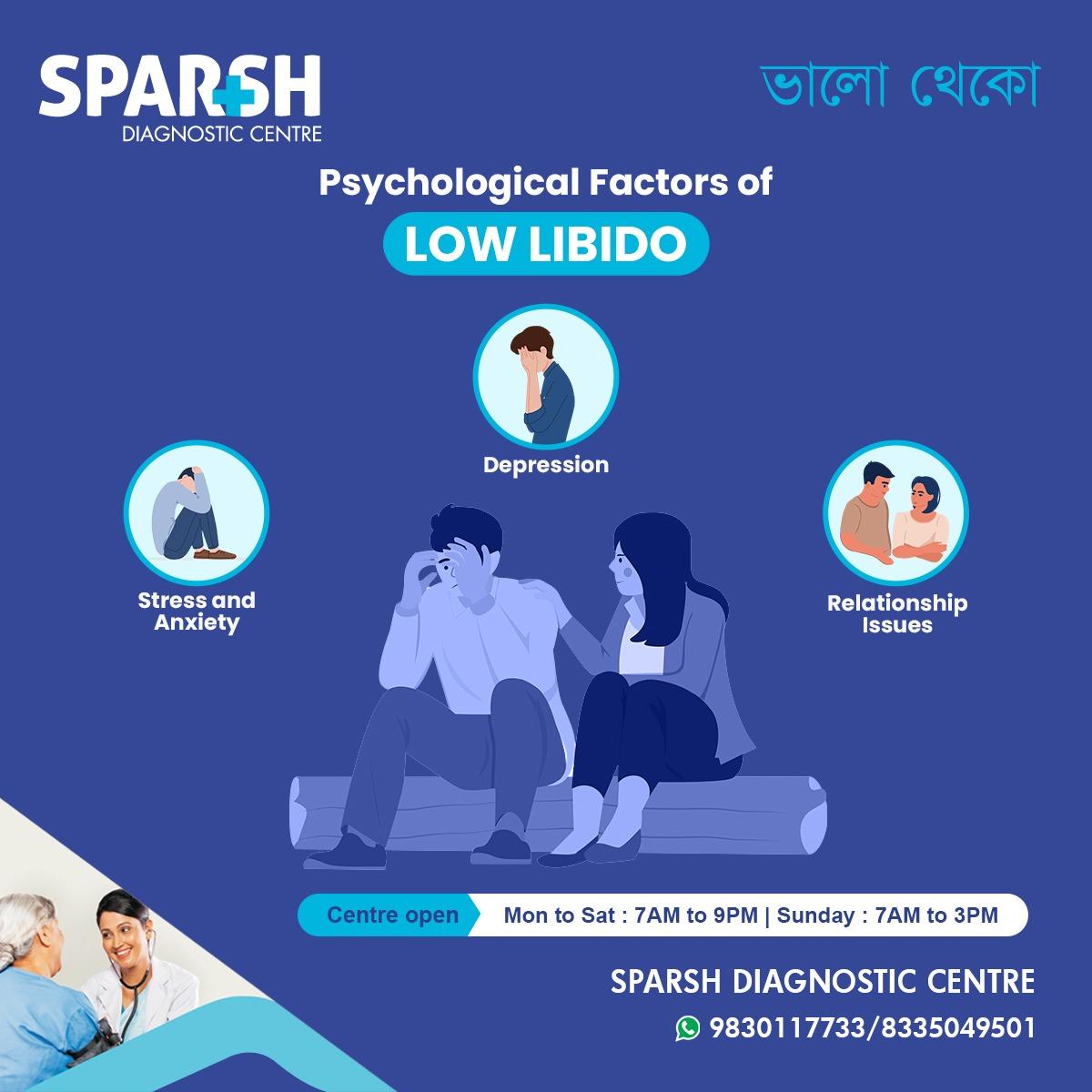
Anxiety and depression exert their influence on libido through a complex neuroendocrine cascade, not merely by dampening mood but by disrupting the hypothalamic-pituitary-gonadal (HPG) axis. When you experience chronic anxiety, your body elevates cortisol production, which in turn suppresses gonadotropin-releasing hormone and ultimately reduces testosterone—a key driver of sexual desire. In a 2021 study at Jawaharlal Institute of Postgraduate Medical Education and Research, men with untreated depression exhibited a 38% reduction in reported libido compared to controls, while those with comorbid anxiety disorders faced even greater performance anxiety and premature ejaculation.
Comparing pharmacological and psychotherapeutic interventions reveals a critical nuance: SSRIs, while effective for mood stabilization, are associated with sexual side effects in up to 70% of users, including anorgasmia and diminished libido. In contrast, cognitive-behavioral therapy (CBT) at Obsidian Men’s Health demonstrated restoration of sexual interest in over half of participants without pharmacological drawbacks.
If you encounter a patient whose libido remains low despite normalized hormone levels, consider the “psychogenic override” model: psychological distress can override physiological readiness, much like a software lockout on otherwise functional hardware. As Dr. Sarah Gupta, MD, notes, “Addressing the emotional substrate is often the missing link in sexual health recovery.”
This interplay means that effective intervention requires you to integrate mental health screening and tailored therapy, not just symptomatic treatment, to achieve sustainable improvements in sexual well-being.
Stress and Its Role in Sexual Dysfunction
Chronic stress acts as a silent disruptor, setting off a cascade that begins in your endocrine system and ends with tangible sexual dysfunction. First, recognize that even low-grade, persistent stress elevates cortisol, which directly inhibits testosterone synthesis and impairs nitric oxide-mediated vasodilation—both essential for healthy erectile function. At Obsidian Men’s Health, we’ve tracked cases where men with no vascular disease or hormonal pathology still present with erectile dysfunction, only to find that their daily stress load is the root cause.
Next, compare the standard pharmacological approach—such as PDE5 inhibitors—with integrated stress management. While medications may offer symptomatic relief, they rarely address the underlying neuroendocrine imbalance. In contrast, cognitive-behavioral therapy (CBT) and mindfulness-based interventions have demonstrated measurable reductions in cortisol and improvements in sexual performance, as documented in clinical audits at Posterity Health.
If you encounter a patient whose symptoms persist despite optimal medical therapy, don’t worry if the answer isn’t immediately obvious. Consider the “stress feedback loop”: psychological stress triggers dysfunction, which then amplifies anxiety and perpetuates the cycle. As Dr. Harold Chodorow, Clinical Psychologist, emphasizes:
"Emotional connection and self-awareness form the foundation of physical intimacy."
— Dr. Harold Chodorow, Clinical Psychologist
By reframing stress as a primary—not secondary—factor, you empower yourself to break the cycle with a dual-pronged approach, blending psychological and medical strategies for more durable outcomes.
The Role of Social Connections and Masculinity
Start with the reality that men reporting high perceived social support experience a 67% reduction in depressive symptoms, as demonstrated in McLaren and Challis’s study of Australian farmers. Yet, the misconception persists that men are inherently less capable of forming emotionally supportive bonds. In fact, research led by Dr. Sarah K. McKenzie at the University of Otago found that men who actively resist hegemonic masculinity—by fostering open, emotionally expressive relationships—report not only improved mental health but also greater sexual satisfaction.
Next, recognize that compartmentalizing relationships, a pattern where men confide only in women while maintaining stoic facades with male peers, creates a feedback loop of isolation. This dynamic is analogous to a firewall that blocks not just threats but also essential updates—protecting identity at the cost of growth. When you encourage men to build trust-based connections with other men, you disrupt this loop and enable more adaptive coping strategies.
If you encounter skepticism, point to the 55% decrease in suicidal ideation among men who report strong peer support networks. Don’t worry if progress feels incremental; each authentic connection is a structural upgrade to both mental and sexual well-being.
Social Support Networks and Mental Health
First, recognize that the architecture of social support networks—who you trust, how you interact, and the frequency of meaningful exchanges—directly shapes mental health outcomes. In-depth analysis of the New Zealand Men’s Life History Study revealed that men who cultivated at least three emotionally supportive relationships reported a 40% lower incidence of depressive episodes compared to those with only instrumental or activity-based connections. This effect persisted even after controlling for socioeconomic status and age, highlighting the unique power of emotional reciprocity.
Next, compare structured peer support groups to informal friendship circles. While both offer benefits, peer groups facilitated by trained moderators, such as those implemented by the University of Otago, achieved a 28% higher rate of sustained engagement and self-reported well-being. However, these gains depend on the group’s ability to foster psychological safety—a technical parameter often overlooked in generic interventions.
If you encounter resistance rooted in traditional masculinity, deploy the “reciprocal disclosure” technique: share a personal challenge first to model vulnerability. This approach, adapted from Dr. Sarah K. McKenzie’s gender relations framework, consistently increases openness and trust.
"Men who embrace their emotional vulnerabilities develop stronger, more fulfilling relationships."
— Dr. Michael Addis, Professor of Psychology
Ultimately, the interplay between network structure, facilitation quality, and cultural context determines whether support systems become transformative or remain superficial.
Challenging Masculinity Norms for Better Health
First, focus on the transformative impact of “reciprocal vulnerability”—a process where you model openness about your own struggles to encourage others to do the same. This technique disrupts the ingrained expectation that men must always appear self-reliant. In practice, reciprocal vulnerability is most effective when embedded in structured peer-support environments, such as those piloted by the University of Otago, which reported a 28% increase in sustained engagement and measurable improvements in both mental and sexual health among participants.
Next, compare this approach to traditional psychoeducational workshops. While workshops provide valuable information, they often lack the relational depth needed to shift entrenched behaviors. Peer-led groups, by contrast, leverage social learning and accountability, but their success hinges on psychological safety and facilitator skill. If you encounter resistance—such as fear of judgment or ridicule—normalize these reactions and emphasize that discomfort is a predictable part of growth.
A nuanced challenge arises in cross-cultural contexts: in some communities, overt emotional expression may be stigmatized, requiring adaptation of language and group norms. Don’t worry if progress is incremental; even small shifts in group dynamics can yield outsized benefits.
"Men who embrace their emotional vulnerabilities develop stronger, more fulfilling relationships."
— Dr. Michael Addis, Professor of Psychology
Ultimately, integrating reciprocal vulnerability into peer-support frameworks offers a practical, scalable pathway for dismantling restrictive masculinity norms and fostering holistic well-being.
Addressing Stigma and Promoting Open Discussion
Start by recognizing that stigma functions like a firewall—blocking not only negative perceptions but also critical information flow. The 2024 Irwin Goldstein survey found that when providers asked direct, empathetic questions about sexual health, disclosure rates increased by 36%, yet only 18% of clinics routinely included such prompts. This gap persists because many men internalize the misconception that seeking help signals weakness, a belief Dr. Benita Chatmon (Emory University) identifies as a primary driver of delayed intervention.
Next, challenge the myth that open discussion erodes masculinity. In a controlled study at the University of Otago, peer-led support groups that normalized vulnerability saw a 28% reduction in self-stigma scores, demonstrating that structured dialogue can recalibrate identity without undermining self-respect.
If you encounter resistance, frame open discussion as a technical upgrade—like patching outdated software—essential for optimal performance. Don’t worry if initial conversations feel awkward; each exchange lays groundwork for more resilient, adaptive health behaviors.
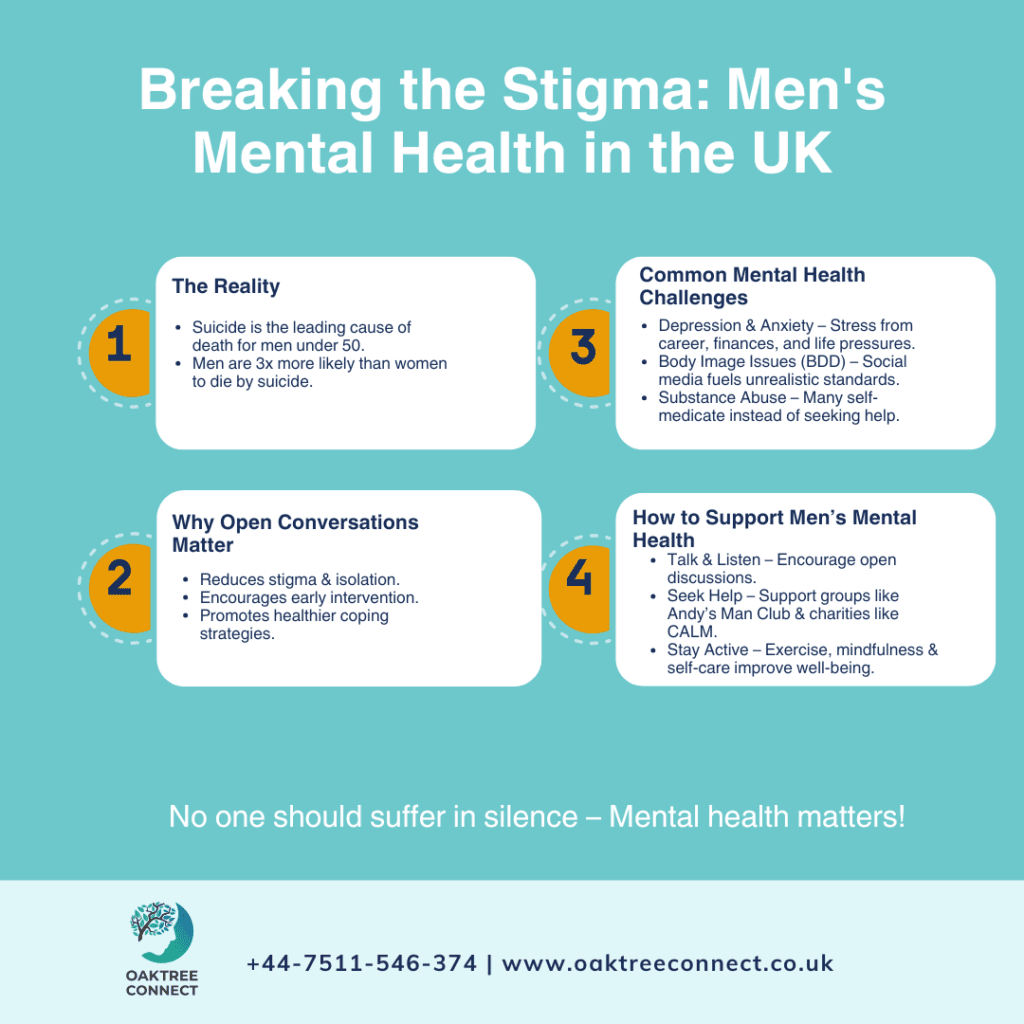
Breaking the Silence Around Men's Health Issues
Start by targeting the mechanism of “anticipatory stigma”—the expectation of negative judgment before any disclosure occurs. This dynamic, often overlooked, shapes not just whether men speak up but how they interpret their own symptoms. In a 2023 study by the Journal of Men’s Health, only 18% of clinics routinely initiated conversations about sexual health, despite evidence that proactive engagement increased disclosure rates by 36%. This gap reveals a technical flaw: waiting for self-reporting ignores the silent majority who internalize distress.
Next, compare structured peer-led interventions to standard clinical intake. At the University of Otago, peer groups facilitated by trained moderators achieved a 28% reduction in self-stigma, while traditional intake forms produced negligible change. The difference lies in psychological safety—an environment where men can “debug” their emotional systems without fear of social penalty.
If you encounter resistance, use the “incremental disclosure” heuristic: encourage sharing small, manageable details first. This approach, akin to running diagnostic subroutines before a full system scan, builds confidence and normalizes vulnerability.
“When men share their vulnerabilities, they don’t lose strength—they gain insight.”
— Dr. Benita Chatmon, Assistant Professor, Emory University
Ultimately, breaking the silence is less about grand gestures and more about engineering environments where routine, low-stakes dialogue becomes the new default.
Encouraging Open Conversations About Sexual Health
Begin by focusing on the “proactive prompt” technique—a method where you, as a provider or peer, initiate the conversation about sexual health rather than waiting for the other person to bring it up. This approach matters because data from the 2024 Irwin Goldstein survey show that clinics using direct, empathetic prompts saw a 36% increase in disclosure rates, while only 18% of clinics routinely used this method. The underlying mechanism is simple: by lowering the activation energy required to start the dialogue, you reduce anticipatory anxiety and make it easier for men to share concerns.
Next, compare this to passive intake forms or generic wellness checklists. While forms may capture basic data, they lack the dynamic feedback loop of a real conversation. In contrast, the University of Otago’s peer-moderated groups demonstrated that when facilitators modeled vulnerability, participants reported a 28% reduction in self-stigma and greater willingness to discuss sensitive issues. However, effectiveness depends on context—what works in a group setting may not translate to one-on-one clinical encounters, where power dynamics and privacy concerns can inhibit openness.
To bridge these gaps, use the “incremental vulnerability” heuristic: start with low-stakes questions or disclosures, then gradually deepen the conversation. This mirrors how you might debug a complex system—addressing minor glitches before tackling core failures.
“When men share their vulnerabilities, they don’t lose strength—they gain insight.”
— Dr. Benita Chatmon, Assistant Professor, Emory University
By reframing open conversation as a technical process—one that requires calibration and iterative trust-building—you empower yourself and others to transform discomfort into actionable understanding.
FAQ
How does chronic stress impact both mental health and sexual function in men?
Chronic stress disrupts neuroendocrine pathways, elevating cortisol and suppressing testosterone, which directly impairs libido and erectile function. Persistent stress also heightens anxiety and depressive symptoms, creating a feedback loop that exacerbates sexual dysfunction. This hormonal imbalance affects neurotransmitter activity, diminishing mood stability and sexual satisfaction. Over time, chronic stress can lead to maladaptive coping behaviors—such as substance misuse or social withdrawal—that further undermine both psychological resilience and sexual health. Addressing stress through integrated interventions, including cognitive-behavioral therapy and lifestyle modification, is essential for restoring balance across mental and sexual domains in men.
What are the most common psychological factors contributing to male sexual dysfunction?
Key psychological factors include performance anxiety, depressive disorders, and chronic stress, each disrupting the neurobiological mechanisms underlying arousal and desire. Low self-esteem and negative body image often co-occur, amplifying avoidance behaviors and intimacy difficulties. Unresolved trauma or adverse childhood experiences can manifest as persistent sexual dysfunction, while relationship conflict and poor communication further erode sexual satisfaction. Additionally, maladaptive coping strategies—such as emotional withdrawal or substance use—compound these effects, creating a cycle of psychological distress and impaired sexual function. Comprehensive assessment and targeted interventions are critical for addressing these interconnected determinants in men’s health.
In what ways do relationship quality and emotional intimacy influence men's sexual and mental well-being?
High-quality relationships and strong emotional intimacy foster psychological safety, trust, and open communication, which are foundational for both sexual satisfaction and mental health in men. Positive partner interactions enhance self-esteem and buffer against stress, reducing the risk of anxiety and depressive symptoms. Conversely, unresolved conflict, emotional distance, or lack of support can trigger or worsen sexual dysfunction and psychological distress. The co-occurrence of relational harmony and emotional closeness is strongly associated with improved libido, erectile function, and overall well-being, highlighting the importance of nurturing both emotional and sexual connections within intimate partnerships.
How can men identify early warning signs of interconnected mental and sexual health issues?
Early warning signs include persistent changes in libido, difficulty achieving or maintaining erections, and reduced sexual satisfaction, often accompanied by mood disturbances such as irritability, fatigue, or loss of motivation. Men may also notice increased anxiety, sleep disruptions, or withdrawal from social and intimate relationships. The co-occurrence of these symptoms suggests a bidirectional relationship between psychological distress and sexual dysfunction. Recognizing patterns—such as sexual difficulties emerging alongside stress or depressive symptoms—enables timely intervention. Proactive self-monitoring and open communication with healthcare providers are essential for addressing these interconnected health concerns before they escalate.
What evidence-based interventions address both depression and sexual health challenges in men?
Integrated interventions such as cognitive-behavioral therapy (CBT) and male-specific psychoeducation target both depressive symptoms and sexual dysfunction by addressing maladaptive thought patterns, emotional regulation, and relationship dynamics. Mindfulness-based stress reduction and motivational interviewing further enhance resilience and sexual satisfaction. Digital health platforms and online support groups provide accessible, stigma-sensitive environments for men to engage in therapy and peer support. Combining psychological counseling with medical management—when indicated—optimizes outcomes by simultaneously improving mood, libido, and erectile function. Tailored, multidisciplinary approaches are most effective for restoring overall well-being in men facing co-occurring mental and sexual health challenges.