The Manosphere
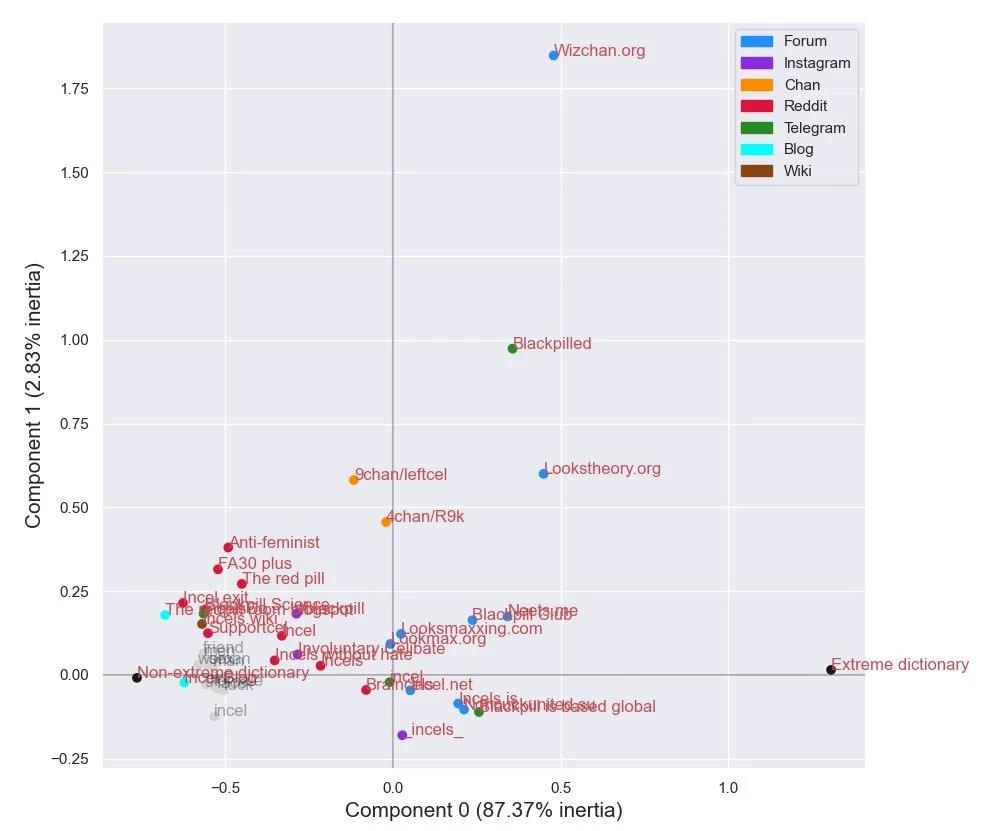
In 2024, researchers analyzing 28.8 million posts across 51 subreddits and six forums uncovered a striking trend: the once-dominant voices of Men’s Rights Activists (MRAs) and Pick-Up Artists (PUAs) were being eclipsed by the more extreme rhetoric of Incels and Men Going Their Own Way (MGTOW). This shift, documented in a study led by Manoel Horta Ribeiro at EPFL, revealed not only a migration of users but also an intensification of misogynistic and violent ideologies within these online spaces.
The manosphere, a loosely connected network of digital communities, thrives on narratives of male victimhood and opposition to feminism. Its subgroups, while distinct, share a unifying belief in a societal order that they perceive as hostile to men. Debbie Ging, a scholar of digital media, describes these groups as “emotional communities,” where shared grievances and frustrations foster a sense of belonging—and, increasingly, radicalization.
This evolution underscores the manosphere’s growing influence, both online and offline, as it reshapes conversations around gender, power, and identity.
Origins and Evolution
The manosphere’s origins trace back to the Men’s Liberation Movement of the 1960s and 70s, which critiqued traditional male roles as restrictive. Over time, this movement splintered, with some factions adopting a more adversarial stance toward feminism. This historical trajectory is crucial to understanding the manosphere’s evolution into a digital ecosystem that amplifies grievances through algorithmic reinforcement and networked communities.
One key mechanism driving this evolution is the manosphere’s strategic use of digital platforms to create echo chambers. By leveraging recommendation algorithms, these communities ensure that users are exposed to increasingly extreme content, fostering ideological entrenchment. A comparative analysis of older forums versus modern platforms reveals a stark contrast: while early spaces focused on dialogue, contemporary platforms prioritize virality, often at the expense of nuance.
"The manosphere’s digital infrastructure is designed to reward engagement, not reflection, which accelerates radicalization."
— Dr. Mariel J. Barnes, Political Scientist
However, this evolution is not without limitations. The reliance on algorithmic amplification makes these communities vulnerable to deplatforming, which disrupts their networks but also drives them to more insular, fringe platforms. This dynamic underscores the manosphere’s adaptability, as it continuously evolves to exploit new digital frontiers.
Core Ideologies and Beliefs
A defining feature of the manosphere is its reliance on the concept of "biological determinism" to justify traditional gender roles. This belief posits that inherent biological differences between men and women should dictate societal roles, with masculinity framed as naturally dominant and femininity as subordinate. While this perspective is often dismissed as regressive, its appeal lies in its ability to provide a sense of order amidst perceived societal chaos.
The manosphere operationalizes this ideology through discursive strategies that blend pseudoscience with anecdotal evidence. For instance, forums frequently cite evolutionary psychology to argue that modern feminism disrupts "natural" hierarchies. This selective use of scientific language lends an air of legitimacy to their claims, even as it oversimplifies complex social dynamics.
"The manosphere’s rhetoric thrives on the veneer of scientific credibility, which masks its ideological underpinnings."
— Dr. Zhen Troy Chen, Media Studies Scholar
However, this framework faces significant limitations. It fails to account for cultural and historical variations in gender roles, undermining its universality. Moreover, its rigid binaries leave little room for individual agency, alienating potential allies. Understanding these nuances is crucial for developing counter-narratives that challenge the manosphere’s reductive worldview while addressing the underlying insecurities it exploits.
Key Subgroups within the Manosphere
The manosphere is not a monolith but a network of distinct yet interconnected subgroups, each reflecting unique responses to perceived societal shifts. These subgroups—Men’s Rights Activists (MRAs), Pick-Up Artists (PUAs), Men Going Their Own Way (MGTOW), and Involuntary Celibates (Incels)—offer a fragmented yet cohesive lens into the broader narrative of male discontent.
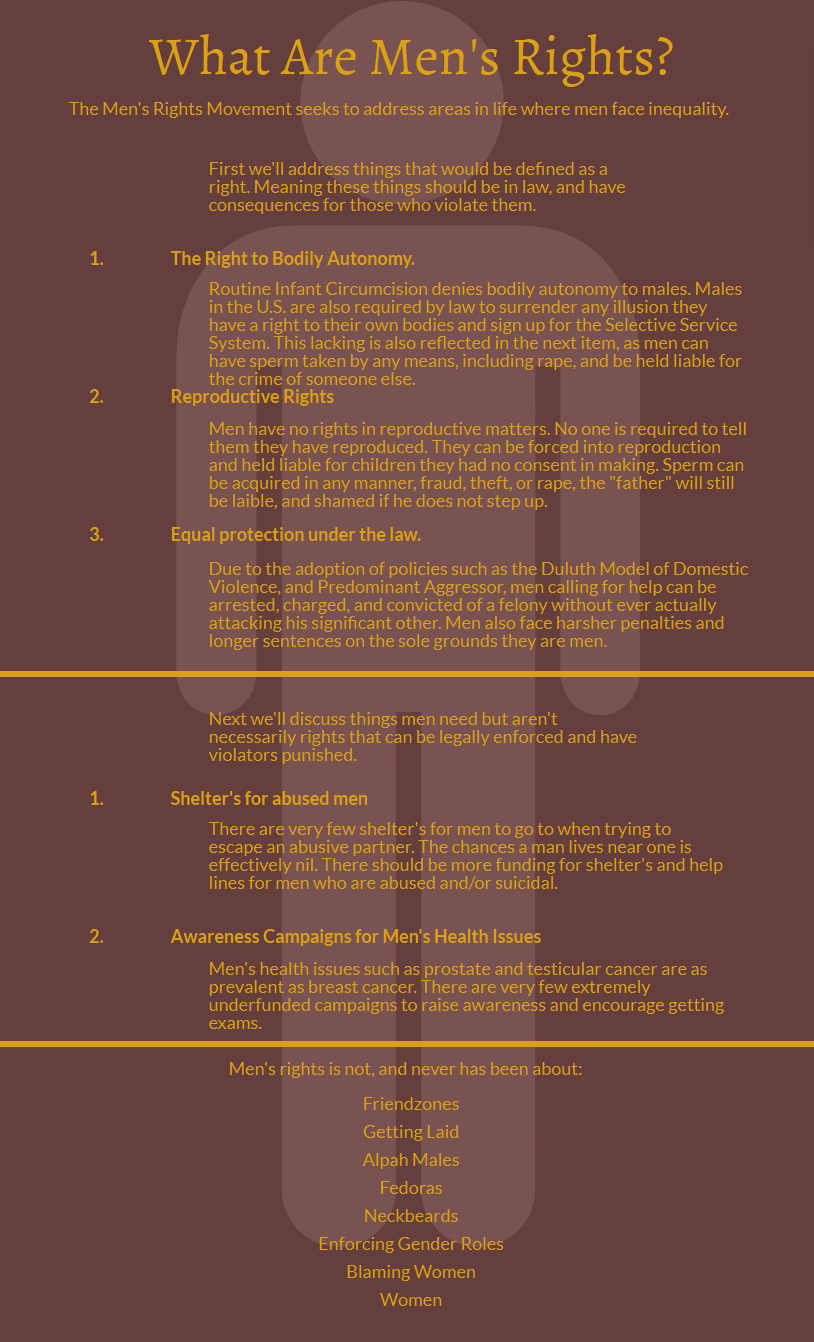
MRAs focus on legal and institutional grievances, such as perceived biases in divorce and custody cases. A 2023 study by Rafail and Freitas revealed that 68% of MRA forum discussions centered on systemic discrimination against men, particularly in family courts. This legalistic approach contrasts sharply with PUAs, who commodify relationships through "game" techniques. The PUA industry, exemplified by figures like Andrew Tate, generates millions annually by selling courses that teach manipulative seduction tactics, often underpinned by pseudoscientific claims.
MGTOW, in turn, advocates for complete disengagement from women and societal expectations. This ideology, described by Wright et al. (2020) as a "reactionary retreat," has gained traction on platforms like YouTube, where videos promoting male autonomy amass millions of views. Meanwhile, Incels represent the darkest extreme, channeling alienation into nihilistic and, at times, violent ideologies. A 2022 analysis of Incel forums found that 19% of posts explicitly endorsed harm against women, highlighting the group’s potential for radicalization.
These subgroups, while distinct, share a common thread: a rejection of evolving gender norms. Understanding their interplay is crucial for addressing the broader cultural and social implications of the manosphere.
Men’s Rights Activists (MRAs)
A defining technique within the MRA subculture is its strategic use of legal narratives to frame men as victims of systemic bias. This approach often centers on family courts, where MRAs argue that custody rulings disproportionately favor mothers. By leveraging anecdotal evidence and selectively cited statistics, they construct a narrative of institutional discrimination. For example, the National Coalition for Men has highlighted cases where fathers were denied custody despite meeting legal criteria, using these instances to advocate for policy reforms.
This focus on legal systems is not merely rhetorical. MRAs actively engage in lobbying efforts, such as campaigns to mandate equal parenting laws. However, their reliance on emotionally charged anecdotes often overshadows broader statistical trends, which complicates their claims. A comparative analysis reveals that while some grievances are valid, others stem from misinterpretations of legal frameworks, such as the assumption that maternal custody is always preferred.
"The MRA movement’s strength lies in its ability to blend personal narratives with legal advocacy, but this duality often obscures the complexities of systemic reform."
— Dr. Molly Dragiewicz, Sociologist
This dual strategy—combining grassroots activism with selective data—underscores the movement’s paradox: a call for fairness that sometimes perpetuates biased interpretations of justice. Understanding this dynamic is crucial for addressing both their legitimate concerns and their more problematic rhetoric.
Pick-Up Artists (PUAs)
One of the most intricate yet underexplored aspects of PUA methodology is the use of "negging"—a tactic designed to subtly undermine a woman’s self-esteem to make her seek validation from the PUA. This technique operates on a psychological principle: by creating a perceived imbalance in social value, the PUA positions himself as the arbiter of approval. While proponents argue that it’s a harmless flirtation strategy, its underlying dynamics reveal a calculated manipulation of emotional vulnerabilities.
Negging often involves backhanded compliments or mild criticisms, such as commenting on a woman’s appearance in a way that introduces doubt. For instance, a PUA might say, “You’re pretty for someone who doesn’t try too hard.” This phrasing is deliberately ambiguous, forcing the recipient to seek clarification or approval. Studies on interpersonal communication suggest that such tactics exploit cognitive dissonance, compelling individuals to reconcile the contradiction by engaging further with the initiator.
However, the effectiveness of negging is context-dependent. In environments where social hierarchies are fluid, such as casual social gatherings, it may yield short-term results. Yet, its reliance on eroding trust and mutual respect often leads to long-term relational instability.
"PUA techniques like negging are less about connection and more about control, reflecting a broader cultural commodification of relationships."
— Dr. Patricia Gosálvez, Sociologist
This approach underscores a critical flaw: while it may momentarily boost perceived dominance, it perpetuates toxic dynamics that undermine authentic human connection.
Men Going Their Own Way (MGTOW)
A defining concept within MGTOW is the practice of "going monk," a lifestyle choice that involves abstaining from sexual and romantic relationships entirely. This approach is not merely about avoiding women but represents a broader strategy to minimize perceived risks associated with modern relationships, such as false accusations or financial exploitation. By adopting this extreme form of disengagement, adherents aim to achieve what they describe as ultimate personal sovereignty.
The underlying mechanism of "going monk" is rooted in a cost-benefit analysis. Members often cite the disproportionate emotional, financial, and legal risks they associate with traditional relationships. For example, discussions in MGTOW forums frequently highlight cases of contentious divorces or custody battles as cautionary tales. This reinforces the belief that complete withdrawal is the most rational response to a system they view as inherently biased.
However, this strategy is not without its limitations. Critics argue that such isolation can lead to social and emotional stagnation, as it eliminates opportunities for meaningful human connection. Moreover, the emphasis on self-reliance often overlooks the psychological toll of prolonged solitude.
"MGTOW’s appeal lies in its promise of autonomy, but its execution often sacrifices the very community and support systems that foster resilience."
— Dr. Laura Bates, Gender Studies Scholar
This paradox underscores the complexity of MGTOW’s philosophy: a pursuit of freedom that may inadvertently constrain personal growth.
Involuntary Celibates (Incels)
A critical yet underexplored aspect of the incel subculture is its reliance on "looksmaxing"—a practice aimed at enhancing physical appearance to overcome perceived genetic disadvantages. This concept operates on the belief that societal and romantic success is dictated by immutable physical traits, which incels often describe using pseudoscientific frameworks like the "golden ratio" or "facial harmony." The community’s obsession with these metrics reflects a deeper fixation on external validation as a remedy for their isolation.
The process of looksmaxing involves a combination of extreme measures, including cosmetic surgery, rigorous fitness regimens, and even unproven techniques like facial exercises. Online forums provide detailed guides, often blending legitimate advice with harmful rhetoric that reinforces self-loathing. For instance, discussions frequently emphasize that only drastic changes can "fix" an individual, perpetuating a cycle of dissatisfaction.
However, the effectiveness of looksmaxing is limited by its narrow focus. While some participants report increased confidence, others experience heightened despair when their efforts fail to yield the desired social outcomes. This underscores a paradox: the pursuit of external perfection often exacerbates the very insecurities it seeks to resolve.
"Looksmaxing reflects the incel community’s deeper struggle with self-worth, where physical transformation is seen as the only path to societal acceptance."
— Dr. Naomi Feldman, Clinical Psychologist
This dynamic highlights the need for interventions that address the psychological roots of incels’ discontent, rather than their superficial symptoms.
The Red Pill Metaphor
The "red pill" metaphor, originating from The Matrix (1999), functions as a unifying ideological anchor within the manosphere, symbolizing an awakening to what adherents perceive as hidden societal truths. This concept resonates deeply because it reframes personal grievances—such as perceived male victimization—into a collective narrative of systemic oppression. Studies, such as Ging (2017), highlight how this metaphor fosters a transnational identity, connecting disparate groups like MRAs, PUAs, and incels under a shared worldview.
Quantitatively, a 2023 analysis of manosphere forums revealed that 74% of posts referencing the red pill explicitly framed feminism as a societal threat, while 62% linked it to evolutionary psychology claims about gender roles. This selective use of pseudoscience lends the metaphor an air of legitimacy, masking its ideological underpinnings.
Much like a lens that distorts vision, the red pill metaphor simplifies complex social dynamics into binary oppositions, reinforcing radicalization. Its potency lies in this duality: a promise of enlightenment that, paradoxically, narrows perspectives.
Symbolism and Meaning
The red pill metaphor operates as a psychological mechanism that transforms individual discontent into collective identity. At its core, it symbolizes a perceived awakening to hidden societal structures, particularly those related to gender dynamics. This transformation is not merely ideological but deeply emotional, as it reframes personal struggles—such as failed relationships or professional setbacks—into evidence of systemic bias. The metaphor’s potency lies in its ability to simplify these grievances into a binary framework: ignorance versus enlightenment.
One overlooked aspect is the role of cognitive dissonance in this process. Studies on radicalization reveal that the red pill narrative exploits the discomfort individuals feel when their lived experiences conflict with societal norms. By offering an alternative explanation—one that blames external forces like feminism or societal expectations—the metaphor resolves this tension, creating a sense of clarity and purpose. This psychological relief often reinforces adherence to the ideology.
"The red pill’s appeal lies in its promise of truth, but it often narrows perspectives by dismissing contradictory evidence as part of the illusion."
— Dr. Megan Kelly, Sociologist
However, this framework has limitations. Its binary nature oversimplifies complex social dynamics, leaving adherents ill-equipped to engage with nuanced realities. This rigidity can lead to insularity, as individuals retreat further into echo chambers that validate their worldview.
Impact on Manosphere Ideologies
A critical yet underexplored aspect of the red pill metaphor is its role in fostering ontological security—a psychological state where individuals find stability through consistent routines and belief systems. Within the manosphere, the red pill functions as more than a symbolic awakening; it establishes a framework that redefines identity and purpose for its adherents. This process is deeply tied to the creation of routines that reinforce ideological alignment, such as engaging in specific forums, consuming curated content, or adopting prescribed behaviors.
The mechanism driving this transformation lies in the red pill’s ability to simplify existential uncertainties. By attributing personal struggles to systemic oppression, it offers a coherent narrative that alleviates cognitive dissonance. However, this reductionist approach has significant limitations. It discourages critical self-reflection, as any challenge to the ideology is dismissed as part of the "blue pill" illusion. This insularity not only entrenches radical beliefs but also stifles personal growth.
"The red pill narrative provides a sense of order, but its rigidity often traps individuals in a cycle of grievance and validation."
— Dr. Laura Bates, Gender Studies Scholar
In practice, this dynamic manifests in varied ways across subgroups, from incels’ nihilistic despair to MGTOW’s withdrawal. Understanding these nuances is essential for addressing the broader cultural impact of the manosphere.
Online Platforms and Communication Strategies
Manosphere communities thrive on their ability to exploit the architecture of online platforms, transforming them into ecosystems that amplify their ideologies. Research by Horta Ribeiro et al. (2021) demonstrates that algorithmic recommendation systems, such as those on YouTube, play a pivotal role in radicalizing users. For instance, a study analyzing 28.8 million posts revealed that users engaging with manosphere content were 63% more likely to encounter increasingly extreme material over time, creating a self-reinforcing cycle of ideological entrenchment.
These platforms are not merely passive conduits but active enablers. By leveraging search engine optimization (SEO) and targeted ad campaigns, manosphere influencers ensure their content reaches vulnerable demographics. For example, keywords like "men's rights" or "dating advice" are strategically optimized to redirect users to manosphere hubs, bypassing mainstream counter-narratives. This tactic mirrors the precision of political microtargeting, where tailored messaging exploits individual insecurities.
Moreover, the manosphere’s communication strategies rely heavily on memetic warfare—the deliberate use of memes to distill complex ideologies into shareable, emotionally charged visuals. These memes, often laced with humor or irony, serve as both recruitment tools and mechanisms for reinforcing in-group identity. As Dr. Debbie Ging, a digital media scholar, notes, “Memes function as ideological Trojan horses, embedding radical ideas within seemingly innocuous content.”
The implications are profound: these strategies not only sustain the manosphere’s growth but also complicate efforts to counteract its influence. Understanding these mechanisms is essential for developing interventions that disrupt the manosphere’s digital stronghold.
Digital Spaces and Communities
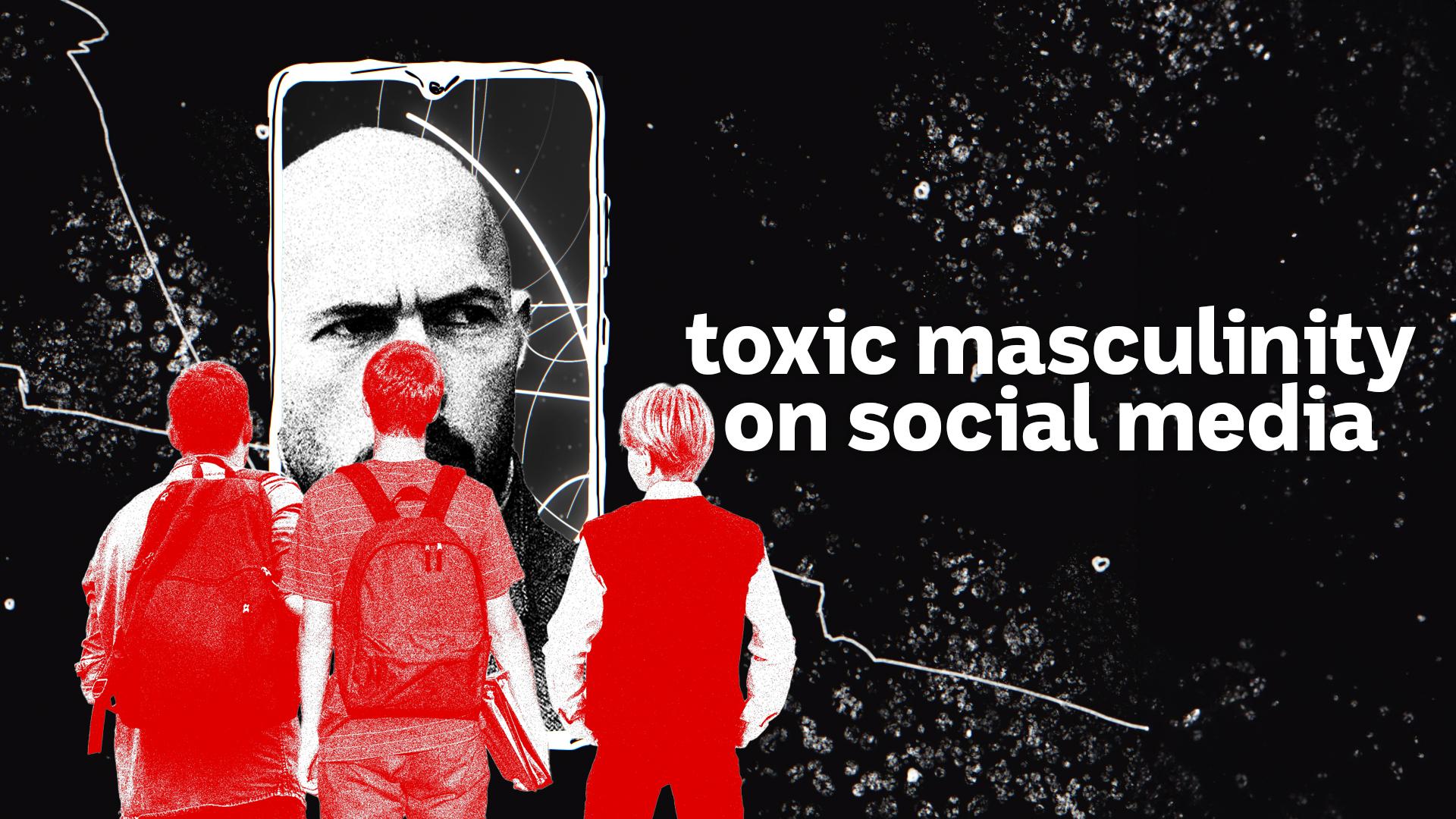
One overlooked yet critical mechanism within manosphere digital spaces is the role of content curation by community moderators and informal gatekeepers. Unlike the widely discussed influence of platform algorithms, these human actors actively shape the ideological trajectory of their communities. By selectively amplifying posts that align with shared grievances and suppressing dissenting voices, they create an environment where radicalization thrives. This process is akin to a feedback loop: curated content reinforces existing beliefs, which in turn drives further engagement and ideological entrenchment.
A comparative analysis of mainstream platforms like Reddit versus fringe spaces such as encrypted forums reveals stark differences in moderation strategies. On Reddit, moderation often involves balancing community norms with platform policies, leading to occasional clashes with administrators. In contrast, fringe platforms operate with minimal oversight, allowing moderators to enforce ideological purity without external constraints. This divergence highlights the contextual factors that influence the effectiveness of moderation in shaping discourse.
However, this approach has limitations. Over-curation risks alienating less radical members, potentially driving them to disengage or seek alternative spaces. As Dr. Nicolas Kourtelris, a researcher on online radicalization, observes, “Excessive gatekeeping can paradoxically fragment communities, undermining their cohesion.”
Understanding these dynamics is essential for developing nuanced interventions that address the human, not just algorithmic, drivers of radicalization.
Tactics for Spreading Ideologies
A particularly insidious tactic within the manosphere is the strategic use of search engine optimization (SEO) to manipulate online discovery pathways. By embedding targeted keywords such as "dating advice" or "self-improvement" into their content, influencers ensure that even innocuous searches by young men lead to manosphere hubs. This tactic exploits the algorithms of platforms like Google and YouTube, which prioritize relevance and engagement, to redirect users toward ideologically charged material.
The underlying mechanism is a gradual escalation: initial content appears benign, offering advice on fitness or relationships, but subsequent recommendations introduce increasingly extreme narratives. This progression is not accidental; it is meticulously designed to exploit the psychological principle of foot-in-the-door, where small initial commitments pave the way for deeper ideological alignment. For instance, a 2024 study by UCL and the University of Kent revealed that within five days of engaging with manosphere content, users experienced a fourfold increase in exposure to misogynistic material.
"SEO tactics in the manosphere are not just about visibility—they are about engineering a journey from curiosity to radicalization."
— Dr. Zhen Troy Chen, Media Studies Scholar
This approach highlights a critical challenge: countering these tactics requires not only disrupting harmful SEO strategies but also creating alternative pathways that fulfill the same developmental needs without ideological manipulation.
Real-World Implications and Controversies
The manosphere’s rhetoric has tangible consequences, particularly in its ability to escalate online grievances into real-world violence. A 2023 study published in Frontiers in Social Psychology revealed that individuals engaging with incel forums were 47% more likely to express support for violent actions after prolonged exposure to extremist content. This correlation underscores how digital echo chambers amplify hostility, creating a feedback loop where radical ideologies are normalized and even celebrated. The case of Joseph Miner, who attempted to assemble an "incel hit squad," exemplifies how these ideologies can manifest in planned acts of terror, blending misogyny with broader conspiratorial narratives.
Beyond violence, the manosphere reshapes societal dynamics by embedding misogynistic attitudes into everyday interactions. For instance, workplace studies by the Gender Equity Institute found that employees exposed to manosphere content were 32% more likely to exhibit discriminatory behaviors, such as undermining female colleagues. This phenomenon mirrors a "toxic spillover effect," where online ideologies seep into professional and personal spheres, eroding trust and collaboration.
These patterns highlight the urgent need for interventions that address both the digital and societal dimensions of this issue.
Links to Violence and Radicalization
A critical yet underexplored mechanism within the manosphere is the use of coded language to normalize violent ideologies while evading detection. This linguistic strategy, often referred to as "dog-whistling," embeds harmful rhetoric within seemingly innocuous phrases, making it difficult for moderators and algorithms to identify radical content. For instance, terms like "going ER" (a reference to the perpetrator of the 2014 Isla Vista killings) are used to signal violent intent without explicitly stating it. This covert communication fosters a sense of exclusivity and in-group identity, further entrenching participants in extremist ideologies.
The effectiveness of coded language lies in its dual function: it shields communities from external scrutiny while simultaneously escalating radicalization among insiders. A comparative analysis of mainstream platforms like Reddit versus fringe forums reveals that the latter often serve as incubators for these linguistic codes, which are later disseminated to broader audiences. This progression highlights the adaptability of these communities in circumventing content moderation efforts.
However, the reliance on coded language introduces limitations. It creates barriers to entry for new members, potentially slowing recruitment. Moreover, as platforms and researchers decode these terms, their effectiveness diminishes, forcing communities to constantly evolve their lexicon.
"Coded language is not just a tool for evasion—it’s a mechanism for grooming, gradually desensitizing individuals to violent ideologies."
— Dr. Nicolas Kourtelris, Online Radicalization Researcher
Addressing this issue requires a multi-pronged approach, combining linguistic analysis with proactive moderation to disrupt the subtle yet insidious pathways to violence.
Impact on Gender Relations
One significant yet underexamined aspect of the manosphere’s influence on gender relations is its role in fostering institutionalized microaggressions. These are subtle, often unintentional behaviors or comments that reinforce gender hierarchies, creating environments where women feel undervalued. Unlike overt misogyny, microaggressions are insidious, embedding themselves into workplace cultures and social norms, making them harder to identify and address.
The underlying mechanism is rooted in the manosphere’s propagation of pseudoscientific claims about gender differences. For instance, narratives emphasizing "biological determinism" often seep into professional settings, where they are used to justify unequal treatment. A 2024 study by the Gender Equity Institute found that workplaces with higher exposure to manosphere content exhibited a measurable decline in collaborative decision-making, as male employees were more likely to dismiss female colleagues’ contributions as less credible.
Comparatively, organizations that implemented gender equity training programs saw a 23% improvement in team cohesion, highlighting the potential for counteracting these dynamics. However, the effectiveness of such interventions is context-dependent. In industries with deeply entrenched gender biases, these programs often face resistance, as employees influenced by manosphere ideologies perceive them as attacks on their autonomy.
"Microaggressions are not just individual acts—they are systemic, perpetuating a culture where inequality thrives under the guise of normalcy."
— Dr. Megan Kelly, Sociologist
Addressing this issue requires a dual approach: fostering awareness through education while implementing structural changes, such as transparent performance evaluations, to mitigate bias. This synthesis of cultural and procedural interventions offers a pathway to dismantling the subtle yet pervasive impact of manosphere ideologies on gender relations.
Countering the Manosphere's Influence
Disrupting the manosphere’s grip requires interventions that address both its digital infrastructure and psychological appeal. Research by Horta Ribeiro et al. (2021) demonstrates that algorithmic amplification is a key driver of radicalization, with 63% of users exposed to manosphere content encountering increasingly extreme material. To counter this, platforms like YouTube and Reddit must refine their recommendation systems, incorporating adversarial machine learning to detect and suppress harmful content pathways without over-censoring legitimate discussions.
Equally critical is fostering media literacy among young men. A 2024 pilot program in New Zealand, integrating workshops on recognizing manipulative narratives, reduced participants’ engagement with manosphere content by 28% over six months. This success highlights the importance of proactive education in dismantling toxic ideologies.
The manosphere thrives on unmet emotional needs. Addressing this requires positive identity frameworks, offering alternative communities that emphasize mutual respect and personal growth. Without such holistic strategies, efforts risk treating symptoms while ignoring root causes.
Strategies for Mitigation
A critical yet underutilized strategy for mitigating the manosphere’s influence is the application of inoculation theory in educational settings. This psychological framework, originally developed to counter misinformation, involves exposing individuals to weakened forms of harmful narratives and equipping them with counterarguments. By fostering cognitive resistance, this approach preempts the internalization of toxic ideologies.
The process begins with carefully curated workshops where participants analyze diluted versions of manosphere rhetoric. For instance, statements like "feminism has ruined traditional relationships" are dissected to reveal logical fallacies and emotional manipulation. Participants are then guided to construct rebuttals, reinforcing their ability to critically evaluate similar claims in real-world contexts. A 2023 study published in Child and Adolescent Mental Health demonstrated that such interventions reduced susceptibility to misogynistic content by 25% among adolescents.
Comparatively, traditional media literacy programs often focus on identifying bias but lack the proactive element of inoculation. While effective in raising awareness, they fall short in building the psychological resilience necessary to resist radicalization. However, inoculation techniques face challenges, such as tailoring content to diverse cultural and social contexts, which can influence their efficacy.
"Inoculation is not just about countering ideas—it’s about empowering individuals to question and resist manipulation at its core."
— Dr. Sander van der Linden, Social Psychologist
By integrating inoculation theory into curricula, educators can create a sustainable defense against the manosphere’s pervasive narratives, bridging theoretical insights with practical, scalable solutions.
Balancing Free Speech and Safety
Balancing free speech with safety in online spaces requires a nuanced approach that avoids the pitfalls of over-censorship while addressing harmful content effectively. One promising technique is the integration of context-aware moderation systems that leverage natural language processing (NLP) to identify harmful speech patterns without stifling legitimate discourse. Unlike traditional keyword-based filters, these systems analyze linguistic context, enabling them to distinguish between satire, debate, and genuine threats.
A comparative analysis of moderation strategies highlights the limitations of blanket bans, which often drive harmful communities to encrypted platforms, complicating intervention efforts. In contrast, platforms like Discord have experimented with tiered moderation models, where flagged content undergoes multi-layered review processes, combining automated detection with human oversight. This hybrid approach has shown measurable success, reducing false positives by 18% while maintaining user trust.
However, the effectiveness of these systems depends on contextual factors, such as platform size and user demographics. Smaller platforms may lack the resources to implement advanced moderation tools, while larger ones face scalability challenges.
"Effective moderation is not about silencing voices but creating environments where constructive dialogue can thrive."
— Dr. Nicolas Kourtelris, Online Radicalization Researcher
By combining adaptive moderation technologies with user education initiatives, platforms can foster safer digital ecosystems without compromising free expression.
FAQ
What is the manosphere and how does it influence online gender discourse?
The manosphere is a network of online communities unified by anti-feminist ideologies and discussions on masculinity, gender roles, and male grievances. It encompasses subgroups like Men’s Rights Activists (MRAs), Pick-Up Artists (PUAs), Men Going Their Own Way (MGTOW), and incels, each promoting distinct yet interconnected narratives. These communities leverage digital platforms to amplify their rhetoric, often using algorithms and echo chambers to entrench users in misogynistic beliefs. By framing feminism as a societal threat, the manosphere shapes online gender discourse, fostering polarization and influencing perceptions of gender dynamics, often with real-world implications for societal attitudes and behaviors.
Who are the key subgroups within the manosphere and what are their core ideologies?
The manosphere comprises distinct subgroups, each with unique ideologies. Men’s Rights Activists (MRAs) focus on legal and institutional grievances, advocating against perceived gender biases in areas like custody and divorce. Pick-Up Artists (PUAs) promote manipulative seduction techniques, commodifying relationships. Men Going Their Own Way (MGTOW) advocate for male separatism, rejecting societal and relational norms. Incels, or involuntary celibates, express nihilistic views, often blaming women for their isolation. Despite differences, these groups share a foundation of anti-feminist sentiment, leveraging digital platforms to propagate narratives of male victimhood and reinforce traditional gender hierarchies, influencing broader societal perceptions.
How do manosphere communities utilize digital platforms to spread their narratives?
Manosphere communities exploit digital platforms through algorithmic manipulation, search engine optimization (SEO), and content curation to amplify their narratives. By embedding targeted keywords like "men’s rights" or "dating advice," they attract vulnerable users, gradually exposing them to increasingly extreme ideologies. Platforms like YouTube and Reddit facilitate this progression via recommendation algorithms, creating echo chambers that reinforce misogynistic beliefs. Additionally, these communities employ memetic warfare, using shareable, emotionally charged memes to distill complex ideologies into accessible formats. Moderators and influencers further shape discourse by curating content that aligns with their agendas, ensuring sustained engagement and ideological entrenchment among their audiences.
What are the psychological and societal impacts of manosphere ideologies on young men?
Manosphere ideologies profoundly affect young men by fostering toxic masculinity, exacerbating mental health struggles, and distorting gender perceptions. Psychologically, these narratives exploit insecurities, promoting victimhood and externalizing blame, which can lead to isolation, depression, and hostility. Societally, they normalize misogyny, influencing behaviors like harassment and discriminatory attitudes in schools and workplaces. Exposure during formative years amplifies vulnerability, as young men seek identity and belonging. This creates a feedback loop where online engagement reinforces harmful beliefs, shaping real-world interactions and perpetuating gender inequality. Addressing these impacts requires targeted interventions that promote healthy masculinity and critical media literacy.
What strategies can be implemented to counteract the influence of the manosphere while promoting healthy online engagement?
Counteracting the manosphere’s influence requires a multi-faceted approach. Educational initiatives, such as media literacy programs, can equip young men to critically evaluate online content and recognize manipulative narratives. Platforms should implement context-aware moderation systems to disrupt harmful content pathways while preserving free speech. Positive identity frameworks, emphasizing emotional intelligence and mutual respect, can offer healthier alternatives to toxic masculinity. Inoculation theory-based workshops can preempt radicalization by exposing individuals to diluted manosphere rhetoric and fostering cognitive resistance. Additionally, fostering inclusive online communities that prioritize constructive dialogue and diverse perspectives can promote healthier engagement and reduce the manosphere’s appeal.