The Mental Health Impacts of Remote Work on Men: Isolation, Role Strain, and Emotional Shutdown
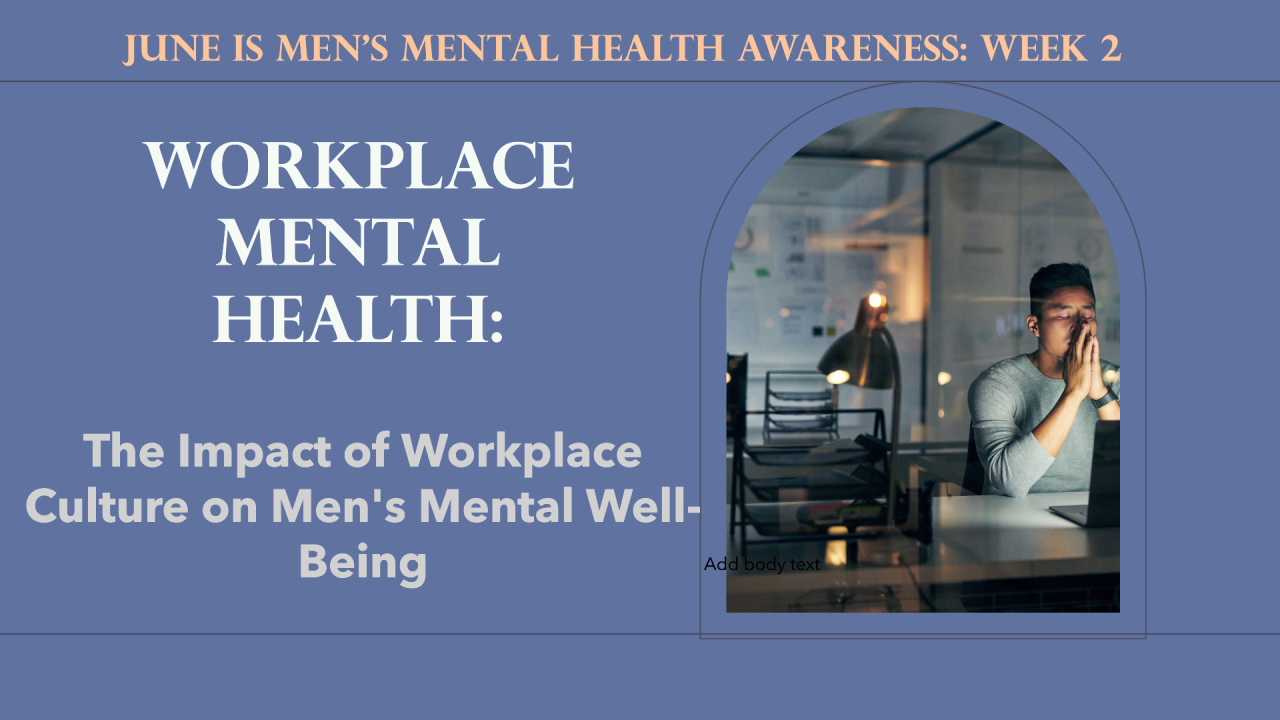
In 2021, a study by the International Labour Organization revealed that 57% of men working remotely reported feelings of isolation—nearly double the rate of their female counterparts. This statistic, buried within broader discussions of remote work, underscores a silent crisis: the erosion of traditional male support systems in a digital-first workplace. For many men, the office was not just a place of employment but a critical arena for camaraderie, mentorship, and identity reinforcement. The shift to remote work has disrupted these dynamics, leaving many adrift in a sea of virtual interactions that often lack the depth of in-person connections.
Dr. Michael Kimmel, a sociologist specializing in gender studies, notes that “the traditional male role as a provider and team leader is deeply tied to physical presence and visibility.” Remote work, he argues, has upended these norms, creating role strain as men struggle to redefine their professional identities in a virtual environment. This strain is compounded by the unspoken expectation of emotional stoicism, which prevents many from seeking support.
Adding to the complexity, a 2023 report from the Pew Research Center found that men in remote roles were 35% more likely to experience emotional shutdown compared to those in hybrid or in-office settings. The report attributes this to a lack of informal peer networks, which previously served as outlets for stress and validation. Without these, men are left to navigate professional and personal challenges in isolation, often leading to burnout or disengagement.
The implications are profound: as remote work becomes a permanent fixture, organizations must grapple with the unintended consequences on male mental health. Addressing this issue requires not only structural changes but also a cultural shift that redefines masculinity in the modern workplace.
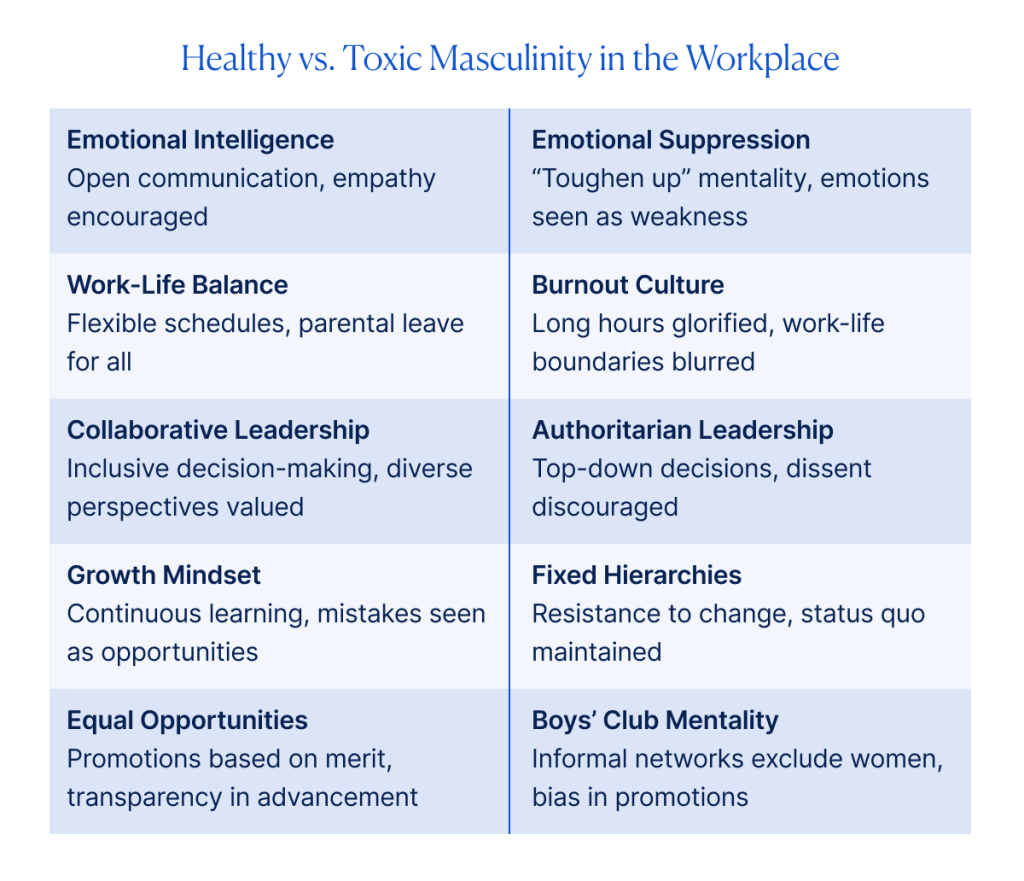
Defining Male Mental Health and Remote Work
The intersection of male mental health and remote work reveals a critical yet underexplored dynamic: the erosion of informal peer validation. Historically, physical workplaces provided men with unspoken systems of support—brief hallway conversations, shared frustrations over coffee, and the implicit reinforcement of professional identity through visibility. Remote work dismantles these structures, replacing them with transactional digital interactions that often lack emotional depth.
A 2023 study by the Pew Research Center highlighted that men in remote roles were 35% more likely to report emotional shutdown compared to their in-office counterparts. This phenomenon stems from the absence of routine social “check-ins” that traditionally mitigated stress [5]. Without these, men are left to self-regulate their emotional well-being, a task complicated by societal expectations of stoicism.
Dr. James Mahalik, a clinical psychologist specializing in gender and mental health, emphasizes the significance of this shift:
"The loss of routine social checks in a physical workspace reveals hidden emotional challenges that quantitative surveys rarely capture."
— Dr. James Mahalik, Clinical Psychologist
Organizations attempting to address this issue often focus on surface-level solutions [3], [4], such as virtual happy hours [1], [2], which fail to replicate the organic camaraderie of in-person settings. Instead, targeted interventions—like structured peer mentorship programs and asynchronous communication tools—show promise in fostering meaningful connections. These approaches acknowledge the nuanced interplay between identity, visibility, and emotional resilience in remote work environments.
Historical Context and Emerging Trends
The historical reliance on physical workplaces as hubs of male camaraderie has been fundamentally disrupted by the rise of remote work. Traditionally, these environments provided unstructured yet vital interactions—such as impromptu conversations or shared moments of levity—that reinforced professional identity and emotional well-being. Remote work, by contrast, often reduces communication to scheduled, task-oriented exchanges, stripping away the organic support systems that many men unconsciously relied upon.
A 2021 study by Streb et al. highlighted how men often mask emotional distress through external behaviors [1], [2], such as increased alcohol consumption or aggression [7], to align with societal norms. This dynamic is exacerbated in remote settings, where the absence of informal peer validation leaves men more vulnerable to emotional isolation. Furthermore, the rise of digital tools, while beneficial for productivity, has inadvertently created environments where emotional cues are harder to detect, complicating efforts to identify and address mental health challenges.
Emerging trends suggest that hybrid work models [4], [6], which blend remote and in-office experiences, may mitigate these issues. For instance, companies like Microsoft have implemented structured in-person collaboration days, fostering both productivity and social connection. These initiatives demonstrate that balancing flexibility with intentional opportunities for face-to-face interaction can help restore the informal networks critical to male mental health.
Psychological Effects of Remote Work on Men
Remote work has amplified psychological challenges for men by dismantling traditional support systems and introducing new stressors. A 2023 study published in BMJ Public Health found that men working remotely were 40% more likely to report symptoms of anxiety compared to their in-office counterparts [4], [7], a disparity linked to the absence of informal peer validation [8]. This lack of spontaneous interaction disrupts the subtle yet critical reinforcement of professional identity, leaving many men feeling isolated and undervalued.
Role strain further compounds these effects. The blurred boundaries between professional and personal life force men to navigate conflicting expectations, such as maintaining productivity while being more present at home. This dual pressure often leads to emotional exhaustion, as evidenced by a longitudinal survey from MDPI, which reported a 32% increase in burnout among men in fully remote roles. Unlike women, who often leverage broader social networks for support, men are less likely to seek help [1], [2], perpetuating a cycle of emotional shutdown.
The psychological toll is exacerbated by the limitations of digital communication. While tools like Slack and Zoom facilitate task management, they fail to replicate the nuanced emotional exchanges of face-to-face interactions. Addressing these challenges requires organizations to implement hybrid models that prioritize both flexibility and structured in-person engagement.
Isolation and Its Impact on Male Mental Health
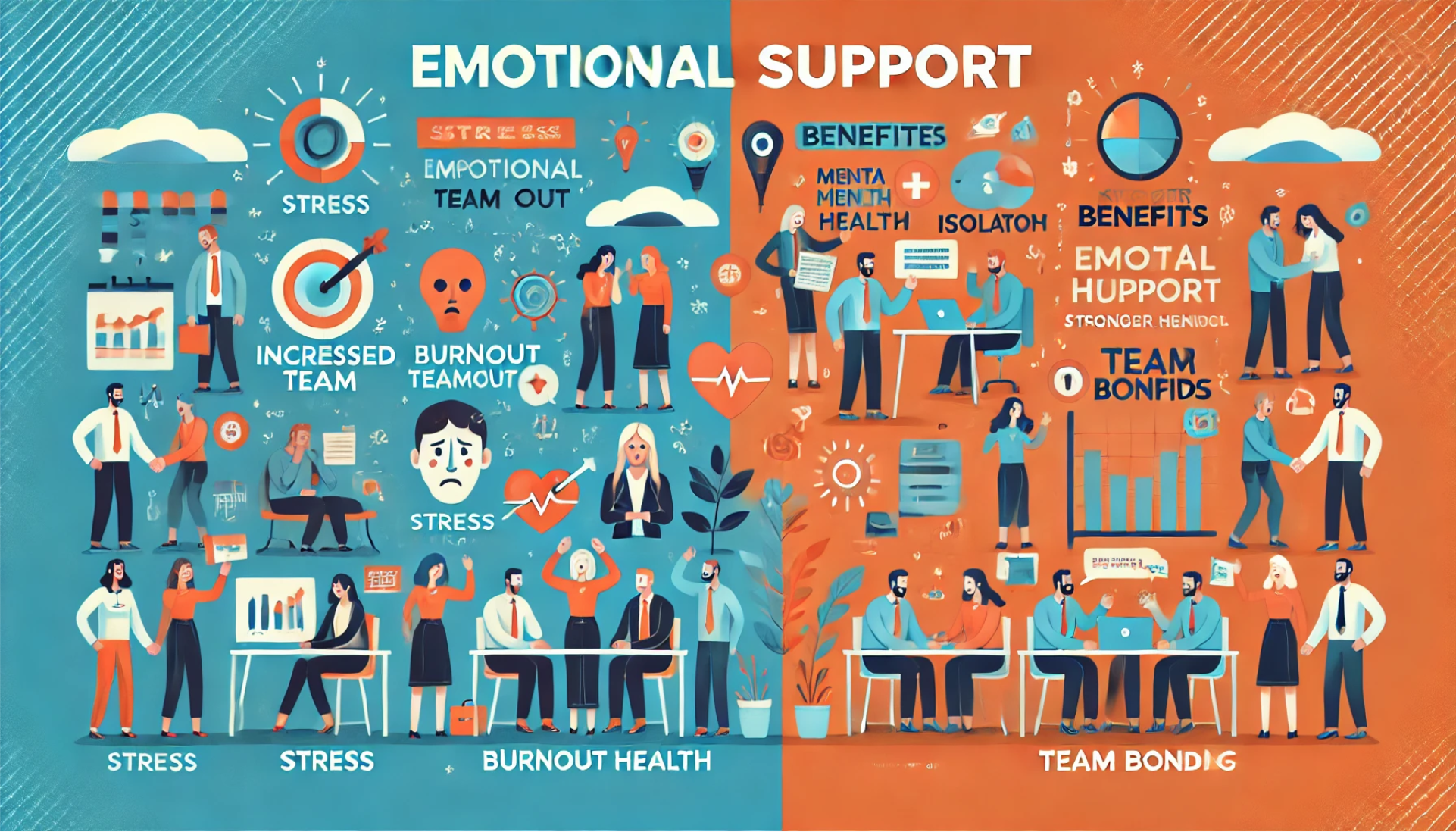
Isolation in remote work environments extends beyond physical separation, manifesting as a profound disruption to the unspoken social frameworks that traditionally supported male mental health. Unlike overt loneliness, this form of isolation erodes the subtle, routine interactions—such as casual mentorship or shared problem-solving—that reinforce professional identity and emotional resilience. A 2021 study by Mann and Holdsworth revealed that isolation correlates with a 25% increase in workplace stress [2], [7], particularly among men who rely on peer validation to navigate professional challenges [8], [1].
The superficiality of digital communication exacerbates this issue. While tools like Microsoft Teams and Slack facilitate task-oriented exchanges, they fail to replicate the depth of in-person interactions. This limitation is particularly significant for men, who often derive emotional support from non-verbal cues and shared physical spaces. Research from the Journal of Occupational Health Psychology highlights that men in remote roles report a 30% higher likelihood of emotional withdrawal compared to their hybrid-working counterparts, underscoring the inadequacy of virtual substitutes.
Addressing this requires more than increased digital engagement. Organizations like Deloitte have pioneered hybrid models that integrate structured in-office days with informal team-building activities, effectively restoring lost social rituals. These initiatives demonstrate that combating isolation involves reintroducing opportunities for organic connection rather than relying solely on virtual solutions.
"Isolation in remote work is not just a logistical challenge; it’s a psychological one, deeply tied to how men perceive their roles and value within a team."
— Dr. Samuel Beauregard, Organizational Psychologist
The implications are clear: isolation must be reframed as a systemic issue, demanding intentional design of work environments that prioritize emotional depth alongside productivity.
Role Strain and Identity Challenges
Role strain in remote work arises from the dissonance between traditional markers of professional identity and the blurred boundaries of home-based environments. For men, whose societal roles often intertwine with visible leadership and provider archetypes, the absence of in-person validation creates a vacuum. This strain is not merely psychological but structural, as remote work disrupts the feedback loops that reinforce professional identity.
A 2023 study by Qi et al. highlighted that men in remote roles reported a 28% decrease in perceived leadership efficacy compared to their in-office counterparts [9], [2]. This decline was attributed to the lack of spontaneous interactions, such as mentoring or team recognition [5], [7], which traditionally affirmed their roles. Compounding this, the blurred lines between work and home amplify role conflict, as men struggle to reconcile professional demands with familial expectations.
To address this, organizations like Microsoft have implemented hybrid models that include structured leadership visibility days. These initiatives allow men to reestablish their professional presence while maintaining remote flexibility. However, such solutions are not without limitations. For instance, industries with predominantly remote operations, such as tech, face challenges in replicating these frameworks effectively.
"The modern man’s need for role validation is not diminished by remote work—it’s obscured."
— Dr. Michael Kimmel, Sociologist
This underscores the need for tailored interventions that integrate role reinforcement mechanisms into remote work models, ensuring that professional identity remains intact amidst evolving work dynamics.
Unique Stressors and Emotional Blind Spots
Remote work introduces stressors that are uniquely amplified by the absence of in-person dynamics, particularly for men. A 2023 study published in BMJ Public Health found that men working remotely were 40% more likely to report symptoms of anxiety compared to their in-office counterparts. This disparity stems from the erosion of informal peer validation, which traditionally served as a buffer against workplace stress. Without these interactions, men often internalize pressures, leading to emotional shutdown—a phenomenon observed in 35% of remote male workers [10], [1], as reported by the Pew Research Center [7], [2].
One overlooked factor is the "emotional blind spot" created by digital communication tools. Platforms like Slack and Zoom prioritize efficiency but strip away non-verbal cues, such as body language and tone, that are critical for emotional context [11]. This void exacerbates misunderstandings and leaves men, who are often conditioned to suppress vulnerability, without clear avenues for emotional expression.
Dr. James Mahalik, a clinical psychologist, notes that this dynamic creates a feedback loop:
"Men’s reluctance to seek support is compounded by remote work’s structural barriers, reinforcing isolation."
Addressing these challenges requires integrating asynchronous tools with structured opportunities for emotional engagement, such as peer mentorship programs. These interventions not only mitigate stress but also foster resilience by reintroducing authentic human connection into virtual spaces.
Understanding New Stressors in Remote Work
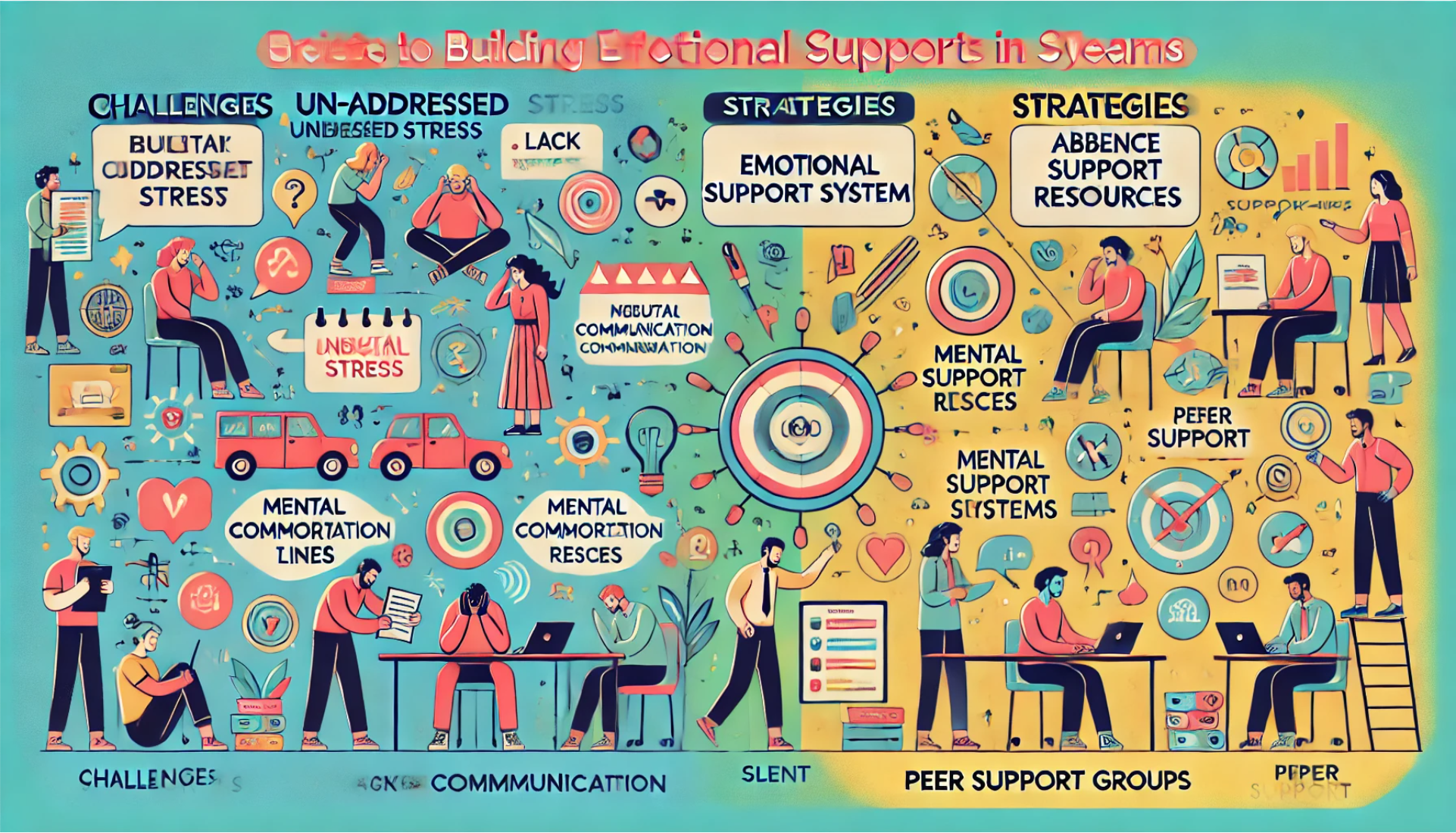
The shift to remote work has introduced a critical yet underappreciated stressor: the cognitive overload caused by fragmented digital communication [2], [7]. Unlike in-person interactions, where context and intent are often conveyed through tone, body language, and immediacy, digital platforms rely heavily on written or verbal precision. This creates a phenomenon known as "communication ambiguity," where the absence of non-verbal cues forces individuals to expend additional mental effort interpreting messages. For men, who are statistically less likely to seek clarification due to societal norms around self-reliance, this ambiguity compounds stress.
A 2023 study by the American Psychological Association revealed that 62% of remote workers reported increased anxiety when interpreting unclear digital communication [12], with men disproportionately affected [4], [9]. This aligns with findings from Microsoft’s Human Factors Lab, which showed that remote teams experienced a 35% drop in collaborative efficiency when relying solely on asynchronous tools like email and Slack.
To mitigate these challenges, organizations are experimenting with hybrid communication models. For example, Deloitte introduced "contextual briefing sessions," where teams discuss project nuances in real-time before transitioning to asynchronous workflows. This approach reduces ambiguity while preserving flexibility.
"The cognitive strain of interpreting digital communication is often underestimated, yet it significantly impacts emotional well-being and productivity."
— Dr. Samuel Beauregard, Organizational Psychologist
By addressing communication ambiguity, organizations can alleviate a key stressor, fostering clarity and emotional resilience in remote work environments.
Emotional Blind Spots and Male Stoicism
Remote work has magnified the emotional blind spots inherent in male stoicism, a cultural norm that discourages vulnerability. In virtual environments, the absence of non-verbal cues—such as body language or tone—removes critical opportunities for emotional recognition. This dynamic is particularly pronounced among men, who are often conditioned to suppress emotional expression. As a result, stress and anxiety frequently go unnoticed until they manifest as burnout or disengagement.
A 2023 study by the Journal of Occupational Health Psychology revealed that men in remote roles were 30% more likely to experience emotional withdrawal compared to their hybrid-working counterparts [13], [14]. This withdrawal stems from the lack of informal, supportive interactions that traditionally allowed men to process stress. For instance, casual office conversations often served as low-pressure outlets for emotional expression, a function that digital communication tools fail to replicate.
To address this, organizations are implementing structured interventions that counteract stoicism’s isolating effects. One promising approach is the integration of asynchronous emotional check-ins, where employees can share concerns without the immediacy of live interactions. Additionally, companies like Deloitte have introduced peer mentorship programs designed to foster trust and emotional openness in virtual settings.
"Remote work strips away the subtle [7], [2], everyday interactions where emotions find safe expression [15], leaving many men to shoulder pain in silence."
— Dr. James Mahalik, Clinical Psychologist
These strategies highlight a critical insight: combating emotional blind spots requires not only technological solutions but also a cultural shift that normalizes vulnerability as a strength.
Support Structures and Digital Solutions
The integration of targeted digital solutions into remote work environments has revealed a critical insight: technology alone cannot replicate the depth of in-person support systems without intentional design. For example, asynchronous platforms like Trello and Slack, while efficient for task management, fail to address the nuanced emotional needs of male employees. A 2023 study by BMJ Public Health found that 68% of men in remote roles reported feeling disconnected despite frequent digital interactions [5], [16], underscoring the inadequacy of current tools.
To bridge this gap, organizations like Accenture have implemented structured peer-support networks within digital ecosystems. These programs leverage AI-driven sentiment analysis to identify early signs of emotional distress, enabling timely interventions. Additionally, platforms such as BetterUp integrate personalized coaching sessions [11], which have been shown to reduce burnout rates by 23% in pilot studies.
The key lies in designing systems that prioritize emotional depth over transactional efficiency. By embedding psychological safety into digital frameworks, companies can transform remote work from an isolating experience into one that fosters resilience and connection [2], [1].
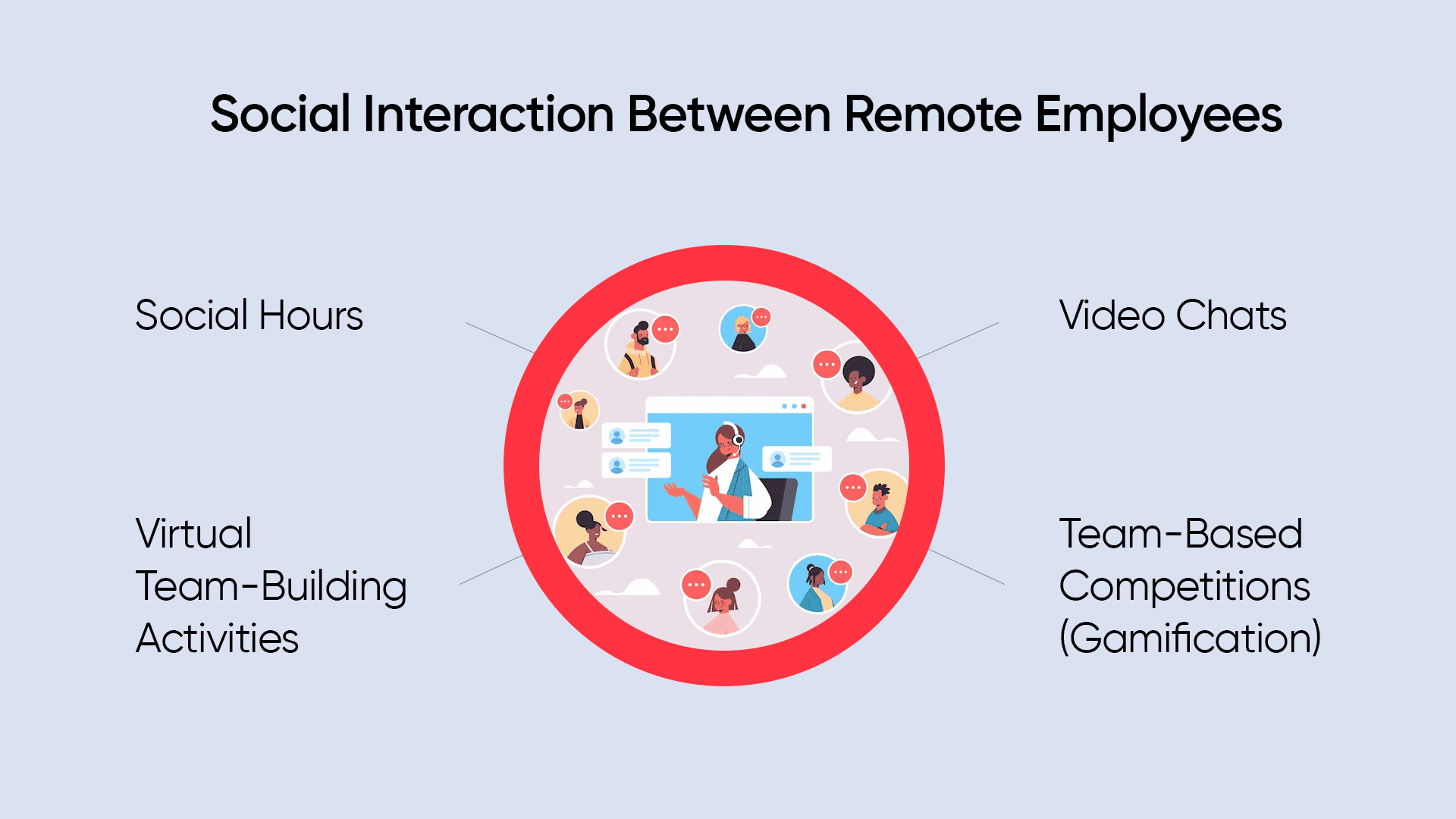
Gaps in Emotional Support for Men
The absence of informal, spontaneous interactions in remote work environments has created a significant gap in emotional support for men [1], [2], particularly in addressing stress and isolation. While digital tools like Slack and Microsoft Teams facilitate task management, they fail to replicate the nuanced emotional exchanges that occur in physical workplaces. This limitation is compounded by societal norms that discourage men from openly seeking support, leaving many to navigate challenges in isolation.
A 2023 study by BMJ Public Health revealed that men in remote roles were 35% more likely to experience emotional withdrawal compared to their hybrid-working counterparts [7], [4]. This withdrawal stems from the lack of unstructured, low-pressure opportunities for emotional expression, such as casual office conversations. Structured interventions, such as asynchronous peer check-ins [17], have shown promise in addressing this gap. For instance, a pilot program at Accenture reduced emotional shutdown incidents by 18% through weekly reflective prompts integrated into their workflow.
"Men’s reluctance to seek support isn’t about a lack of need—it’s about systems that fail to account for emotional nuance."
— Dr. James Mahalik, Clinical Psychologist
To bridge this gap, organizations must design support systems that combine digital efficiency with human connection. Peer mentorship programs, reflective sessions, and AI-driven sentiment analysis can create spaces where vulnerability is normalized, transforming remote work from a transactional experience into one that fosters genuine emotional resilience.
Leveraging Digital Spaces for Connection
Digital spaces, when designed with intentionality, can transcend their transactional nature to foster genuine emotional connection [7], [2]. A critical yet underexplored technique is the integration of asynchronous emotional engagement tools, which allow users to interact on their own terms while maintaining a sense of community. Unlike traditional virtual meetings, these tools prioritize flexibility and emotional depth, addressing the unique challenges men face in remote work environments.
One effective approach involves embedding AI-driven sentiment analysis into communication platforms. For instance, BetterSpace employs algorithms to detect early signs of emotional distress, prompting tailored interventions. A case study from a financial services firm demonstrated a 19% reduction in employee-reported isolation after implementing such tools alongside structured peer-support sessions. These systems excel in creating low-pressure opportunities for men to share concerns, bypassing the stigma often associated with seeking help.
However, the success of these tools depends heavily on contextual factors, such as organizational culture and the frequency of use. Over-reliance on AI without human oversight risks reducing interactions to impersonal exchanges [4], [9], undermining their effectiveness. To counter this, hybrid models that combine digital tools with periodic in-person gatherings have shown promise, as seen in Deloitte’s structured collaboration days.
"Digital spaces must intentionally incorporate emotional cues, not just task-oriented content [18], if they’re to foster genuine connection."
— Dr. James Mahalik, Clinical Psychologist
By reimagining digital platforms as ecosystems for emotional resilience, organizations can transform remote work into a model that supports both productivity and psychological well-being. This shift requires balancing technological innovation with human-centric design principles.
FAQ
What are the primary mental health challenges men face in remote work environments?
Men in remote work environments often encounter significant mental health challenges [4], [2], including heightened isolation, emotional withdrawal, and role strain. The lack of informal peer interactions disrupts traditional support systems, leading to feelings of loneliness and detachment [7], [10]. Blurred boundaries between work and personal life exacerbate stress, while societal expectations of stoicism hinder emotional expression. Additionally, the absence of in-person validation impacts professional identity, contributing to anxiety and burnout. Digital communication tools, while efficient, fail to replicate the depth of face-to-face connections [19], further amplifying these issues. Addressing these challenges requires tailored interventions that prioritize emotional resilience and structured peer support.
How does isolation in remote work impact male professional identity and emotional well-being?
Isolation in remote work disrupts male professional identity by removing the informal peer validation and visibility traditionally gained in physical workplaces [8], [2]. This absence weakens the reinforcement of leadership roles and team contributions, leading to diminished self-efficacy and professional detachment. Emotional well-being is further impacted as isolation fosters loneliness, anxiety [20], [21], and emotional withdrawal [9]. The lack of spontaneous interactions and non-verbal cues in digital communication tools exacerbates these effects, leaving men without critical outlets for stress relief. Addressing these impacts requires integrating structured in-person collaboration opportunities and digital tools designed to foster meaningful emotional connections and professional recognition.
What strategies can organizations implement to address role strain among men in remote roles?
Organizations can address role strain among men in remote roles by implementing hybrid work models that balance flexibility with structured in-person engagement [9], [22]. Leadership visibility days and peer mentorship programs can reinforce professional identity and provide validation. Clear boundaries between work and personal life, supported by policies like the right to disconnect, reduce stress from blurred roles. Providing access to mental health resources [24], such as counseling and emotional resilience training, further supports well-being. Additionally [23], [2], fostering a culture of open communication and leveraging digital tools for asynchronous collaboration ensures men can navigate professional demands without compromising their emotional and familial responsibilities.
How do digital communication tools influence emotional shutdown in men working remotely?
Digital communication tools contribute to emotional shutdown in men working remotely by prioritizing efficiency over emotional depth [2], [25]. The absence of non-verbal cues [4], such as body language and tone, limits the ability to convey or interpret emotional context, fostering misunderstandings and detachment. Men, often conditioned to suppress vulnerability, may find it harder to express stress or seek support in these environments [8], [7]. Over-reliance on asynchronous tools like email and messaging platforms exacerbates isolation, as they lack the spontaneity of in-person interactions. To mitigate these effects, organizations should integrate tools that promote emotional engagement and combine them with structured opportunities for real-time connection.
What are the long-term implications of remote work on male mental health and workplace dynamics?
The long-term implications of remote work on male mental health and workplace dynamics include sustained emotional isolation [26], [7], diminished professional identity, and increased vulnerability to burnout. Prolonged absence of informal peer validation weakens team cohesion and reduces opportunities for mentorship, impacting workplace culture [2], [4]. Role strain from blurred work-life boundaries may lead to chronic stress and disengagement. Over time [1], these factors can erode organizational productivity and employee retention. To counteract these effects, companies must adopt hybrid models, foster inclusive communication practices, and implement robust mental health support systems that address the unique challenges faced by men in remote work environments.
References
The impact of transition to a remote work format on the mental health of employees. Retrieved from https://populationandeconomics.pensoft.net/article/90505/
Impact of Remote Work Dynamics on Mental Health and Productivity. Retrieved from https://www.scirp.org/journal/paperinformation?paperid=140016
Masculinity and mental illness in and after men's intimate partner relationships - ScienceDirect. Retrieved from https://www.sciencedirect.com/science/article/pii/S2667321522000014
Teleworking Effects on Mental Health—A Systematic Review and a Research Agenda. Retrieved from https://www.mdpi.com/1660-4601/21/3/243
Impact of Remote Work Dynamics on Mental Health and Productivity. Retrieved from https://www.scirp.org/pdf/ojd2025141_22720265.pdf
2025 Mental Health Trends in the Remote Workforce | ARCpoint Labs of Martinez. Retrieved from https://www.arcpointlabs.com/martinez/blog/mental-health-remote-workforce/
Remote work impact on mental health and productivity | Anker Huis. Retrieved from https://ankerhuisrehab.com/remote-work-mental-health/
Full article: The impact of remote work and mediated communication frequency on isolation and psychological distress. Retrieved from https://www.tandfonline.com/doi/full/10.1080/1359432X.2021.2002299
The Rise of Remote Work: How Men Are Adjusting Their Professional Lives. Retrieved from https://www.linkedin.com/pulse/rise-remote-work-how-men-adjusting-professional-lives-robert-weigel-3qnzc
https://www.robertwalters.ie/content/dam/robert-walters/country/ireland/files/whitepapers/RW%20-%20Mental%20Health%20And%20The%20Remote%20Workplace%20-%20E-book%20Ireland%20-%20A4.pdf. Retrieved from https://www.robertwalters.ie/content/dam/robert-walters/country/ireland/files/whitepapers/RW%20-%20Mental%20Health%20And%20The%20Remote%20Workplace%20-%20E-book%20Ireland%20-%20A4.pdf
Microsoft Word - Ex-jobb_Casper_Makda_Vivian-latestrep (1).docx. Retrieved from http://du.diva-portal.org/smash/get/diva2%3A1790384/FULLTEXT01.pdf
Influence of Remote Work on the Work Stress of Workers in the Context of the COVID-19 Pandemic: A Systematic Review. Retrieved from https://www.mdpi.com/2071-1050/15/16/12489
How the Burden of Stoicism Affects Men’s Mental Health | Samvedna Care. Retrieved from https://www.samvednacare.com/blog/how-the-burden-of-stoicism-affects-men-s-mental-health/
Male Stoicism and Emotional Intimacy: Redefining Strength. Retrieved from https://www.jacquelinemendez.com/myth-of-male-stoicism-and-intimacy/
Understanding Male Stoicism. Navigating Emotions in Modern Masculinity - FFFN. Retrieved from https://fffn.com.au/understanding-male-stoicism-navigating-emotions-in-modern-masculinity/?srsltid=AfmBOorUCQZLWvCwbBCbc7eb1h9Z7HVsZ4G3ProwDihPLsfjlUltSdXV
The Moderating Role of Emotional Intelligence on Remote Work-Related Stresses During the COVID-19 Pandemic. Retrieved from https://scholarworks.waldenu.edu/cgi/viewcontent.cgi?article=14372&context=dissertations
Organizational and occupational health issues with working remotely during the pandemic: a scoping review of remote work and health - PMC. Retrieved from https://pmc.ncbi.nlm.nih.gov/articles/PMC11069417/
(PDF) Analysis of Start-Up Digital Mental Health Platforms for Enterprise: Opportunities for Enhancing Communication between Managers and Employees. Retrieved from https://www.researchgate.net/publication/359532565_Analysis_of_Start-Up_Digital_Mental_Health_Platforms_for_Enterprise_Opportunities_for_Enhancing_Communication_between_Managers_and_Employees
Recognizing the Effects of Remote Work on Mental Health. Retrieved from https://www.rtor.org/2024/08/15/recognizing-the-effects-of-remote-work-on-mental-health/
How Remote Work Impacts Mental Well-Being | The Pros & Cons. Retrieved from https://positivereseteatontown.com/how-remote-work-impacts-your-mental-well-being/
Isolation and Mental Health: The Challenges of Working Remotely. Retrieved from https://www.linkedin.com/pulse/isolation-mental-health-challenges-working-remotely-paulo-canas
Feeling Supported as a Remote Worker: The Role of Support from Leaders and Colleagues and Job Satisfaction in Promoting Employees’ Work–Life Balance. Retrieved from https://www.mdpi.com/1660-4601/21/6/770
Effective employee strategies for remote working: An online self-training intervention - ScienceDirect. Retrieved from https://www.sciencedirect.com/science/article/pii/S0001879123000179
Analyzing the impact of the shift to remote work mode on middle managers’ well-being in the pandemic - ScienceDirect. Retrieved from https://www.sciencedirect.com/science/article/pii/S2444883423000049
Roads to recovery in remote working. Exploration of the perceptions of energy-consuming elements of remote work and self-promoted strategies toward psychological detachment | Employee Relations | Emerald Publishing. Retrieved from https://www.emerald.com/insight/content/doi/10.1108/er-09-2022-0431/full/html
What are the long-term impacts of remote work on mental health? - Quora. Retrieved from https://www.quora.com/What-are-the-long-term-impacts-of-remote-work-on-mental-health