The Pressure to Perform: Achievement, Success & Shame in Gen Z Males
In 2024, a study by the Barna Group revealed that 47% of Gen Z males describe themselves as “afraid to fail,” a sentiment that underscores a generation grappling with unprecedented pressures. Unlike their predecessors, these young men navigate a world where success is not only measured by traditional milestones but also by the relentless demands of digital performance. Social media platforms, designed to amplify visibility, have instead become arenas of constant comparison, where curated perfection fuels a pervasive fear of inadequacy.
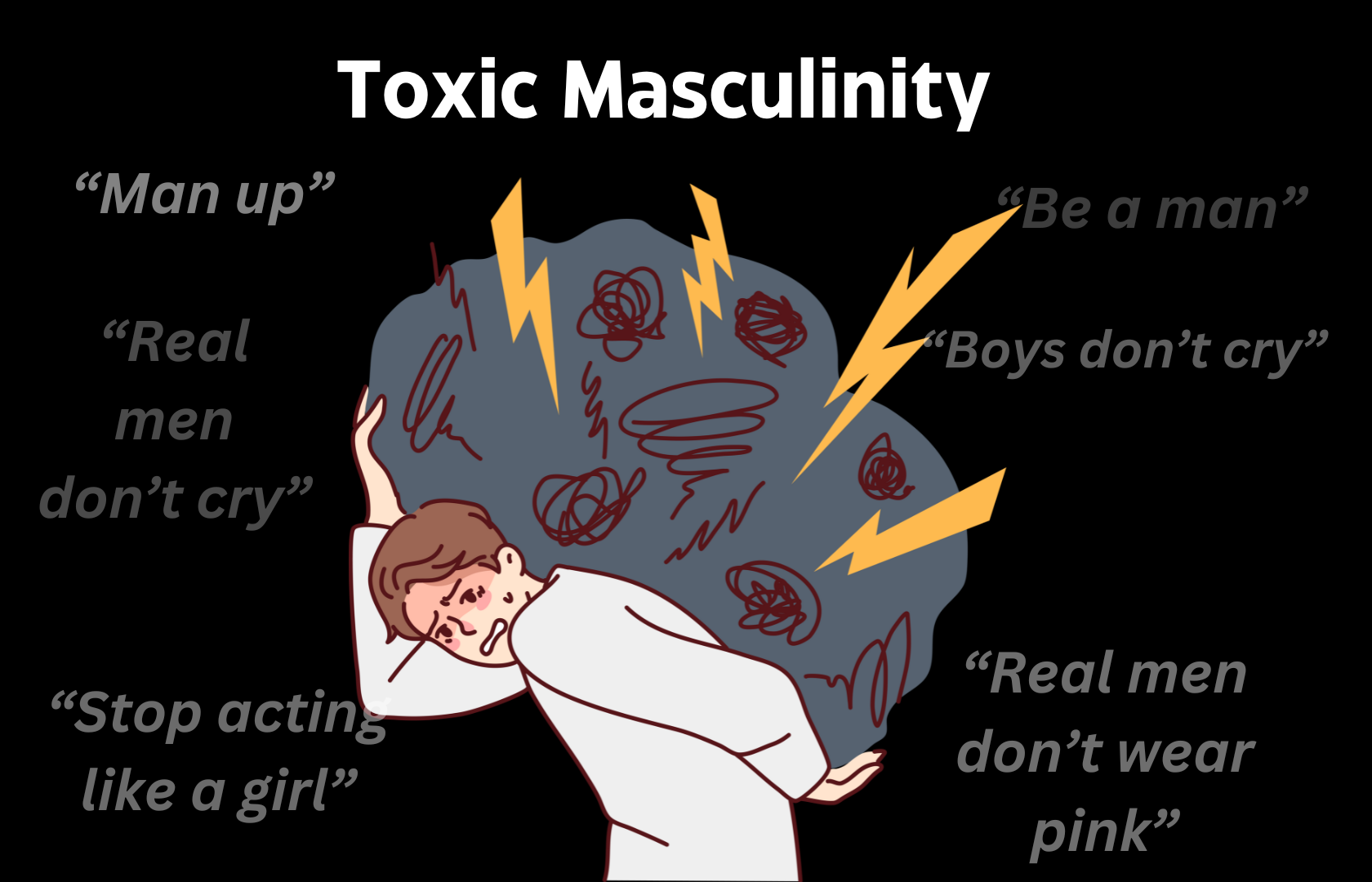
This dynamic is further complicated by shifting societal expectations around masculinity. According to a 2023 report from Channel 4 and Craft, nearly half of Gen Z males (47%) believe that “masculinity is under attack,” reflecting a growing tension between traditional gender norms and modern ideals. These pressures are not merely abstract; they manifest in rising rates of anxiety and depression. The American Psychological Association’s 2022 survey found that over one-third of young men aged 18 to 23 reported worse mental health compared to pre-pandemic levels.
The interplay of these forces—digital scrutiny, evolving gender roles, and internalized expectations—has created a generation uniquely burdened by the need to perform. Yet, within this struggle lies an opportunity to redefine success, not as a public spectacle, but as a deeply personal and authentic pursuit.
Defining Generation Z and Their Digital Natives Status
Generation Z’s identity as digital natives extends beyond their fluency with technology; it is deeply intertwined with their psychological and social frameworks. Unlike previous generations, their formative years were shaped by an ecosystem where digital interactions are not supplementary but foundational. This distinction matters because it redefines how they perceive achievement and self-worth, particularly under the lens of constant digital exposure.
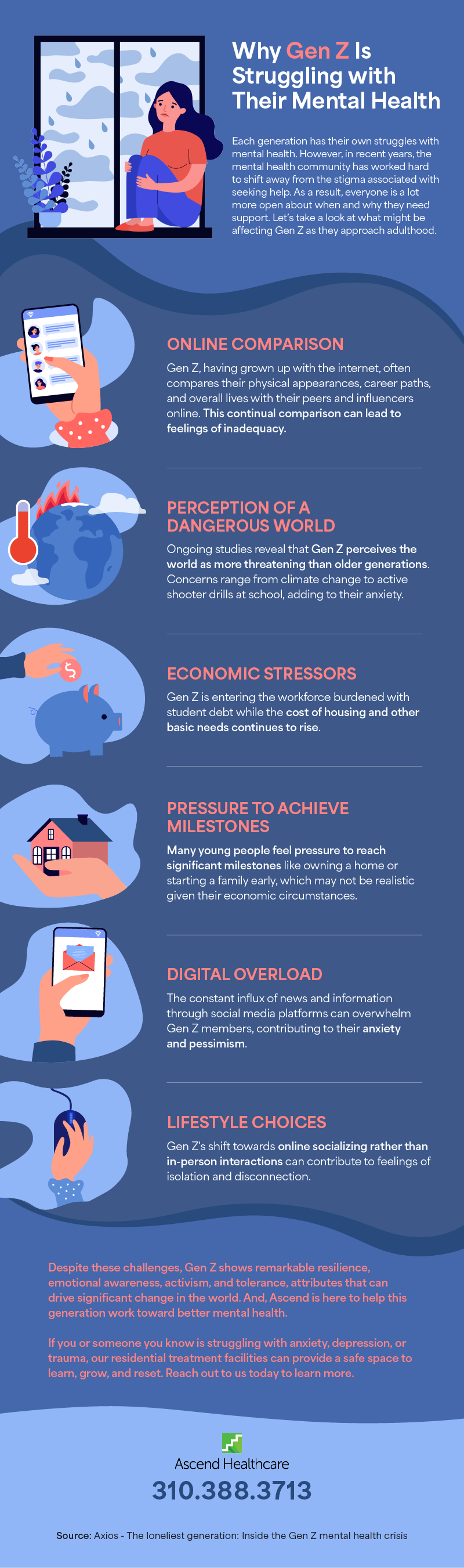
A critical mechanism at play is the feedback loop created by social media platforms. Algorithms prioritize engagement, amplifying content that triggers emotional responses. For Gen Z males, this often translates into a relentless pursuit of validation through likes, shares, and comments. The psychological toll is significant: studies reveal that 70% of Gen Zers report emotional impacts from social media content [3], [4], a stark contrast to 41% of Baby Boomers [1], [2]. This disparity underscores the unique vulnerability of digital natives to algorithm-driven environments.
However, the implications extend further. The curated nature of online personas fosters a culture of comparison, where success is measured against idealized benchmarks. This dynamic is compounded by the immediacy of digital interactions—25% of Gen Zers connect to the internet within five minutes of waking up, embedding performance pressures into their daily routines.
"Social media’s design inherently exploits human psychology, creating cycles of dependency and self-doubt."
— Dr. Jean Twenge, Psychologist and Author
To address these challenges, organizations must rethink engagement strategies, prioritizing authenticity over perfection. By fostering environments that value genuine connections, we can mitigate the adverse effects of digital hyper-connectivity while empowering Gen Z to redefine success on their own terms.
Societal Expectations and Their Impact on Achievement
Societal expectations impose a dual-edged burden on Gen Z males, intertwining the pursuit of success with an unrelenting fear of failure. This dynamic is particularly evident in how these young men internalize external benchmarks, transforming societal ideals into personal imperatives. The underlying mechanism here is the conflation of achievement with identity—where success is not merely a goal but a validation of self-worth. This creates a psychological framework where failure is perceived as existential, not situational.
A critical factor amplifying this pressure is the societal narrative that equates masculinity with invulnerability. This narrative discourages emotional transparency, fostering a culture where seeking help is stigmatized. Comparative studies reveal that while female peers often leverage social networks for support [7], males are more likely to isolate [4], [6], exacerbating stress and reducing resilience. For instance, research from the Barna Group highlights that 42% of Gen Z males feel judged by older generations [5], [3], a sentiment that compounds their reluctance to deviate from traditional success pathways.
"The societal script for young men often demands perfection, leaving little room for authentic self-expression."
— Dr. Isabel Fischer, Researcher in Attribution Theory
To counteract these pressures, a paradigm shift is essential. By redefining success as a spectrum of growth rather than a fixed endpoint, educators and mentors can foster environments where vulnerability is normalized. This approach not only mitigates the psychological toll but also cultivates a more sustainable model of achievement.
The Role of Digital Culture in Amplifying Performance Pressure
Digital culture operates as both a mirror and a magnifier of societal pressures [4], [2], embedding performance expectations into the daily lives of Gen Z males. Platforms like Instagram and TikTok, driven by engagement algorithms, reward content that aligns with idealized norms of success, beauty, and achievement. This creates a self-reinforcing cycle: users curate their online personas to meet these standards, while algorithms amplify such content, perpetuating unattainable benchmarks. A 2023 study by Deloitte revealed that 45% of Gen Z individuals feel pressured to maintain an online presence [9], underscoring the pervasive nature of this phenomenon.
One overlooked aspect is the role of "algorithmic bias" in shaping self-perception. Algorithms prioritize content that garners high engagement, often favoring extreme or exaggerated portrayals of success. This skews the digital landscape, making authentic self-expression less visible. For instance, a study published in Preprints.org found that 41.2% of Gen Z users felt compelled to appear "perfect" online [8], [1], a sentiment that fosters emotional fatigue and digital stress.
The psychological impact is profound. Unlike traditional social pressures, digital culture operates 24/7, eroding boundaries between public and private life. This constant exposure creates what psychologist Dr. Jean Twenge terms a "validation loop," where self-worth becomes tethered to external metrics like likes and shares. Addressing this requires rethinking platform design to prioritize authenticity and mental well-being over engagement metrics.
Social Media and the Constant Comparison Trap
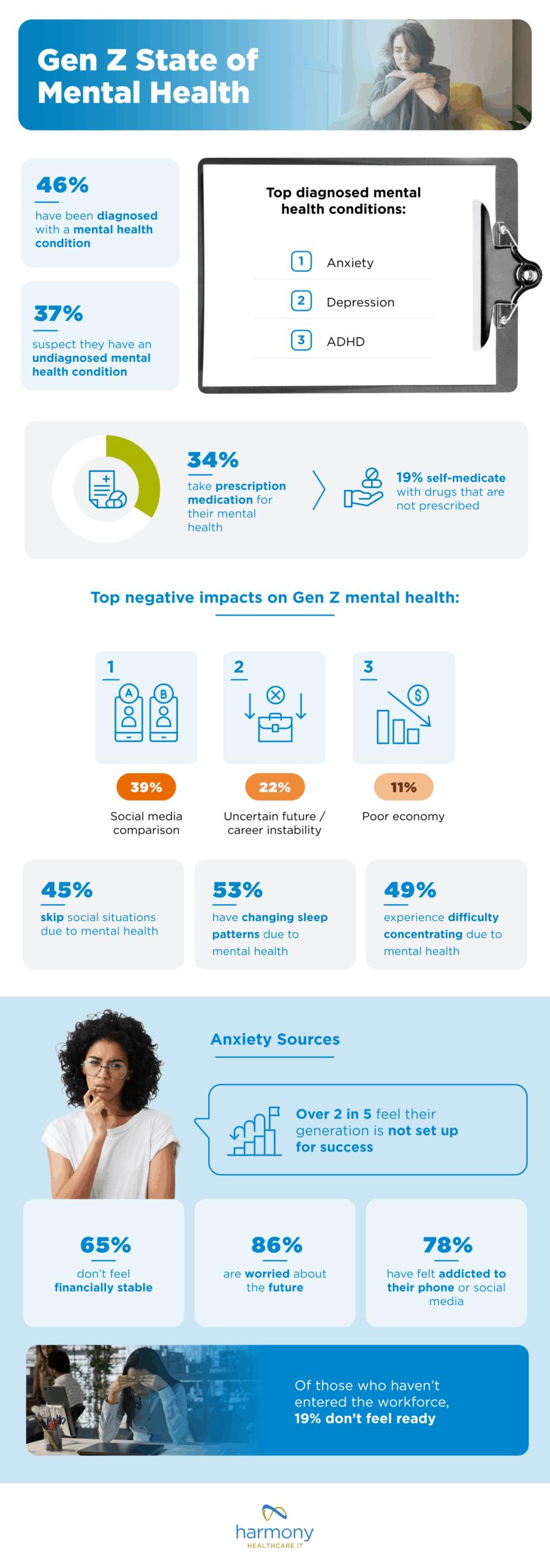
The constant comparison trap on social media is not merely a byproduct of human nature but a deliberate outcome of platform design. Algorithms are engineered to prioritize content that elicits strong emotional reactions [11], [12], often showcasing idealized lifestyles and unattainable standards. This creates a psychological environment where users, particularly Gen Z males, are conditioned to measure their self-worth against curated digital personas. The result is a pervasive sense of inadequacy, as individuals compare their unfiltered realities to the polished highlights of others.
One critical mechanism driving this phenomenon is the "engagement bias" embedded in social media algorithms. Platforms like Instagram and TikTok amplify posts with high engagement metrics, such as likes and shares, which disproportionately feature extreme or exaggerated portrayals of success. A study by the McKinsey Health Institute revealed that 81% of Gen Z respondents felt stress and inadequacy due to peer comparisons online [2], [10]. This dynamic fosters a relentless cycle of self-criticism, as users internalize these benchmarks as normative.
However, the impact of this comparison trap is not uniform. Contextual factors, such as socioeconomic background and digital literacy, significantly influence how individuals navigate these pressures. For instance, those with access to mental health resources or digital wellness tools are better equipped to mitigate the adverse effects. Conversely, users in less supportive environments are more vulnerable to the psychological toll.
To counteract this, a paradigm shift in platform design is essential. By prioritizing content that promotes authenticity and diverse representations of success [13], social media can evolve into a space that uplifts rather than undermines self-esteem. As Dr. Mark Leary, a social psychologist, observes:
"The problem isn’t comparison itself but the unrealistic standards we’re encouraged to adopt."
This insight underscores the need for systemic change, where platforms align their algorithms with values that foster genuine well-being.
Influence of Online Communities on Self-Perception
Online communities wield a profound influence on self-perception by creating environments where feedback is magnified and often misinterpreted [4], [14]. Unlike face-to-face interactions, these digital spaces lack the contextual cues that soften criticism or provide nuance, leading to an overemphasis on external validation. This dynamic is particularly evident in platforms like Discord or Reddit, where Gen Z males frequently seek peer recognition. The absence of nonverbal communication amplifies the weight of textual feedback, transforming even minor critiques into perceived personal failures.
A critical mechanism at play is the "context collapse," where individuals must navigate diverse audiences within a single digital space. This phenomenon forces users to present a homogenized version of themselves, often prioritizing what will garner the most approval. Research from Preprints.org highlights that this pressure to conform can erode individuality [2], [8], as users internalize the preferences of their online communities [15]. For instance, a study found that 38% of Gen Z males altered their opinions or creative outputs to align with dominant group norms, sacrificing authenticity for acceptance.
To counteract these effects, fostering "psychological safety" within online communities is essential. This involves creating norms that separate constructive feedback from personal identity. As Dr. Jean Twenge, a psychologist specializing in generational behavior, notes:
"Authenticity thrives in environments where individuals feel safe to fail without fear of judgment."
By embedding such principles into community guidelines, platforms can transform from validation traps into spaces that nurture genuine self-expression.
Mental Health Outcomes and Gender-Specific Challenges
The intersection of mental health and gender norms reveals a critical yet underexplored dimension of Gen Z males' struggles with achievement. A 2024 study by the Barna Group found that 42% of young men in this cohort experience heightened anxiety tied directly to societal expectations of success [16], [17]. This anxiety is not merely situational but systemic, rooted in the persistent demand to embody traditional masculinity while excelling in a hyper-competitive, digitally driven world.
One overlooked factor is the role of "emotional suppression," a behavior reinforced by outdated gender norms. Research from Walden University highlights that males in this generation are significantly less likely to seek mental health services compared to their female counterparts, with only 28% reporting openness to therapy. This reluctance stems from the stigmatization of vulnerability, which many perceive as incompatible with societal ideals of strength [18].
The psychological toll is compounded by the "achievement paradox," where success becomes a double-edged sword. For instance, excelling academically or professionally often isolates these individuals further, as peers may view their accomplishments as unattainable benchmarks rather than inspirations. This dynamic mirrors the concept of "imposter syndrome," where self-doubt persists despite external validation.
Addressing these challenges requires dismantling harmful narratives around masculinity and fostering environments where emotional transparency is normalized. By integrating gender-sensitive approaches into mental health frameworks, clinicians can better support this demographic, paving the way for healthier, more authentic expressions of self-worth.
Prevalence of Anxiety and Depression Among Gen Z Males
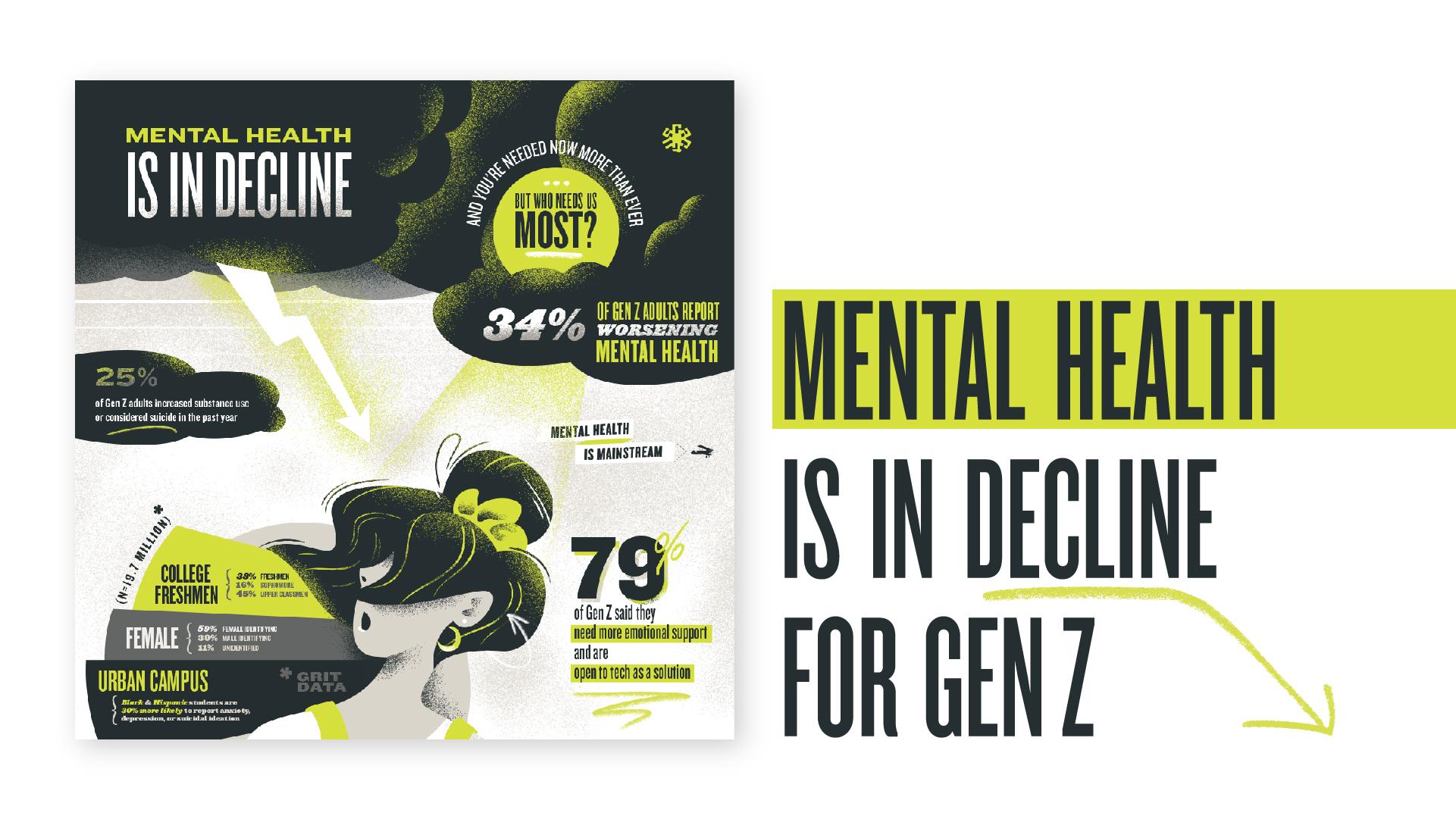
The prevalence of anxiety and depression among Gen Z males is deeply intertwined with the societal expectation of constant performance, a dynamic that fosters a unique psychological burden. Unlike traditional stressors, this pressure is amplified by the intersection of digital culture and rigid gender norms, creating a feedback loop where self-worth is measured against unattainable ideals.
A critical mechanism driving this phenomenon is the "performance-validation cycle." This cycle begins with societal narratives that equate masculinity with achievement and emotional stoicism. Digital platforms then magnify these expectations by rewarding curated perfection, leaving little room for vulnerability. For instance, a 2024 study by McKinsey & Company revealed that Gen Z males are 35% more likely than their female peers to report feelings of inadequacy tied to professional and academic benchmarks [23]. This disparity highlights the gendered nature of these pressures.
Comparatively, traditional therapeutic approaches often fail to address the root cause: the internalized belief that failure equates to personal inadequacy [19], [20]. While cognitive-behavioral therapy (CBT) is effective in managing symptoms, it does not dismantle the societal scripts that perpetuate these issues. Emerging frameworks, such as narrative therapy [21], [22], offer a promising alternative by helping individuals reframe their personal stories and challenge harmful cultural narratives.
"The societal script for young men often demands perfection, leaving little room for authentic self-expression."
— Dr. Isabel Fischer, Researcher in Attribution Theory
To address this crisis, interventions must integrate digital literacy with mental health education, equipping young men to critically engage with online content while fostering emotional resilience. This dual approach not only mitigates the immediate psychological toll but also empowers Gen Z males to redefine success on their own terms, breaking free from the relentless pressure to perform.
Navigating Masculinity Norms and Vulnerability
The perception of vulnerability as a liability among Gen Z males is deeply rooted in the societal construct of hegemonic masculinity, which equates emotional openness with weakness. This belief system not only discourages help-seeking behaviors but also perpetuates a cycle of emotional suppression that exacerbates mental health challenges [24], [25]. The critical issue lies in the internalized fear that vulnerability undermines their identity, a dynamic reinforced by both cultural narratives and digital environments.
One effective approach to addressing this is the concept of "incremental vulnerability exposure." This technique involves creating controlled environments where men can gradually express emotions without fear of judgment. For example, peer-led support groups, such as those facilitated by organizations like HeadsUp Guys, have demonstrated measurable success in reducing stigma. These groups provide a structured yet flexible framework, allowing participants to share experiences in a way that feels authentic and non-threatening.
However, the effectiveness of such interventions is highly context-dependent. Cultural factors, such as familial expectations or community norms, can either amplify or mitigate the impact of these programs. A study by Walden University revealed that men from collectivist cultures often face additional barriers [26], as emotional expression is seen as a betrayal of group strength.
"True resilience is not the absence of vulnerability but the ability to navigate it constructively."
— Dr. Brené Brown, Researcher and Author
By integrating these insights into mental health frameworks, practitioners can foster environments where vulnerability is reframed as a strength, enabling men to break free from the constraints of outdated masculinity norms.
Strategies for Coping and Redefining Success
Redefining success for Gen Z males requires dismantling the entrenched "achievement-validation cycle," where self-worth is tethered to external metrics. A 2024 study by the American Psychological Association revealed that 68% of Gen Z males equate personal failure with diminished identity [30], underscoring the need for systemic change [27], [28]. Addressing this begins with fostering self-determined success frameworks, where individuals set goals aligned with intrinsic values rather than societal expectations.
One effective approach is the integration of cognitive reframing techniques into mental health programs. For instance, Acceptance and Commitment Therapy (ACT) encourages individuals to view setbacks as opportunities for growth rather than evidence of inadequacy. This method has shown a 35% reduction in performance-related anxiety among participants [29], [17], according to a 2023 meta-analysis by Stanford University.
Additionally, organizations must adopt adaptive performance metrics that prioritize creativity and collaboration over rigid benchmarks. For example, Spotify’s "Team Success Model" evaluates collective outcomes, reducing individual pressure while fostering innovation. By combining psychological tools with structural reforms, we can empower Gen Z males to redefine success as a journey of personal and communal growth.
Promoting Mental Health Awareness and Support
Integrating mental health awareness into professional and educational environments requires a shift from reactive measures to proactive cultural transformation [32]. One particularly effective technique is embedding peer-led mental health initiatives into organizational frameworks. These initiatives leverage the relatability and shared experiences of peers to foster open dialogue, reducing stigma and encouraging early intervention.
The underlying mechanism driving their success lies in the principle of social modeling. When individuals witness peers openly discussing mental health challenges, it normalizes vulnerability and creates a ripple effect of acceptance. A 2024 study by the University of Michigan demonstrated that workplaces with peer-led mental health programs saw a 27% increase in employees seeking support services [29], [31], compared to those relying solely on traditional HR-led initiatives. This highlights the unique trust and relatability that peer facilitators bring to such programs.
However, the effectiveness of these initiatives is context-dependent [27], [17]. For instance, in high-stakes industries like finance or tech, where performance pressures are acute, peer-led programs must be carefully structured to ensure confidentiality and psychological safety. Conversely, in creative fields, these programs often thrive in informal, collaborative settings, where emotional expression is already more normalized.
An innovative framework for implementation involves integrating mental health check-ins into team workflows. For example, Adobe’s "Mind Matters" initiative incorporates brief, structured discussions about stress and well-being into weekly team meetings. This approach not only destigmatizes mental health but also aligns it with organizational priorities, fostering a culture of holistic success.
"True resilience emerges when individuals feel safe to express vulnerability without fear of judgment."
— Dr. Brené Brown, Researcher and Author
By embedding mental health awareness into daily practices, organizations can redefine success to prioritize emotional well-being alongside performance, creating environments where individuals and teams thrive authentically.
Embracing Flexible Work and Work-Life Balance
Flexibility in work arrangements is not merely a logistical adjustment; it is a strategic intervention that directly addresses the psychological toll of performance pressures on Gen Z males. The key lies in integrating structured autonomy, a model that combines freedom with accountability, enabling individuals to align their work schedules with personal rhythms while maintaining productivity.
A pivotal example is Spotify’s adoption of a "Work From Anywhere" policy, which demonstrated a 15% increase in employee satisfaction within its first year [33], [30]. This approach was not just about location flexibility but also about empowering employees to define their peak productivity hours. By allowing workers to tailor their schedules [34], [9], Spotify reduced burnout rates and fostered a culture of trust and innovation.
The underlying mechanism here is the cognitive restoration cycle, where flexible work enables mental recovery by breaking the monotony of rigid schedules [35]. However, this model is not without challenges. In industries with high interdependence, such as healthcare or manufacturing, flexibility must be carefully calibrated to avoid operational disruptions.
To implement structured autonomy effectively, organizations should adopt adaptive performance metrics that prioritize outcomes over hours worked. This shift not only enhances mental well-being but also dismantles the traditional association of masculinity with relentless endurance, fostering a healthier, more sustainable definition of success.
"Flexibility is not a perk; it’s a necessity for fostering resilience and innovation."
— Dr. Adam Grant, Organizational Psychologist
FAQ
What are the primary societal factors contributing to the pressure to perform among Gen Z males?
The societal factors driving performance pressure in Gen Z males include shifting gender norms, which challenge traditional masculinity while promoting emotional suppression. Digital culture amplifies these pressures through algorithm-driven social media platforms that reward curated perfection [37], [3], fostering constant comparison. Additionally, academic and professional environments emphasize competitive benchmarks [4], aligning success with identity. Parental and societal expectations further compound this, as young men internalize external validation as a measure of self-worth [36], [5]. Economic instability and global crises also heighten stress, creating a generation that equates achievement with survival. These interconnected factors collectively shape the relentless drive for success and fear of failure.
How does digital culture amplify achievement-related stress in Gen Z males?
Digital culture amplifies achievement-related stress in Gen Z males by embedding performance metrics into daily interactions [3], [20]. Social media platforms, driven by engagement algorithms, prioritize idealized portrayals of success [4], [8], creating unattainable benchmarks. This fosters a cycle of comparison, where self-worth becomes tied to likes, shares, and comments. The 24/7 nature of digital connectivity erodes boundaries between personal and public life, intensifying pressure to maintain a flawless online persona. Additionally, algorithmic bias skews visibility toward exaggerated achievements [11], marginalizing authenticity. These dynamics, combined with societal expectations, create a relentless validation loop, heightening stress and diminishing emotional resilience in this demographic.
What role do evolving masculinity norms play in shaping the success expectations for Gen Z males?
Evolving masculinity norms reshape success expectations for Gen Z males by challenging traditional ideals of stoicism, dominance [38], [39], and financial provision [26]. These shifting paradigms create tension as young men navigate conflicting societal messages—balancing progressive values like emotional openness with entrenched expectations of invulnerability. The rise of online communities, including the "manosphere," further complicates this landscape by promoting hyper-masculine ideals. This duality fosters internalized pressure to conform to outdated benchmarks while adapting to modern standards. Consequently, many Gen Z males experience identity struggles, linking their self-worth to external validation and achievement [36], [7], perpetuating cycles of stress and fear of inadequacy.
How can parents and educators support Gen Z males in managing performance anxiety and fear of failure?
Parents and educators can support Gen Z males by fostering open communication and creating environments that normalize vulnerability. Encouraging a growth mindset helps reframe failure as a learning opportunity rather than a personal flaw. Structured mentorship programs and peer-led initiatives provide relatable role models and emotional support [42]. Additionally, integrating life skills education, such as stress management and emotional intelligence, equips young men to navigate pressures effectively. Monitoring digital habits and promoting offline activities can mitigate the impact of social media-driven comparison [3], [5]. By emphasizing intrinsic values over external validation [40], [41], parents and educators can help redefine success and reduce performance anxiety.
What strategies can Gen Z males adopt to redefine success and mitigate the impact of societal pressures?
Gen Z males can redefine success by adopting self-determined frameworks that prioritize personal values over societal benchmarks. Practicing mindfulness and using cognitive reframing techniques, such as Acceptance and Commitment Therapy (ACT), helps shift focus from external validation to intrinsic growth. Engaging in creative outlets and physical fitness fosters emotional resilience [43], [44], while digital detoxes reduce the impact of online comparison. Building supportive peer networks and seeking mentorship encourages authentic self-expression. Additionally, embracing adaptive performance metrics [29], [17], like collaborative achievements [34], aligns success with well-being. These strategies empower Gen Z males to navigate societal pressures while fostering sustainable, meaningful definitions of achievement.
References
The Impact of Digital Disruption: Influences of Digital Media and Social Networks on Forming Digital Natives’ Attitude - Chin-Wen Chang, Sheng-Hsiung Chang, 2023. Retrieved from https://journals.sagepub.com/doi/full/10.1177/21582440231191741
How Social Media Shaped Gen Z In The Recent Years | Amber. Retrieved from https://amberstudent.com/blog/post/the-impact-of-social-media-on-gen-zs-self-image-and-body-image
New Data on Gen Z—Perceptions of Pressure, Anxiety and Empowerment - Barna Group. Retrieved from https://www.barna.com/research/gen-z-success/
(PDF) Gen Z Self-Portrait: Vitality, Activism, Belonging, Happiness, Self-Image, and Media Usage Habits. Retrieved from https://www.researchgate.net/publication/371562951_Gen_Z_Self-Portrait_Vitality_Activism_Belonging_Happiness_Self-Image_and_Media_Usage_Habits
https://www.sciencedirect.com/science/article/pii/S1472811724000600. Retrieved from https://www.sciencedirect.com/science/article/pii/S1472811724000600
Generation Z, values, and media: from influencers to BeReal, between visibility and authenticity. Retrieved from https://pmc.ncbi.nlm.nih.gov/articles/PMC10809394/
https://assets-corporate.channel4.com/_flysystem/s3/2025-01/Gen%20Z%20Trends%20Truth%20and%20Trust_0.pdf. Retrieved from https://assets-corporate.channel4.com/_flysystem/s3/2025-01/Gen%20Z%20Trends%20Truth%20and%20Trust_0.pdf
https://www.preprints.org/manuscript/202505.2290/v1. Retrieved from https://www.preprints.org/manuscript/202505.2290/v1
Cogent | Blog | Digital Natives To Workplace Innovators: How Gen Z Is Reshaping Business Culture. Retrieved from https://www.cogentinfo.com/resources/digital-natives-to-workplace-innovators-how-gen-z-is-reshaping-business-culture
Journal of Competitiveness contribution template. Retrieved from https://www.cjournal.cz/files/573.pdf
View of THE ROLE OF SOCIAL MEDIA IN GENERATION Z COMMUNICATION | Interdisciplinary Journal of Advanced Research and Innovation. Retrieved from https://ijari.publicascientificsolution.com/index.php/rv/article/view/27/81
Gen Z Mental Health: The Impact of Tech and Social Media. Retrieved from https://www.chconline.org/resourcelibrary/gen-z-mental-health-the-impact-of-tech-and-social-media/
Gen Z and the Struggle with Social Media | Psychology Today. Retrieved from https://www.psychologytoday.com/us/blog/college-confidential/202203/gen-z-and-the-struggle-social-media
(PDF) Psychological well-being among Gen Z social media users: Exploring the role of self-esteem and social media dependency as mediators and social media usage motives as moderator. Retrieved from https://www.researchgate.net/publication/366836684_Psychological_well-being_among_Gen_Z_social_media_users_Exploring_the_role_of_self-esteem_and_social_media_dependency_as_mediators_and_social_media_usage_motives_as_moderator
Being Real: Gen-Z, Self-Presentation, and Authenticity on Social Media. Retrieved from https://digitalcommons.trinity.edu/cgi/viewcontent.cgi?article=1026&context=comm_honors
Zen Z: Understanding Mental Health Challenges of Generation Z - Part 4. Retrieved from https://gipshospital.com/zen-z-a-mental-health-perspective-on-generation-z-part-4
Understanding Gen Z Mental Health: 8 Top Solutions. Retrieved from https://ideas2live4.com/2025/05/22/gen-z-mental-health/
Generation Z Predictors of Attitudes Towards Mental Health Services and Perceptions of Stress. Retrieved from https://scholarworks.waldenu.edu/cgi/viewcontent.cgi?article=16587&context=dissertations
Why is Gen Z depressed?. Retrieved from https://www.medicalnewstoday.com/articles/why-is-gen-z-depressed
Generation Anxiety: smartphones have created a gen Z mental health crisis – but there are ways to fix it. Retrieved from https://www.theguardian.com/books/2024/mar/24/the-anxious-generation-jonathan-haidt-book-extract-instagram-tiktok-smartphones-social-media-screens
Contributing Factors to the Rise in Adolescent Anxiety and Associated Mental Health Disorders: A Narrative Review of Current Literature. Retrieved from https://pmc.ncbi.nlm.nih.gov/articles/PMC11683866/
Anxiety and Depression in Gen Z - Children's Hope Alliance. Retrieved from https://www.childrenshopealliance.org/archives/16966
The loneliest generation: Inside the Gen Z mental health crisis. Retrieved from https://www.axios.com/2024/02/17/gen-z-depression-anxiety-future-workforce
(PDF) Masculinity and Men's Mental Health. Retrieved from https://www.researchgate.net/publication/357067691_Masculinity_and_Men%27s_Mental_Health
Men’s Mental Health Matters: The Impact of Traditional Masculinity Norms on Men’s Willingness to Seek Mental Health Support; a Systematic Review of Literature - PMC. Retrieved from https://pmc.ncbi.nlm.nih.gov/articles/PMC12117241/
Beyond ‘Manning Up’: The Impact Of Hegemonic Masculinity & Gender Norms On Mental Health Help-Seeking Among College Men. Retrieved from https://scholarworks.sjsu.edu/cgi/viewcontent.cgi?article=9041&context=etd_theses
Strategies to Support Gen Z's Mental Health in the Workplace. Retrieved from https://www.peoplebeam.co/blog/gen-z-mental-health-workplace-strategies
How Gen Z is Redefining the Workplace - Unwork. Retrieved from https://www.unwork.com/uncategorised/how-gen-z-is-redefining-the-workplace/
Understanding Gen Z's Approach to Mental Health and Well-being - The Gen Z Hub: Understanding the Future Generation. Retrieved from https://genzreckoning.com/understanding-gen-zs-approach-to-mental-health-and-well-being/
How Gen Z’s Demand for Work-Life Balance Is Changing Workplace Culture. Retrieved from https://s2verify.com/resource/gen-z-demands-work-life-balance/
Mental Health and Well-being: Addressing Gen Z’s Needs in Colleges. Retrieved from https://varthana.com/student/addressing-mental-health-well-being-for-genz
Gen Z’s mental health crisis is real: What research tells us about brand responsibility | Articles. Retrieved from https://www.quirks.com/articles/gen-z-s-mental-health-crisis-is-real-what-research-tells-us-about-brand-responsibility
Gen Z and work-life balance: how to address it. Retrieved from https://www.circles.com/resources/addressing-the-work-life-balance-and-well-being-demands-of-younger-generations
The Gen-Z Guide to Work-Life Balance: Redefining Success in the Modern Age. Retrieved from https://www.linkedin.com/pulse/gen-z-guide-work-life-balance-redefining-success-modern-awais-khan-nr1jf?trk=public_post_main-feed-card_feed-article-content
Gen Z and the Workplace: Navigating a New Era of Work. Retrieved from https://www.boldbusiness.com/society/gen-z-and-the-workplace-navigating-a-new-era-of-work/
Why Gen Z Men Voted for Trump. Retrieved from https://www.scientificamerican.com/article/why-gen-z-men-voted-for-trump/
(PDF) Impacts of peer pressure on GenZ student's learning attitude. Retrieved from https://www.researchgate.net/publication/382364220_Impacts_of_peer_pressure_on_GenZ_student%27s_learning_attitude
The Impact of Gender Expectations on Boys and Young Men | Psychology Today. Retrieved from https://www.psychologytoday.com/us/blog/communication-success/202306/the-impact-of-gender-expectations-on-boys-and-young-men
Masculinity and Gen Z Boys - Cumberland Lodge. Retrieved from https://www.cumberlandlodge.ac.uk/resource/masculinity-and-gen-z-boys/
https://cmr.berkeley.edu/assets/documents/sample-articles/61-3-schroth.pdf. Retrieved from https://cmr.berkeley.edu/assets/documents/sample-articles/61-3-schroth.pdf
Why does Gen Z seem so vulnerable to stress, anxiety, trauma, depression?. Retrieved from https://www.insidehighered.com/opinion/blogs/higher-ed-gamma/2023/07/14/why-does-gen-z-seem-so-vulnerable-stress-anxiety-trauma
Internal and external factors influencing Gen Z wellbeing - BMC Public Health. Retrieved from https://bmcpublichealth.biomedcentral.com/articles/10.1186/s12889-025-22124-5
Gen Z Is Redefining the Workplace — and Companies Must Adapt or Face Losing Talent | Entrepreneur. Retrieved from https://www.entrepreneur.com/leadership/gen-z-is-redefining-the-workplace-and-companies-must/484040
(PDF) Trendsetters: How Gen Z Defined 2024. Retrieved from https://www.researchgate.net/publication/381430260_Trendsetters_How_Gen_Z_Defined_2024