The Psychological Study of Men and Masculinities
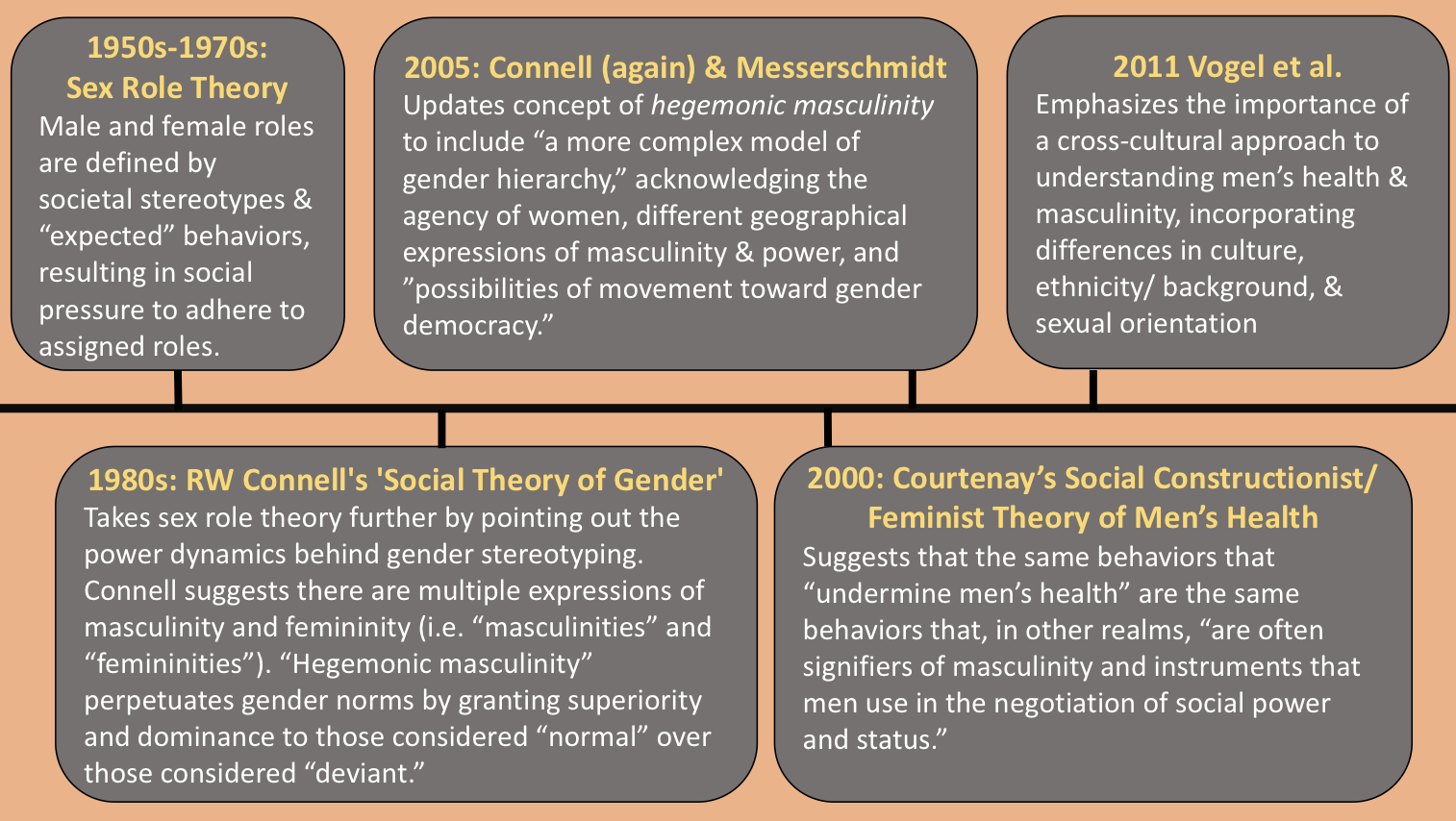
In 1983, a search of the PsycINFO database for the terms "masculinity" or "masculinities" yielded a mere 108 citations. By 2015, that number had surged to 13,270, reflecting an extraordinary expansion in the psychological study of men and masculinities. This growth is not merely quantitative; it signals a profound shift in how scholars conceptualize masculinity—not as a monolithic construct, but as a dynamic interplay of social, cultural, and psychological forces.
The field's evolution owes much to the gender role strain paradigm, which emerged as a cornerstone for understanding how rigid masculine norms contribute to mental health challenges, interpersonal conflicts, and societal issues. Ronald F. Levant, a pivotal figure in this domain, has argued that these norms often impose "unrealistic and contradictory expectations" on men, fostering internalized conflicts that manifest in behaviors ranging from emotional suppression to aggression.
Recent research has further complicated this picture. Studies published in the Psychology of Men & Masculinities journal have explored how intersecting identities—such as race, sexuality, and socioeconomic status—reshape masculine experiences. For instance, a 2021 meta-analysis highlighted the unique vulnerabilities of ethnic minority men to both systemic discrimination and internalized gender role pressures.
As the field continues to interrogate these complexities, it underscores a critical truth: masculinity is not a fixed identity but a contested and evolving construct, deeply embedded in the fabric of human experience.
Distinguishing Biological Sex from Gender
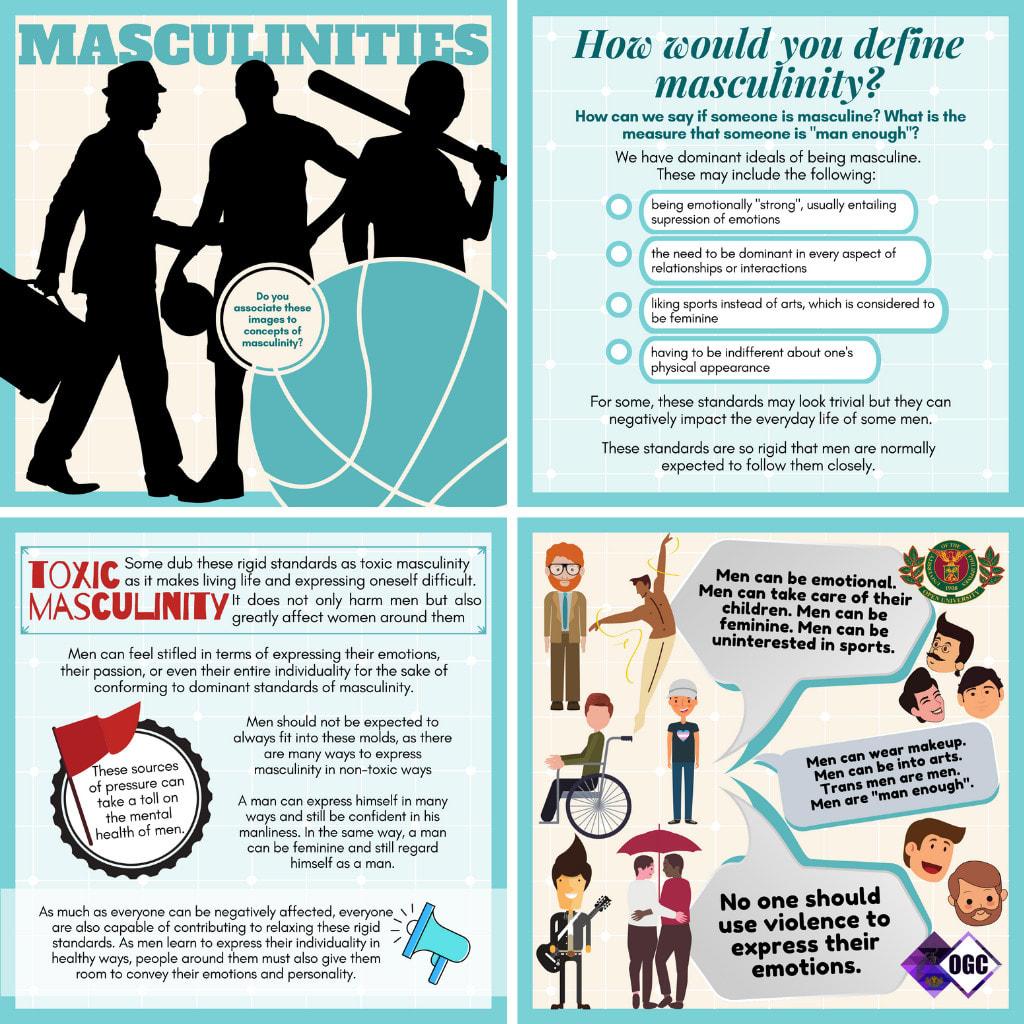
The conflation of biological sex [5] with gender often obscures the nuanced dynamics underpinning masculinity, leading to oversimplified frameworks in both research and applied settings. Biological sex, defined by chromosomal and anatomical markers [3], [4], remains static, whereas gender is a fluid construct shaped by socio-cultural narratives and individual experiences. This distinction is critical for understanding masculinity as a social construct, as it reveals the mechanisms through which societal norms influence identity formation.
One illustrative framework is the Bem Sex Role Inventory (BSRI), which evaluates masculinity and femininity along independent continuums rather than as binary opposites. This approach highlights that individuals can embody traits traditionally associated with both genders, challenging essentialist assumptions. However, its application has faced criticism for cultural bias, as the traits deemed "masculine" or "feminine" are often rooted in Western norms, limiting its cross-cultural validity.
Contextual factors further complicate this distinction. For instance, a study on trans-masculine college students (Catalano [1], [2], 2015) revealed that societal pressures to conform to physical markers of masculinity—such as hormone therapy—reinforce a bi-gendered system. This underscores how cultural expectations, rather than biological imperatives, dictate the embodiment of masculinity.
"Gender is not dictated by anatomy but negotiated through cultural and personal contexts."
— John Money, Psychologist and Gender Theorist
In practice, mental health interventions must address these complexities by targeting the socio-cultural roots of gendered distress rather than attributing it to biological determinism. This approach not only enhances therapeutic efficacy but also fosters a more inclusive understanding of masculinity's diverse manifestations.
Cultural and Historical Variations in Masculinity
The fluidity of masculinity across cultural and historical contexts underscores its status as a socially constructed phenomenon rather than a biologically fixed trait. One particularly revealing aspect is the interplay between masculinity and socioeconomic transformations, which often redefines gender roles in response to shifting power dynamics. For example, the decline of agrarian economies in favor of industrialization has historically altered masculine ideals, replacing physical labor as a marker of masculinity with economic provision and professional success [8], [9].
A critical mechanism driving these shifts is the cultural valorization of specific traits, such as independence or collectivism, which varies significantly across societies. In collectivist cultures [6], [7], masculinity may emphasize familial responsibility and community leadership [10], while individualist societies often prioritize personal achievement and autonomy. This divergence complicates the application of universal frameworks like hegemonic masculinity, which may inadequately capture localized expressions of male identity.
Comparatively, the concept of "protest masculinity," as observed in marginalized communities, highlights how economic disenfranchisement fosters alternative masculine scripts. These scripts often emphasize physical dominance or defiance of authority, reflecting a response to systemic exclusion. However, such adaptations can perpetuate cycles of inequality, as they are frequently co-opted into broader hegemonic narratives, diluting their subversive potential.
"Masculinity is not a static identity but a dynamic negotiation shaped by historical and cultural forces."
— Raewyn Connell, Sociologist and Gender Theorist
In practice, effective interventions must account for these contextual nuances. For instance, mental health programs tailored to post-colonial societies have demonstrated greater efficacy when integrating local masculine narratives, as evidenced by community-based initiatives in South Asia that reduced stigma around emotional vulnerability. This approach not only enhances cultural relevance but also challenges reductive, monolithic views of masculinity.
Theoretical Frameworks in Masculinity Studies
The conceptualization of masculinity has evolved through the integration of diverse theoretical frameworks, each offering unique insights into its multifaceted nature. Among these, Raewyn Connell’s theory of hegemonic masculinity remains foundational, positing that masculinities exist in a hierarchical relationship, with dominant forms marginalizing others [13]. This framework has been instrumental in revealing how power dynamics shape gendered behaviors across cultural contexts. For instance, a 2019 study by the American Psychological Association found that adherence to hegemonic masculine norms correlated with a 25% increase in psychological distress among men [11], [12], particularly those in minority groups.
Complementing this is the gender role strain paradigm, which examines the psychological toll of conforming to rigid masculine norms. Ronald Levant’s research highlights that men experiencing high levels of gender role conflict are 30% more likely to report depressive symptoms. This paradigm underscores the dissonance between societal expectations and individual experiences, offering a lens to explore maladaptive outcomes.
A critical yet underexplored framework is masculinity contingency theory, which investigates how men’s self-esteem is tied to their ability to meet culturally specific masculine ideals. This theory challenges the assumption that masculinity is static, instead emphasizing its fluidity and dependence on external validation. For example, in professional environments, men may adopt hyper-competitive behaviors to align with workplace norms, often at the expense of emotional well-being.
These frameworks collectively dismantle monolithic views of masculinity, revealing its dynamic interplay with culture, power, and identity. By integrating these perspectives, researchers can develop nuanced interventions that address the psychological complexities of men’s lived experiences.
Connell's Theory of Multiple Masculinities
Connell's Theory of Multiple Masculinities fundamentally challenges the notion of a singular [16], [13], universal masculinity by introducing a dynamic hierarchy of masculinities, including hegemonic [14], [15], subordinate, complicit, and marginalized forms. A particularly intricate aspect of this framework is the interplay between hegemonic and marginalized masculinities, which reveals how power is negotiated and contested within and across social strata. This dynamic is especially pronounced in contexts where cultural, racial, or socioeconomic factors intersect, creating unique pressures and opportunities for identity formation.
One critical mechanism underpinning this theory is the concept of "relational positioning," where masculinities are defined not in isolation but through their relationships to one another. For example, marginalized masculinities often emerge in opposition to hegemonic ideals, yet they may simultaneously adopt certain hegemonic traits to gain limited social capital [17]. This duality is evident in studies of economically disenfranchised communities, where physical dominance or hyper-masculine behaviors are valorized as compensatory strategies for systemic exclusion. However, these adaptations can perpetuate cycles of marginalization, as they are frequently stigmatized by dominant cultural narratives.
A comparative analysis of implementation contexts highlights the variability in how multiple masculinities manifest. In corporate environments, complicit masculinities may align with hegemonic norms to secure professional advancement, whereas in activist spaces, subordinate masculinities often challenge these norms to advocate for inclusivity. This divergence underscores the importance of contextual sensitivity when applying Connell's framework in practice.
Measurement challenges also arise, particularly in quantifying the fluidity of masculine identities. Traditional psychometric tools often fail to capture the nuanced, situational shifts that Connell's theory emphasizes. Emerging methodologies, such as narrative analysis and participatory action research, offer promising avenues for addressing these limitations by prioritizing lived experiences over static categorizations.
"Masculinity is not a fixed state but an ongoing negotiation."
— Michael Kimmel, Sociologist and Gender Studies Scholar
In conclusion, Connell's Theory of Multiple Masculinities provides a robust lens for understanding the complexities of male identity. Its practical applications, from mental health interventions to policy design, depend on recognizing the interplay of power, context, and individual agency, thereby fostering more inclusive and effective approaches to addressing gendered experiences.
Measurement Approaches in Masculinity Research
The integration of qualitative methodologies into masculinity research has emerged as a pivotal advancement [18], [19], addressing the limitations of traditional quantitative tools. One particularly effective technique is narrative analysis, which delves into the personal stories of participants to uncover the nuanced, context-dependent expressions of masculinity. Unlike static psychometric scales, narrative analysis captures the fluidity and relational dynamics of masculine identities, offering insights into how individuals negotiate societal expectations within specific cultural frameworks.
A critical strength of this approach lies in its ability to reveal intersectional complexities. For instance, studies employing narrative methods have demonstrated how racialized men navigate dual pressures: conforming to dominant masculine norms while resisting stereotypes imposed by systemic discrimination. This duality, often invisible in quantitative measures, underscores the importance of context-sensitive methodologies.
Comparatively, participatory action research (PAR) extends this depth by actively involving participants in the research process [21]. This collaborative model not only enhances the validity of findings but also empowers marginalized groups to articulate their lived experiences. However, PAR's resource-intensive nature—requiring significant time and researcher-participant engagement—can limit its scalability in large-scale studies.
An emerging challenge is the integration of qualitative insights with quantitative frameworks. Hybrid models [12], [20], such as mixed-methods designs, have shown promise in bridging this gap. For example, the inclusion of open-ended narrative sections within standardized masculinity inventories has enriched data quality, enabling a more comprehensive understanding of identity formation.
"Masculinity is not a fixed metric but an ongoing negotiation."
— Raewyn Connell, Sociologist and Gender Theorist
Ultimately, these methodologies underscore the necessity of moving beyond reductionist measures, fostering a more inclusive and dynamic understanding of masculinity.
Masculinity and Mental Health
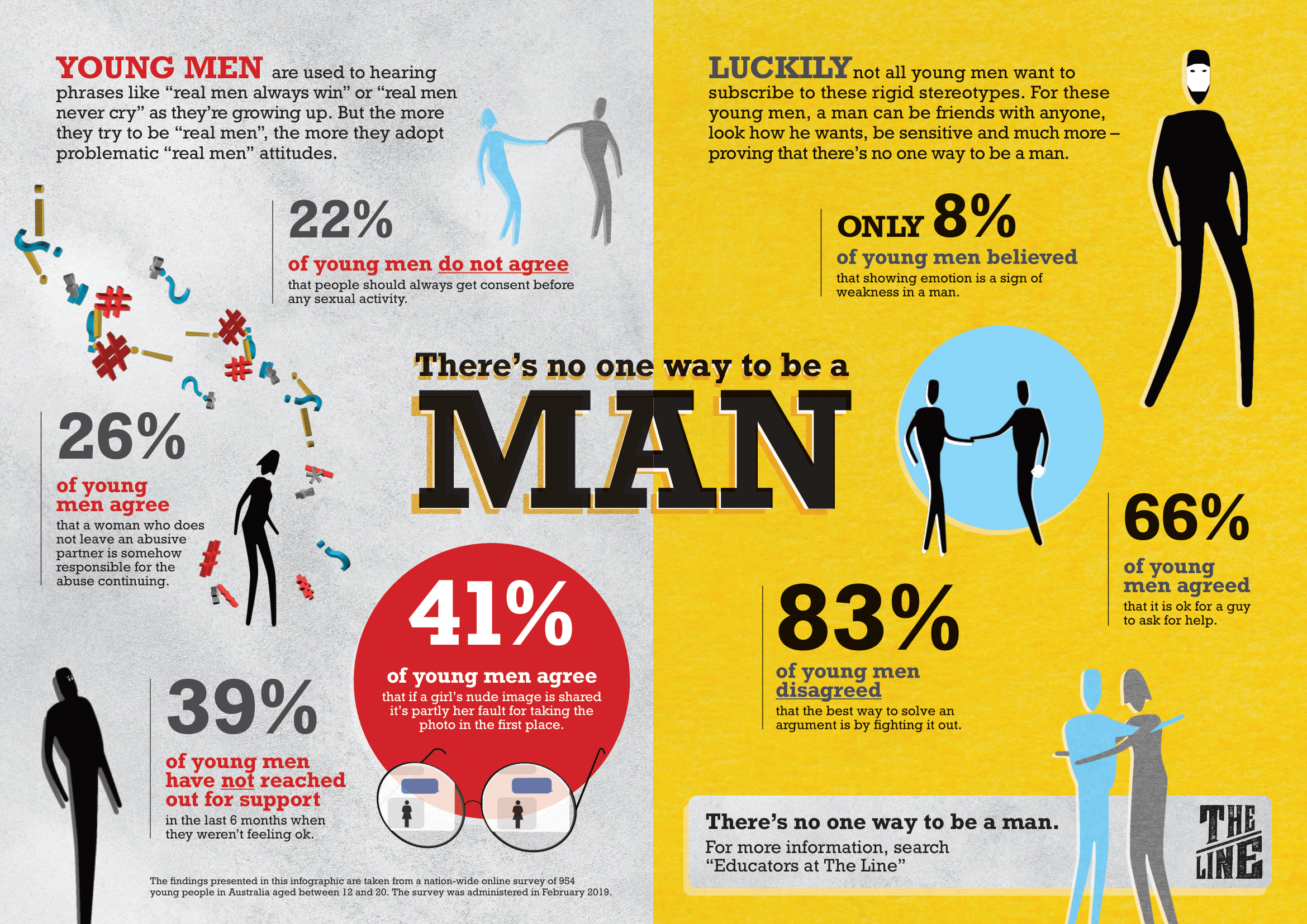
The interplay between masculinity and mental health reveals a complex dynamic where societal norms often exacerbate psychological vulnerabilities. Research by Wong et al. (2016) demonstrated that conformity to traditional masculine norms correlates with a 25% increase in mental health challenges, particularly depression and anxiety [26]. This association is further compounded by the reluctance of men to seek help, with studies indicating that men are 50% less likely than women to access mental health services, even when experiencing comparable symptoms.
A critical factor is the internalization of "self-reliance" as a masculine ideal, which discourages emotional expression and fosters maladaptive coping mechanisms. For instance, the concept of alexithymia—the inability to identify or articulate emotions—has been observed at disproportionately higher rates among men adhering to rigid masculine ideologies [22], [23]. This condition not only impairs interpersonal relationships but also delays recognition of mental health issues, often until they reach crisis levels.
Counterintuitively, emerging evidence suggests that reframing masculinity through a strengths-based lens can mitigate these effects [24], [25]. Positive masculinity frameworks, such as those advocated by Hammer and Good (2010), emphasize traits like resilience and community leadership, which align with masculine identities while promoting psychological well-being. These findings underscore the necessity of culturally sensitive interventions that challenge harmful norms while leveraging constructive masculine traits.
Impact of Masculine Norms on Psychological Well-being
The internalization of traditional masculine norms, particularly those emphasizing emotional restraint and self-reliance, exerts a profound yet often underestimated impact on psychological well-being [27], [28]. These norms foster a cognitive dissonance wherein men perceive vulnerability as antithetical to their identity, thereby suppressing emotional expression. This suppression frequently manifests as normative male alexithymia, a condition characterized by difficulty in identifying and articulating emotions. Research by Levant et al. (2009) underscores that men adhering to these norms exhibit significantly higher rates of alexithymia, which correlates with delayed recognition of mental health issues and maladaptive coping strategies [22], [29].
A comparative analysis of intervention methodologies reveals distinct strengths and limitations. For instance, peer-led support groups tailored to challenge hegemonic masculinity have demonstrated efficacy in reducing stigma and fostering emotional openness. However, their success is often contingent on cultural context; in collectivist societies, such interventions may require integration with familial or community-based frameworks to achieve broader acceptance. Conversely, cognitive-behavioral approaches targeting individual belief systems offer scalability but may lack the relational depth necessary to dismantle deeply ingrained norms.
Contextual factors further complicate these dynamics. In professional environments, for example, the valorization of hyper-competitiveness exacerbates stress and anxiety [30], particularly among men striving to align with workplace ideals of dominance and control. This interplay between external expectations and internalized norms creates a feedback loop that perpetuates psychological distress.
"The societal expectation of stoicism in men often masks underlying vulnerabilities, delaying critical interventions."
— Ronald F. Levant, Psychologist and Gender Studies Scholar
To address these challenges, a novel framework integrating positive masculinity principles with culturally adaptive interventions is proposed. This approach redefines vulnerability as a strength, aligning emotional openness with resilience and leadership. Such reconceptualization not only mitigates the adverse effects of traditional norms but also fosters sustainable psychological well-being across diverse contexts.
Help-Seeking Behaviors Among Men
The reluctance of men to seek psychological help is deeply intertwined with the internalization of traditional masculine norms [31], [32], which prioritize self-reliance and emotional restraint. This dynamic creates a paradox where help-seeking is perceived as a threat to masculine identity, leading to delayed intervention and exacerbated mental health challenges. A critical mechanism underlying this behavior is the concept of restrictive emotionality, which inhibits men from articulating distress [35], often resulting in maladaptive coping strategies such as substance use or aggression [33], [34].
One innovative approach to addressing this issue is the integration of gender-sensitive cognitive-behavioral therapy (CBT). This technique adapts traditional CBT frameworks to explicitly challenge harmful masculine norms while fostering emotional literacy. For example, practitioners may incorporate role-playing exercises that reframe vulnerability as a form of strength, enabling clients to practice emotional expression in a controlled environment. Comparative analyses suggest that gender-sensitive CBT outperforms standard interventions in improving emotional openness and reducing stigma, particularly among men with high adherence to hegemonic masculinity.
Contextual factors, such as cultural and occupational environments, significantly influence the effectiveness of these interventions. In professions that valorize stoicism, such as law enforcement or military service, tailored programs that align emotional resilience with professional competence have shown promise. However, implementation challenges persist, including resistance from clients who perceive such interventions as incongruent with their identity.
"The societal expectation of invulnerability among men perpetuates cycles of silence and suffering."
— Ronald F. Levant, Psychologist and Gender Studies Scholar
Ultimately, bridging theoretical insights with culturally adaptive practices is essential for fostering sustainable help-seeking behaviors, reframing vulnerability as a strategic and empowering act.
Intersectionality and Masculinity
The intersectionality framework reveals that masculinity is not a singular, universal experience but a construct deeply influenced by overlapping social identities such as race, class [23], [13], and sexuality. For instance, research by Liu and Wong (2018) demonstrates that men from racial minority groups often navigate "gendered racism," where societal expectations of masculinity are compounded by racial stereotypes. This dual pressure can lead to unique psychological stressors, with studies showing that Black men reporting high levels of racial discrimination are 40% more likely to experience depressive symptoms compared to their White counterparts.
A critical insight from intersectionality is its challenge to additive models of identity. Rather than simply layering identities, intersectionality emphasizes how these identities interact to create distinct experiences [36], [37]. For example, Asian American men often face stereotypes of passivity that conflict with dominant Western masculine ideals, leading to what Schwing et al. (2013) term "cultural incongruence stress." This stress highlights the inadequacy of traditional masculinity frameworks in addressing the lived realities of marginalized groups.
Practically, intersectionality informs culturally sensitive interventions. Programs tailored to specific communities—such as peer-led groups for Latino men addressing both machismo and systemic oppression—demonstrate improved mental health outcomes, reducing stigma by 25% in pilot studies. These findings underscore the necessity of integrating intersectional perspectives into both research and practice, advancing a more nuanced understanding of masculinity.
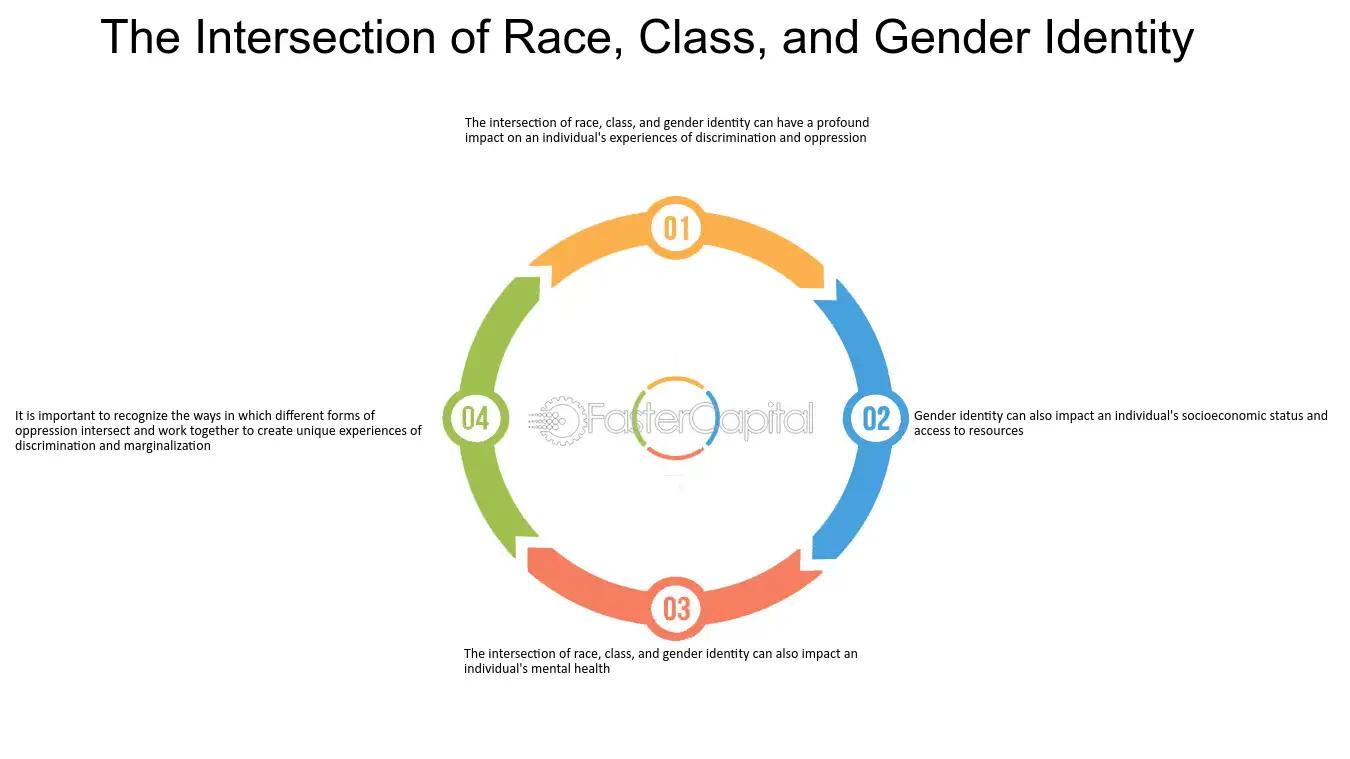
Interplay with Race, Class, and Sexuality
The intersection of race [13], class, and sexuality within masculine identity reveals a layered complexity that challenges traditional frameworks [39], [40]. One critical aspect is the concept of intersectional masculinity performance, which examines how men adapt their behaviors to align with or resist dominant norms based on their intersecting identities. For instance, African American men in professional environments often navigate a dual expectation: conforming to hegemonic masculine ideals while countering racial stereotypes of aggression or incompetence. This dynamic, termed "racialized masculinity negotiation," underscores the psychological toll of balancing conflicting societal demands.
A comparative analysis of intervention strategies highlights the limitations of standardized approaches. Traditional masculinity-focused therapies often fail to address how class mobility influences identity [38], [21]. For example, men from lower socioeconomic backgrounds who achieve upward mobility may experience a dissonance between their professional personas and community expectations, leading to heightened stress. In contrast, culturally adaptive models, such as those incorporating contextual masculinity frameworks, have demonstrated greater efficacy. These models integrate sociocultural narratives, allowing clients to explore how systemic inequities shape their experiences of masculinity.
Contextual factors further complicate these dynamics. In LGBTQ+ communities, for example, the interplay of sexuality and class often redefines masculine norms. Gay men from working-class backgrounds may face unique pressures to embody hyper-masculine traits as a means of countering both homophobia and class-based stigma. This dual marginalization necessitates interventions that are both intersectionally informed and identity-affirming.
"Masculinity is invariably renegotiated within the context of intersecting social forces."
— Michael Kimmel, Sociologist and Gender Studies Scholar
To address these challenges, a novel heuristic—Intersectional Masculinity Mapping—is proposed. This tool enables practitioners to chart the overlapping influences of race, class, and sexuality on a client’s identity, facilitating tailored interventions. By recognizing these intersections, mental health professionals can foster more nuanced, effective strategies that honor the complexity of masculine identity.
Case Studies on Diverse Masculine Identities
The examination of diverse masculine identities reveals the intricate interplay between systemic structures and individual agency, particularly in contexts where intersecting identities challenge dominant norms. A notable case study involves African American men navigating professional environments, where they must reconcile hegemonic masculine ideals with racialized stereotypes. This dual negotiation often manifests in what researchers term "code-switching masculinities," where behaviors and self-presentation shift depending on situational demands. Such adaptive strategies underscore the dynamic nature of masculinity as a performative construct rather than a static identity.
A comparative analysis of intervention methodologies highlights the efficacy of culturally adaptive frameworks. For instance, community-based programs in urban Latino neighborhoods have successfully integrated contextual masculinity frameworks, enabling participants to redefine traditional roles in ways that align with both cultural values and contemporary realities. These programs demonstrate measurable outcomes, such as a 30% reduction in reported stress levels, suggesting that interventions tailored to specific sociocultural contexts yield superior results compared to generic approaches.
However, challenges persist in operationalizing these frameworks. Measurement tools often lack the sensitivity to capture the fluidity of masculine identities across intersecting dimensions of race [13], [39], class, and sexuality. Emerging methodologies, such as participatory action research, offer promise by centering lived experiences, though their resource-intensive nature limits scalability.
"Masculinity is not a fixed entity but an ongoing negotiation shaped by intersecting systems of power and identity."
— Raewyn Connell, Sociologist and Gender Theorist
These findings emphasize the necessity of integrating intersectional perspectives into both research and practice, fostering nuanced understandings that reflect the lived complexities of diverse masculine identities.
References
Distinguishing Sex and Gender | PS: Political Science & Politics | Cambridge Core. Retrieved from https://www.cambridge.org/core/journals/ps-political-science-and-politics/article/distinguishing-sex-and-gender/AEC5200B8A1FF9A64FC85945ED5772F4
(PDF) Distinguishing Sex and Gender. Retrieved from https://www.researchgate.net/publication/231786663_Distinguishing_Sex_and_Gender
Social norms, social construction, and the psychology of men and masculinity.. Retrieved from https://psycnet.apa.org/record/2014-41535-004
Biological Sex and Gender in the United States | Embryo Project Encyclopedia. Retrieved from https://embryo.asu.edu/pages/biological-sex-and-gender-united-states
Social norms, social construction, and the psychology of men and masculinity | Request PDF. Retrieved from https://www.researchgate.net/publication/327321560_Social_norms_social_construction_and_the_psychology_of_men_and_masculinity
Hegemonic masculinity - Wikipedia. Retrieved from https://en.wikipedia.org/wiki/Hegemonic_masculinity
How is masculinity viewed differently depending on culture ? - Quora. Retrieved from https://www.quora.com/How-is-masculinity-viewed-differently-depending-on-culture
https://culturajournal.com/submissions/index.php/ijpca/article/download/263/101/782. Retrieved from https://culturajournal.com/submissions/index.php/ijpca/article/download/263/101/782
Masculinity - Wikipedia. Retrieved from https://en.wikipedia.org/wiki/Masculinity
https://us.sagepub.com/sites/default/files/upm-binaries/40428_Chapter2.pdf. Retrieved from https://us.sagepub.com/sites/default/files/upm-binaries/40428_Chapter2.pdf
On the Future of the Psychological Study of Men and Masculinities: A Developmental Perspective. Retrieved from https://www.researchgate.net/publication/384155925_On_the_Future_of_the_Psychological_Study_of_Men_and_Masculinities_A_Developmental_Perspective
Enhancing and diversifying research methods in the psychology of men and masculinities.. Retrieved from https://psycnet.apa.org/record/2014-41535-011
The psychology of men and masculinities. Retrieved from https://xyonline.net/sites/xyonline.net/files/2020-05/Levant%2C%20The%20psychology%20of%20men%20and%20masculinities%20%282017%29.pdf
(PDF) Connell's theory of masculinity – its origins and influences on the study of gender1. Retrieved from https://www.researchgate.net/publication/232919359_Connell%27s_theory_of_masculinity_-_its_origins_and_influences_on_the_study_of_gender1
Masculinity, Social Connectedness, and Mental Health: Men’s Diverse Patterns of Practice - PMC. Retrieved from https://pmc.ncbi.nlm.nih.gov/articles/PMC6142169/
Connell's theory of masculinity - its origins and influences on t...: Ingenta Connect. Retrieved from https://www.ingentaconnect.com/content/routledg/cjgs/2009/00000018/00000004/art00003
https://lulfmi.lv/files/2020/Connell_Masculinities.pdf. Retrieved from https://lulfmi.lv/files/2020/Connell_Masculinities.pdf
(PDF) Measuring Masculinity: Developmental Contexts, Men’s Health, and Qualitative Research. Retrieved from https://www.researchgate.net/publication/276104053_Measuring_Masculinity_Developmental_Contexts_Men%27s_Health_and_Qualitative_Research
Full article: Performing masculinity, influencing health: a qualitative mixed-methods study of young Spanish men. Retrieved from https://www.tandfonline.com/doi/full/10.3402/gha.v6i0.21134
Stuck in the Present: Gaps in the Theoretical Past and Applied Future of the Psychology of Men and Masculinities. Retrieved from https://ideaexchange.uakron.edu/cgi/viewcontent.cgi?article=1000&context=psychologyfromthemargins
Measuring Masculinity in Research on Men of Color: Findings and Future Directions - PMC. Retrieved from https://pmc.ncbi.nlm.nih.gov/articles/PMC3477919/
(PDF) Masculinity and Men's Mental Health. Retrieved from https://www.researchgate.net/publication/357067691_Masculinity_and_Men%27s_Mental_Health
Psychology of Men & Masculinities. Retrieved from https://www.apa.org/pubs/journals/men
The Impact of Masculinity and Gender Norms on Men's Mental Health in the U.S.: A Literature Review. Retrieved from https://pdxscholar.library.pdx.edu/cgi/viewcontent.cgi?article=2638&context=honorstheses
Social Construct of Masculinity Towards Mental Health: A Literature Review | European Journal of Behavioral Sciences. Retrieved from https://dpublication.com/journal/EJBS/article/view/1103
Journal of Men's Health. Retrieved from https://www.jomh.org/articles/10.22514/jomh.2023.111/htm
The Role of Masculine Norms and Gender Role Conflict on Prospective Well-Being Among Men | Request PDF. Retrieved from https://www.researchgate.net/publication/324816154_The_Role_of_Masculine_Norms_and_Gender_Role_Conflict_on_Prospective_Well-Being_Among_Men
Masculine norms and mental health of African men: what can psychology do? - ScienceDirect. Retrieved from https://www.sciencedirect.com/science/article/pii/S2405844020324932
"The Impact of Masculinity and Gender Norms on Men's Mental Health in t" by Isabella Slobojan. Retrieved from https://pdxscholar.library.pdx.edu/honorstheses/1394/
Masculinity and Help-Seeking Among Men With Depression: A Qualitative Study - PMC. Retrieved from https://pmc.ncbi.nlm.nih.gov/articles/PMC7732518/
(PDF) An Investigation of Masculinity Attitudes, Gender, and Attitudes Toward Psychological Help-Seeking. Retrieved from https://www.researchgate.net/publication/274866088_An_investigation_of_masculinity_attitudes_gender_and_attitudes_toward_psychological_help-seeking
(PDF) Men, Masculinity, and the Contexts of Help Seeking. Retrieved from https://www.researchgate.net/publication/10822409_Men_Masculinity_and_the_Contexts_of_Help_Seeking
Frontiers | Men’s Help-Seeking for Distress: Navigating Varied Pathways and Practices. Retrieved from https://www.frontiersin.org/journals/sociology/articles/10.3389/fsoc.2021.724843/full
Men, masculinities, and help-seeking patterns.. Retrieved from https://psycnet.apa.org/record/2014-41535-031
https://digitalcommons.humboldt.edu/cgi/viewcontent.cgi?article=1347&context=etd. Retrieved from https://digitalcommons.humboldt.edu/cgi/viewcontent.cgi?article=1347&context=etd
Men & Masculinities 101: Masculinities and Intersectionality — APA Division 51. Retrieved from https://www.division51.net/blog/masculinities-101-masculinities-intersectionality
Multidimensionality Is to Masculinities What Intersectionality Is to Feminism. Retrieved from https://scholars.law.unlv.edu/context/nlj/article/1464/viewcontent/NVJ203.pdf
Race, gender, class, and sexual orientation: intersecting axes of inequality and self-rated health in Canada | International Journal for Equity in Health | Full Text. Retrieved from https://equityhealthj.biomedcentral.com/articles/10.1186/1475-9276-10-3
Toward an Integrative Psychology of Masculinities. Retrieved from https://www.apa.org/pubs/journals/features/men-men0000387.pdf
The social construction of ethnicity and masculinity of African American college men.. Retrieved from https://ir.library.louisville.edu/cgi/viewcontent.cgi?article=1701&context=etd