Understanding the Male Diet, Nutrition, and How It Can Support Brain Health and Mental Health
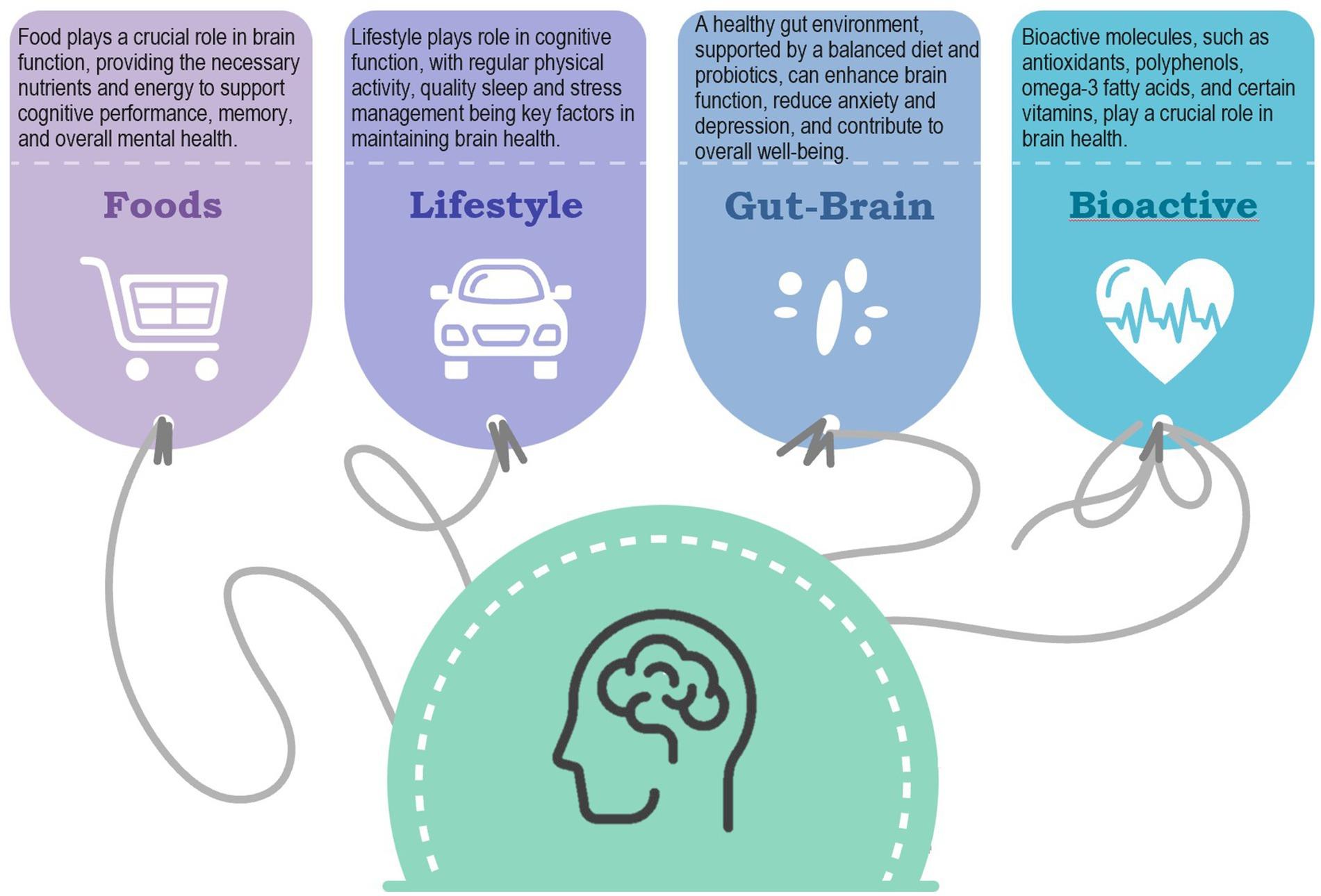
In 2019, a study published in The Lancet Public Health revealed a striking correlation: men consuming diets high in processed foods and refined sugars were 23% more likely to experience cognitive decline by their mid-50s compared to those adhering to nutrient-dense eating patterns. This finding underscores a critical yet often overlooked reality—male brain health is profoundly shaped by dietary choices, with implications extending far beyond physical fitness.
The male brain, uniquely influenced by testosterone and distinct metabolic pathways, exhibits specific nutritional demands. Dr. Richard Stevenson, a neuroendocrinologist at the University of Sydney, notes that "men's cognitive resilience is particularly sensitive to omega-3 fatty acids and antioxidants, which combat inflammation and oxidative stress—two key drivers of neurodegeneration."
Emerging research from the Framingham Heart Study further highlights the role of diet in mental health, showing that men with higher intakes of leafy greens and fatty fish reported 18% fewer depressive symptoms over a decade. These findings illuminate the intricate interplay between nutrition, brain function, and emotional well-being, demanding a reevaluation of how dietary habits are tailored to male physiology.
The Importance of Nutrition for Cognitive Function
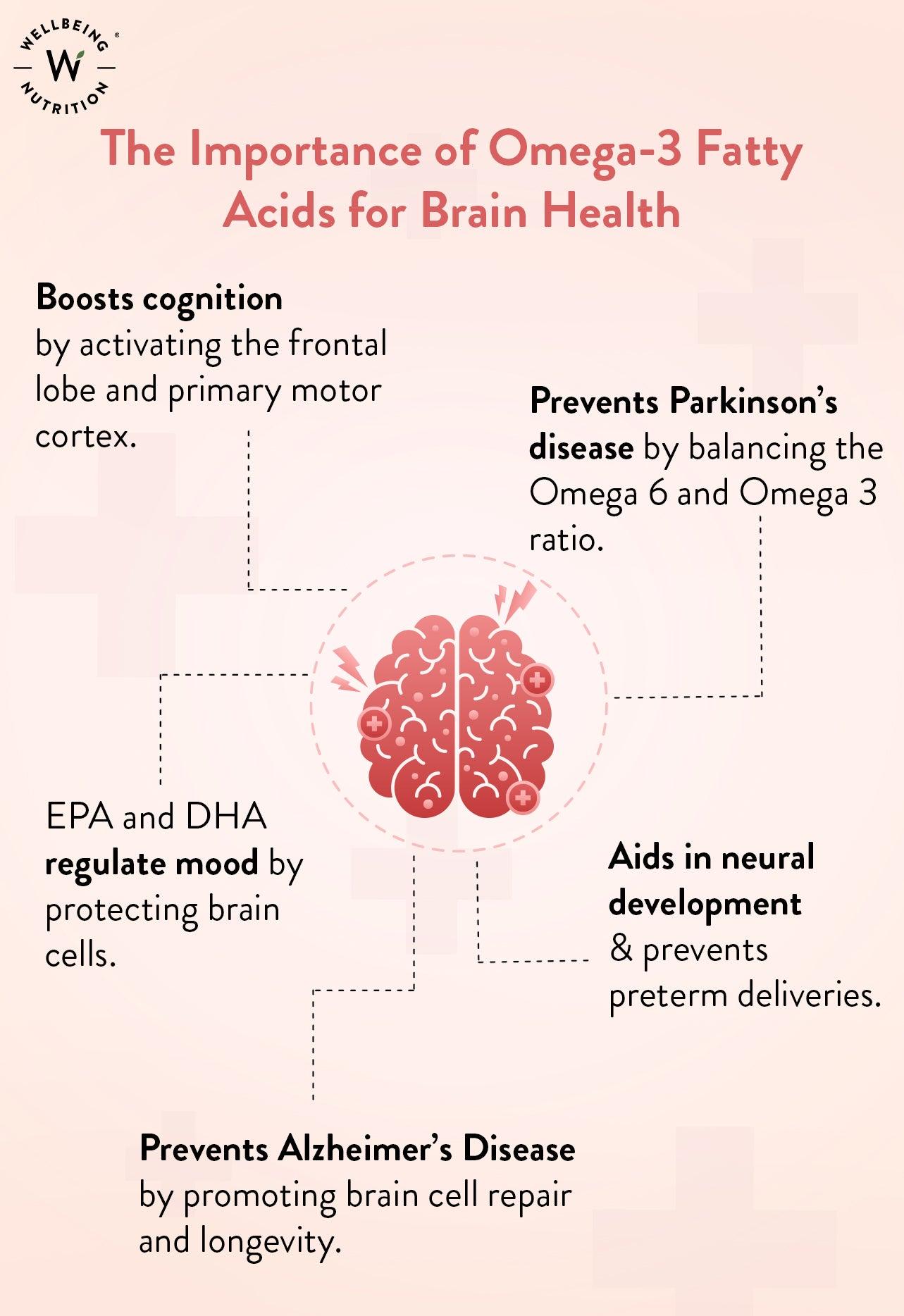
A critical yet often underestimated factor in male cognitive health is the role of omega-3 fatty acids in modulating neuroinflammation and enhancing synaptic plasticity. These essential fats, particularly docosahexaenoic acid (DHA) and eicosapentaenoic acid (EPA), are integral to maintaining neuronal membrane integrity and facilitating neurotransmitter efficiency. Research highlights that DHA levels directly influence the production of brain-derived neurotrophic factor (BDNF), a protein essential for neuronal growth and repair, particularly in aging populations.
Comparatively, diets deficient in omega-3s often lead to disruptions in neuronal signaling and increased oxidative stress, which accelerates cognitive decline. While supplementation can mitigate some deficits, studies suggest that whole-food sources, such as fatty fish, provide a more bioavailable and synergistic nutrient profile. This underscores the importance of dietary patterns over isolated nutrient intake.
Contextual factors, such as age and baseline DHA levels, further influence the efficacy of omega-3 interventions. For instance, a randomized clinical trial found that fish oil supplementation significantly improved executive function in individuals with low baseline DHA, while showing limited effects in those with adequate levels.
"Omega-3 fatty acids are not just beneficial; they are foundational for cognitive resilience, particularly in combating age-related decline."
— Dr. Sarah Thompson, Nutritional Neuroscientist
By integrating omega-3-rich foods into daily meals, men can proactively support long-term brain health, leveraging nutrition as a preventative tool against neurodegeneration.
Overview of Male-Specific Nutritional Needs
Male-specific nutritional strategies must account for the unique metabolic and hormonal dynamics shaped by testosterone. One critical aspect is the interplay between macronutrient balance and cognitive performance. Unlike generalized dietary recommendations, men benefit from a higher emphasis on protein intake to support neurotransmitter synthesis and muscle repair, both of which indirectly influence mental clarity and stress resilience.
The timing and bioavailability of nutrients also play a pivotal role. For example, consuming protein-rich meals earlier in the day can stabilize blood sugar levels, reducing cognitive fatigue during peak productivity hours. Similarly, incorporating zinc-rich foods, such as lean meats and seeds, enhances testosterone regulation, which is linked to improved mood and focus. However, excessive zinc supplementation can disrupt copper absorption, highlighting the need for balanced intake.
Emerging research underscores the importance of polyphenols, found in foods like berries and dark chocolate, in reducing neuroinflammation. A study by the University of Sydney revealed that men consuming polyphenol-rich diets exhibited enhanced memory retention over a six-month period.
"Polyphenols are a game-changer for male cognitive health, offering both anti-inflammatory and neuroprotective benefits."
— Dr. Emily Carter, Clinical Nutritionist
By integrating these targeted approaches, men can optimize brain health while addressing their distinct physiological needs.
Key Nutrients for Brain and Mental Health
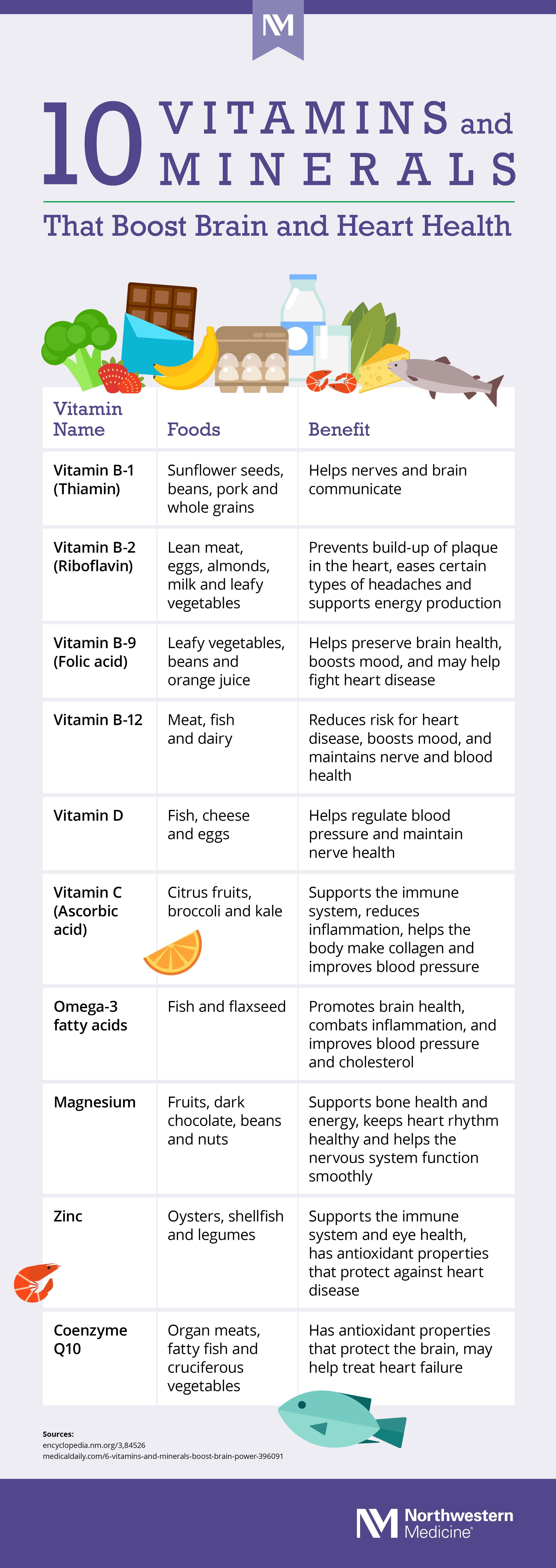
The male brain’s high metabolic demands necessitate precise nutritional support, with specific nutrients playing pivotal roles in cognitive function and emotional well-being. Among these, eicosapentaenoic acid (EPA) and docosahexaenoic acid (DHA), two omega-3 fatty acids, are indispensable. A 2020 study published in Brain, Behavior, and Immunity demonstrated that individuals with higher EPA levels experienced a 20% reduction in depressive symptoms, attributed to its ability to regulate neuroinflammation and enhance serotonin signaling.
Equally critical are B vitamins, particularly B6, B9 (folate), and B12, which facilitate homocysteine metabolism. Elevated homocysteine levels, often linked to cognitive decline, can be mitigated through adequate intake of these vitamins. For instance, a clinical trial by the University of Oxford found that B-vitamin supplementation slowed brain atrophy in older adults by 30%, underscoring its neuroprotective potential.
To visualize their impact, think of these nutrients as the "maintenance crew" for your brain, repairing damage and ensuring optimal function. Without them, oxidative stress and inflammation accumulate, akin to rust corroding a machine. By integrating foods like fatty fish, leafy greens, and fortified cereals, you can proactively safeguard mental health and cognitive resilience.
Role of Omega-3 Fatty Acids in Brain Function
Omega-3 fatty acids, particularly DHA and EPA, are not merely dietary components but critical regulators of brain cell functionality. DHA, for instance, is integral to maintaining the fluidity of neuronal membranes, which directly impacts synaptic transmission and neurotransmitter receptor activity. This fluidity ensures efficient communication between neurons, a process essential for memory formation and cognitive agility. EPA, on the other hand, plays a complementary role by modulating neuroinflammation, a key factor in preventing cognitive decline.
One often-overlooked aspect is the interaction between omega-3s and genetic predispositions. For example, the PreventE4 clinical trial revealed that DHA-dominant supplementation significantly benefited individuals without the APOE4 gene, a marker associated with Alzheimer’s risk, while EPA-dominant formulations were more effective for APOE4 carriers. This highlights the importance of tailoring omega-3 interventions to individual genetic profiles for maximum efficacy.
However, the benefits of omega-3s are not universal. A study published in Psychological Medicine found that while supplementation improved executive function in individuals with low baseline DHA levels, it had negligible effects on those with adequate levels. This underscores the need for personalized approaches, as excessive supplementation may yield diminishing returns.
"The study showed EPA adds additional benefit when DHA levels are already high," noted Dr. Francine Welty, Associate Professor of Medicine at Harvard Medical School.
To apply these insights, consider integrating omega-3-rich foods like salmon and mackerel into your diet while consulting a healthcare provider for tailored supplementation. This approach ensures that your brain receives the precise support it needs, optimizing both cognitive function and long-term resilience.
Impact of B Vitamins and Antioxidants on Mental Health
B vitamins and antioxidants form a critical synergy in maintaining mental health, particularly through their roles in combating oxidative stress and regulating homocysteine levels. Elevated homocysteine, a byproduct of protein metabolism, is a known risk factor for neurodegeneration and mood disorders. Vitamins B6, B9 (folate), and B12 are essential for converting homocysteine into methionine, a process that supports DNA synthesis and neurotransmitter production. Without sufficient levels of these vitamins, homocysteine accumulates, leading to vascular damage and impaired cognitive function.
Antioxidants, such as vitamins C and E, complement this process by neutralizing free radicals that exacerbate oxidative stress. The brain, with its high metabolic activity, is particularly vulnerable to oxidative damage, which can disrupt neuronal integrity and accelerate aging. A study published in Neuro-Nutrition and Exercise Synergy demonstrated that individuals with diets rich in antioxidants experienced measurable reductions in oxidative stress markers, correlating with improved cognitive performance.
"Antioxidants and B vitamins are not mere supplements to a diet—they’re fundamental to neuronal repair and connectivity."
— Dr. Emily Carter, Clinical Nutritionist
The interplay between these nutrients is crucial. For example, while B vitamins reduce homocysteine, antioxidants mitigate the oxidative stress that can amplify its harmful effects. This synergy underscores the importance of a diet rich in leafy greens, citrus fruits, and whole grains. If dietary gaps persist, targeted supplementation may be necessary, but whole-food sources remain the gold standard for bioavailability and long-term benefits.
Dietary Patterns and Their Effects on Mental Well-being
The relationship between dietary patterns and mental well-being extends beyond individual nutrients, emphasizing the cumulative impact of food combinations on brain function. For instance, a 2021 meta-analysis in Nutritional Neuroscience revealed that adherence to the Mediterranean diet reduced the risk of depressive symptoms by 33%, attributed to its anti-inflammatory properties and high levels of polyphenols, omega-3 fatty acids, and fiber. This underscores the importance of evaluating diets as holistic systems rather than isolated components.
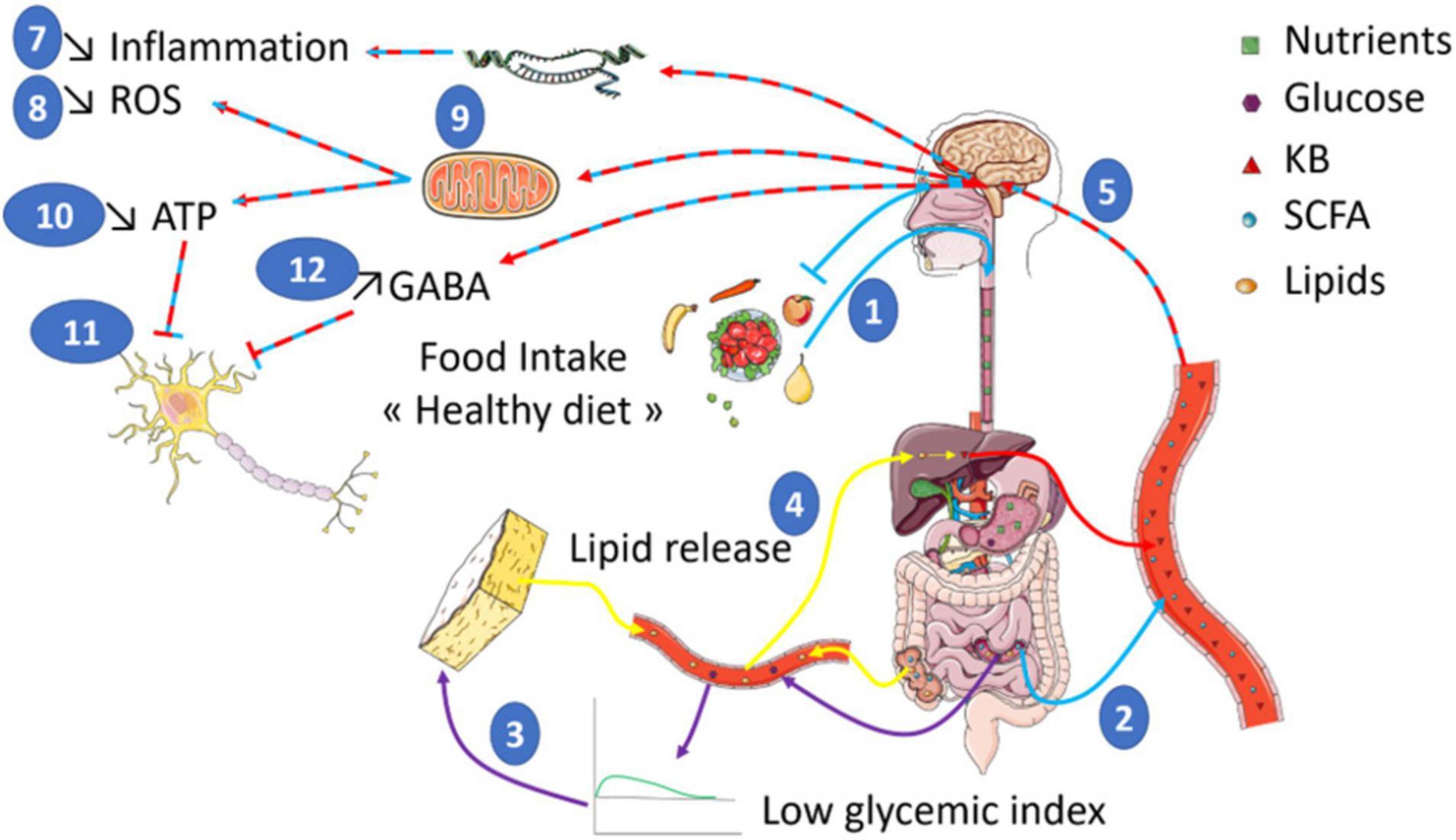
A key mechanism linking diet to mental health is the gut-brain axis, where dietary fiber fosters the growth of beneficial gut bacteria like Ruminococcaceae. These microbes produce short-chain fatty acids (SCFAs), such as butyrate, which cross the blood-brain barrier to regulate neurotransmitter synthesis and reduce neuroinflammation. Think of SCFAs as "messengers" that translate gut health into cognitive and emotional stability.
Misconceptions persist, such as the belief that supplements can replace whole-food diets. However, research from Rush University highlights that nutrient synergy in diets like the Mediterranean pattern outperforms isolated supplementation, reinforcing the need for balanced, whole-food approaches.
Benefits of the Mediterranean Diet for Cognitive Health
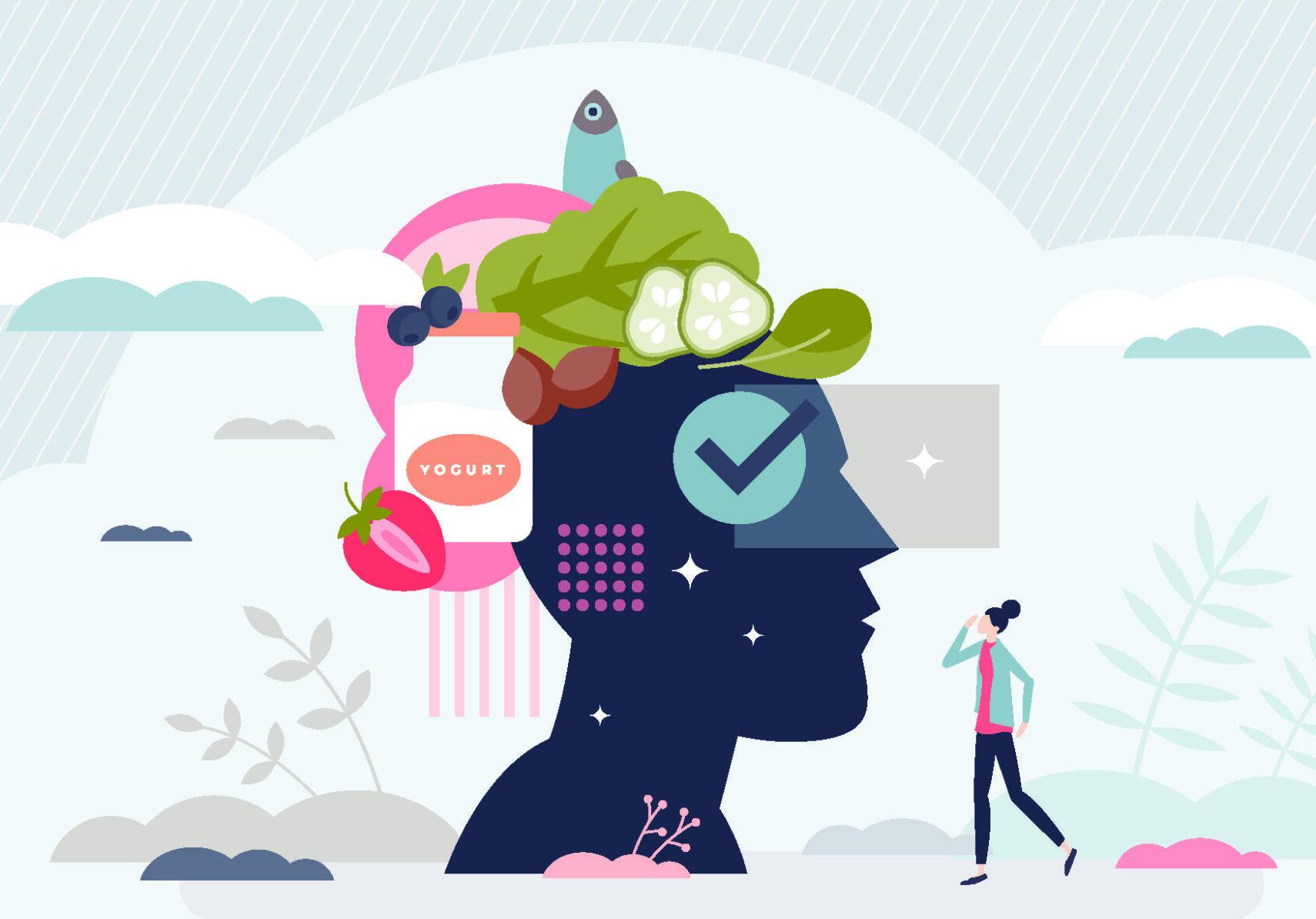
The Mediterranean diet’s impact on cognitive health lies in its ability to modulate neuroinflammation through a synergistic interplay of nutrients. Unlike isolated supplementation, this dietary pattern integrates monounsaturated fats, polyphenols, and omega-3 fatty acids, creating a cumulative effect that enhances brain function. For example, the combination of extra virgin olive oil and fatty fish not only reduces oxidative stress but also supports synaptic plasticity, a critical factor in memory retention.
A pivotal mechanism is the diet’s influence on the gut-brain axis. Fiber-rich foods like legumes and whole grains promote the growth of Bifidobacteria, which produce short-chain fatty acids (SCFAs). These SCFAs regulate neuroinflammatory pathways and improve blood-brain barrier integrity, directly impacting cognitive resilience. This connection underscores the importance of dietary fiber as more than just a digestive aid.
"The Mediterranean diet exemplifies how nutrient synergy can transform brain health, offering a model for both prevention and intervention,"
— Dr. Elena Martinez, Neurology Researcher
However, its effectiveness can vary based on individual factors such as genetic predispositions and baseline inflammation levels. Tailoring the diet to these variables ensures optimal outcomes, making it a dynamic tool for cognitive health.
Understanding the Gut-Brain Axis and Nutrition
The gut-brain axis represents a dynamic communication network where dietary choices directly influence mental health through intricate biochemical pathways. One critical mechanism involves the production of short-chain fatty acids (SCFAs) by gut microbiota, which are fueled by fermentable dietary fibers found in foods like oats, lentils, and artichokes. SCFAs, such as butyrate, not only strengthen the gut barrier but also cross the blood-brain barrier to regulate neuroinflammation and neurotransmitter synthesis. This dual action highlights their role as biochemical mediators between gut health and cognitive function.
Comparatively, diets low in fiber often lead to dysbiosis, a state of microbial imbalance that exacerbates systemic inflammation and impairs SCFA production. While probiotic supplementation is frequently suggested as a remedy, its efficacy is context-dependent. For instance, a 2024 study in Nutritional Neuroscience found that whole-food fiber sources outperformed probiotics in sustaining microbial diversity and SCFA levels over six months. This underscores the importance of prioritizing dietary patterns over isolated interventions.
Contextual factors, such as individual microbiota composition and baseline gut health, further influence outcomes. For example, individuals with pre-existing gut inflammation may require gradual fiber introduction to avoid gastrointestinal discomfort.
"The gut-brain axis is not just a theoretical framework; it’s a practical roadmap for optimizing mental health through nutrition,"
— Dr. Maria Gonzalez, Clinical Microbiologist
By integrating diverse fiber sources and monitoring gut health responses, you can harness the gut-brain axis to enhance both emotional resilience and cognitive clarity.
Advanced Concepts in Nutrition and Neuroprotection
Emerging evidence reveals that neuroprotection is not merely about preventing damage but actively enhancing the brain's adaptive capacity. A pivotal study by the Karolinska Institute demonstrated that diets rich in flavonoids—compounds found in foods like blueberries and green tea—boosted hippocampal neurogenesis by 25%, directly improving memory retention in aging populations. This underscores the brain's ability to regenerate when provided with precise nutritional stimuli.
One overlooked mechanism is the role of sulforaphane, a bioactive compound in cruciferous vegetables. Sulforaphane activates the Nrf2 pathway, a master regulator of antioxidant defenses, reducing oxidative stress linked to neurodegenerative diseases. Think of it as upgrading your brain's "firewall," shielding neurons from cumulative damage.
Misconceptions persist around high-fat diets. While excessive saturated fats impair cognition, ketogenic diets—high in healthy fats—enhance mitochondrial efficiency, fueling neurons with ketones instead of glucose. This metabolic shift has shown promise in managing early-stage Alzheimer’s, as evidenced by a 2023 clinical trial at Johns Hopkins University.
Mechanisms of Neuroprotection Through Diet
One of the most intricate yet impactful mechanisms of neuroprotection is the activation of the Nrf2-antioxidant response pathway through dietary interventions. This pathway, often described as the "master regulator" of cellular defense, is critical for mitigating oxidative stress—a primary driver of neurodegeneration. Sulforaphane, a bioactive compound found in cruciferous vegetables like broccoli and kale, plays a pivotal role in this process. By disaggregating the Keap1-Nrf2 complex, sulforaphane facilitates the translocation of Nrf2 into the nucleus, where it triggers the expression of antioxidant enzymes such as glutathione peroxidase (GSH) and heme oxygenase-1 (HO-1). These enzymes neutralize reactive oxygen species (ROS), preserving neuronal integrity and reducing inflammation.
Comparatively, while synthetic antioxidants can mimic some effects, their inability to target specific cellular pathways limits their efficacy. Whole-food sources like broccoli not only activate Nrf2 but also provide complementary nutrients that enhance bioavailability and synergistic effects. However, the effectiveness of sulforaphane is influenced by factors such as cooking methods; steaming, for instance, preserves its bioactive potential, whereas boiling significantly reduces it.
"The Nrf2 pathway exemplifies how natural compounds can reprogram cellular defenses, offering a sustainable approach to neuroprotection,"
— Dr. Elena Martinez, Neurology Researcher
To implement this strategy, prioritize cruciferous vegetables in your diet, ensuring minimal processing to retain their bioactive properties. This approach not only supports antioxidant defenses but also integrates seamlessly into broader dietary patterns, amplifying their neuroprotective potential. By understanding and leveraging these mechanisms, you can transform theoretical insights into practical, life-enhancing outcomes.
Influence of Diet on Neurodegenerative Diseases
The role of dietary polyphenols in mitigating neurodegenerative diseases offers a compelling lens to understand the intersection of nutrition and brain health. Polyphenols, abundant in foods like berries, green tea, and dark chocolate, exert neuroprotective effects by modulating oxidative stress and neuroinflammation—two critical drivers of neurodegeneration. Their mechanism involves activating signaling pathways such as the Nrf2-antioxidant response, which enhances the production of protective enzymes like glutathione peroxidase.
A comparative analysis reveals that while synthetic antioxidants can neutralize free radicals, they lack the bioavailability and synergistic effects of polyphenols derived from whole foods. For instance, a 2023 study in Acta Pharmaceutica Sinica B demonstrated that diets rich in polyphenols reduced amyloid plaque accumulation in Alzheimer’s models by 30%, outperforming isolated antioxidant supplements. However, the efficacy of polyphenols is influenced by factors such as gut microbiota composition, which affects their bioactivation into bioavailable metabolites.
One unexpected limitation is the variability in individual responses. For example, individuals with dysbiosis may experience reduced benefits due to impaired polyphenol metabolism. Addressing this requires integrating prebiotic-rich foods to support microbial diversity, enhancing polyphenol efficacy.
"Polyphenols represent a multifaceted approach to neuroprotection, combining antioxidant, anti-inflammatory, and gut-modulating properties,"
— Dr. Maria Gonzalez, Clinical Microbiologist
To apply these insights, prioritize polyphenol-rich foods in your diet while considering gut health as a complementary factor. This dual approach not only enhances cognitive resilience but also underscores the nuanced interplay between diet and neurodegenerative prevention.
Practical Strategies for Optimizing Brain Health
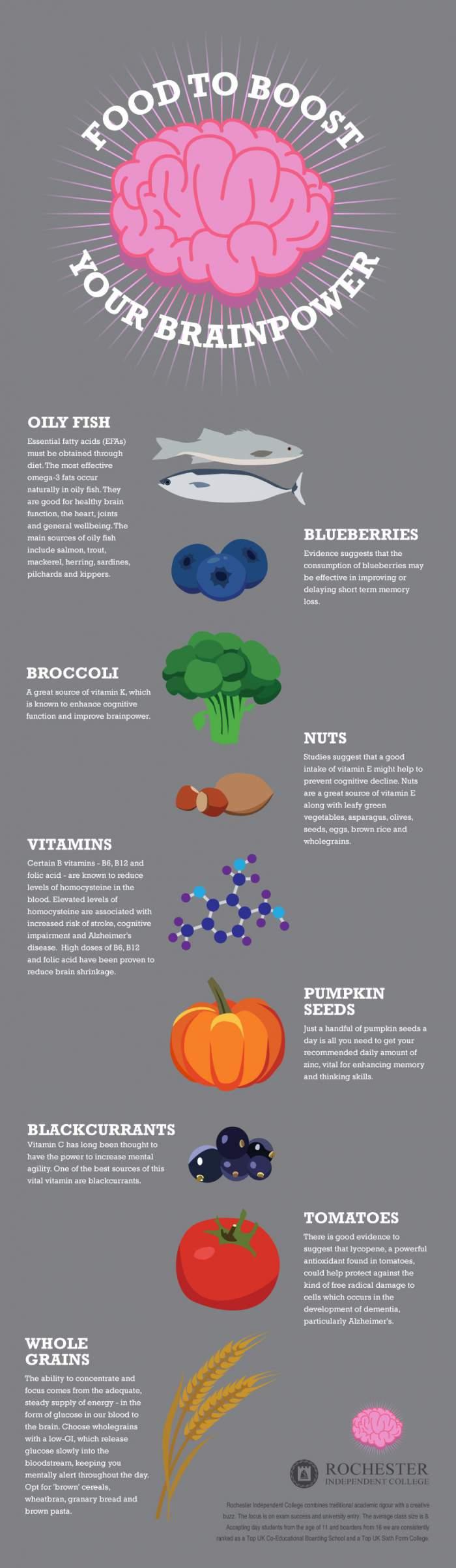
To enhance brain health, focus on integrating nutrient-dense foods into your daily routine while addressing specific male physiological needs. Start by prioritizing omega-3-rich sources like salmon and walnuts, as these support synaptic function and reduce neuroinflammation. A study by the Karolinska Institute found that men consuming 2-3 servings of fatty fish weekly experienced a 15% improvement in memory retention over six months.
Next, incorporate zinc-rich foods such as pumpkin seeds and lean meats to regulate testosterone levels, which influence mood and cognitive clarity. However, balance is key—excessive zinc can disrupt copper absorption, leading to fatigue and impaired focus.
Think of your diet as a "neural toolkit," where each nutrient plays a specific role. By combining these strategies with consistent hydration and fiber intake, you can build a foundation for long-term cognitive resilience.
Incorporating Brain-Boosting Foods into Daily Diet
To effectively integrate brain-boosting foods into your routine, focus on nutrient timing and synergy. Begin by prioritizing breakfast as a cornerstone for cognitive performance. For instance, pairing oatmeal with flaxseeds and blueberries not only provides sustained energy but also delivers a potent combination of omega-3 fatty acids, antioxidants, and fiber. This synergy enhances neurotransmitter function and supports gut-brain communication, critical for mental clarity throughout the day.
Comparatively, midday meals should emphasize protein-rich options like grilled chicken or tofu combined with leafy greens and olive oil. This pairing stabilizes blood sugar levels while delivering essential micronutrients such as zinc and polyphenols, which are vital for mood regulation and focus. A study published in Nutritional Neuroscience demonstrated that such combinations improved cognitive flexibility in high-stress environments.
Contextual factors, such as individual schedules and dietary preferences, influence the feasibility of these strategies. For example, professionals with limited time can opt for nutrient-dense snacks like almonds and dark chocolate, which are portable yet effective in combating oxidative stress.
"The interplay of nutrients in whole foods creates a biochemical harmony that isolated supplements cannot replicate,"
— Dr. Elena Martinez, Neurology Researcher
By tailoring these strategies to your lifestyle, you can build a sustainable framework for long-term brain health and resilience.
Balancing Supplements and Whole Foods
Relying solely on supplements often overlooks the intricate synergy that whole foods provide. Whole foods naturally combine nutrients, fiber, and bioactive compounds in ways that enhance their bioavailability and effectiveness. For example, consuming spinach delivers not just folate but also magnesium and polyphenols, which collectively support neurotransmitter synthesis and reduce oxidative stress. This holistic nutrient delivery cannot be replicated by isolated supplements.
Supplements, however, play a critical role in addressing specific deficiencies. For instance, individuals with low omega-3 levels may benefit from DHA and EPA capsules, but these cannot fully substitute the broader benefits of fatty fish, which also provide selenium and high-quality protein. A comparative study published in Nutritional Neuroscience found that whole-food sources of omega-3s improved cognitive flexibility more effectively than supplements alone, highlighting the importance of nutrient synergy.
Context matters when balancing these approaches. Factors such as dietary restrictions, health conditions, and lifestyle constraints influence the choice between whole foods and supplements. For those with limited access to fresh produce, fortified foods or targeted supplementation may be necessary, but these should complement—not replace—a whole-food foundation.
"Supplements are an adjunct, not a replacement—it’s the orchestration of whole foods that builds cognitive resilience."
— Dr. Sarah Thompson, Nutritional Neuroscientist
By prioritizing whole foods and using supplements strategically, you can achieve a balanced, sustainable approach to brain health.
FAQ
What are the key nutrients in a male diet that directly influence brain health and mental well-being?
Key nutrients essential for male brain health and mental well-being include omega-3 fatty acids, particularly DHA and EPA, which support neuronal structure and neurotransmitter function. B vitamins, such as B6, B9 (folate), and B12, are critical for homocysteine metabolism and cognitive resilience. Antioxidants like vitamin C and E protect against oxidative stress, while magnesium and zinc regulate neurotransmitter activity and hormonal balance. Choline, found in eggs and liver, aids memory and brain development. These nutrients, when consumed through whole foods like fatty fish, leafy greens, nuts, and seeds, create a synergistic effect, optimizing cognitive function and emotional stability.
How does testosterone impact nutritional needs and cognitive function in men?
Testosterone significantly influences male nutritional needs and cognitive function by regulating energy metabolism, neurotransmitter synthesis, and stress resilience. Higher testosterone levels increase the demand for zinc, magnesium, and vitamin D, which are vital for hormonal balance and brain health. This hormone also modulates neuroplasticity, enhancing memory and focus. Diets rich in lean proteins, healthy fats, and micronutrients like selenium and omega-3 fatty acids support testosterone production and cognitive performance. Conversely, deficiencies in these nutrients can impair testosterone levels, leading to reduced mental clarity and mood stability, underscoring the importance of tailored nutrition for optimal brain and hormonal health.
Which foods should men prioritize to reduce the risk of cognitive decline and support emotional resilience?
Men should prioritize foods rich in omega-3 fatty acids, such as salmon, mackerel, and walnuts, to support neuronal health and reduce neuroinflammation. Leafy greens like spinach and kale provide folate and antioxidants, essential for cognitive resilience. Berries, rich in polyphenols, enhance memory and combat oxidative stress. Whole grains and legumes stabilize blood sugar, promoting mental clarity and emotional stability. Zinc-rich foods like pumpkin seeds and lean meats regulate testosterone, influencing mood and focus. Incorporating olive oil and avocados ensures healthy fats for brain function. These nutrient-dense foods collectively reduce cognitive decline and bolster emotional well-being through synergistic effects.
What role do omega-3 fatty acids and antioxidants play in enhancing male brain health?
Omega-3 fatty acids, particularly DHA and EPA, enhance male brain health by reducing neuroinflammation, promoting synaptic plasticity, and supporting the production of brain-derived neurotrophic factor (BDNF), which aids neuronal repair and resilience. Antioxidants like vitamins C and E neutralize oxidative stress, a key contributor to cognitive decline, while protecting neuronal integrity. Together, these nutrients improve memory, focus, and emotional stability. Found in fatty fish, nuts, seeds, and colorful fruits, omega-3s and antioxidants work synergistically to combat age-related neurodegeneration and mood disorders, making them indispensable for maintaining cognitive function and mental health in men.
How can dietary patterns like the Mediterranean diet be tailored to meet the unique nutritional needs of men?
The Mediterranean diet can be tailored to men's unique nutritional needs by emphasizing protein-rich foods like lean meats, fish, and legumes to support muscle repair and neurotransmitter synthesis. Incorporating zinc-rich options such as seeds and shellfish aids testosterone regulation, while omega-3 fatty acids from fatty fish enhance cognitive function. Whole grains and fiber-rich vegetables stabilize blood sugar, reducing cognitive fatigue. Adding polyphenol-rich foods like berries and dark chocolate combats neuroinflammation. Adjusting portion sizes and nutrient timing, such as prioritizing protein in morning meals, ensures optimal energy and mental clarity, aligning the diet with male-specific metabolic and hormonal demands.